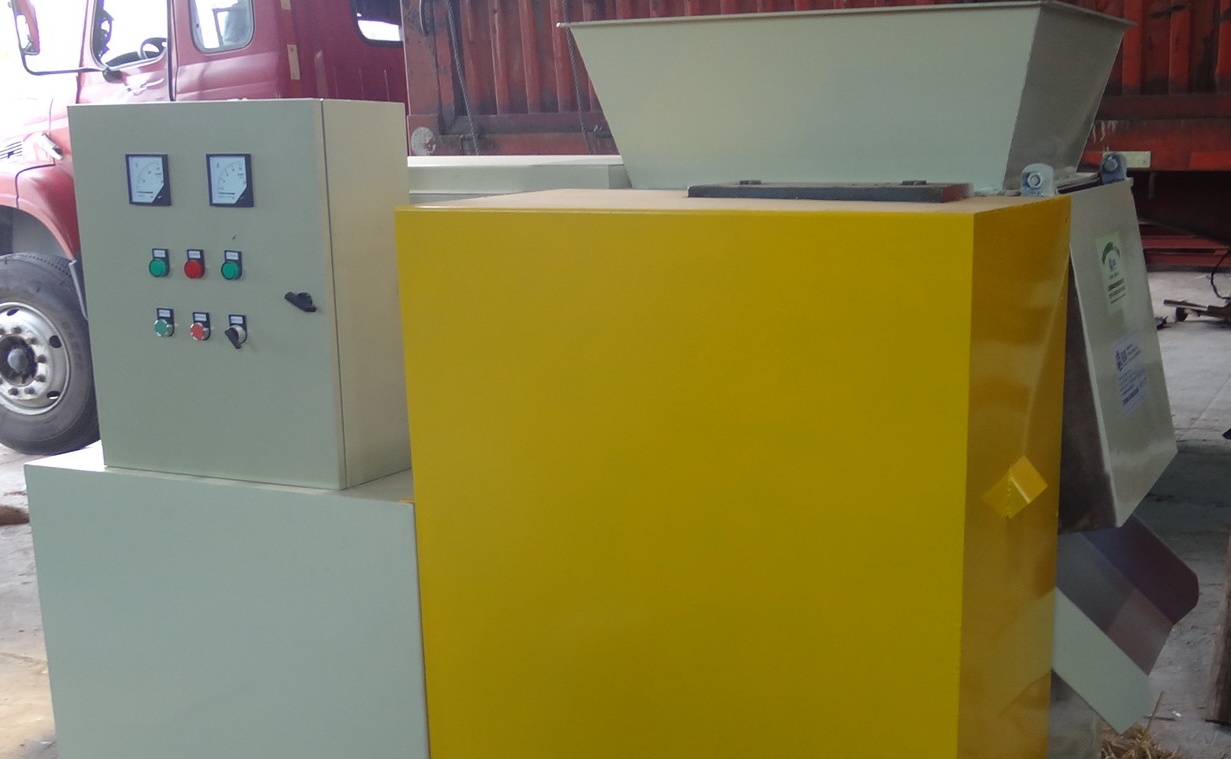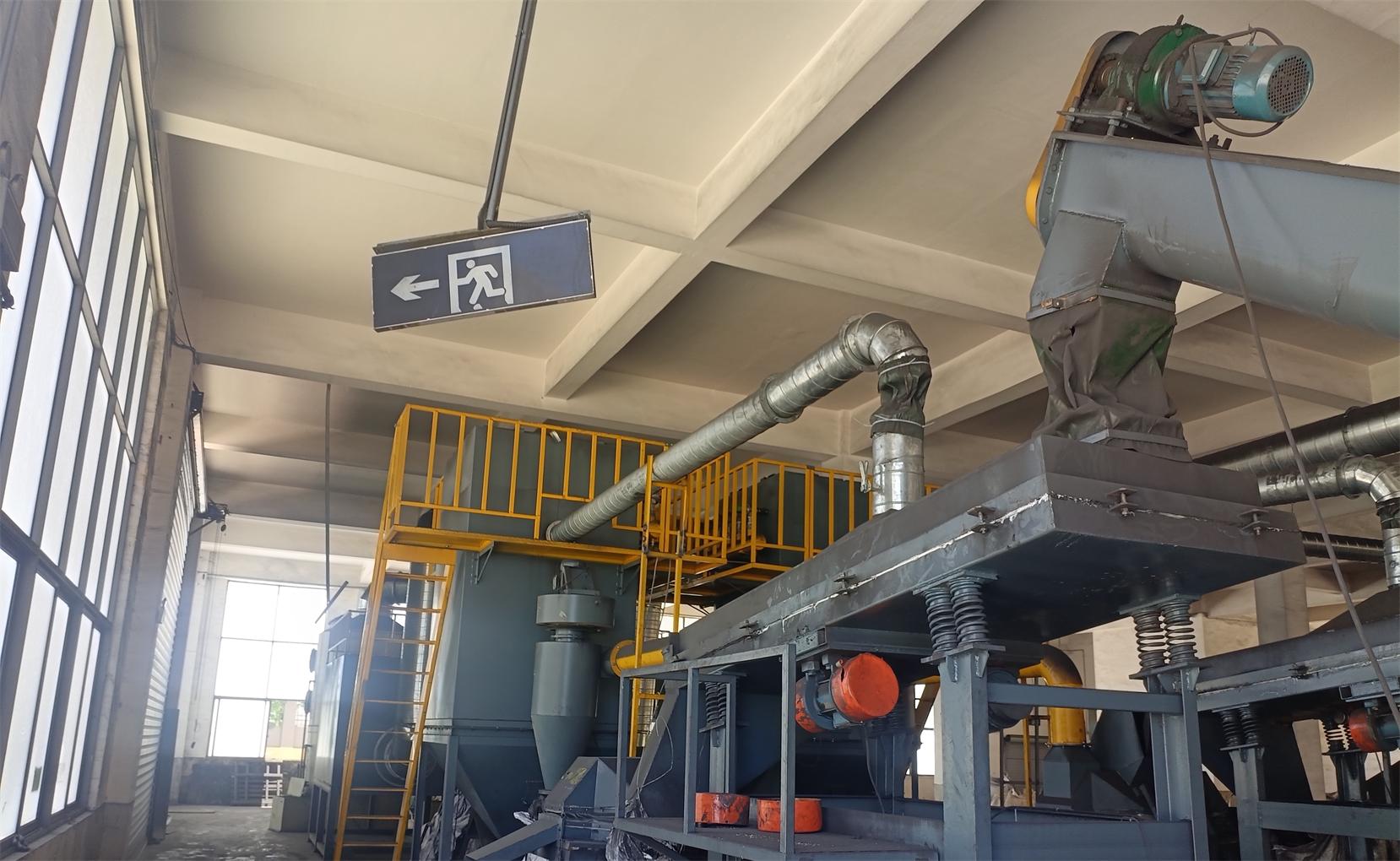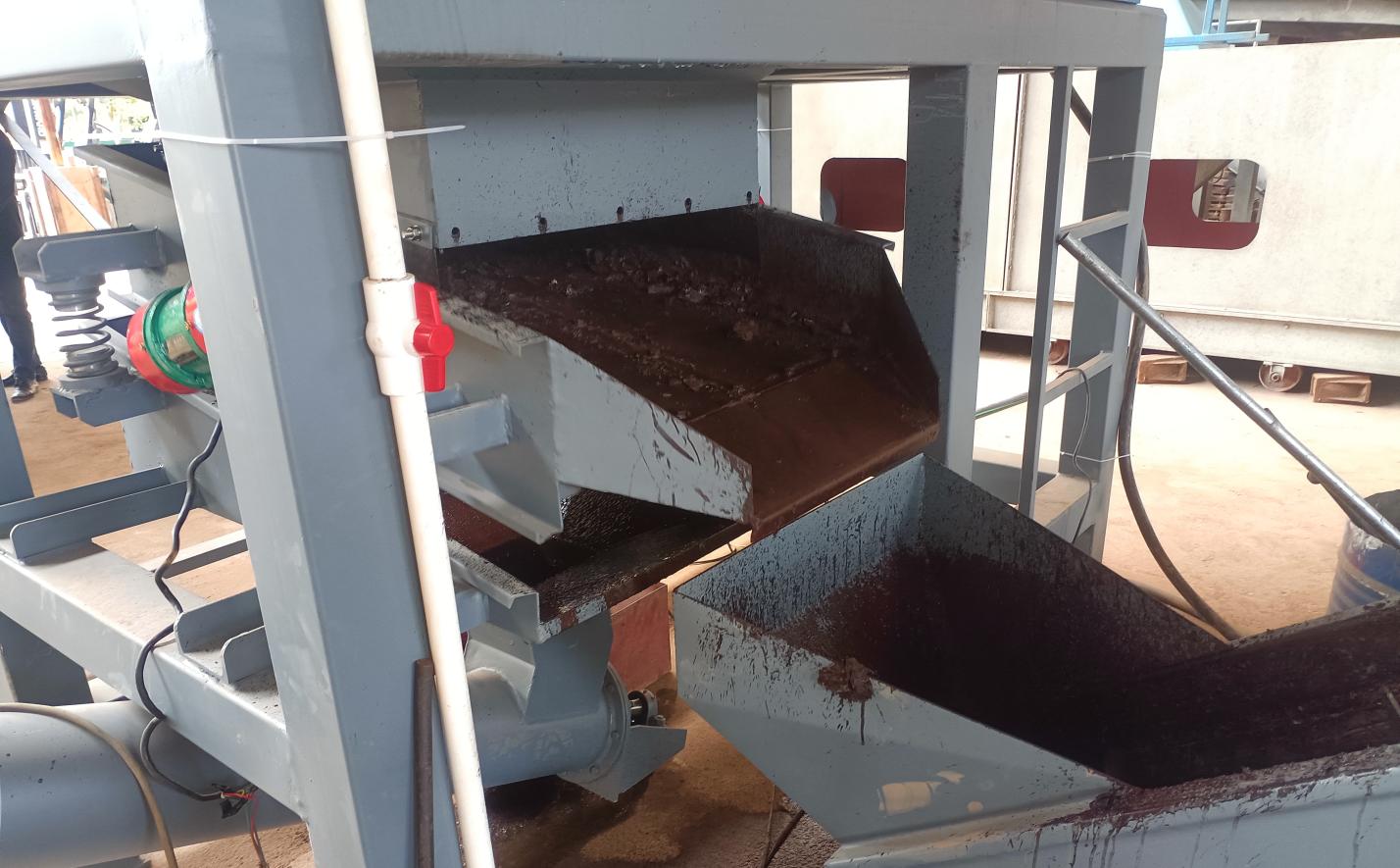
Two scrap yard operators each invested in cable recycling equipment three years ago. Today, one faces rising downtime, dull blades, and inconsistent copper purity. The other runs the same shift schedule with minimal interruptions and recovery rates that match day-one specifications. The difference is not the brand on the nameplate. It is the maintenance and operating discipline applied every single day.
The Hidden Cost of Neglecting Maintenance
Cable recycling machines work in harsh environments. Dust, metal fragments, vibration, and continuous load cycles wear down bearings, blades, and sorting systems. When maintenance is treated as an afterthought, the costs pile up quietly: longer processing times per batch, increased energy consumption, contaminated output streams, and premature replacement of expensive components.
Preventive maintenance is not an expense. It is a cost-control strategy. A well-maintained granulator and separator system keeps copper and aluminum fractions clean, protects downstream pricing, and ensures that the capital invested in cable recycling equipment delivers returns across its full design life.
Essential Maintenance Practices for Long-Term Performance
Every cable recycling machine ships with factory-lubricated bearings, but that lubrication is intended for commissioning and trial runs only. Once production begins, operators should establish a disciplined lubrication schedule.
- Refill grease on all operating bearings after the initial debugging period is complete.
- Relubricate general operating bearings every 40 hours of run time.
- Pay special attention to crusher bearings, which demand fresh grease every 8 hours of operation under load.
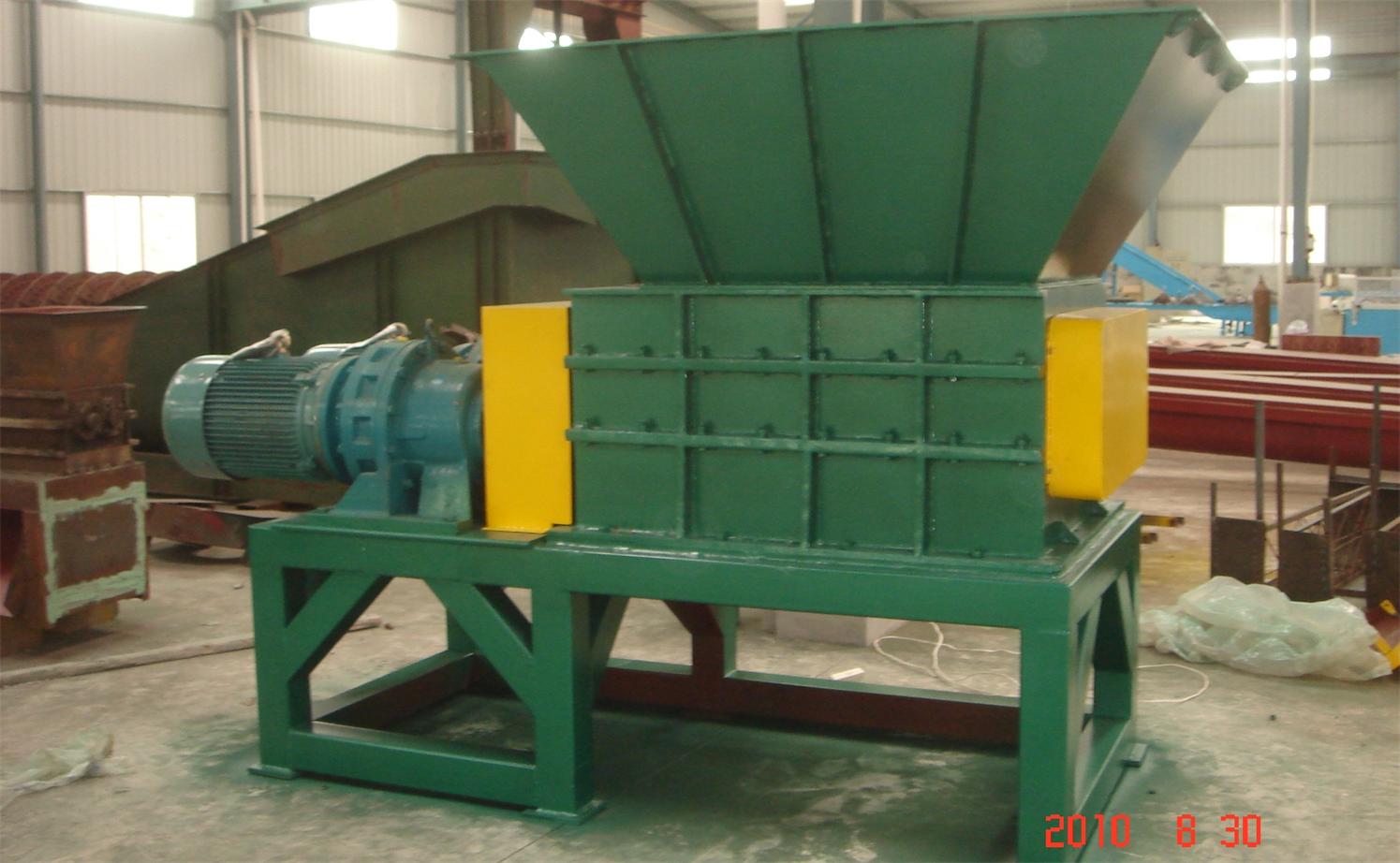
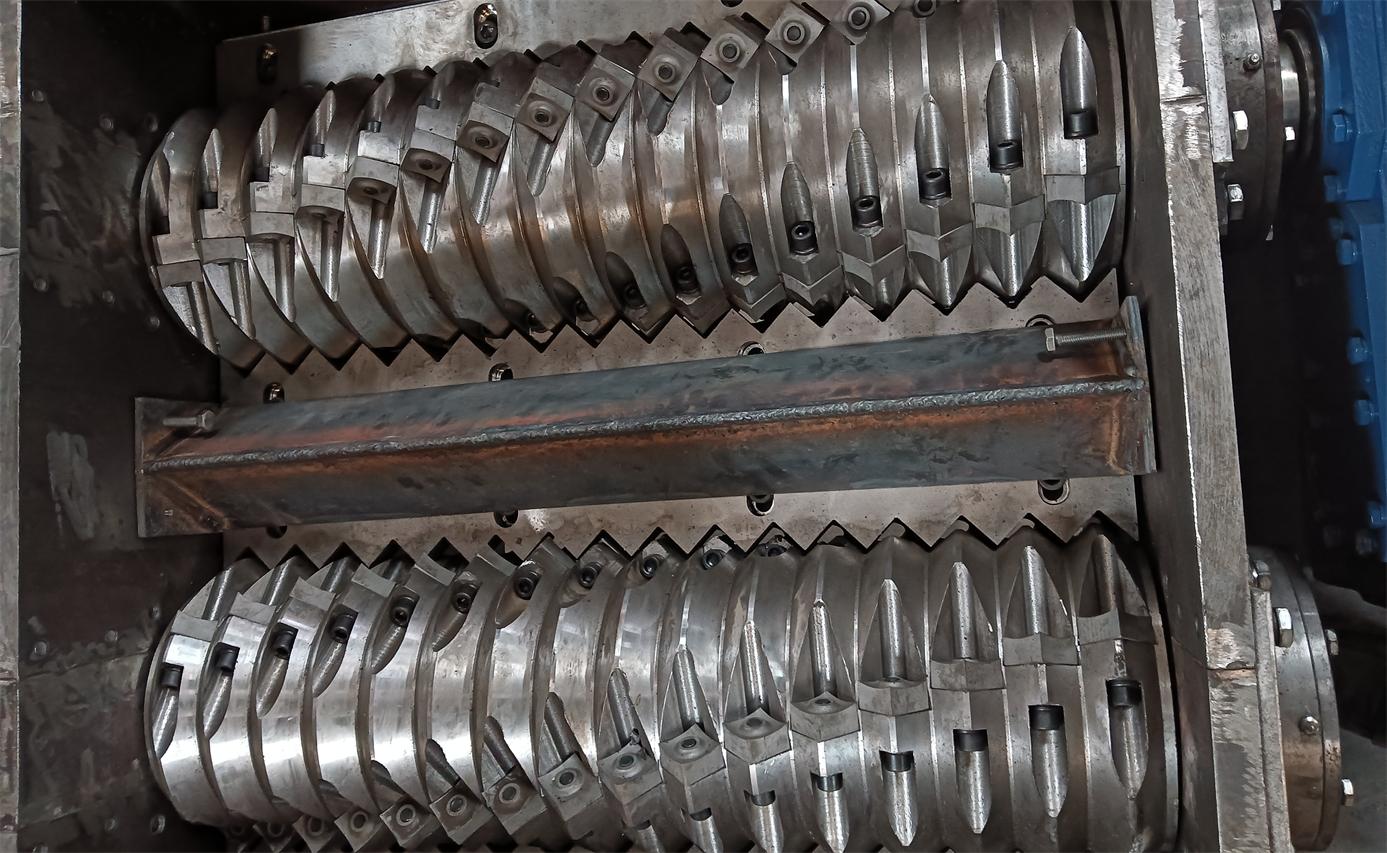
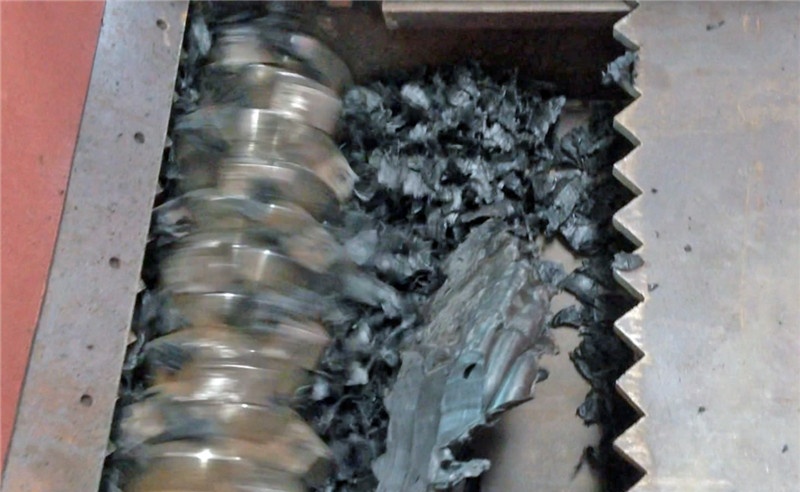
Cutting blades deserve equal attention. Blades dull gradually, and even a slight loss of edge sharpness degrades both crushing efficiency and the purity of the final separation. When sharpening is required, use controlled mechanical polishing rather than hand grinding. Hand grinding produces uneven edges and alters blade geometry. Repeated sharpening narrows the blade profile over time. Once the gap between the rotating blade and the fixed casing blade no longer meets the manufacturer's specification, replace the blade set entirely. Always shut down power before sharpening or blade replacement, and recalibrate blade gaps after every service.
Operational Discipline That Protects Your Investment
Maintenance keeps the machine healthy. Operating discipline keeps the process profitable. The following practices should be non-negotiable on every shift:
- Separate copper and aluminum feedstreams. Mixing the two metals in the same batch contaminates both output fractions and complicates resale.
- Match wire diameter within each batch. Running thick industrial cable alongside fine wire in the same load reduces sorting accuracy and can overload the granulator.
- Restrict input to copper and aluminum wire only. Feeding steel, plastic housings, or other foreign materials damages blades and introduces contaminants.
- Verify motor rotation on each startup. After powering on, start a single machine first and confirm that the motor rotates in the direction marked on the housing. Reverse rotation indicates incorrect wiring and must be corrected immediately.
- Run empty for 20 to 30 minutes before feeding. An empty warm-up run reveals belt tracking issues, abnormal vibration, or unusual noise before material is introduced. Correct any misalignment before loading the feed conveyor.
Matching Equipment to Your Material Stream
Not all cable scrap arrives granulator-ready. Thick armored cable, jelly-filled lines, and mixed construction bundles often need pre-processing. A scrap cable stripper equipment line removes outer insulation and prepares consistent feedstock for the granulator, reducing blade wear and improving separation efficiency.
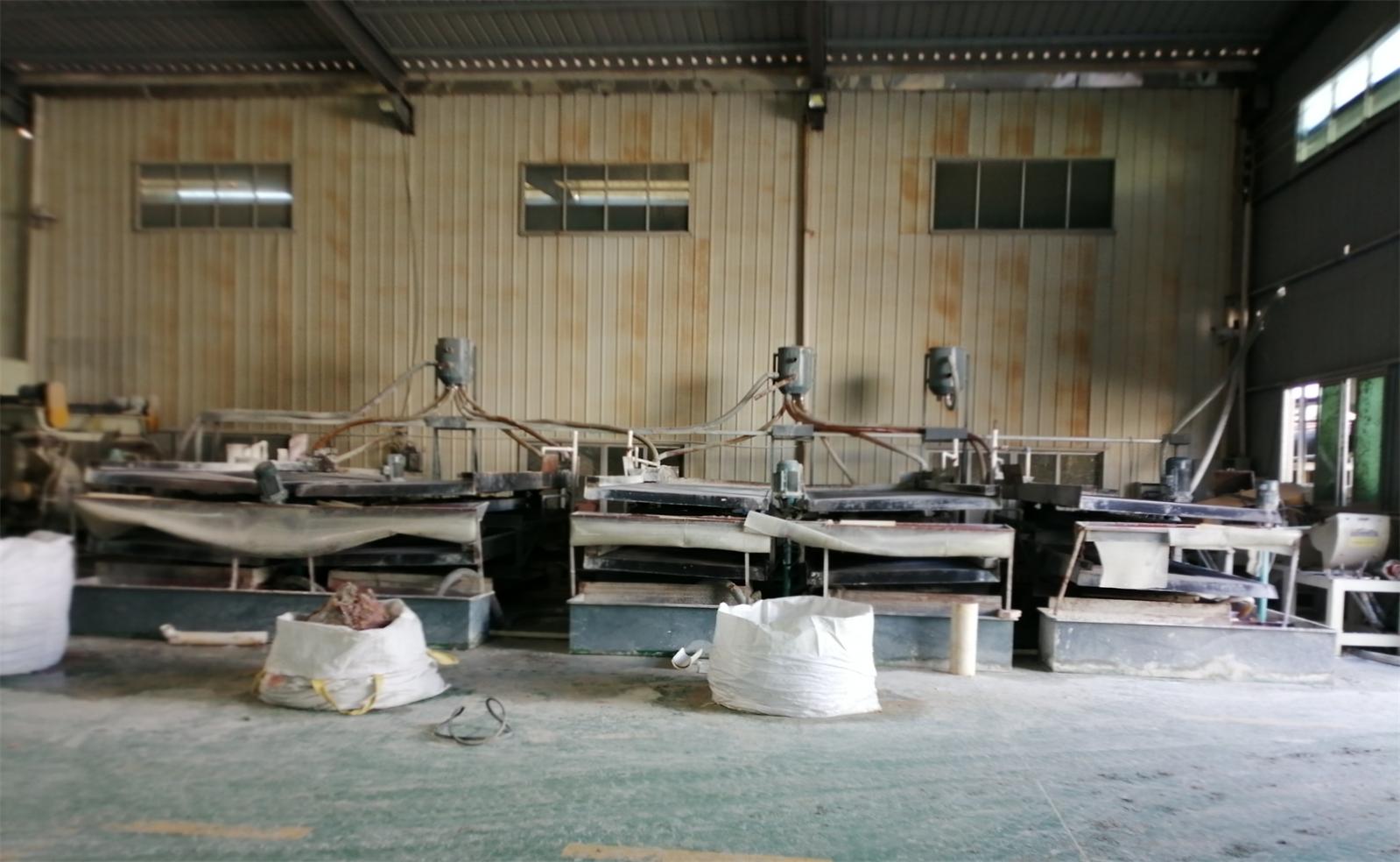
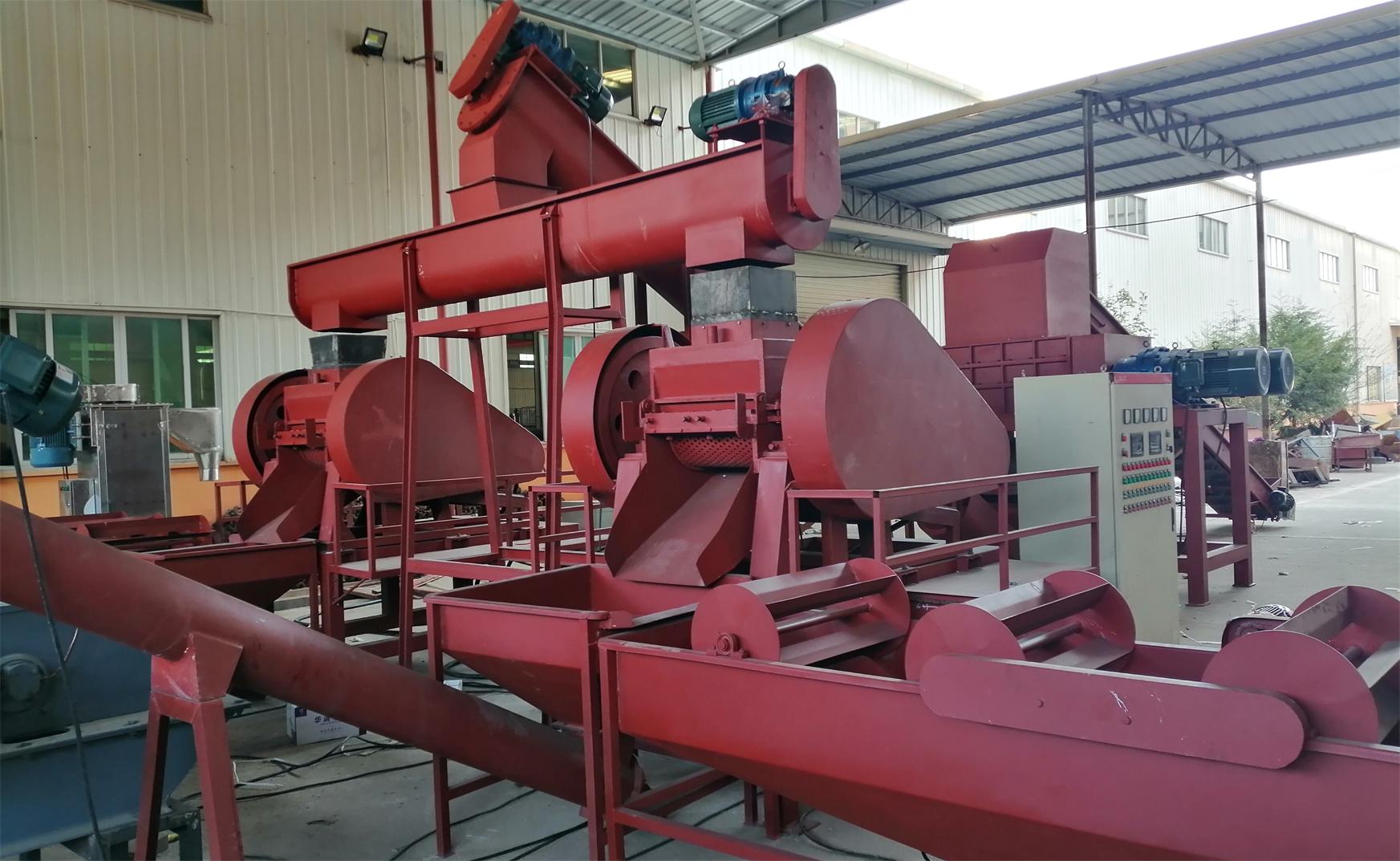
San Lan Technologies offers both dry-separation and wet-separation cable recycling plants, with capacities ranging from compact 200 kg/hour units to large 1200 kg/hour systems. Dry separation with air classifiers works well for clean, homogeneous wire. Wet separation with water-based metal recovery handles PCB-laden cable or mixed material streams where dust control and purity are critical. Choosing the right configuration for your incoming scrap profile is the first step in reducing long-term maintenance burden.
When Training Matters More Than the Manual
Operators who understand the internal layout of the granulator, the function of each adjustment point, and the relationship between blade gap and output purity will spot problems before they become breakdowns. Reading the operating manual is necessary, but hands-on guidance from experienced technicians accelerates competency. San Lan provides installation, commissioning, and operator training as part of its project delivery, ensuring that maintenance routines are understood from day one.
Know When to Maintain and When to Upgrade
Even the best-maintained equipment reaches a point where technology has moved on. If your current line cannot handle the material mix you are receiving today, or if energy costs and downtime are trending upward despite diligent maintenance, it may be time to evaluate a newer system rather than pouring more resources into an outdated platform.
San Lan Technologies has been designing and manufacturing e-waste recycling machinery since 2007. With customers in over 21 countries and experience across EPC projects, custom plant design, and full commissioning support, the team helps recyclers match equipment capacity to real-world feedstock and operating conditions.
If you are evaluating cable recycling equipment, looking to optimize an existing line, or need guidance on maintenance schedules for your current cable recycling machine, contact San Lan Technologies. The engineering team can review your material profile, recommend the right combination of scrap cable stripper equipment and granulator systems, and provide the training and documentation your operators need to keep the plant running at full efficiency.
Email: info@san-lan.com | WhatsApp: +86 139 2377 4083