The global electronics industry generates over 50 million metric tons of e-waste annually, yet less than 20% is formally recycled. For entrepreneurs and established recycling companies alike, this represents both an environmental imperative and a significant business opportunity. However, success in e-waste recycling depends heavily on selecting the right equipment partner—one who understands not just machinery, but the entire value chain from waste collection to refined output.
Before investing in recycling infrastructure, it is essential to understand the three primary revenue streams in e-waste processing. Each requires specialized equipment and technical expertise.
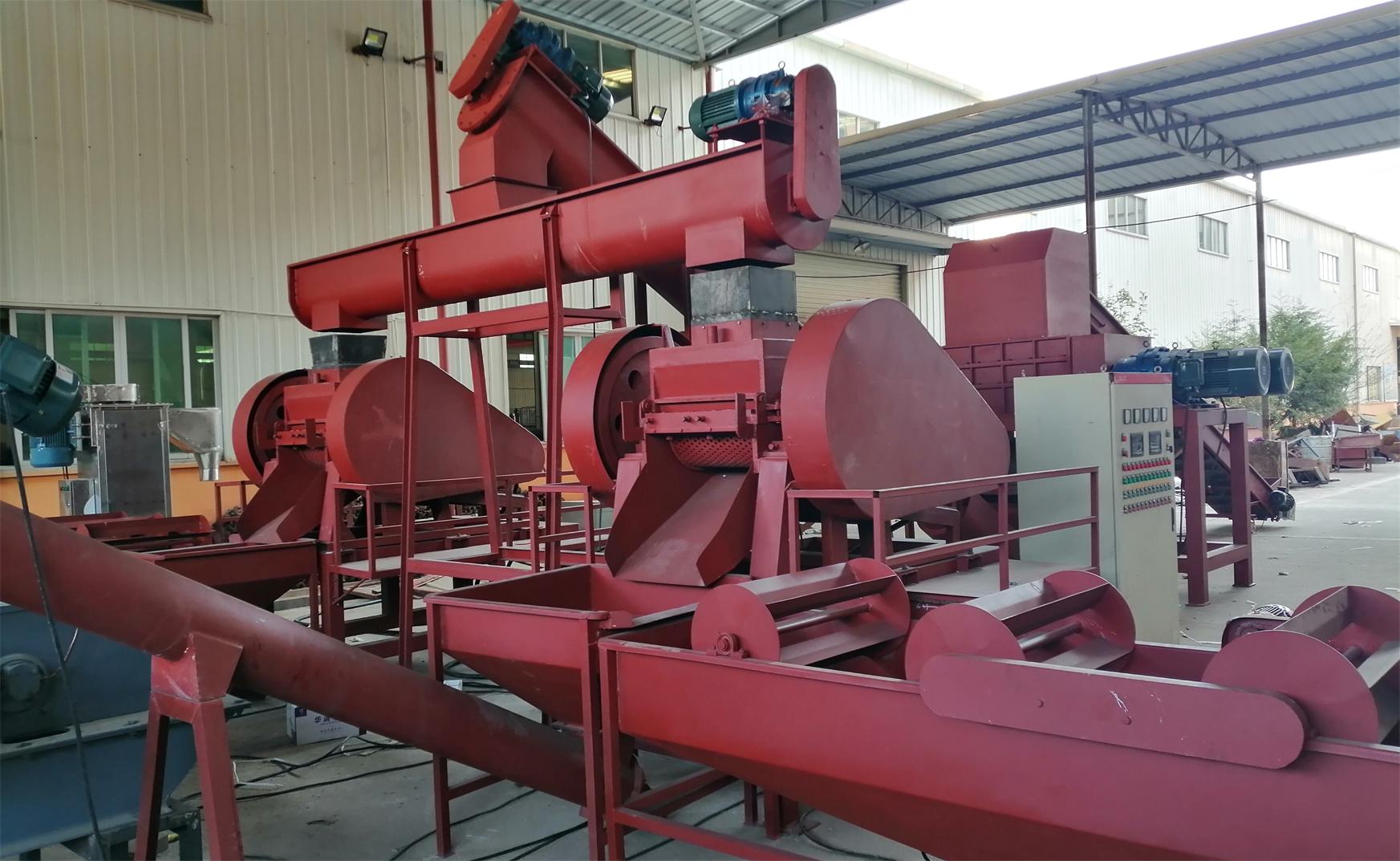
Cable and Wire Recycling: Copper and aluminum recovered from scrap cables command premium prices in global metal markets. A high-quality cable recycling equipment setup can process anywhere from 200 kg to 2,000 kg per hour, separating pure copper or aluminum from plastic insulation with recovery rates exceeding 95%. The key is choosing equipment that matches your feedstock—industrial thick cables versus thin household wires require different shredding and separation configurations.
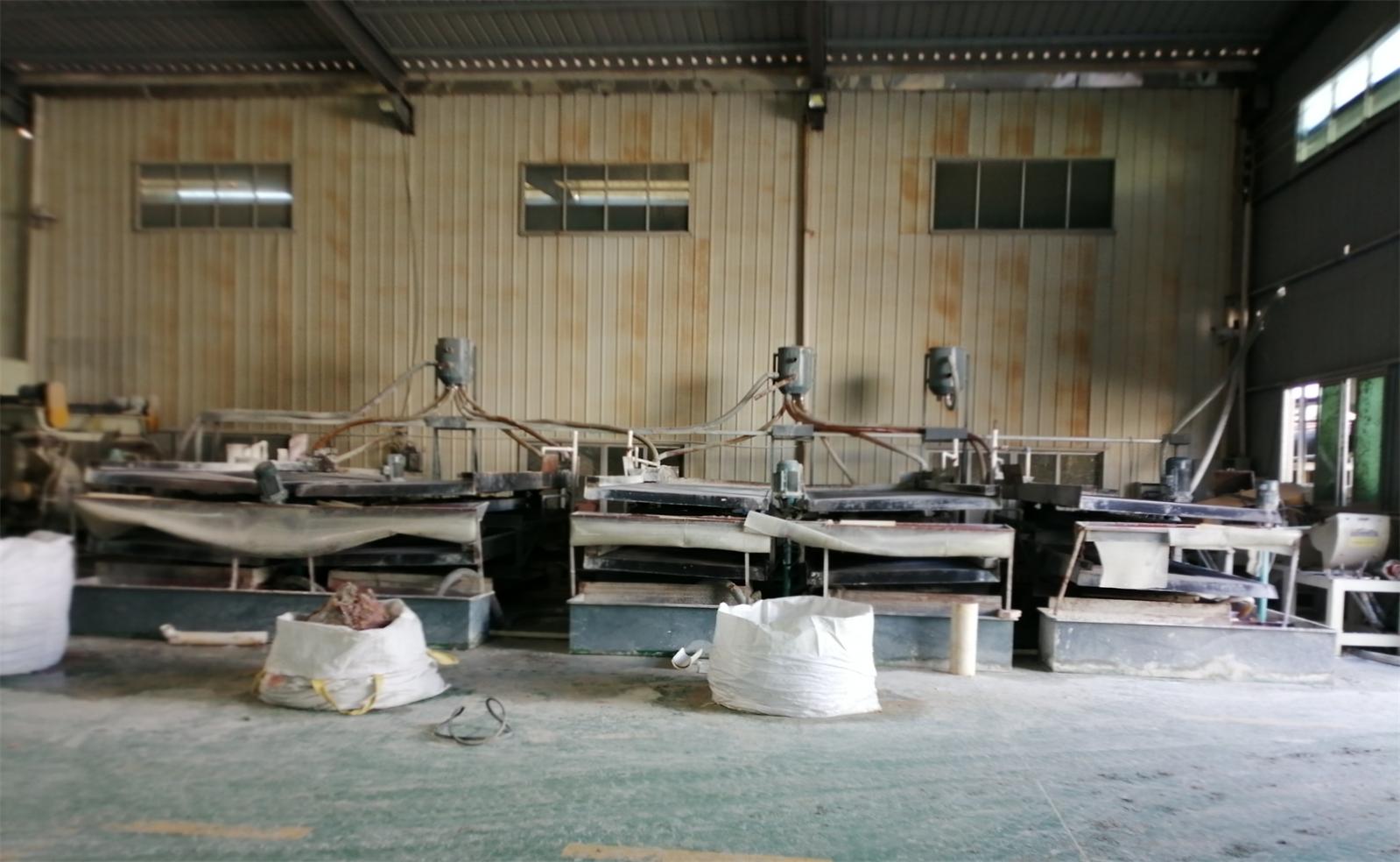
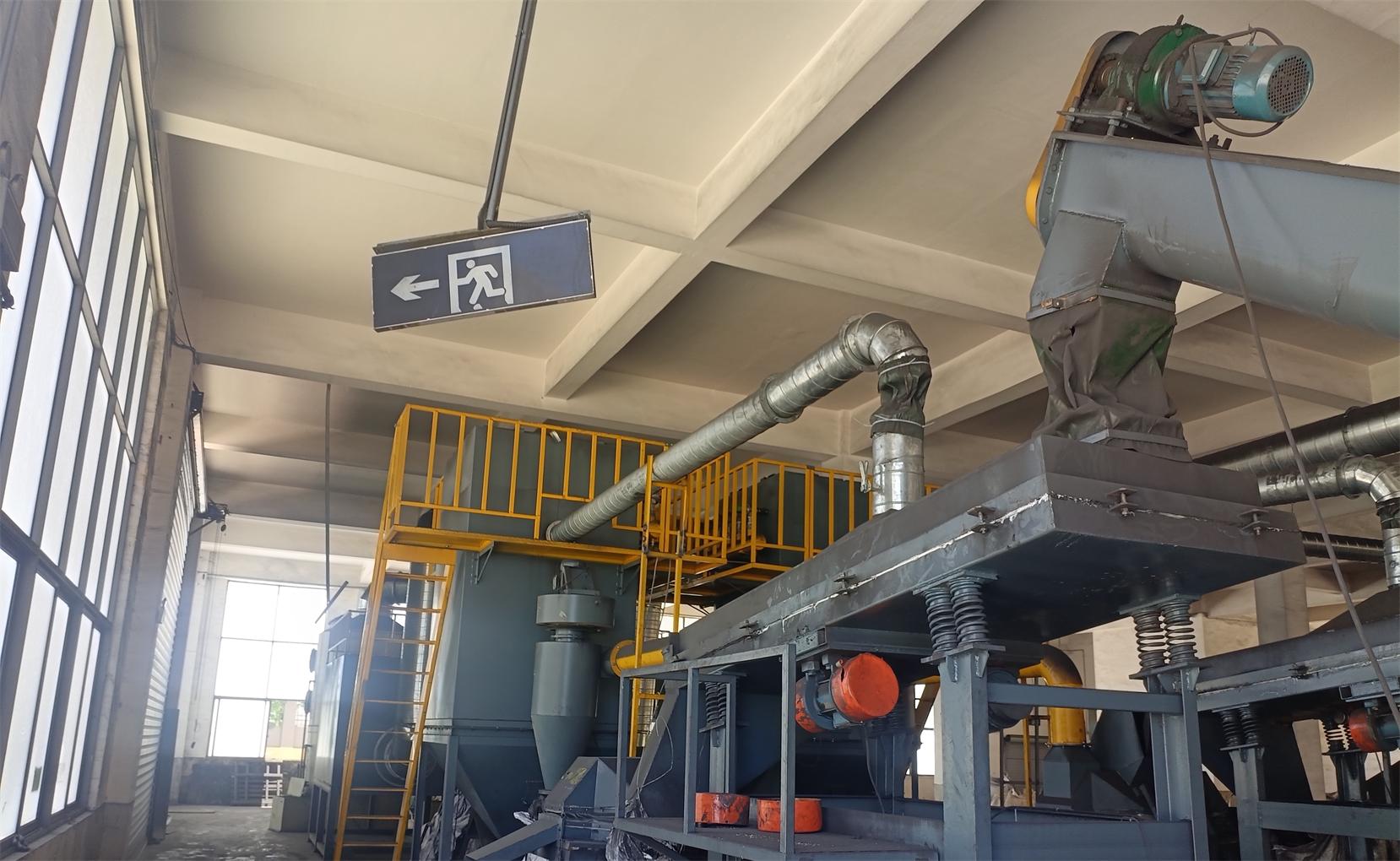
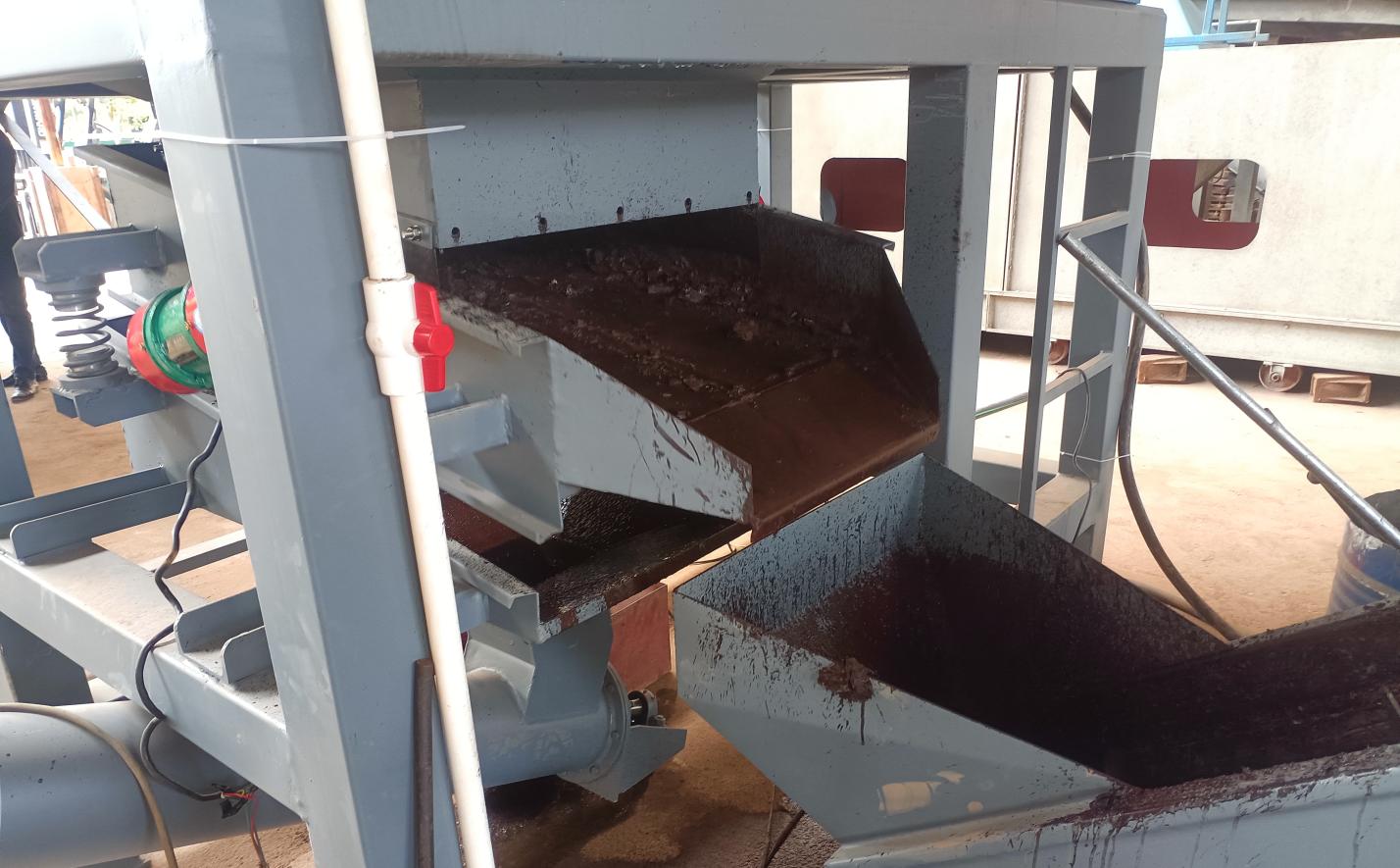
Printed Circuit Board (PCB) Processing: Circuit boards contain not only copper but also trace amounts of precious metals including gold, silver, and palladium. A modern circuit board recycling plant uses either dry separation (air classification and electrostatic separation) or wet separation (water-based metal separation) to achieve copper powder purity of 96-98%. Capacity ranges from 300 kg/hour for small operations to 2,000 kg/hour or more for industrial-scale facilities.
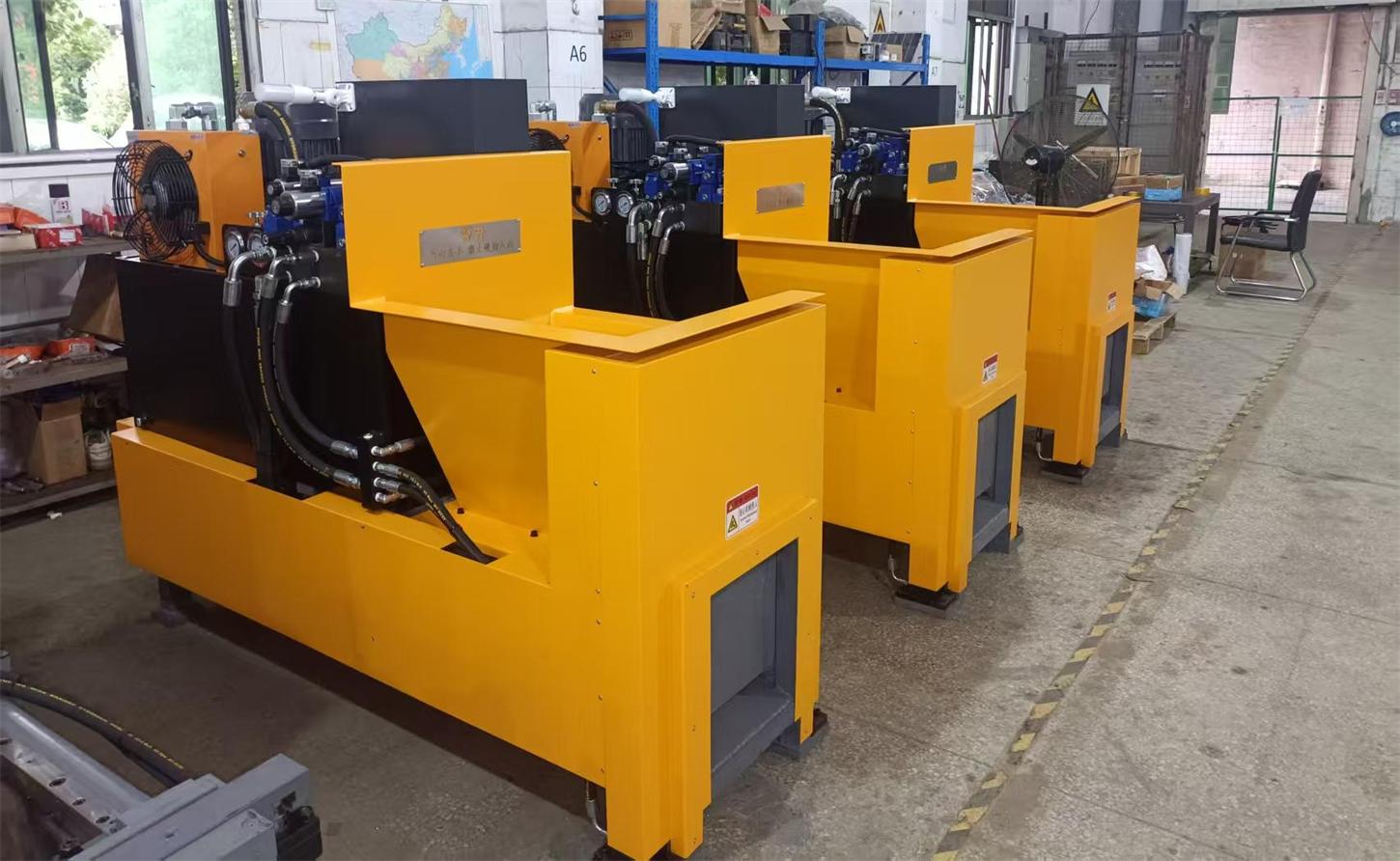
Battery Recycling: With the explosion of electric vehicles and renewable energy storage, both lead-acid and lithium-ion battery recycling have become critical sectors. Lead acid battery recycling equipment breaks down used batteries to recover lead paste, lead grids, plastic shells, and acid, with complete plants handling 1-10 metric tons per hour. Lithium battery recycling, meanwhile, focuses on recovering black mass (containing nickel, cobalt, and graphite), copper, aluminum, and plastic separator film.
Choosing a recycling equipment supplier is not merely a procurement decision—it is a strategic partnership that will define your operational capabilities for years to come. Here are the critical factors to evaluate:
1. Proven Experience and Technical Depth
Look for manufacturers with deep domain expertise. A supplier whose engineering team holds master's degrees in mechanical engineering and possesses over 15 years of hands-on experience in e-waste recycling machinery can provide insights that go far beyond catalog specifications. They understand the nuances of material variability, wear patterns, and process optimization.
2. Comprehensive Product Range
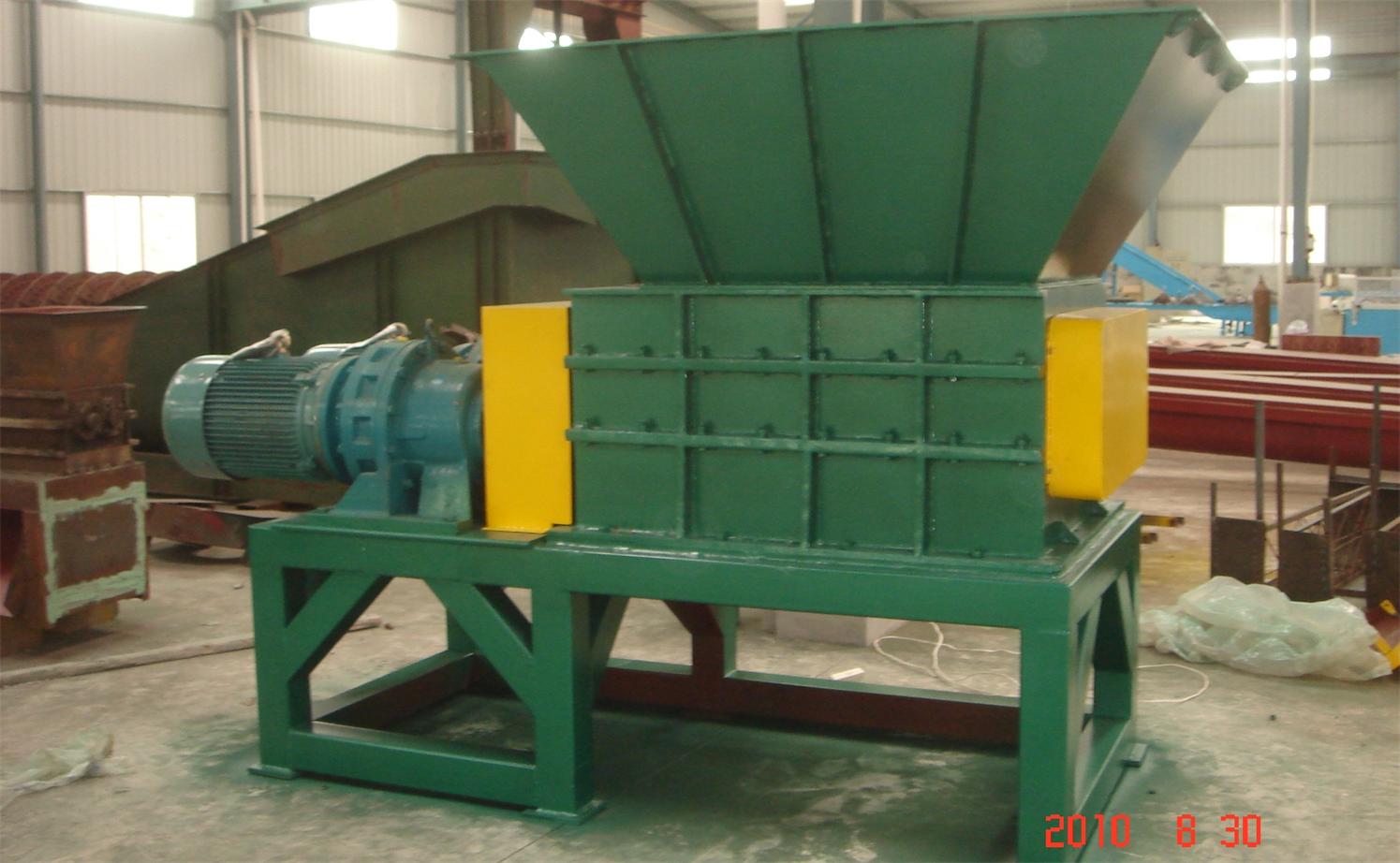
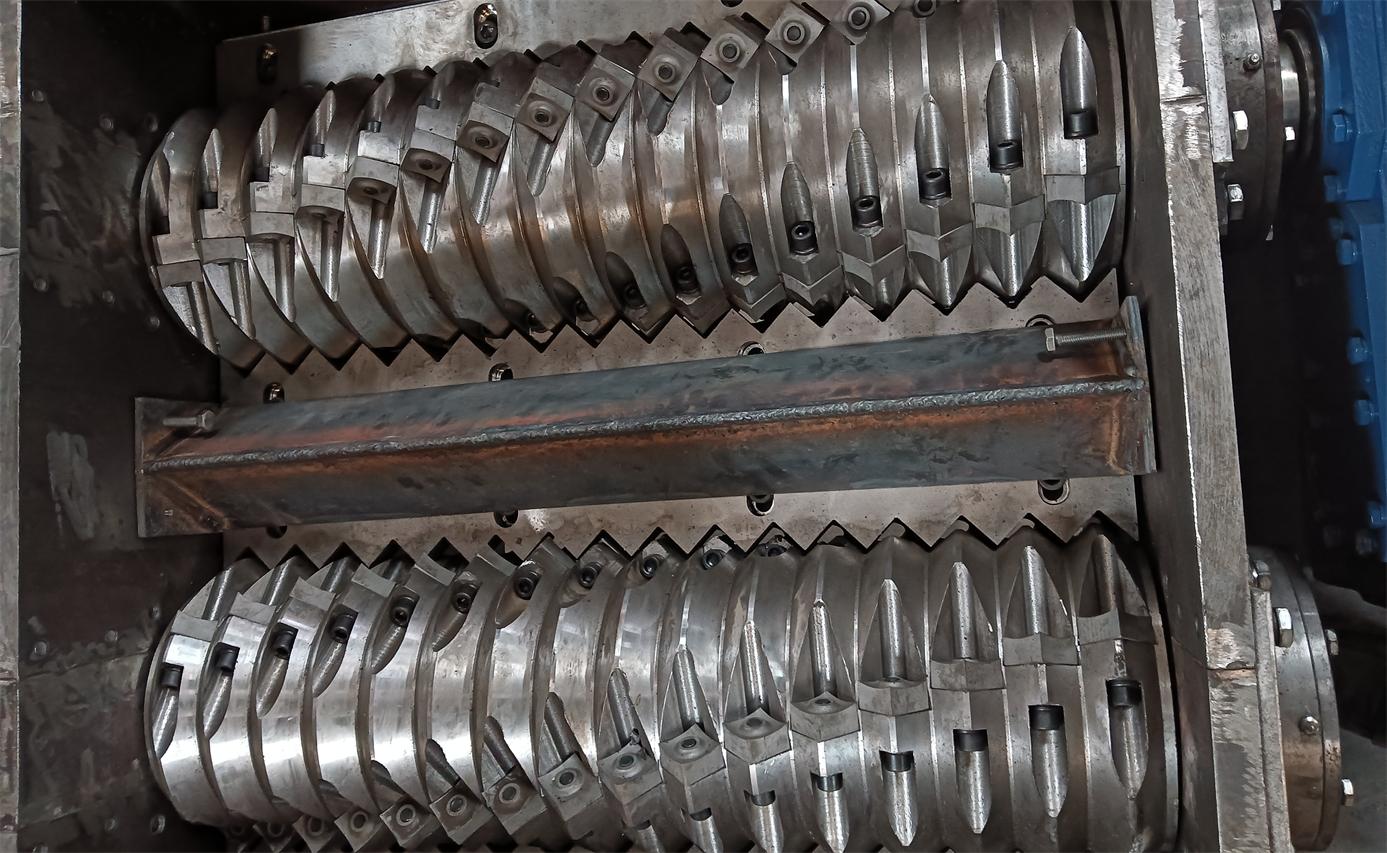
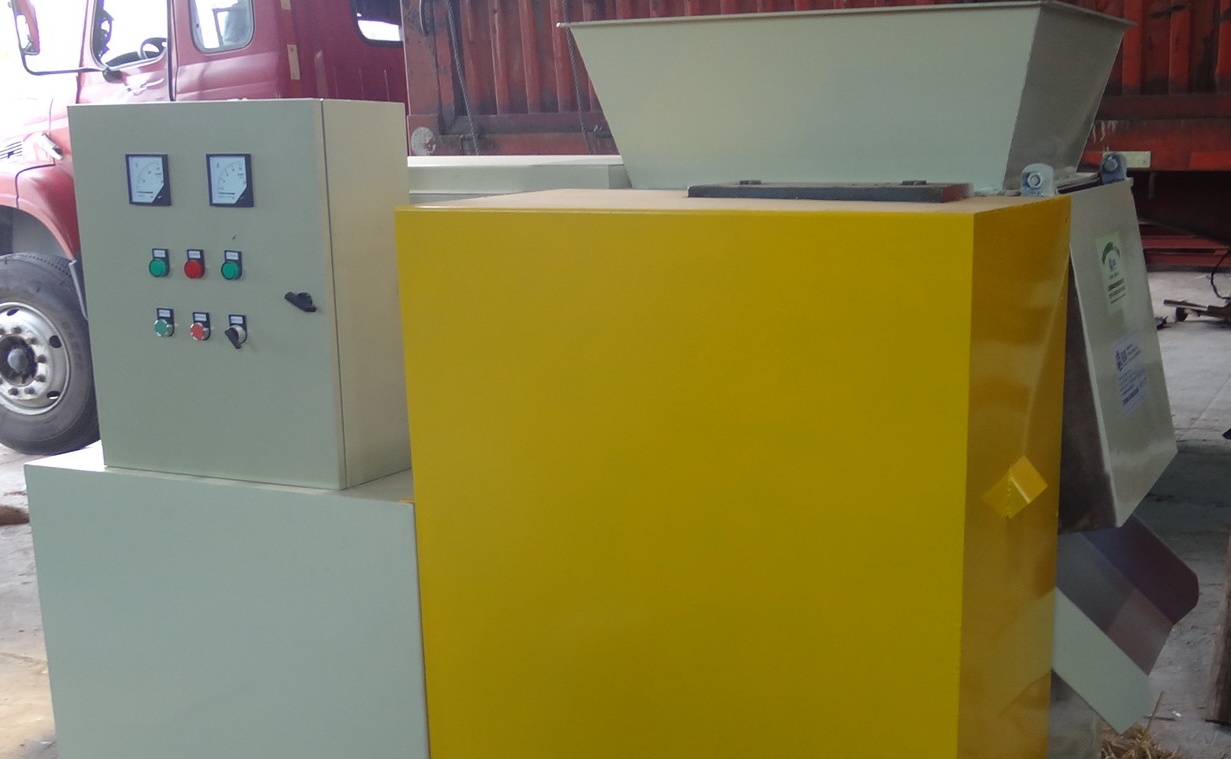
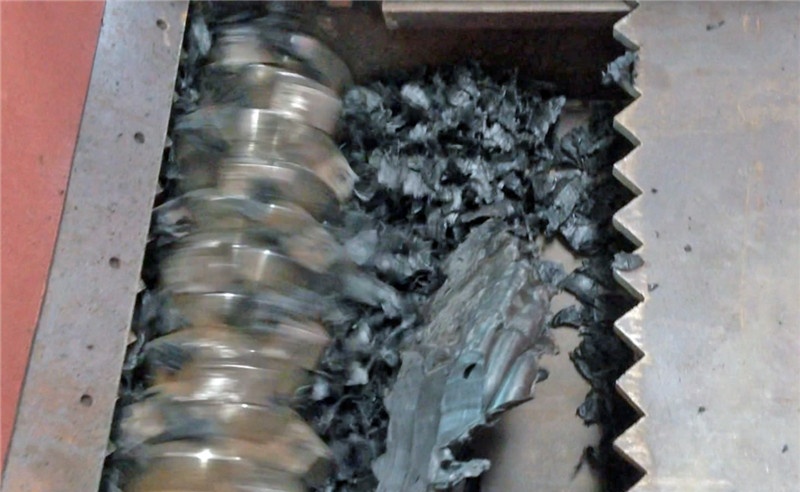
The ideal supplier offers an integrated portfolio rather than isolated machines. From shredders and pre-choppers that prepare material for downstream processing, to specialized separation equipment, smelting furnaces, and pollution control systems—having a single source for your entire plant simplifies integration, reduces compatibility issues, and streamlines maintenance.
3. End-to-End Project Capabilities
The best suppliers offer EPC (Engineering, Procurement, Construction) capabilities, delivering turnkey plants tailored to your specific feedstock, capacity requirements, and local regulatory environment. This includes customized plant design, equipment installation, commissioning, and operator training.
4. Business Ecosystem Support
Beyond machinery, consider whether your supplier can help you secure raw material supply (cable scrap, PCB scrap, used batteries) and find buyers for your recovered outputs (copper powder, lead ingots, aluminum). Some leading manufacturers even assist with recruiting technical staff and provide ongoing operational management support.
When evaluating suppliers, global installation experience matters. A manufacturer that has successfully deployed recycling plants across diverse markets—from Singapore and Colombia to South Africa, Saudi Arabia, and Argentina—has demonstrated adaptability to different raw material compositions, climatic conditions, labor skill levels, and regulatory frameworks.
This international exposure also indicates robust after-sales support capabilities. A supplier serving customers across multiple continents must maintain responsive technical support channels, adequate spare parts inventory, and the logistical capacity to dispatch service engineers when needed.
One size does not fit all in recycling equipment. Your capacity requirements, available capital, and target markets should dictate your plant configuration:
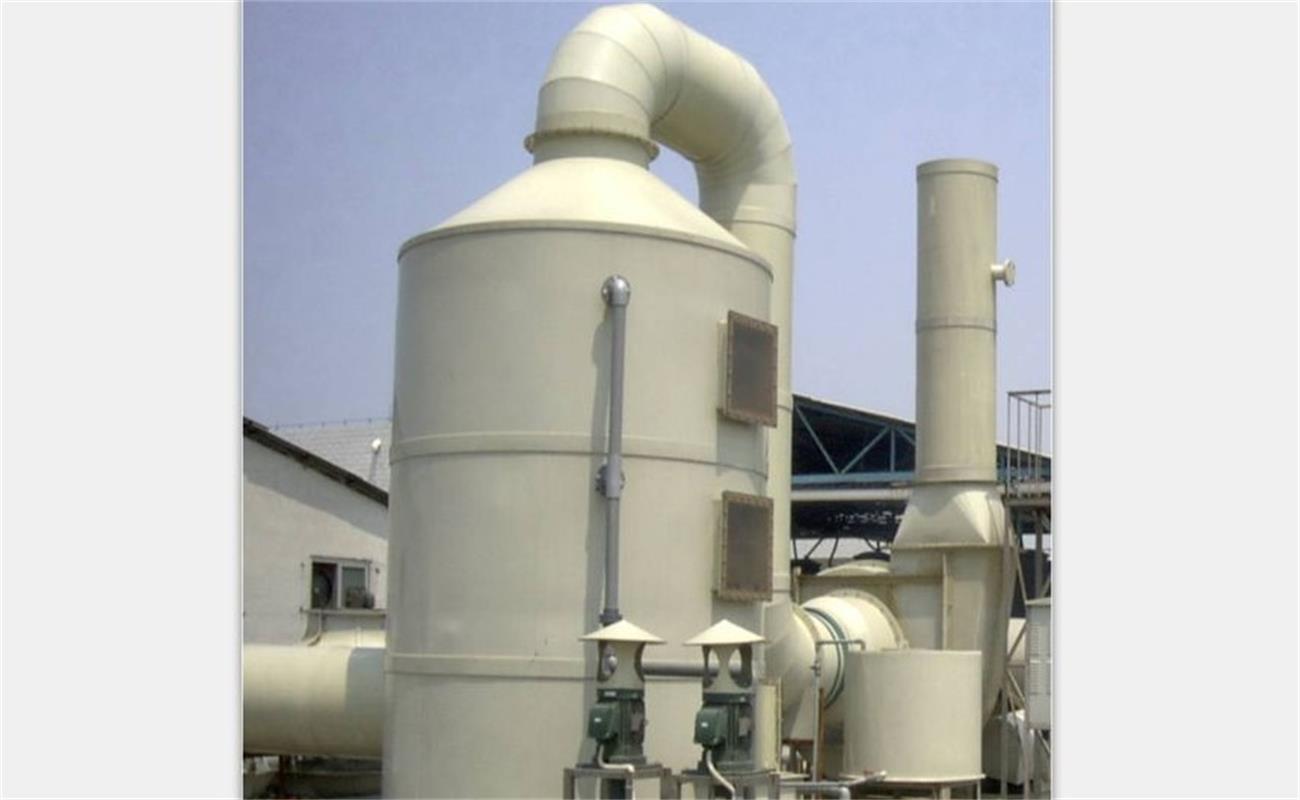
Modern recycling is not just about material recovery—it is about doing so responsibly. Lead-acid battery recycling, for example, requires acid neutralization systems, wastewater treatment plants, and air pollution control equipment to handle emissions from smelting furnaces. Lithium battery processing needs gas absorption and neutralization systems to manage harmful emissions during crushing.
Working with a supplier who designs these environmental safeguards into the core plant architecture—rather than treating them as afterthoughts—protects your operation from regulatory shutdowns and positions your business as a responsible recycler in an increasingly environmentally conscious market.
The most successful recycling operations treat their equipment supplier as a long-term operational partner rather than a one-time vendor. This partnership model includes:
- Technical Training: Comprehensive training programs for all staff, from machine operators to maintenance technicians, ensuring your team can achieve optimal equipment performance and troubleshoot common issues independently.
- Raw Material Sourcing: Assistance in identifying and purchasing consistent, quality feedstock—whether that means cable scrap, used PCBs, or spent batteries—often through the supplier's established network.
- Product Offtake Support: Help connecting your recovered materials (copper rice, lead ingots, aluminum granules) with end buyers, shortening your cash conversion cycle.
- Preventive Maintenance: Regular service programs to keep machines at peak working status, minimizing unplanned downtime that directly impacts profitability.
This holistic support model transforms equipment procurement into business development, reducing the operational risks that cause many recycling startups to fail within their first two years.
The e-waste recycling industry will continue expanding as electronic consumption grows and environmental regulations tighten worldwide. However, not all recycling businesses will thrive. The differentiator lies in choosing an equipment partner who brings not just quality machinery, but deep technical expertise, comprehensive project experience, and genuine commitment to your operational success.
Whether you are entering the market with a compact cable recycling line or building an integrated multi-stream recycling facility, align yourself with a supplier who has demonstrated success across diverse geographies and applications. Your equipment choice today will determine your competitive position for the next decade.
Ready to start or expand your e-waste recycling operation? San Lan Technologies Co., Ltd has been manufacturing recycling equipment since 2007, with installations in over 21 countries. From initial consultation and customized plant design to installation, commissioning, and ongoing operational support, we provide end-to-end solutions for cable recycling, PCB processing, battery recycling, and more. Contact us today to discuss your project requirements.
Email: curbing888@hotmail.com | info@san-lan.com
WhatsApp: +86 139 2377 4083
Website: www.san-lan.com