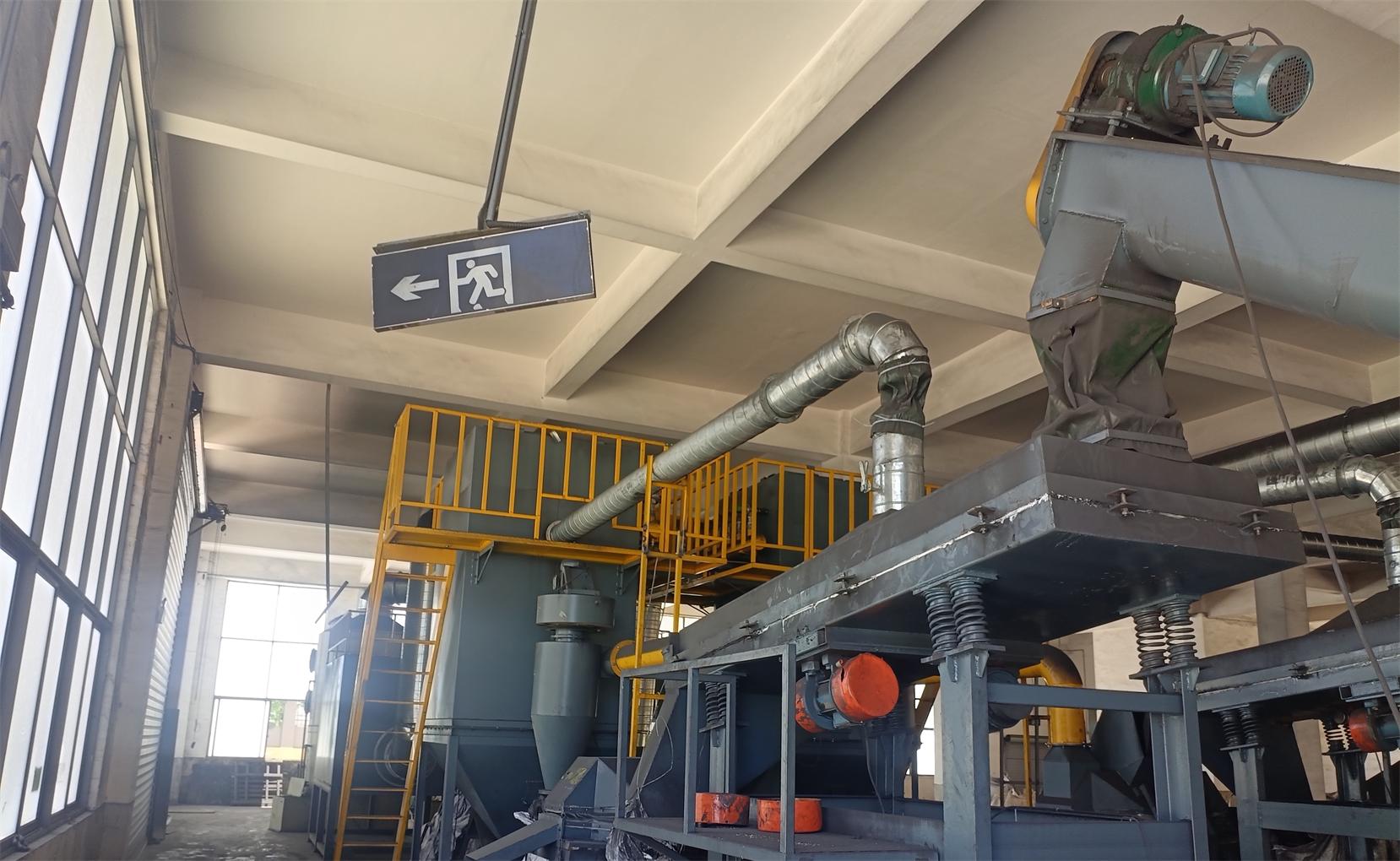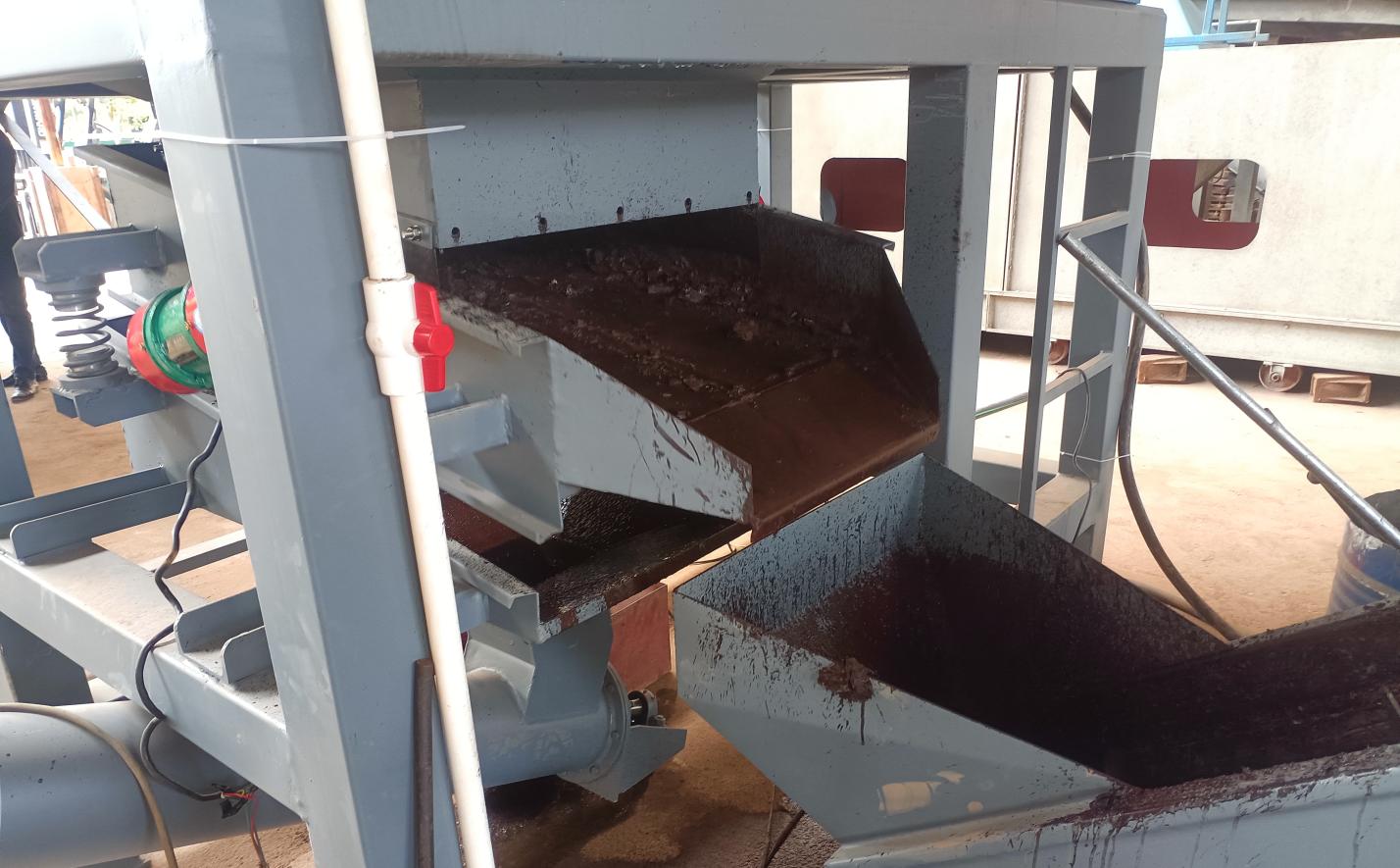
Every year, millions of tons of electronic waste are discarded worldwide. Yet buried within this waste stream lies a fortune in recoverable materials. Copper wires in obsolete cables, lead and lithium in spent batteries, and precious metals in circuit boards all represent significant economic value. The difference between letting these materials rot in landfills and converting them into profitable products comes down to one factor: having the right recycling equipment.
The E-Waste Opportunity Is Real
Rising electronics consumption, volatile raw material prices, and tightening environmental regulations have created perfect conditions for professional recycling operations. Entrepreneurs and waste management companies who invest in specialized recycling plants today are positioning themselves at the center of a rapidly expanding circular economy.
The key is choosing equipment that does more than just process waste. Modern recycling systems must extract maximum material value, operate efficiently at scale, and meet strict environmental standards. Anything less erodes margins and invites regulatory trouble.
Essential Recycling Systems for Modern Operations
Lead Acid Battery Recycling
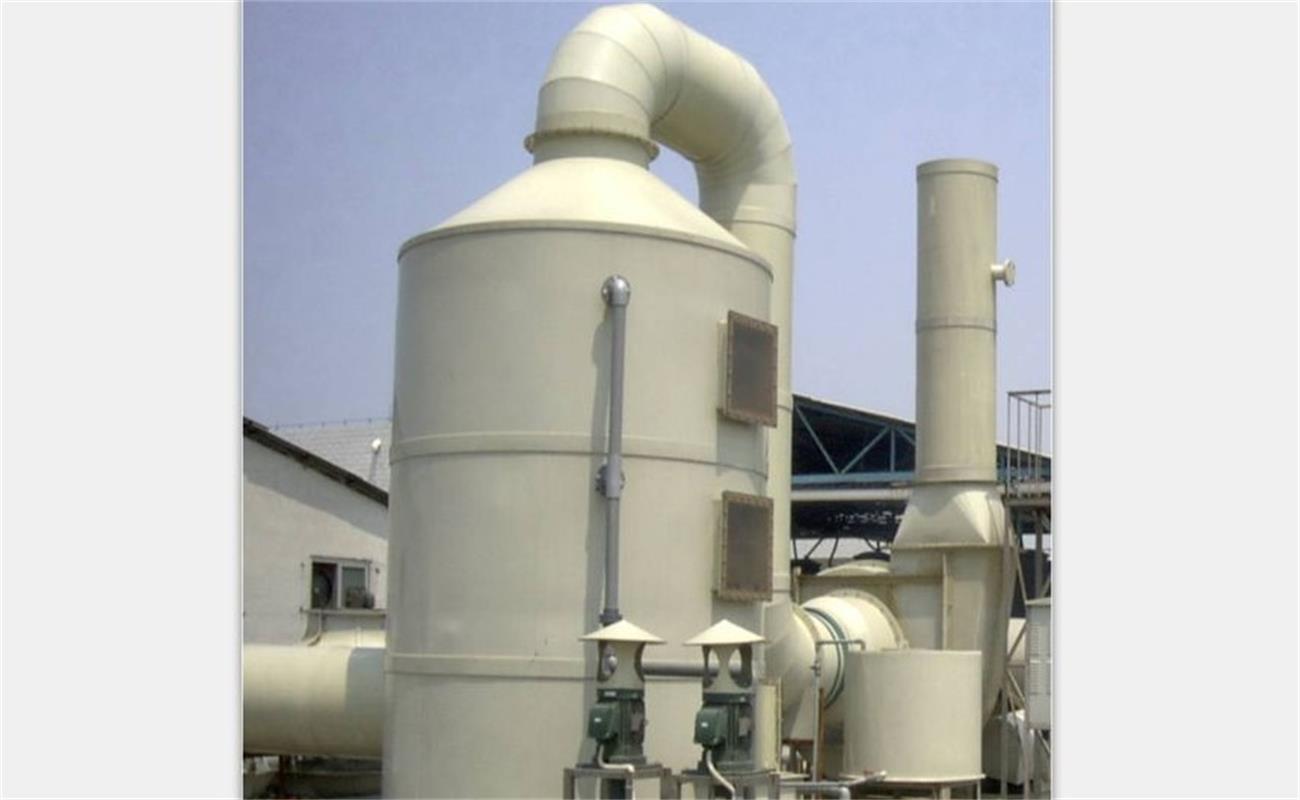
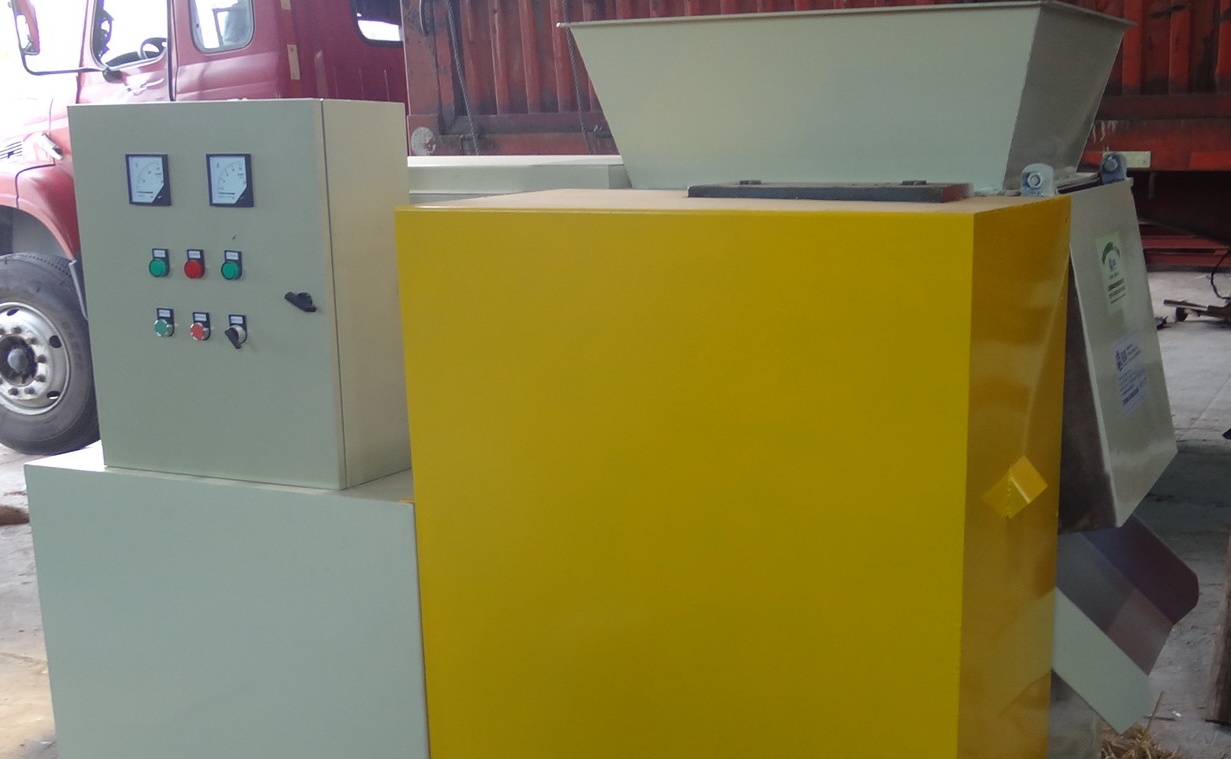
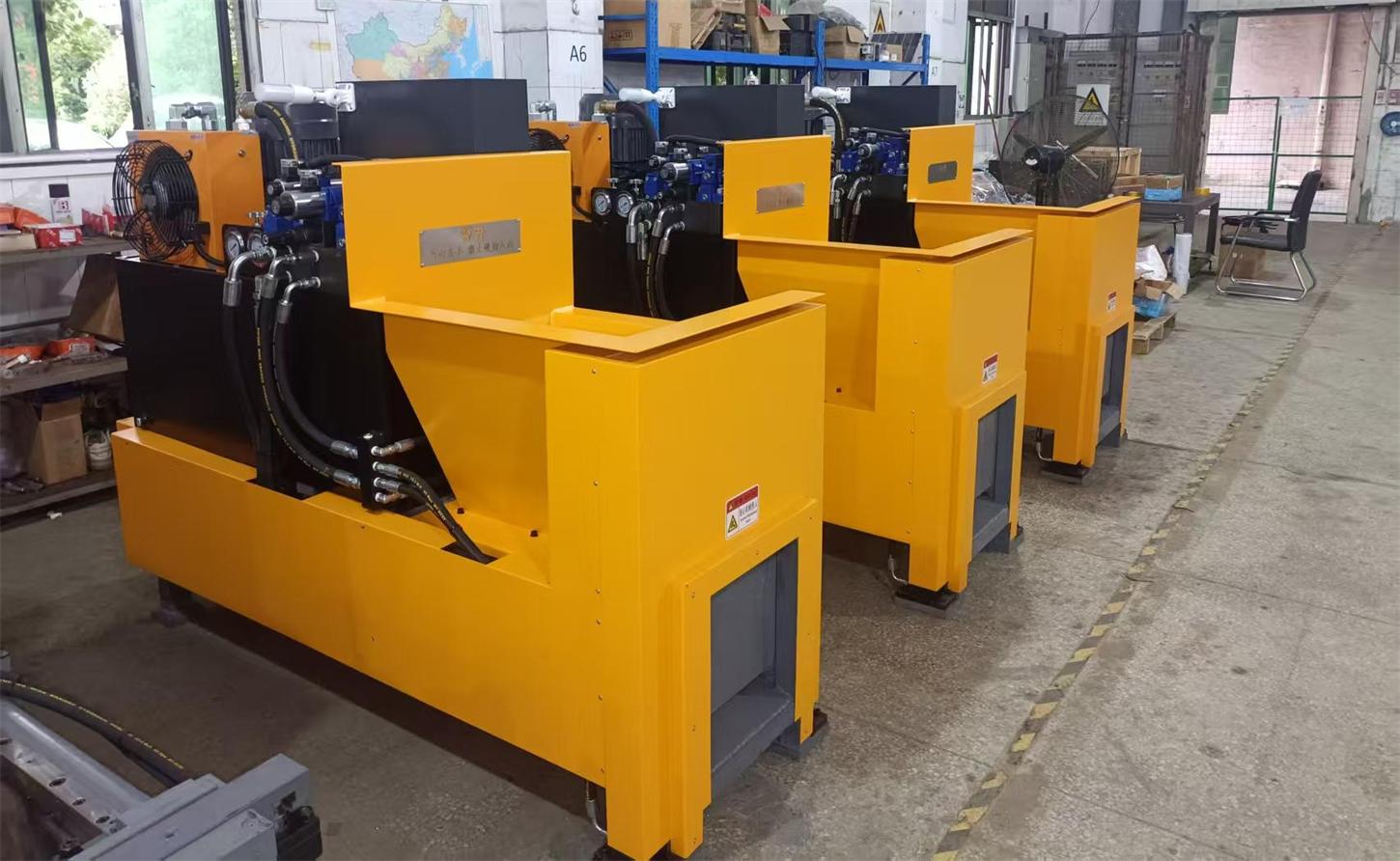
Used lead acid batteries remain one of the most recycled consumer products globally because lead can be recycled infinitely without quality loss. A complete lead acid battery recycling equipment setup includes breaking and separation systems, desulfurization units, smelting furnaces, and air pollution control systems. Well-designed plants handle 1 to 10 metric tons per hour, recovering lead paste, lead grids, plastic shells, and acid for reuse or safe disposal. Lead recovery rates reach 95%, and modern refinery kettle furnaces can purify crude lead to 99.999% purity using energy-efficient near-infrared heating.
Lithium Battery Recycling
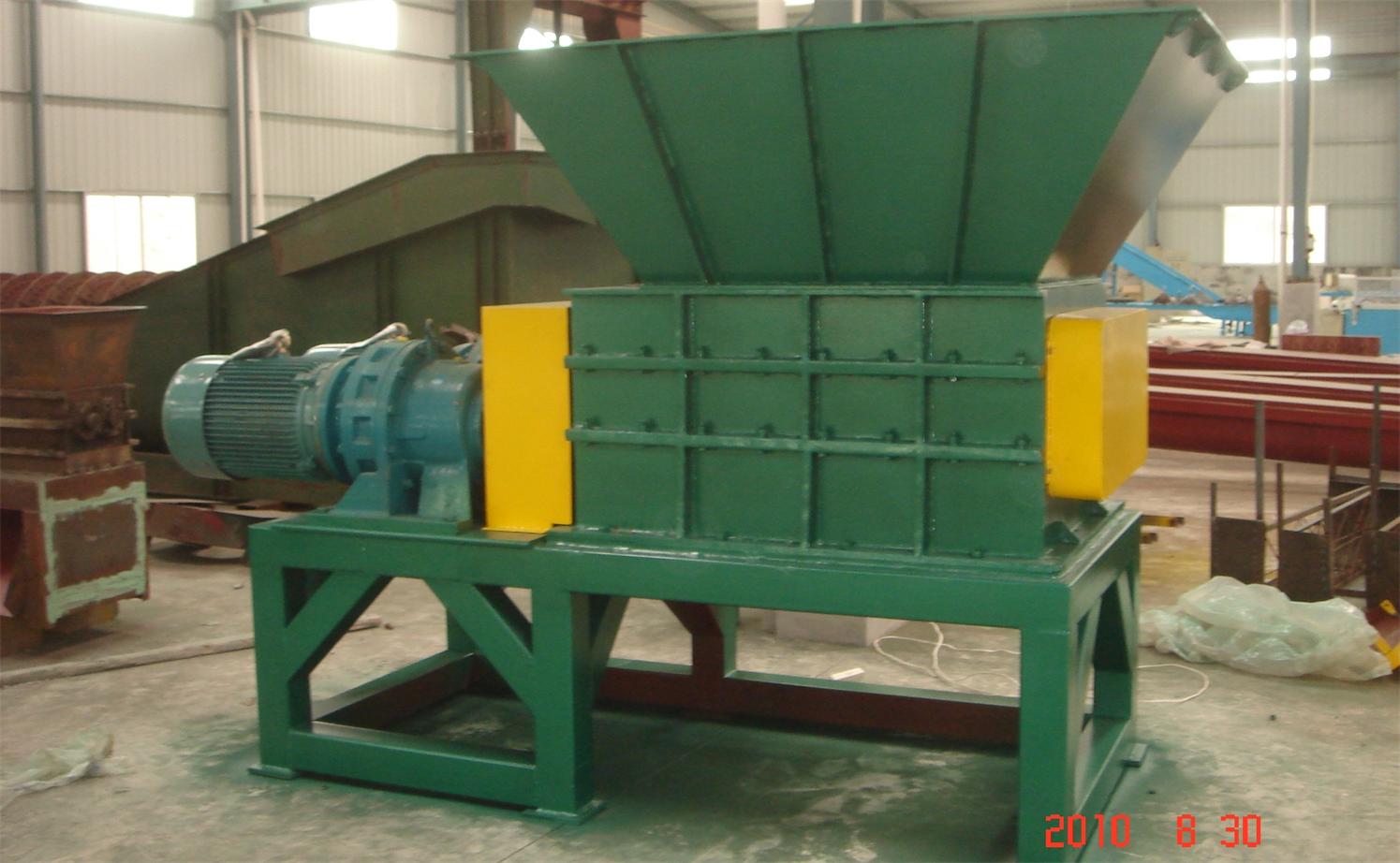
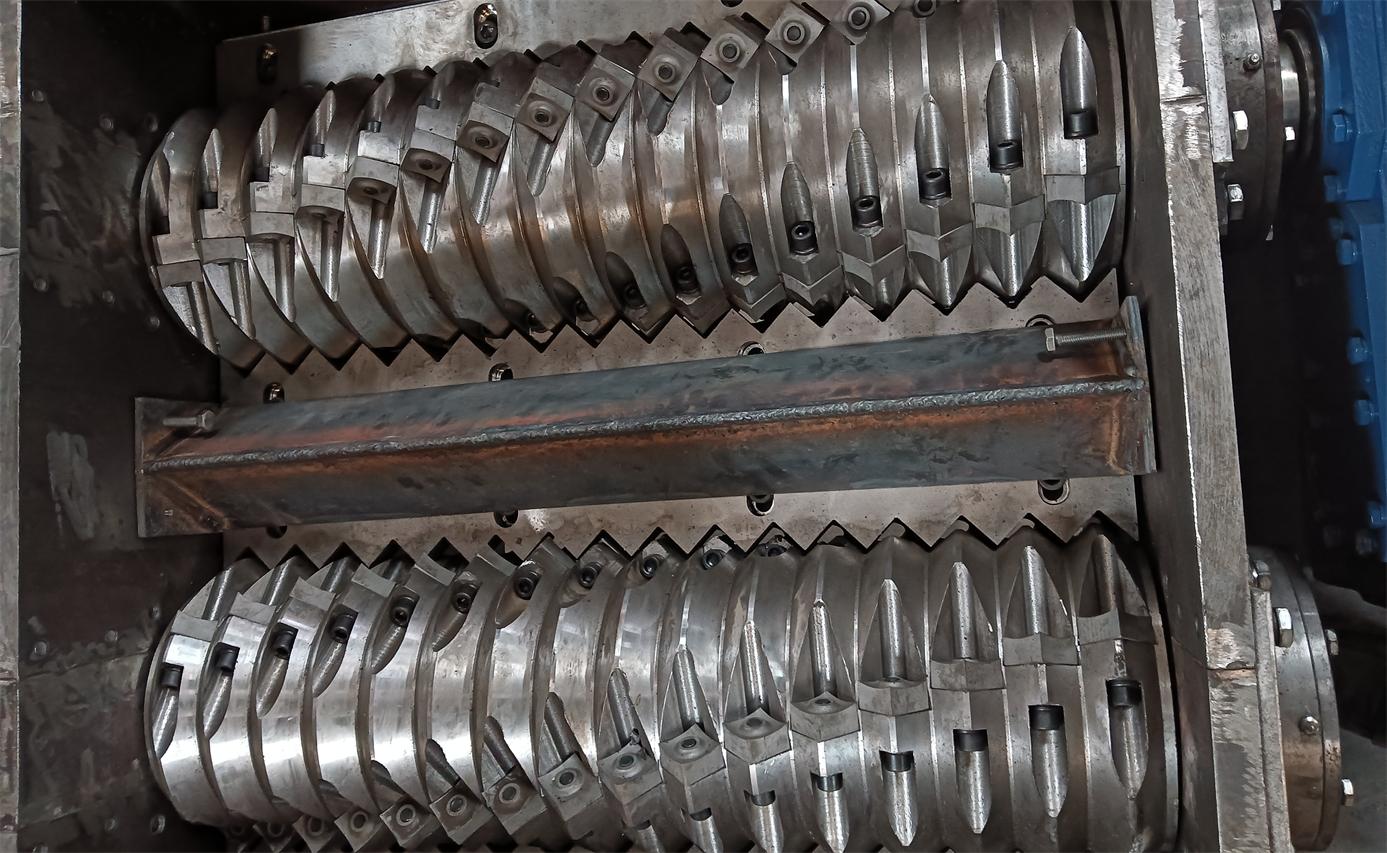
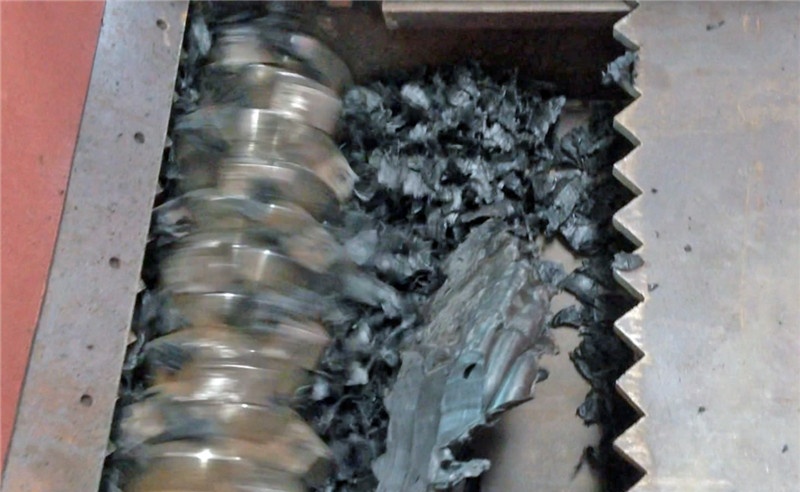
The explosive growth of electric vehicles and portable electronics has made spent lithium-ion batteries a critical secondary resource. Advanced lithium battery recycling equipment breaks down waste batteries to recover black mass containing nickel, cobalt, and graphite, alongside copper, aluminum, and plastic fractions. Plants with capacity from 500 to 2,500 kg per hour can be customized to match specific feedstock requirements, and integrated air pollution control systems neutralize harmful gases before emission.
Cable and Wire Recycling
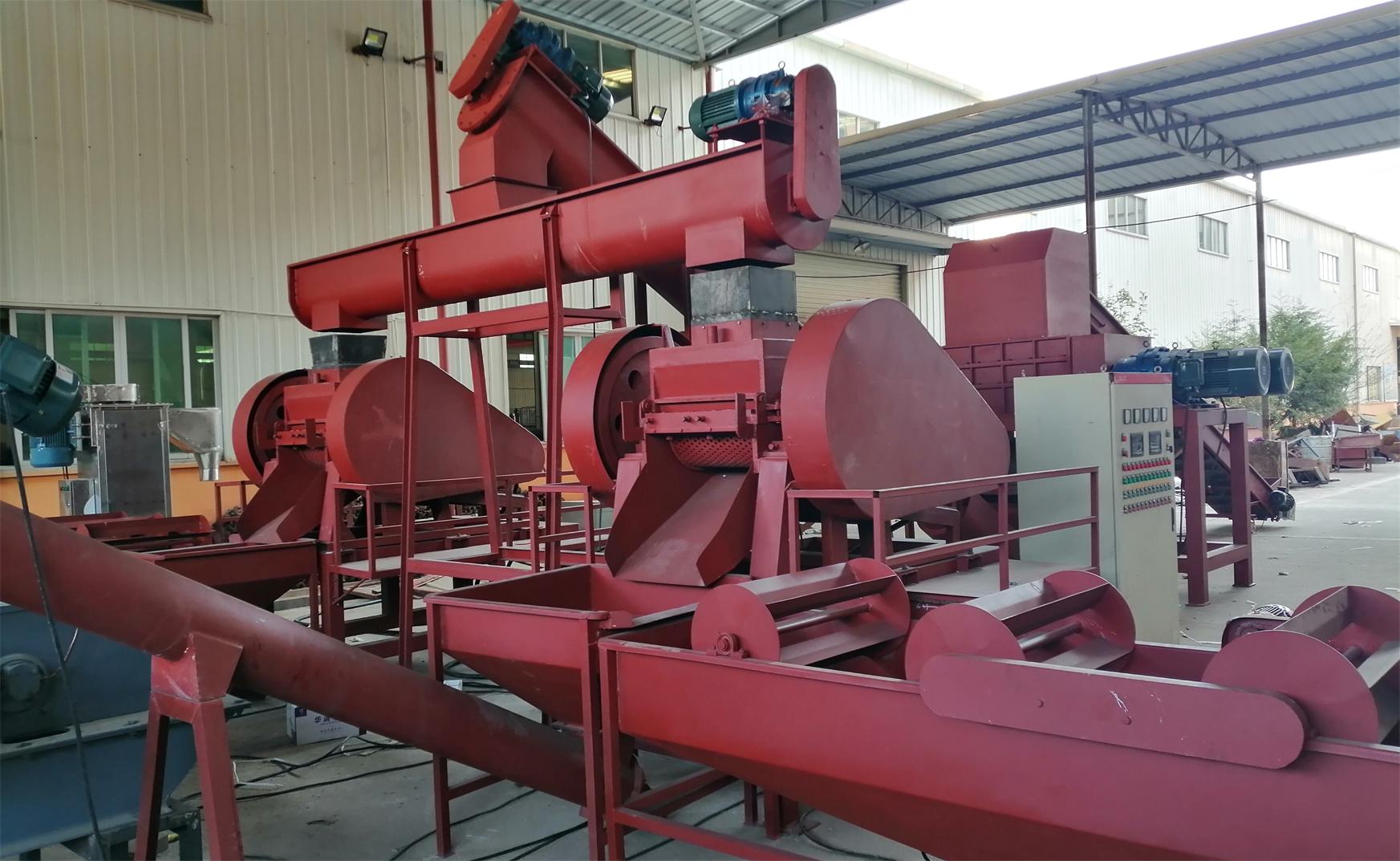
Scrap cables represent one of the highest-margin feedstocks in the recycling industry. Cable recycling equipment uses granulation and separation technology to strip copper and aluminum from plastic insulation. Recovery rates exceed 95%, and modern granulators deliver copper powder with purity levels of 96 to 98%, ready for direct sale to smelters. Whether processing thin communication wires or thick industrial cables, the right granulator configuration makes the difference between marginal returns and strong profitability.
Circuit Board Recovery
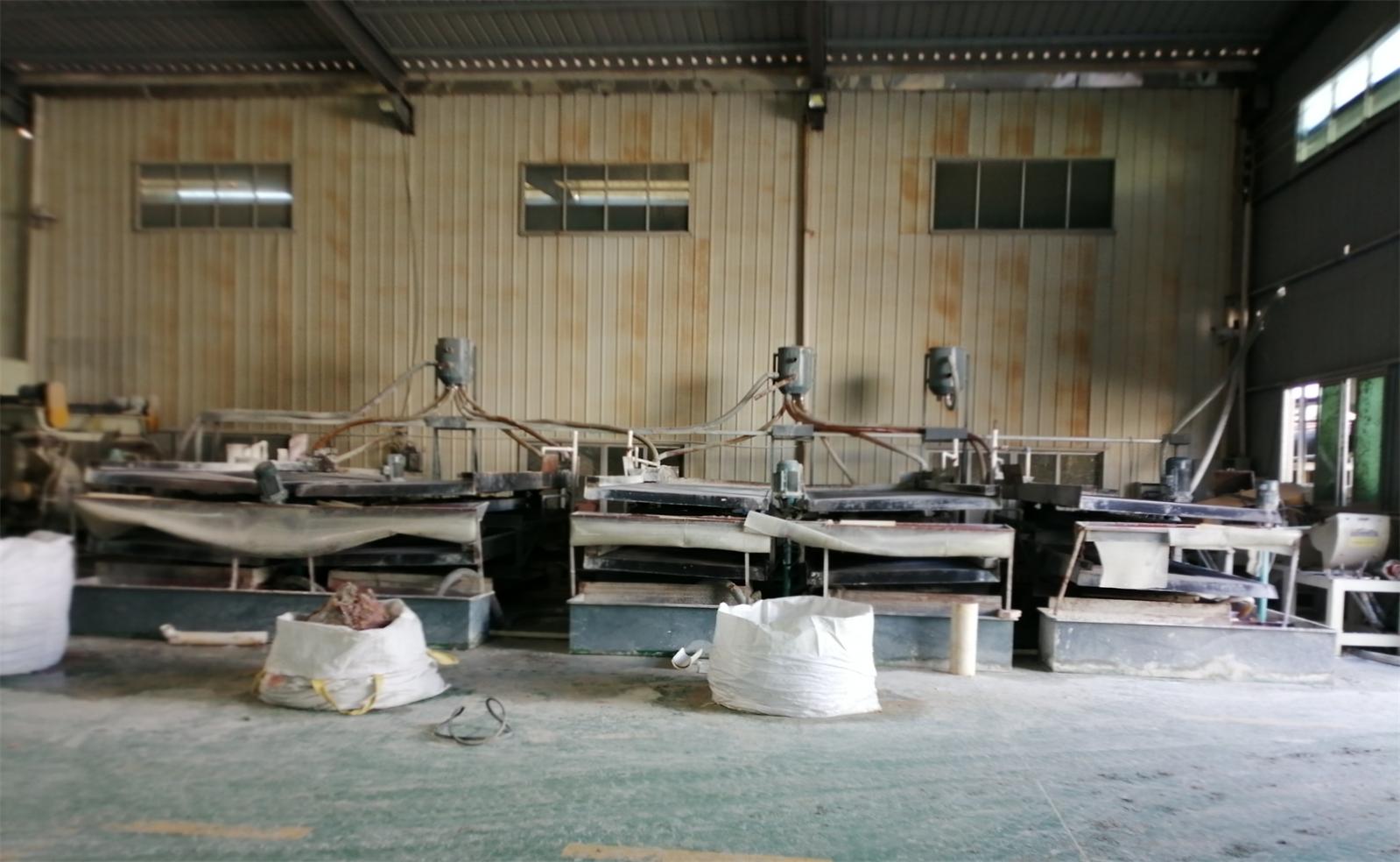
Printed circuit boards contain concentrated copper and trace precious metals that make them exceptionally valuable. Circuit board recycling equipment employs wet or dry separation methods to crush and classify PCB waste. Wet separation systems handle 500 to 2,000 kg per hour, while dry separation plants with air classifiers and electrostatic separators achieve copper powder purity of 96 to 98% with no dust pollution. Both approaches transform electronic scrap into salable metal concentrates.
What Separates Reliable Equipment Suppliers from the Rest
Buying recycling machinery is a long-term commitment. The wrong supplier can cost you months of downtime and thousands in lost production. Here is what experienced operators prioritize when selecting a manufacturing partner.
Deep Technical Expertise: Look for engineering teams with advanced degrees in mechanical engineering and over 15 years of hands-on experience in e-waste recycling. This level of expertise means they have already solved the operational problems you are about to encounter.
Turnkey EPC Capability: The most successful recycling ventures rely on partners who deliver complete Engineering, Procurement, and Construction solutions. From initial plant design and equipment selection to installation, commissioning, and operator training, a full-service approach eliminates integration headaches and gets you to production faster.
True Customization: No two recycling operations are identical. Feedstock types, local regulations, available space, and target outputs vary dramatically. Avoid manufacturers who force standardized configurations. The best suppliers adapt equipment layouts and processing lines to your specific situation.
Value Beyond the Machine: Leading suppliers help source waste materials such as cable scrap, PCB scrap, and used batteries. They also assist marketing recovered products like copper rice, copper powder, and lead ingots. Some even help identify investors and construction partners for greenfield projects.
Global Experience Matters
Recycling equipment operates in vastly different regulatory and business environments across the world. A supplier with installations in over 21 countries brings cross-cultural competency and localized insights that smooth project execution. Customers from Singapore to Colombia, Vietnam to Mexico, and South Africa to India have distinct requirements. Manufacturers who have successfully navigated this diversity deliver better outcomes than those limited to single-region experience.
Bilingual communication in English and Chinese also streamlines technical discussions, contract negotiations, and after-sales support for international clients.
Making the Right Investment
The transition from linear consumption to circular resource management is not just an environmental imperative. It is a significant business opportunity. With proven recycling equipment and an experienced manufacturing partner, waste streams become profit centers and regulatory compliance becomes a competitive advantage.
Whether you are planning a lead acid battery recovery facility, a lithium battery recycling plant, a cable granulation operation, or a multi-stream e-waste processing center, the foundation of success lies in selecting technology built on real engineering experience and backed by comprehensive project support.
Ready to turn waste into profit? Contact San Lan Technologies to discuss your project requirements. With nearly two decades of experience manufacturing WEEE recycling machines and mining equipment, we provide customized recycling plant solutions from design through commissioning. Reach us at info@san-lan.com or via WhatsApp at +86 139 2377 4083 to explore how our equipment can power your recycling operation.