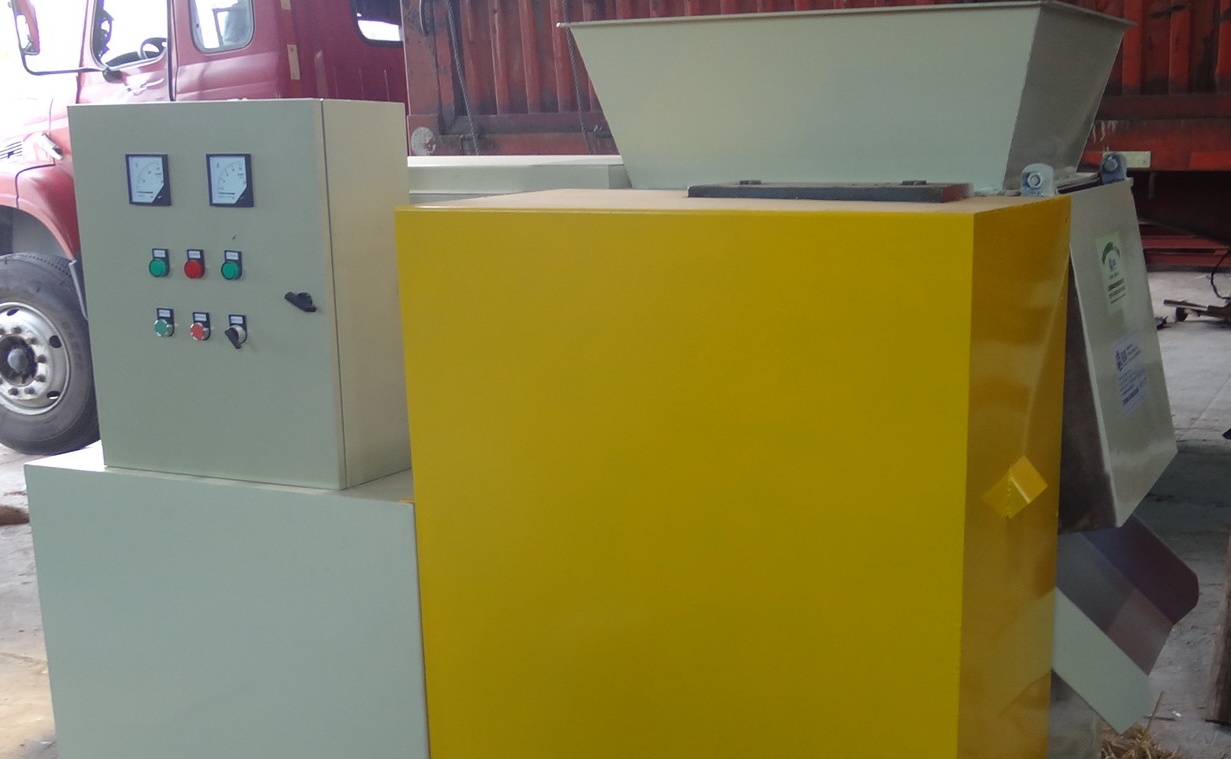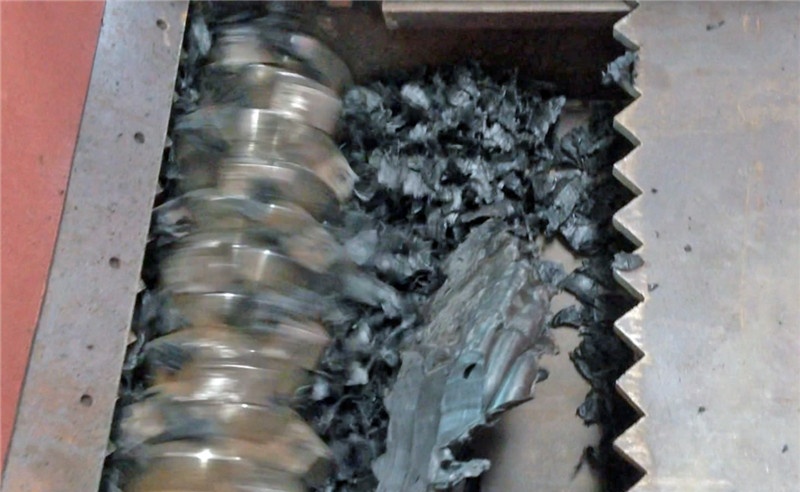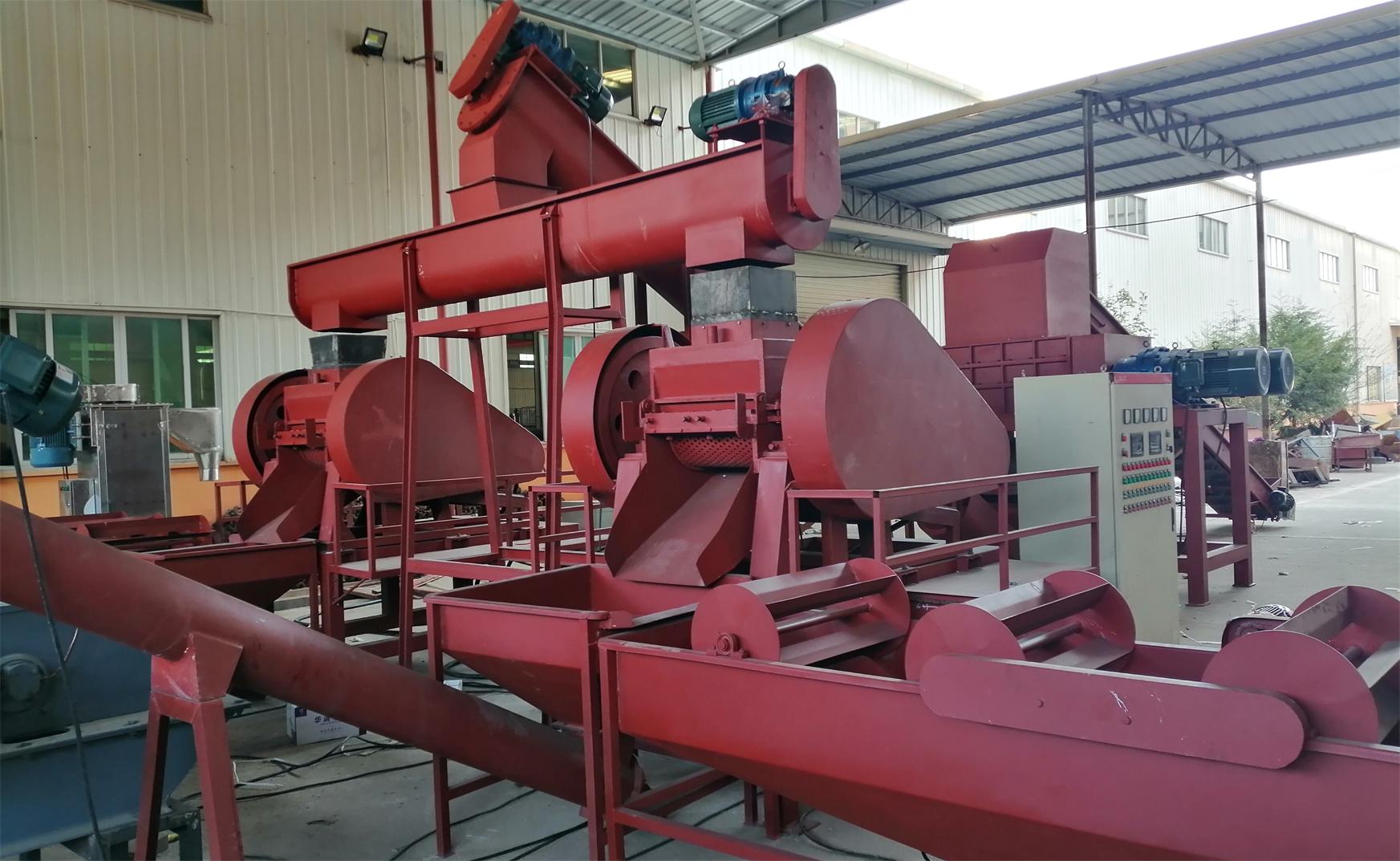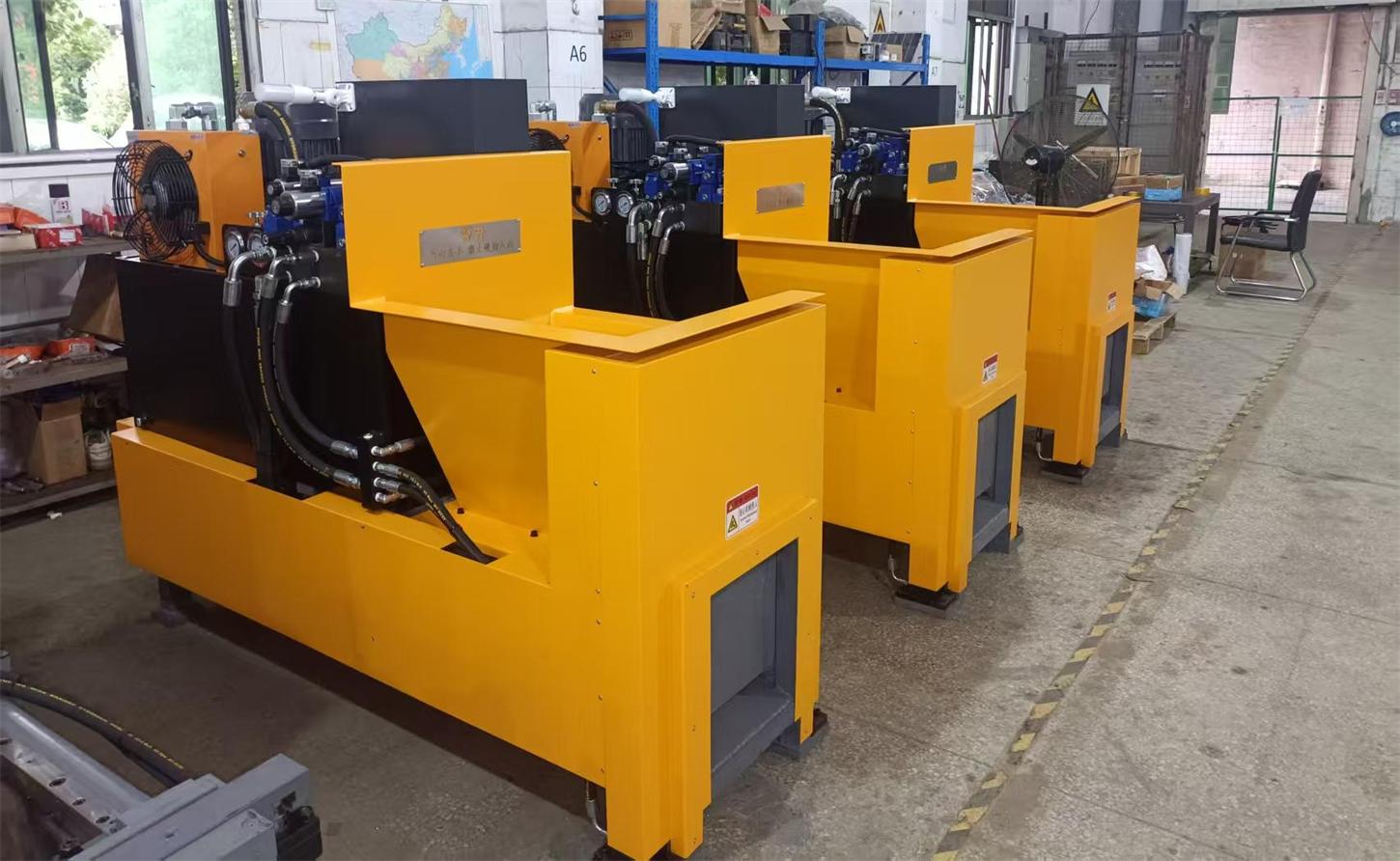
As global electronic waste volumes continue to surge, businesses and municipalities face both an environmental challenge and a significant economic opportunity. Transforming discarded electronics into valuable raw materials requires the right technology, expertise, and equipment partner. This guide explores the core recycling systems that turn waste streams into profit centers.
The Growing Demand for Professional Recycling Solutions
Electronic waste represents one of the fastest-growing waste streams worldwide. Every year, millions of tons of discarded batteries, cables, circuit boards, and appliances accumulate in landfills, locking away precious metals and hazardous materials. Regulatory frameworks across major economies now mandate responsible recycling, while volatile commodity prices make recovered materials increasingly valuable.
For entrepreneurs and established waste management companies alike, investing in professional recycling equipment offers a dual benefit: environmental compliance and measurable returns through metal recovery. The key lies in selecting machinery that matches your feedstock, capacity requirements, and long-term business goals.
Lead Acid Battery Recycling: A High-Volume Opportunity
Used lead acid batteries remain one of the most recycled consumer products globally, with established collection networks and consistent demand for recovered lead. A complete lead acid battery recycling equipment line typically includes battery cutters, breaking and separation systems, desulfurization units, smelting furnaces, and refinery kettles.
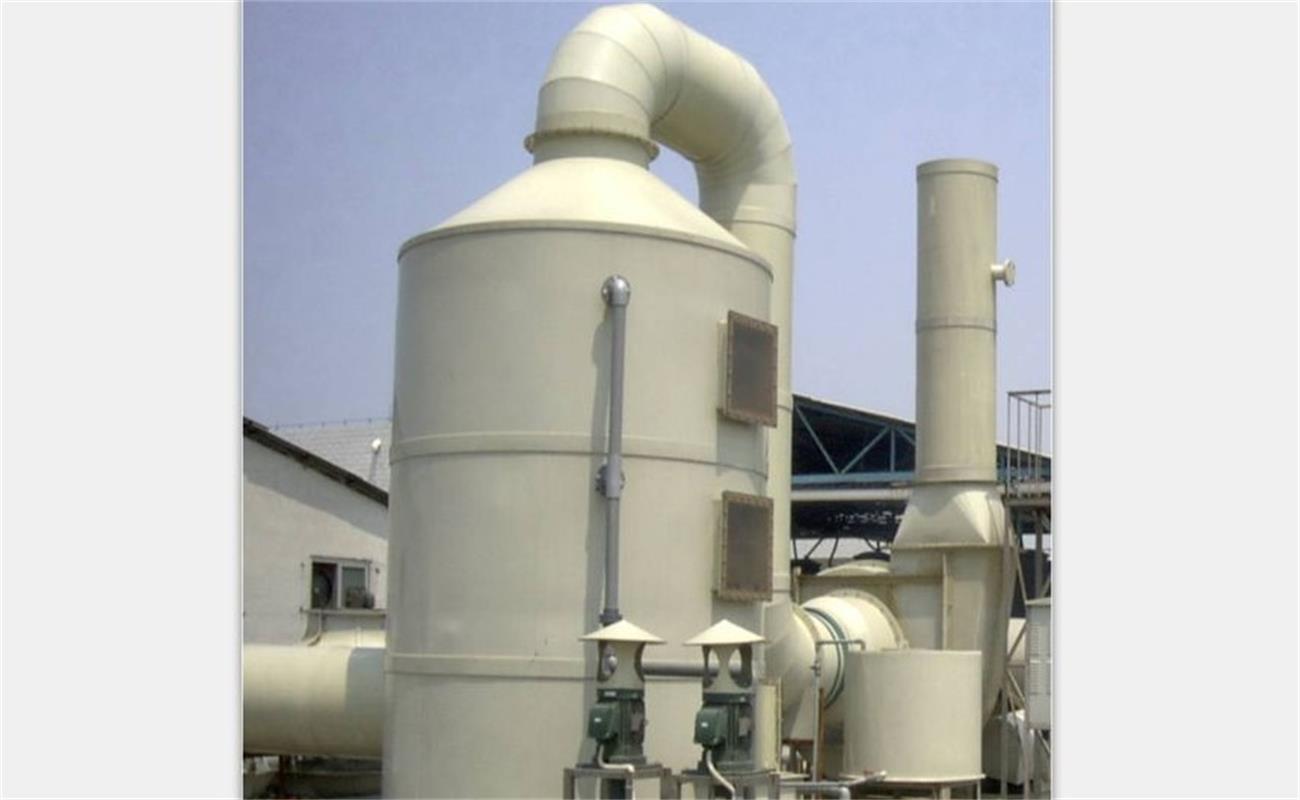
Modern plants can process 1-10 metric tons per hour, recovering acid, plastic shells, lead grids, and lead paste with high efficiency. Advanced systems incorporate pollution control equipment to ensure emissions compliance, while water treatment plants handle acidic wastewater. For operators entering this sector, turnkey solutions with installation and commissioning support significantly reduce startup risks.
Lithium Battery Recycling: Capturing Critical Materials
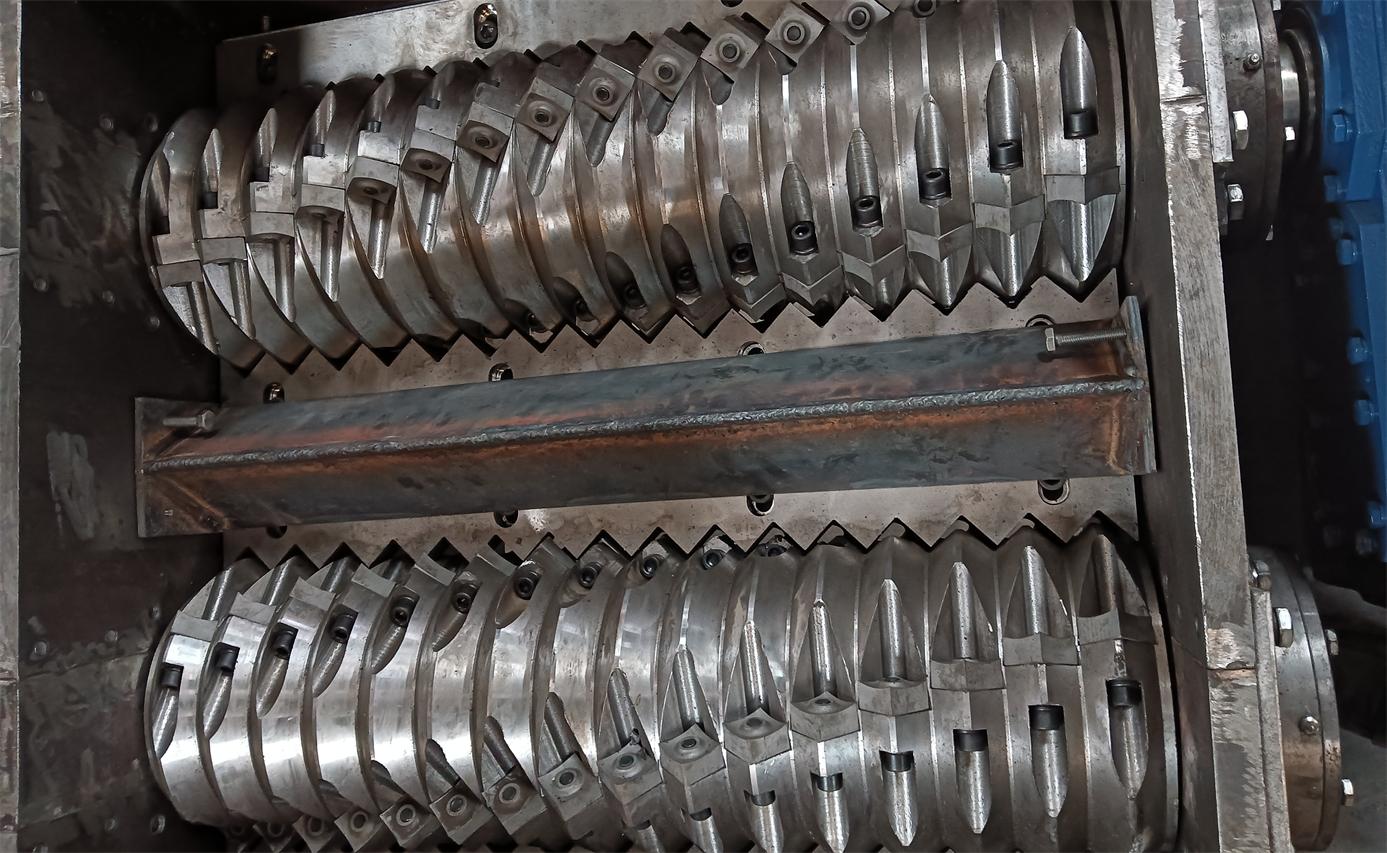
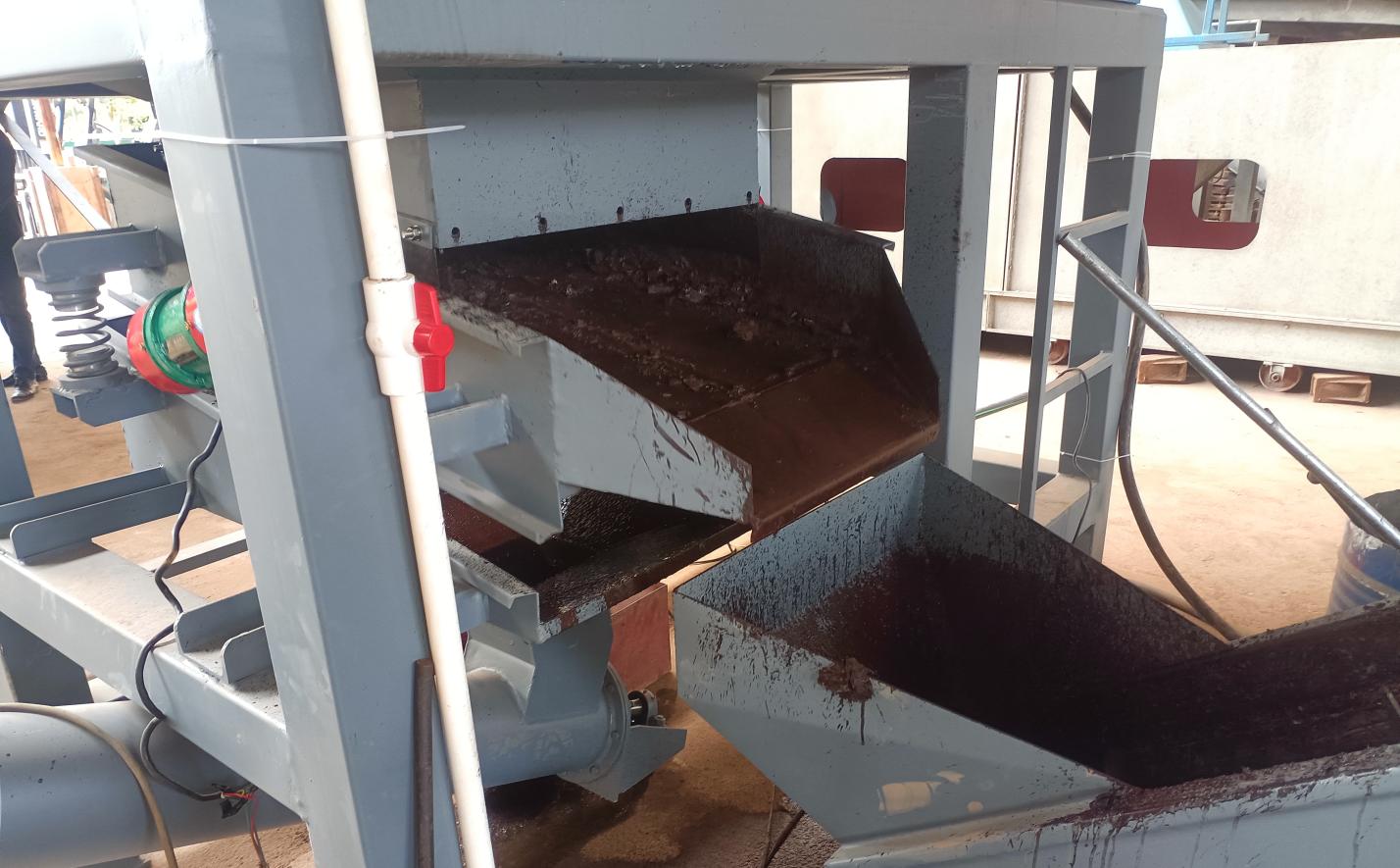
The electric vehicle revolution has created massive demand for lithium-ion battery recycling infrastructure. Unlike lead acid systems, lithium battery recycling requires specialized handling due to fire risks and complex material compositions. A standard lithium battery recycling equipment setup includes discharge stations, pre-crushing units, secondary granulation systems, and magnetic separation technology.
Effective systems recover black mass containing nickel, cobalt, and graphite alongside separated plastic, copper, and aluminum fractions. Capacities typically range from 500 to 2,500 kilograms per hour, with custom configurations available for specific battery chemistries. Given the strategic importance of critical minerals, this sector offers exceptional growth potential for early movers.
Cable Recycling: Efficient Copper and Aluminum Recovery
Scrap cables and wires contain valuable copper and aluminum conductors that command premium prices when properly separated from insulation. Cable recycling machine options range from manual stripping tools for small operations to fully automated granulator lines processing over 1,000 kilograms per hour.
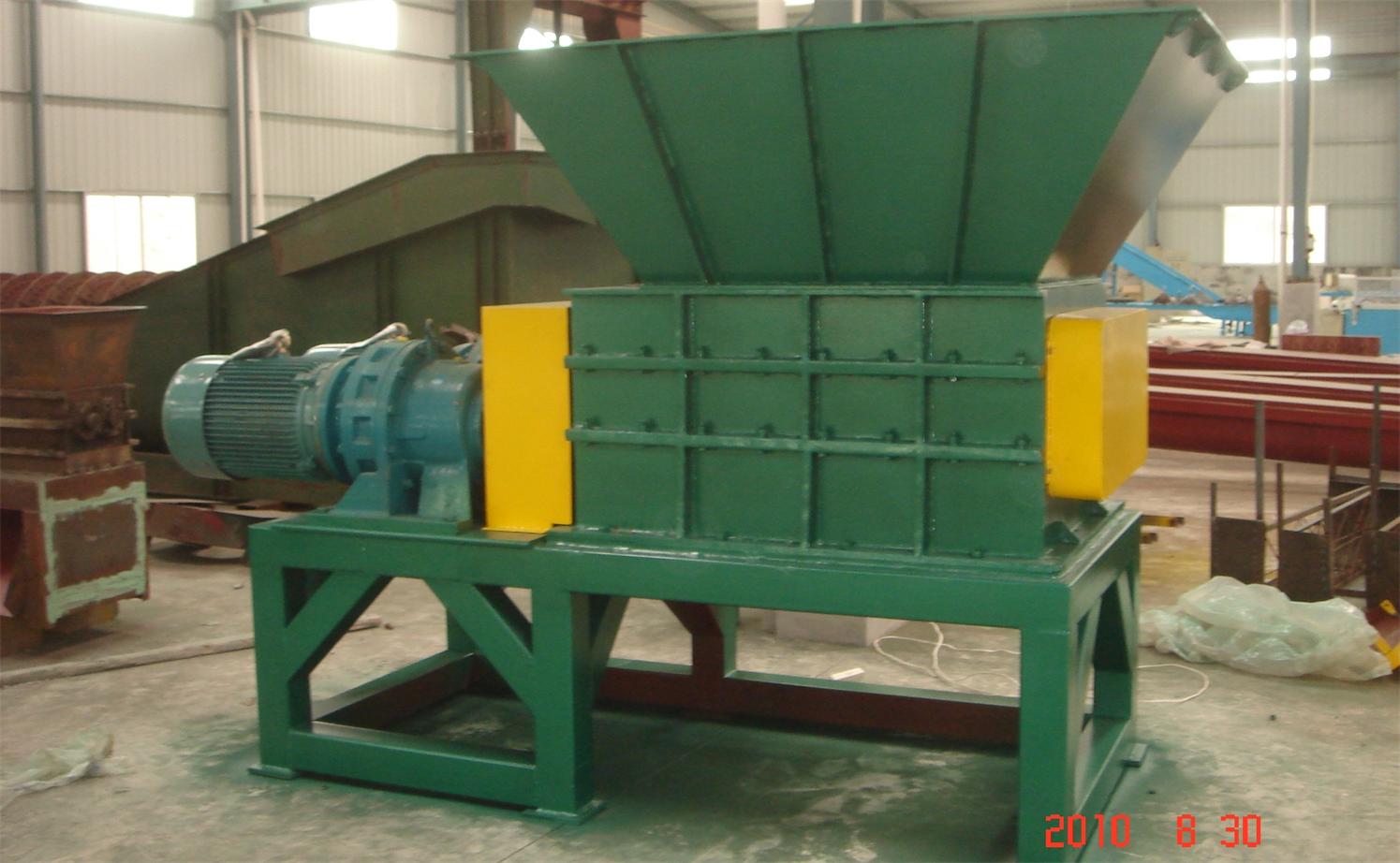
Advanced cable granulators use dry separation technology to achieve copper purity levels of 96-98% without water consumption or effluent treatment. Compact units suit entry-level recyclers, while heavy-duty systems handle mixed cable streams including jelly-filled communications cables. Pre-shredding equipment extends the range of processable materials to large-diameter industrial cables.
Circuit Board Processing: Unlocking Precious Metals
Printed circuit boards contain concentrated amounts of copper, gold, silver, and palladium that often exceed concentrations found in natural ore deposits. Circuit board recycling equipment employs either wet or dry separation methods, with capacities from 300 to 2,000 kilograms per hour.
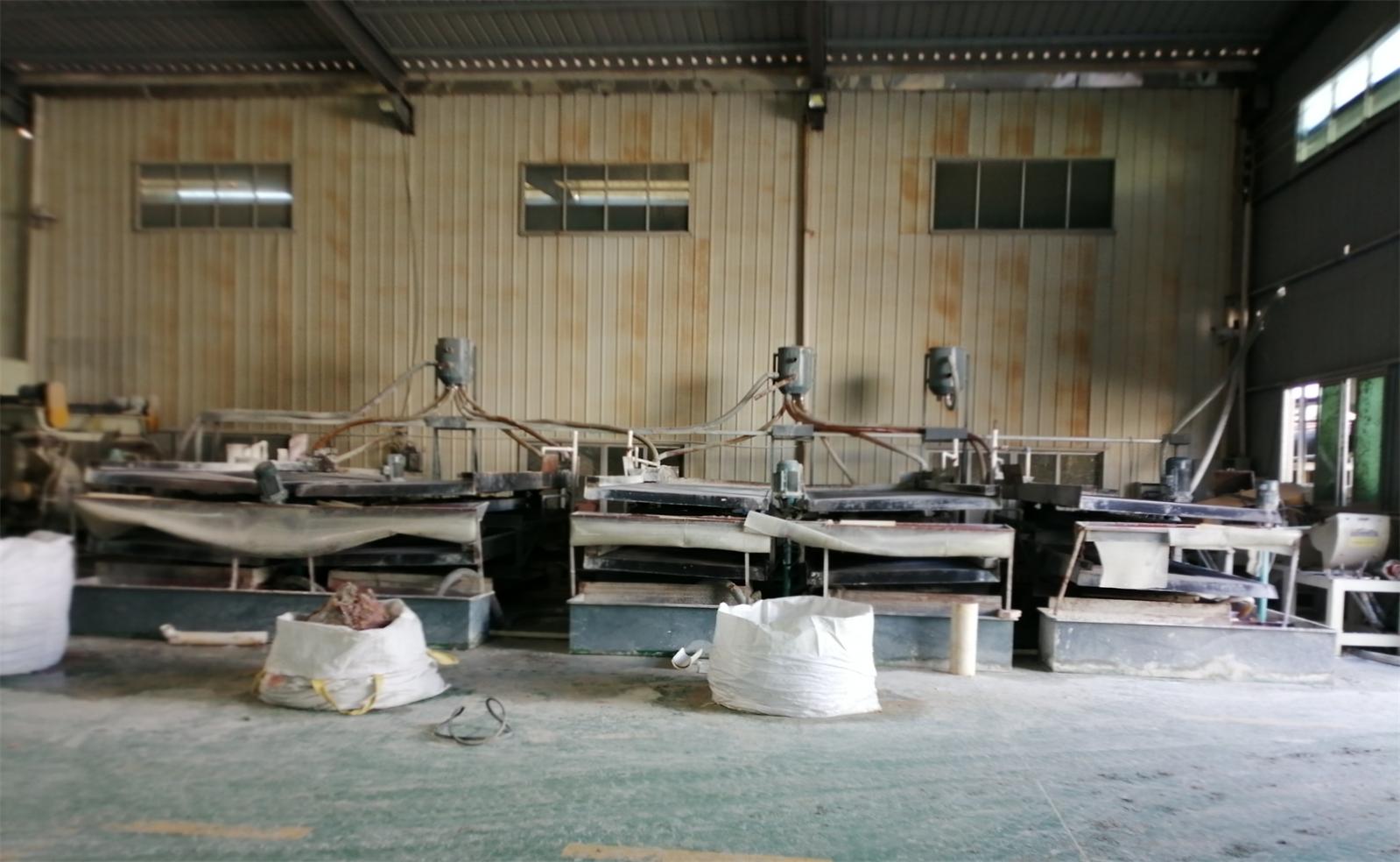
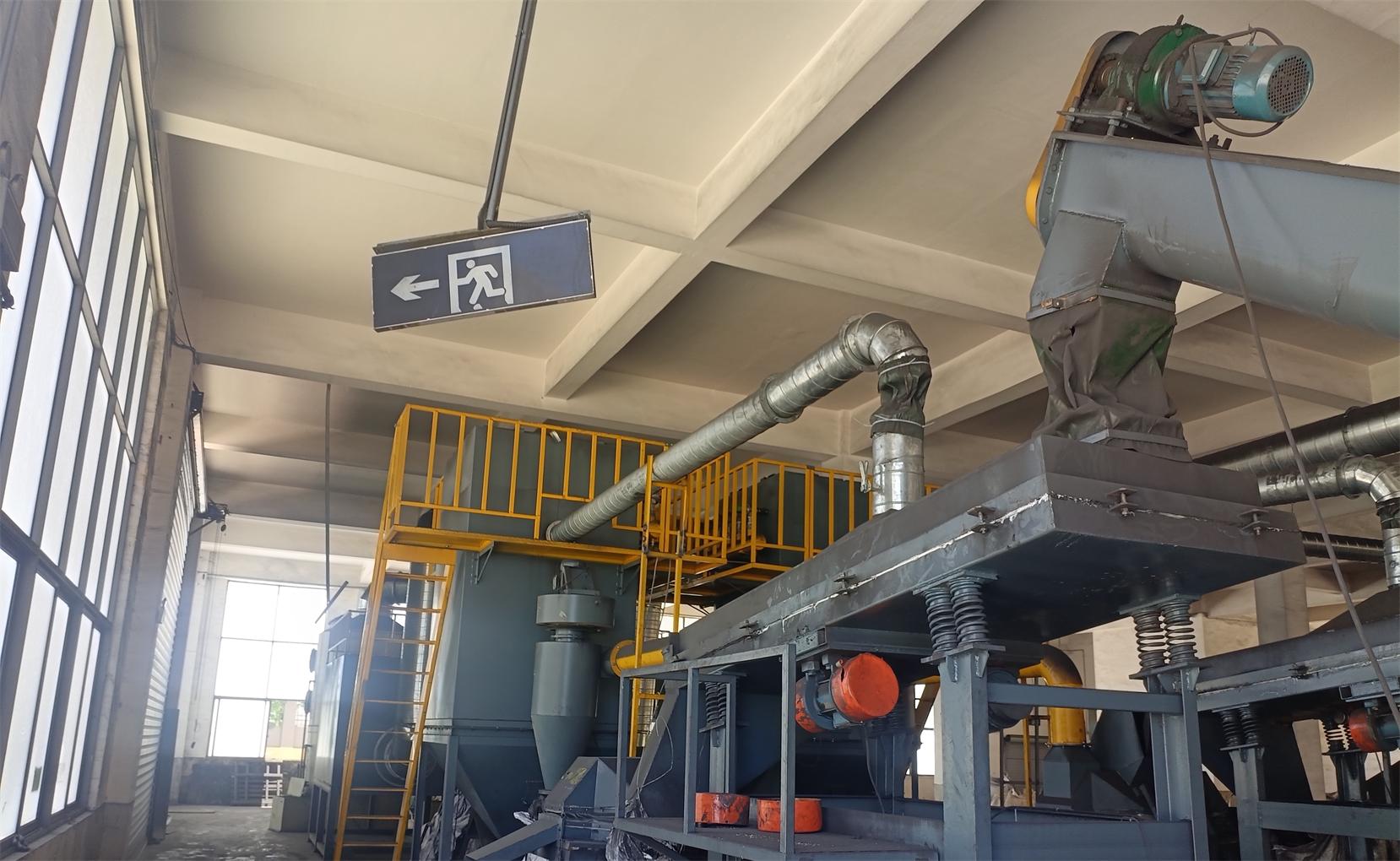
Dry separation plants utilize air classifiers, electrostatic separators, and pulse dust collectors to recover copper powder with 95% efficiency. Wet separation systems handle boards with components still attached, using water-based metal separation to achieve high recovery rates. Both approaches eliminate dust pollution while maximizing valuable metal yields.
What to Look for in an Equipment Partner
Selecting a recycling equipment supplier extends beyond comparing specifications and prices. The most successful installations involve partners who understand your local regulatory environment, feedstock characteristics, and end-product markets. Consider these factors when evaluating manufacturers:
Technical depth: Look for engineering teams with mechanical engineering expertise and demonstrated experience in e-waste recycling machinery design.
EPC capabilities: Full-service providers offering engineering, procurement, and construction support streamline complex project execution.
Customization: Standard equipment rarely fits every application. Customized designs matching your specific waste profile and capacity targets deliver superior results.
After-sales support: Installation, commissioning, and ongoing technical assistance ensure your plant operates at design capacity from day one.
Commercial ecosystem: Partners who can assist with raw material sourcing and end-product sales accelerate your path to profitability.
San Lan Technologies: Your Comprehensive Recycling Partner
Founded in 2007, San Lan Technologies Co., Ltd has established itself as a professional manufacturer of WEEE recycling machinery and mining equipment, serving customers across more than 21 countries. The company's product portfolio spans lead acid battery recycling plants, lithium battery recycling systems, cable granulators, circuit board recycling equipment, CRT cutters, refrigerator and AC recycling lines, motor dismantling machines, and industrial shredders.
What distinguishes San Lan from conventional equipment vendors is its integrated approach to customer success. Beyond manufacturing, the company assists clients with waste material procurement, recycling plant construction partnerships, and marketing of recovered products such as copper rice, lead ingots, and precious metal concentrates. This end-to-end support model, combined with bilingual English and Chinese technical teams, makes San Lan particularly valuable for international projects requiring cross-cultural coordination.
For organizations evaluating recycling equipment investments, San Lan offers feasibility consultations, customized plant designs, and turnkey implementation services. With over 15 years of mechanical engineering experience and a global customer base spanning Singapore, Colombia, Vietnam, Mexico, Argentina, Korea, Malaysia, and beyond, the company brings proven methodologies to diverse operating environments.
Ready to explore recycling equipment for your operation? Whether you are evaluating lead acid battery processing, lithium battery recovery, cable granulation, or circuit board separation, selecting the right technology partner determines your long-term success. Contact San Lan Technologies to discuss your project requirements, capacity targets, and feedstock characteristics. Our engineering team will recommend optimized configurations tailored to your specific recycling objectives.