The world generates over 50 million metric tons of electronic waste each year, yet less than 20% is formally recycled. For businesses looking to enter this high-demand market, the challenge is not finding waste material. It is finding the right technology and partner to transform that waste into valuable raw materials profitably and responsibly.
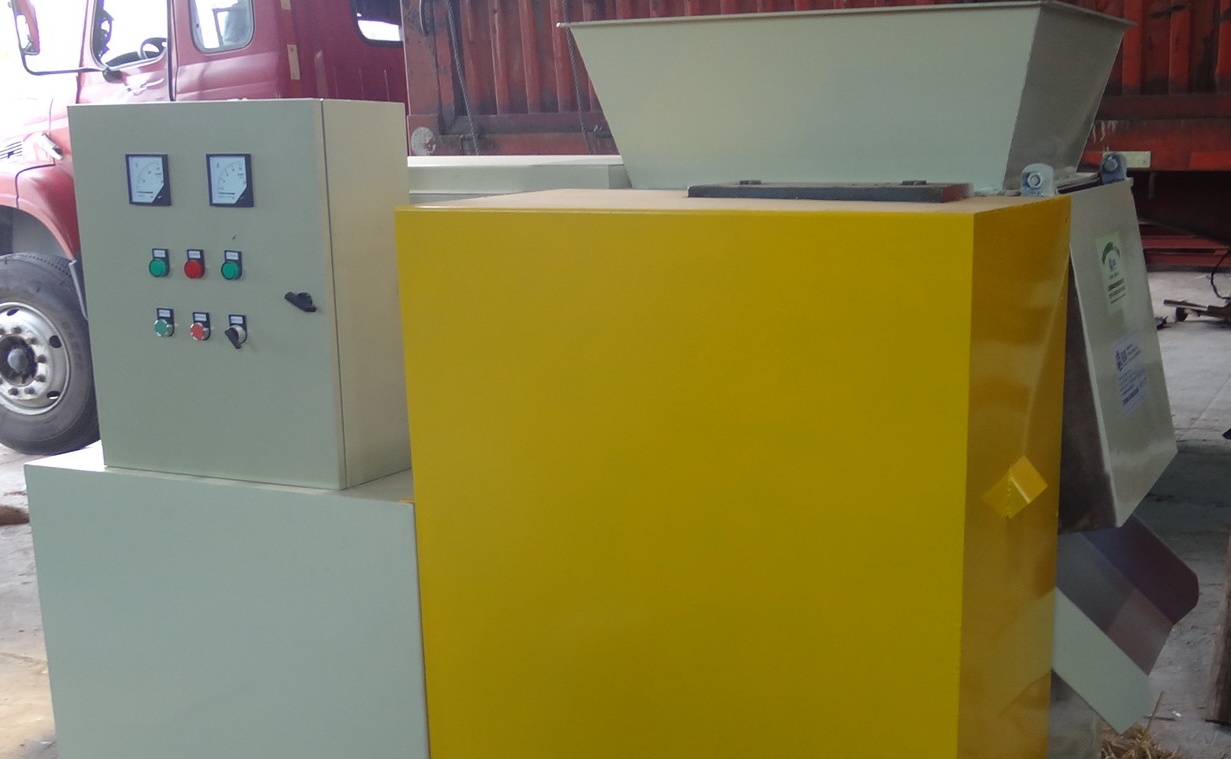
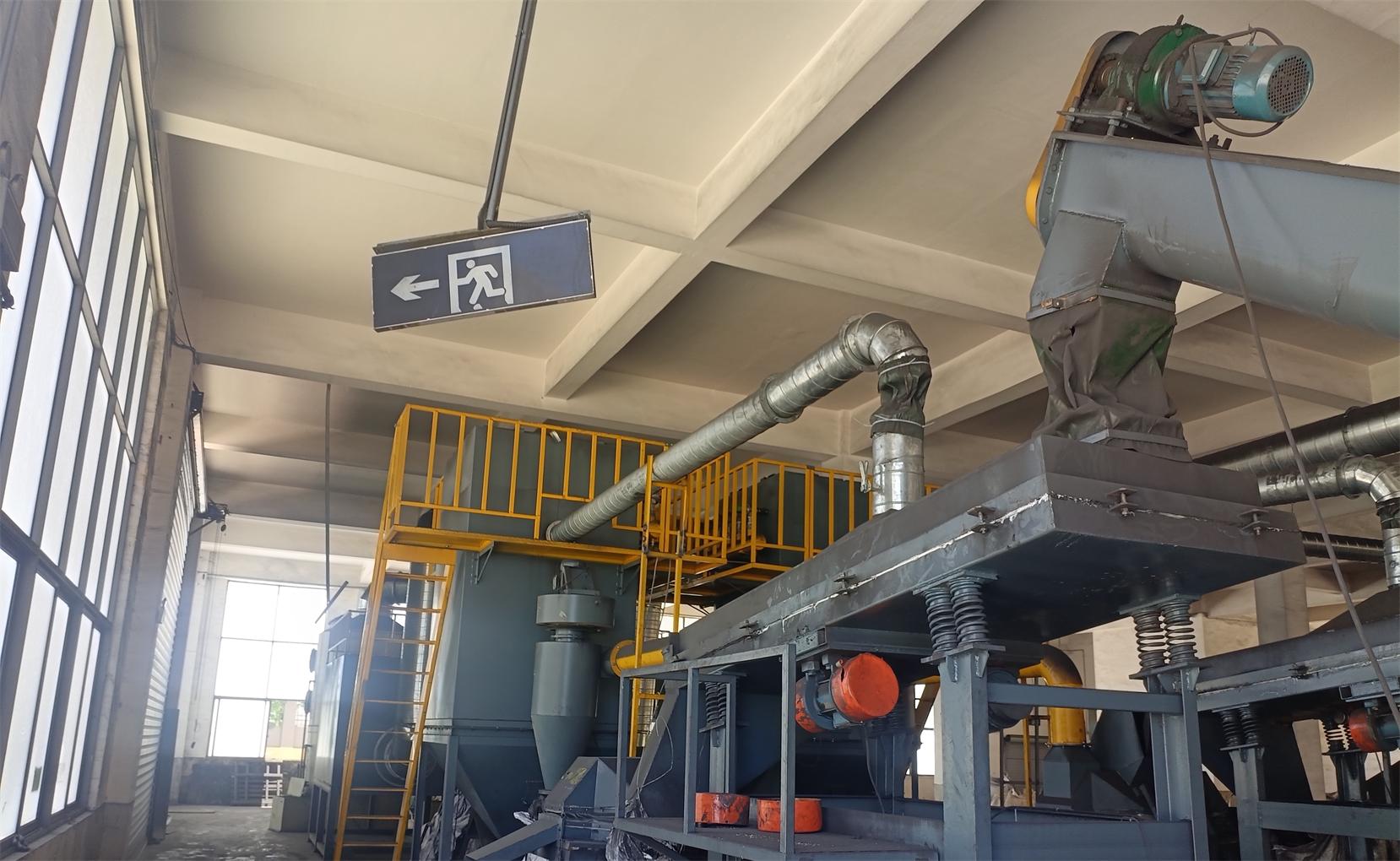
Turnkey lead acid battery recycling equipment and integrated e-waste processing lines form the foundation of any serious operation. Whether you are targeting used lead acid batteries, lithium-ion cells, circuit boards, or scrap cables, proven recycling technology lets you recover copper, lead, aluminum, and precious metals while staying within environmental limits.
The Business Case for E-Waste Recycling
Electronic waste represents one of the fastest-growing waste streams globally. Batteries, printed circuit boards, and discarded cables contain concentrated amounts of recoverable metals. A single ton of circuit boards, for example, can contain up to 250 grams of gold along with significant quantities of copper and silver. Lead acid batteries are among the most recycled consumer products in the world because of the high value of recovered lead and plastic.
Unprocessed waste is just a liability. Profitability comes down to three things: a steady supply of feedstock, efficient separation technology, and buyers for your recovered materials. Miss any one of them and the project stalls.
Lead Acid Battery Recycling: A Proven Revenue Stream
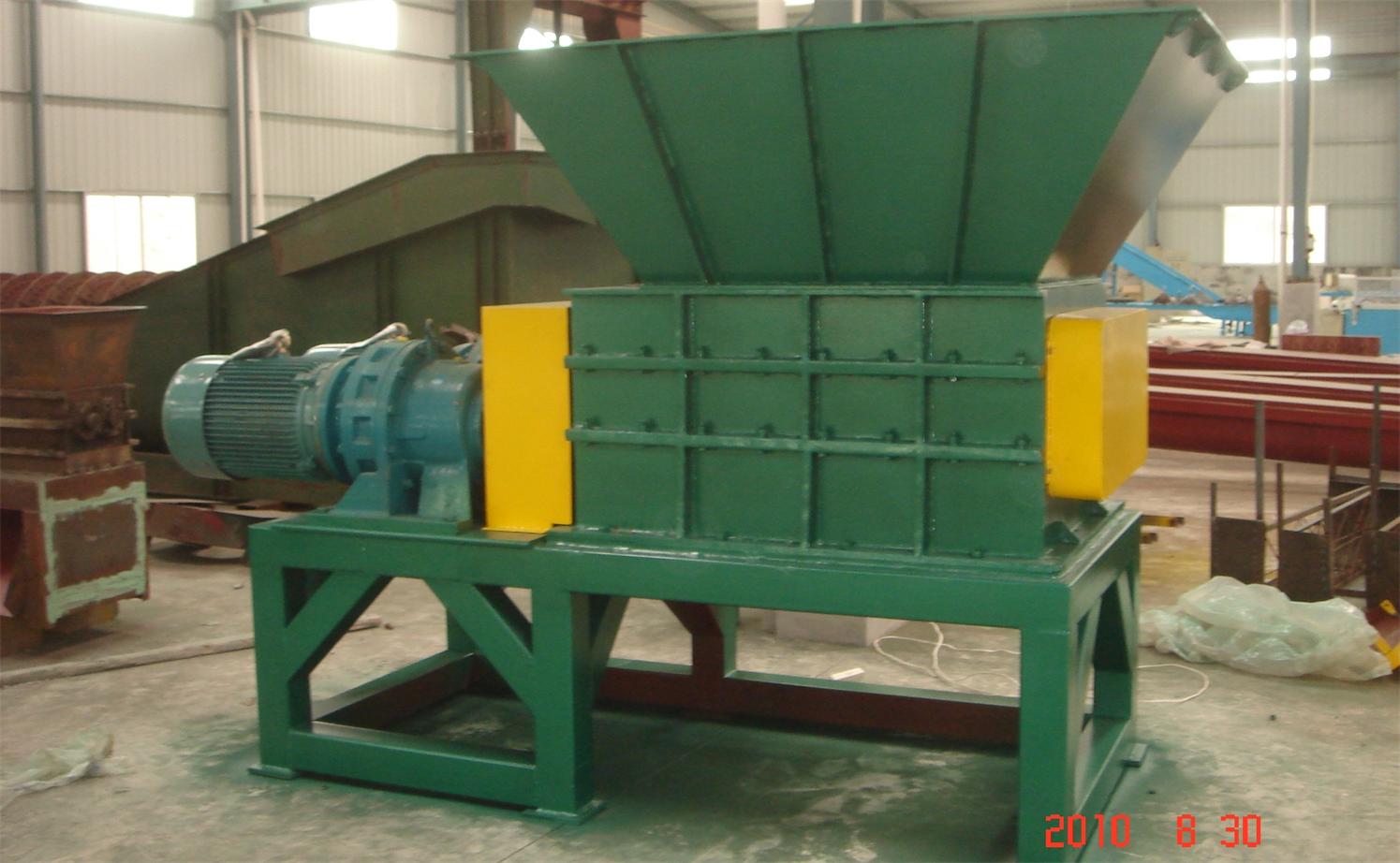
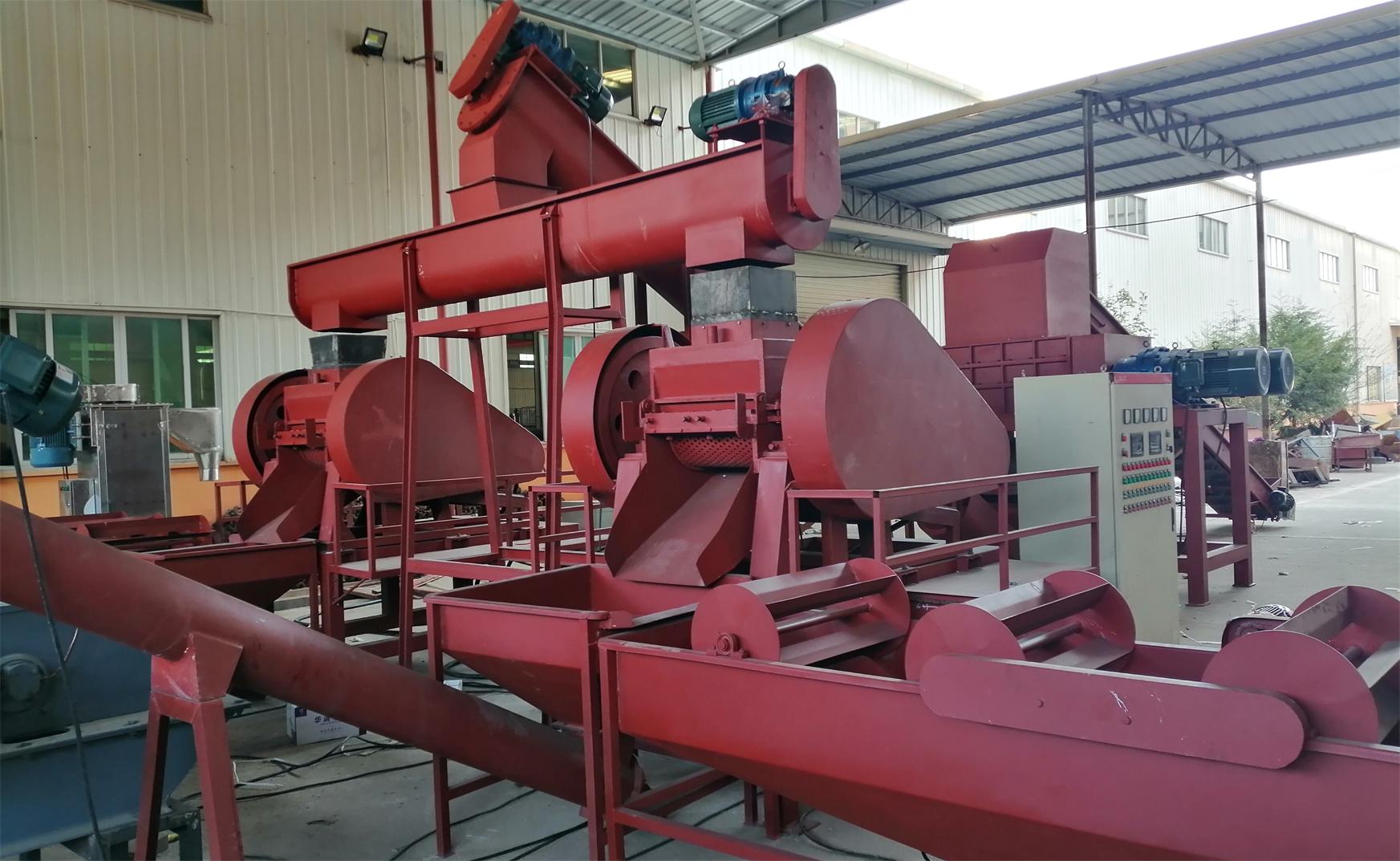
Used lead acid batteries remain the most accessible entry point for new recycling ventures. The recycling process is well established, the economics are proven, and global demand for secondary lead continues to rise. A complete lead acid battery recycling equipment setup typically includes breaking and separation systems, paste filtration, desulfurization units, smelting furnaces, and refinery kettles.
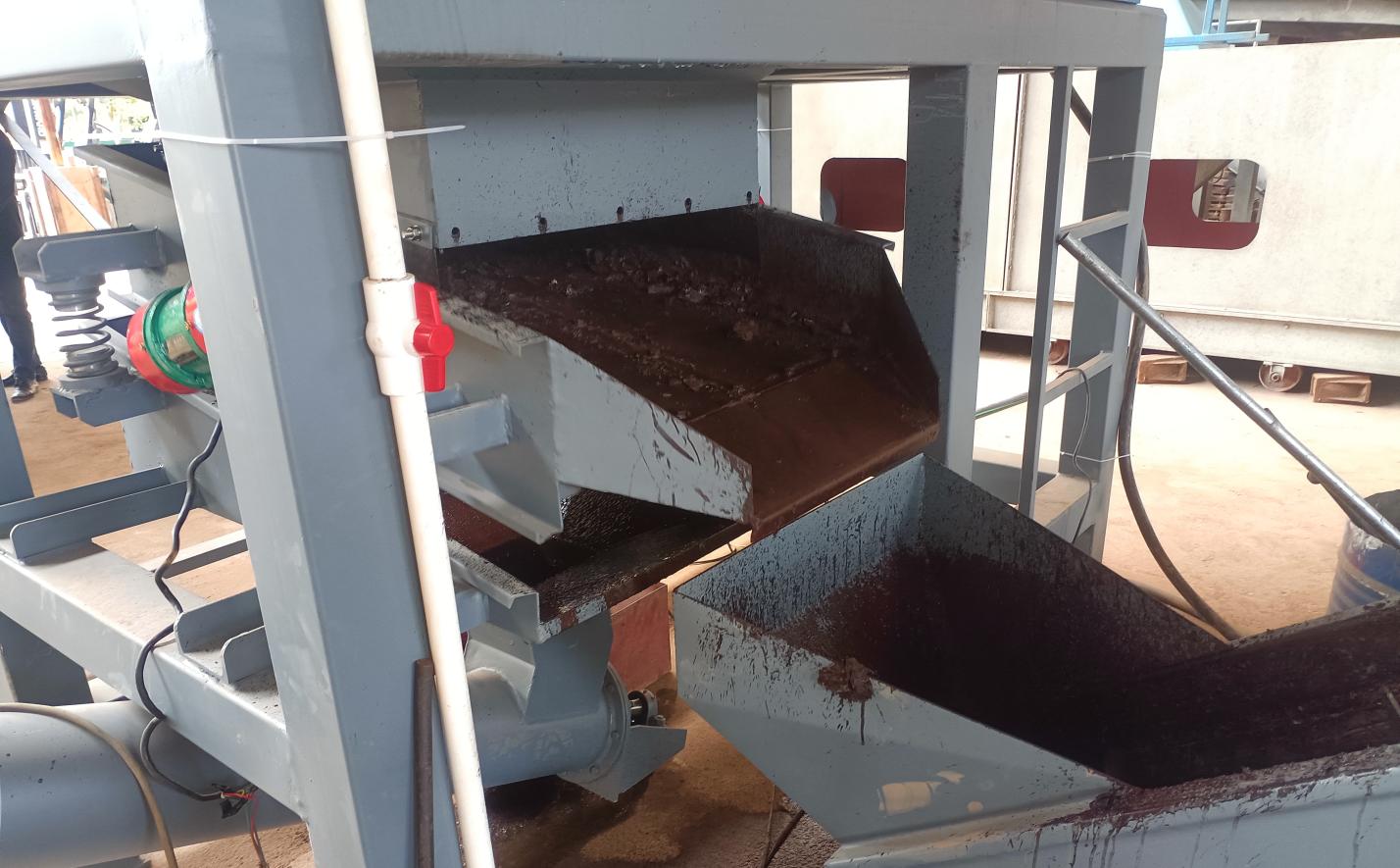
Modern plants can process between 1 and 10 metric tons per hour. Advanced breaking and separating systems recover four distinct product streams: lead grid, lead paste, PVC or PP plastic, and hard rubber. Lead recovery rates through blast furnaces can reach 95%, while rotary furnaces offer even higher efficiency for paste reduction. The resulting crude lead can then be refined to 99.999% purity using near-infrared heated refinery kettles that save 30 to 50% on energy costs compared to conventional systems.
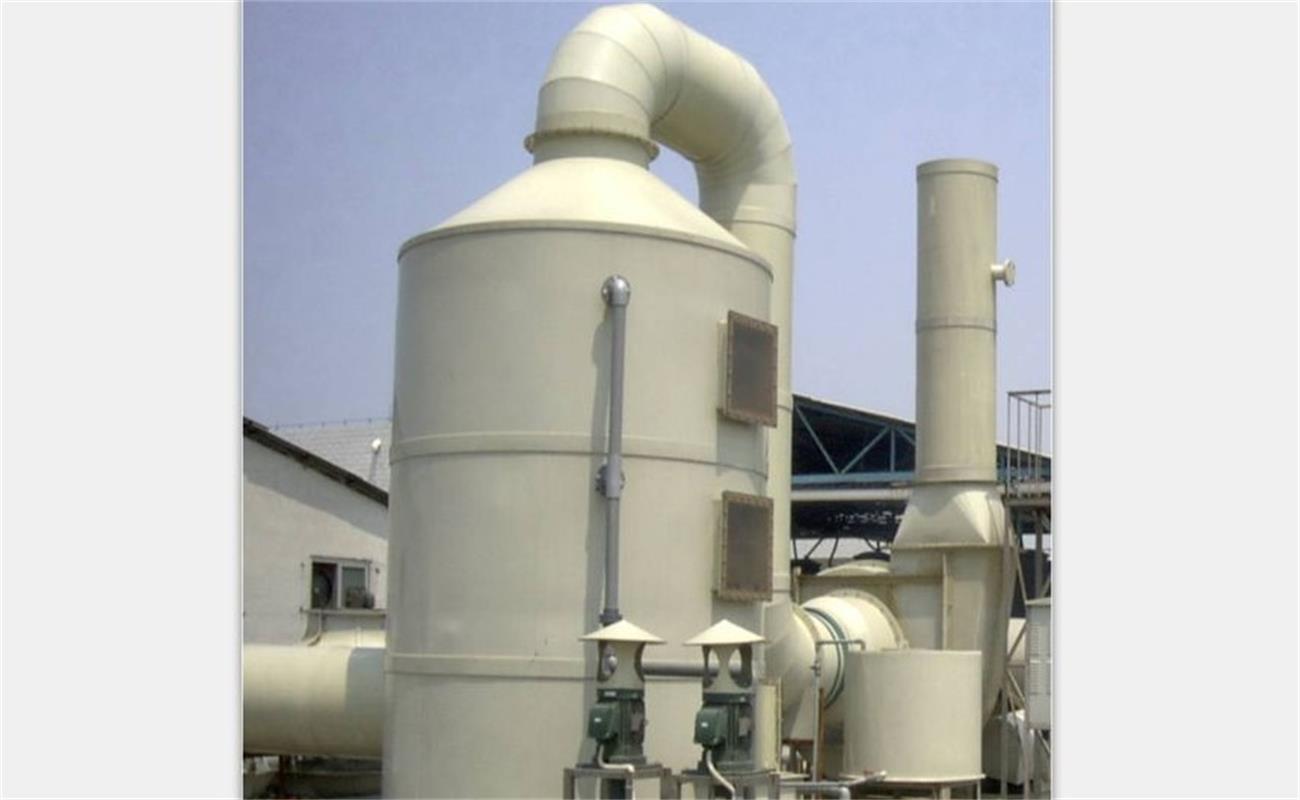
Key advantage: San Lan Technologies provides integrated air pollution control and wastewater treatment systems alongside core recycling machinery, ensuring full environmental compliance from day one.
Lithium Battery Recycling: Capturing the Energy Transition
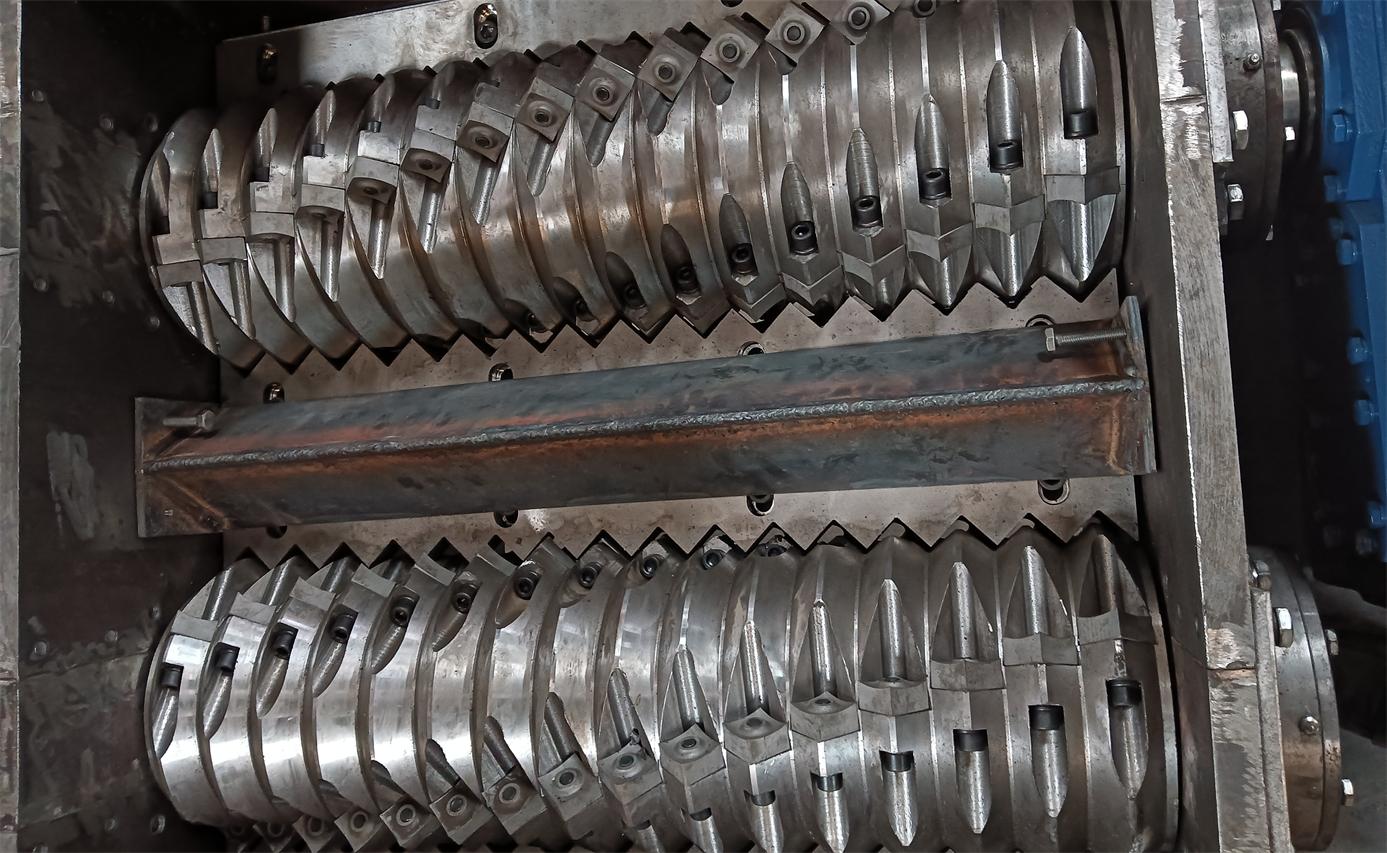
As electric vehicles and energy storage systems expand, spent lithium-ion batteries are becoming a critical secondary source of nickel, cobalt, graphite, and copper. Unlike lead acid batteries, lithium cells require specialized handling due to fire risks and toxic electrolytes. A dedicated li battery recycling equipment line must include safe discharging stations, inert atmosphere crushing, multi-stage separation, and dedicated gas treatment systems.
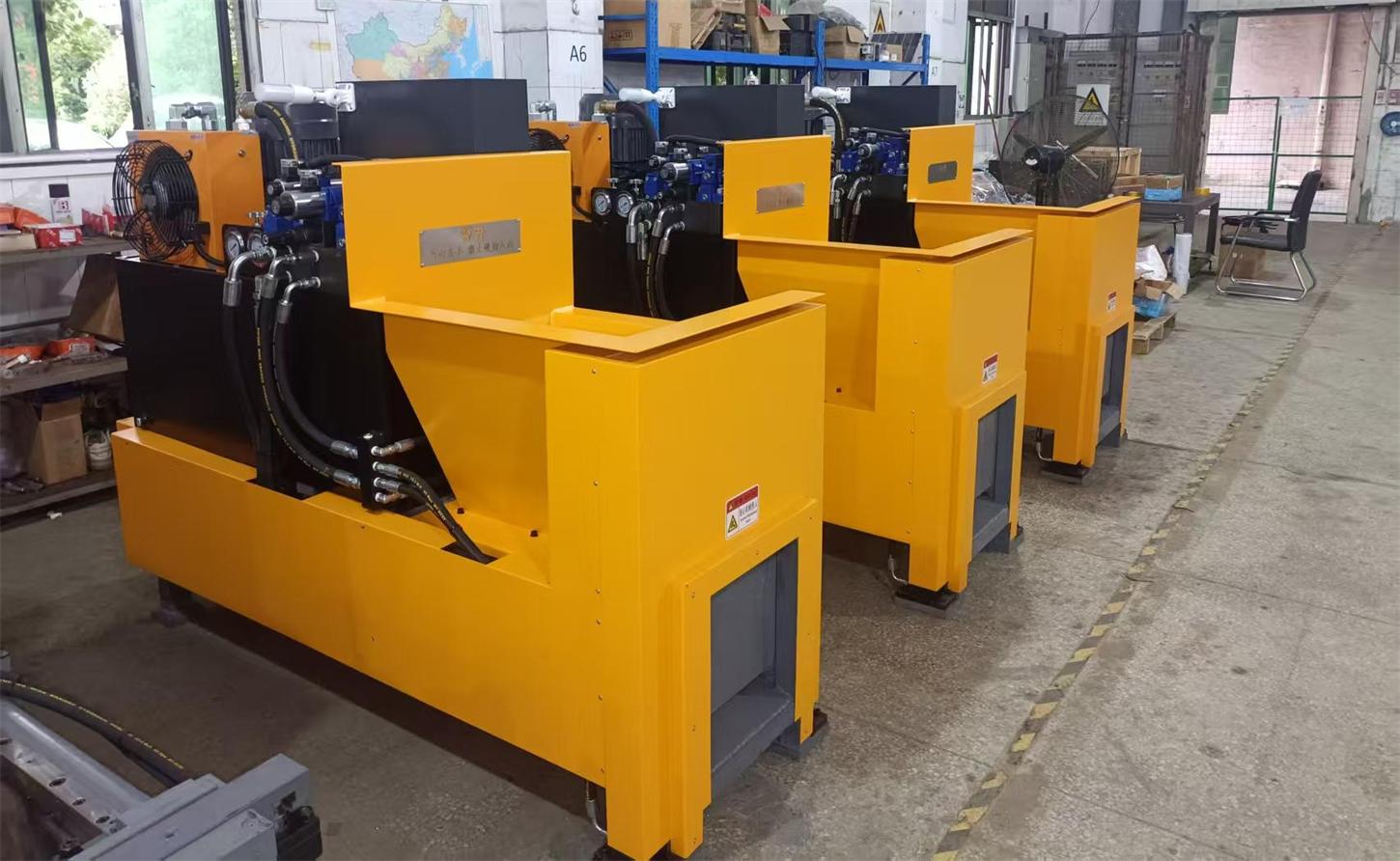
Capacities range from 500 to 2,500 kilograms per hour. The process separates black mass containing nickel, cobalt, and graphite from plastic films, copper, and aluminum. Plastic fractions can be compacted into dense blocks using hydraulic briquetters with a 10-to-1 volume compression ratio, reducing storage and transportation costs. Pneumatic conveying systems automate plastic collection and feeding, minimizing manual handling and contamination risks.
Circuit Board and Cable Recovery
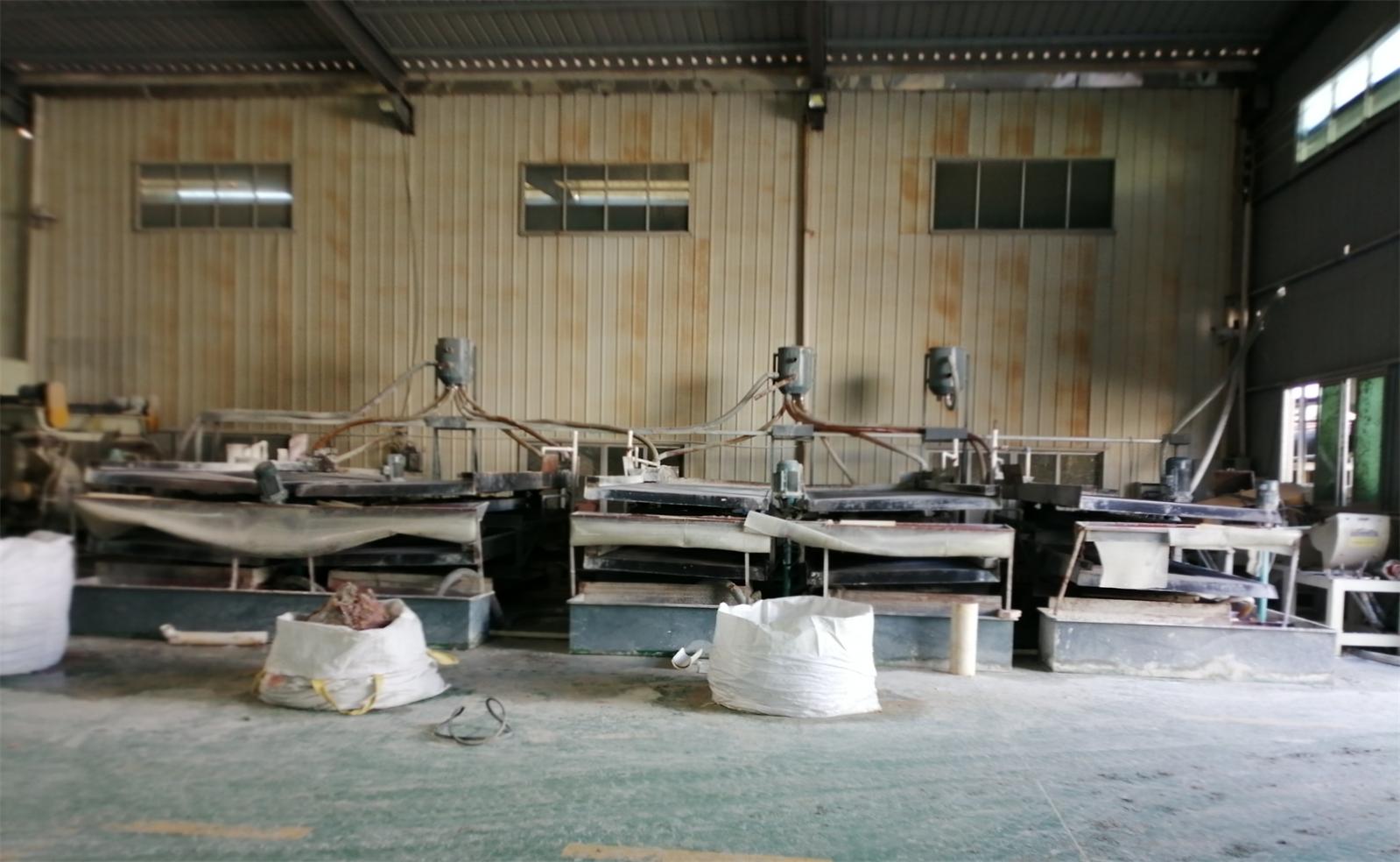
Printed circuit boards and scrap cables represent two additional high-volume waste streams with strong metal content. Circuit board recycling equipment uses either dry air separation or wet water-based separation to recover copper powder with purity levels between 96% and 98%. Capacities are scalable from 300 kilograms per hour up to 5 metric tons per hour, depending on the model and configuration.
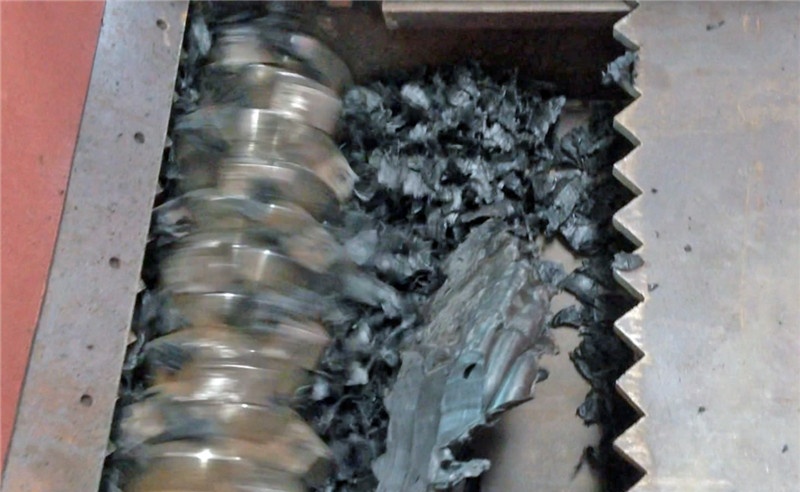
For cable recycling, operators can choose between scrap cable strippers for large-diameter wire or compact cable granulators with integrated dry separators for mixed cable waste. Strippers handle diameters from 1.5 millimeters to 150 millimeters, while granulators process whole cables into clean copper and aluminum fractions ready for smelting or direct sale.
One-Stop Plant Solutions: From Design to Commissioning
Building a recycling plant involves far more than buying individual machines. Layout design, material flow optimization, pollution control integration, and operator training all determine whether a project succeeds. San Lan Technologies offers full EPC capabilities, meaning the company handles engineering, procurement, and construction as a single contract.
This approach eliminates the common problem of incompatible equipment from multiple suppliers. It also ensures that pollution control systems are sized correctly for the specific process, that electrical and control systems are unified, and that the plant meets local environmental permits before startup. For entrepreneurs entering the recycling industry for the first time, this single-source accountability significantly reduces project risk.
What Sets San Lan Technologies Apart
Founded in 2007 and based in Ganzhou, Jiangxi Province, San Lan Technologies has supplied recycling machinery to customers in over 21 countries. The engineering team combines advanced mechanical engineering qualifications with more than 15 years of hands-on experience in e-waste recycling plant design.
- Customized plant design tailored to local feedstock and regulatory requirements
- Assistance sourcing waste materials including cable scrap, PCB scrap, and used lead acid batteries
- Support selling recovered products such as copper rice, copper powder, and lead ingots
- Installation, commissioning, and operator training included
- Bilingual English and Chinese technical support
Beyond machinery, San Lan Technologies actively connects clients with investors and partners for recycling plant construction, helping new ventures secure the capital and market access they need to scale.
Conclusion
Plants that pair solid machinery with full project support consistently outperform those that rely on equipment alone. Whether your focus is lead acid batteries, lithium-ion cells, circuit boards, or cables, working with a supplier that understands the complete production chain separates struggling startups from operations that generate steady returns.
Ready to explore your recycling project? Contact San Lan Technologies today to discuss your feedstock, capacity requirements, and layout constraints. The team provides free initial consultations and can deliver a customized equipment proposal within days. Reach out via WhatsApp at +86 139 2377 4083 or email info@san-lan.com to get started.