Understanding the E-Waste Opportunity
Electronic waste is one of the fastest-growing waste streams worldwide. Every year, millions of tons of discarded electronics, cables, and batteries end up in landfills, wasting valuable metals like copper, aluminum, lead, and even precious metals such as gold and silver. With copper prices maintaining historically high levels and governments implementing stricter environmental policies, the economic case for professional recycling has never been stronger.
Success in this industry depends on selecting equipment that delivers high recovery rates, reliable performance, and operational efficiency. Whether you are starting a new recycling facility or upgrading existing operations, understanding the available technologies is essential.
Cable Recycling: Turn Copper Scrap into Consistent Revenue
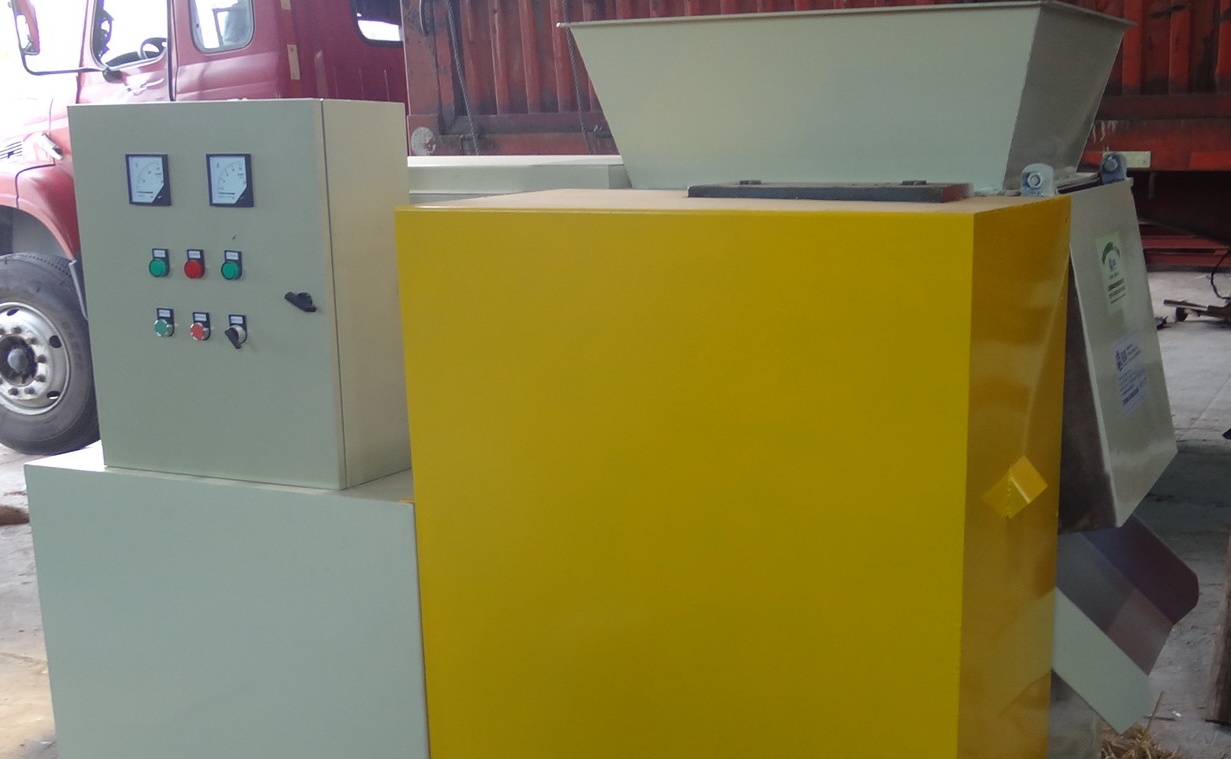
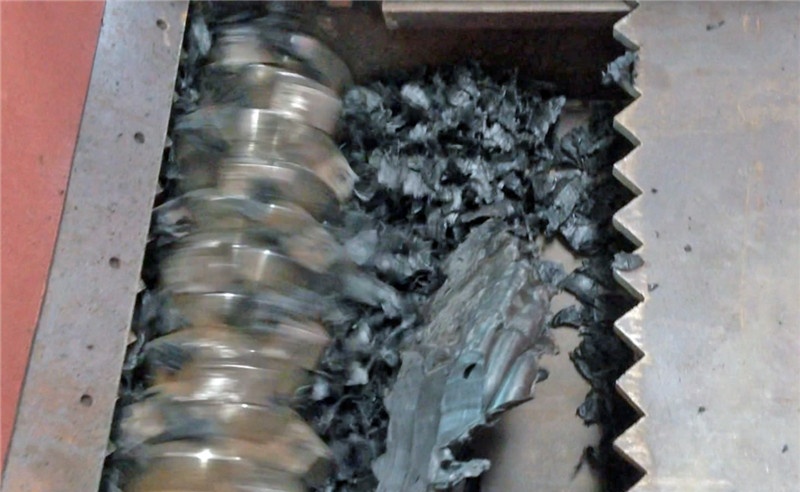
Scrap cables and wires represent one of the most accessible and profitable segments of the recycling industry. From industrial power cables to household wiring, these materials contain copper and aluminum that can be recovered and sold at premium prices. The right cable recycling equipment can separate metal from plastic insulation with precision, delivering clean copper granules ready for smelters.
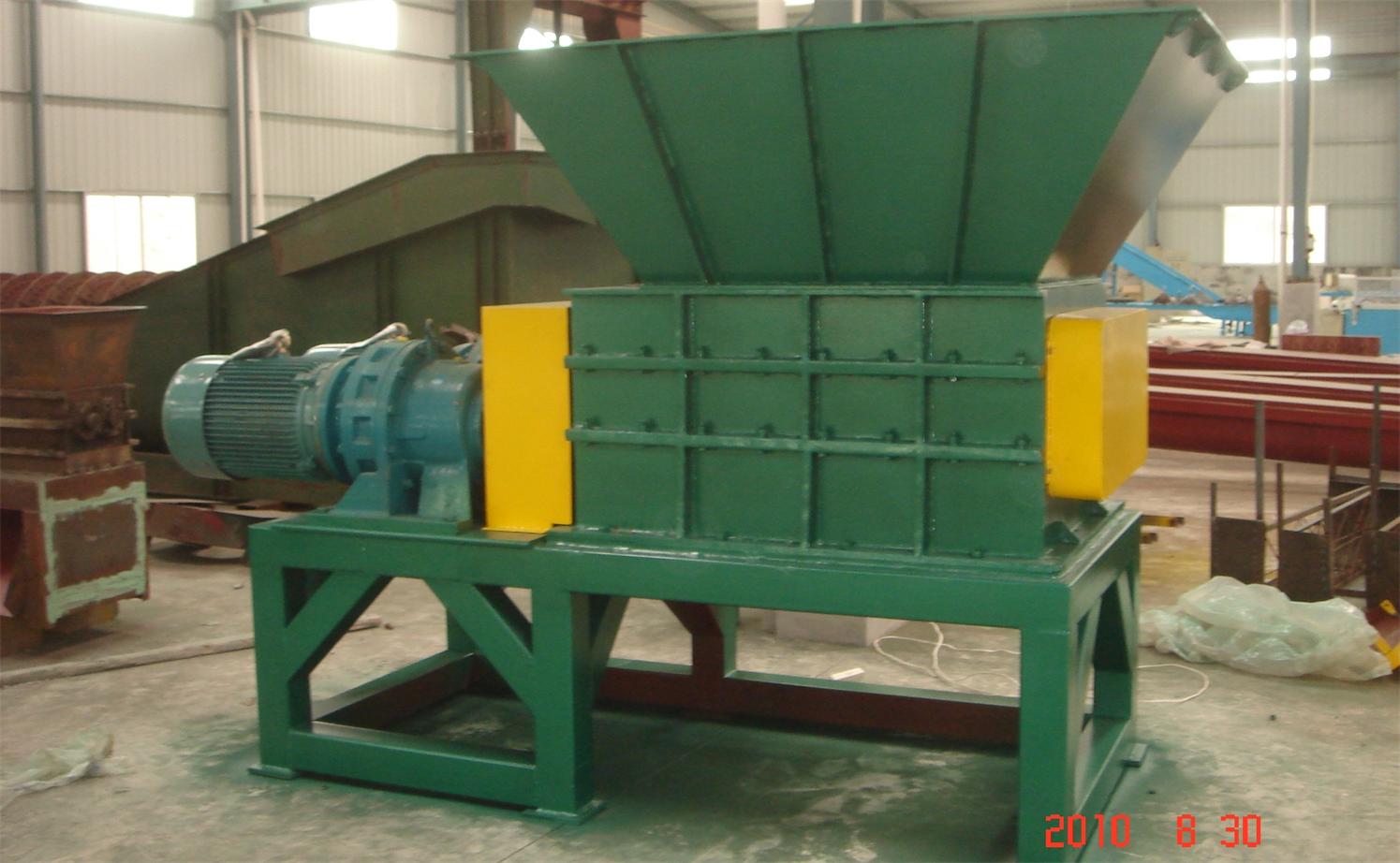
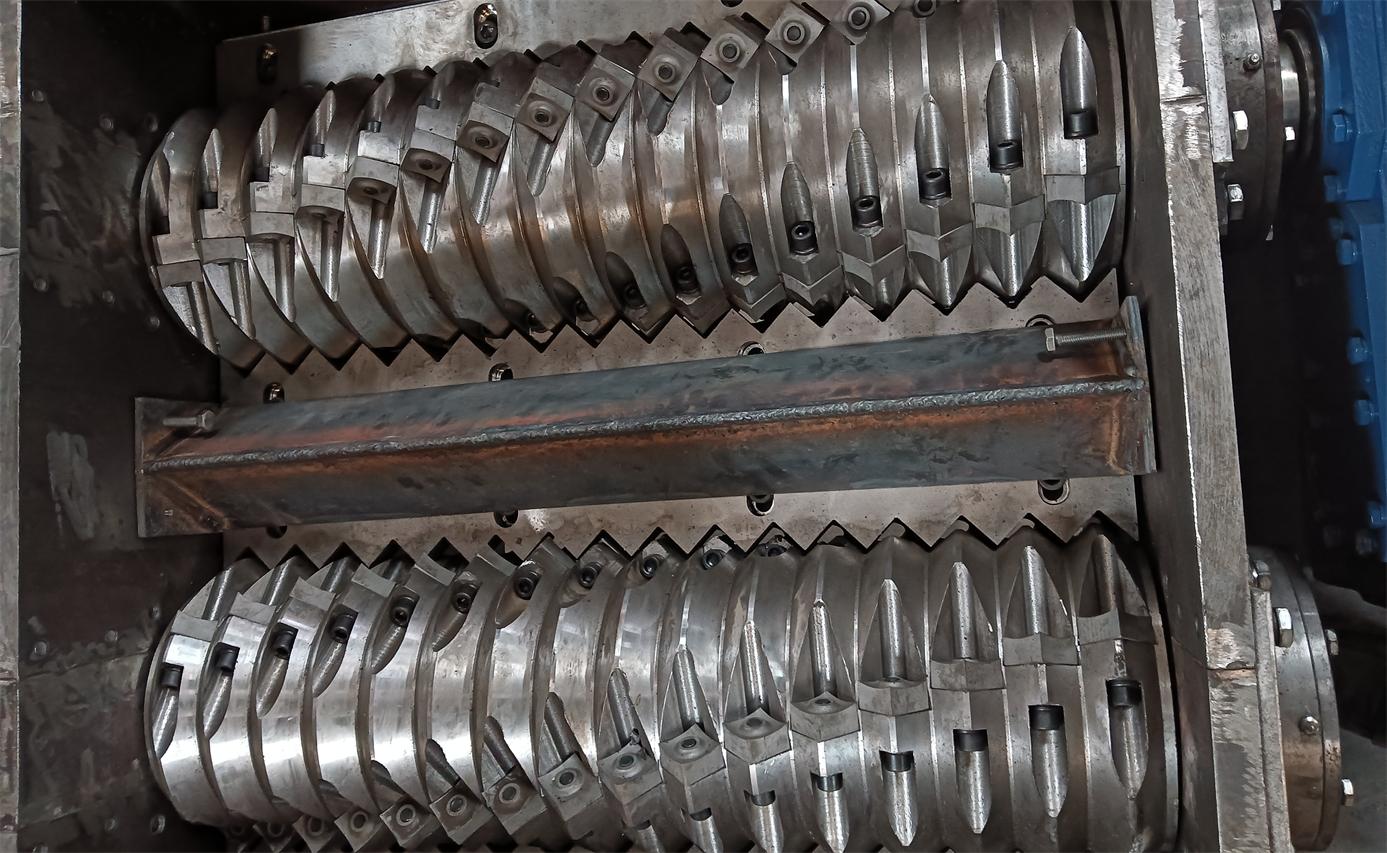
When selecting cable recycling machinery, consider the types of cables you will process most frequently. Heavy industrial cables require robust shredders and high-capacity granulators, while smaller operations focusing on household wiring can achieve excellent returns with compact, semi-automatic equipment.
Circuit Board Recycling: Unlocking Precious Metal Value
Printed circuit boards (PCBs) found in computers, smartphones, and appliances contain not only copper but also trace amounts of gold, silver, and palladium. Recovering these materials requires specialized circuit board recycling equipment that can safely crush, separate, and concentrate metal fractions without causing environmental harm.
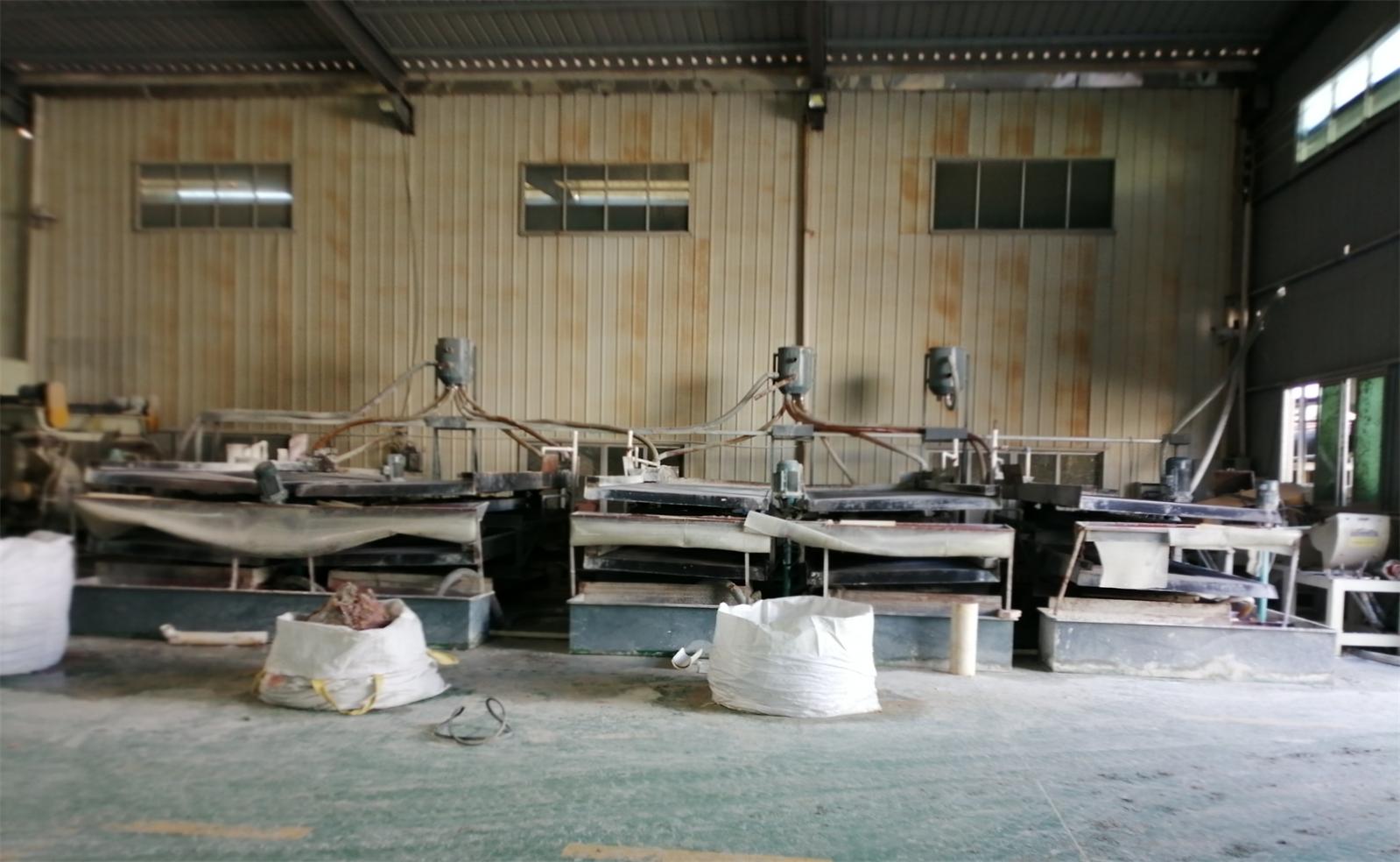
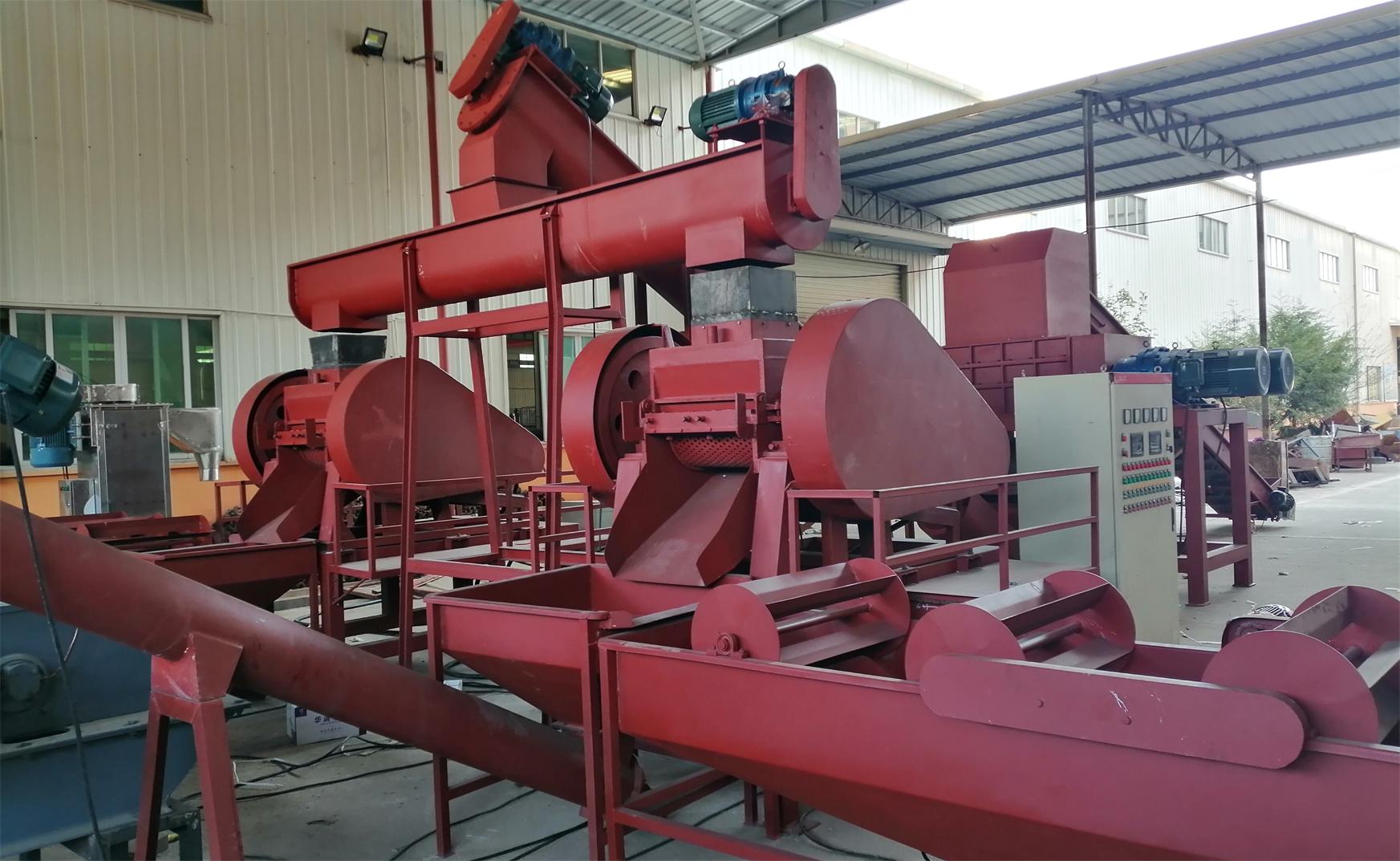
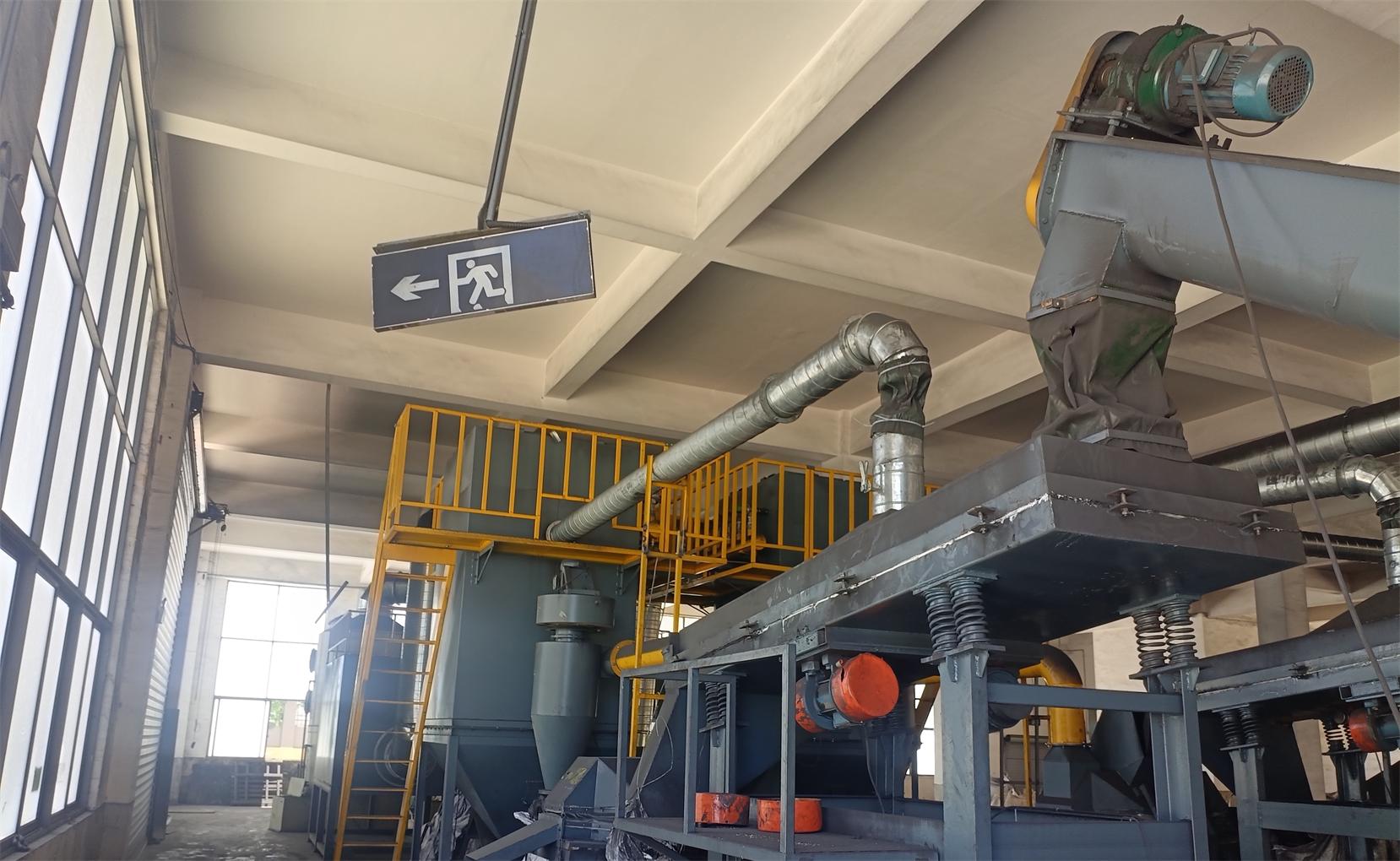
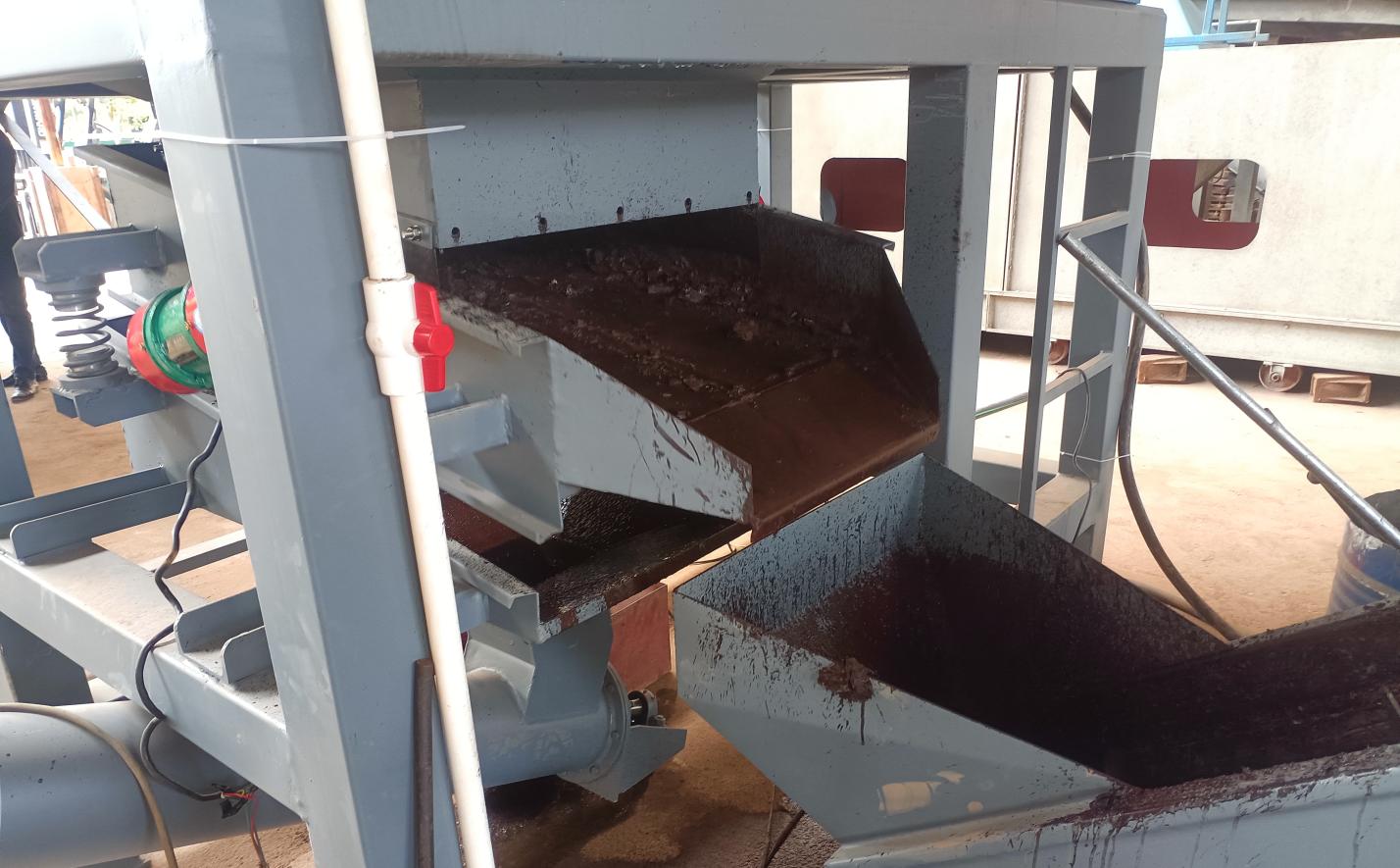
Modern PCB recycling plants use either dry or wet separation technologies. Dry systems employ air separators, electrostatic separators, and pulse dust collectors to achieve copper powder purity of 96-98% with recovery rates around 95%. Wet separation systems use water-based metal separation, which can effectively process PCBs still carrying electronic components and produce high-grade copper powder.
- High recovery rate (95% or above)
- Copper powder purity of 96-98%
- Effective dust control and pollution prevention
- Capacity scalable from 300 kg/hour to 2000 kg/hour
- Ability to process boards with or without components
Battery Recycling: Essential for Environmental Compliance
Used lead acid batteries (ULAB) and lithium-ion batteries represent both an environmental hazard and a valuable resource. Proper recycling prevents toxic materials from entering landfills while recovering lead, plastic, and other materials for reuse. Investing in professional lead acid battery recycling equipment ensures your operation meets environmental standards and generates positive returns.
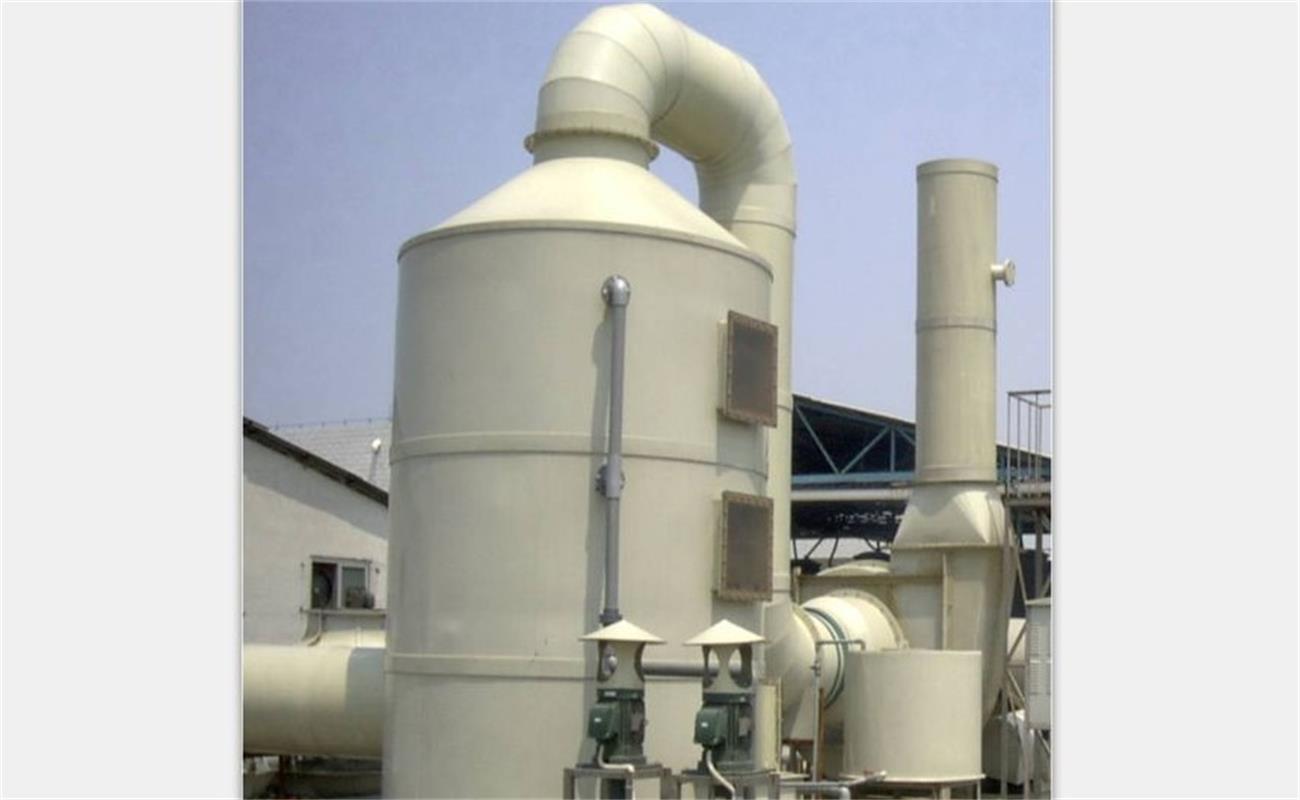
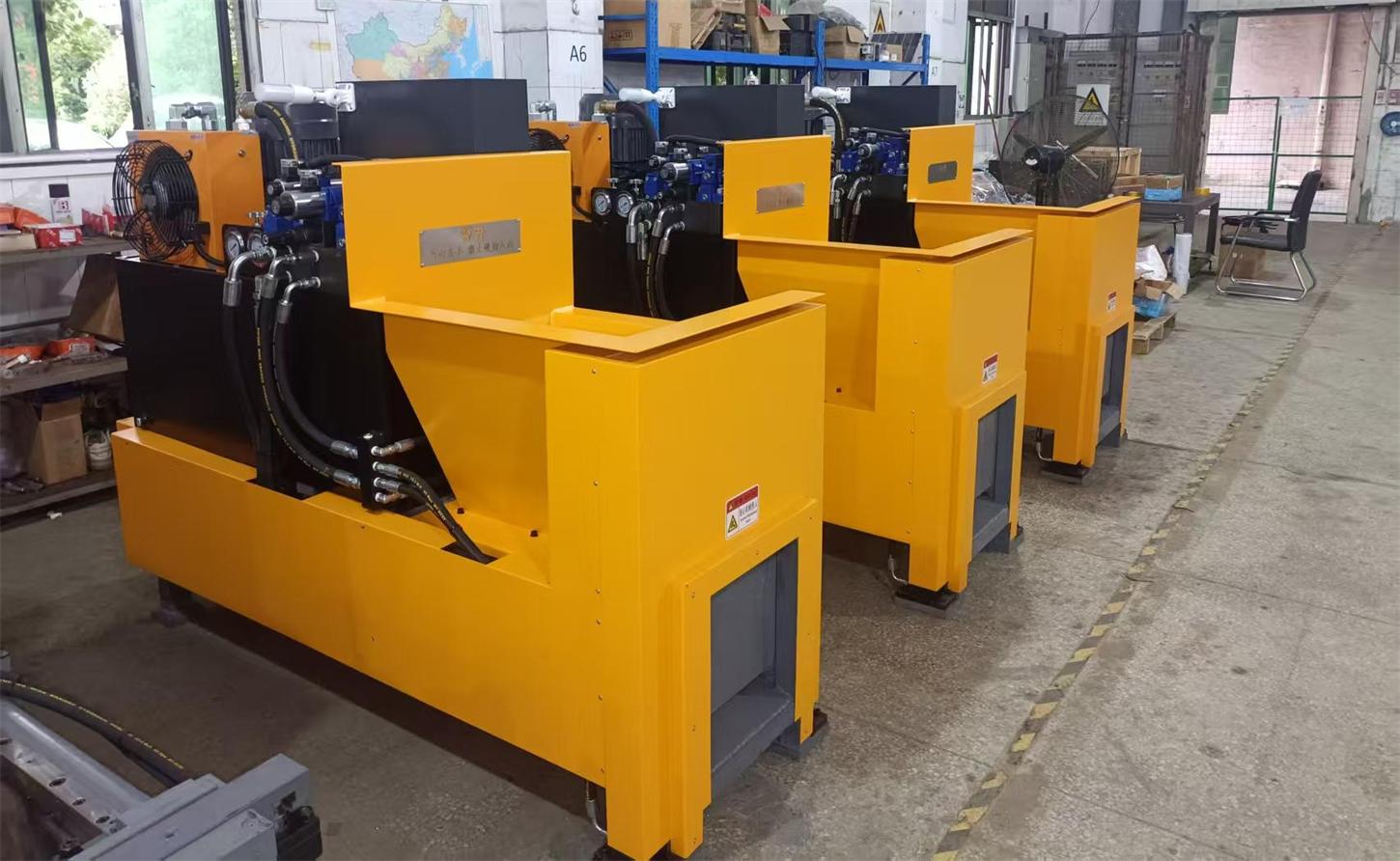
A complete lead acid battery recycling plant typically includes several integrated systems: a battery breaking and separation unit that cracks batteries and sorts lead paste, lead grids, plastic shells, and acid; a de-sulfurization unit that reduces sulfur content and lowers smelting temperatures; a blast furnace or rotary furnace for reducing lead paste to crude metallic lead; a refinery kettle for purifying lead to 99.999% purity; and an air pollution control system to ensure emissions meet regulatory requirements.
For lithium-ion batteries, which power electric vehicles and consumer electronics, specialized breaking and separating plants recover black mass containing nickel, cobalt, and graphite, along with copper, aluminum, and plastic fractions. These systems require careful design to handle the fire and chemical risks associated with lithium batteries.
Choosing a Reliable Equipment Supplier
Beyond the machinery itself, your choice of supplier significantly impacts long-term success. Look for manufacturers with proven experience in engineering, procurement, and construction (EPC) projects who can provide customized plant designs, installation support, commissioning assistance, and ongoing technical training.
- Over 15 years of industry experience with professional technical teams
- Customized plant design and one-stop purchasing solutions
- Onsite installation, commissioning, and operator training
- Help sourcing waste materials and selling recovered products
- Strong international experience with customers across 21+ countries
- Bilingual support in English and Chinese
Conclusion
The recycling industry offers substantial profit potential for businesses equipped with the right technology and expertise. By investing in high-quality cable recycling machines, circuit board processing plants, and battery recycling systems, you can transform waste materials into valuable commodities while contributing to environmental sustainability.
San Lan Technologies Co., Ltd has been manufacturing professional e-waste recycling machinery since 2007. With customers in over 21 countries and a comprehensive product range covering cable recycling, circuit board processing, lead acid and lithium battery recycling, shredders, and more, we provide complete solutions from equipment supply to full plant construction.
Contact us today for a free consultation and customized proposal.
Email: curbing888@hotmail.com | WhatsApp: +86 139 2377 4083
Website: www.san-lan.com