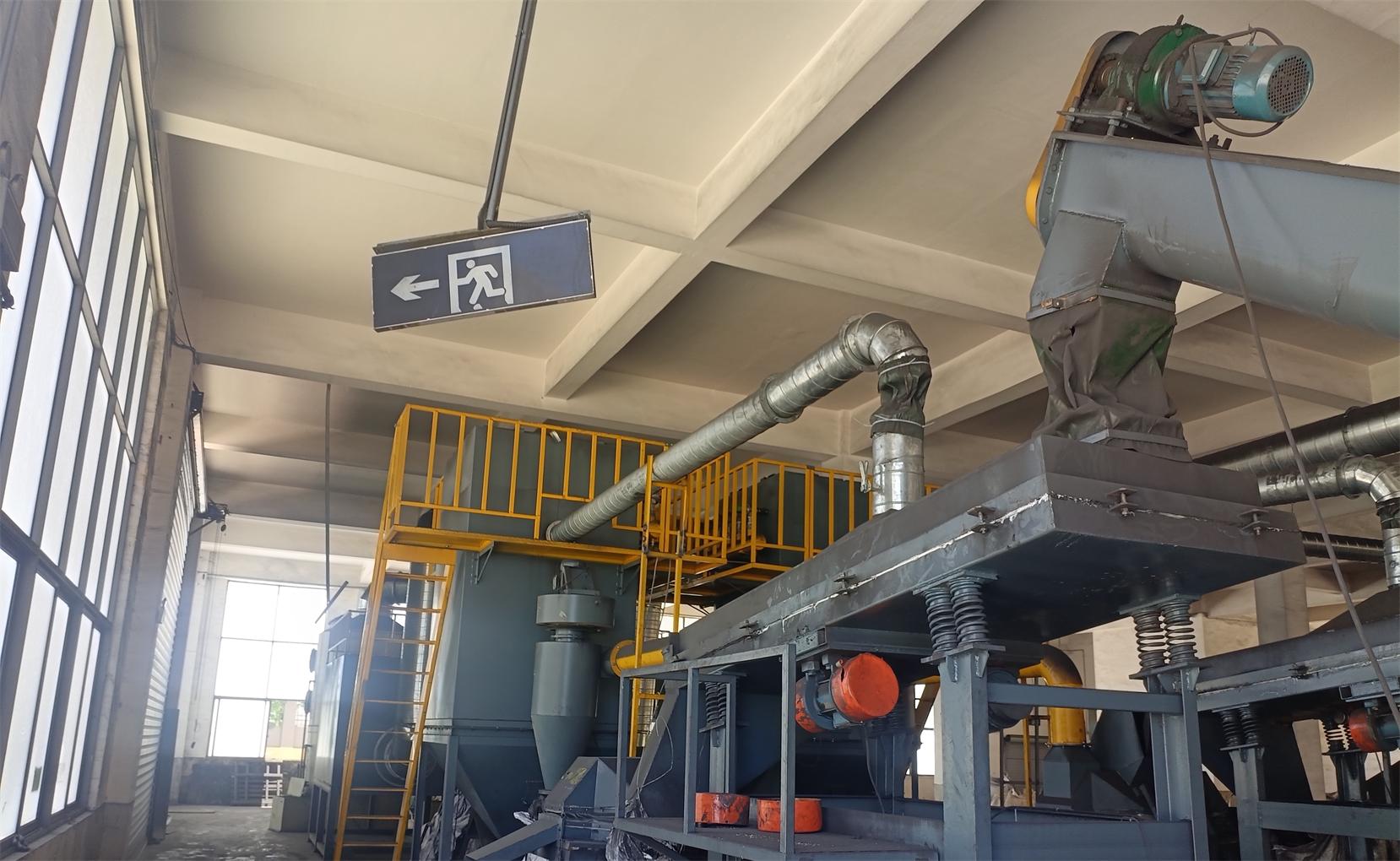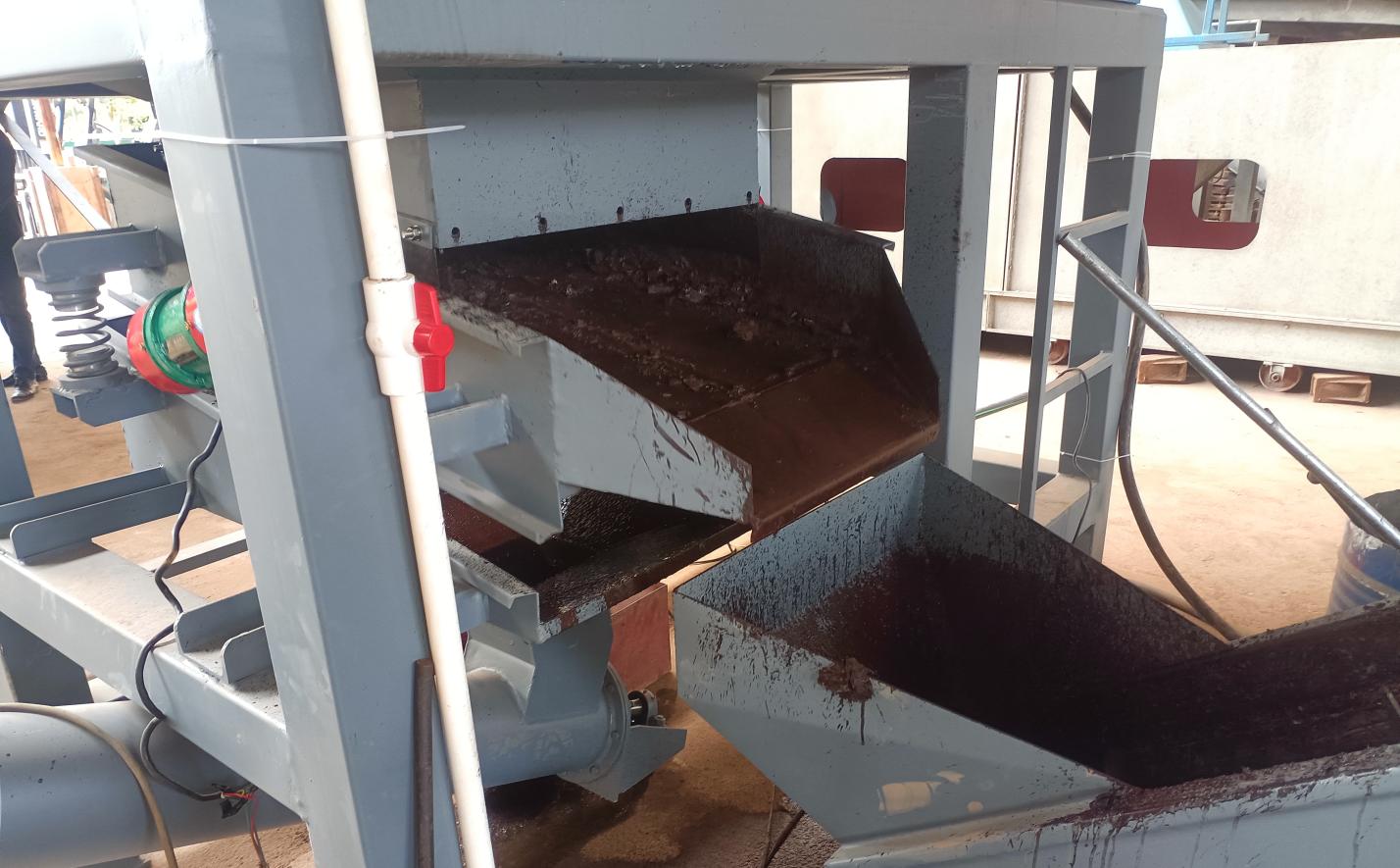
The global surge in electronic waste has created both an environmental challenge and a significant business opportunity. As consumer electronics, batteries, and industrial equipment reach end-of-life in ever-increasing volumes, the demand for efficient recycling equipment has never been higher. For entrepreneurs and established businesses alike, investing in professional e-waste recycling machinery represents a pathway to sustainable profits while contributing to environmental stewardship.
Electronic waste contains valuable materials that can be recovered and reused. Metals such as copper, aluminum, lead, and precious metals like gold and silver are present in significant quantities in discarded electronics. Rather than letting these resources end up in landfills, modern recycling plants extract maximum value through specialized mechanical and metallurgical processes.
The economics of e-waste recycling are compelling. Raw material prices continue to fluctuate globally, making recovered metals increasingly attractive. Furthermore, environmental regulations in many countries now mandate proper disposal of electronic waste, creating a steady supply of feed material for recycling operations. Companies that establish efficient recycling facilities position themselves at the intersection of regulatory compliance and resource recovery.
Success in e-waste recycling depends on selecting the right equipment for your target materials. Different waste streams require specialized machinery to achieve optimal separation purity and recovery rates.
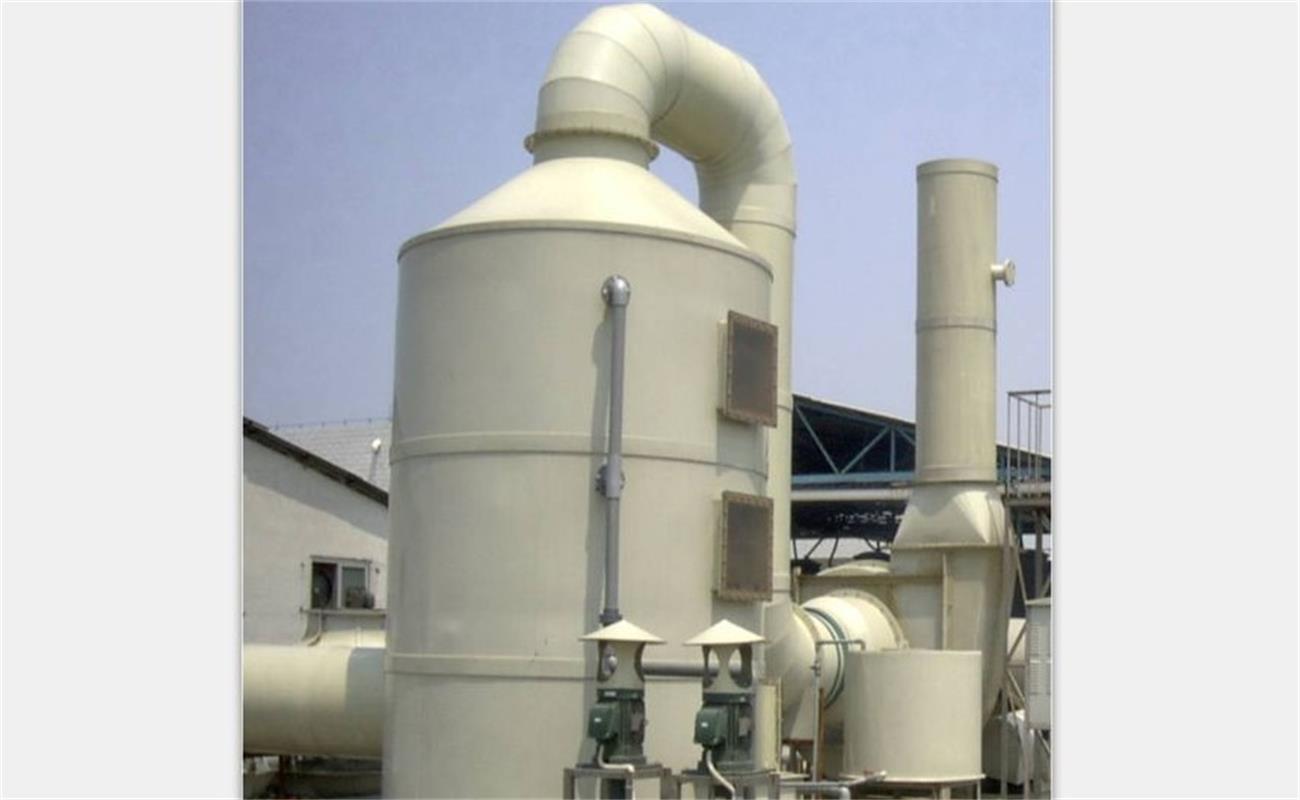
Used lead acid batteries represent one of the most recycled products globally. A complete lead acid battery recycling equipment line typically includes battery breaking and separation systems, desulfurization units, rotary furnaces for paste reduction, refinery kettle furnaces, and air pollution control systems. Modern plants can process batteries at capacities ranging from 1 to 10 metric tons per hour, recovering lead grid, lead paste, plastic casing, and acid for reuse or safe disposal.
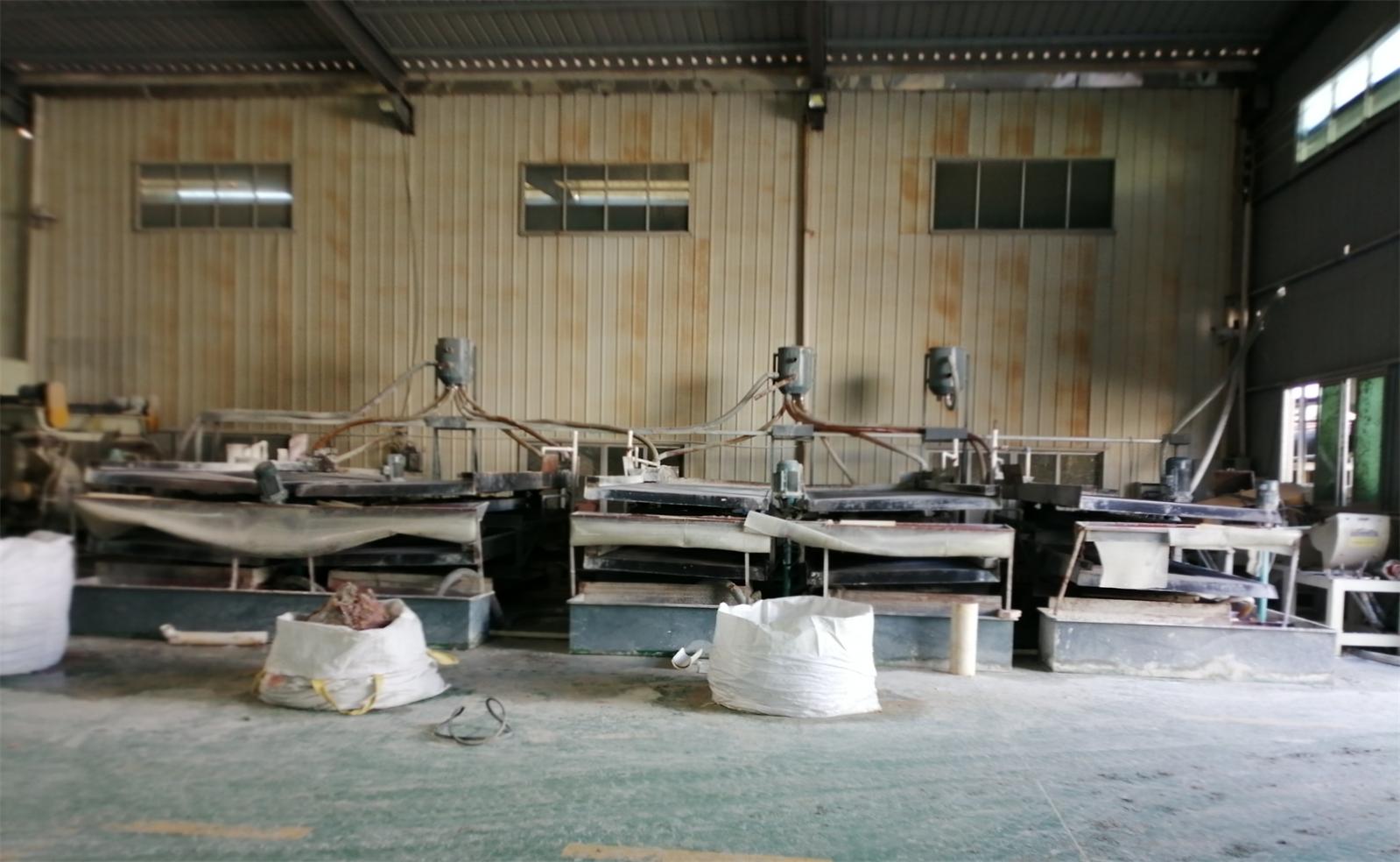
Printed circuit boards contain concentrated amounts of copper and precious metals. Circuit board recycling equipment uses either dry or wet separation technologies to grind boards into powder and separate metallic fractions from non-metallic materials. Advanced systems achieve copper powder purity levels of 96-98% with recovery rates around 95%, making circuit board recycling highly profitable when operated at scale.
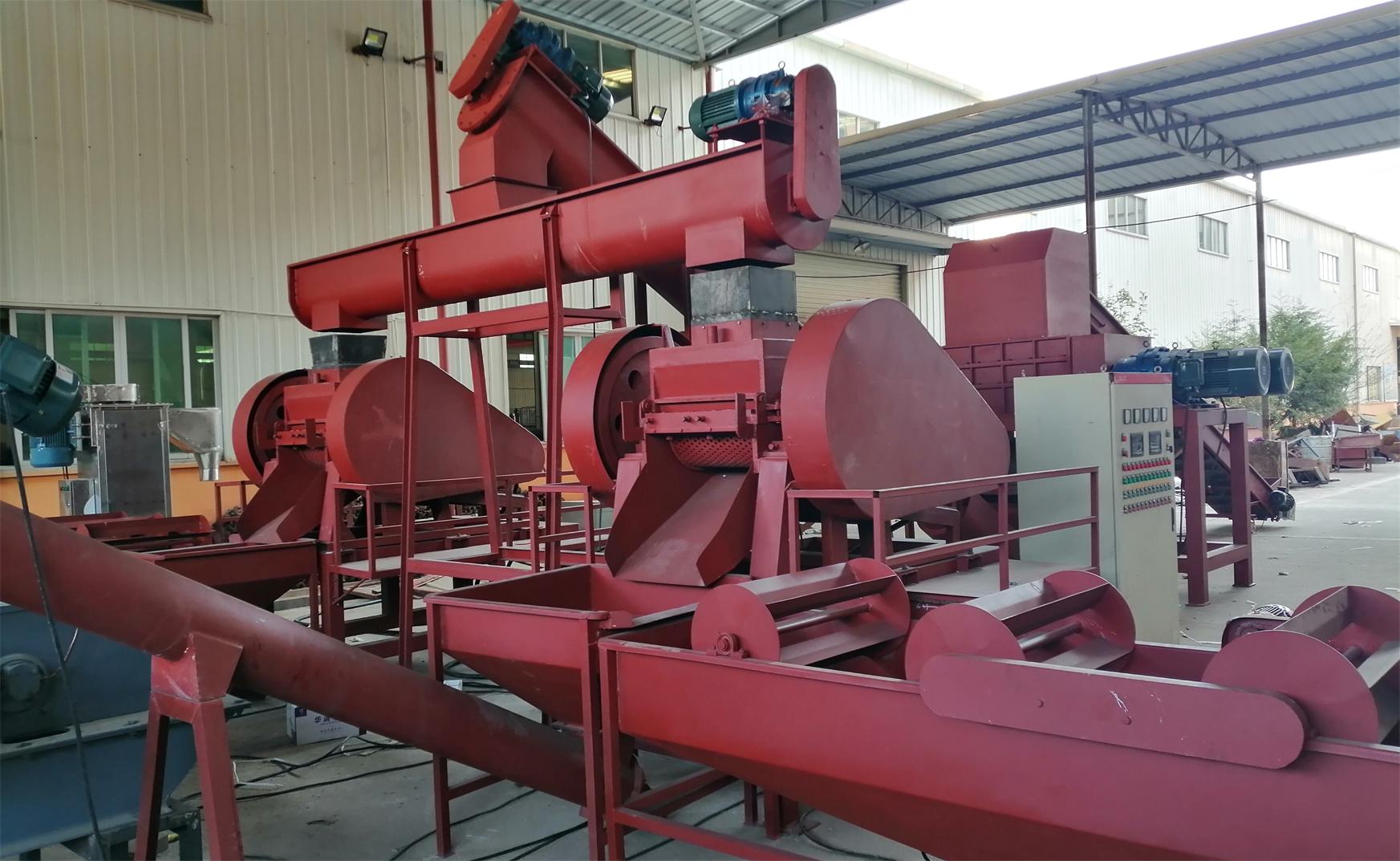
Scrap cables contain valuable copper and aluminum conductors insulated with plastic or rubber. Cable recycling plants strip or granulate cables to separate metals from insulation. Depending on cable type and diameter, operators can choose from scrap cable strippers for large-diameter cables or compact granulators with dry separators for mixed cable waste. The recovered copper rice commands strong market prices, while plastic fractions can also be sold for reuse.
With the electric vehicle and energy storage markets expanding rapidly, spent lithium-ion batteries are becoming a major recycling focus. Lithium battery recycling plants discharge, crush, and separate batteries to recover black mass containing nickel, cobalt, and graphite, along with copper, aluminum, and plastic fractions. Capacity typically ranges from 500 to 2,500 kilograms per hour.
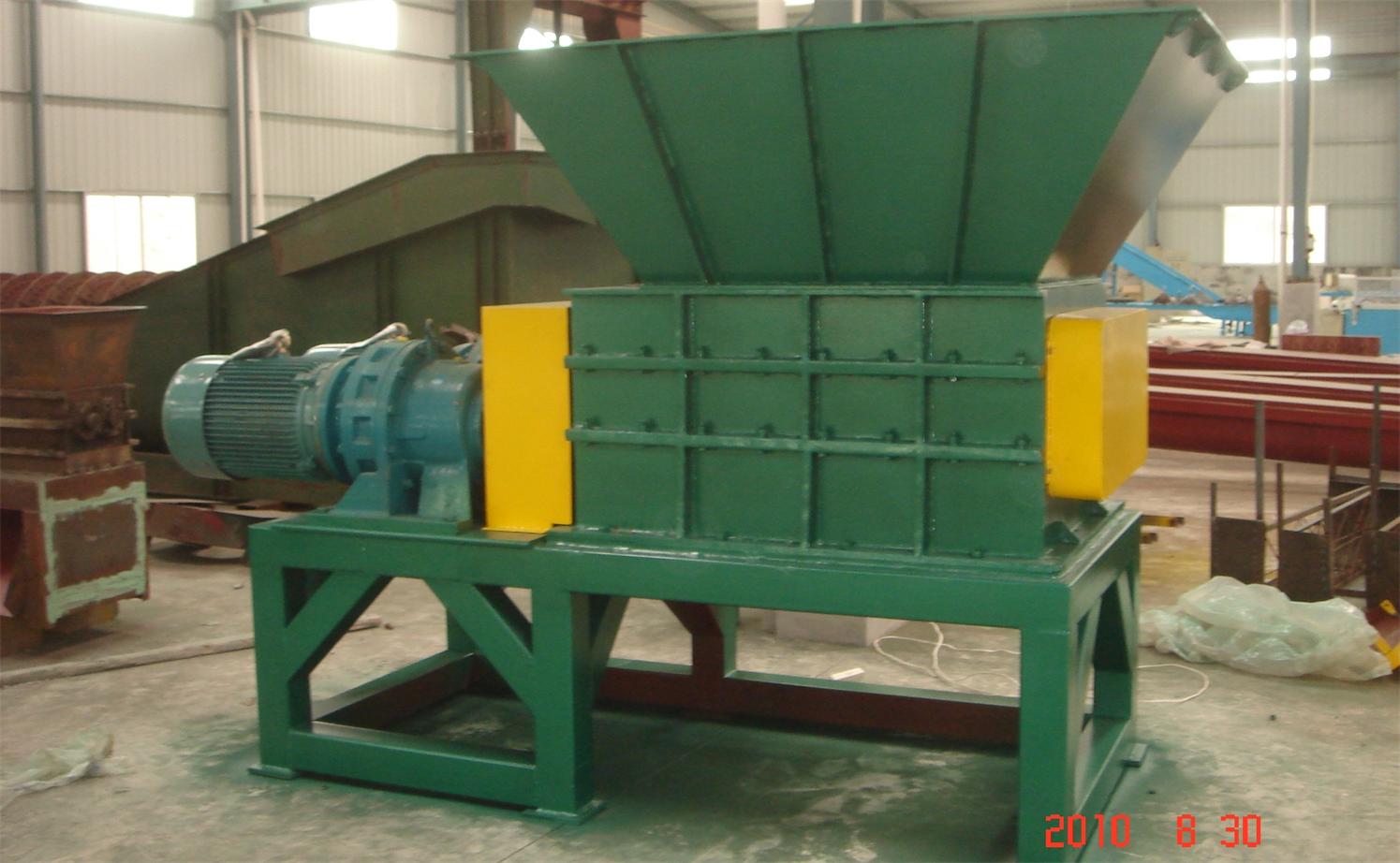
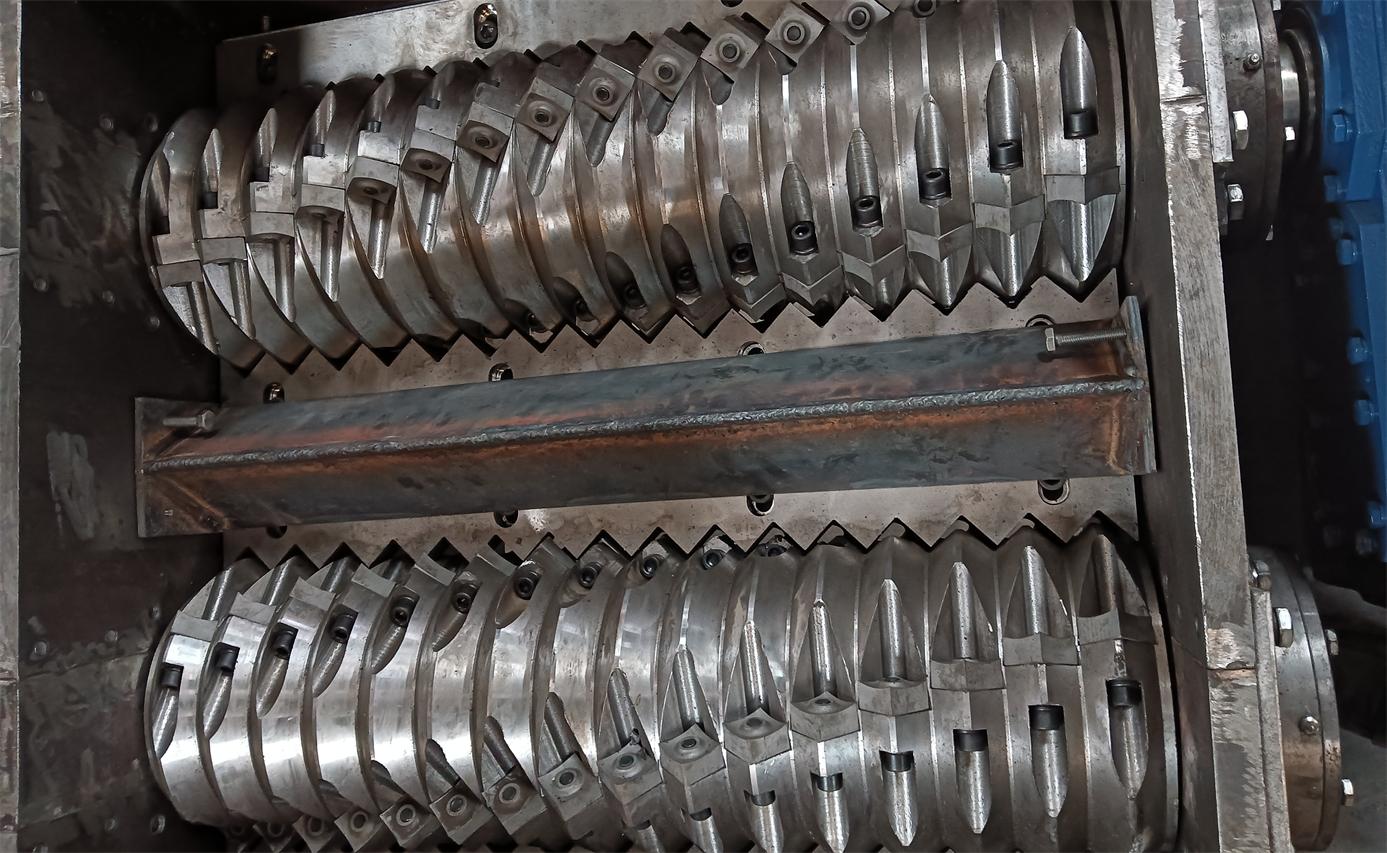
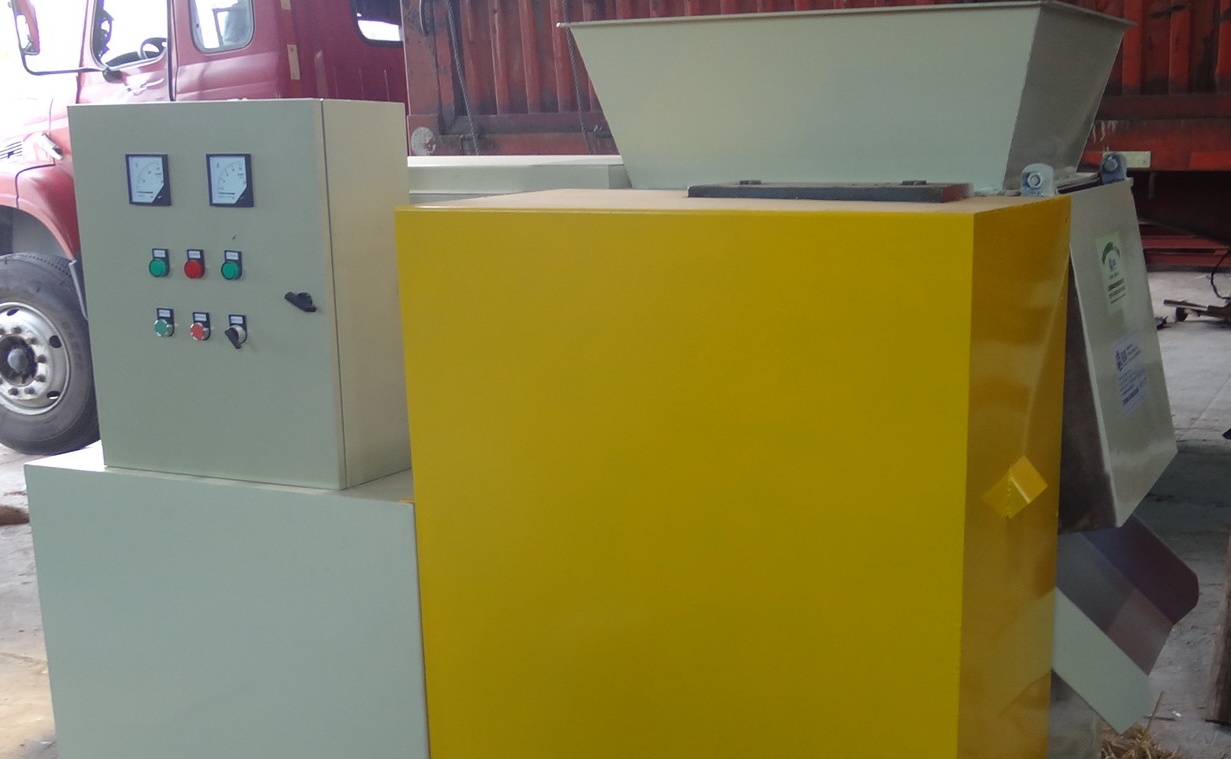
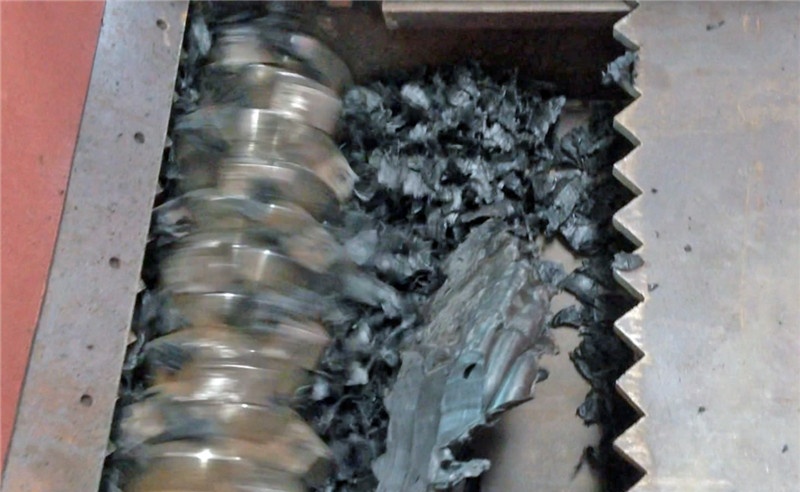
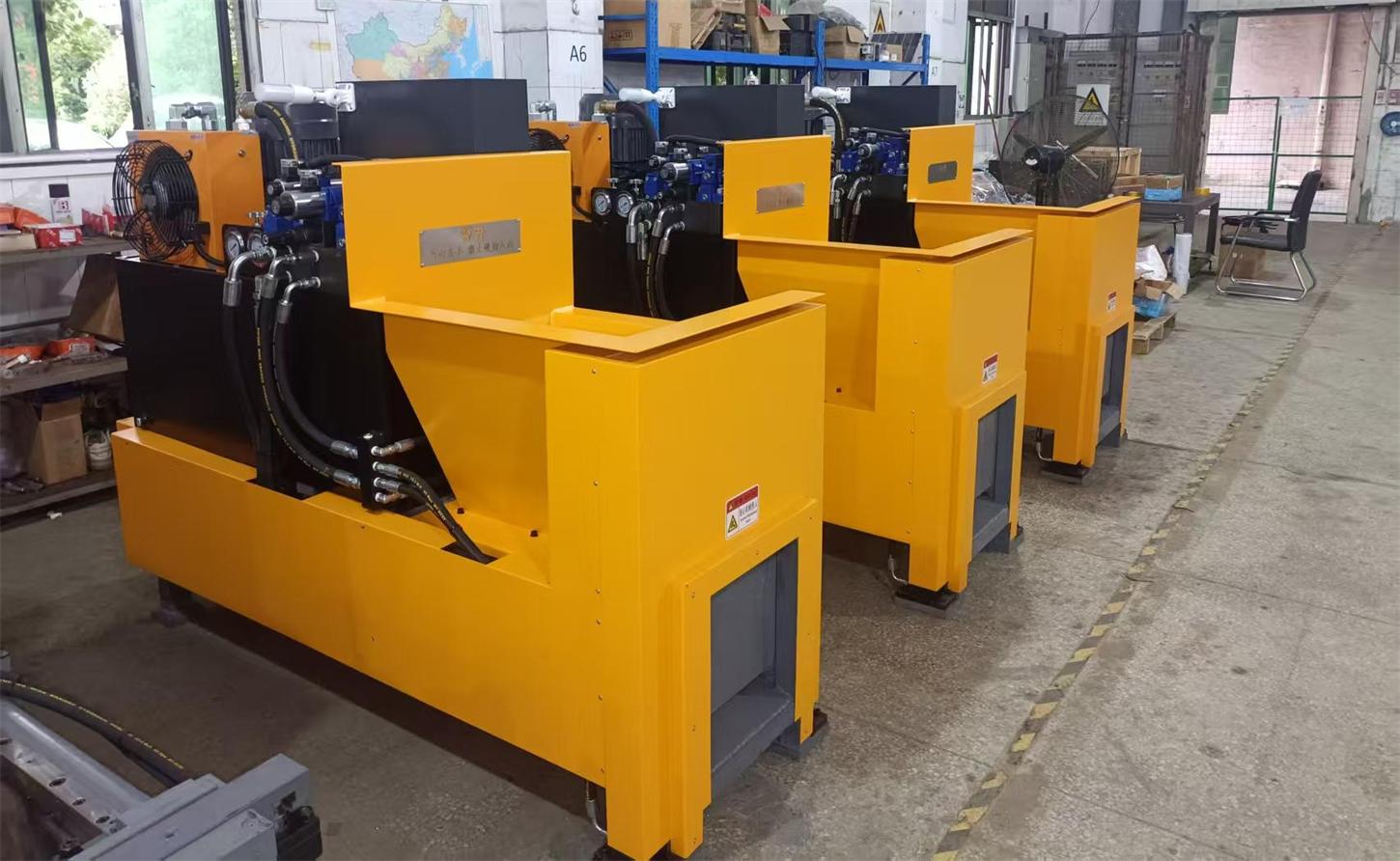
Beyond the core recycling lines, comprehensive operations often incorporate supporting equipment. Shredders and pre-choppers handle oversized or mixed e-waste before it enters specialized processing lines. Hydraulic press machines briquette metal chips and powders for easier handling and transport. Metal melting furnaces convert recovered metals into ingots, adding further value. For operations dealing with refrigerant-containing equipment, specialized refrigerant extraction machines safely recover gases before shredding.
The profitability of any recycling operation hinges on equipment reliability, efficiency, and separation accuracy. Poorly designed machinery results in material losses, low purity outputs, and excessive downtime. Environmental compliance is another critical factor. Proper air pollution control systems, water treatment plants, and dust collection equipment ensure facilities meet emission standards and avoid costly penalties.
Experienced equipment manufacturers provide not just machines, but complete engineering solutions. This includes plant layout design, installation and commissioning, operator training, and ongoing technical support. Turnkey project delivery reduces the complexity of building a new facility and accelerates the path to profitable operation.
Launching a successful recycling operation requires careful planning. First, identify your primary feedstock sources. Local availability of scrap cables, used batteries, or e-waste will influence which recycling line offers the best return on investment. Next, evaluate capacity requirements based on projected material volumes. It is often wise to start with a scalable system that can grow with your business.
Location considerations include proximity to waste sources, availability of skilled labor, and compliance with local environmental regulations. Many successful operators establish relationships with waste collectors, scrap yards, and manufacturers to secure consistent feedstock supply. On the output side, identify buyers for your recovered metals, plastics, and other materials before committing to equipment purchases.
San Lan Technologies Co., Ltd. has been manufacturing e-waste recycling machinery and mining equipment since 2007. With customers in over 21 countries, the company offers comprehensive recycling plant solutions including lead acid battery recycling lines, lithium battery recycling plants, circuit board recycling systems, cable recycling equipment, shredders, and auxiliary machinery.
The technical team combines advanced mechanical engineering expertise with practical field experience in e-waste recycling operations. Services extend beyond equipment supply to include EPC project execution, customized plant design, installation and commissioning, and assistance with raw material sourcing and product sales.
To discuss your recycling project requirements or request a detailed equipment quotation, contact San Lan Technologies via email at info@san-lan.com or reach out through WhatsApp at +86 139 2377 4083. Visit www.san-lan.com to explore the complete product range and discover how professional recycling equipment can transform waste into profit.