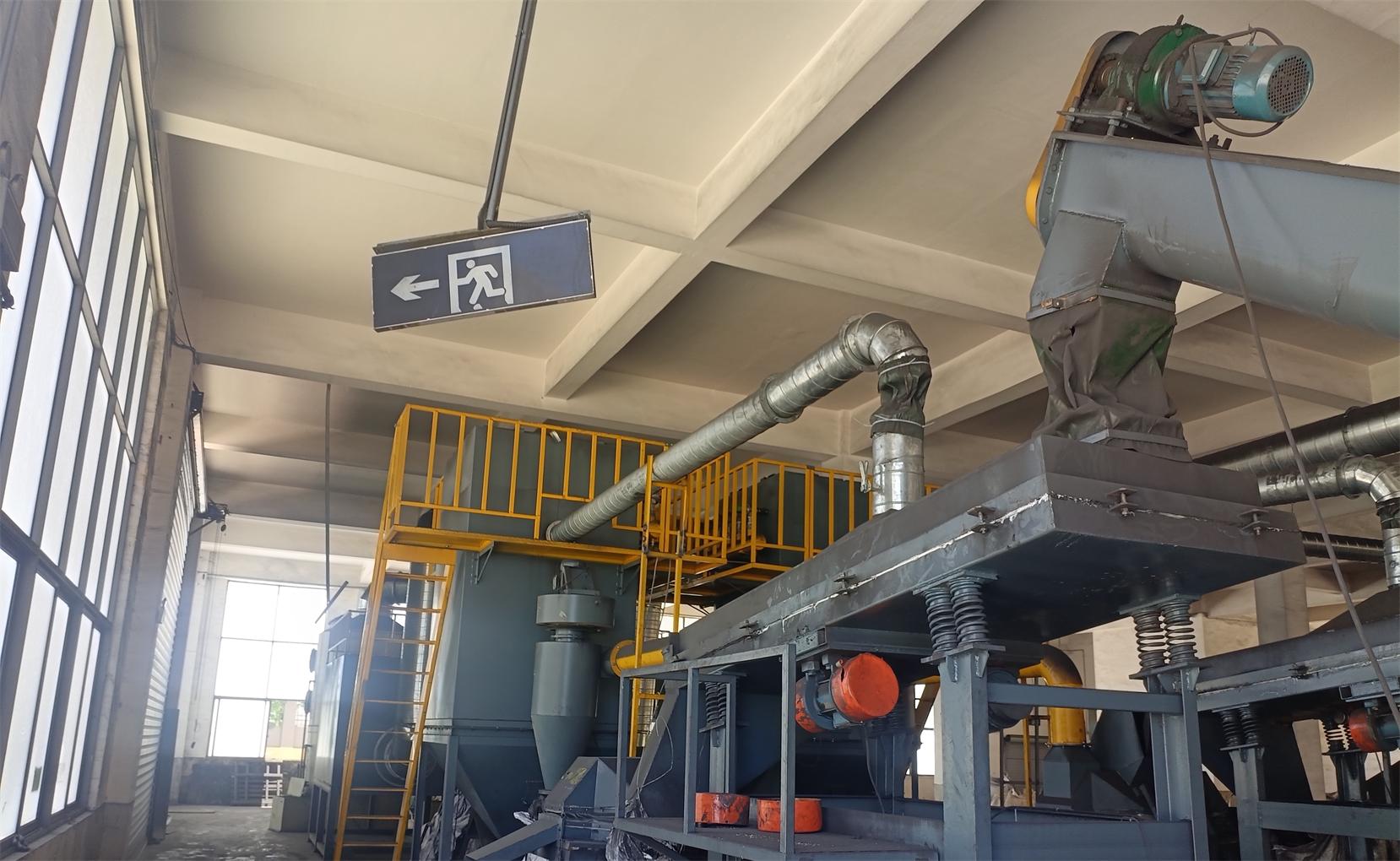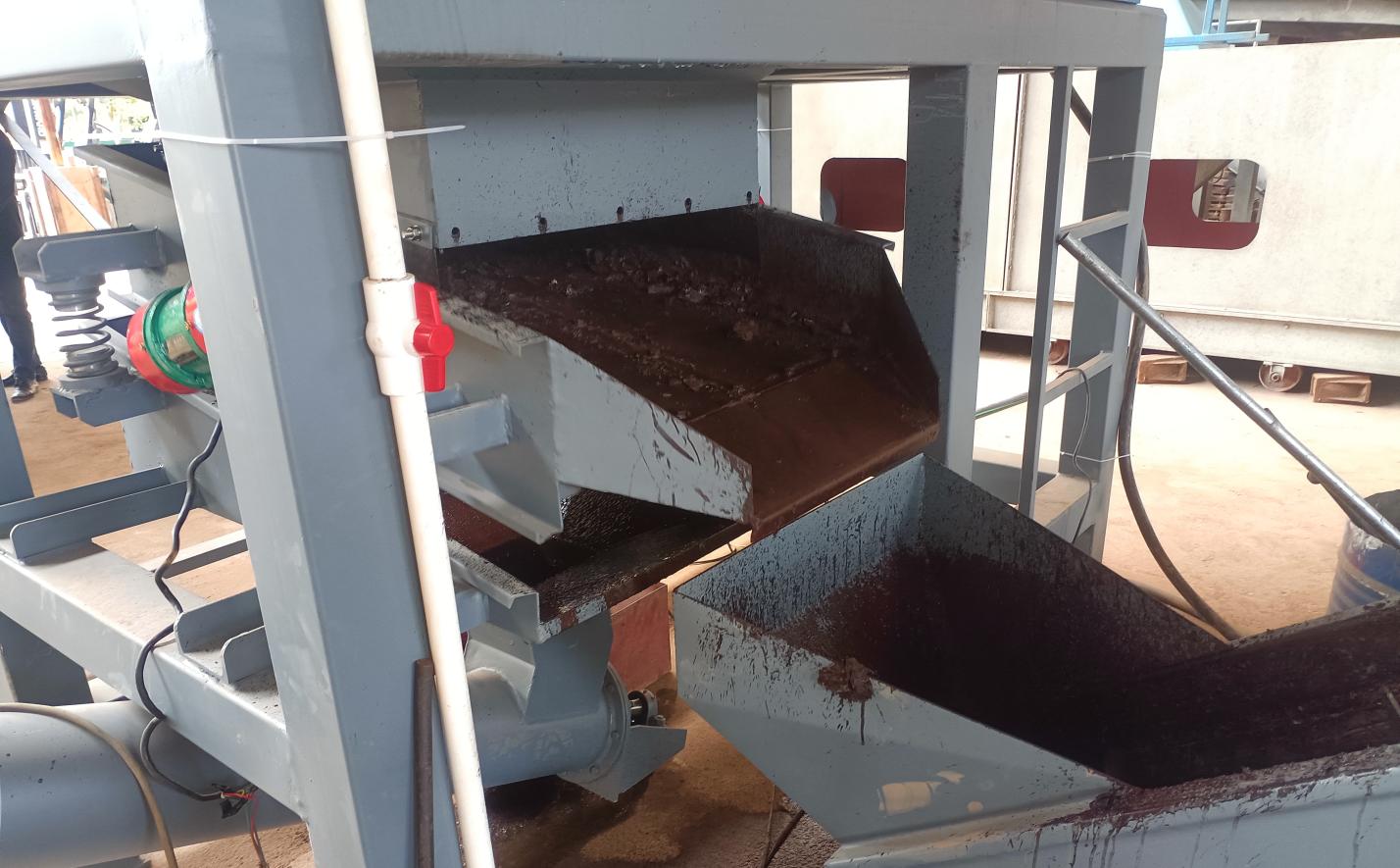
The global e-waste stream is growing at an unprecedented rate. According to the United Nations, over 60 million metric tons of electronic waste are generated annually, yet less than 20% is properly recycled. For entrepreneurs and established businesses alike, this represents both an environmental challenge and a significant commercial opportunity. Investing in the right recycling equipment can transform discarded batteries, cables, and circuit boards into valuable raw materials—copper, lead, aluminum, and precious metals—while generating substantial returns.
However, not all recycling machinery is created equal. Choosing equipment that matches your material stream, processing capacity, and long-term business goals is critical to maximizing recovery rates and profitability. This guide outlines the key considerations for selecting e-waste recycling equipment and highlights what separates a reliable supplier from the rest.
Identifying Your Core Material Streams
Before purchasing any machinery, you must understand the composition of the waste materials you plan to process. Different e-waste categories require specialized equipment:
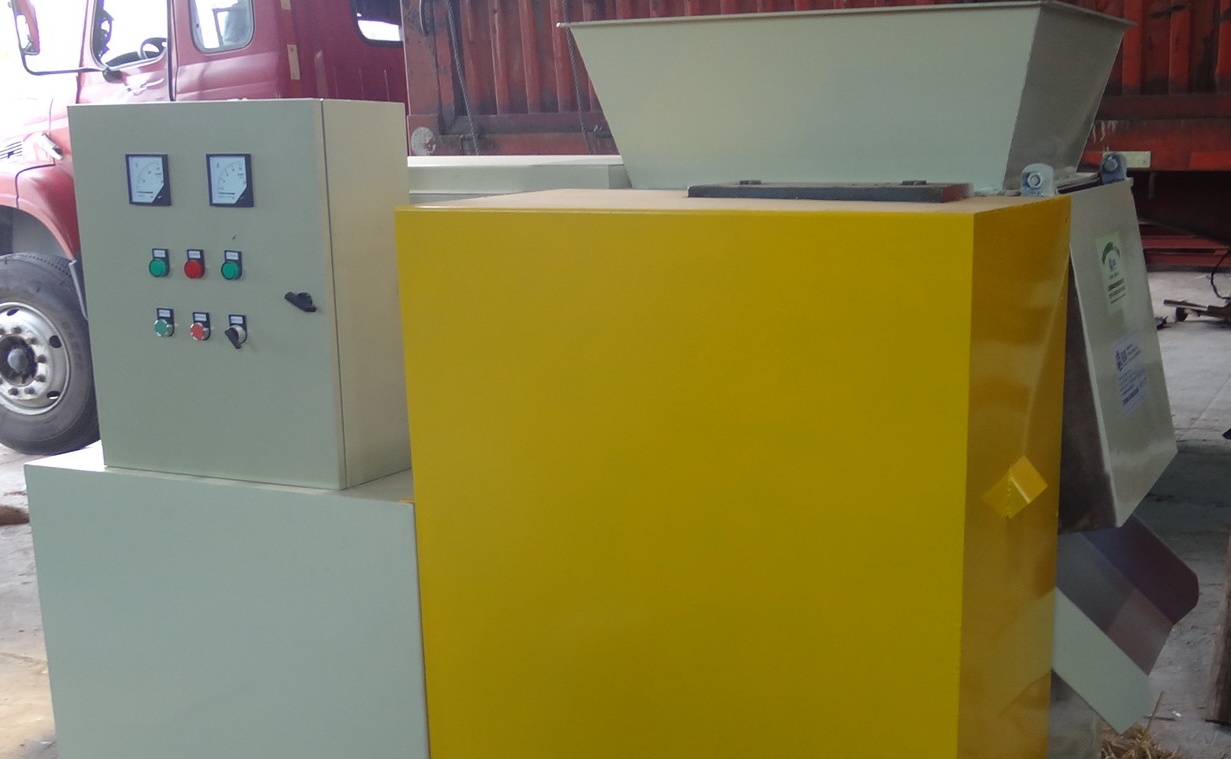
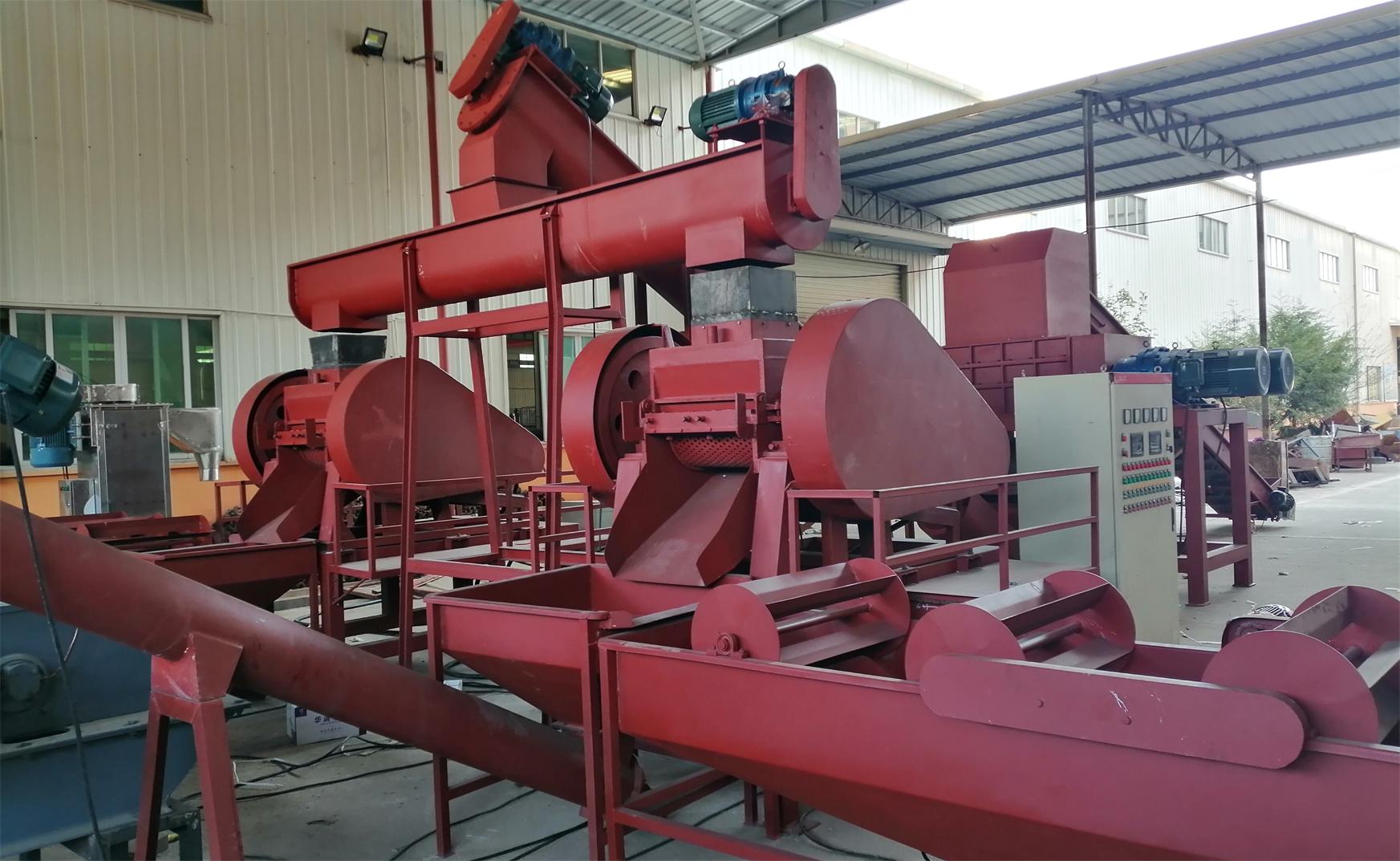
- Scrap Cables and Wires: Waste electrical cables contain copper and aluminum conductors surrounded by plastic insulation. A high-quality cable recycling machine uses dry or wet separation technology to cleanly separate metal from plastic, producing copper granules (often called "copper rice") that command premium market prices.
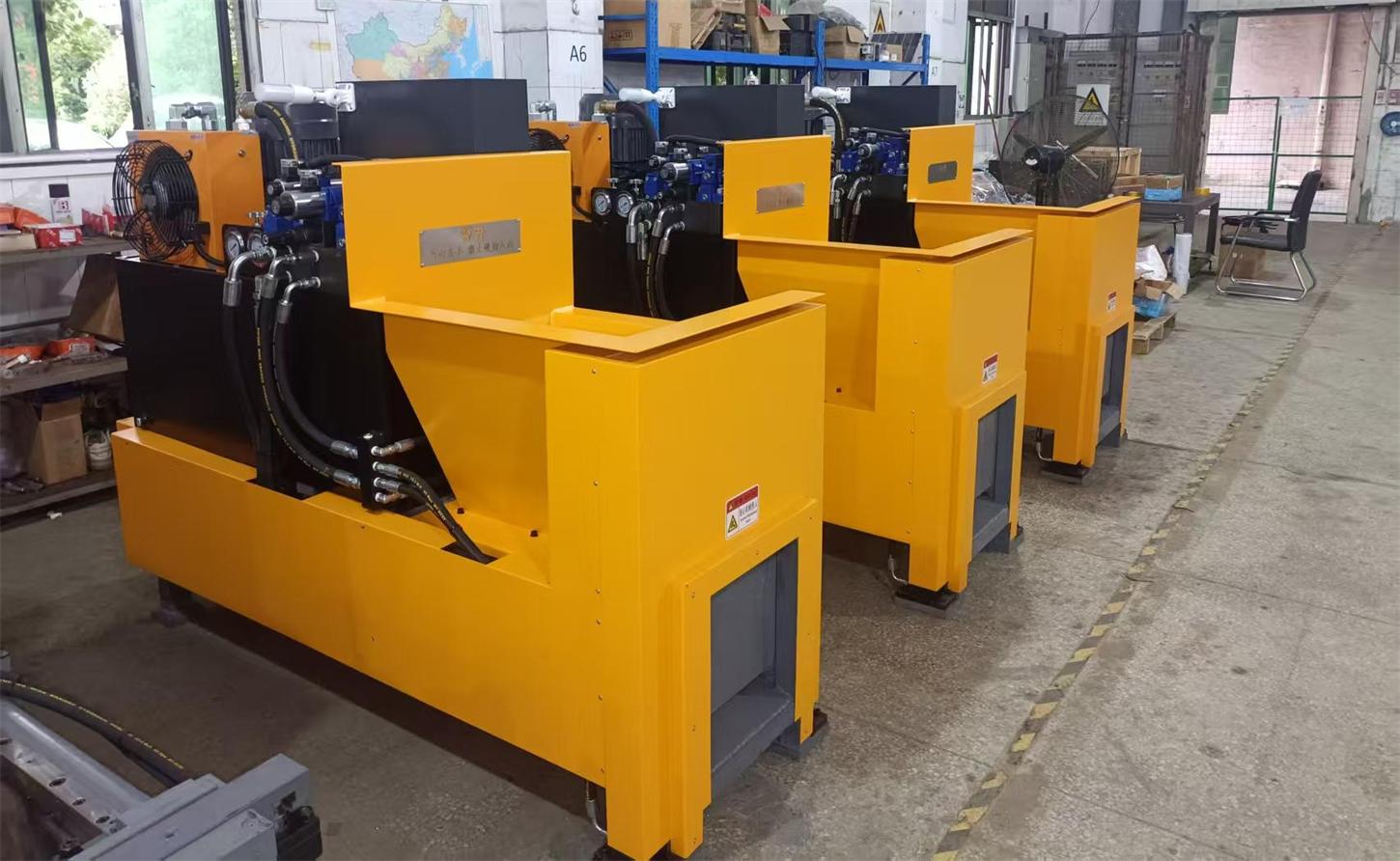
- Used Lead Acid Batteries: These are among the most recycled consumer products globally. Proper lead acid battery recycling equipment breaks and separates batteries to recover lead paste, lead grids, plastic casings, and even sulfuric acid. With lead prices remaining strong, this segment offers predictable returns.
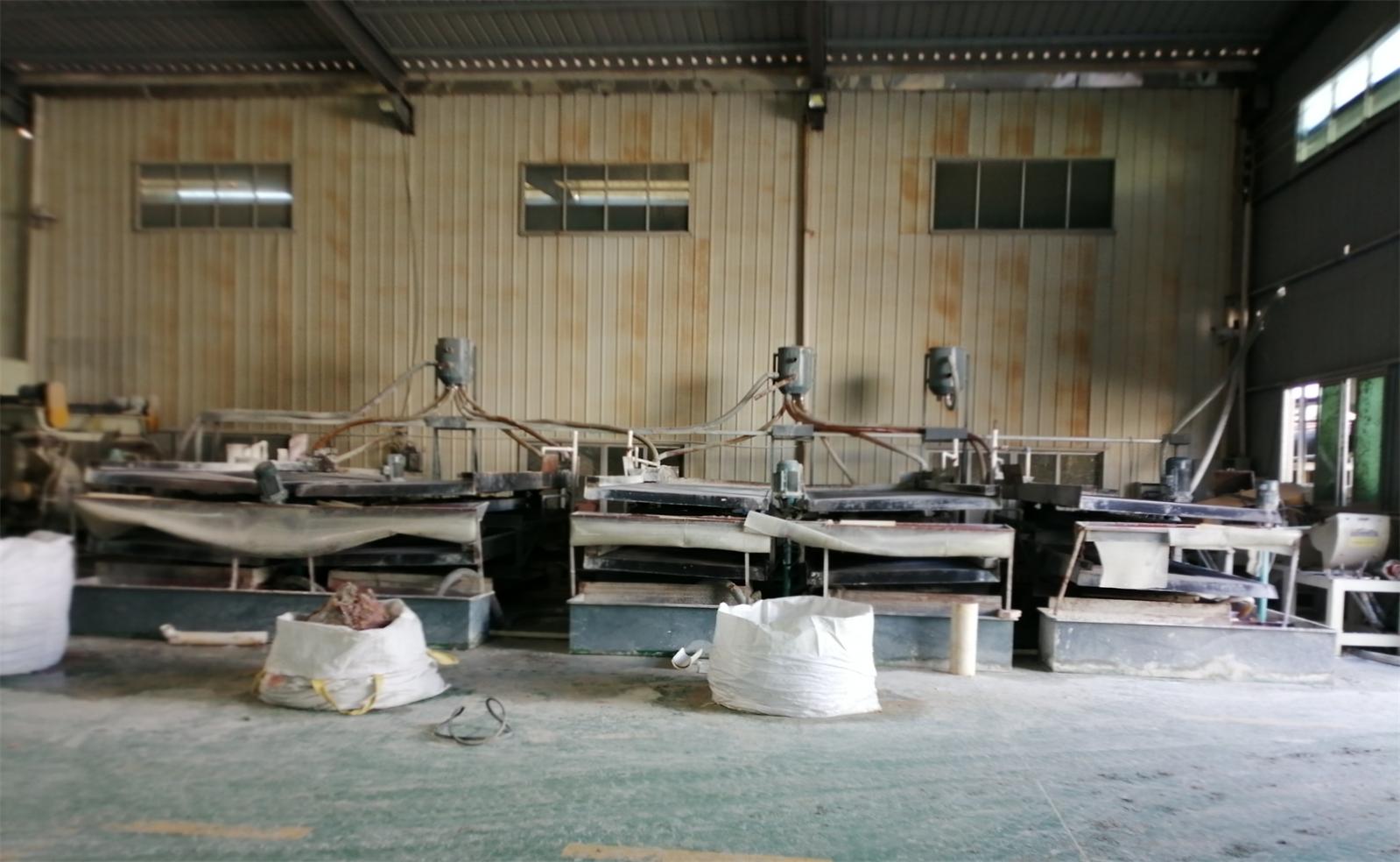
- Printed Circuit Boards (PCBs): PCBs contain copper, gold, silver, and other precious metals. Specialized circuit board recycling equipment crushes boards and uses air separation, electrostatic separation, or wet separation to recover copper powder with purity levels reaching 96-98%.
- Lithium-Ion Batteries: Driven by the electric vehicle revolution, spent lithium batteries are becoming a major feedstock. Advanced lithium battery recycling plants recover black mass (containing nickel, cobalt, and graphite), copper, aluminum, and plastic separators.
Critical Factors in Equipment Selection
Once you know your target materials, evaluate equipment based on the following criteria:
1. Processing Capacity and Scalability
Match your equipment capacity to your projected feedstock volume. Small cable granulators may process 100-300 kg per hour, suitable for workshop-scale operations, while industrial-scale plants handle 2,000 kg per hour or more. Choose a supplier that offers modular designs, allowing you to scale up as your business grows.
2. Separation Efficiency and Recovery Rate
The profitability of recycling hinges on recovery rates. Top-tier cable recycling systems achieve copper recovery rates above 95%. Similarly, lead acid battery recycling plants should recover lead paste and lead grids with minimal loss. Ask suppliers for documented performance data before committing.
3. Environmental Compliance
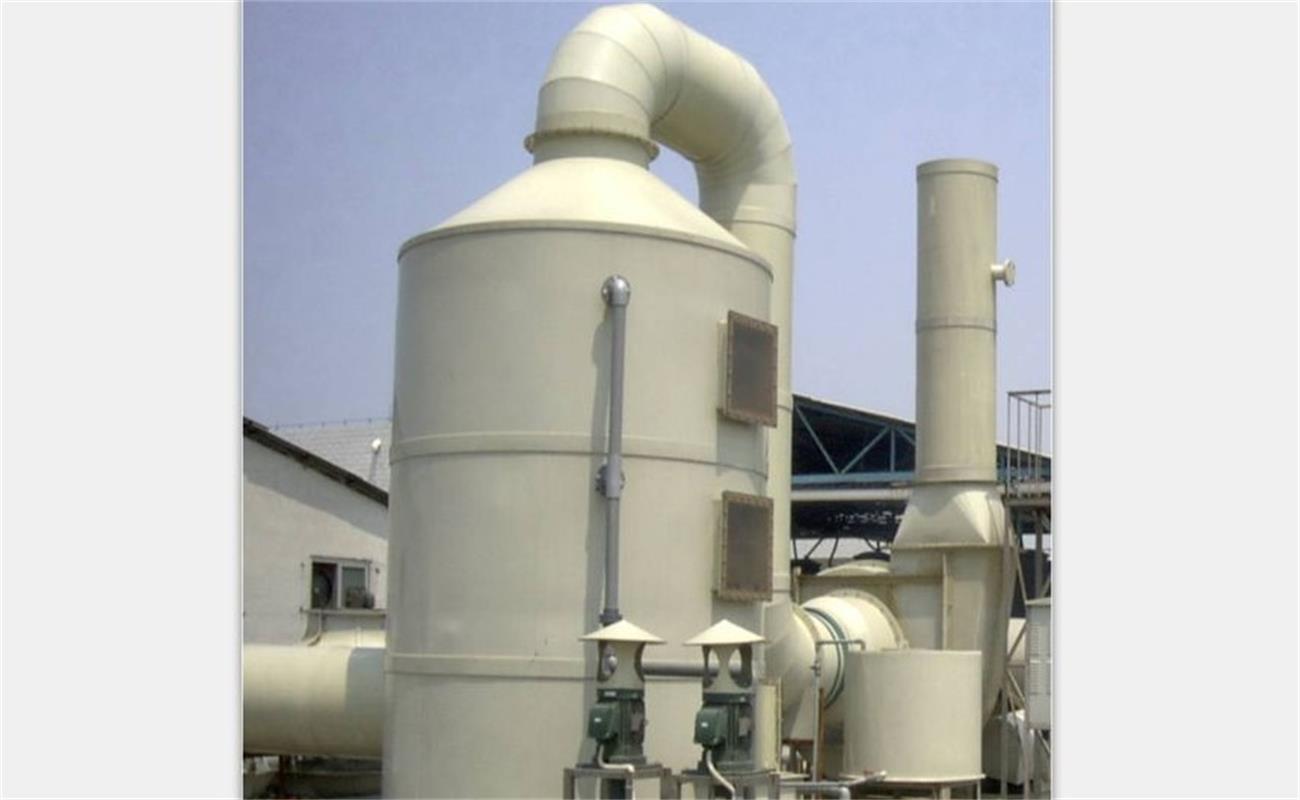
Modern recycling must meet strict emission and effluent standards. Look for integrated air pollution control systems, wastewater treatment units, and dust collection systems. Equipment that generates secondary pollution can lead to regulatory shutdowns and reputational damage.
4. Automation and Labor Costs
Fully automated lines reduce labor requirements and improve consistency. Semi-automatic systems have lower upfront costs but may require more operators. Calculate total cost of ownership, including labor, over a 5-year period rather than focusing solely on purchase price.
5. After-Sales Support and Spare Parts Availability
Recycling machinery operates in harsh conditions. Reliable technical support, remote troubleshooting, and rapid spare parts delivery minimize costly downtime. A supplier with extensive international experience is better equipped to support global customers.
The San Lan Advantage: Engineering Excellence Since 2007
San Lan Technologies Co., Ltd, established in 2007 and headquartered in Ganzhou, Jiangxi Province, China, has built a reputation as a trusted manufacturer of WEEE recycling machines and mining equipment. With customers in over 21 countries—including Singapore, Colombia, Vietnam, Mexico, South Africa, India, and Saudi Arabia—San Lan understands the diverse needs of global recycling operators.
What sets San Lan apart?
- Deep Technical Expertise: The engineering team includes master's degree-level mechanical engineers with over 15 years of hands-on experience in e-waste recycling machine design and optimization.
- Turnkey EPC Solutions: San Lan delivers complete Engineering, Procurement, and Construction (EPC) projects, from customized plant design and equipment manufacturing to installation, commissioning, and operator training.
- Beyond Equipment Sales: The company assists clients in sourcing raw materials (cable scrap, PCB scrap, used lead acid batteries), and even helps market finished products such as copper rice, lead ingots, and copper powder.
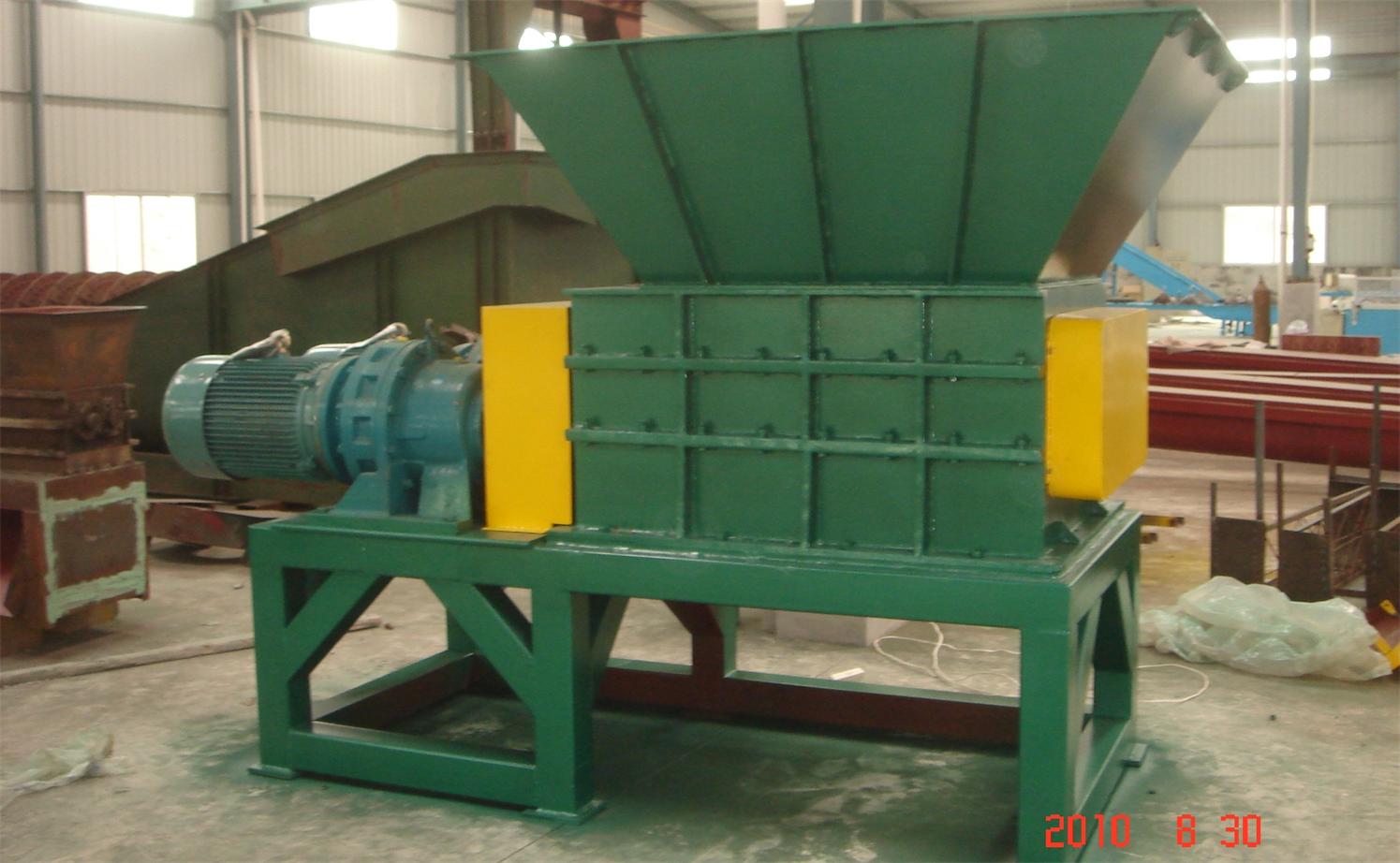
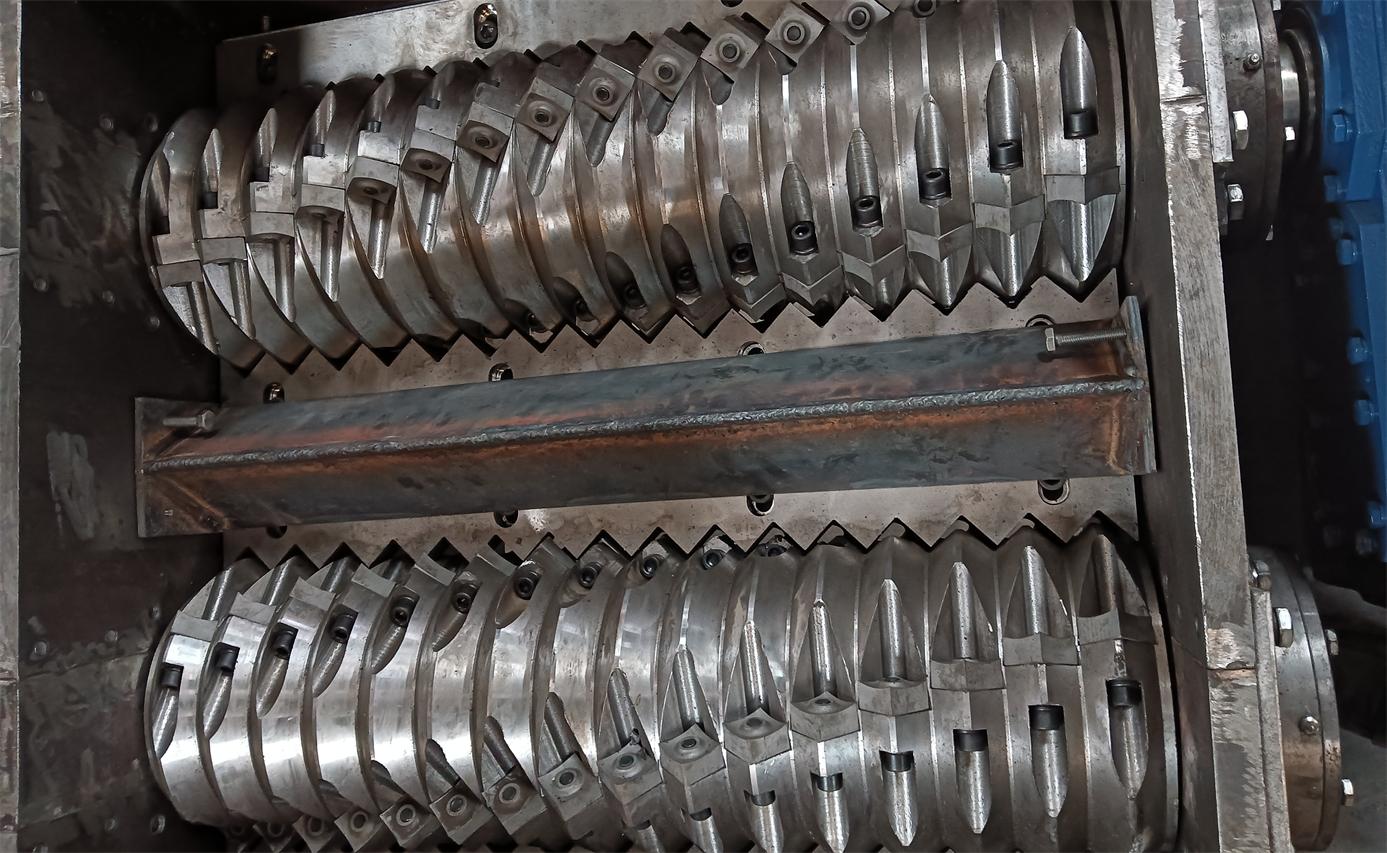
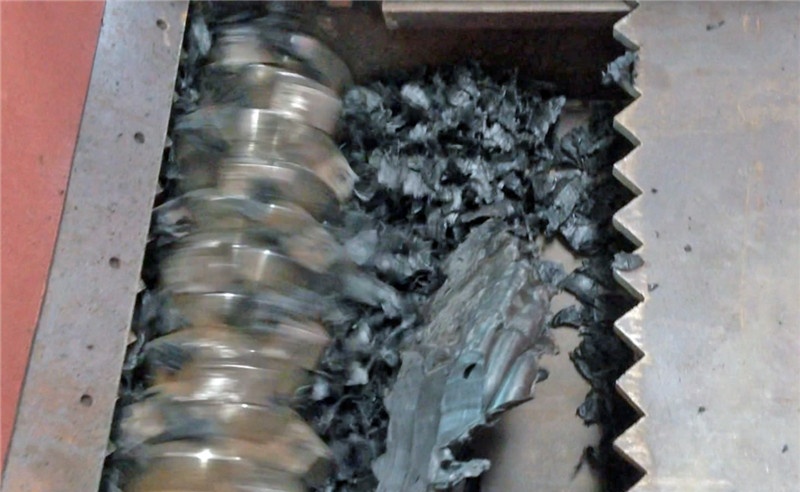
- Comprehensive Product Portfolio: From lead acid battery recycling plants and lithium battery recycling systems to cable granulators, circuit board recycling lines, shredders, CRT cutters, refrigerator recycling plants, and metal melting furnaces, San Lan offers one-stop purchasing for virtually any e-waste recycling need.
From Waste to Wealth: Understanding the Economics
The financial case for e-waste recycling has never been stronger. Copper prices have remained elevated due to global electrification trends, including EVs, renewable energy infrastructure, and data center expansion. Waste copper recovered from cables typically trades at 60-80% of refined copper prices, providing healthy margins even after processing costs.
Lead acid battery recycling offers similarly attractive economics. A standard automotive battery contains approximately 60% lead by weight. With lead prices historically stable and battery collection networks well established, this segment provides predictable cash flows.
Lithium battery recycling is the fastest-growing segment. As the first wave of EV batteries reaches end-of-life, the supply of spent lithium-ion cells is projected to grow exponentially. Early movers who establish processing capacity now will capture market share and secure feedstock agreements before competition intensifies.
Making the Right Investment Decision
Entering the recycling industry—or expanding an existing operation—requires careful planning. Start with a clear understanding of your local feedstock availability, target output products, and regulatory environment. Then partner with an equipment supplier that offers not just machines, but a complete business support ecosystem.
Avoid common pitfalls such as underestimating auxiliary equipment needs (dust collectors, wastewater systems, conveyors), overlooking installation and training costs, or selecting equipment based solely on the lowest purchase price. The cheapest machine often becomes the most expensive when downtime, poor recovery rates, and lack of support erode profitability.
Ready to Turn E-Waste into Profitable Resources?
Whether you are launching a new recycling plant or upgrading existing equipment, San Lan Technologies offers the engineering expertise, product range, and global support to ensure your success. Contact our team today to discuss your project requirements and receive a customized equipment proposal.
Email: info@san-lan.com | WhatsApp: +86 139 2377 4083
Website: www.san-lan.com