Maximize Your Recycling Profits with Advanced E-Waste Processing Equipment
Why E-Waste Recycling Is a High-Return Investment
Every year, millions of tons of electronic waste are generated worldwide, containing significant amounts of copper, lead, aluminum, lithium, cobalt, nickel, and precious metals. Without proper recycling infrastructure, these valuable resources end up in landfills, creating environmental hazards and economic losses. A well-designed recycling plant not only protects the environment but also turns waste into a steady stream of revenue through the sale of recovered metals and materials.
The key to success lies in choosing equipment that matches your raw material type, target capacity, and local environmental standards. Working with an experienced recycling equipment supplier ensures you receive customized solutions, professional installation, and ongoing technical support.
Lead-Acid Battery Recycling: A Complete Recovery System
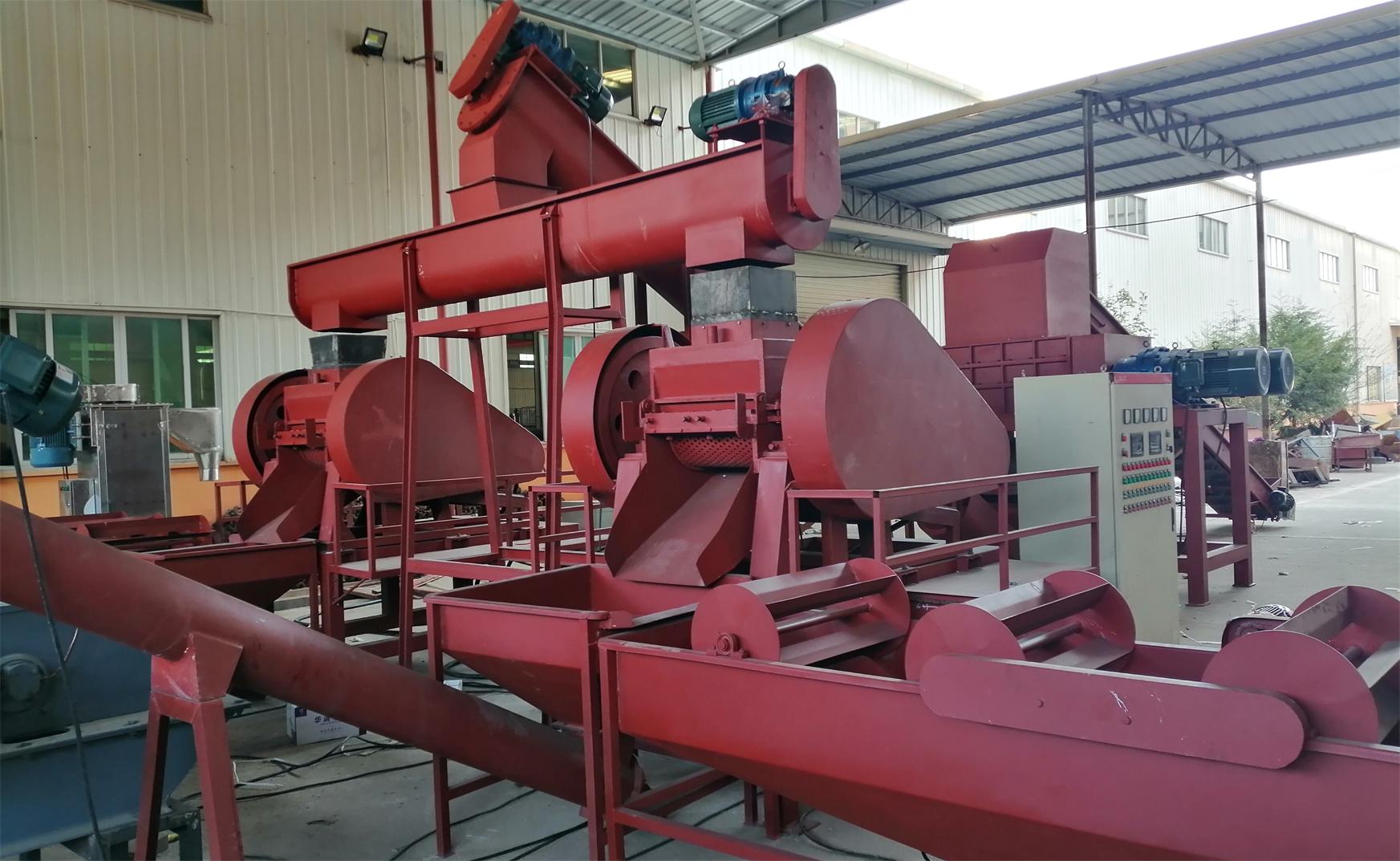
Used lead-acid batteries (ULAB) are one of the most recycled products in the world, with lead having a recovery rate of over 95 percent. A modern lead acid battery recycling equipment line typically includes battery cutting, breaking and separation, paste desulfurization, smelting furnace, lead refining, effluent treatment, and air pollution control systems.
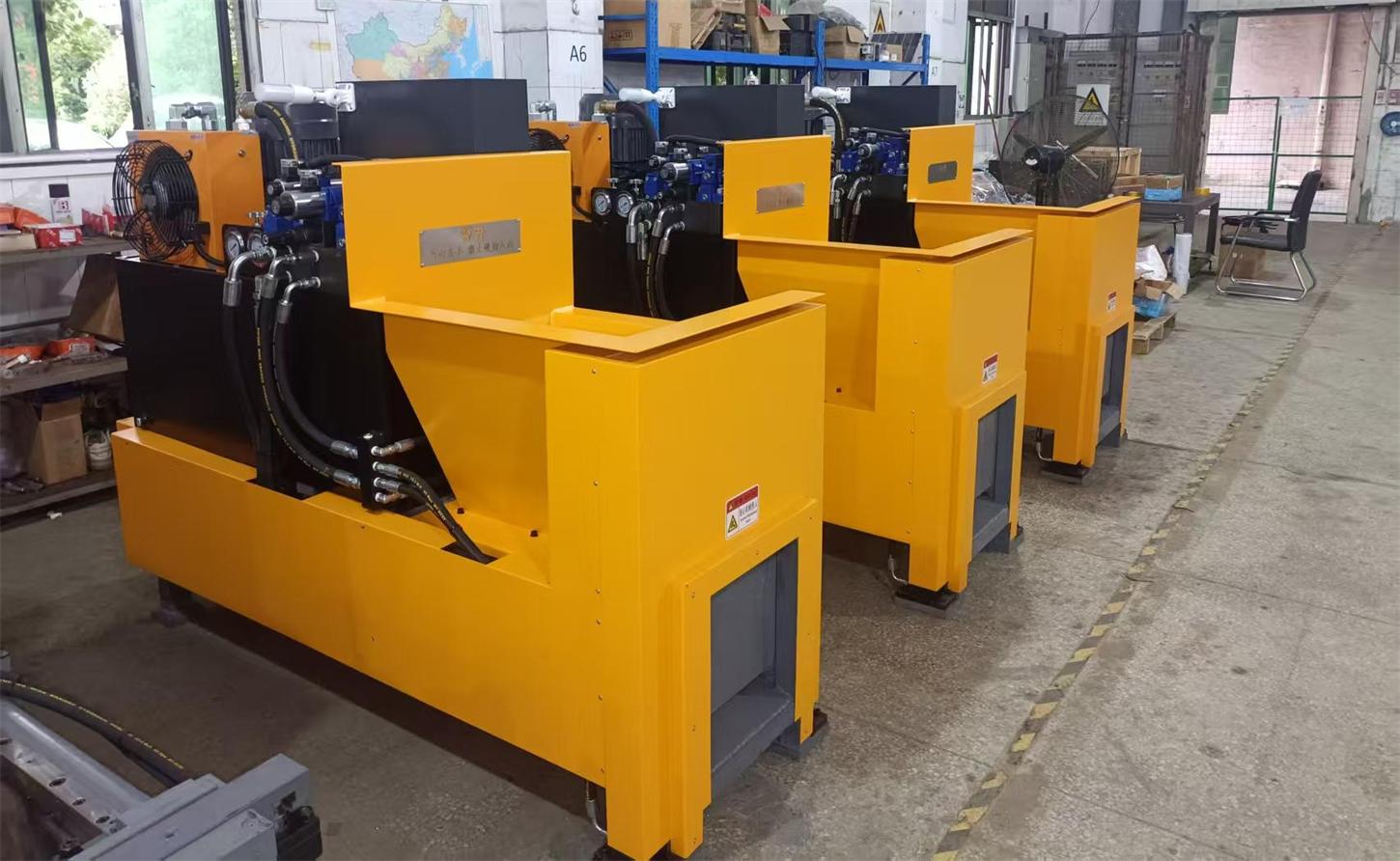
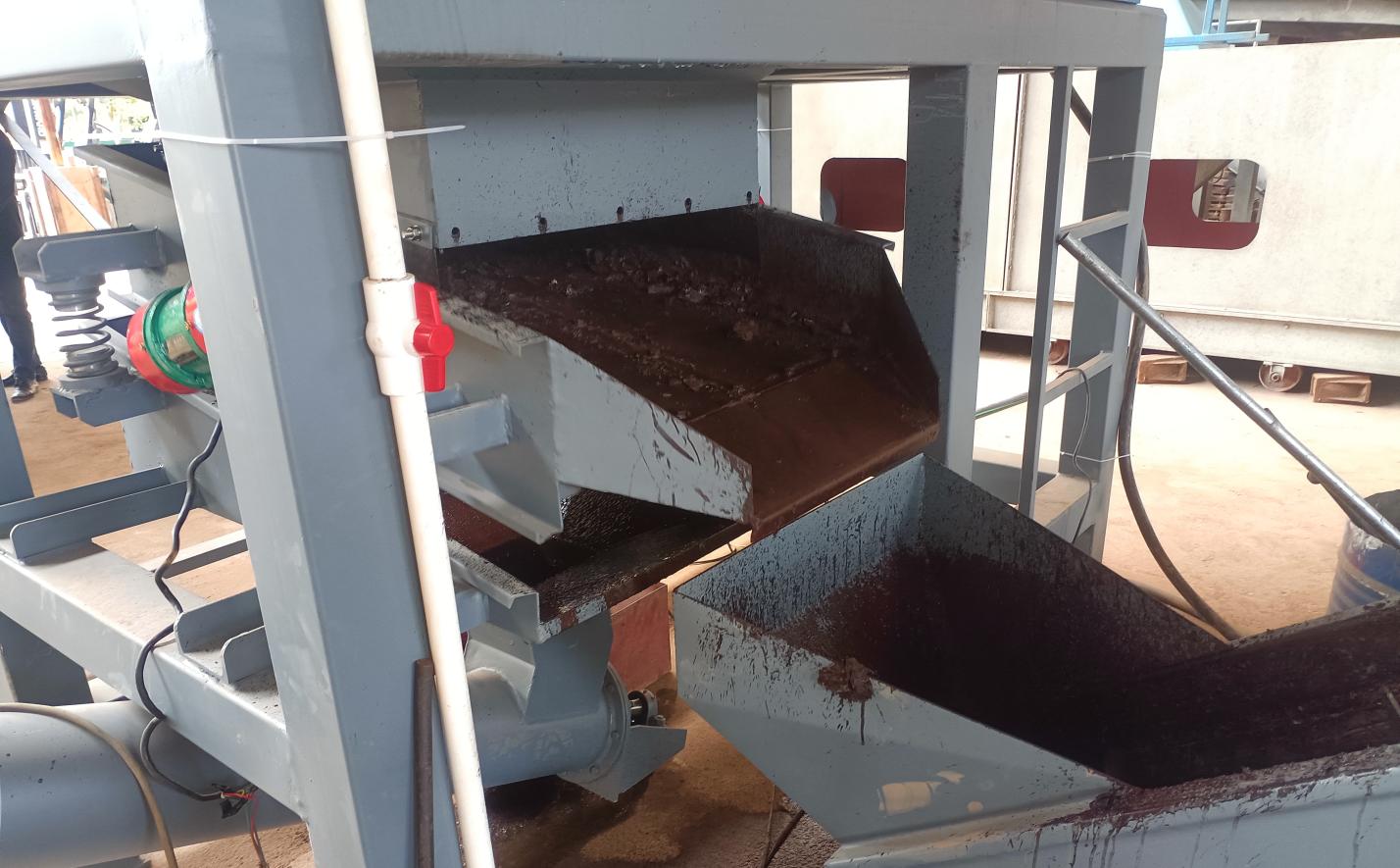
An integrated plant starts with a hydraulic battery cutter that safely opens batteries and drains acid. The breaking and separation system then crushes the batteries and classifies lead paste, lead grids, plastic shells, and hard rubber. The lead paste is processed through a desulfurization unit to reduce sulfur content before entering a rotary furnace or blast cupola furnace for smelting. Finally, a lead refinery kettle furnace produces 99.999 percent pure lead ingots ready for market. A complete water treatment and air pollution control system ensures the plant meets strict environmental regulations.
Plants with capacity ranging from 1 to 10 metric tons per hour are available, allowing businesses to scale according to their raw material supply and market demand.
Circuit Board Recycling: Extracting Copper and Precious Metals
Waste printed circuit boards (PCBs) contain copper, gold, silver, palladium, and other valuable metals. Recovering these materials requires specialized circuit board recycling equipment that can safely dismantle electronic components, shred boards, and separate metal from non-metal fractions.
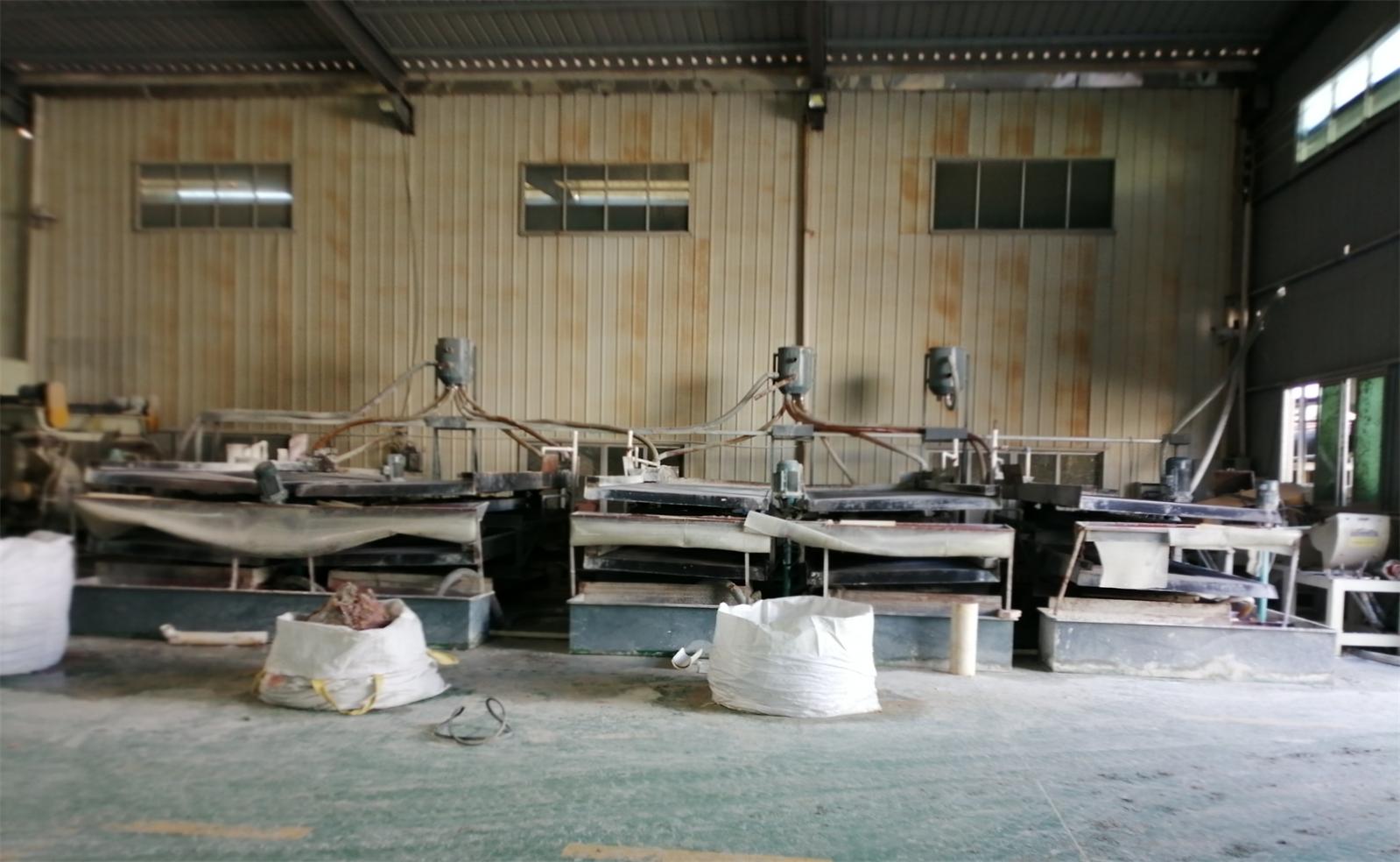
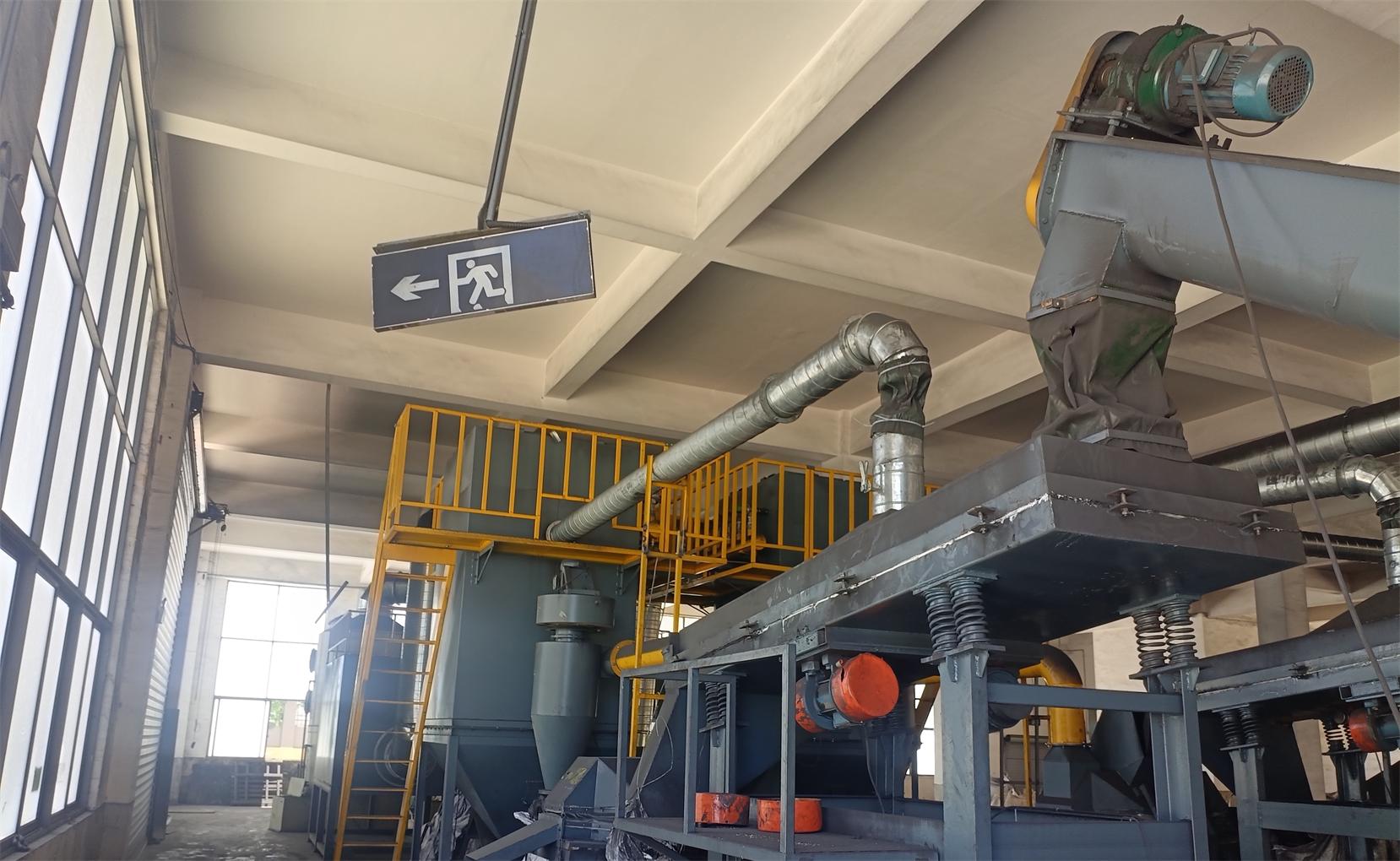
Advanced circuit board recycling plants use either dry separation or wet separation technology. Dry separation systems employ air separators, electrostatic separators, and pulse dust collectors to achieve copper powder purity of 96 to 98 percent with no dust pollution. Wet separation systems use water-based metal separation to achieve high recovery rates while keeping the process environmentally friendly. Capacities range from 300 kg per hour to over 2000 kg per hour, depending on the plant configuration.
Modern PCB recycling lines are designed to handle boards with or without electronic components, offering flexibility for recyclers who receive mixed e-waste streams.
Cable Recycling: Efficient Copper and Aluminum Recovery
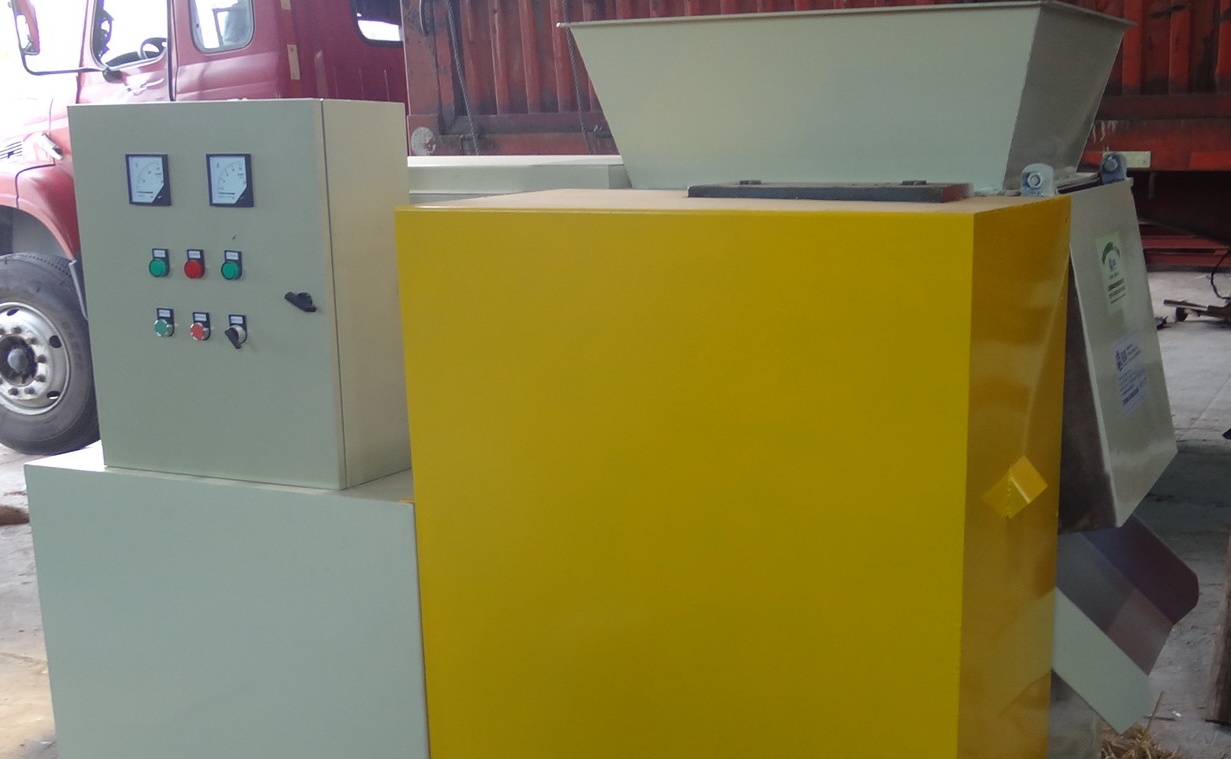
Scrap cables represent one of the most accessible and profitable recycling streams. Cable recycling equipment includes scrap cable strippers for large-diameter wires and cable granulators with dry or wet separators for fine copper wire recovery.
Cable strippers can handle diameters from 1.5 mm to 150 mm, separating copper or aluminum from plastic insulation quickly and cleanly. For smaller wires, cable granulators crush the cables and use air or water separation to achieve high-purity copper granules. High-capacity models can process up to 1200 kg per hour, making them ideal for large-scale recycling operations. Jelly-filled cables, which are common in telecommunications, can also be processed with specialized recycling plants designed to handle the gel insulation.
Lithium Battery Recycling: Meeting the Surge in Demand
With the explosive growth of electric vehicles and consumer electronics, the volume of end-of-life lithium-ion batteries is increasing rapidly. Recycling these batteries is essential for recovering valuable materials such as lithium, cobalt, nickel, and graphite, while preventing environmental contamination from electrolytes and heavy metals.
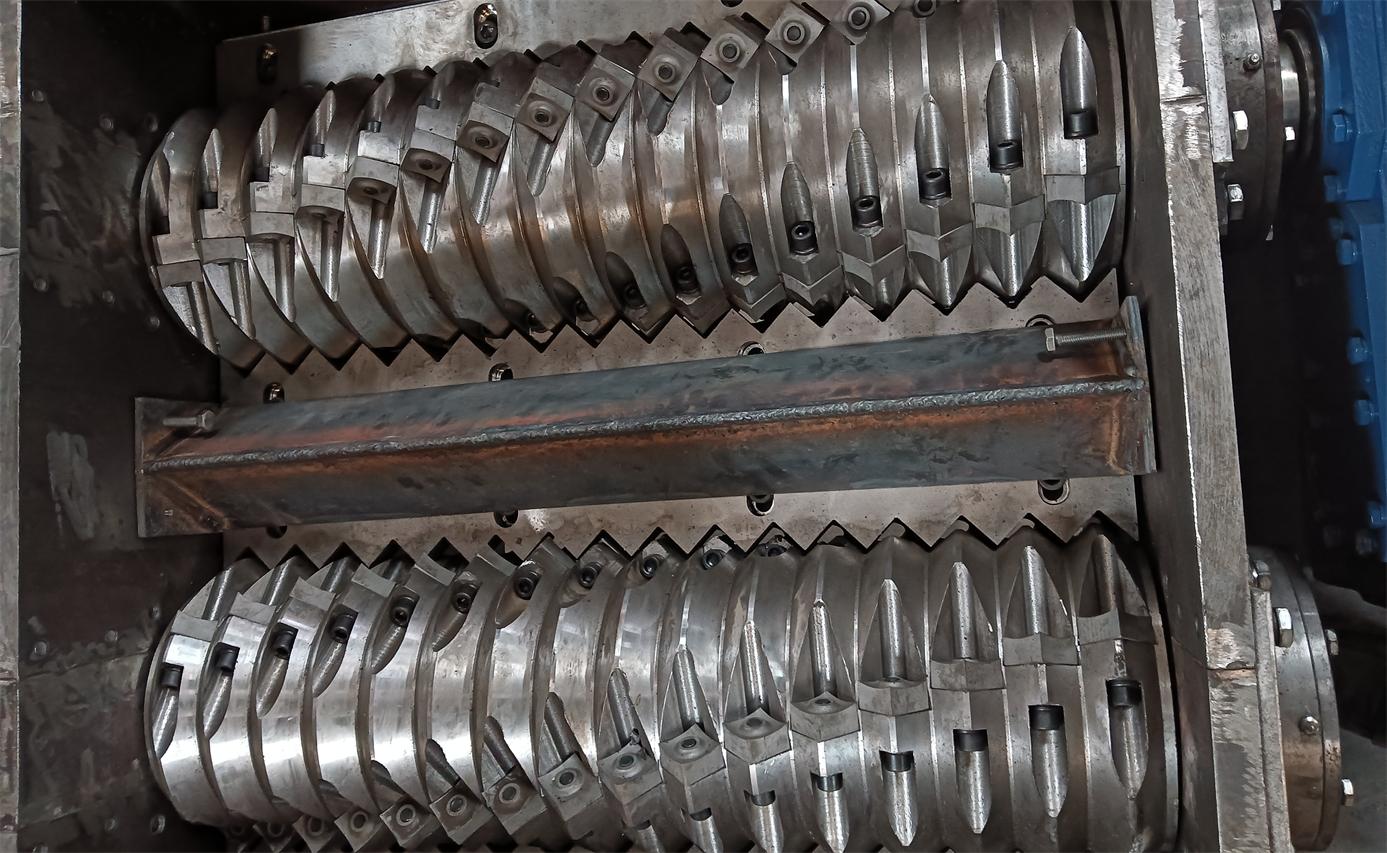
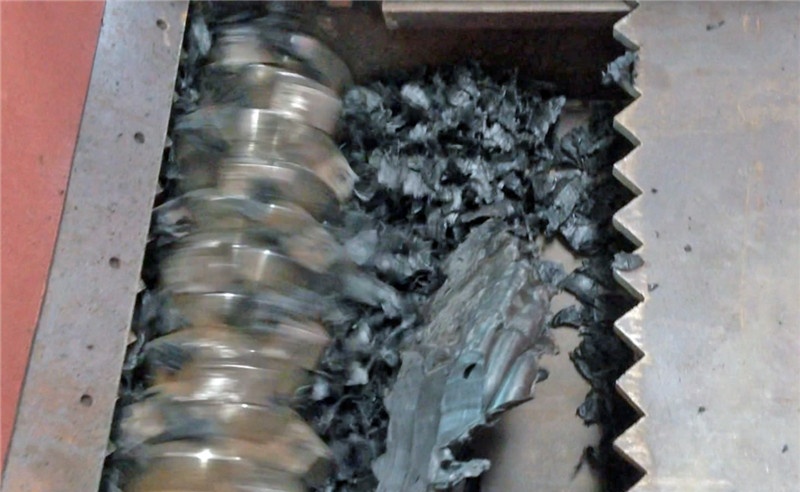
A lithium battery recycling plant typically includes discharging stations, pre-crushing units, secondary granulation, magnetic separation, and black powder separation systems. Capacities range from 500 to 2500 kg per hour. Proper air pollution control is critical in these plants to neutralize harmful gases generated during the crushing process. Integrated pneumatic conveying and hydraulic briquetting systems help compress plastic separator films into manageable blocks for resale or disposal.
Beyond Standard Equipment: Value-Added Services That Matter
Purchasing recycling machinery is only the first step. Successful recycling businesses need comprehensive support that goes far beyond equipment delivery. Look for a partner who can assist with raw material sourcing, plant installation and commissioning, staff training, and even marketing of recovered products.
Experienced manufacturers with over 15 years in the industry can provide EPC project management, customized plant design based on your workshop layout and capacity targets, and bilingual technical teams who understand both the engineering requirements and the cultural nuances of international business. Some suppliers also help customers purchase waste materials such as cable scrap, PCB scrap, and used lead-acid batteries, and assist in selling recovered outputs like copper granules, lead ingots, and aluminum fractions.
Global Experience You Can Trust
When evaluating recycling equipment manufacturers, consider their international track record. A company with installations in over 21 countries across Asia, Africa, Europe, the Americas, and the Middle East has demonstrated the ability to adapt equipment to different raw material compositions, voltage standards, and regulatory environments.
From Singapore to Colombia, Vietnam to Mexico, and South Africa to Saudi Arabia, proven recycling solutions have helped businesses of all sizes enter the e-waste recycling industry or expand their existing operations.
How to select the Right Recycling Plant for Your Business
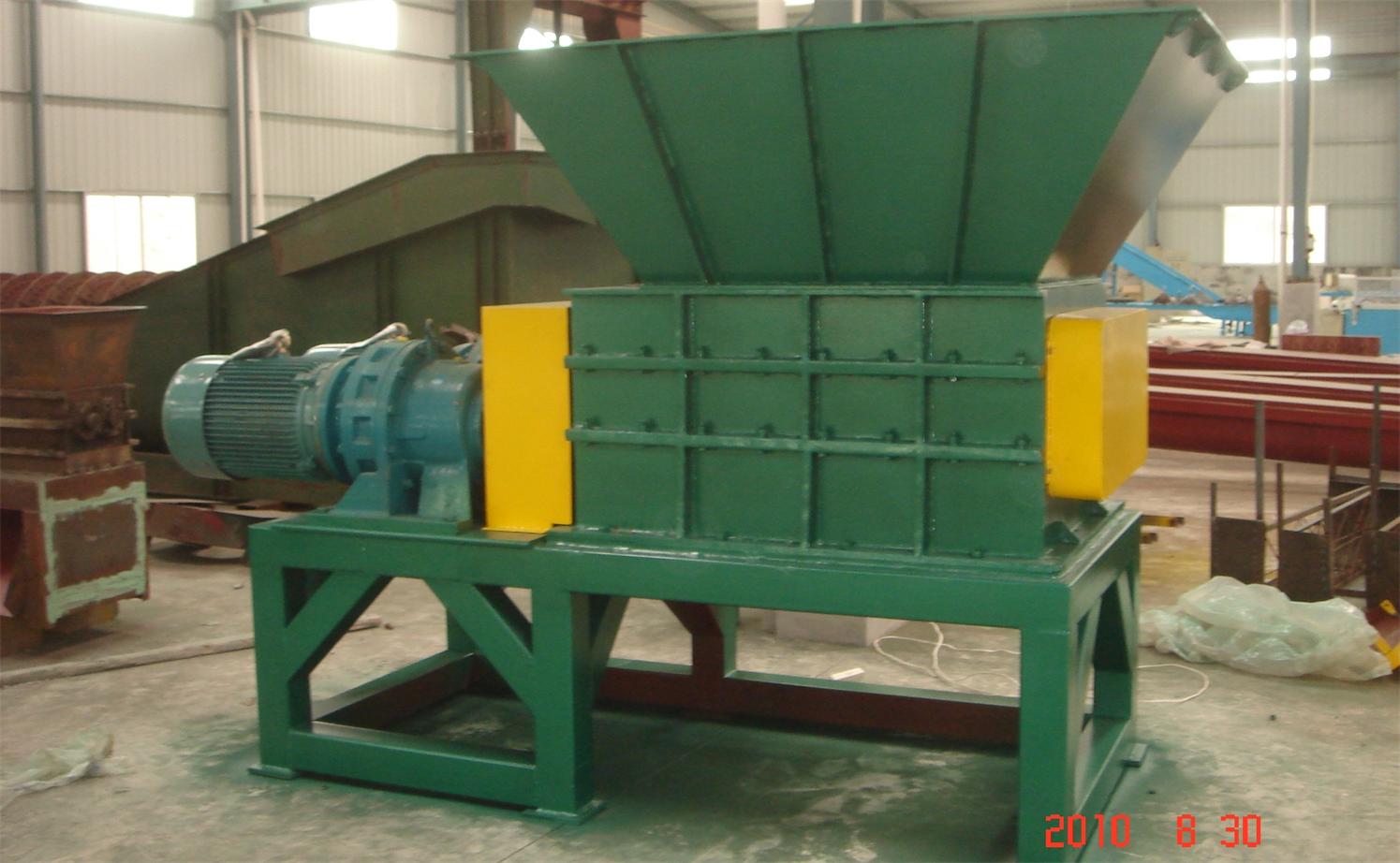
Choosing the right recycling equipment depends on several factors. First, identify your primary raw material stream. If you have steady access to used lead-acid batteries, a lead-acid battery recycling plant with breaking, separation, and smelting systems will deliver the highest return. If your supply is mixed e-waste including circuit boards and cables, a combination of shredders, cable granulators, and PCB recycling lines may be more appropriate.
Second, calculate your target processing capacity. Equipment ranges from small-scale units processing a few hundred kilograms per hour to industrial plants handling several metric tons per hour. Your capacity should match your expected raw material volume without creating costly idle time.
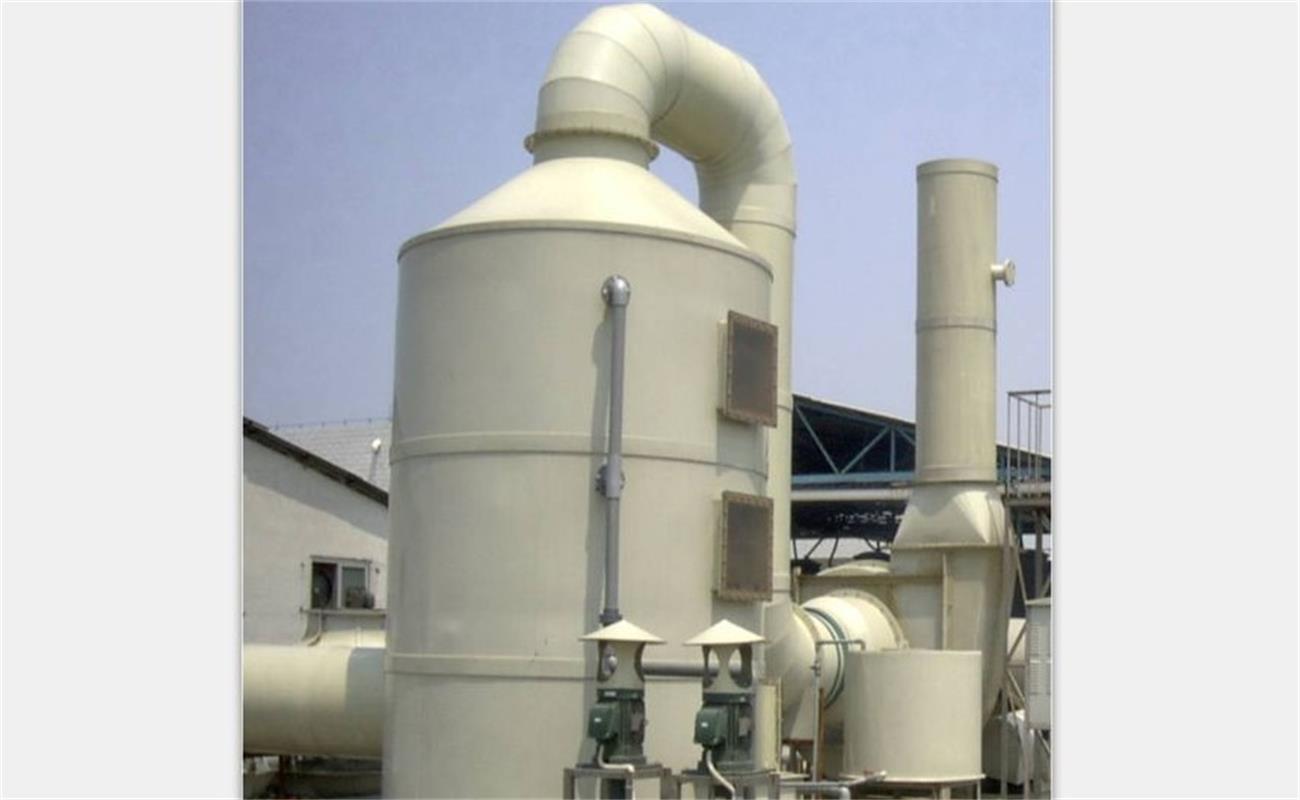
Third, ensure the equipment meets your local environmental standards. Air pollution control systems, wastewater treatment plants, and dust collectors are not optional accessories. They are essential components that protect your license to operate and your reputation in the community.
San Lan Technologies Co., Ltd has been manufacturing e-waste recycling machinery and mining equipment since 2007. With a comprehensive product range covering lead-acid battery recycling plants, lithium battery recycling lines, circuit board recycling systems, cable recycling machines, shredders, and auxiliary equipment, San Lan provides turn-key solutions tailored to your specific requirements.
From initial consultation and custom plant design to onsite installation, operator training, and ongoing technical support, San Lan is committed to helping you build a profitable and environmentally responsible recycling business.
Contact San Lan Technologies today to discuss your project and request a customized quotation.
Email: info@san-lan.com | WhatsApp: +86 139 2377 4083
Website: www.san-lan.com