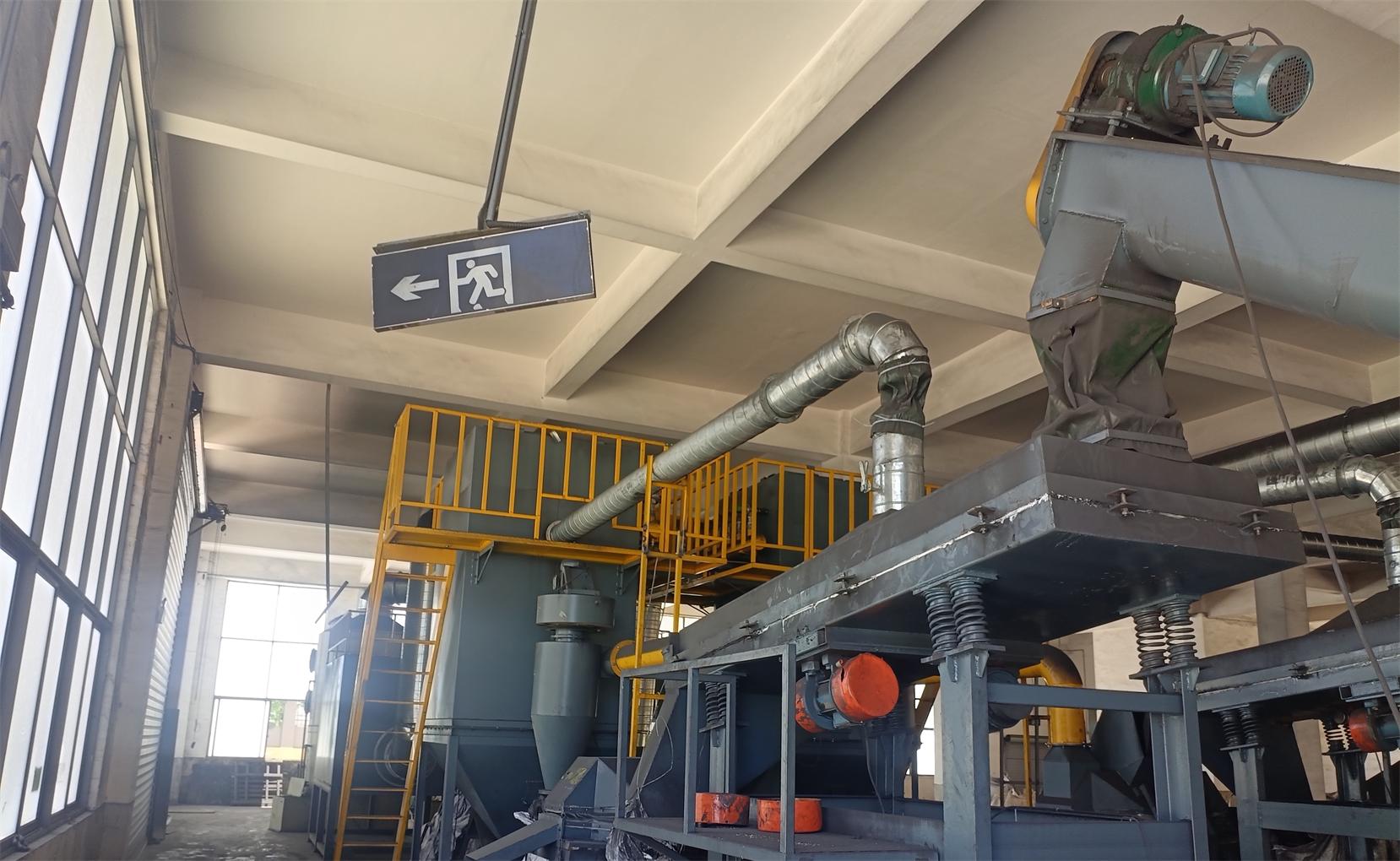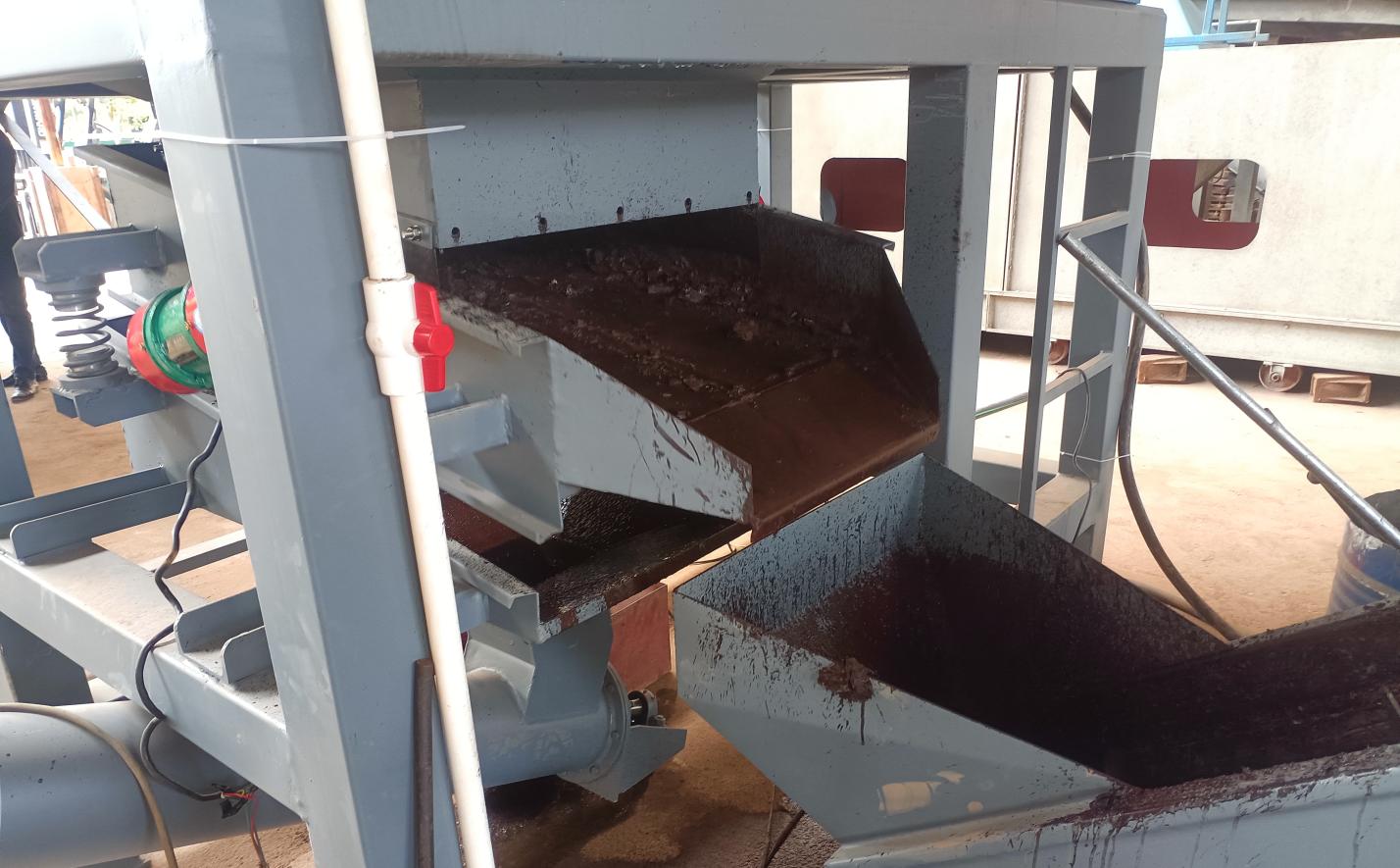
With global e-waste generation exceeding 60 million tons annually and copper prices remaining strong, investing in professional recycling equipment has become one of the most profitable business decisions for entrepreneurs and recycling companies worldwide.
Understand Your Material Stream First
Before purchasing any machinery, you need to clearly identify what type of waste materials you will process. Different waste streams require completely different processing technologies. Waste cables and wires need granulators and separators to recover copper and aluminum. Used lead acid batteries require specialized breaking and separation systems, followed by smelting equipment. Printed circuit boards demand crushing, grinding, and separation lines to extract copper powder and precious metals.
Many successful recycling plants start with one primary material stream and expand gradually. Understanding your local waste supply chain and market demand for recovered materials will guide your equipment selection and plant design.
Core Equipment Categories for Modern Recycling Plants
A complete recycling operation typically involves several key machine categories. Here are the most in-demand equipment types that deliver strong returns on investment:
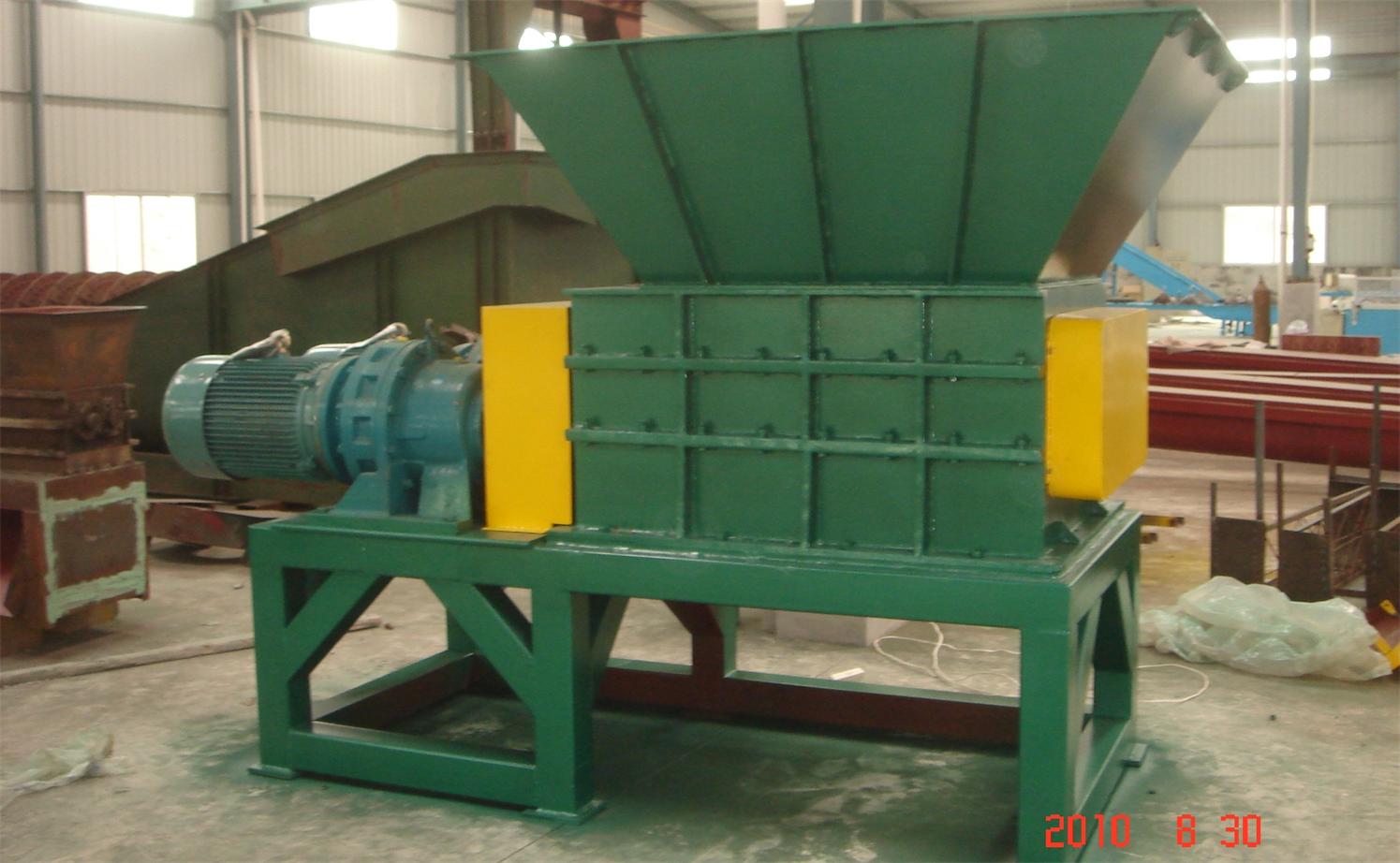
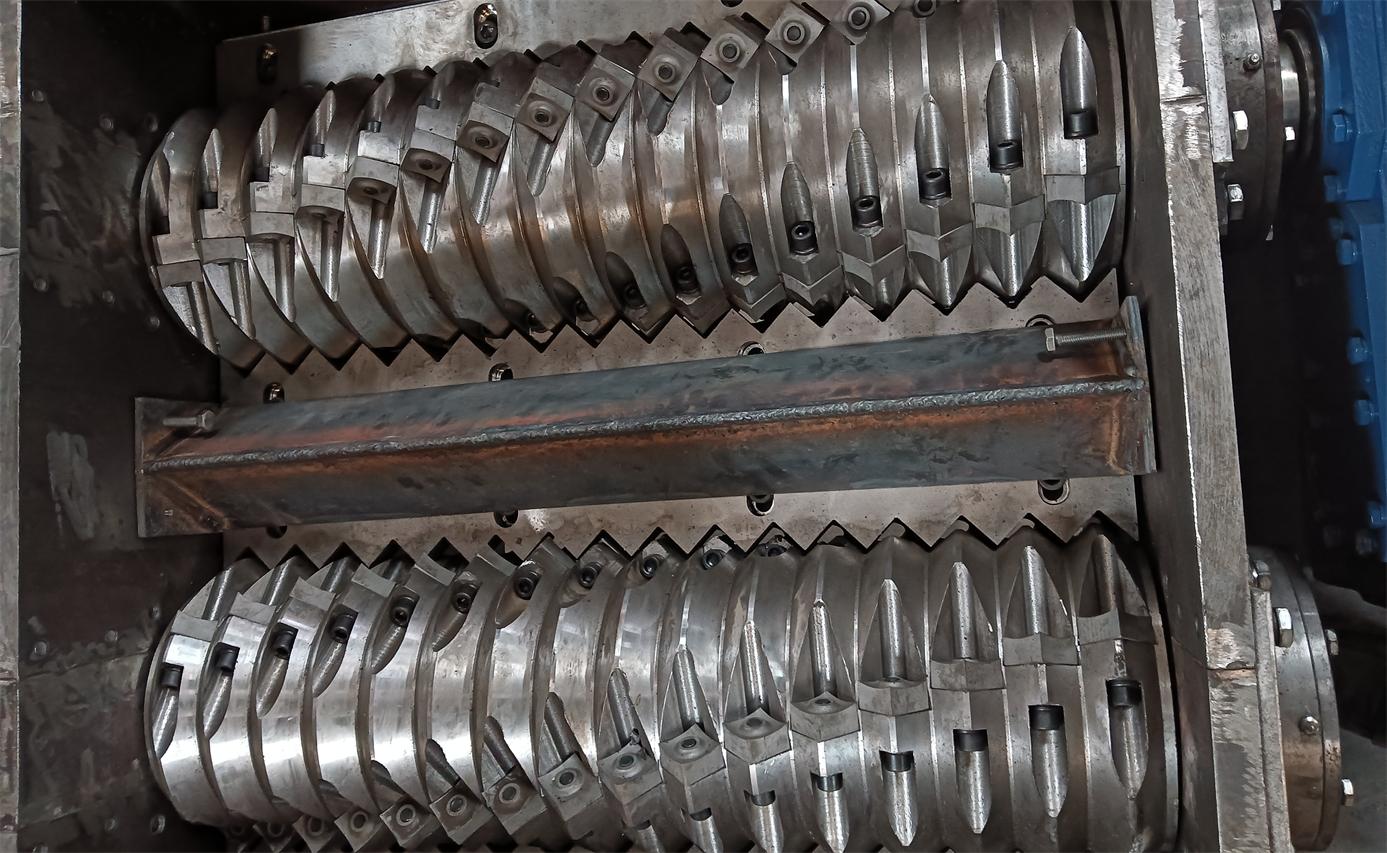
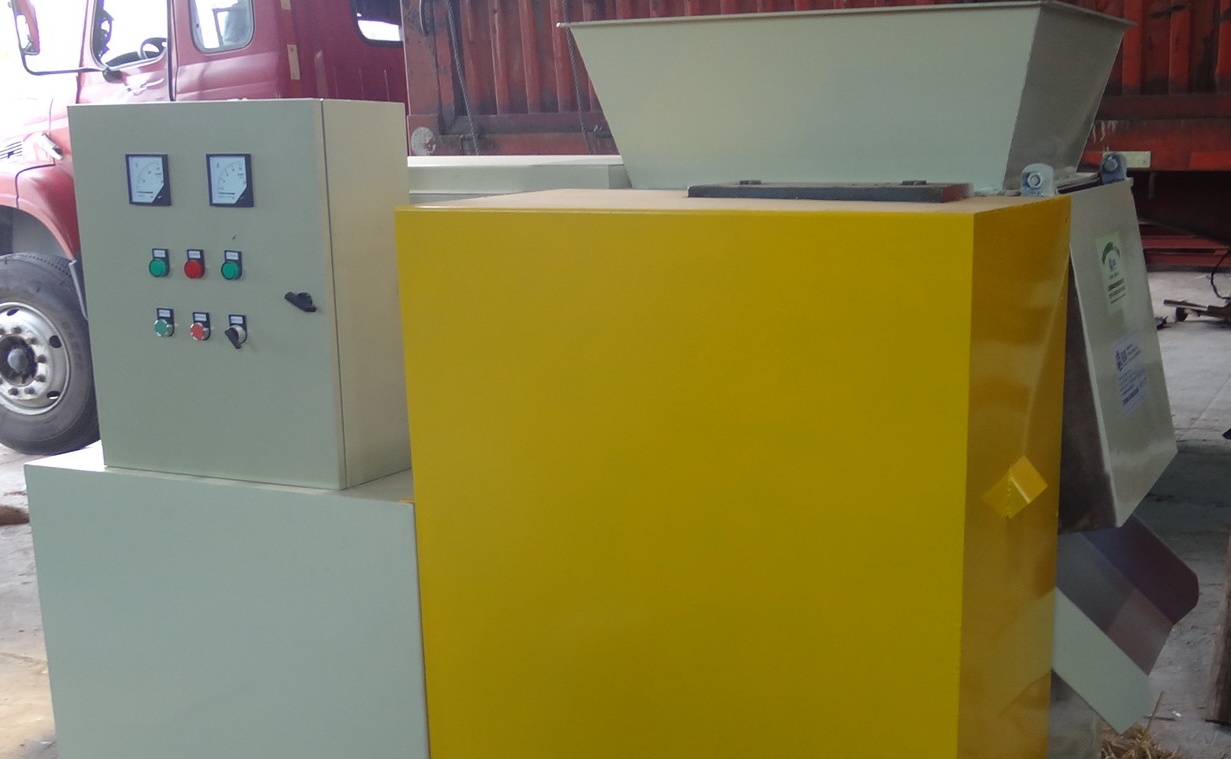
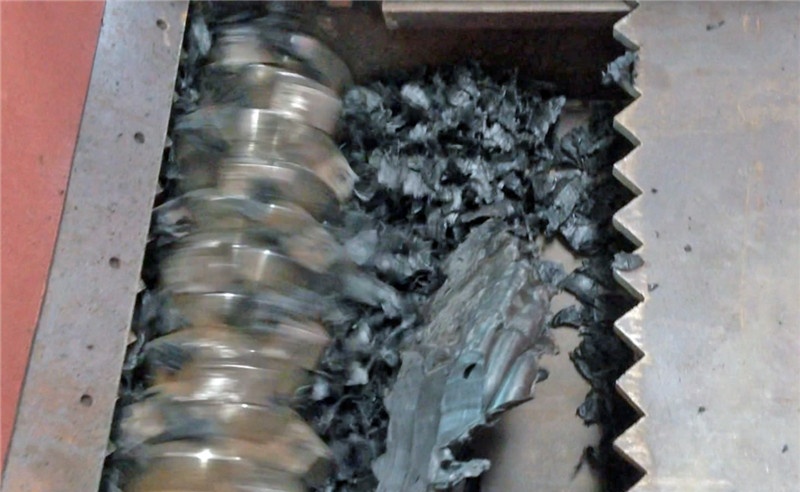
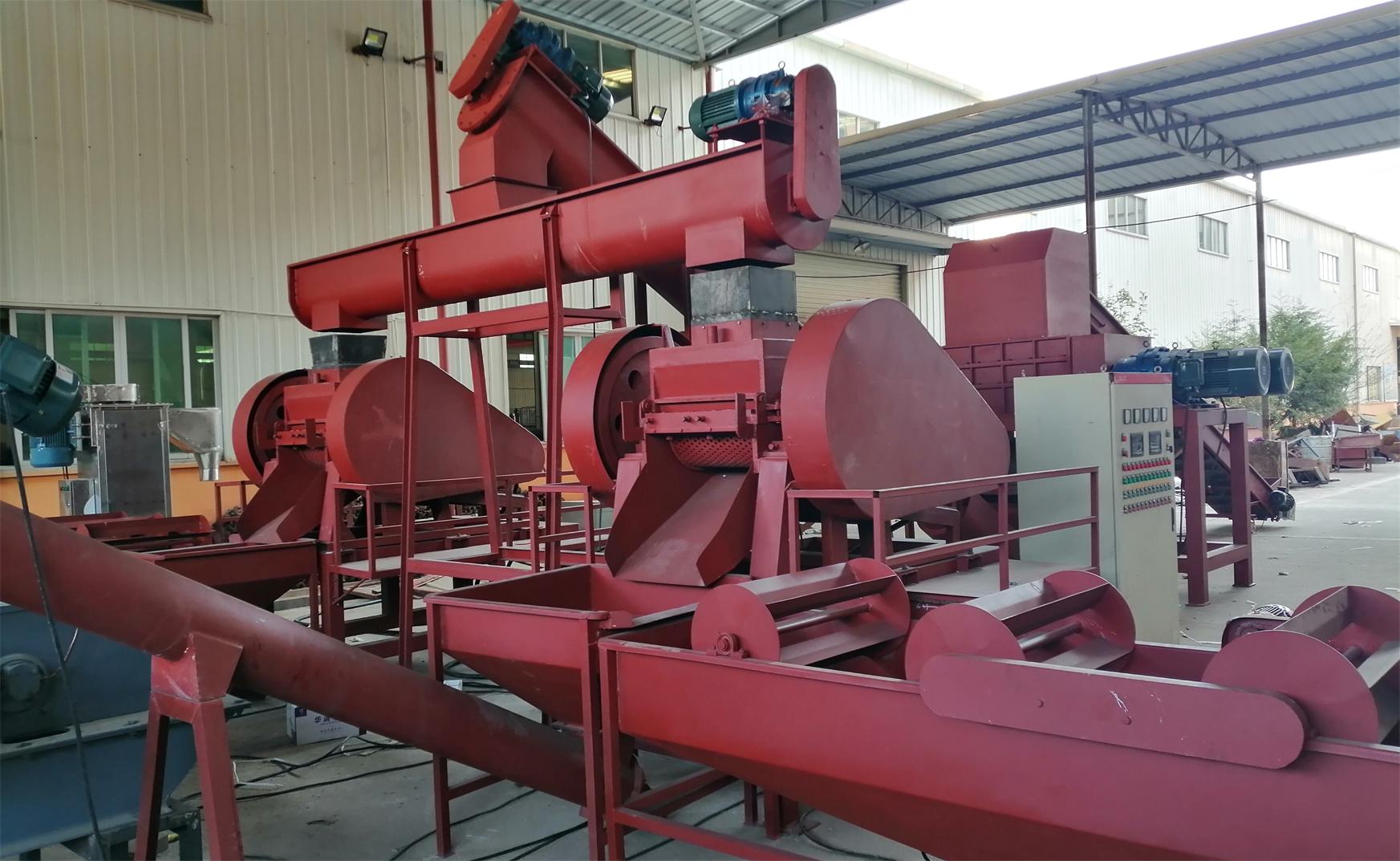
Cable Recycling Systems: Modern cable recycling equipment uses dry separation technology to crush waste cables and separate copper or aluminum from plastic insulation. Advanced systems can achieve copper purity of 96% to 98% with capacity ranging from 100 kg/hour to 1,200 kg/hour. The high value of recovered copper makes this equipment profitable even for small-scale operations.
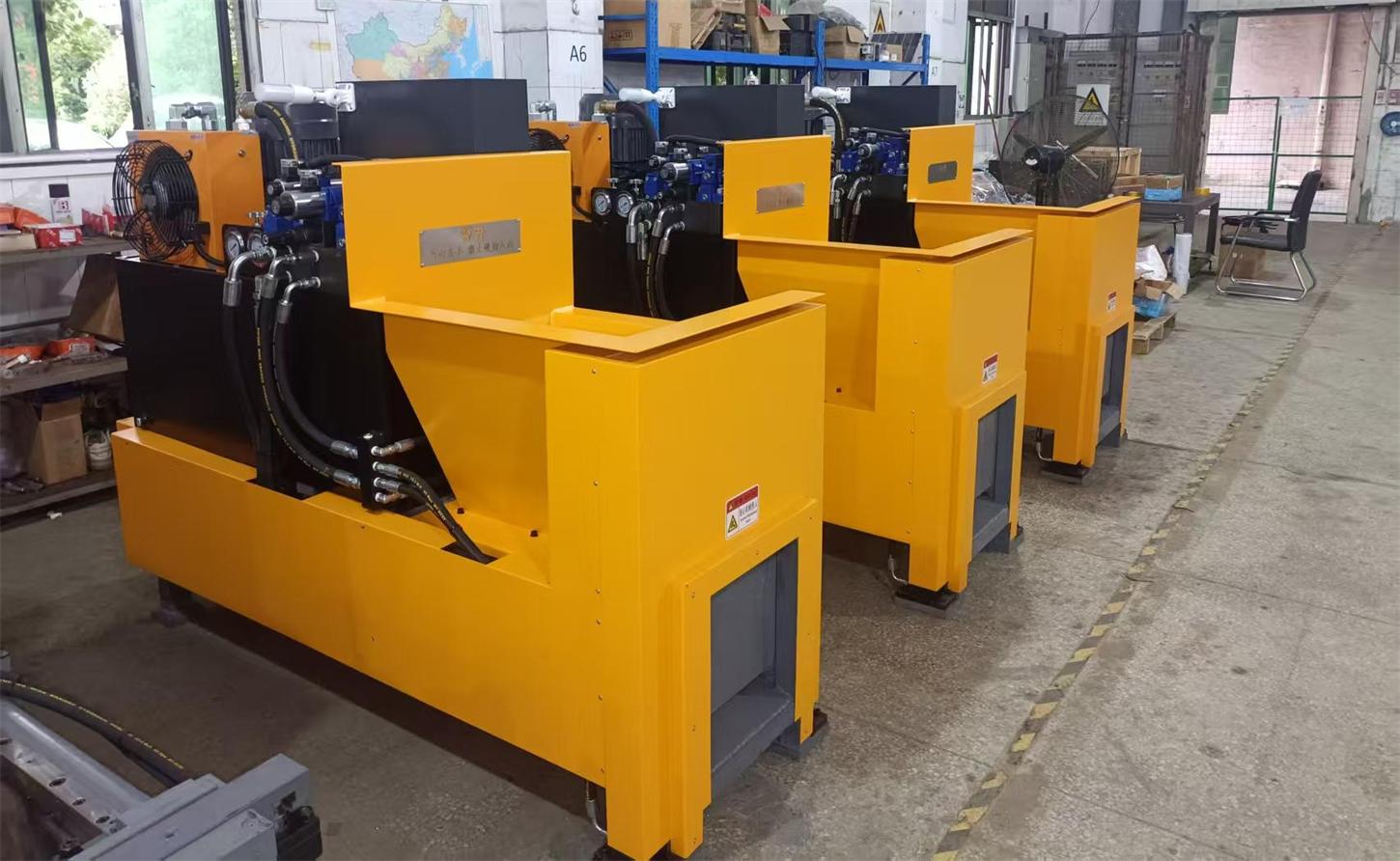
Battery Recycling Plants: Used lead acid battery recycling represents a massive market opportunity. Professional lead acid battery recycling equipment breaks and separates batteries to recover acid, plastic shells, lead grids, and lead paste. Complete plants include breaking systems, de-sulfurization units, rotary furnaces or blast furnaces for smelting, refinery kettles for purity upgrading, and air pollution control systems. Capacities typically range from 1 to 10 metric tons per hour.
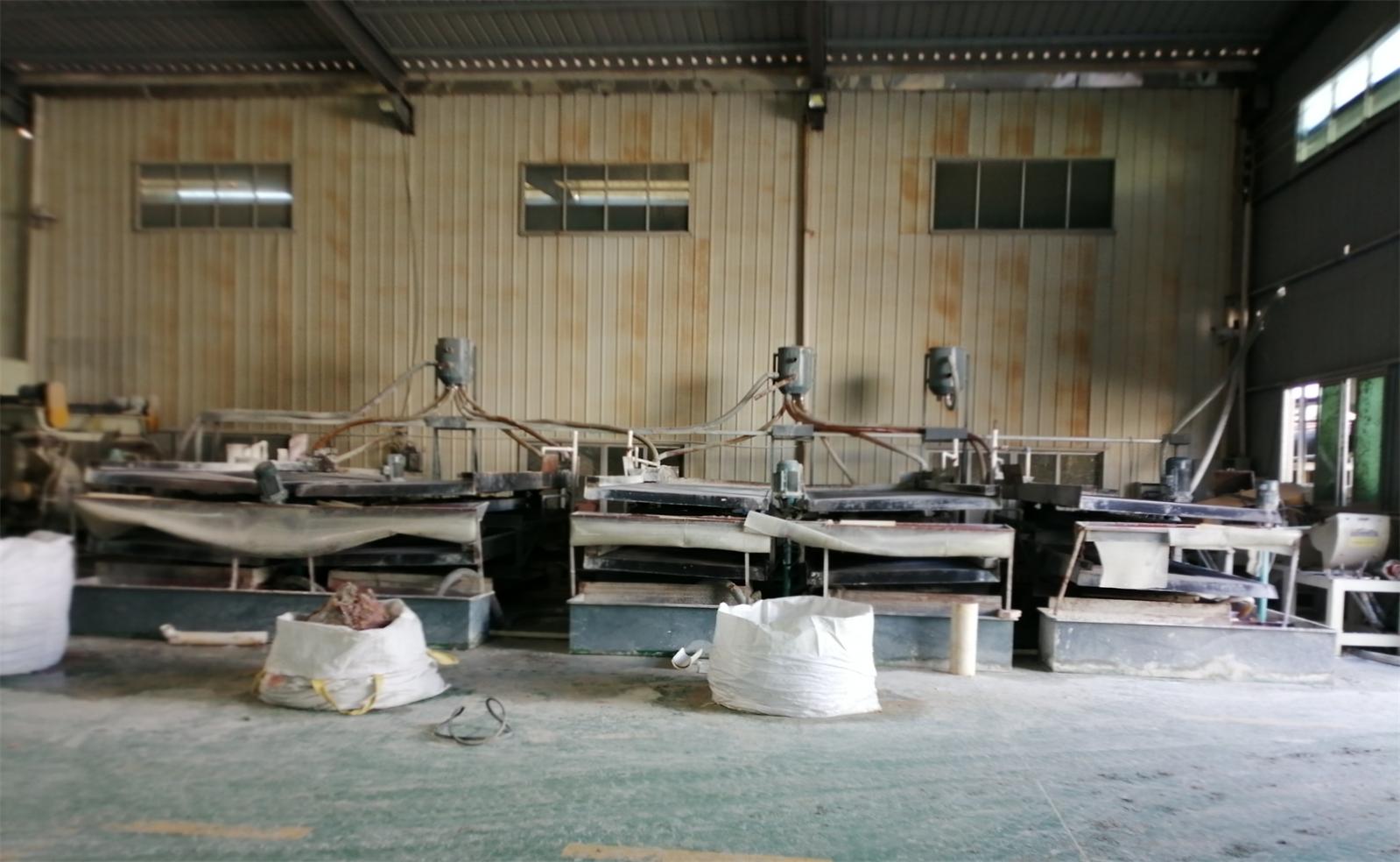
Circuit Board Processing Lines: Waste printed circuit boards contain valuable copper and trace amounts of precious metals. Specialized circuit board recycling equipment uses either dry separation with air classifiers and electrostatic separators, or wet separation with water-based metal recovery systems. Capacities range from 300 kg/hour to 2,000 kg/hour depending on your scale.
What Separates a Good Supplier from a Great One
When evaluating equipment suppliers, price should never be your only consideration. Here are critical factors that determine long-term success:
Technical Experience: Look for suppliers with deep engineering expertise. A team with master's degrees in mechanical engineering and over 15 years of hands-on experience in e-waste recycling machinery will design more reliable and efficient equipment.
EPC Project Capability: The best suppliers offer complete Engineering, Procurement, and Construction services. They can design your entire plant layout, customize equipment configurations, handle installation and commissioning, and train your operators.
After-Sales Support: Recycling equipment operates in harsh conditions. You need a supplier who provides spare parts, technical guidance, and troubleshooting support long after the initial sale.
Proven International Track Record: Suppliers with customers across 20+ countries have demonstrated their ability to meet diverse regulatory requirements and operational conditions.
Additional Value-Added Services to Consider
Top-tier suppliers do more than just sell machines. They help you build a viable business. Look for partners who can assist with sourcing waste materials such as cable scrap, PCB scrap, or used batteries. Some suppliers also help connect you with buyers for your recovered materials like copper rice, copper powder, or lead ingots. This full-circle support significantly reduces your market entry risk.
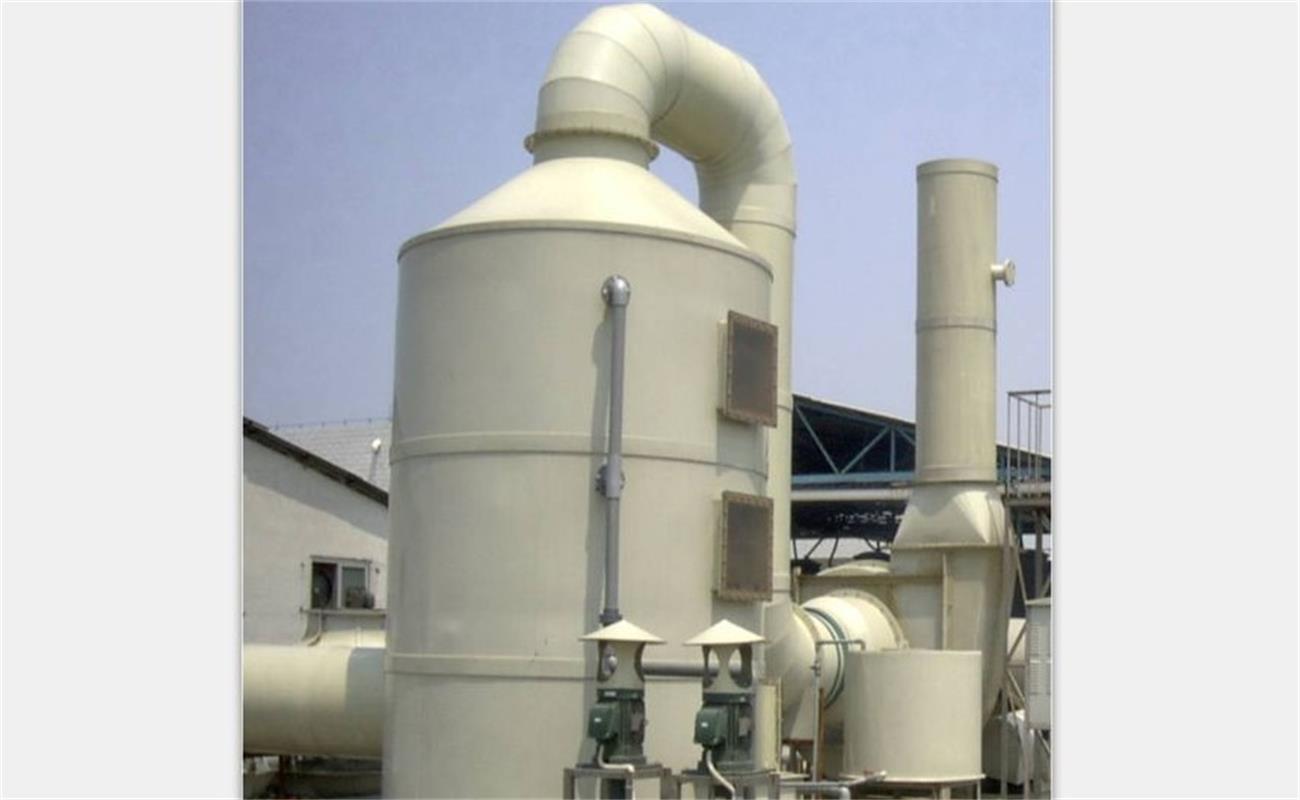
Environmental compliance is another area where experienced suppliers add tremendous value. Modern recycling plants must meet strict air emission and wastewater standards. Reputable manufacturers integrate pollution control systems including dust collectors, gas scrubbers, and water treatment plants into their plant designs from the ground up.
Making Your Final Decision
Investing in recycling equipment is a significant capital decision that will shape your business for years to come. Visit potential suppliers' manufacturing facilities when possible. Inspect the build quality of their machines firsthand. Speak with existing customers about their real-world experience with equipment performance and supplier support.
Request detailed technical proposals that specify capacity, power consumption, recovery rates, and dimensions. A professional supplier will provide transparent information and help you calculate your return on investment based on local material costs and recovered product prices.
Ready to Start Your Recycling Business? San Lan Technologies Co., Ltd has been manufacturing professional WEEE recycling machines and mining equipment since 2007. With customers in over 21 countries including Singapore, Colombia, Vietnam, Mexico, Argentina, Korea, Malaysia, and South Africa, we bring proven expertise to your project. Our team offers complete EPC solutions from plant design and equipment manufacturing to installation, commissioning, and ongoing support. Contact us today to discuss your specific requirements and receive a customized proposal tailored to your material stream and production goals.