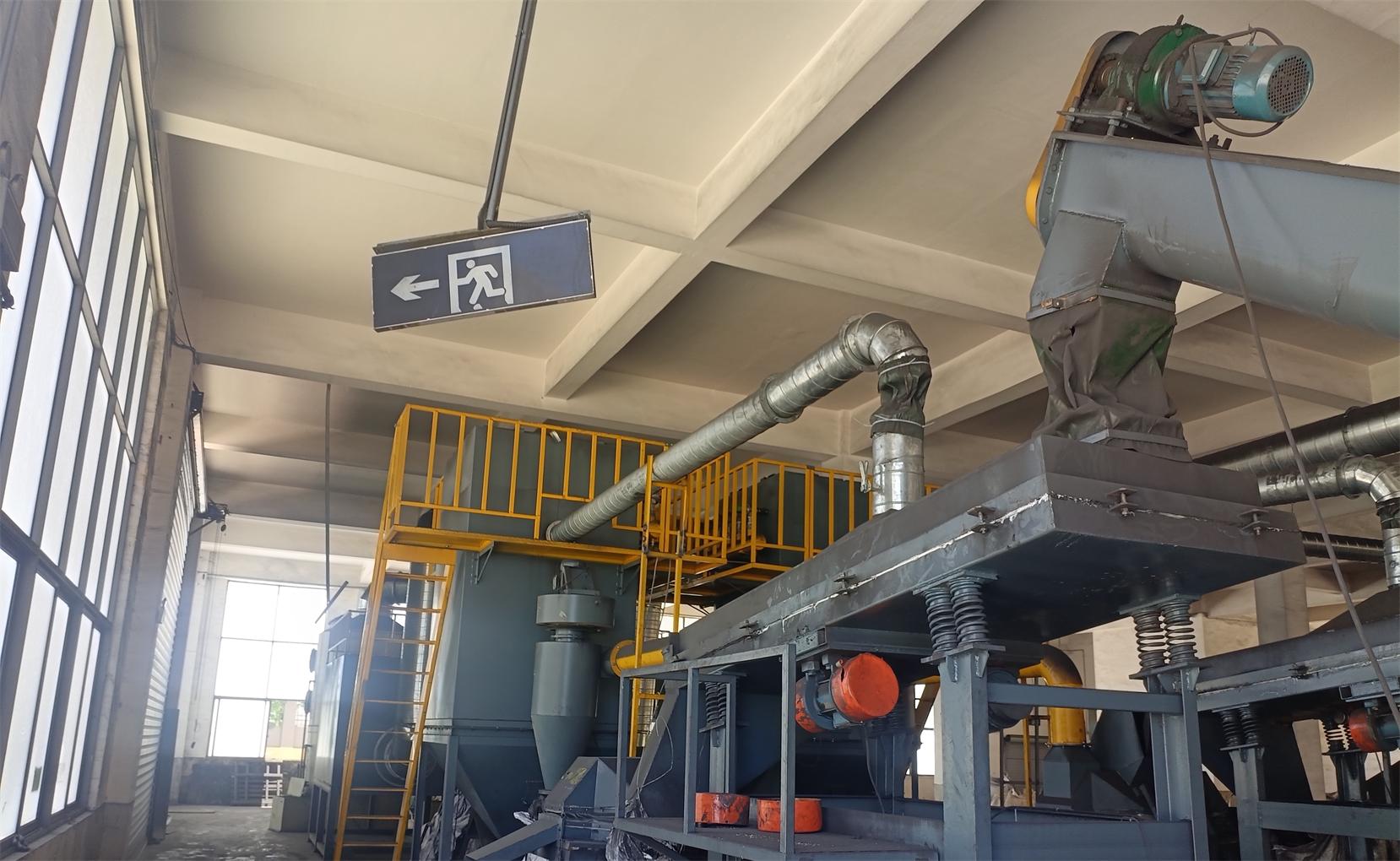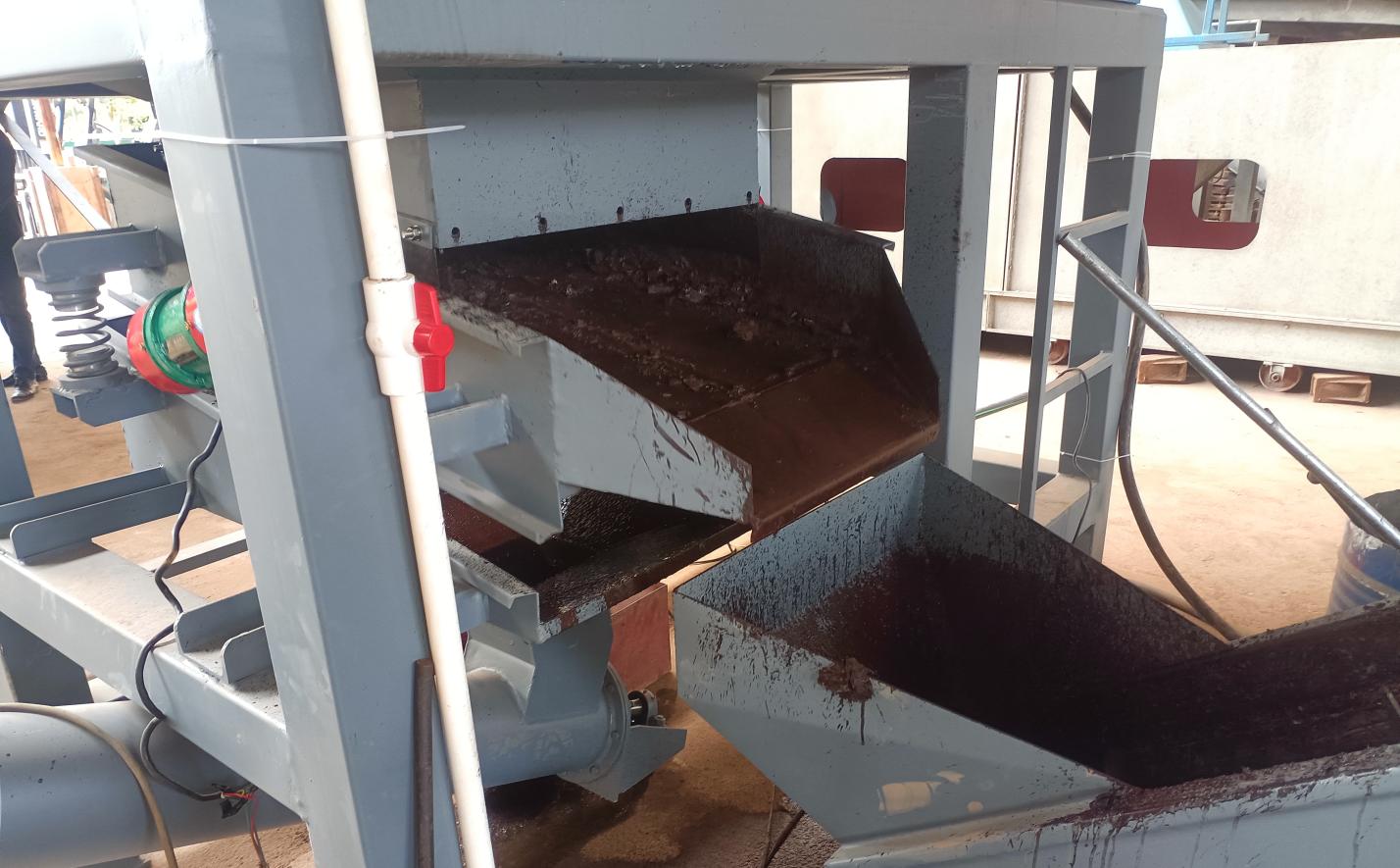
Let's start with the obvious: lithium is everywhere these days. It's in the phone in your pocket, the laptop on your desk, and—most importantly—the electric vehicles (EVs) rolling off production lines and the energy storage systems powering homes and businesses. As the U.S. races to meet its clean energy goals, the demand for lithium has skyrocketed. But here's the catch: getting lithium from the ground to a battery-ready state isn't as simple as digging it up. It takes specialized processing, and that means finding the right lithium ore processing plant suppliers. If you're in the market for one, you know it's not just about buying equipment—it's about partnering with a team that understands your needs, the local regulations, and the unique challenges of lithium processing. Let's dive into what you need to know.
Why the Right Supplier Matters More Than You Think
Lithium processing isn't a one-size-fits-all industry. Ore deposits vary—some are hard rock (like spodumene), others are brines—and each requires different equipment and techniques. A supplier that specializes in brine processing might not have the expertise for hard rock lithium, and vice versa. But beyond technical know-how, there's the question of reliability. Imagine investing millions in a processing plant only to have a key piece of equipment break down with no local support. That's downtime, lost revenue, and a major headache.
Then there are the regulations. The U.S. has strict environmental laws, especially when it comes to mining and processing. From water usage to waste management, your plant needs to comply with EPA standards, state-level rules, and even local ordinances. A supplier familiar with U.S. regulations can help you design a plant that meets these requirements from the start, avoiding costly retrofits later.
And let's not forget scalability. Today, you might be processing 500 tons of ore a day, but next year, that could jump to 2,000 tons. A good supplier will design a system that can grow with you, adding modules or upgrading equipment without overhauling the entire plant. This isn't just about saving money—it's about staying competitive in a market where demand is changing faster than ever.
Key Equipment: What to Look For in a Processing Plant
When evaluating suppliers, you'll hear a lot about "lithium ore extraction equipment" and "processing plants," but let's break down the specifics. Not all equipment is created equal, and the right mix depends on your ore type and production goals. Here are the core components you'll need to consider:
1. Lithium Ore Extraction Equipment: The First Step
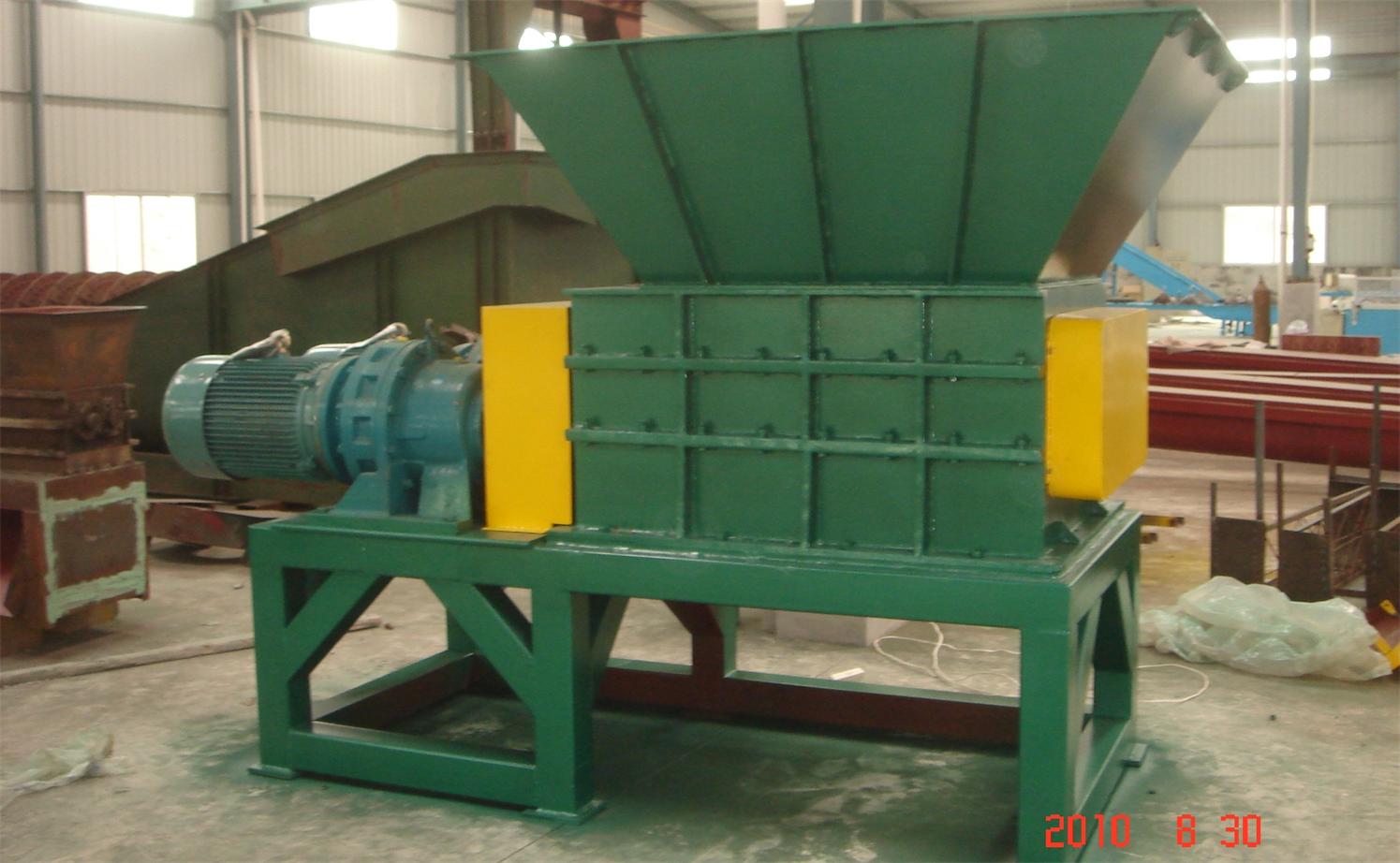
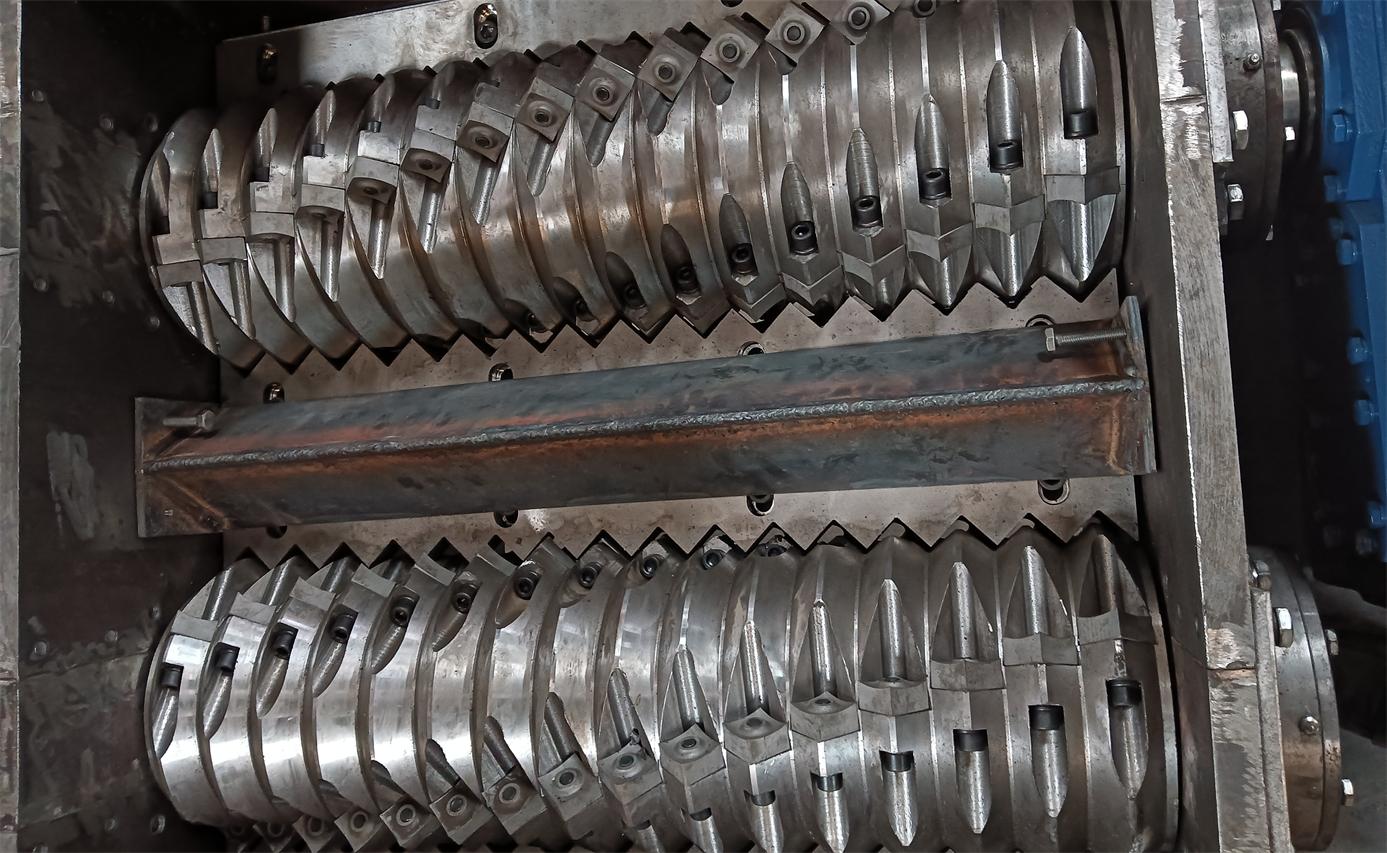
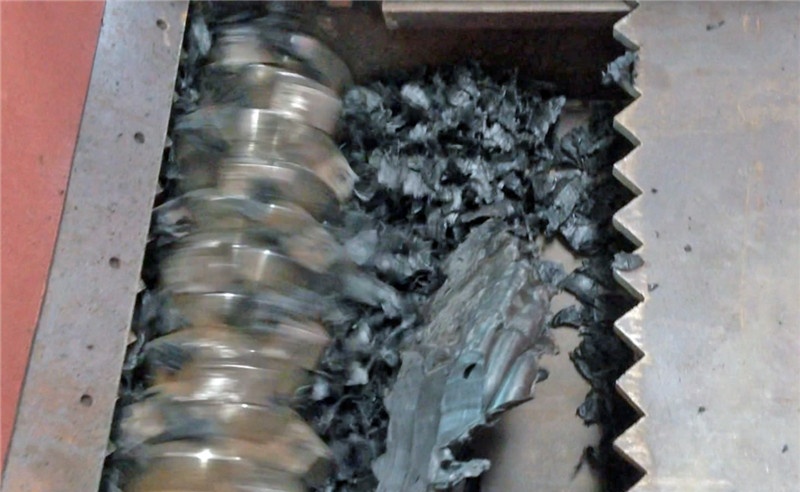
Before processing can begin, you need to extract the ore from the ground. For hard rock lithium mines, this typically starts with drilling and blasting, but the real work happens with extraction equipment. Look for suppliers that offer crude ore extraction equipment designed to handle the specific hardness and composition of your ore. Spodumene, for example, is a tough mineral, so you'll need robust crushers and grinders that can reduce it to a manageable size without excessive wear and tear.
Suppliers should also offer options for efficiency. Modern extraction equipment often includes automation features—like sensors that adjust crusher speed based on ore density—to minimize energy use and maximize throughput. And don't overlook safety: equipment with built-in safety guards, emergency stop systems, and dust control measures isn't just a nice-to-have; it's a legal requirement in most U.S. states.
2. Tailing Ore Extraction Equipment: Turning Waste into Value
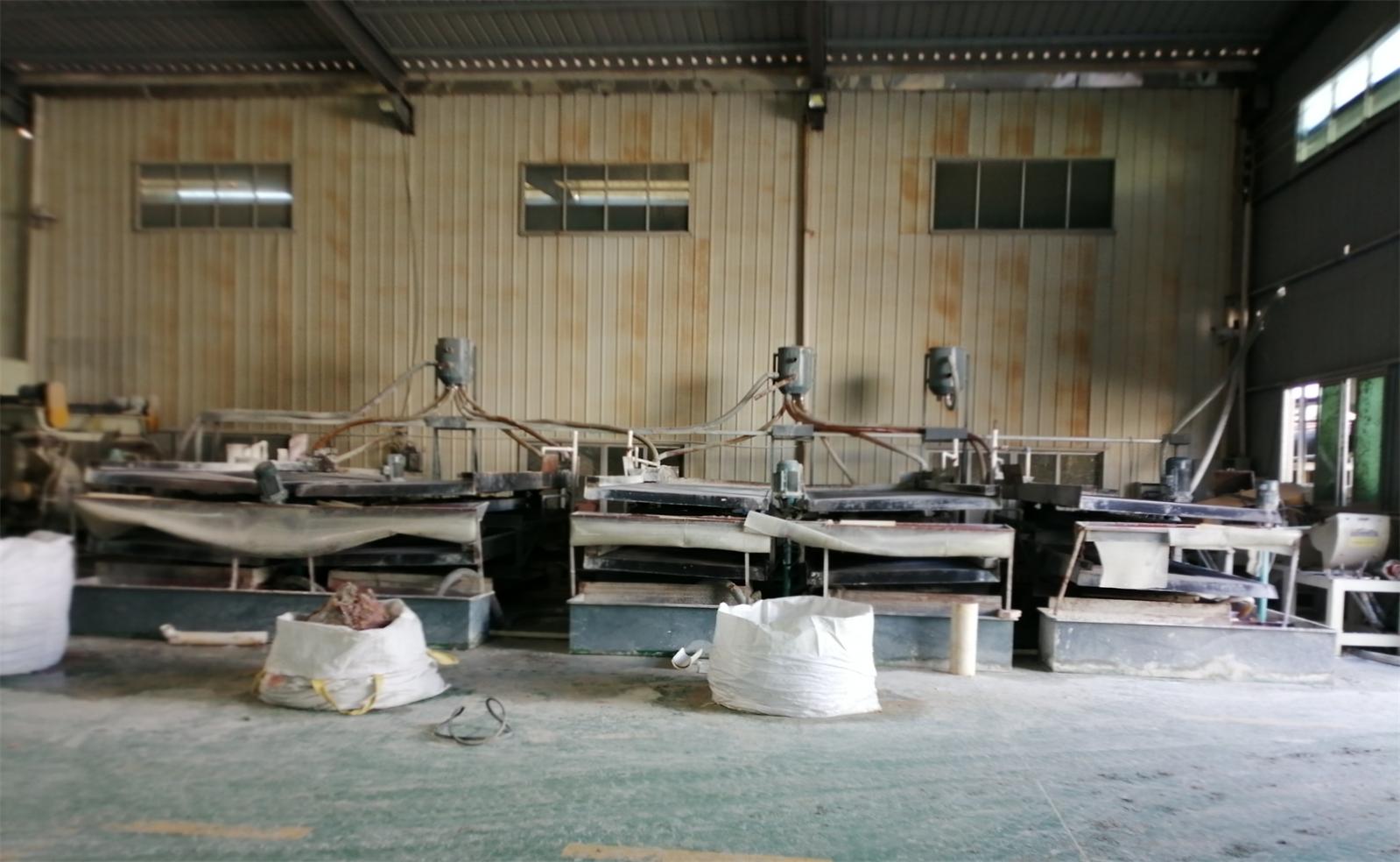
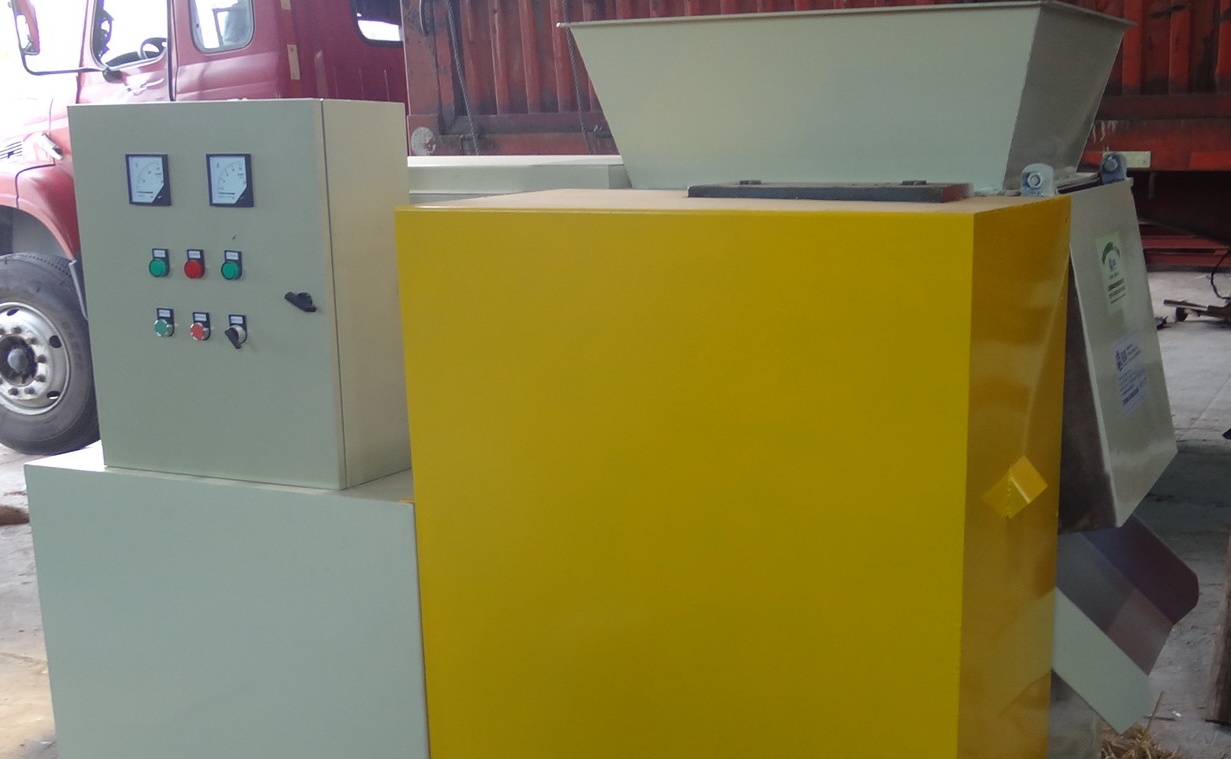
Here's a little-known secret: even after initial processing, a lot of lithium is left behind in tailings—the waste material from mining. With the right tailing ore extraction equipment , you can recover this "lost" lithium, boosting your overall yield and profitability. This equipment typically includes advanced separators, magnetic separators, and fine grinders that can process tailings into a concentrate.
For example, some suppliers offer centrifugal separators that use high-speed rotation to separate lithium particles from waste. Others use froth flotation, where chemicals make lithium particles stick to air bubbles, which are then skimmed off. The key is to find a supplier that can tailor this equipment to your tailings' specific characteristics—particle size, mineral content, and moisture levels all matter.
3. Lithium Crude Ore Processing Plant: From Ore to Concentrate
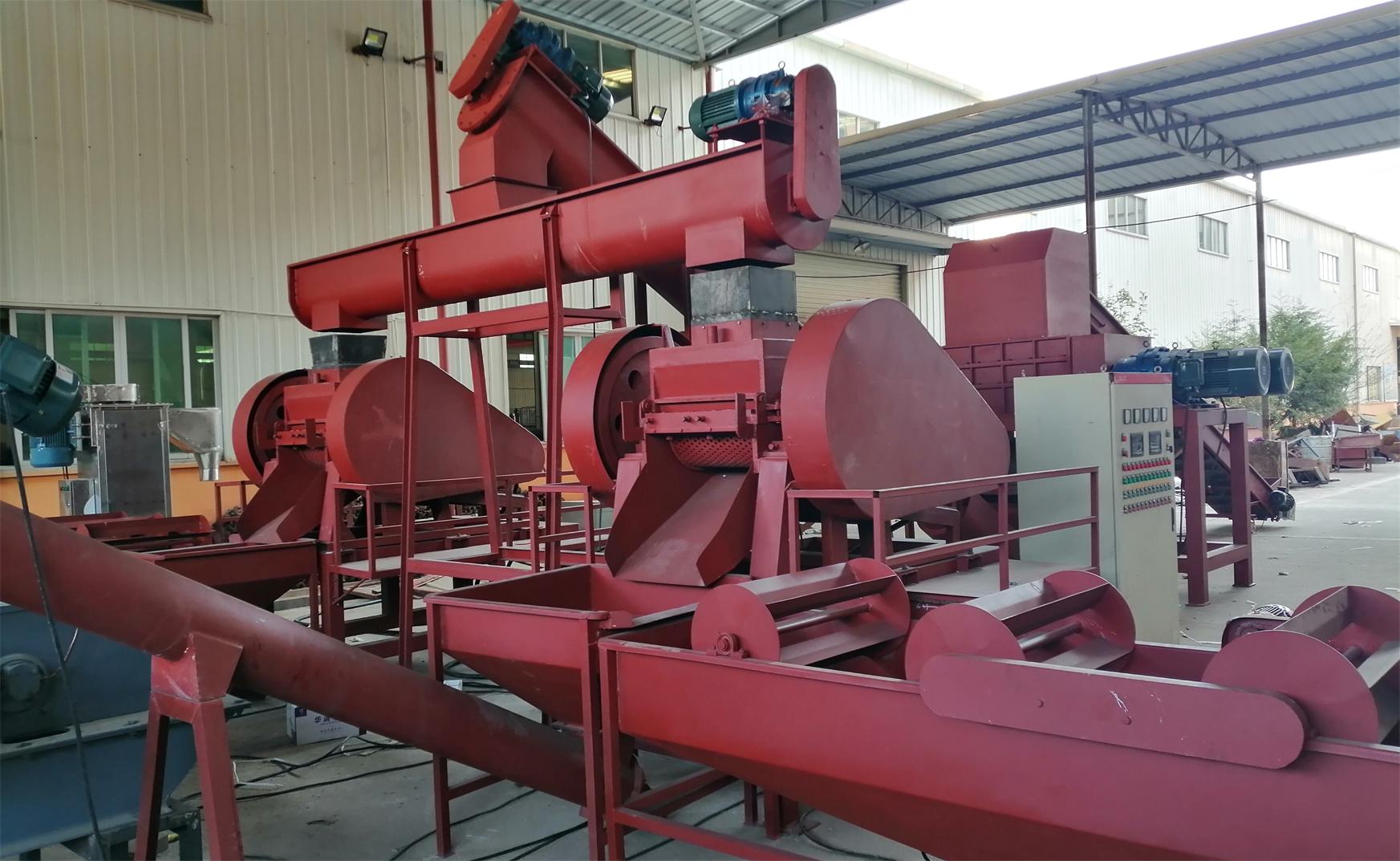
Once the ore is extracted, it needs to be processed into a concentrate—a lithium-rich material that can be further refined into battery-grade lithium. This is where a lithium crude ore processing plant comes in. These plants combine several stages: crushing (to reduce ore size), grinding (to turn it into powder), and concentration (to separate lithium from other minerals).
Let's take crushing first. A typical plant might start with a jaw crusher for primary crushing, then a cone crusher for secondary crushing, reducing ore from boulders to gravel-sized pieces. Grinding often uses ball mills—large rotating cylinders filled with steel balls that grind the ore into a fine powder. The concentration stage is where the magic happens: using physical or chemical methods to separate lithium minerals (like spodumene) from gangue (waste rock).
What should you ask suppliers about here? Look for details on energy efficiency (grinding is one of the most energy-intensive steps), water usage (critical in water-scarce regions), and recovery rates (how much lithium is actually extracted from the ore). A good supplier will provide data from pilot tests or existing plants, showing real-world results.
| Equipment Type | Primary Use | Key Features to Look For |
|---|---|---|
| Crude Ore Extraction Equipment | Extracting raw lithium ore from mines | Automation, durability, safety features, energy efficiency |
| Tailing Ore Extraction Equipment | Recovering lithium from mining waste (tailings) | Fine particle processing, high recovery rates, low water/energy use |
| Lithium Crude Ore Processing Plant | Turning ore into lithium concentrate | Modular design, scalability, compliance with U.S. environmental standards |
How to Evaluate Suppliers: 5 Questions to Ask
Now that you know what equipment you need, how do you choose the right supplier? It's easy to get dazzled by glossy brochures and sales pitches, but the best suppliers will answer these questions honestly:
1. "Can You Show Me References from U.S. Clients?"
There's a big difference between supplying equipment in, say, Australia and the U.S. Local regulations, labor laws, and even climate conditions (like extreme heat in Arizona or cold in Minnesota) can affect how equipment performs. A supplier with U.S. clients can provide case studies, contact information for references, and proof that their equipment works in real-world American settings.
2. "What Kind of After-Sales Support Do You Offer?"
Equipment breaks down—that's a fact. What matters is how quickly your supplier can get you back up and running. Ask about local service centers, response times (24-hour support is ideal), and availability of spare parts. Some suppliers even offer remote monitoring, where sensors in the equipment alert them to potential issues before they cause downtime.
3. "How Do You Handle Environmental Compliance?"
The EPA doesn't mess around when it comes to mining and processing waste. Your supplier should be able to walk you through how their equipment reduces water usage, minimizes waste, and controls emissions. For example, dry processing equipment might be better for water-scarce areas, while wet processing could be more efficient but requires robust water treatment systems. A good supplier will help you balance efficiency with compliance.
4. "Can You Customize the Plant to My Ore Type?"
Not all lithium ore is the same. Spodumene (hard rock) requires different processing than lepidolite or lithium clays. A supplier that offers one-size-fits-all equipment is a red flag. Instead, look for a team that will analyze your ore samples, run test batches, and design a plant tailored to your specific deposit. This might cost more upfront, but it will save you money in the long run by maximizing recovery rates.
5. "What's Your Timeline for Delivery and Installation?"
The lithium market moves fast. A delay of six months could mean missing out on a profitable contract or falling behind competitors. Ask for a detailed timeline, including manufacturing, shipping, installation, and commissioning. Be wary of suppliers who promise unrealistic deadlines—quality equipment takes time to build and install properly.
The U.S. Market: Challenges and Opportunities
Let's talk about the elephant in the room: the U.S. is playing catch-up in lithium processing. For years, most lithium was processed overseas, but the Inflation Reduction Act (IRA) has changed the game. The IRA offers tax credits for domestic production, making it more profitable to build processing plants stateside. This has led to a surge in demand for local suppliers—but it's also created challenges.
One challenge is the shortage of skilled labor. Operating a lithium processing plant requires workers trained in mineral processing, automation, and maintenance. Some suppliers offer training programs for your staff, which is a huge plus. Another challenge is supply chain delays. Many components for processing equipment are made overseas, so look for suppliers with domestic manufacturing facilities or strong relationships with U.S.-based parts suppliers.
But the opportunities are massive. With the IRA's incentives, the demand for lithium is only going to grow. By partnering with the right supplier now, you can position yourself as a key player in the U.S. lithium supply chain. Plus, there's growing interest in "ethical lithium"—processing that's environmentally friendly and supports local communities. Suppliers that prioritize sustainability (like using renewable energy to power their equipment or recycling water in processing) can help you market your lithium as a responsible choice, appealing to EV makers and battery companies focused on ESG goals.
Case Study: A Small Mine's Success with the Right Supplier
Let's look at a hypothetical example (but one based on real scenarios). A small mining company in Nevada had a spodumene deposit but struggled to find a processing plant that fit their budget and met EPA standards. They initially considered an overseas supplier offering a low-cost, pre-fabricated plant, but after visiting the supplier's U.S. reference site, they realized the equipment wasn't designed for the high-altitude, dry conditions in Nevada.
Instead, they partnered with a domestic supplier that specialized in hard rock lithium processing. The supplier analyzed their ore samples, recommended a modular plant with crude ore extraction equipment optimized for spodumene, and added tailing ore extraction equipment to recover lithium from waste. The plant was designed with a dry processing system to minimize water use (critical in Nevada's desert climate) and included a dust collection system to meet EPA air quality standards.
The result? The mine started processing 500 tons of ore per day, with a recovery rate of 75%—higher than the industry average for small mines. Within a year, they expanded to 1,000 tons per day using the plant's modular design, and the tailing extraction equipment added an extra 10% to their lithium output. Today, they supply a major battery manufacturer and have become a go-to example of sustainable, domestic lithium processing.
Wrapping Up: Your Next Steps
Finding the right lithium ore processing plant supplier in the U.S. is a journey, but it's one that's well worth the effort. Start by clearly defining your needs: ore type, production goals, budget, and environmental requirements. Then, research suppliers with a track record in U.S. projects, ask tough questions about customization and support, and don't be afraid to visit their reference sites.
Remember, this isn't just a purchase—it's a partnership. The supplier you choose will be with you through the design, installation, and operation of your plant. They'll help you navigate regulations, troubleshoot issues, and adapt as your business grows. In a market as competitive and fast-moving as lithium, that partnership could be the difference between success and failure.
So, take your time, do your homework, and don't settle for anything less than a supplier that understands your vision. With the right team by your side, you'll be well on your way to turning lithium ore into the next generation of clean energy.