The Lithium Battery Recycling Opportunity
As the world transitions to cleaner energy, lithium-ion batteries have become the backbone of modern technology. From electric vehicles to portable electronics and grid-scale energy storage, demand for lithium batteries continues to skyrocket. However, these batteries contain valuable materials including lithium, cobalt, nickel, and copper that can be recovered and reused through proper recycling processes.
Industry projections indicate that the global lithium battery recycling market will experience substantial growth through 2030. This creates a significant opportunity for entrepreneurs and established recycling companies to invest in specialized li battery recycling equipment and capture value from what many still consider waste.
Core Components of a Lithium Battery Recycling Plant
A complete lithium battery recycling operation requires several integrated systems working together to safely process waste batteries and recover valuable materials. Understanding these components is essential when evaluating equipment options for your facility.
Breaking and Separation Systems
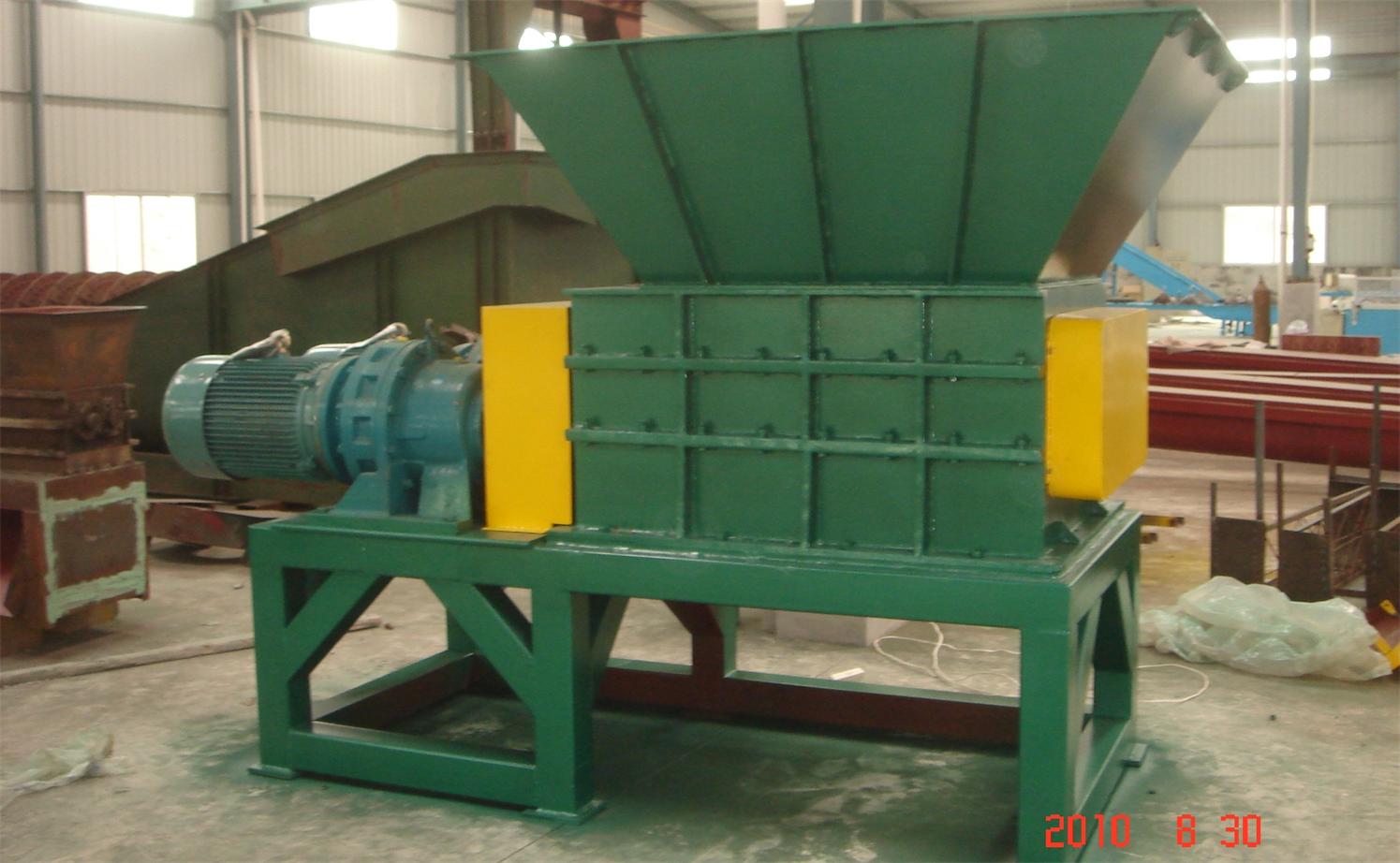
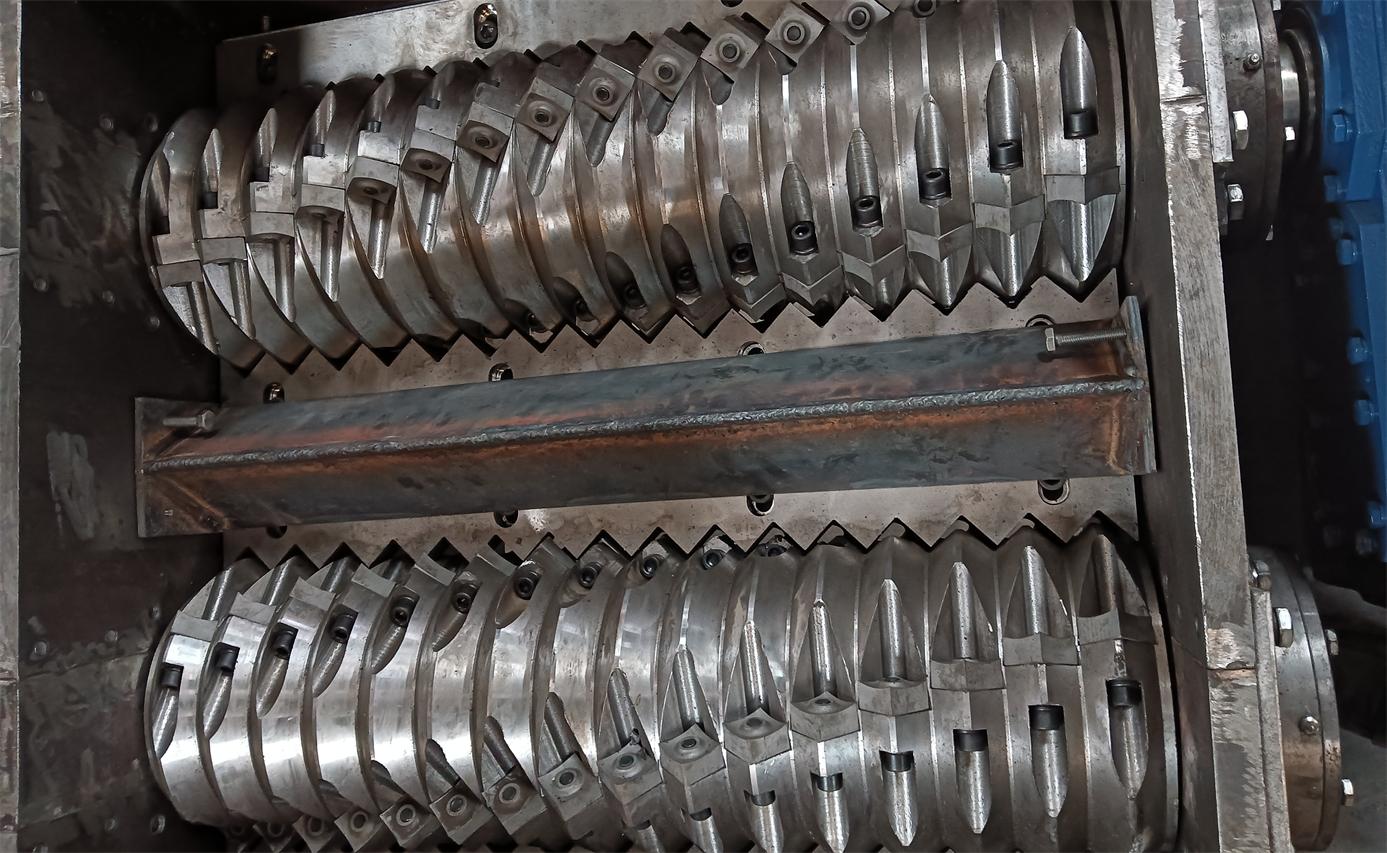
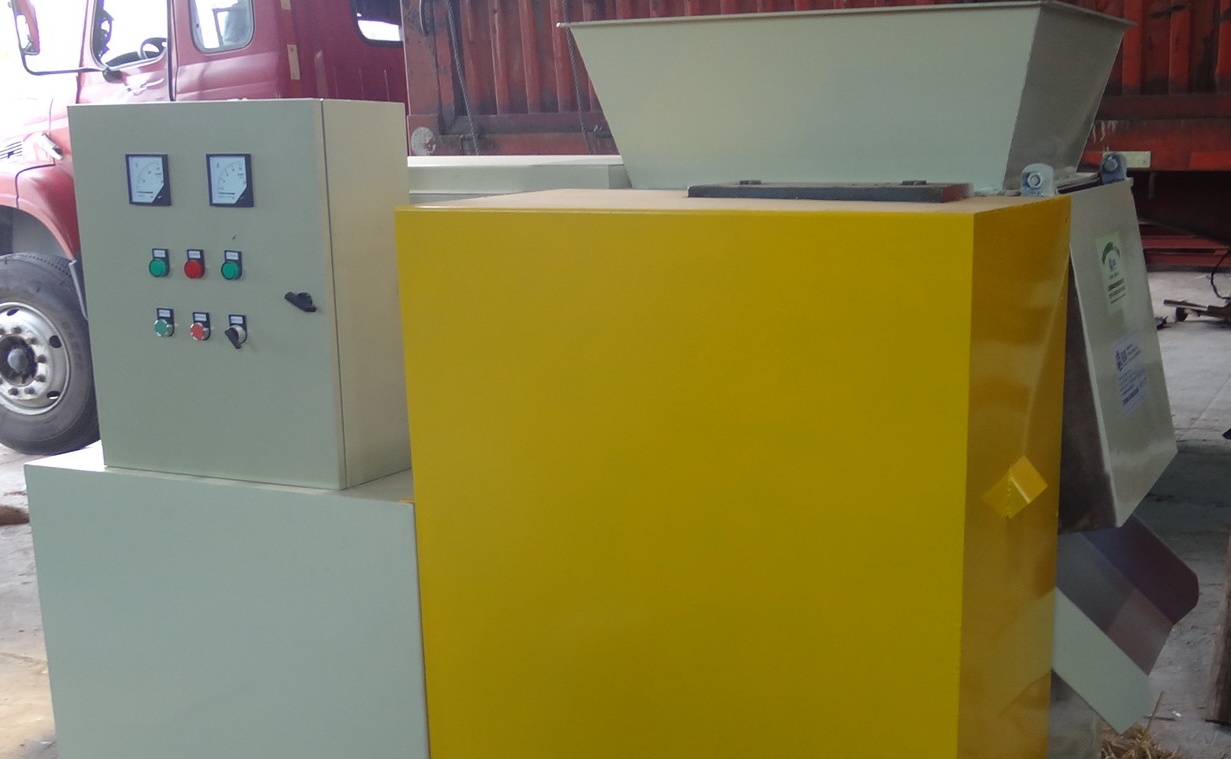
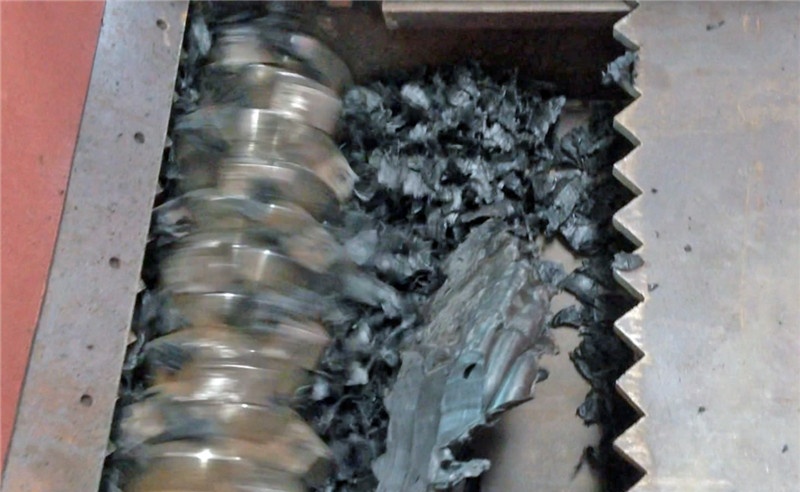
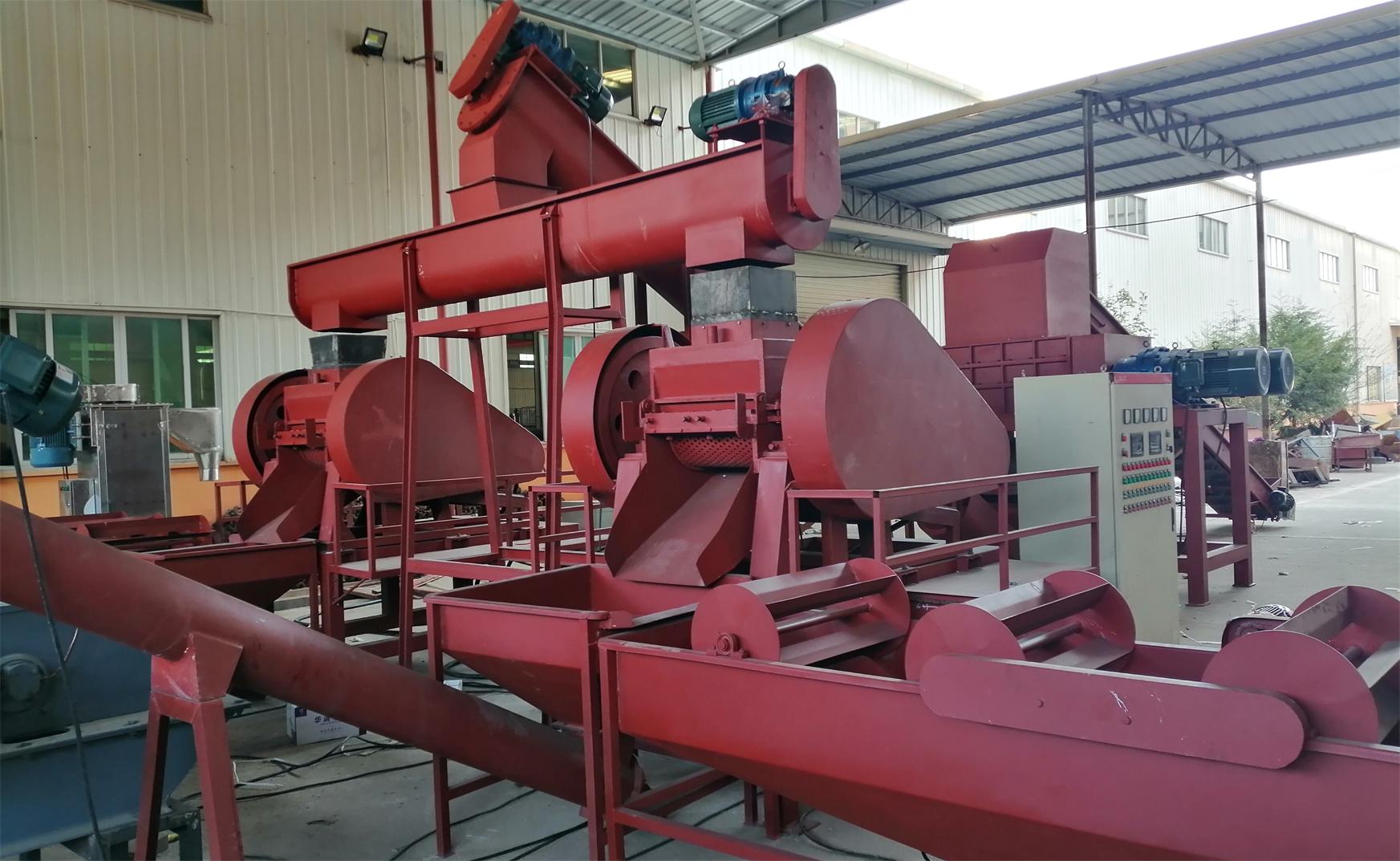
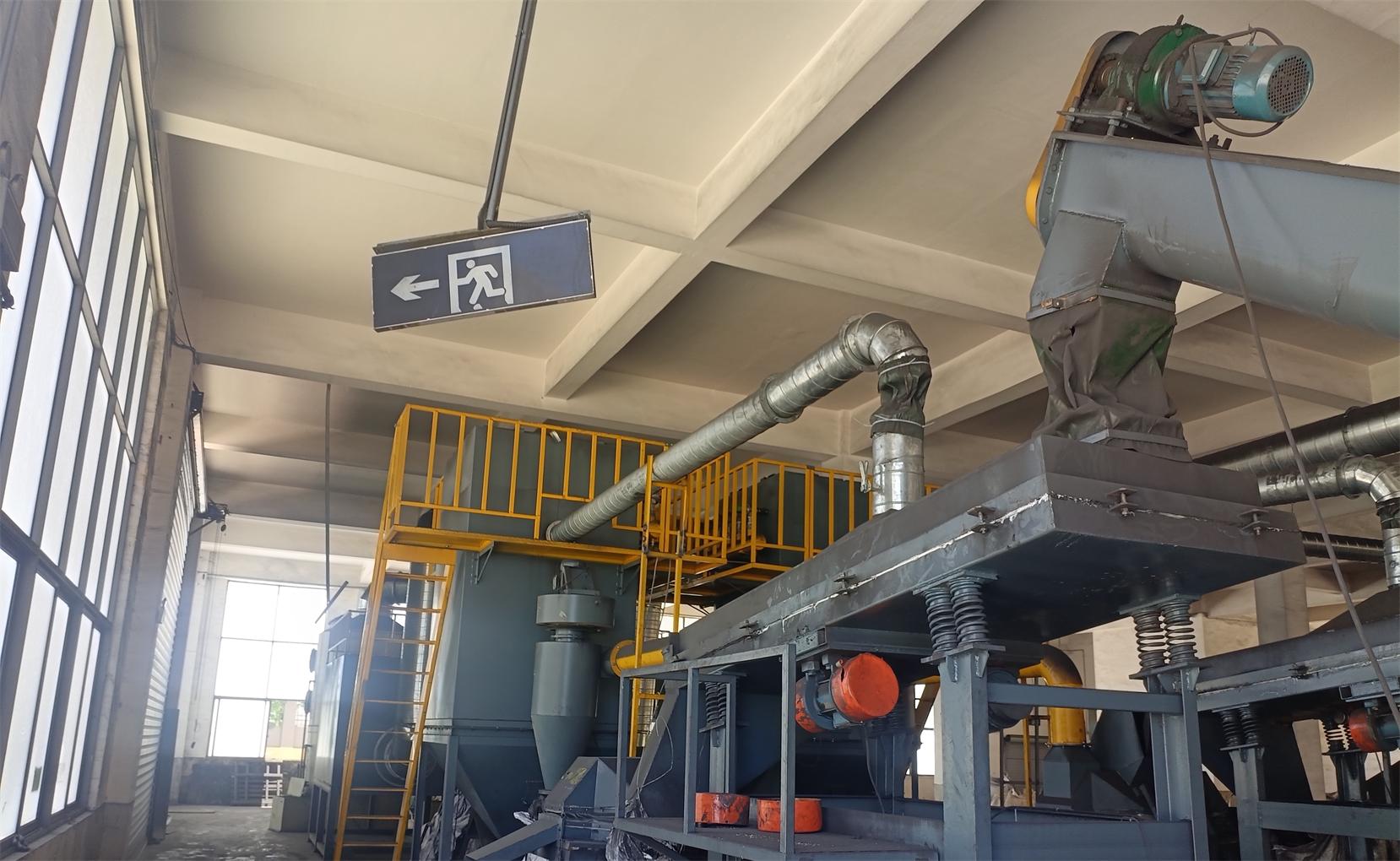
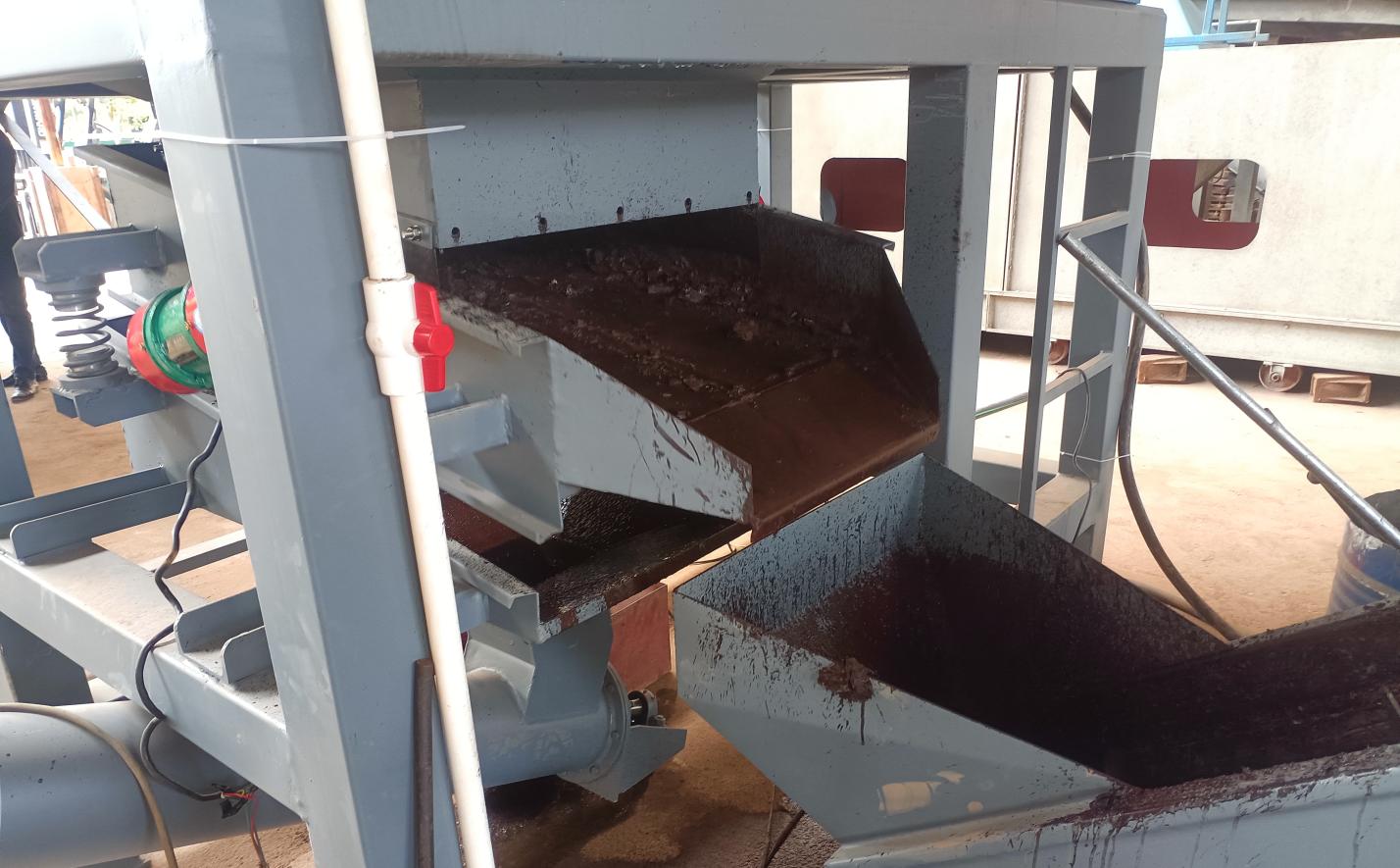
The heart of any lithium battery recycling plant is the breaking and separation system. This equipment safely dismantles waste lithium batteries and separates the constituent materials. Modern systems can process between 500 and 2500 kg per hour, recovering black mass containing nickel, cobalt, and graphite, along with plastic, copper, and aluminum fractions.
Advanced breaking and separation lines typically include discharging units, pre-crushing equipment, secondary granulation systems, and specialized separation technology for black powder recovery. Magnetic separation removes iron and steel contaminants, ensuring the purity of recovered materials.
Air Pollution Control Systems
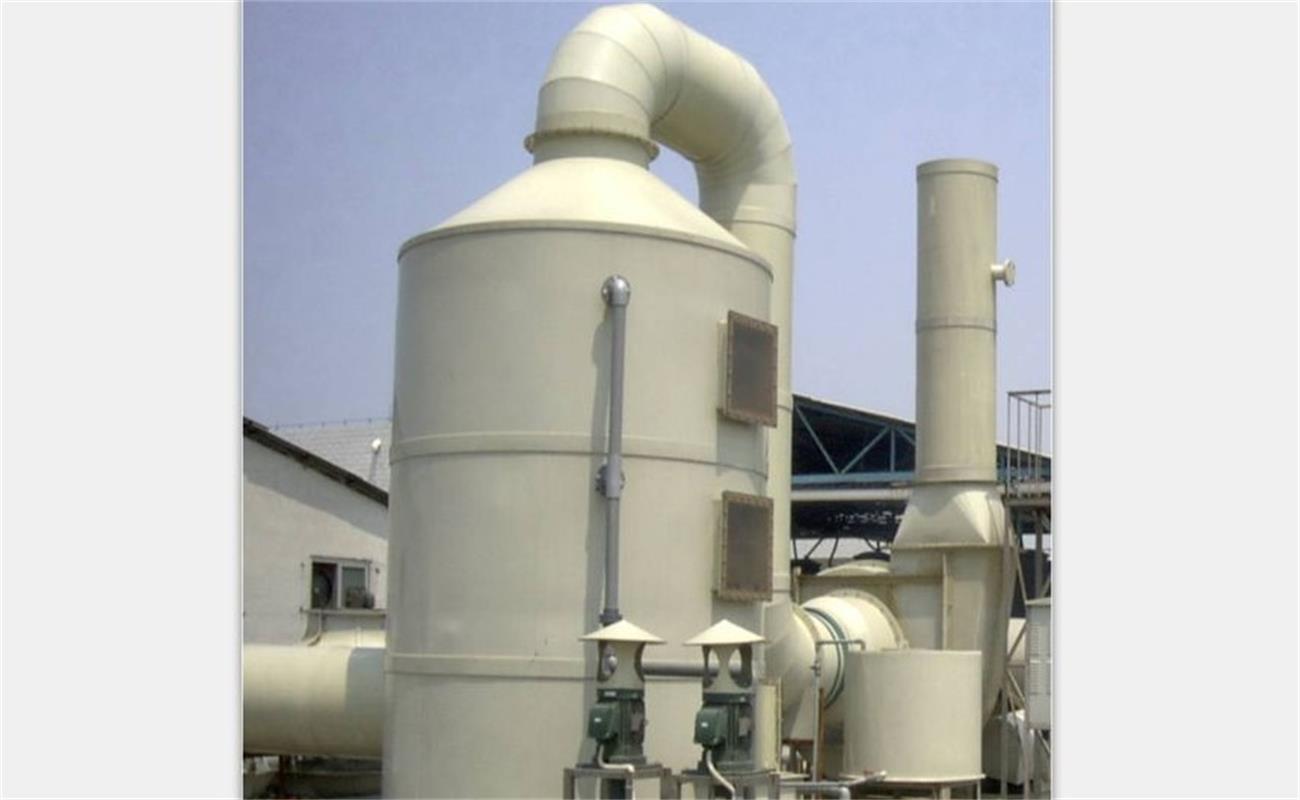
Lithium battery recycling generates potentially harmful gases during the crushing and separation process. A properly designed air pollution control system absorbs and neutralizes these emissions before they reach the atmosphere. This is not merely an environmental compliance issue but a critical safety requirement for protecting workers and surrounding communities.
Material Handling and Processing Equipment
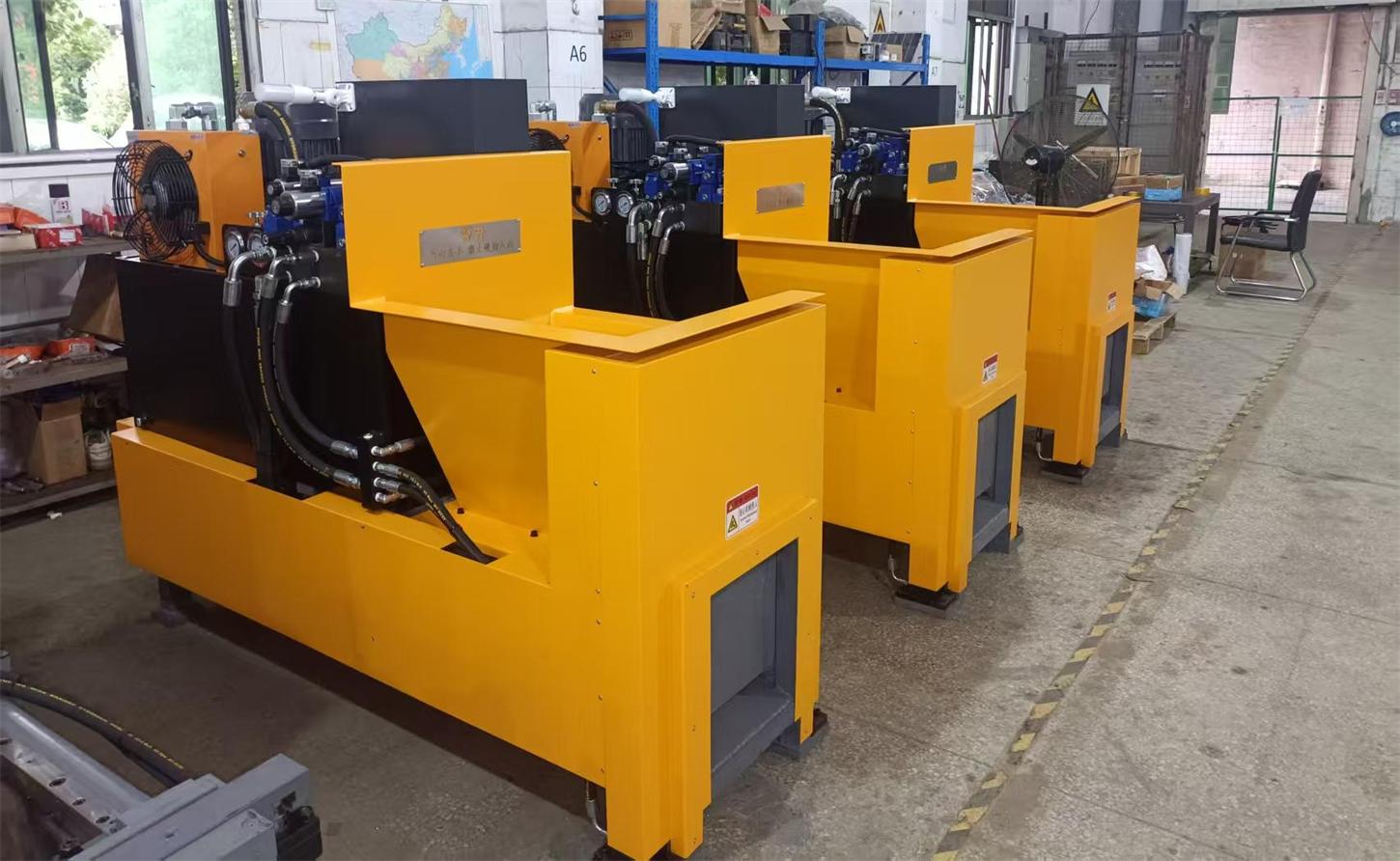
Beyond the core recycling line, successful operations require supporting equipment. Plastic pneumatic conveying systems collect separator film from the recycling process and feed it into hydraulic briquetting equipment. These briquetters compress plastic film into dense blocks with volume compression ratios reaching 10:1, significantly reducing storage and transportation costs.
Lead Acid Battery Recycling: The Established Market
While lithium batteries represent the fastest-growing segment, lead acid battery recycling remains a massive and profitable market. Used lead acid batteries contain valuable lead, plastic, and acid that can be recovered and reused. A complete lead acid battery recycling equipment setup typically includes breaking and separation systems, smelting furnaces, refinery equipment, and pollution control systems.
Modern lead acid battery recycling plants can achieve processing capacities of 1-10 metric tons per hour, separating batteries into lead grid, lead paste, plastic components, and acid. Advanced smelting equipment including rotary furnaces and blast furnaces can achieve lead recovery rates of 95% or higher, with refinery kettles producing lead of 99.999% purity.
- Breaking and separation systems (1-10 MT/hour capacity)
- Rotary furnaces for paste reduction (2-20 MT/batch)
- Blast furnaces with 95% lead recovery rate
- Lead refinery kettles achieving 99.999% purity
- Air pollution control and water treatment systems
- De-sulfurization units for energy savings and emission reduction
Circuit Board Recycling: Recovering Precious Metals
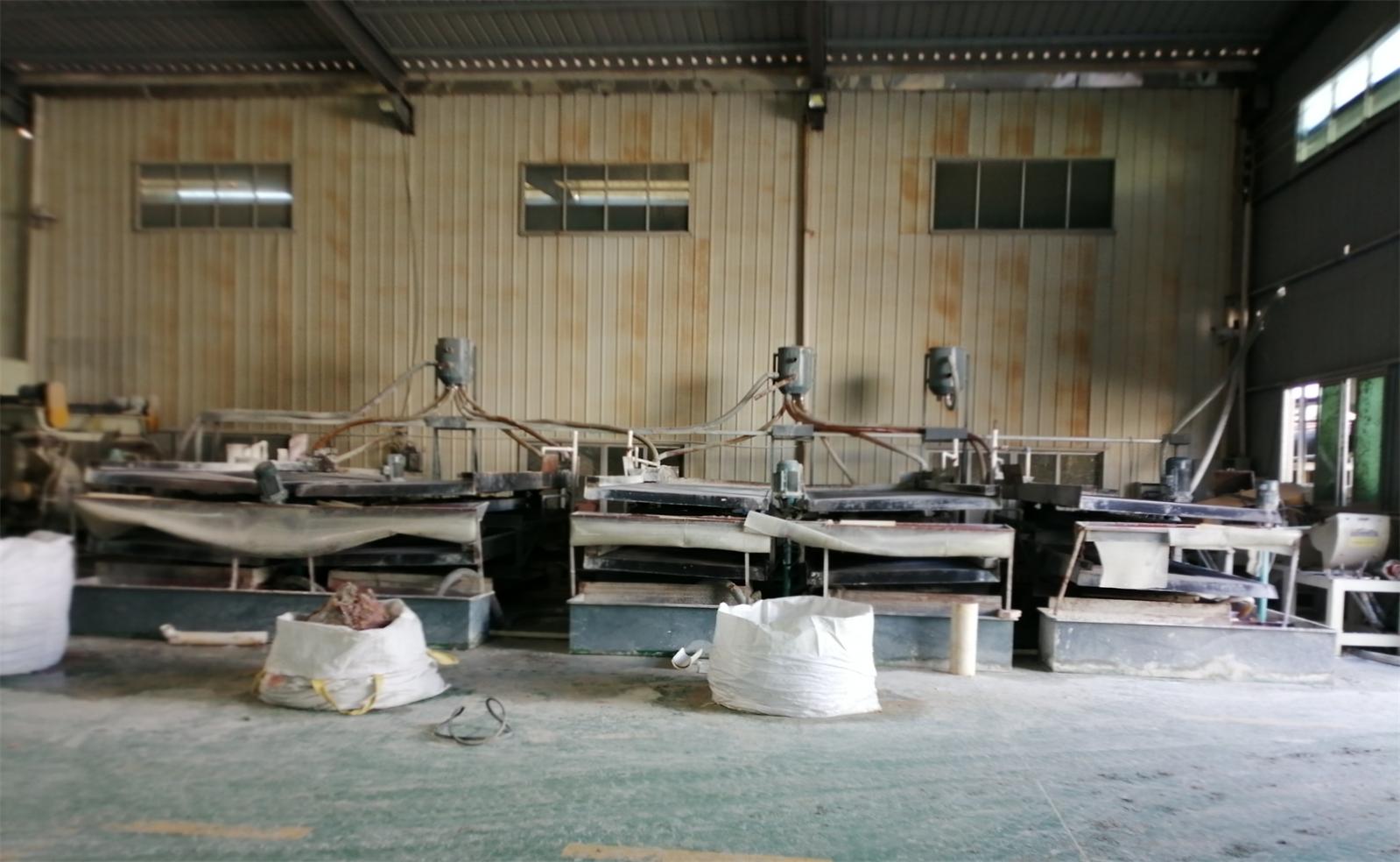
Printed circuit boards represent one of the most valuable e-waste streams due to their copper content and trace precious metals. Professional circuit board recycling equipment employs either dry or wet separation technologies to recover copper powder with purity levels of 96-98%.
Dry separation plants utilize air separators, vibrating screens, and electrostatic separation, while wet separation systems employ water-based metal separation for even higher recovery rates. Capacities range from 300 kg/hour for smaller operations to 2000 kg/hour or more for industrial-scale facilities. Modern systems can process PCB waste with components still attached, making them highly versatile for mixed e-waste streams.
What to Look for in a Recycling Equipment Supplier
Selecting the right equipment partner is as important as choosing the equipment itself. The ideal supplier offers more than just machinery; they provide comprehensive support throughout your project lifecycle. Here are critical factors to evaluate:
Technical Expertise and Experience
Look for suppliers with deep technical knowledge and proven experience in e-waste recycling. The best partners have engineering teams with advanced degrees and over 15 years of hands-on experience designing, building, and commissioning recycling plants. This expertise ensures your equipment is properly specified for your specific feed materials and production targets.
Turnkey Project Capabilities
Building a recycling plant involves far more than installing equipment. Seek suppliers capable of delivering true turnkey solutions including customized design, equipment supply, installation, commissioning, and operator training. EPC (Engineering, Procurement, Construction) experience indicates a supplier can manage complex projects from concept to operational reality.
After-Sales Support and Spare Parts Availability
Recycling equipment operates in demanding conditions and requires ongoing maintenance. Reliable after-sales support, readily available spare parts, and responsive technical assistance minimize costly downtime. The best suppliers maintain international service networks to support customers across multiple continents.
Proven International Track Record
A supplier with installations in 20+ countries demonstrates their ability to meet diverse regulatory requirements, climate conditions, and operational standards. International experience also suggests the supplier understands cross-cultural business practices and can communicate effectively across language barriers.
Beyond Equipment: Value-Added Services
Leading recycling equipment suppliers differentiate themselves through comprehensive value-added services that extend far beyond machinery supply. These services can significantly accelerate your path to profitability.
Material sourcing assistance helps new operations secure reliable feedstock supply by connecting them with waste material suppliers. This is particularly valuable for lead acid battery recycling, circuit board recycling, and cable recycling ventures where consistent raw material supply directly impacts profitability.
Product offtake support represents another critical service. Experienced suppliers help customers sell recovered materials including copper rice, copper powder, lead ingots, and plastic fractions. Established relationships with metal traders and refineries ensure fair pricing and reliable demand for your recovered outputs.
For entrepreneurs seeking to enter the recycling industry but lacking capital for full equipment purchase, some suppliers facilitate investment partnerships. These arrangements connect recycling plant projects with investors seeking exposure to the growing circular economy sector.
Getting Started with Your Recycling Project
Launching a successful battery or e-waste recycling business requires careful planning and the right partnerships. Begin by thoroughly researching your target market, understanding local regulations, and identifying reliable sources of waste material feedstock.
Engage with experienced equipment suppliers early in your planning process. Their technical expertise can help you avoid costly mistakes in equipment selection, plant layout, and process design. Request detailed proposals that include equipment specifications, layout drawings, installation timelines, and training programs.
Consider starting with a feasibility study or pilot project to validate your business model before committing to full-scale investment. Many successful recycling operations began modestly and expanded capacity as market demand and operational experience grew.
San Lan Technologies Co., Ltd has been a trusted manufacturer of WEEE recycling machines and mining equipment since 2007. With customers in 21+ countries across Singapore, Colombia, Vietnam, Mexico, Argentina, Korea, Malaysia, and beyond, we bring proven international expertise to every project.
Our comprehensive product range includes lead acid battery recycling equipment, li battery recycling equipment, circuit board recycling equipment, cable recycling machines, shredders, and complete turnkey recycling plants. Our master-degree engineering team with 15+ years of experience provides professional technical support, customized design, installation, and commissioning services.
We go beyond equipment supply to offer genuine partnership including waste material sourcing assistance, product offtake support, and investment facilitation for recycling plant construction. Contact us today to discuss your project requirements and discover how San Lan Technologies can help transform your recycling vision into a profitable reality.
Contact Information:
Email: info@san-lan.com
WhatsApp: +86 139 2377 4083
Website: www.san-lan.com