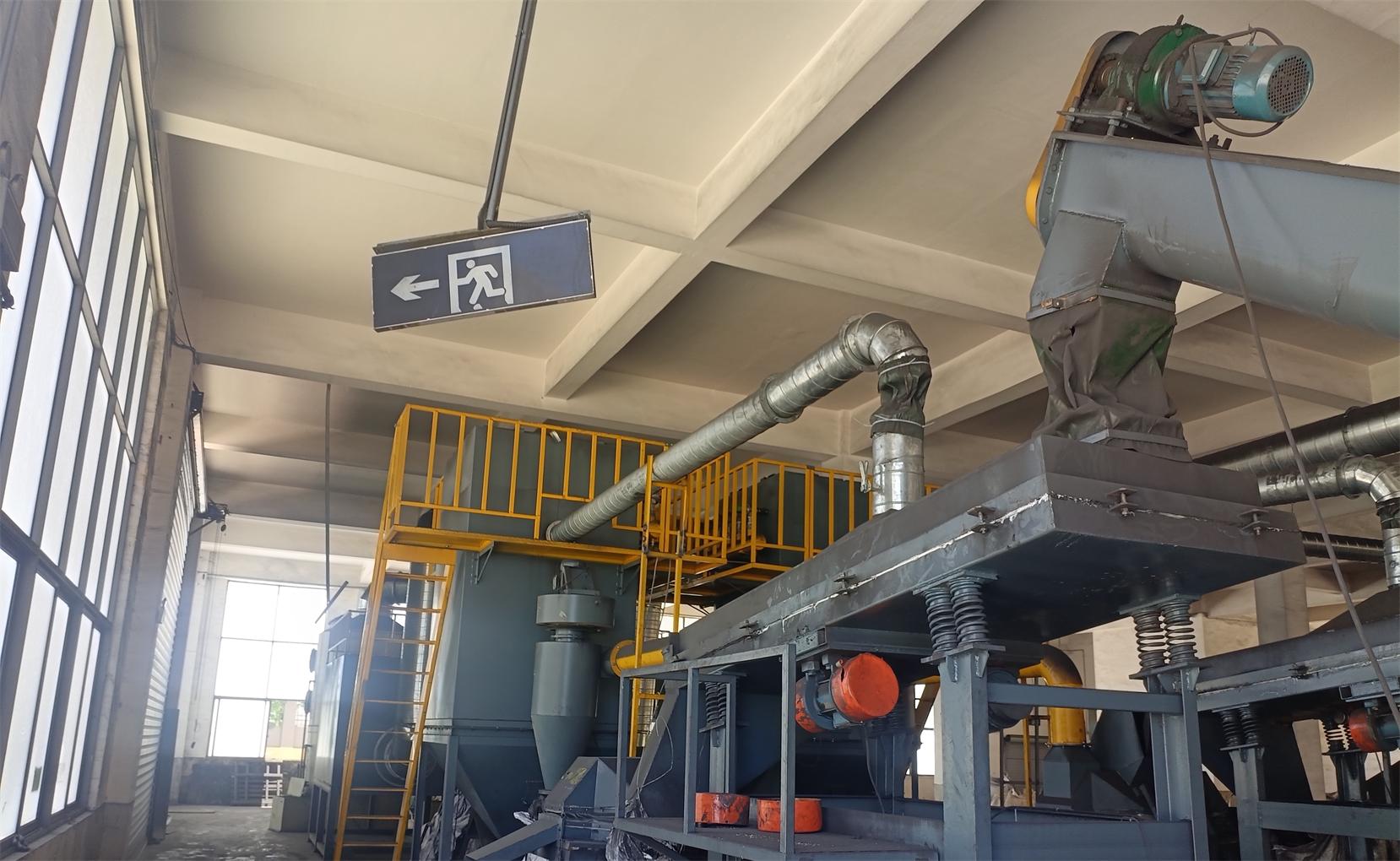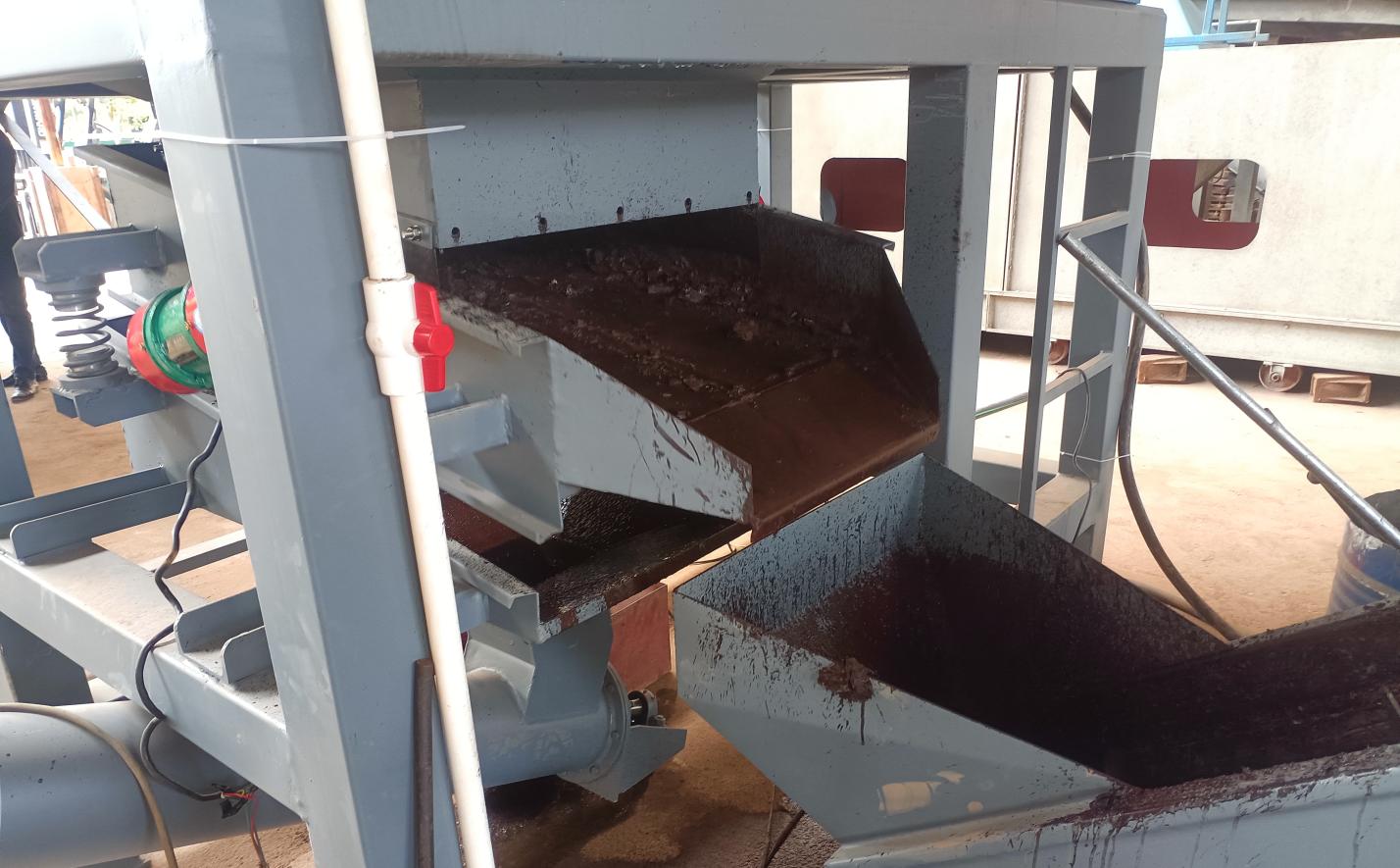
Walking into any modern foundry, you'll feel the intense energy radiating from those massive industrial melting furnaces. The heat, the molten metal glow, the rhythmic hum of power – it's both awe-inspiring and slightly terrifying. Because beneath this impressive industrial ballet lies a danger every operator knows too well: the nightmare scenario of furnace leakage.
When a furnace leaks, it's not just about downtime or financial loss. We're talking about potential catastrophes where tons of molten metal could escape containment. The human cost doesn't bear thinking about – severe injuries, fatalities, and entire facilities at risk. That sickening dread of "what if" is what keeps safety engineers up at night.
The reality is grim: most traditional safety approaches treat leakage like an unavoidable accident rather than a preventable failure. Sensors are bolted on as afterthoughts, warning systems lack predictive intelligence, and structural designs haven't fundamentally evolved in decades. But what if we could engineer out the danger? That's exactly where the breakthrough double-layer furnace architecture changes everything.
Why Furnace Safety Can't Be An Afterthought
Conventional furnace safety operates on two flawed assumptions. First, that leakage is inevitable so we just need better containment. Second, that operators can react quickly enough to prevent disasters once leakage starts. Both are dangerously misguided.
The Physics of Failure
Medium frequency furnaces fail in predictable patterns. Thermal cycling stresses refractory materials until micro-cracks develop. Molten metal penetration then accelerates corrosion through a phenomenon called "washing erosion." Temperatures exceeding 1500°C turn small weaknesses into cascading failures faster than any human can respond.
Real-World Scars
The 2018 Anhui incident demonstrates how quickly things unravel: 23 minutes from first temperature anomaly to 12 tons of molten iron breaching containment. Investigators found the single-layer structure offered zero failure redundancy. Tragically common – 78% of major furnace accidents involve progressive structural failure that detection systems caught too late.
The Double-Layer Revolution
Instead of just bolting sensors onto old designs, we've rethought furnace architecture from the ground up. The double-layer approach isn't just an extra wall – it's an integrated containment and intelligence system woven into the furnace DNA.
Structural Synergy
"It's like giving the furnace an immune system," explains Dr. Li Wen, materials lead at Xi'an FurnaceTech. "The structure doesn't just resist failure – it actively reports emerging issues while containing them. That fundamental mindset shift is what makes it revolutionary."
Where Traditional Sensing Fails
Most leakage detection focuses on monitoring temperature at a few strategic points. This ignores critical realities:
| Traditional Approach | Double-Layer Solution |
|---|---|
| Sparse coverage: Average 3-5 sensors around furnace circumference | Distributed sensing: 152 measurement nodes throughout interstitial zone |
| Single parameter: Typically temperature-only monitoring | Multi-sensing matrix: Simultaneous thermal, pressure, acoustic, and gas analysis |
| Reactive: Alarms trigger only after material breach occurs | Predictive modeling: Identifies deterioration patterns before leakage initiation |
| Static thresholds: Fixed alarm triggers don't accommodate process variations | Adaptive algorithms: Learns normal furnace behavior signatures over 15+ parameters |
Beyond Sensors: The Digital Nervous System
Raw sensor data is meaningless without contextual intelligence. That's where our COMSOL-based simulation system creates revolutionary predictive power:
Phase Mapping: Unlike traditional systems, we create a virtual twin updated every 37 seconds through boundary condition inputs. This real-time thermal-stress model shows exactly where micro-failures are likely developing.
The system flags suspicious thermal diffusion patterns – not just absolute temperatures. It's the difference between noticing a fever versus recognizing the specific symptoms of infection. This approach identified refractory degradation in Shanghai Metalworks' #3 furnace 6 days before conventional systems alerted. The predictive accuracy exceeds 92% across diverse operating conditions.
When Technology Meets Reality
The most sophisticated safety system fails if operators don't understand or trust it. That's why we obsess over human-system integration:
Crisis Prevention Language
Instead of screaming alarms during emergencies, our interface speaks in actionable priorities:
Chen Bao, veteran furnace operator at Guangsteel, explains why this matters: "Old systems just screamed 'LEAKAGE!' while molten metal was already escaping. Now I get graduated warnings with clear action steps. Last month it correctly identified a problematic repair patch before our standard maintenance cycle."
Training That Sticks
Operators undergo quarterly VR simulations where subtle system warnings train pattern recognition. The focus isn't on memorizing instructions but developing intuitive understanding of failure progression. Team response times improved by 73% after implementation.
Where the Rubber Meets the Molten Metal
After 18 months of rigorous testing, the double-layer system has proven itself across diverse industrial melting furnace environments:
Case Study: Hengtong Copper Refining
Challenge: Constant thermal cycling from copper purity operations (1400°C → 900°C daily) caused recurring shell cracks. Previous quarterly rebuilds cost $230K downtime each.
Solution: Implemented double-layer system with customized refractory for high copper penetration resistance.
Outcome: Predictive analytics identified developing weak points during scheduled outages. Refractory lifespan increased from 3-4 months to 14 months continuous operation. ROI achieved in 9 months.
The system shines where conventional approaches fail hardest – in variable thermal environments like specialty alloy production or recycling operations. At Changzhou Non-Ferrous, furnace operators described how the system provides unexpected operational insights: "Seeing real-time thermal maps shows where our charging patterns create uneven stresses. We've optimized loading procedures to extend campaign life between relinings."
From Crisis Response to Precision Maintenance
Traditional furnace maintenance operates on fixed schedules or failure-based interventions – both economically inefficient and inherently risky.
Data-Driven Refractory Management
The system accumulates critical data points over each production campaign:
- Thermal history by quadrant
- Microstructural wear projections
- Chemical interaction mapping
- Stress concentration evolution
Instead of replacing entire refractory linings, repairs now target specific high-wear zones identified by the predictive model. Tangshan Steel reduced refractory costs by 62% while improving campaign safety.
The Quiet Shift
Perhaps the most profound change is psychological. Wang Jianguo, plant manager at Harbin Heavy Metals, describes it best: "For 20 years, every furnace rumble made my stomach tighten. That constant background anxiety is gone. Now when the system shows green, I actually trust it. That peace of mind changes how your whole team operates."
Where Do We Go From Here?
The current double-layer system represents just the foundation. Ongoing research focuses on three transformative frontiers:
Most exciting is the operational ecosystem developing around the system. With standardized data architecture, foundries are beginning to share anonymized furnace health data. This emerging industry database promises unprecedented insights into refractory performance and process optimization.
Beyond Safety – The New Normal
We've reached an inflection point in furnace safety technology. Treating leakage as an inevitable risk is no longer acceptable. The double-layer system proves that fundamentally redesigned architecture combined with sophisticated predictive analytics creates true prevention – not just faster disaster response.
This isn't about adding safety features. It's about baking resilience into the furnace's very structure. The result? Operators who sleep better, facilities that avoid ruinous shutdowns, and an industry where "leakage" becomes a historical curiosity rather than an ever-present threat.
As we implement these systems across global metal production, a quiet revolution unfolds: molten metal operations where safety isn't a cost center but a competitive advantage; foundries where catastrophic failure fears fade into operational excellence; and fundamentally, families who know their loved ones come home safely after every shift. That's the real breakthrough no patent can fully capture.