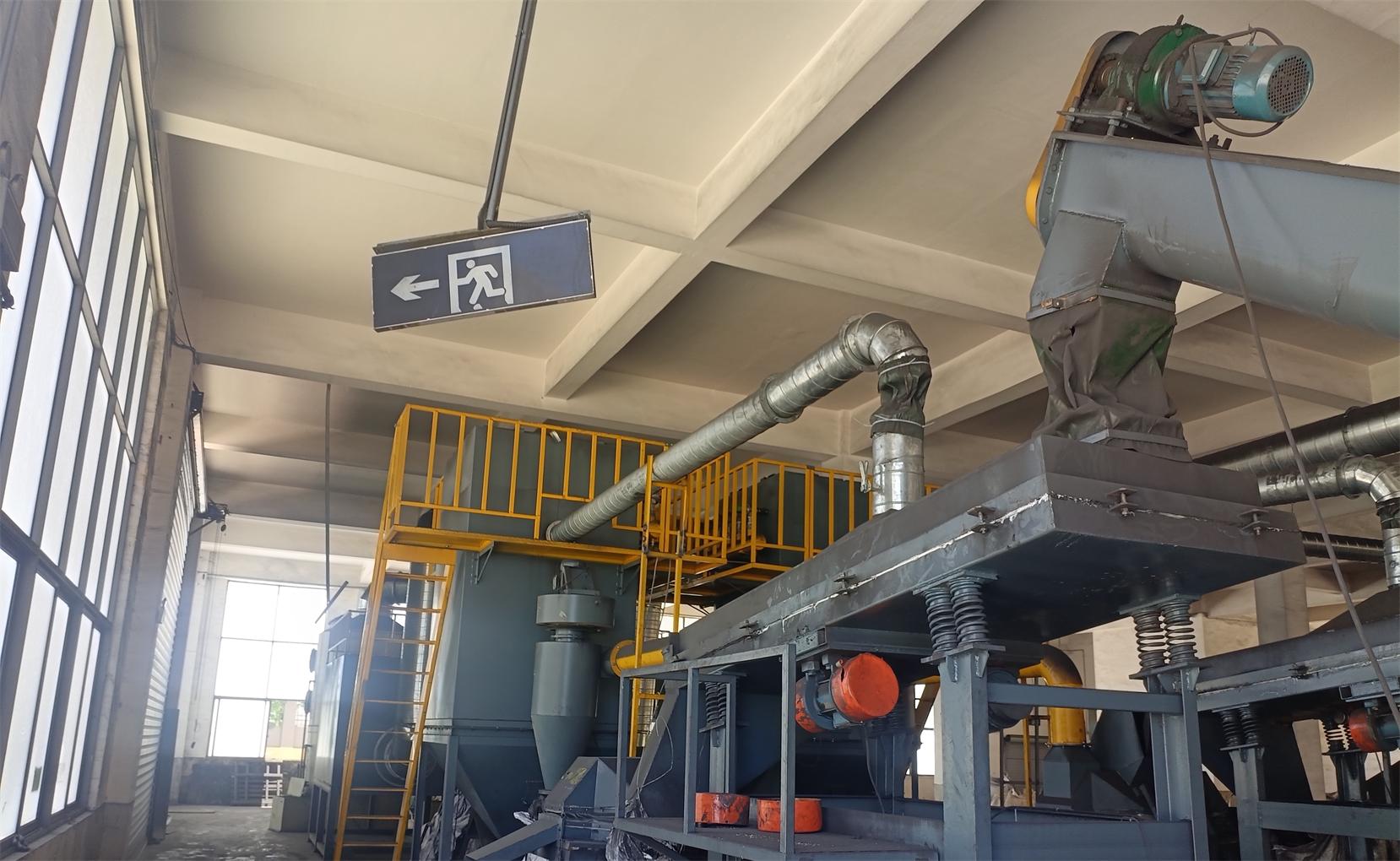
Two recycling entrepreneurs visit the same trade show in Guangzhou. Both want to build a formal lead acid battery recycling plant. One signs an equipment contract based on a brochure price and a handshake. The other spends two hours asking about blade hardness, effluent treatment flow rates, and whether the supplier has installed plants in countries with similar emission rules. Three years later, the first is fighting corrosion leaks and regulatory fines. The second is expanding capacity.
The difference was not capital. It was the quality of the questions asked before the purchase order.
Why Lead-Acid Recycling Remains a Solid Entry Point
Lead-acid batteries still power the vast majority of backup systems, forklifts, automotive starters, and industrial UPS units worldwide. Every one of those batteries eventually dies. Unlike lithium-ion, where the recycling technology and pricing are still volatile, lead-acid recycling is a mature industry with predictable economics.
A well-run lead acid battery recycling plant can recover 95% of the lead content, plus polypropylene plastic and sulfuric acid by-products. The process technology — breaking, separation, smelting, and refining — has been refined over decades. That maturity means lower technical risk for new entrants and a shorter learning curve.
For investors in emerging markets, this stability matters more than chasing the latest chemistry headline.
The Core Equipment Line-Up
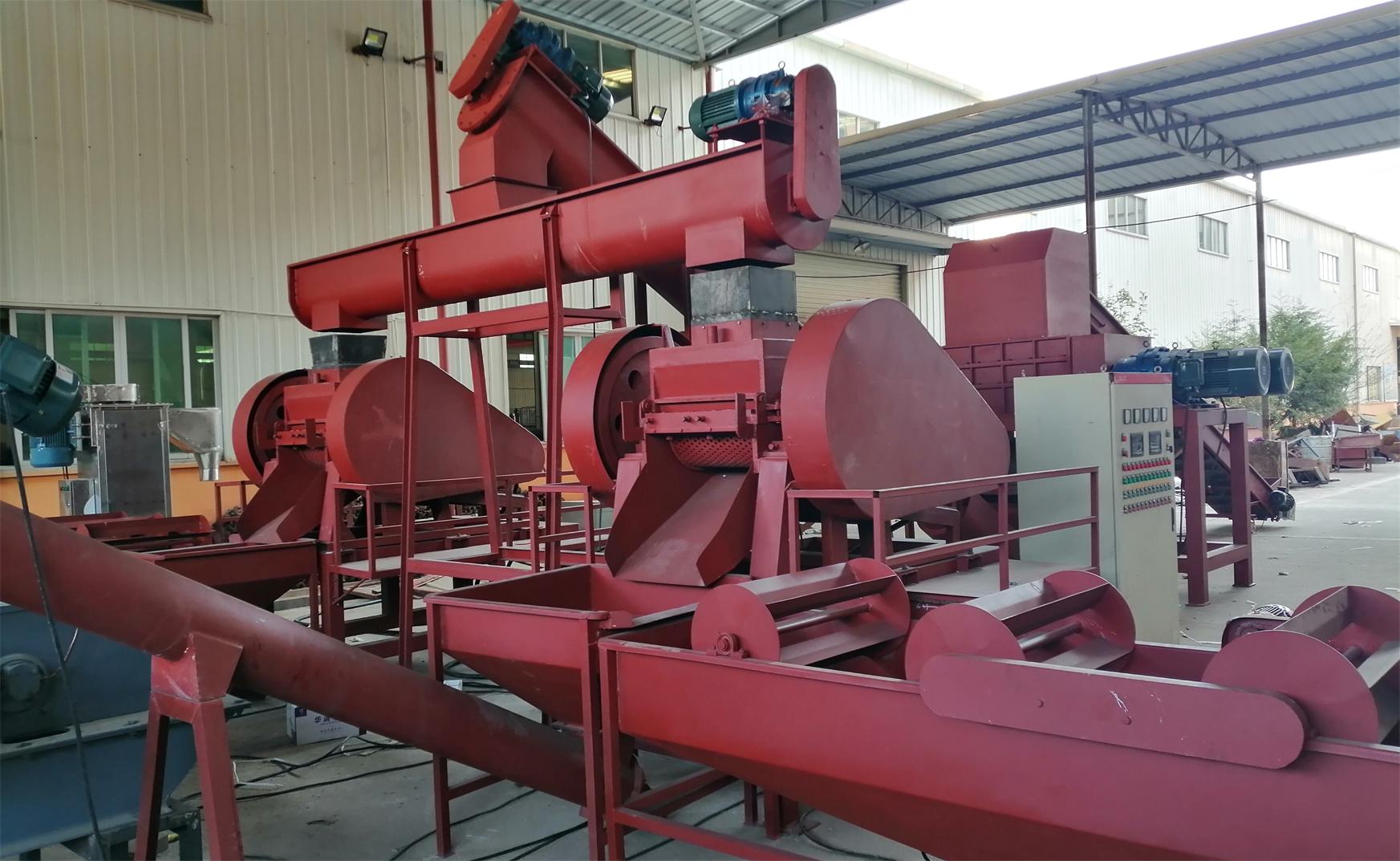
A complete lead acid battery recycling equipment line is not a single machine. It is a coordinated system of specialized units, each handling one stage of the material transformation.
1. Battery Breaking and Separation System
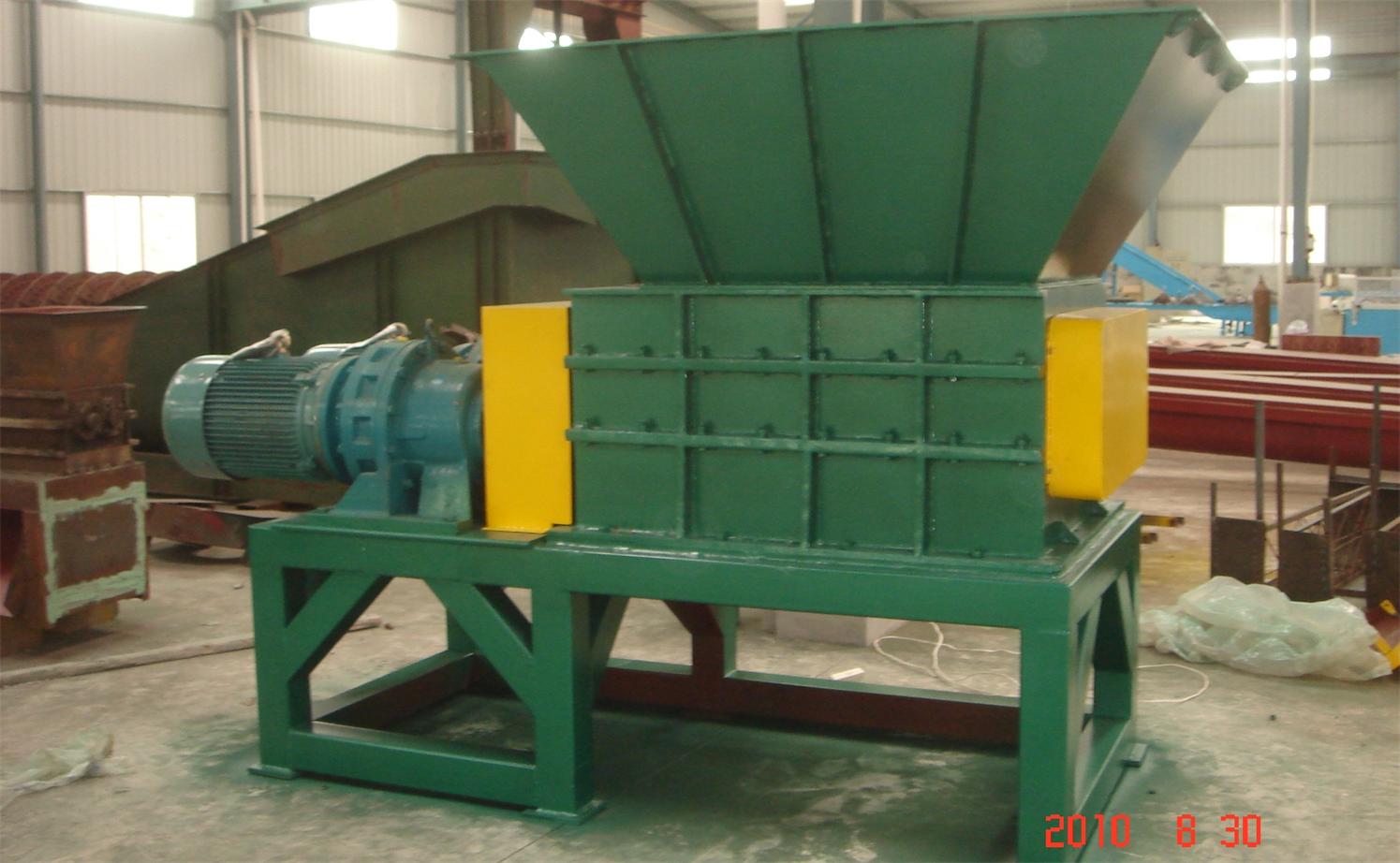
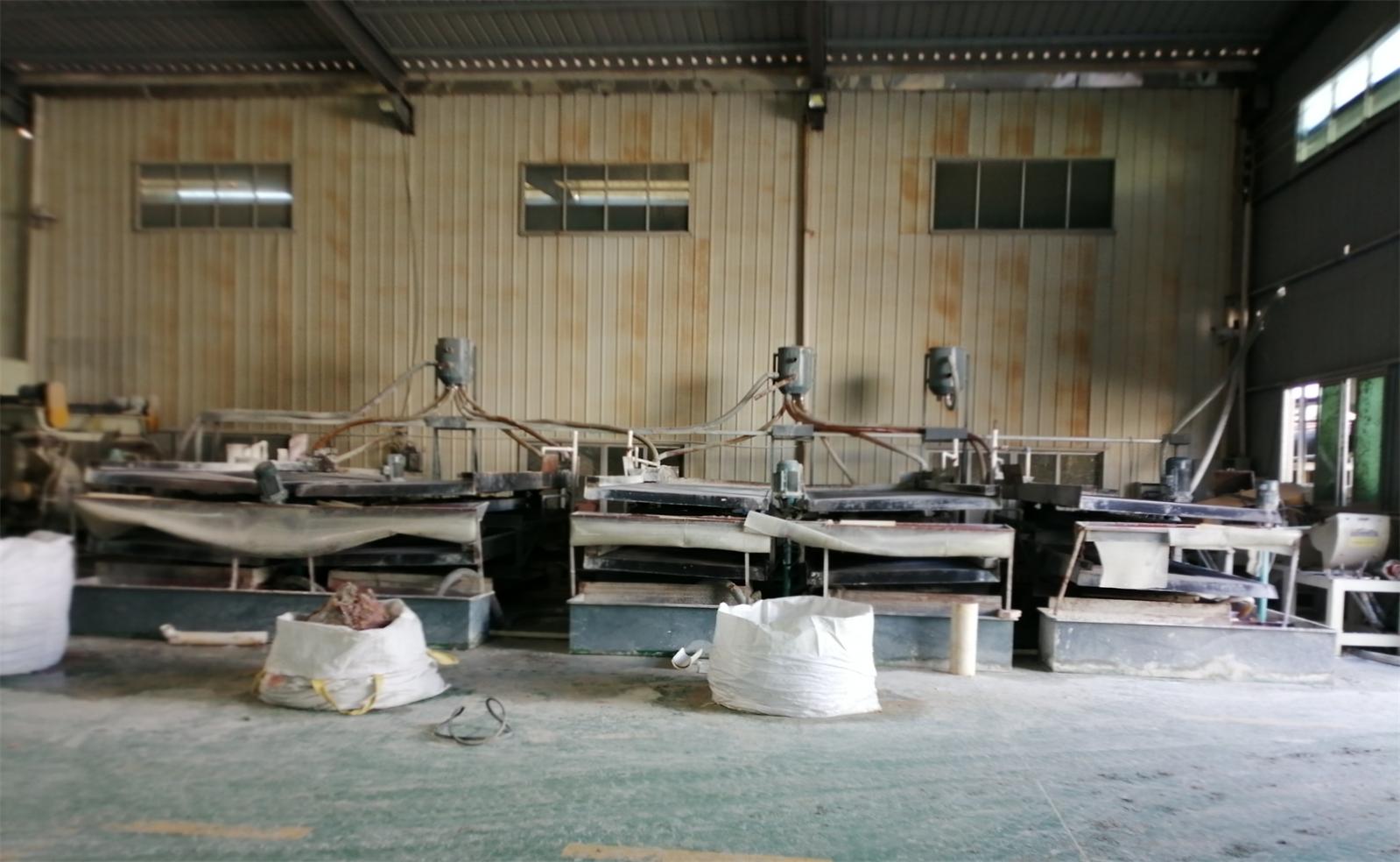
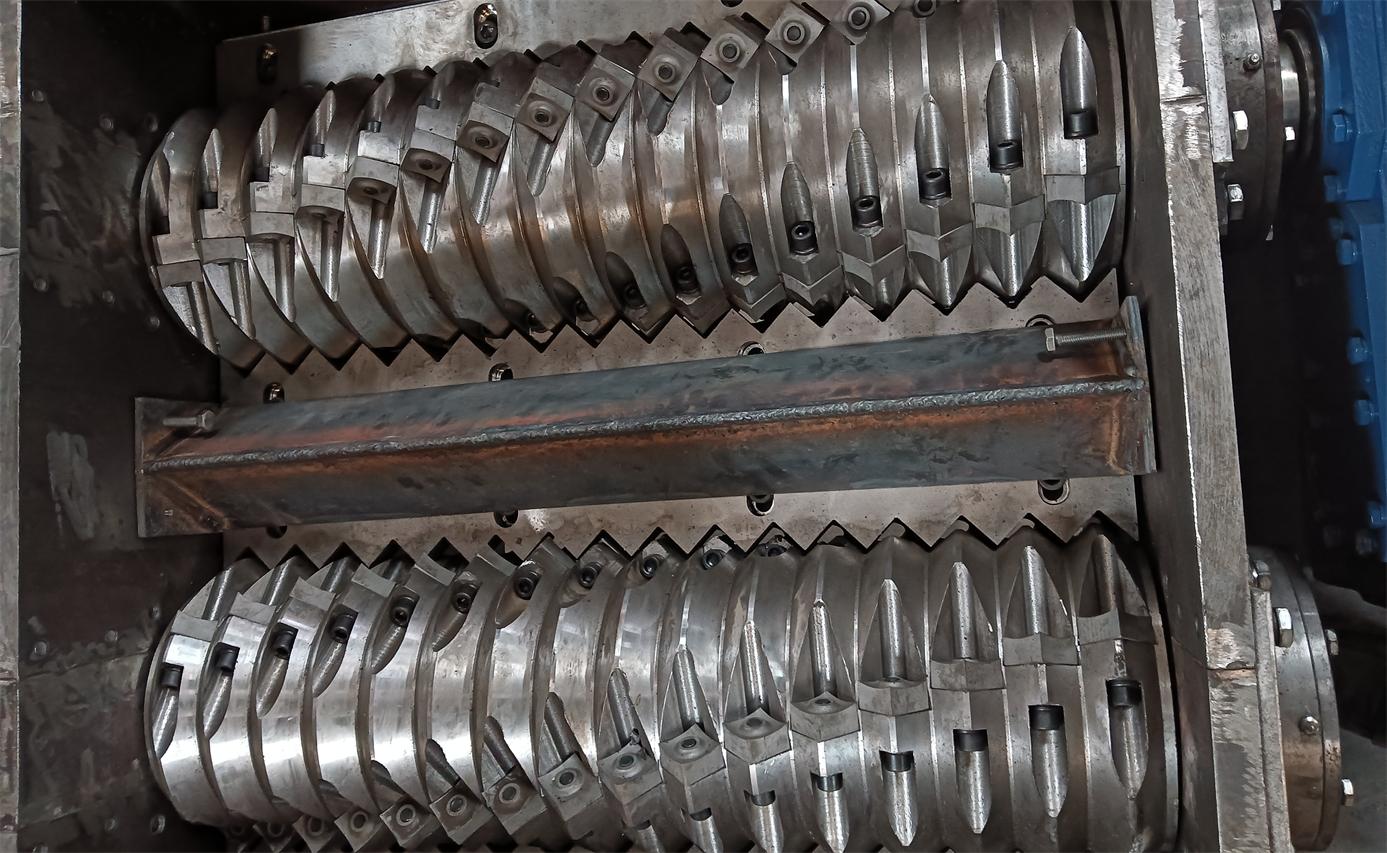
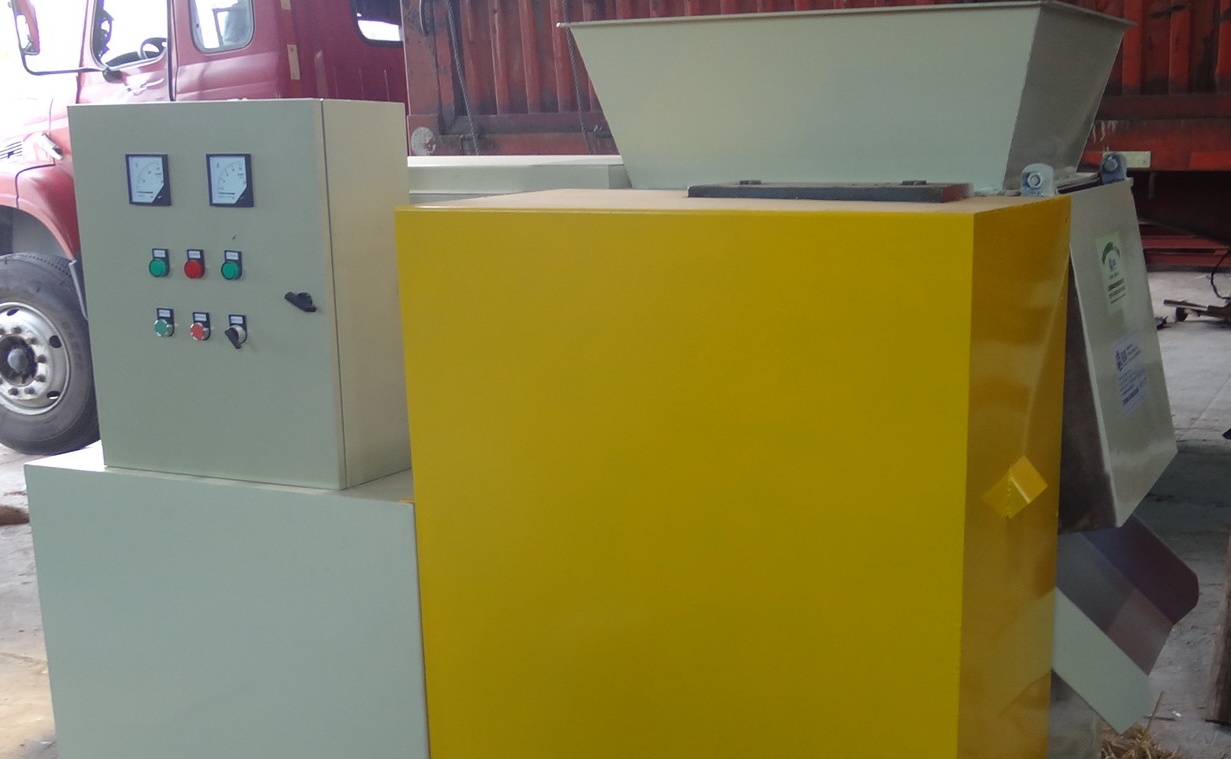
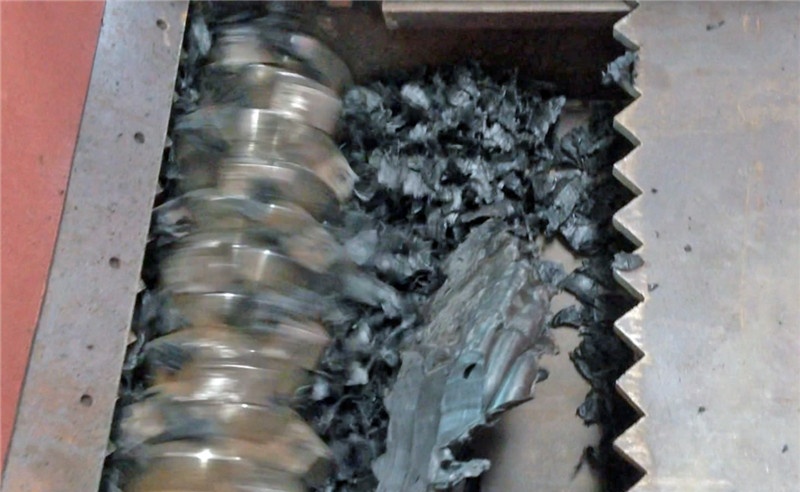
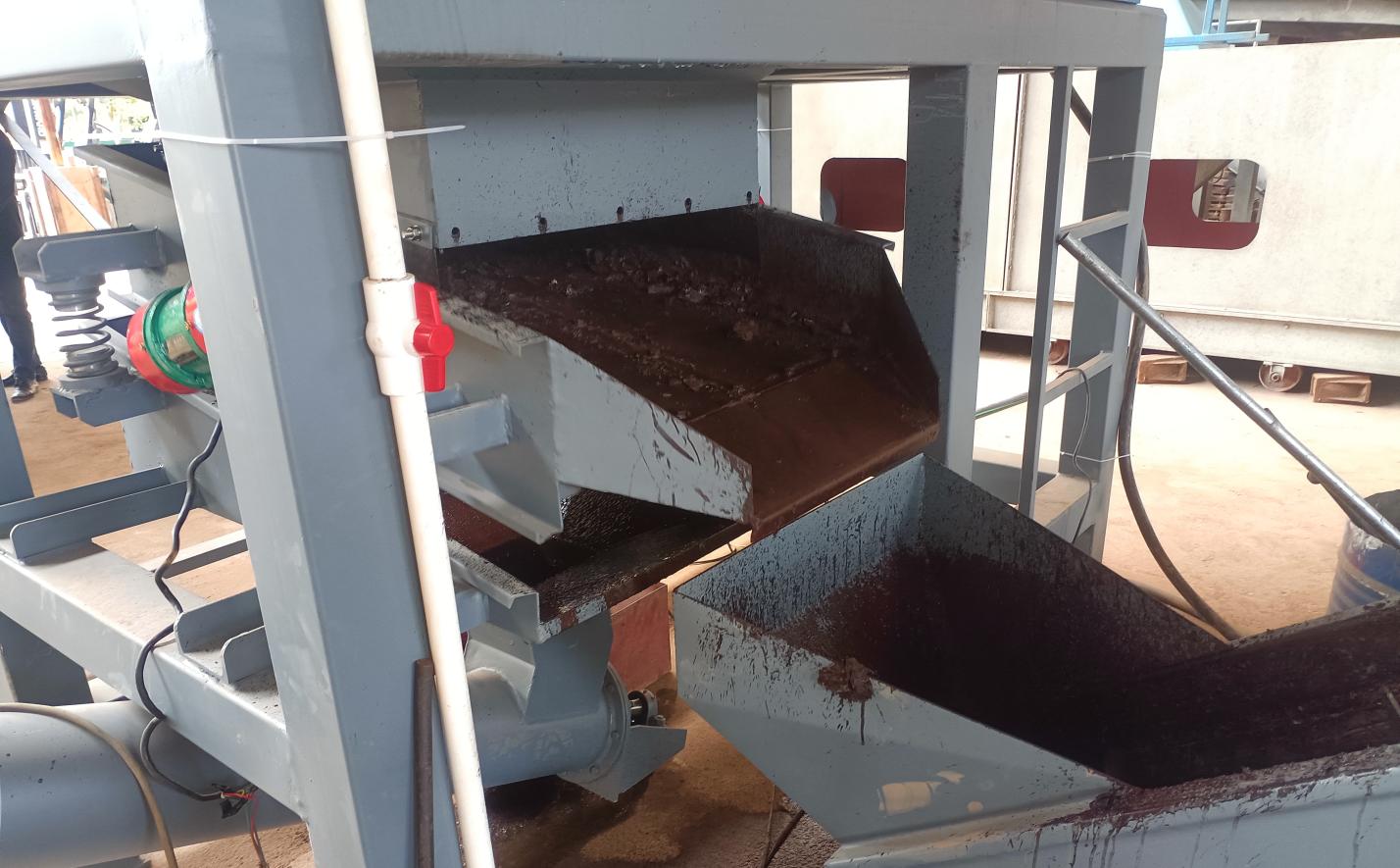
The first stage crushes whole batteries and classifies the output into four streams: lead paste, lead grids, plastic cases, and hard rubber. Capacity typically ranges from 1 to 10 metric tons per hour. The separation efficiency at this stage determines everything downstream. Poor classification means contaminated lead paste and lost metal value.
Key specification to verify: screen aperture size, blade material hardness, and the air classification system's ability to handle wet paste without clogging.
2. De-Sulfurization Unit
Before smelting, lead paste contains lead sulfate (PbSO4). A de-sulfurization unit removes sulfur, which reduces the melting temperature, cuts SO2 emissions, and lowers the need for chemical additives. Plants that skip this step pay for it later in higher energy bills and stricter emission controls.
3. Smelting Furnace
Two main furnace types dominate the industry:
Blast (Cupola) Furnace: Maximum temperature up to 1800°C, capacity 40–100 MT per 24 hours, lead recovery rate around 95%. Best for high-volume operations with steady feedstock.
Rotary Furnace: Batch capacity 2–20 MT, higher recovery rate than blast furnaces for paste reduction. More flexible for mixed input and smaller batches.
The choice between them depends on your expected daily throughput and the consistency of your raw material supply.
4. Lead Refinery Kettle
Crude lead from smelting typically reaches 97–98% purity. A refinery kettle brings this up to 99.999%. Electric-heated models using near-infrared technology can save 30–50% on energy compared with fuel-fired units. Natural gas and diesel options are also available for regions with unstable electricity supply.
5. Air Pollution Control and Water Treatment
Environmental compliance is not an optional add-on. A complete plant requires:
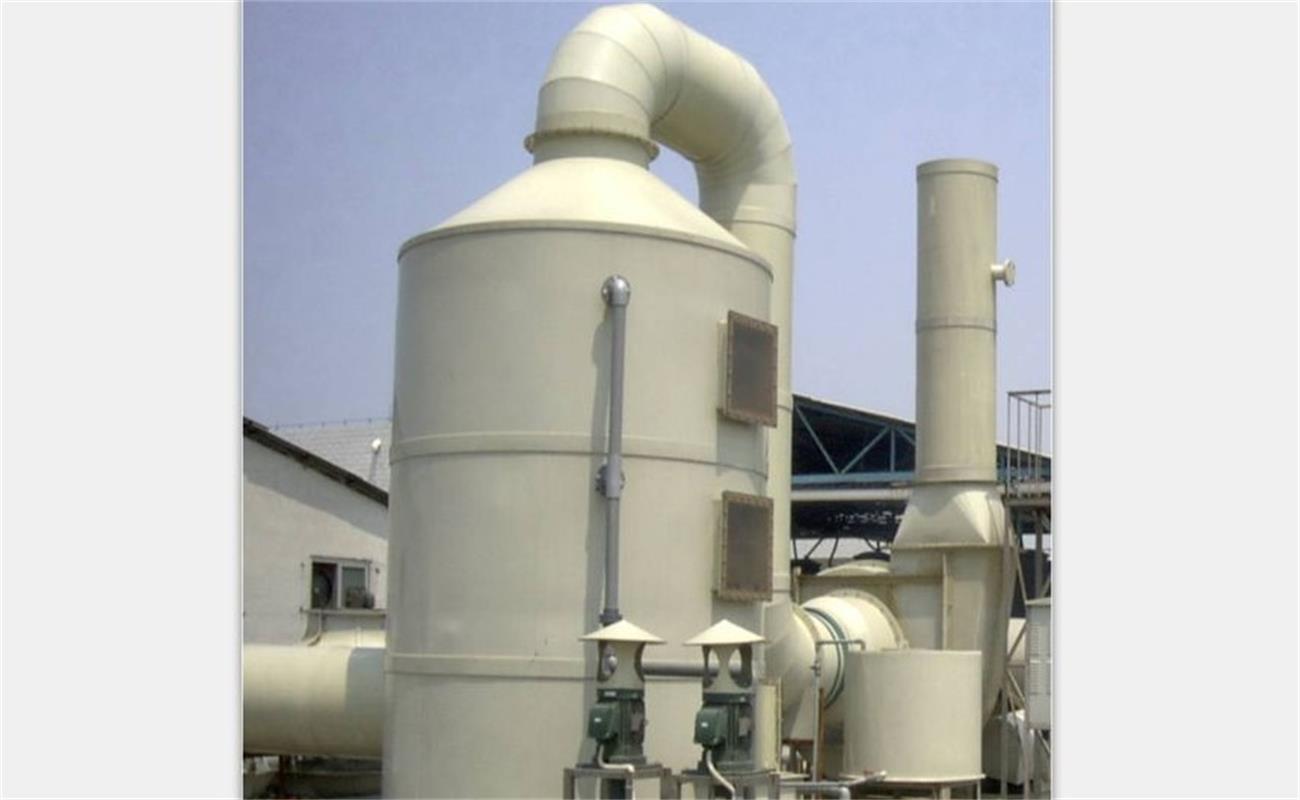
Air pollution control system for smelting and refining exhaust gases
Water treatment plant for acidic wastewater from breaking and cleaning operations
Filter press to collect lead paste from slurry efficiently
Plants that treat these systems as afterthoughts rarely survive their first regulatory inspection.
From Scrap to Ingot: The Process Flow
Understanding the sequence helps you evaluate whether a supplier's layout makes operational sense.
Intake and Storage: Batteries arrive drained or are cut to empty acid. Acid is neutralized or stored for recovery.
Breaking and Separation: Batteries are crushed and sorted into lead paste, grids, plastic, and rubber.
Paste Pre-Treatment: Lead paste may be de-sulfurized and filtered before smelting.
Smelting: Paste and grids are reduced to crude metallic lead in the furnace.
Refining: Crude lead is purified to commercial-grade ingot.
Pollution Control: All exhaust gases and wastewater are treated before discharge.
Product Dispatch: Lead ingots, plastic granules, and recovered acid are sold.
A supplier that cannot walk you through this flow with reference plant visits is a supplier to avoid.
Five Standards for Evaluating Equipment Suppliers
1. Ask for Installed References, Not Just Exports
Any factory can load a container. Few can point to plants they have commissioned, debugged, and trained local staff to operate. Ask for contact details of operators in countries with similar regulatory and power conditions to yours. A reliable supplier will provide them without hesitation.
2. Verify Component Specifications in Writing
Blade steel grades, bearing brands, motor efficiency classes, and control panel PLC models should be specified in the quotation, not just mentioned in conversation. If the supplier says "high-quality blades," ask for the Rockwell hardness number. If they say "efficient motor," ask for the IE class.
3. Demand a Process Guarantee, Not Just a Machine Warranty
A one-year mechanical warranty is standard. What matters more is whether the supplier guarantees separation efficiency, dust emission levels, and lead recovery rates under defined operating conditions. These process guarantees force the supplier to engineer the system as an integrated line, not a collection of separate machines.
4. Check Environmental System Integration
The breaking system, smelting furnace, and refinery kettle must be designed together with the pollution control equipment. Buying a furnace from one source and an air scrubber from another often creates interface problems — different duct sizes, incompatible control signals, and gaps in responsibility when emissions exceed limits.
5. Evaluate After-Sales Reality
Spare parts availability, video troubleshooting support, and the supplier's experience with remote commissioning all matter when your plant is 8,000 kilometers from the factory. Ask how many technicians they have in the field and what their average response time is for critical failures.
Beyond Lead-Acid: Planning for Portfolio Expansion
Smart operators do not build single-product plants. The same site that handles lead-acid batteries today can add li battery recycling equipment tomorrow, or branch into cable recycling equipment or circuit board processing to diversify feedstock and revenue.
The infrastructure investments — land, power, environmental permits, and workshop space — are largely the same. Adding a secondary processing line requires far less incremental capital than building a second site from scratch. When selecting your first supplier, consider whether they can support this expansion without forcing you to switch to a different technology partner.
The Environmental Compliance Layer
Regulators worldwide are tightening rules on battery recycling emissions. The European Union's Battery Regulation, India's Battery Waste Management Rules, and similar frameworks in Southeast Africa and Latin America all share one theme: formal compliance is becoming a competitive advantage.
Informal operators may avoid the upfront cost of pollution control, but they face shutdown risk and cannot sell to institutional buyers who require documented chain-of-custody. A plant built to exceed local standards from day one is positioned to capture market share as enforcement tightens.
Conclusion
Lead acid battery recycling equipment is not a commodity purchase. It is a long-term production partnership. The right supplier delivers not just steel and motors, but process knowledge, regulatory alignment, and a pathway to scale.
San Lan Technologies Co., Ltd has manufactured and commissioned e-waste and battery recycling plants since 2007, with installations in over 21 countries. The engineering team holds master's degrees in mechanical engineering and brings more than 15 years of field experience in lead acid battery recycling equipment, li battery recycling equipment, and cable recycling equipment. From breaking systems to refinery kettles, from air pollution control to water treatment, San Lan designs integrated plants tailored to local feedstock, emission rules, and power conditions.
If you are planning a recycling plant and want a supplier that answers in specifications and reference plants — not adjectives — contact San Lan Technologies for a technical discussion and project feasibility review.