Lead Acid Battery Recycling Equipment: A Complete Guide to Building a Profitable and Compliant Operation
The global demand for lead continues to rise, and recycled lead now supplies a significant portion of total production. Used lead-acid batteries represent one of the most recyclable waste streams — over 95% of the material can be recovered — yet achieving those recovery rates requires well-designed machinery and disciplined process control. This guide walks through the essential equipment and considerations for building a modern lead acid battery recycling plant that is both profitable and regulation-ready.
Understanding the Complete Recycling Flow
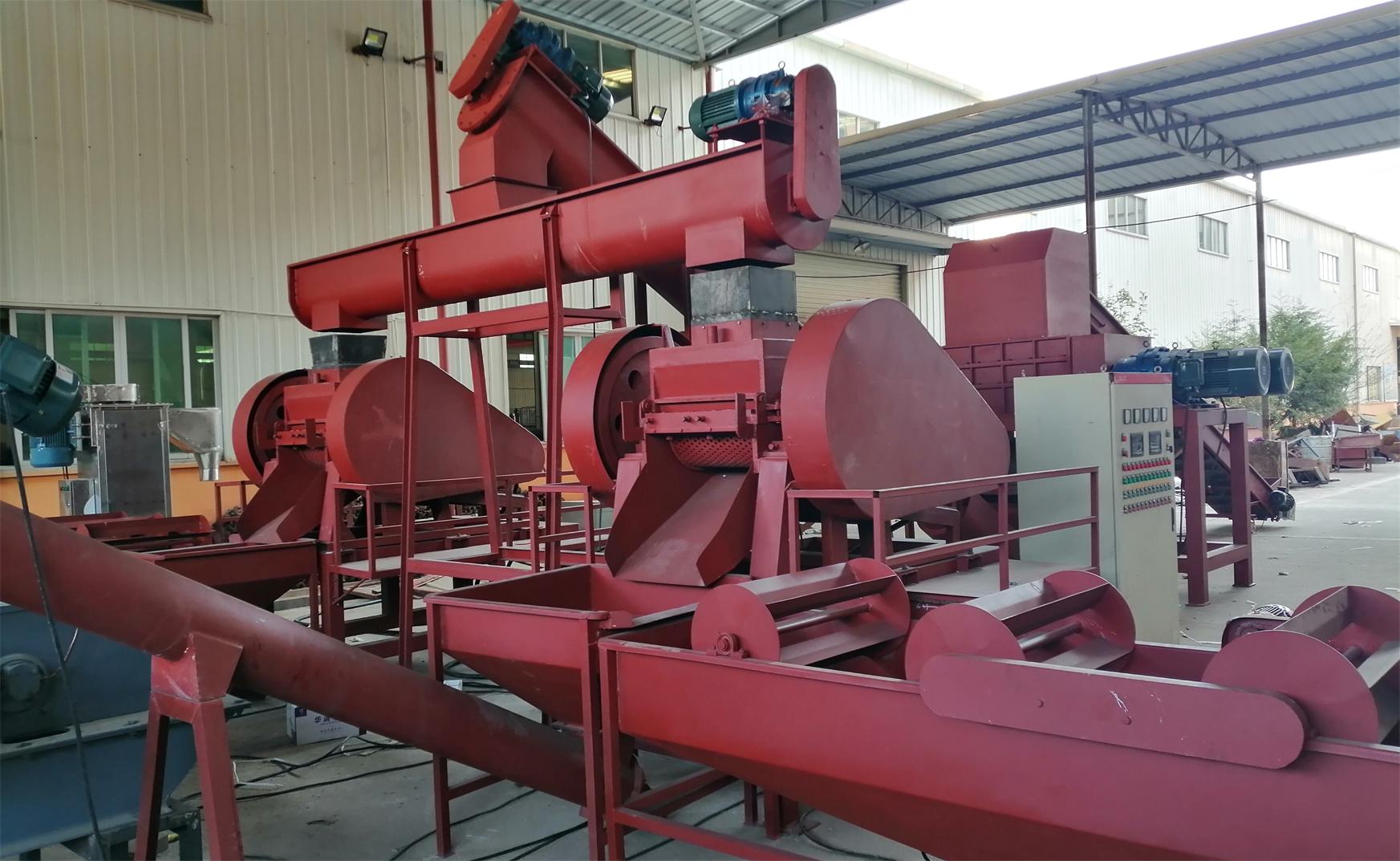
A well-designed lead acid battery recycling operation follows a clear sequence: breaking and separation → smelting → refining → effluent and emission control. Each stage requires specialized equipment working in harmony to maximize metal recovery while minimizing environmental impact. Skipping or under-sizing any stage creates bottlenecks, increases operating costs, and risks regulatory non-compliance.
Breaking and Separation — The Foundation of Recovery
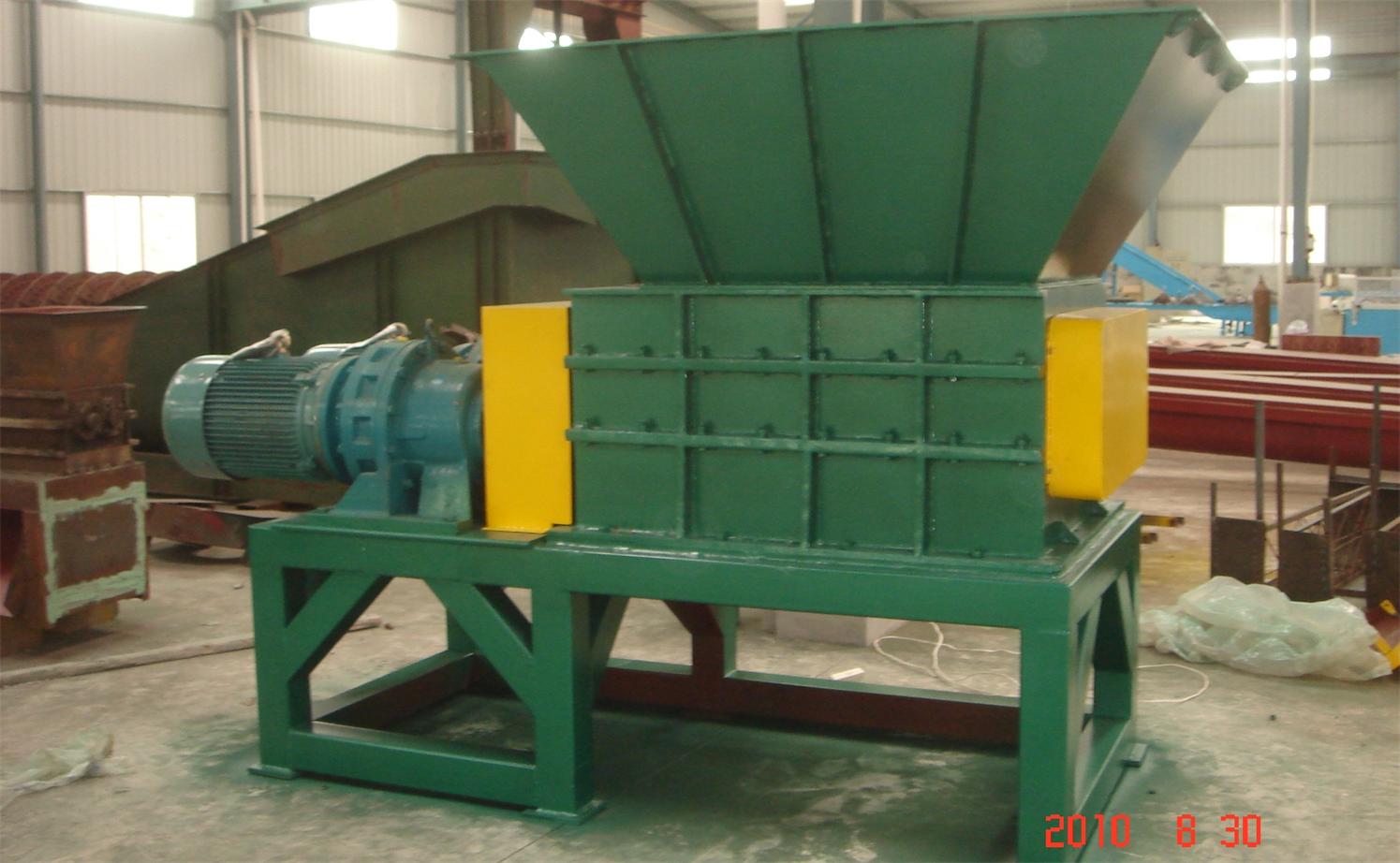
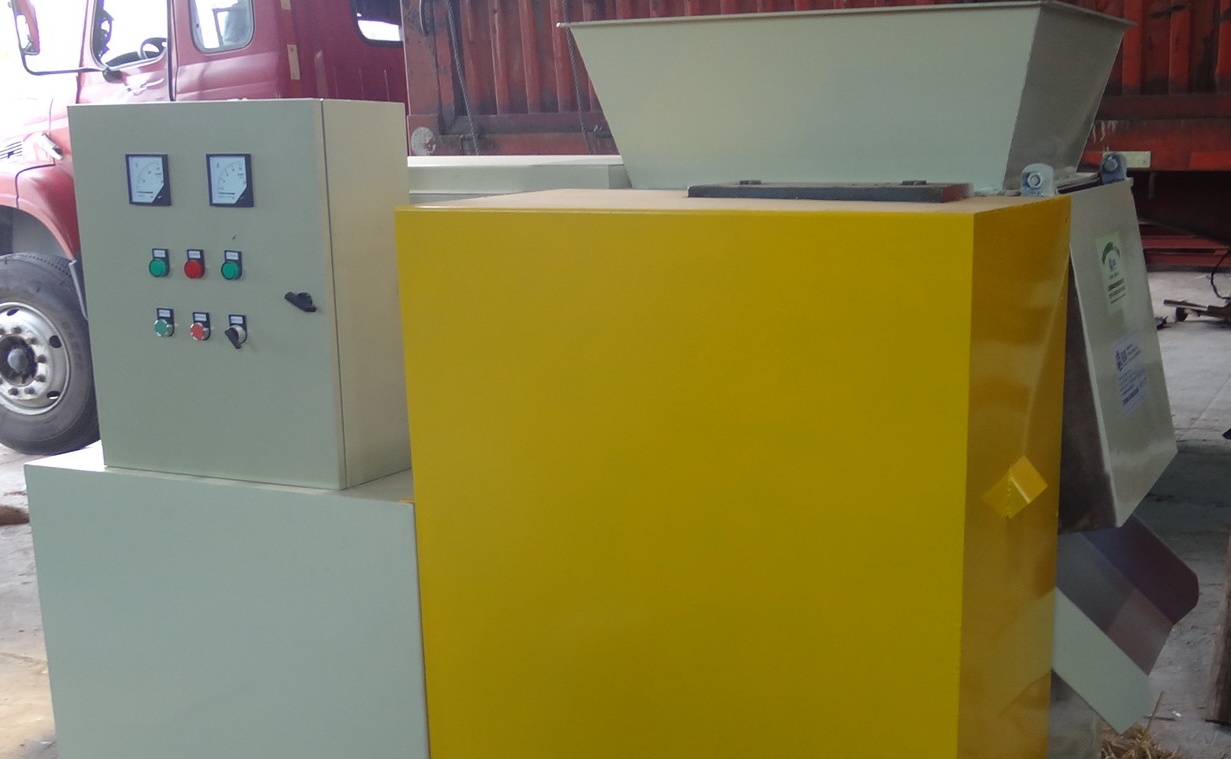
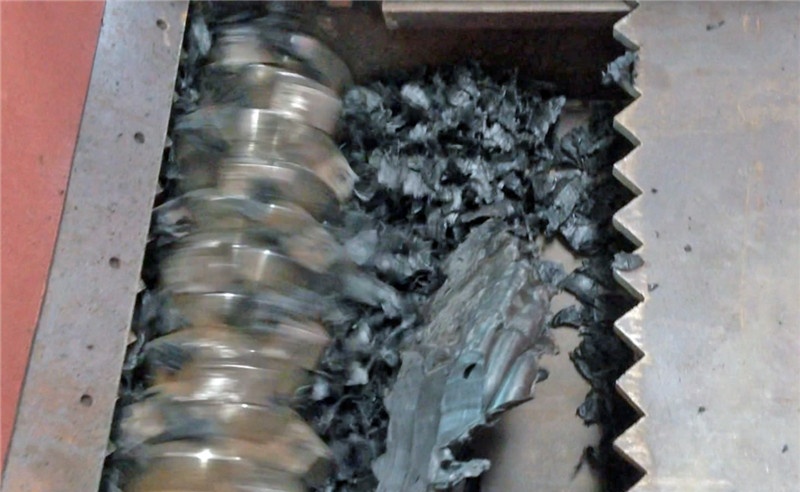
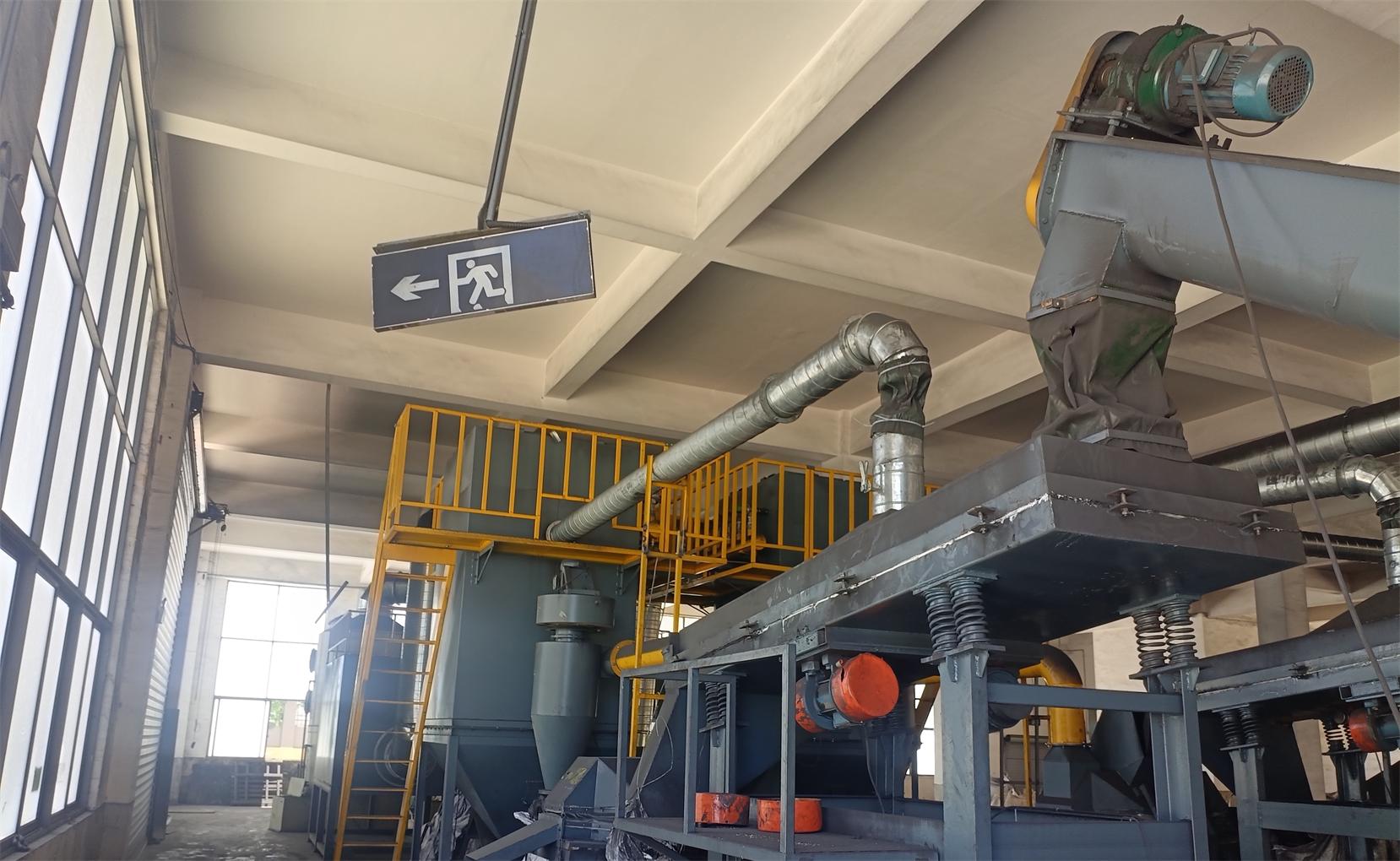
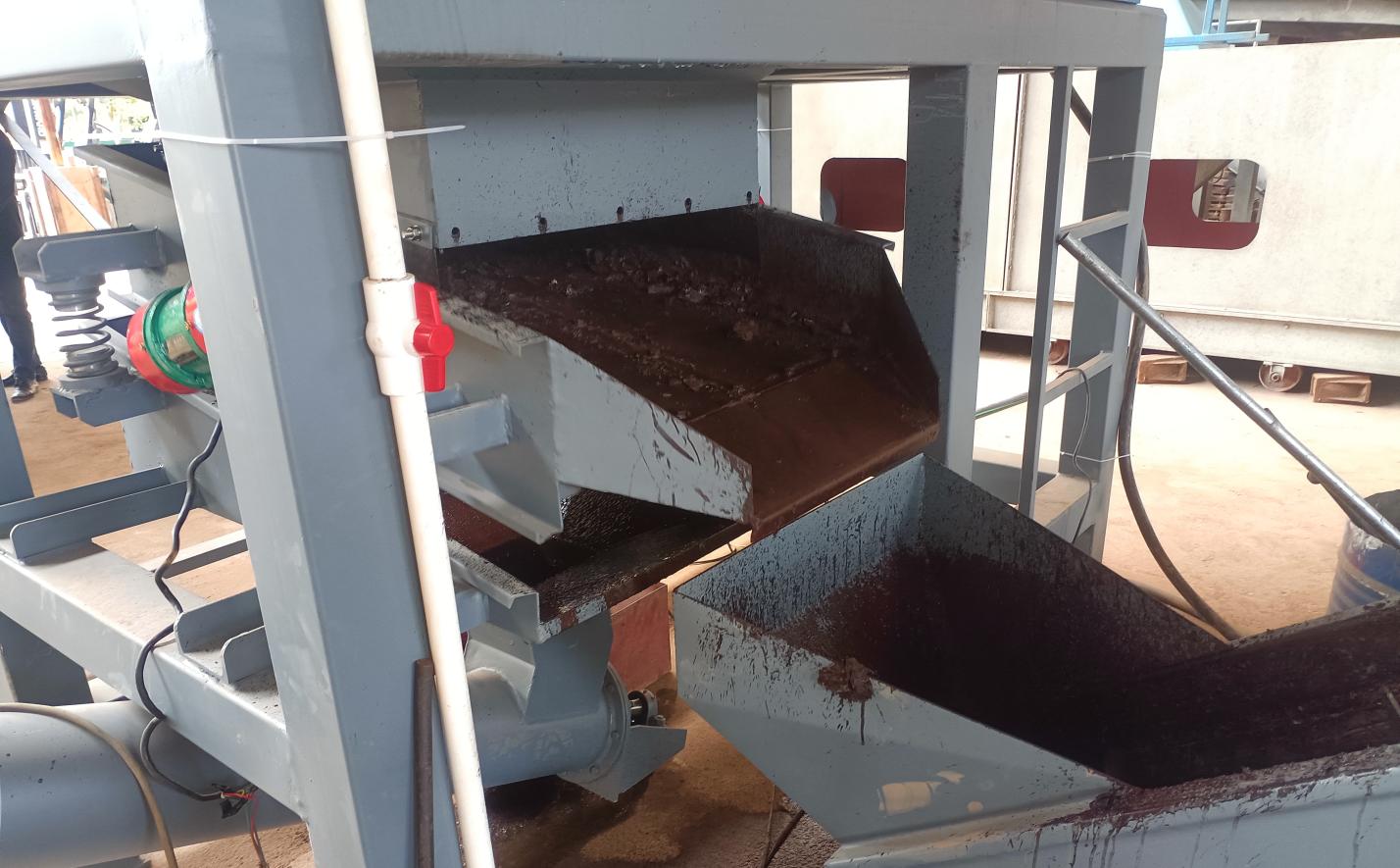
The first step is safely dismantling batteries to recover four distinct streams: lead paste, lead grids, plastic (PP/PVC), and sulfuric acid. A professional lead acid battery breaking and separation system handles this mechanically, with capacities ranging from 1 to 10 MT per hour.
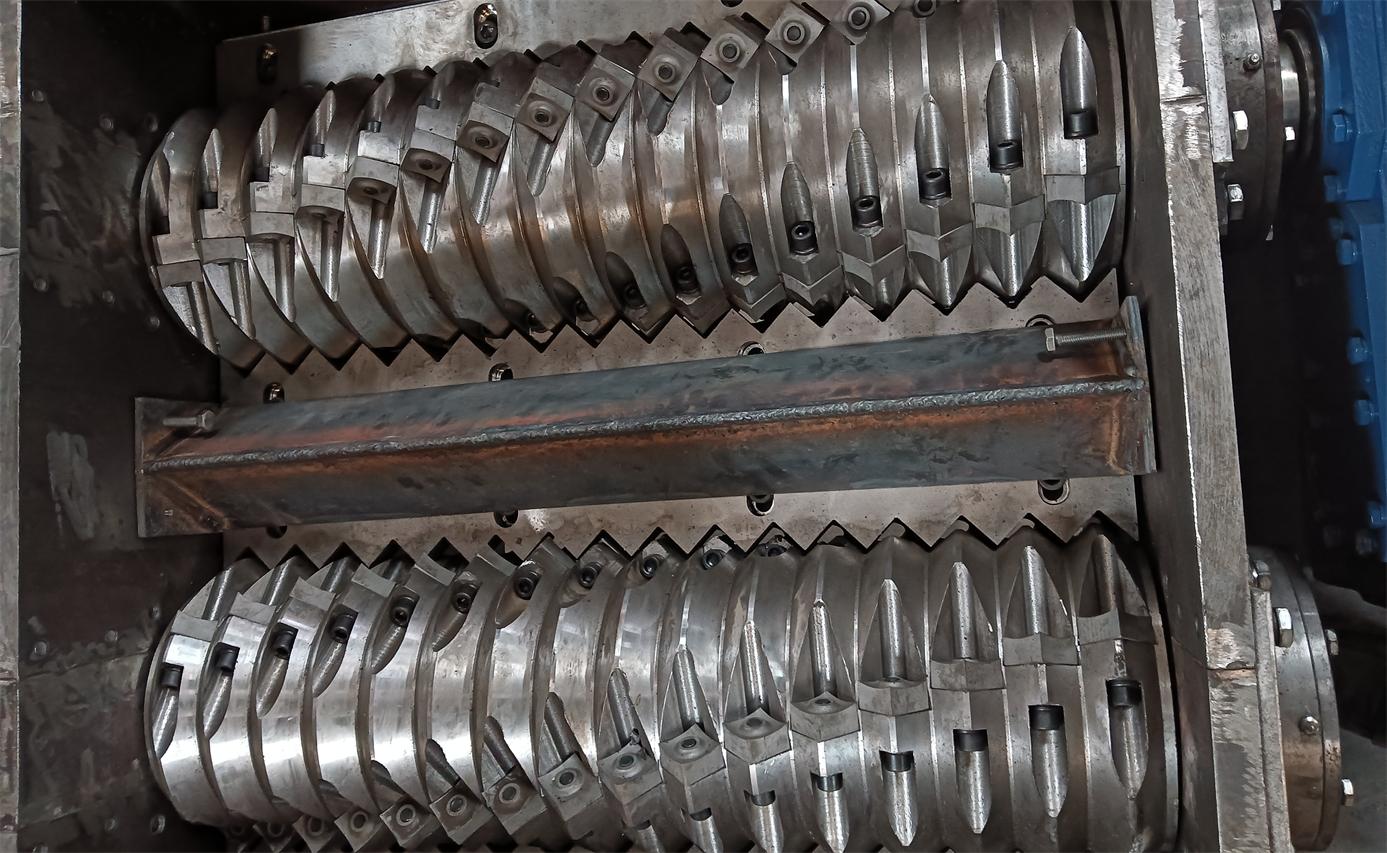
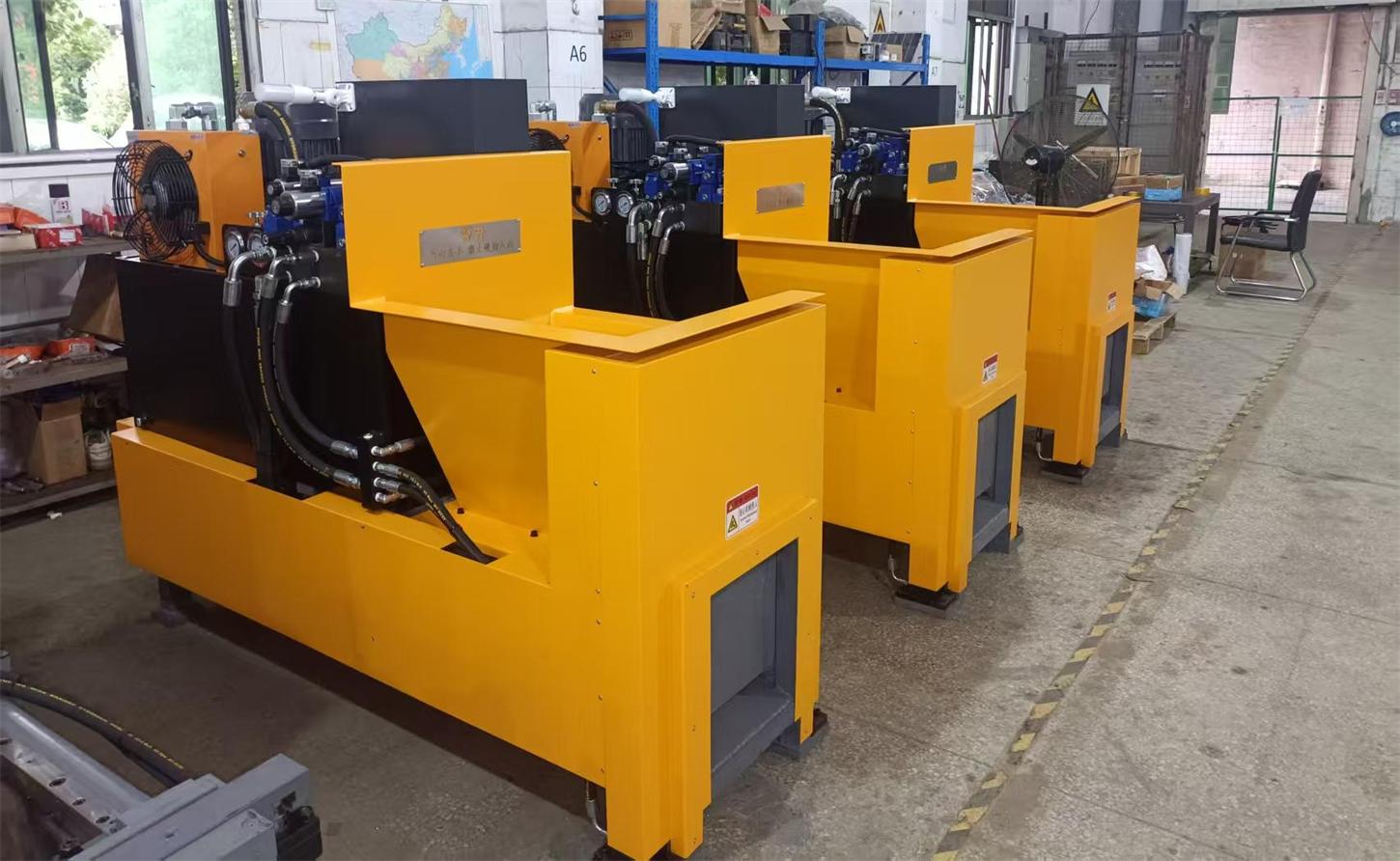
Modern breaking systems use hydraulic cutting and crushing technology to process whole batteries without manual intervention. The acid is drained and collected, plastic cases are separated by density, and metallic lead grids are sorted from lead paste. Advanced plants achieve separation efficiencies that prepare materials directly for downstream smelting, reducing contamination and improving overall recovery rates while protecting workers from acid exposure and lead dust.
Smelting and Refining — From Paste to Pure Lead
Once separated, lead paste and grids move to the smelting stage. Two primary furnace types dominate the industry, and the right choice depends on your feed composition, volume targets, and energy costs:
Blast (Cupola) Furnaces: Ideal for high-volume operations, with capacities of 40–100 MT per 24 hours and lead recovery rates around 95%. Maximum operating temperatures reach 1,800°C, making them suitable for processing mixed lead materials including paste, grids, and residues.
Rotary Furnaces: Preferred for paste reduction, offering batch capacities of 2–20 MT. Rotary furnaces typically deliver higher recovery rates than blast furnaces and are more flexible for varying feed compositions, making them a popular choice for plants processing diverse battery scrap sources.
The crude lead produced in these furnaces then moves to a lead refinery furnace or refinery kettle, where it is purified to 99.999% pure lead. Modern refinery kettles are available in natural gas, diesel, or electric heating configurations. Electric models using near-infrared heating technology can reduce energy consumption by 30–50% compared to conventional fuel-fired systems, delivering long-term operational savings.
Environmental Control — The Non-Negotiable Investment
Environmental compliance is not optional in battery recycling. Regulators worldwide closely monitor emissions and effluent from recycling plants, and violations can result in shutdowns, fines, and permanent loss of operating licenses. Three support systems are essential:
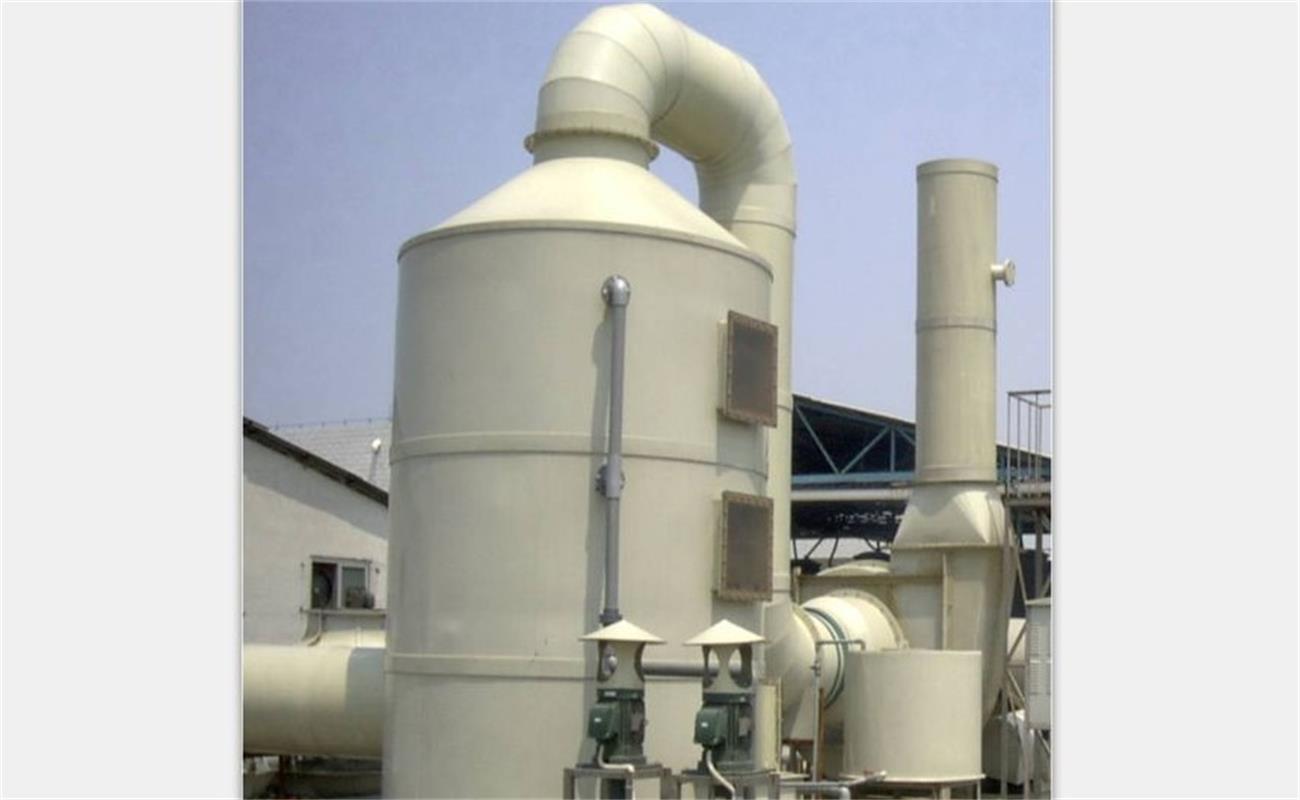
Air Pollution Control Systems: Capture and neutralize SO₂, lead dust, and other emissions from furnaces and refinery kettles before atmospheric release. These systems are engineered specifically for the high-temperature, corrosive gases generated during lead smelting.
Water Treatment Plants: Neutralize acidic wastewater from the breaking-separation process and equipment cleaning, ensuring discharge meets local environmental standards. Closed-loop designs can significantly reduce freshwater consumption.
De-sulfurization Units: Remove sulfur from lead paste (PbSO₄) before smelting, which lowers melting temperatures, reduces SO₂ emissions, and saves on energy and additive costs. This pre-treatment step pays for itself through lower operating expenses and simpler emission control.
Plants that invest in comprehensive environmental controls from day one avoid costly retrofits and operational shutdowns later. More importantly, they build the regulatory credibility needed to secure permits and attract investment in increasingly stringent markets.
Choosing the Right Equipment Partner
Beyond individual machines, what separates successful recycling operations from struggling ones is the quality of their equipment partner. A reliable supplier should offer more than a product catalog — they should provide end-to-end project expertise. Look for manufacturers that offer:
Complete plant design and EPC (Engineering, Procurement, Construction) capabilities
Customized solutions matched to your feedstock and capacity targets
Proven international installation and commissioning experience
After-sales technical support with deep metallurgical expertise
Assistance with sourcing waste batteries and selling recovered products
San Lan Technologies, established in 2007 and serving customers across 21+ countries, manufactures a full range of lead acid battery recycling equipment from breaking and separation systems through smelting furnaces, refinery kettles, and complete pollution control solutions. With a technical team holding master's degrees in mechanical engineering and over 15 years of hands-on experience in e-waste recycling machinery, San Lan provides not just equipment but a complete project partnership — from initial design and customization to installation, commissioning, and ongoing support.
Ready to Build Your Lead Acid Battery Recycling Plant?
Building a lead acid battery recycling plant is a significant investment, but with the right equipment configuration and an experienced partner, it delivers consistent returns while addressing one of today's most pressing environmental challenges. Whether you are planning a 1 MT/hour entry-level facility or a 10 MT/hour industrial-scale operation, starting with proven technology and comprehensive support is the surest path to long-term success.
Contact San Lan Technologies today to discuss your project requirements and receive a customized equipment proposal tailored to your market, capacity, and compliance needs.
Building a lead acid battery recycling plant is a significant investment, but with the right equipment configuration and an experienced partner, it delivers consistent returns while addressing one of today's most pressing environmental challenges. Whether you are planning a 1 MT/hour entry-level facility or a 10 MT/hour industrial-scale operation, starting with proven technology and comprehensive support is the surest path to long-term success.
Contact San Lan Technologies today to discuss your project requirements and receive a customized equipment proposal tailored to your market, capacity, and compliance needs.