Every year, millions of tons of used lead acid batteries reach the end of their service life. To most observers, they represent a hazardous waste problem. To informed recyclers, they represent one of the most reliable raw material streams in the secondary metals market. The difference between seeing a liability and seeing inventory often comes down to one factor: having the right lead acid battery recycling equipment in place.
Lead acid batteries contain valuable recoverable materials. The lead grid and lead paste can be refined into high-purity lead ingots. The plastic casing, typically polypropylene, can be washed and regranulated for reuse. Even the sulfuric acid electrolyte can be neutralized or processed. A well-designed recycling plant captures all of these value streams while meeting strict environmental regulations.
Understanding the Core Process
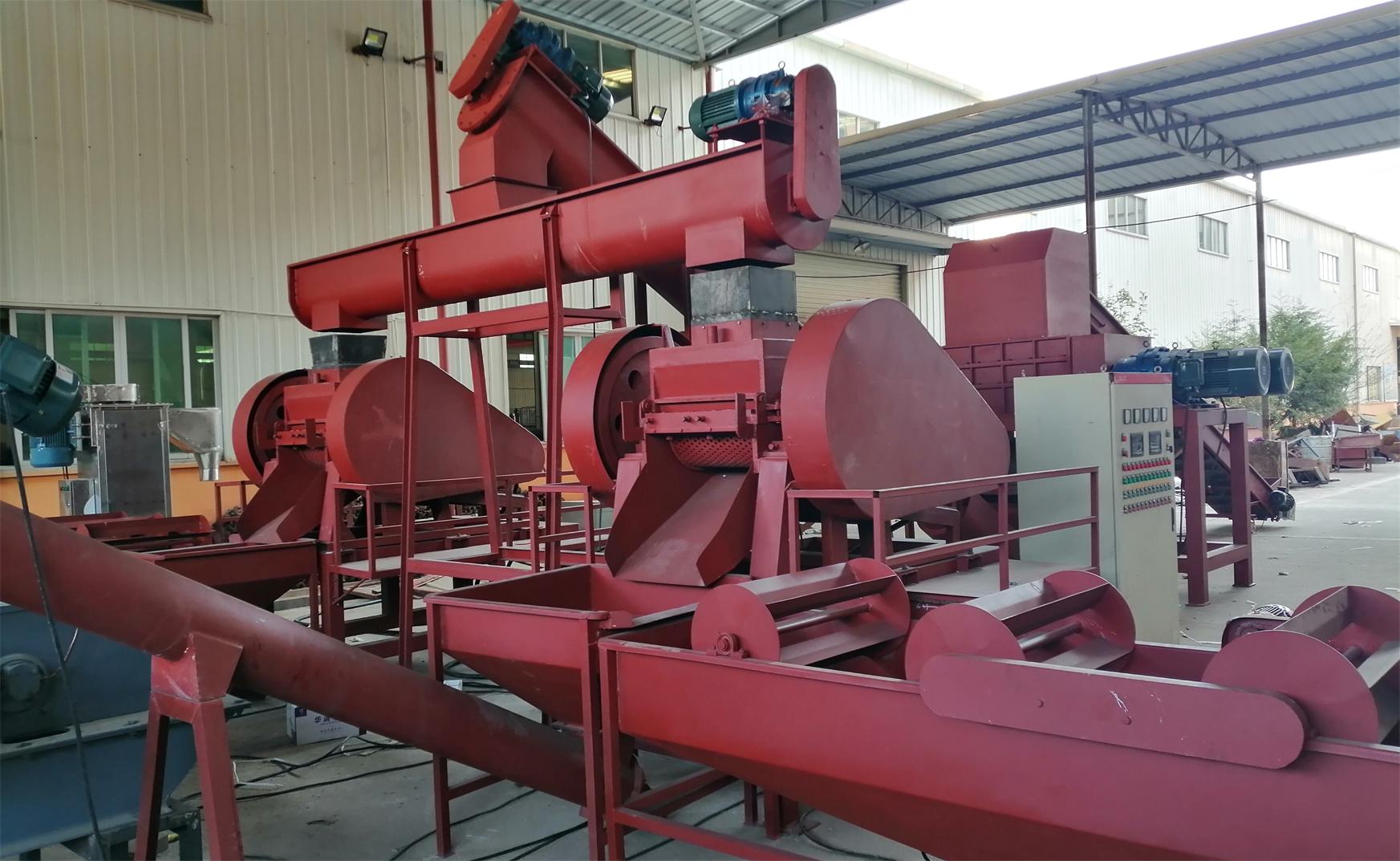
A complete lead acid battery recycling operation consists of several interconnected stages. Each stage requires specialized machinery, and the efficiency of the overall plant depends on how well these machines work together.
Stage 1: Breaking and Separation
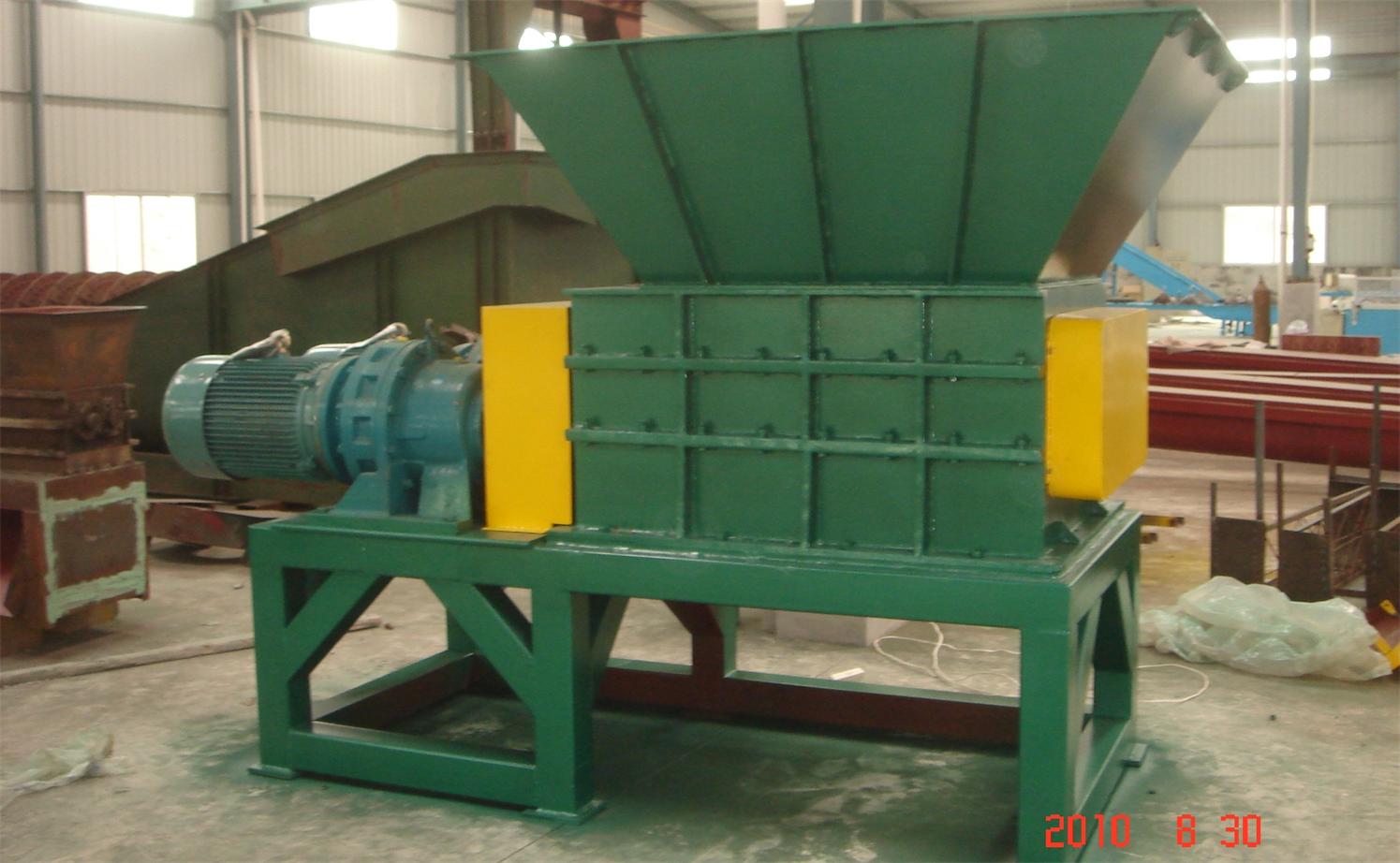
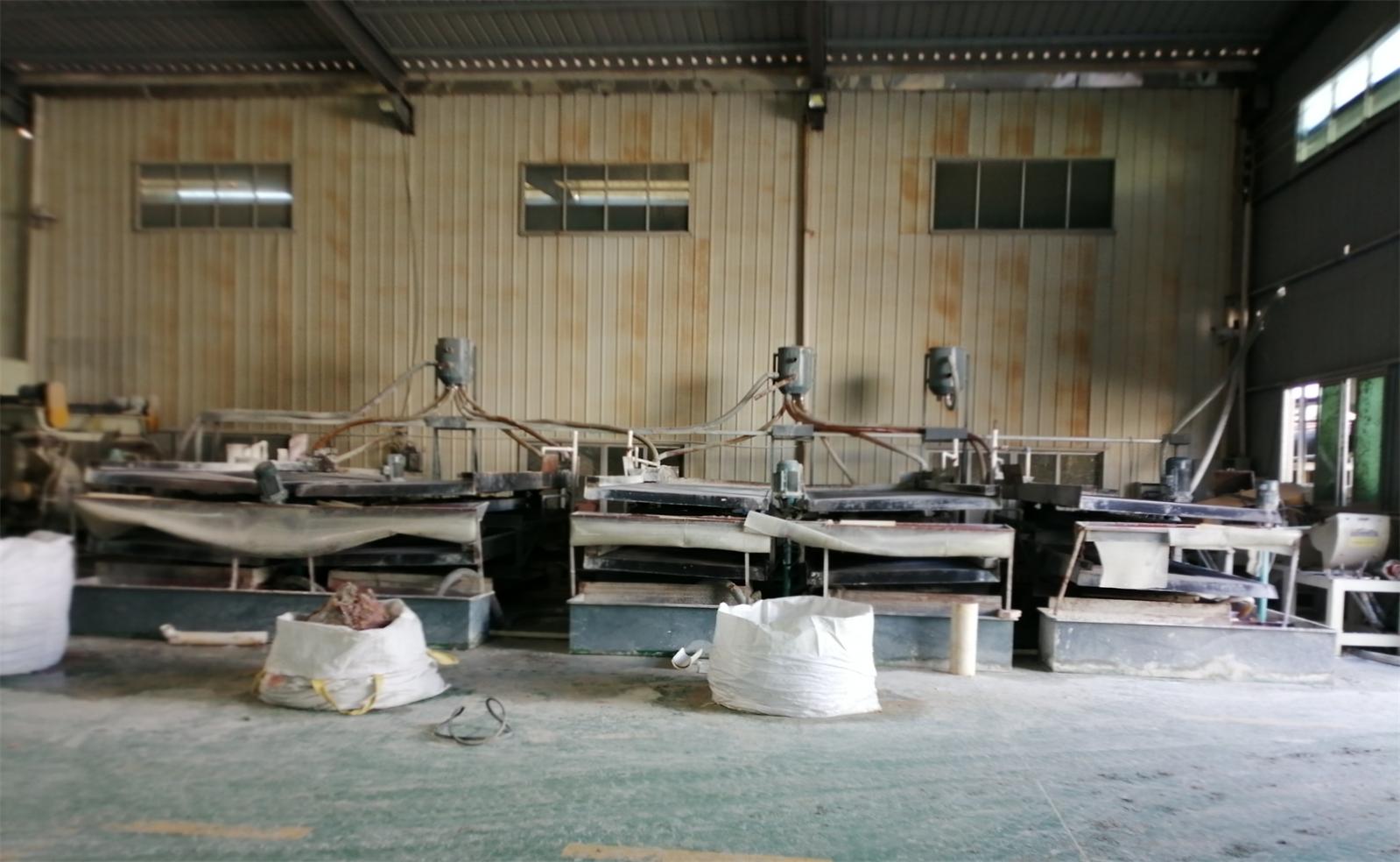
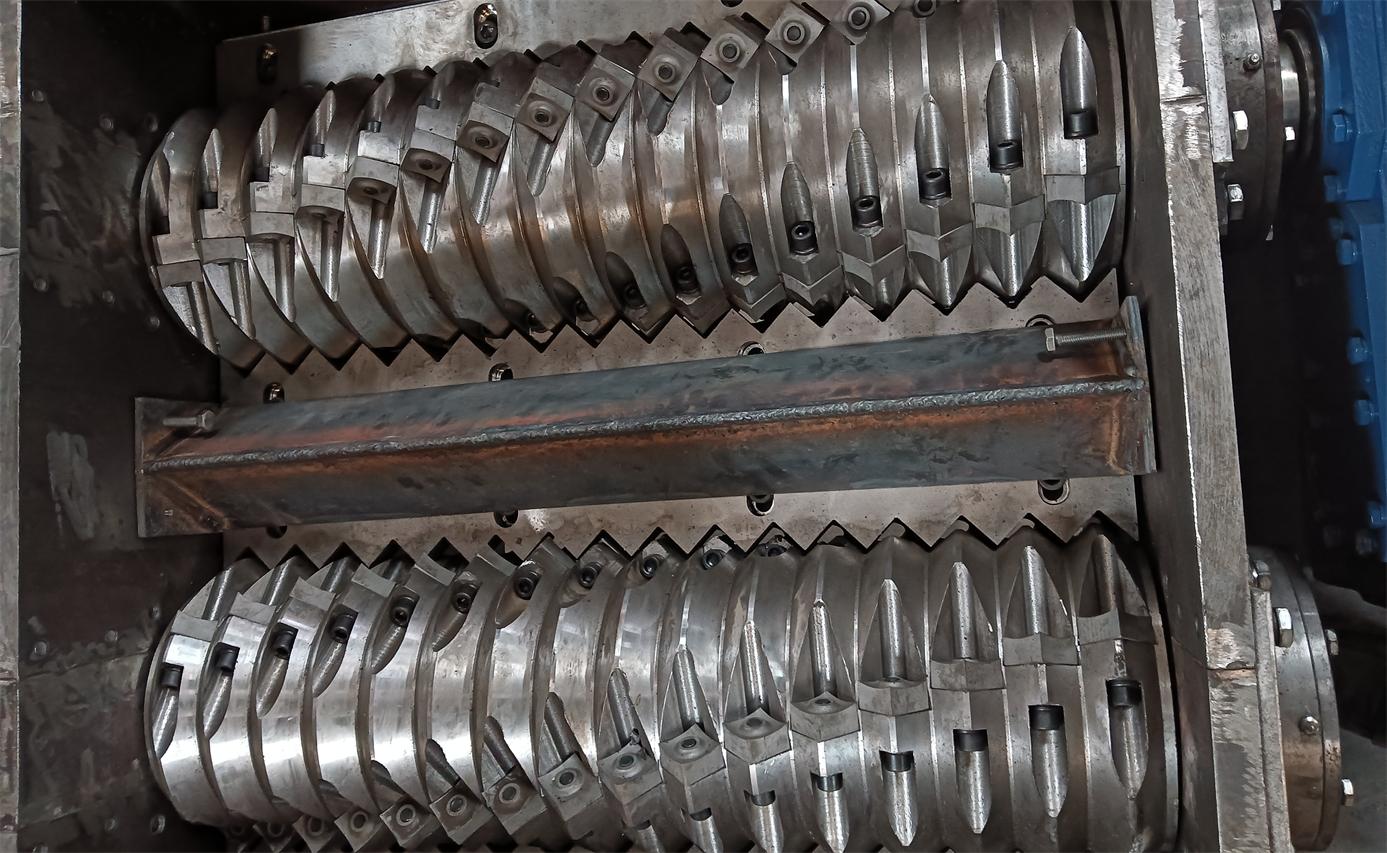
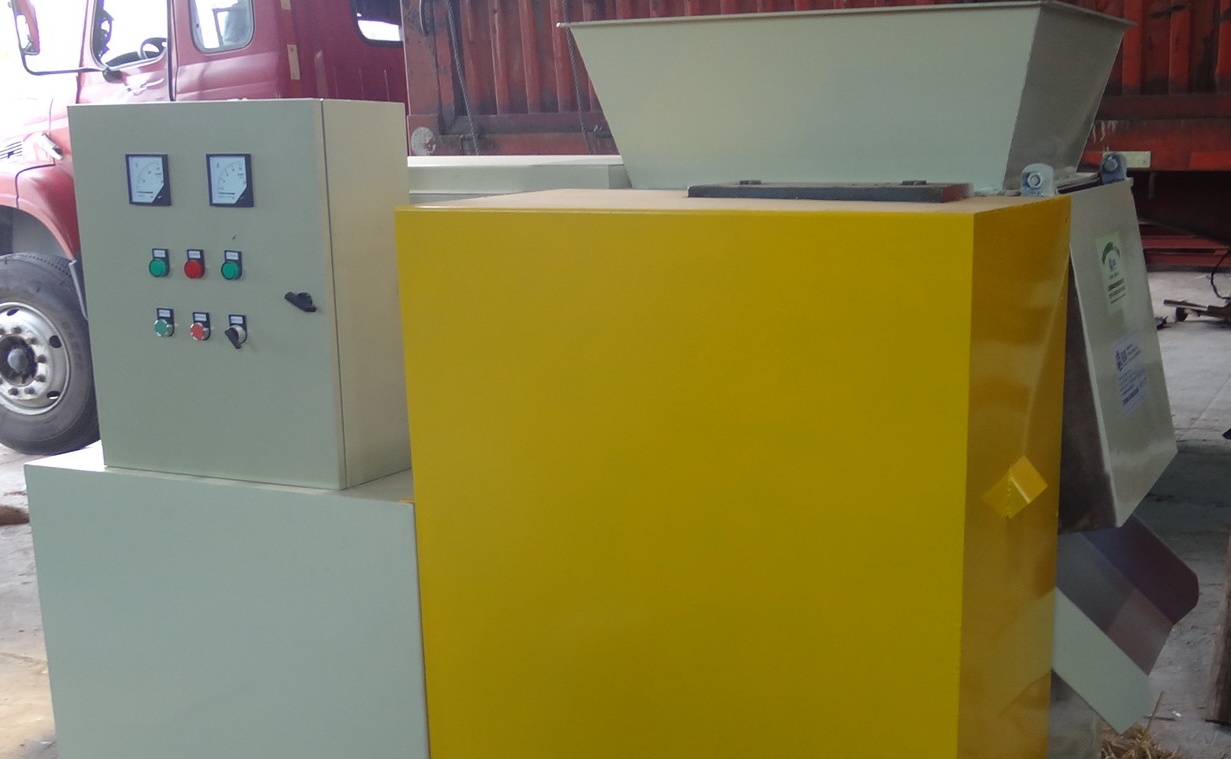
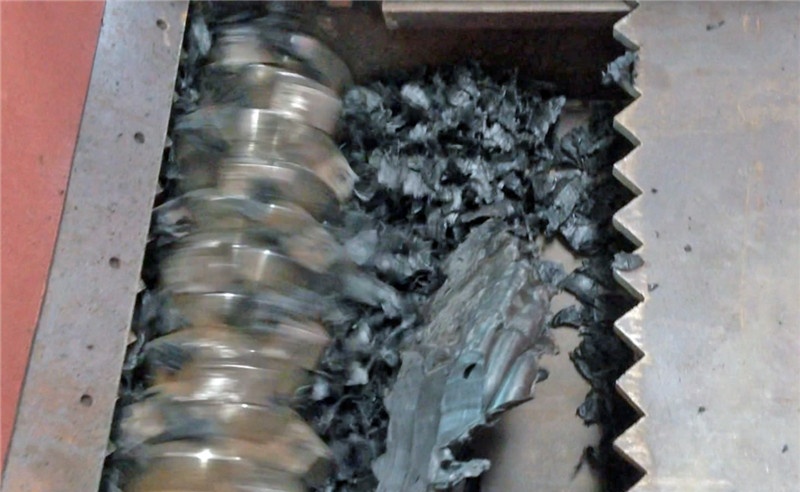
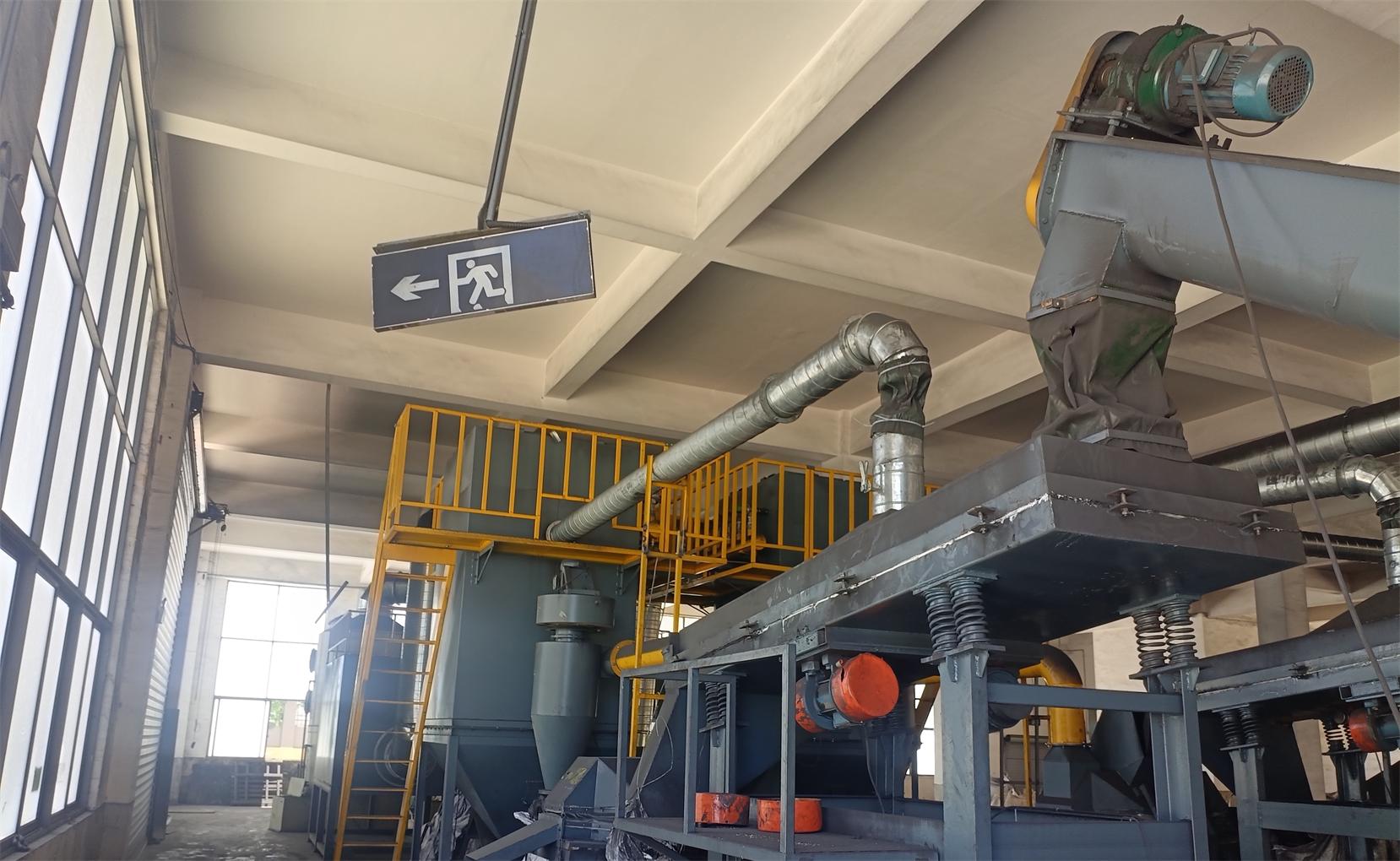
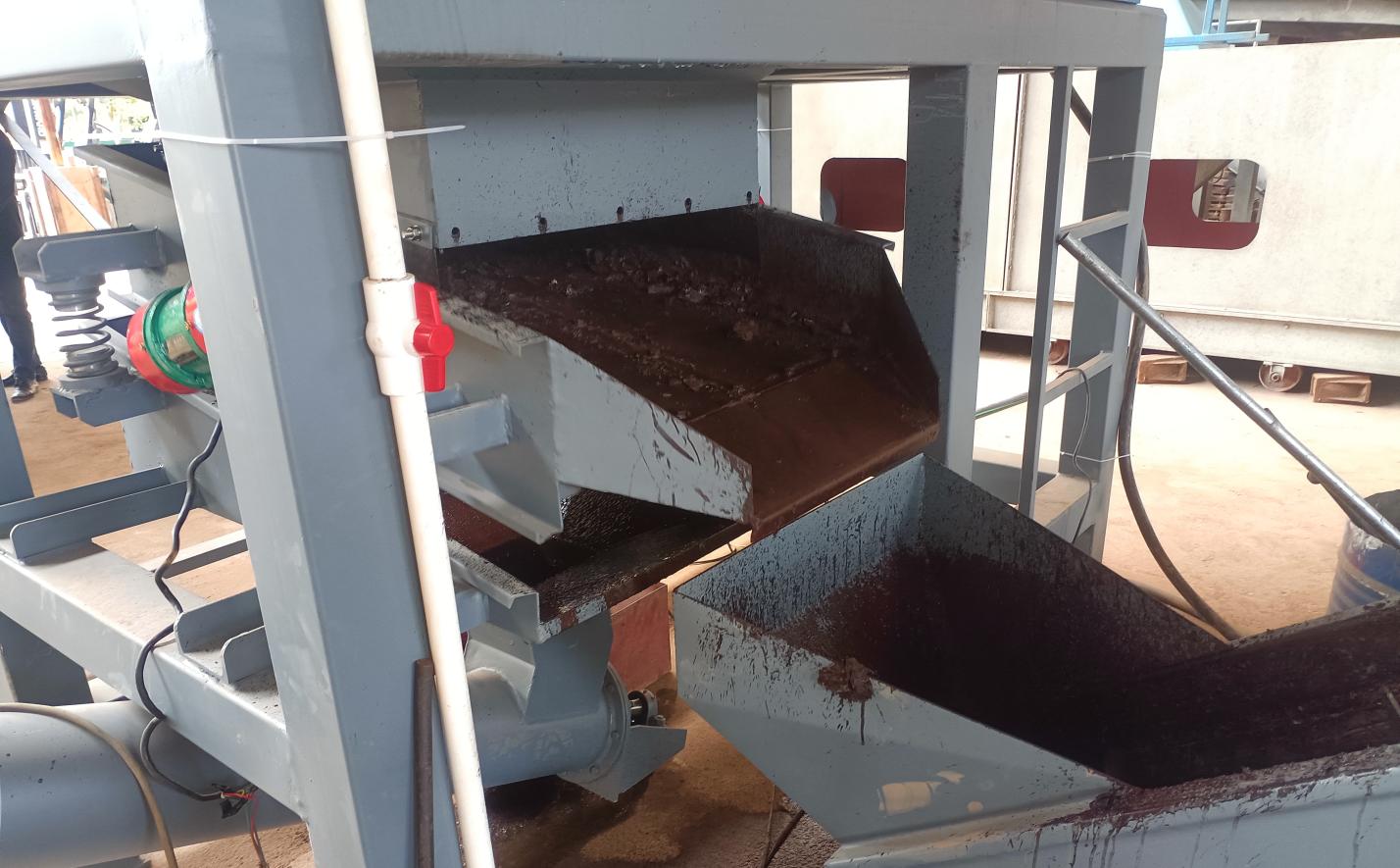
The first step is to break the batteries and separate the components. A lead acid battery breaking and separation system crushes the batteries and classifies the material into four main fractions: lead paste, lead grid, plastic, and acid. Modern systems can process 1 to 10 metric tons per hour, depending on configuration.
Stage 2: Desulfurization
Lead paste contains lead sulfate, which must be treated before smelting. A desulfurization unit removes sulfur from the PbSO4, reducing the melting temperature and decreasing sulfur dioxide emissions during the smelting phase. This step saves both energy and chemical additives.
Stage 3: Smelting and Refining
The processed lead paste is fed into a smelting furnace. Rotary furnaces and blast furnaces are both used for this purpose, with rotary furnaces typically offering higher lead recovery rates. The resulting crude lead is then refined to 99.999% purity using a lead refinery machine equipment. Refinery kettles are available in natural gas, diesel, or electric heated configurations, with electric types offering 30-50% energy savings through near-infrared heating technology.
Stage 4: Environmental Control
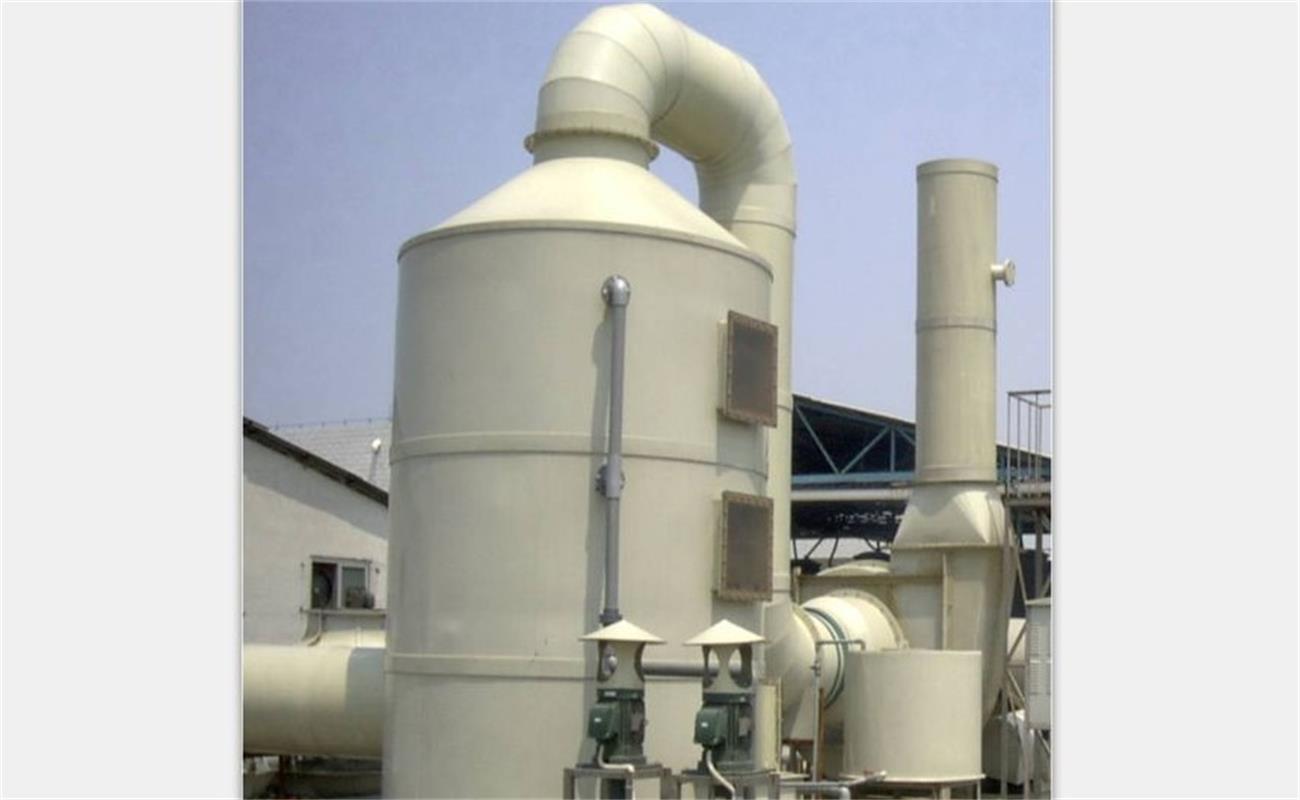
Air pollution control systems and water treatment plants are essential for compliance. These systems capture and neutralize gases from smelting operations and treat acidic wastewater from the breaking-separation process.
What to Look for in a Turnkey Supplier
Buying individual machines from different sources and integrating them on-site is possible, but it carries significant risks. Incompatible layouts, mismatched capacities, and unclear responsibility boundaries between vendors can turn a promising project into a costly troubleshooting exercise. A turnkey supplier handles the engineering, procurement, and construction as a single integrated package.
When evaluating a turnkey partner, consider the following:
- Technical depth: Does the supplier have an in-house engineering team with direct experience in lead acid battery recycling? Look for teams with mechanical engineering backgrounds and at least a decade of field experience.
- Project track record: Has the supplier delivered complete plants in your target region? Installation experience across diverse regulatory environments matters.
- After-sales support: Commissioning is only the beginning. Spare parts availability, remote troubleshooting capability, and on-site technical support should be confirmed before contract signing.
- Waste-to-product chain: Some suppliers go beyond equipment delivery and assist with sourcing scrap batteries and marketing recovered materials. This can shorten the path to profitability for new entrants.
Why Experience Matters in E-Waste Recycling
The recycling equipment sector includes many trading companies that source machines from third-party factories and resell them with minimal technical oversight. The result is often a plant that looks complete on paper but suffers from bottlenecks, excessive downtime, or environmental non-compliance in practice.
San Lan Technologies Co., Ltd, established in 2007, has focused specifically on WEEE recycling machinery and mining equipment for nearly two decades. The company has delivered installations to customers in over 21 countries, including Singapore, Colombia, Vietnam, Mexico, Argentina, Korea, Malaysia, and South Africa. Their engineering team holds master's degrees in mechanical engineering and brings more than 15 years of direct experience in e-waste recycling machine design and plant commissioning.
This level of specialization translates into practical design decisions: furnace capacities matched to breaker output, conveyor layouts that minimize material handling, and pollution control systems sized for the specific gas volumes generated by the process. These details are difficult to get right without deep domain experience.
Key Equipment in a Modern Lead Acid Battery Recycling Plant
Battery Breaking and Separating Plant
Capacity: 1-10 MT/hour. Separates batteries into lead grid, lead paste, PVC/PP plastic, and hard rubber fractions. The system includes acid drainage, crushing, and hydraulic classification.
Rotary Furnace for Paste Reduction
Capacity: 2-20 MT/batch. Produces crude metallic lead from desulfurized paste. Lead recovery rate exceeds that of conventional blast furnaces.
Blast (Cupola) Furnace
Max temperature: 1800°C. Capacity: 40-100 MT/24 hours. Lead recovery rate: 95%. Suitable for large-scale continuous operation.
Lead Refinery Kettle Furnace
Refines crude lead to 99.999% purity. Available in fuel-fired or electric configurations. Electric models use near-infrared heating for 30-50% energy savings.
Air Pollution Control System
Purifies exhaust gases from rotary furnaces, blast furnaces, and refinery kettles. Designed to meet environmental emission requirements.
Making the Investment Decision
A lead acid battery recycling plant represents a significant capital investment, but the underlying economics are favorable for operators who enter with the right equipment and technical support. Lead prices have historically provided strong margins for well-run recycling operations, and the feedstock supply is essentially guaranteed by the ongoing replacement demand for automotive and industrial batteries.
Before committing to a supplier, request a facility visit if possible. Watch the machines process material, ask about load testing protocols, and verify that the proposed layout matches your available space and local regulatory requirements. The time spent on due diligence at this stage pays dividends in reduced commissioning time and higher long-term plant availability.
Ready to explore lead acid battery recycling equipment for your operation? San Lan Technologies offers complete turnkey plant solutions, from initial process design through installation and commissioning. With installations across 21 countries and a technical team specializing in WEEE recycling machinery, San Lan can help you turn used battery streams into recoverable metal products. Contact their team at info@san-lan.com or via WhatsApp at +86 139 2377 4083 to discuss your project requirements.