The used lead acid battery market is larger than most people realize. Every year, millions of automotive, industrial, and standby batteries reach end-of-life status. To most, they represent a hazardous disposal problem. To recyclers with the right equipment, they represent a consistent feedstock of recoverable lead, plastic, and acid.
The difference between breaking even and turning a profit often comes down to the machinery you install. Poor separation leads to contaminated lead paste. Outdated smelting methods waste energy and emit excess sulfur dioxide. The wrong furnace choice limits your batch size and recovery rate. This guide walks through what serious buyers look for in lead acid battery recycling equipment before they commit capital.
From Whole Battery to Sorted Fractions: The Breaking and Separation Stage
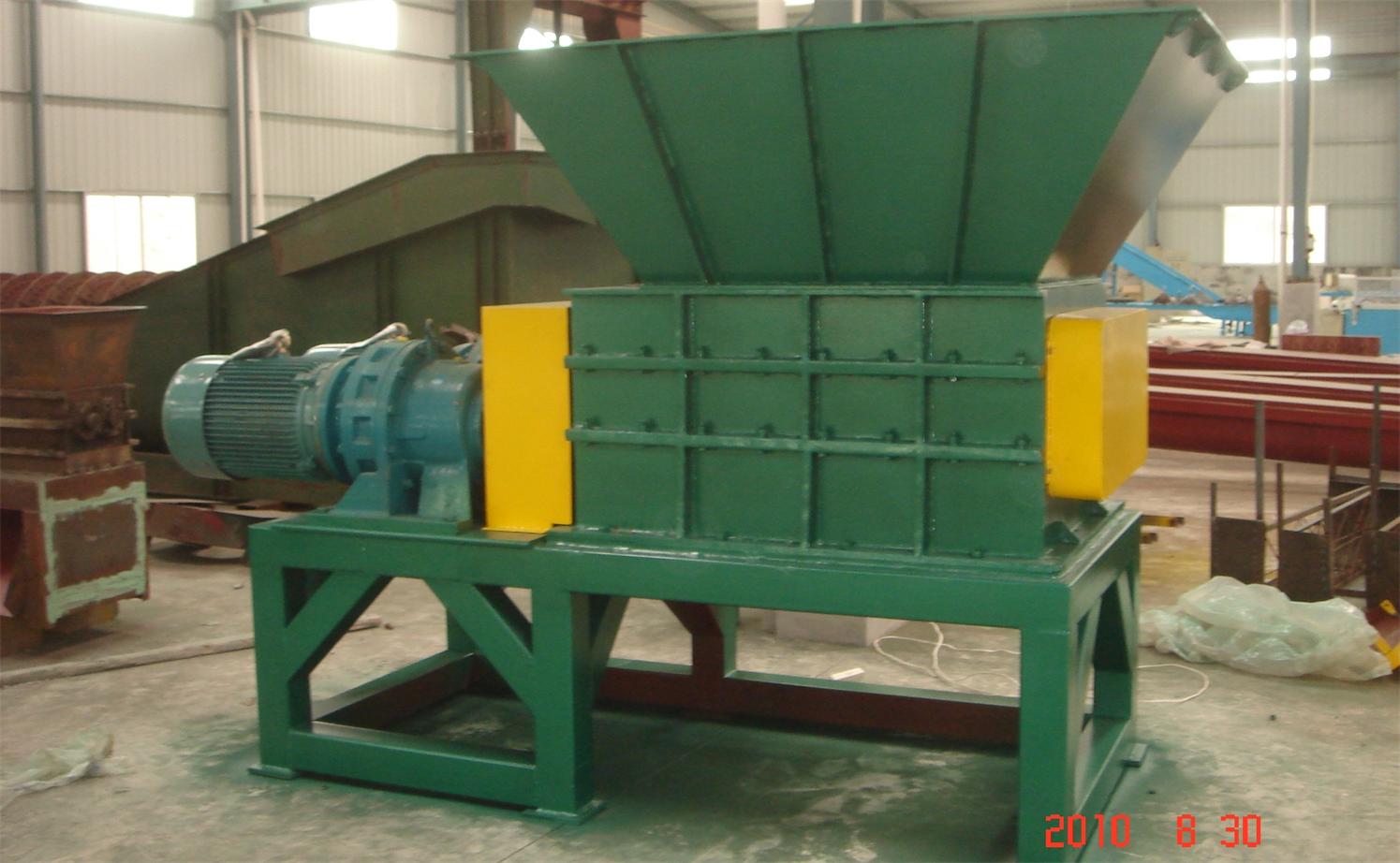
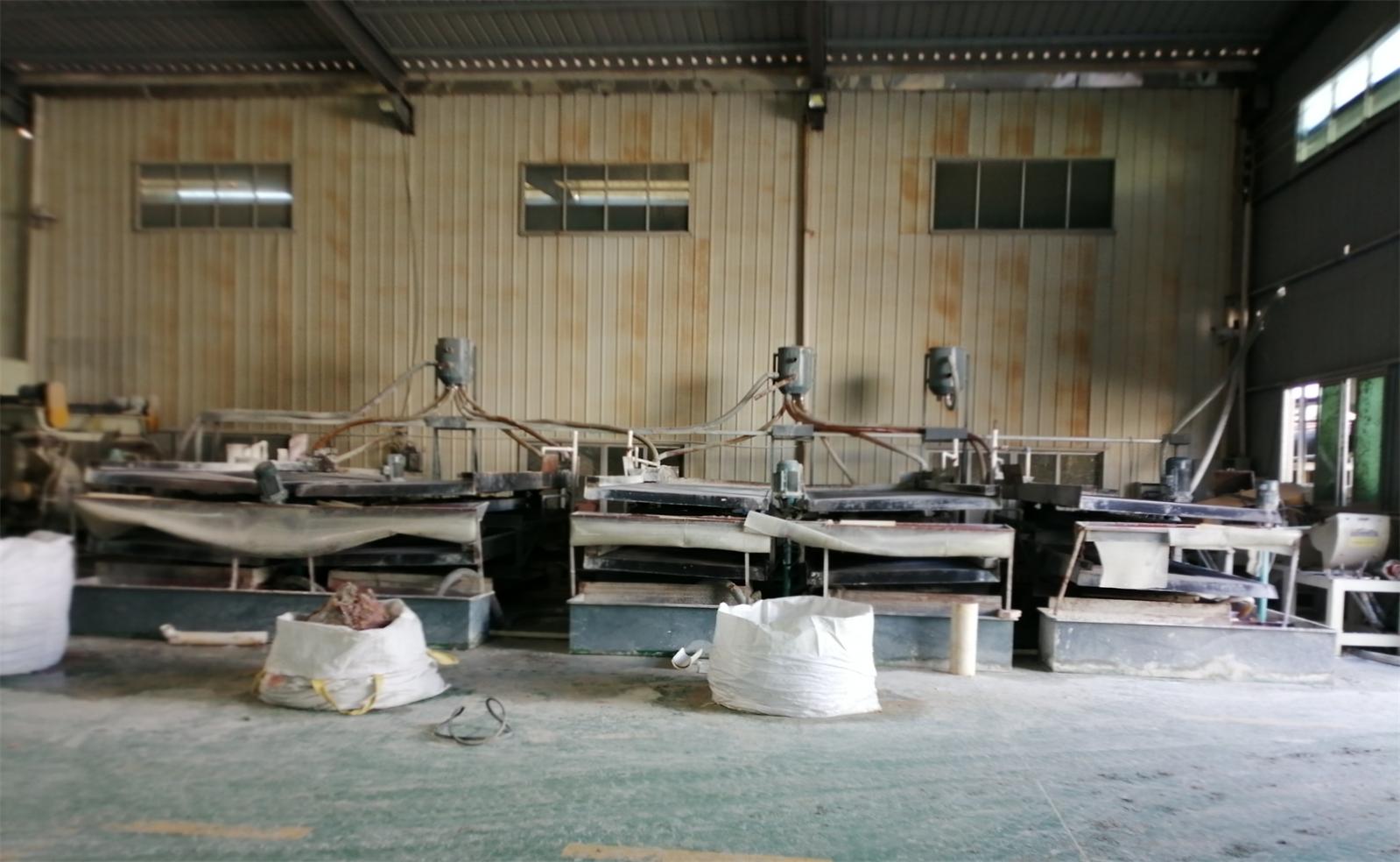
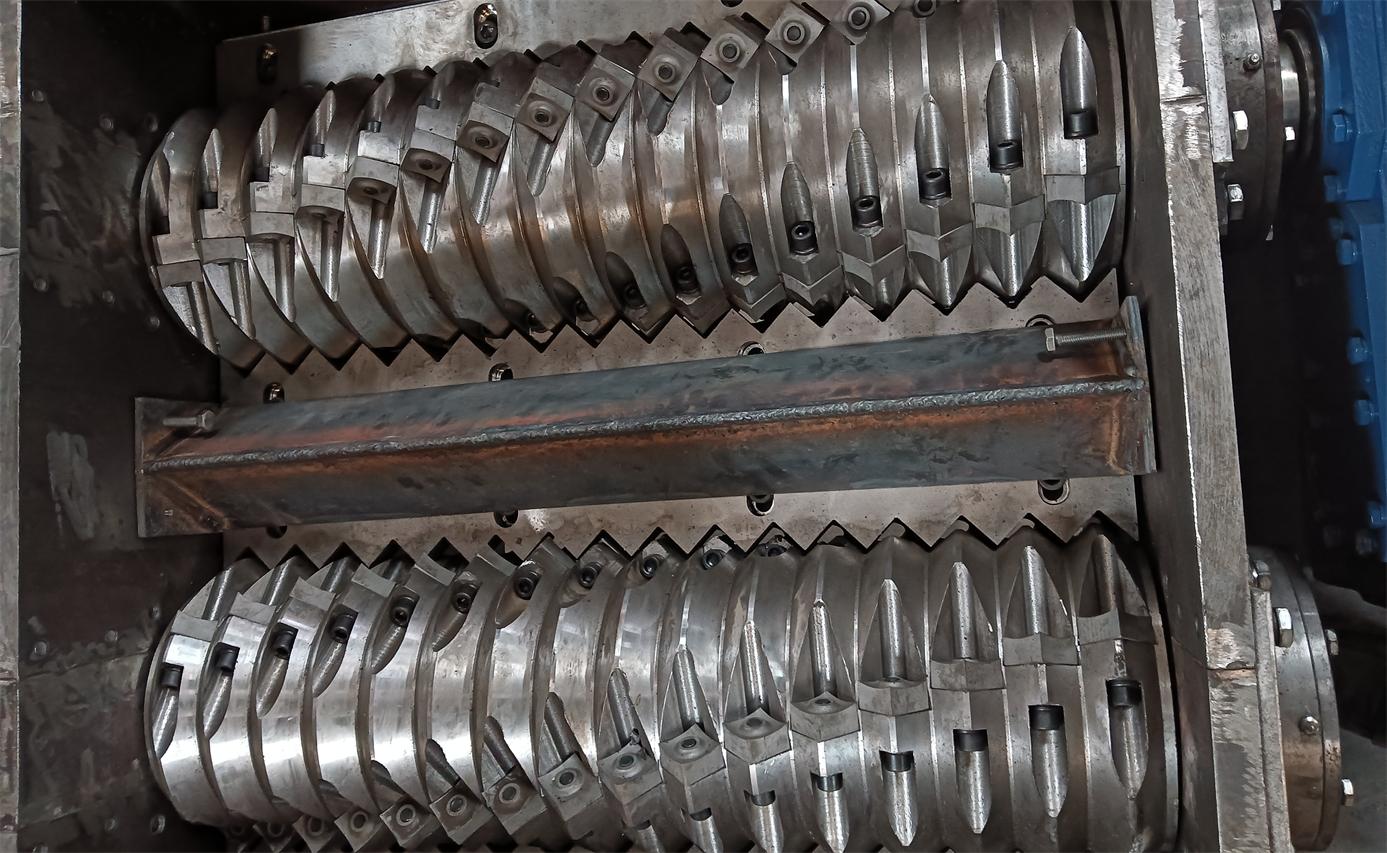
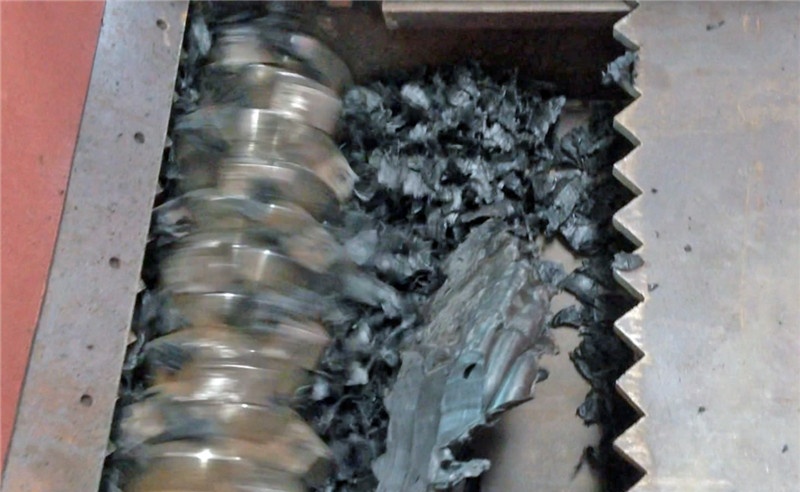
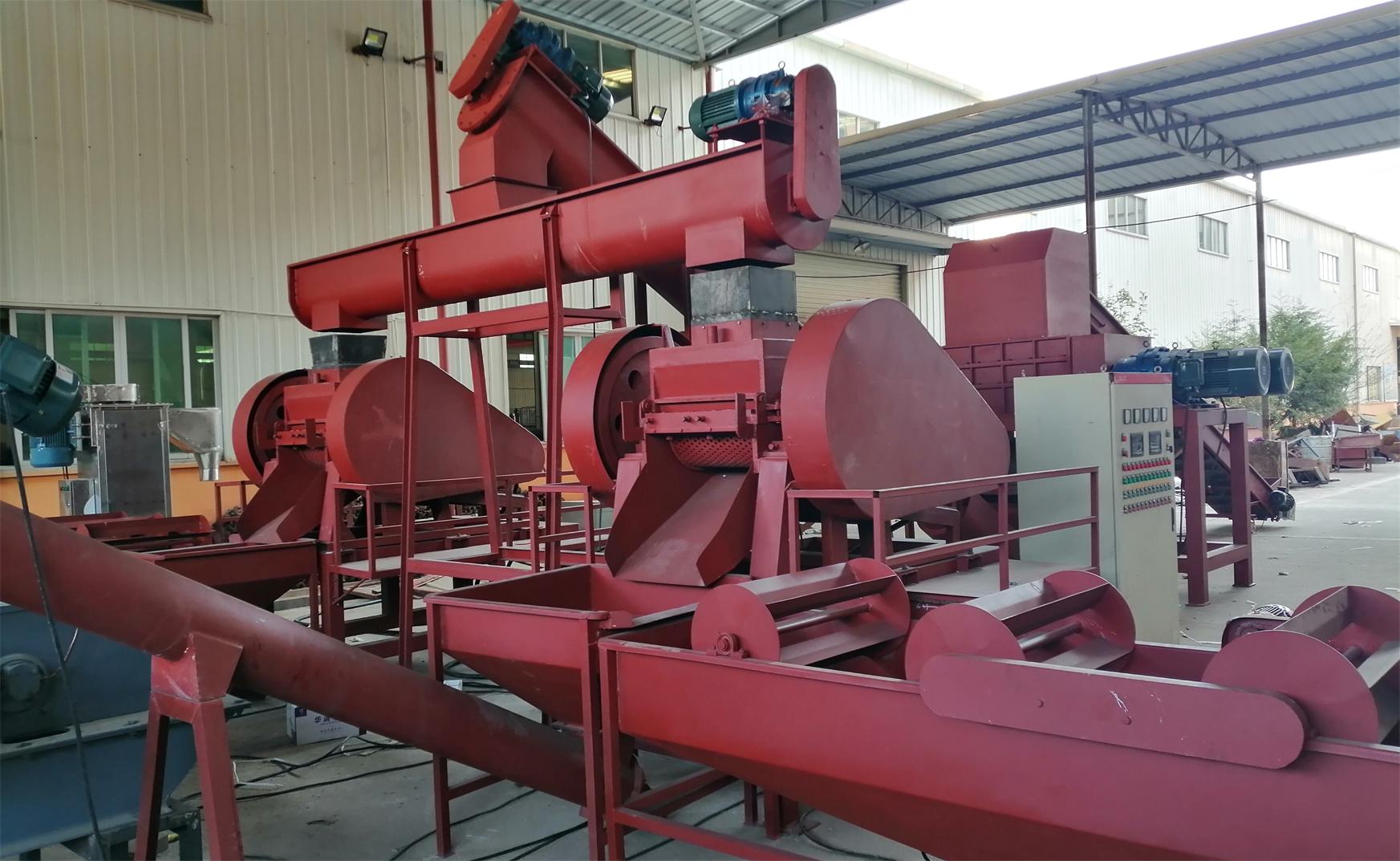
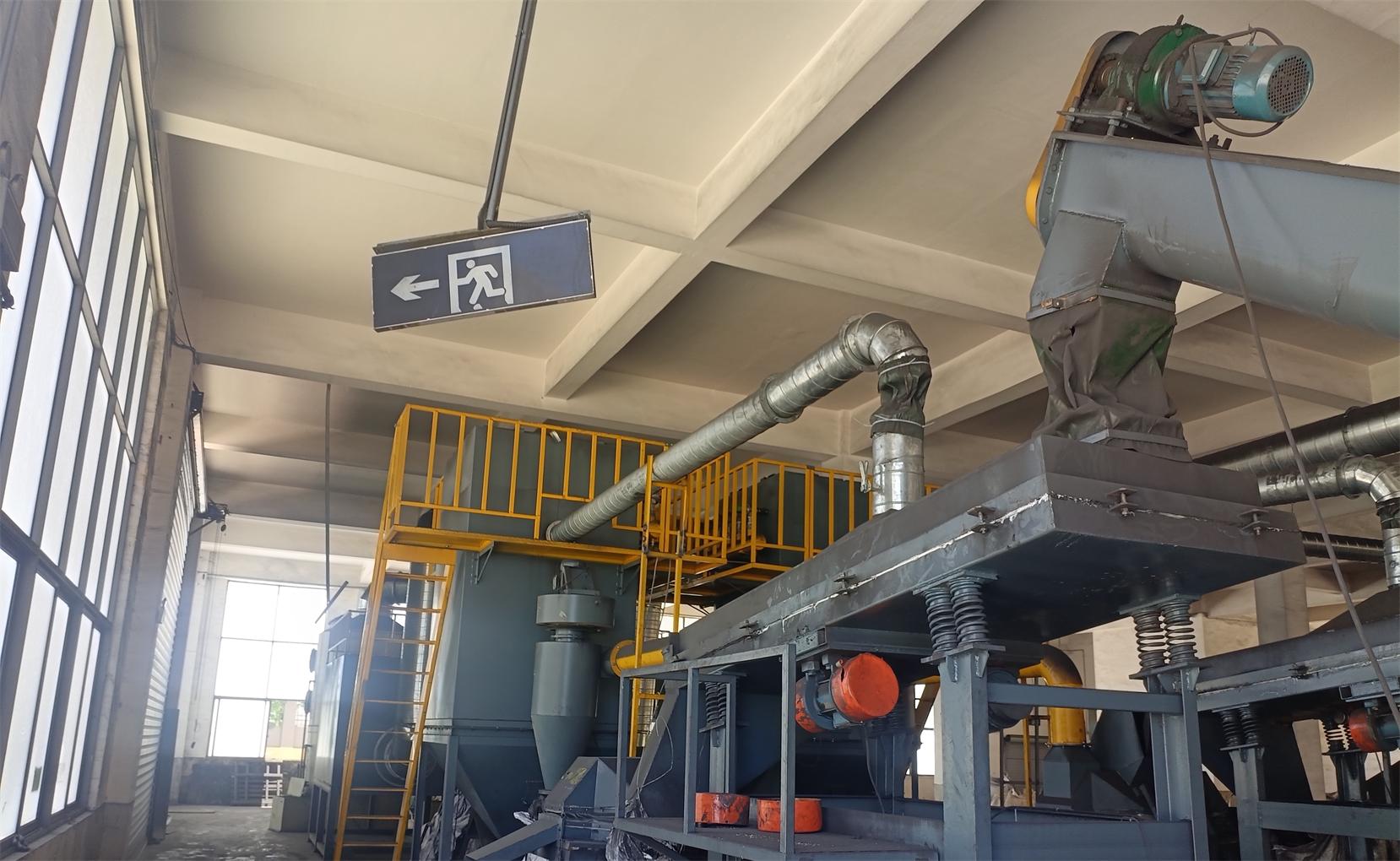
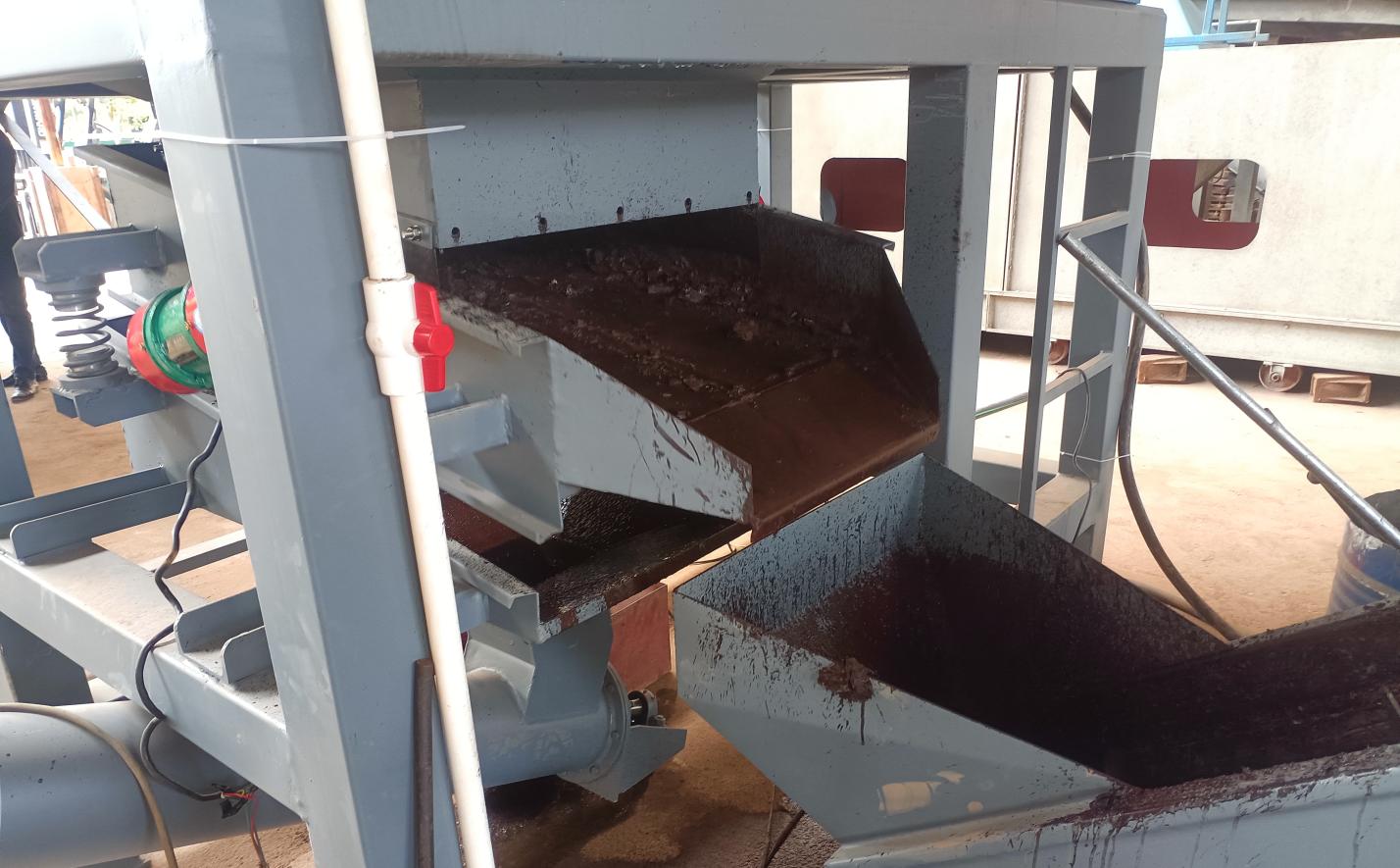
Every lead acid battery recycling plant starts with the same challenge: opening the casing without losing valuable material or creating a mess. A reliable breaking and separation system crushes the batteries and classifies the output into four streams — lead grid, lead paste, PVC or PP plastic, and hard rubber.
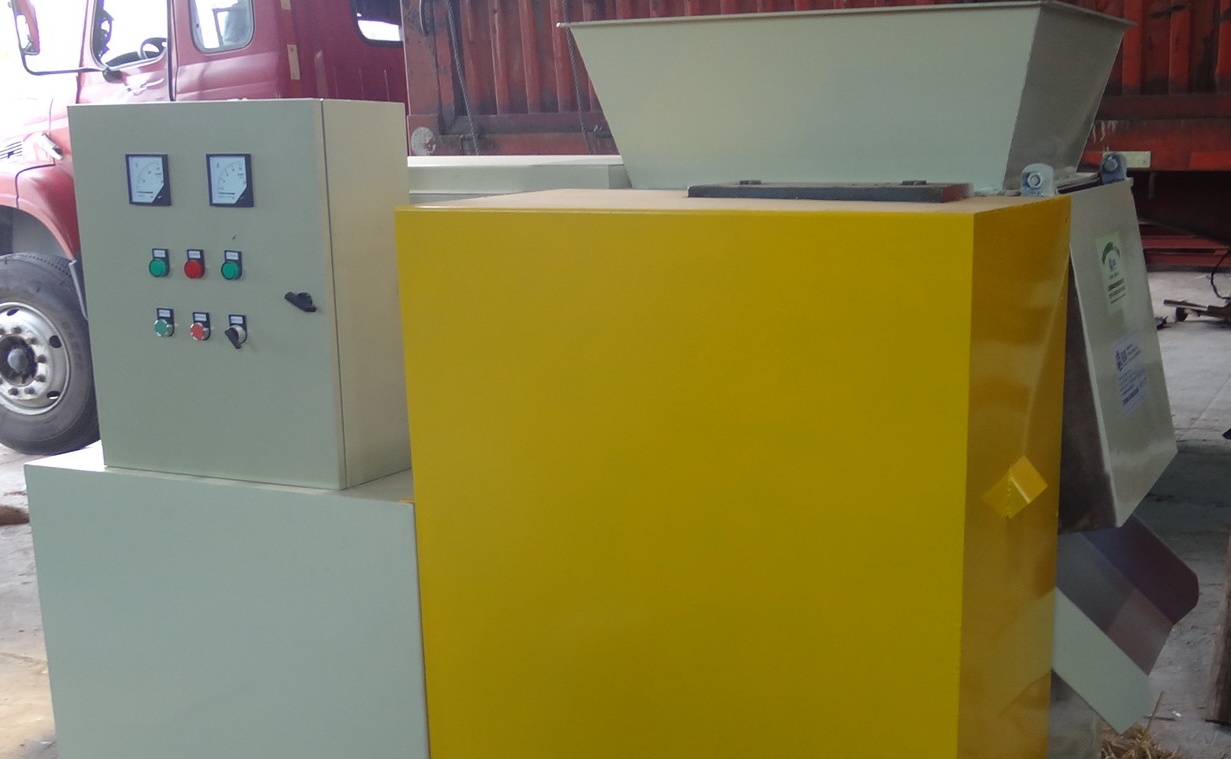
Capacity matters here. Systems rated at 1–10 metric tons per hour give you room to scale. Buyers should ask whether the system handles mixed battery sizes without constant manual adjustment. The best lead battery cutter equipment can slice open a battery in roughly 45 seconds, emptying the acid safely before the battery even reaches the crusher.
Acid handling is not a detail to overlook. A well-designed plant collects sulfuric acid for neutralization or resale rather than letting it drain into wastewater. Look for systems that include acid collection troughs and transfer pumps as standard, not optional extras.
Why Desulfurization Pays for Itself
Lead paste contains lead sulfate (PbSO4). If you feed this directly into a furnace, the sulfur converts to sulfur dioxide gas. That means bigger air pollution control bills, higher energy consumption, and more flux additives to keep slag fluid.
A lead paste desulfurization unit removes sulfur before smelting. The chemistry is straightforward: convert PbSO4 to PbCO3 or PbO, drive off the sulfur as a saleable byproduct or treat it on site. The payoff is lower melting temperatures, reduced SO2 emissions, and less money spent on coke or flux.
Plants that skip desulfurization often regret it six months after startup when they see their operating costs. Buyers who plan for it from day one run cleaner and cheaper.
Smelting: Rotary Furnace vs. Blast Furnace
Once you have clean lead paste and sorted lead grid, you need to reduce it to metallic lead. Two furnace types dominate the industry.
Blast (cupola) furnaces operate continuously and handle high throughput. A well-engineered unit reaches 1800°C and processes 40–100 metric tons per 24-hour cycle. Lead recovery rates around 95% are achievable with proper charge preparation and temperature control.
Rotary furnaces work in batches. They are more flexible for paste reduction because you can adjust each batch based on incoming material composition. Capacity ranges from 2–20 metric tons per batch. For many mid-scale operations, the rotary furnace offers better lead recovery than blast furnace processing, especially when paired with a desulfurization stage.
The right choice depends on your feedstock mix, local energy prices, and environmental permits. Some plants run both: rotary furnace for paste, blast furnace for grid and scrap.
Refining to 99.999% Purity
Crude lead from the furnace contains antimony, tin, arsenic, and other metals. To sell into battery-grade markets, you need to refine it. A lead refinery furnace brings crude lead up to 99.999% purity.
Buyers should compare heating methods. Natural gas and diesel heated kettles are common. Electric heated kettles using near-infrared heating can cut energy use by 30–50%. Over a five-year operating period, that difference adds up to serious savings, especially in regions where electricity is cheaper than fossil fuel.
Refining kettles range in size. Match the kettle capacity to your furnace output. A bottleneck here stalls your entire line.
Air and Water Treatment: The Permits Depend on It
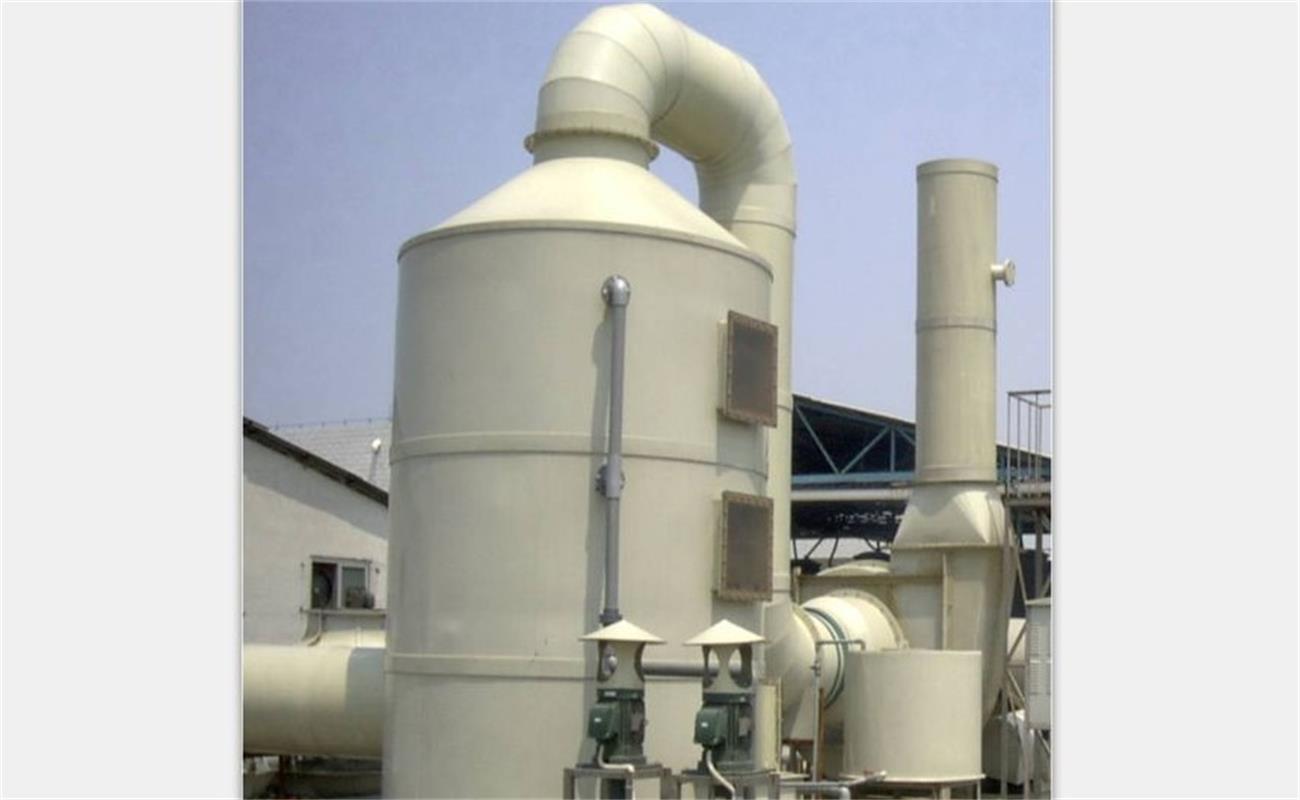
No lead acid battery recycling plant runs legally without emission control. An air pollution control system for rotary furnaces and refinery kettles typically includes dust collection, gas cooling, and scrubbing stages. The goal is meeting local environmental requirements, not just passing inspection.
Wastewater from battery breaking and floor cleaning contains acid and dissolved metals. A dedicated water treatment plant neutralizes acidic effluent and precipitates heavy metals before discharge. Filter presses collect lead paste from slurry, with plate sizes around 800×800 mm and total filtration areas of 60 square meters on standard industrial units.
Budget for these systems upfront. Retrofitting pollution control after permitting delays is expensive.
What Separates a Machine Supplier from a Project Partner
Anyone can quote a crusher and a furnace. The real question is whether your supplier understands how the pieces fit together into a profitable plant.
Look for manufacturers with direct experience in EPC — engineering, procurement, and construction — for e-waste recycling projects. A supplier who has designed complete plants before knows where bottlenecks hide. They understand that a 10-ton-per-hour breaking system paired with a 2-ton-per-batch furnace creates a traffic jam.
Technical depth matters too. A support team led by mechanical engineers with 15 years of field experience will spot layout problems during design, not after installation. Multilingual teams who understand both the machinery and the intercultural side of international projects reduce miscommunication during commissioning.
Some suppliers go further, helping customers source feedstock — used batteries, cable scrap, PCB scrap — and introducing buyers for the output: copper rice, lead ingot, aluminum granules. That kind of end-to-end support turns a equipment vendor into a business partner.
Key Questions to Ask Before You Buy
- Can I visit a working plant with the same equipment configuration?
- What is the realistic recovery rate for lead, plastic, and acid in my feedstock mix?
- How long does commissioning typically take, and what training is included?
- Are spare parts stocked locally or shipped from overseas?
- Can the system be expanded if my feedstock volume doubles?
Conclusion
Lead acid battery recycling is not a simple business, but it is a predictable one when you start with the right equipment. From breaking and separation through desulfurization, smelting, and refining, each stage either adds margin or leaks it. Buyers who evaluate lead acid battery recycling equipment as a complete system — not a collection of individual machines — make better long-term decisions.
San Lan Technologies has supplied lead acid battery recycling plants since 2007, with installations running in over 21 countries. Their product range covers battery cutters, breaking and separation systems, desulfurization units, rotary and blast furnaces, refinery kettles, air pollution control, and water treatment — essentially everything needed to turn used batteries into saleable lead, plastic, and neutralized acid. If you are planning a plant upgrade or a greenfield project, request a process flow diagram and capacity study tailored to your feedstock.