Lead Acid Battery Recycling: A Complete Guide to Modern Equipment and Sustainable Solutions
Every year, millions of tons of used lead acid batteries reach the end of their service life across the globe. Without proper recycling infrastructure, these batteries pose severe environmental and health risks due to their lead content and sulfuric acid electrolyte. At the same time, they represent a significant source of recoverable lead, plastic, and other valuable materials. For businesses looking to enter or expand in the battery recycling sector, choosing the right lead acid battery recycling equipment is the foundation of a profitable and environmentally responsible operation.
Why Lead Acid Battery Recycling Matters Now
Lead acid batteries remain the dominant technology for automotive starting, lighting, and ignition (SLI) applications, as well as for uninterruptible power supplies (UPS) and industrial backup systems. Their widespread use means a steady and growing stream of end-of-life batteries requiring proper disposal and material recovery.
Recycling used lead acid batteries is one of the most successful closed-loop recycling systems in the world. Modern recycling plants can recover over 95% of the lead content and nearly all of the plastic casing material, turning waste into reusable raw materials while preventing toxic substances from entering landfills or the atmosphere.
Regulatory frameworks worldwide are tightening around battery disposal. Governments in Asia, Africa, Latin America, and the Middle East are increasingly requiring licensed recycling facilities with pollution control systems. This creates a strong market opportunity for investors who deploy compliant, efficient recycling technology from the start.
The Complete Recycling Process Explained
A modern lead acid battery recycling plant follows a carefully engineered sequence to maximize recovery rates while minimizing environmental impact. Understanding each stage helps operators select equipment that matches their feedstock, capacity targets, and local regulatory requirements.
Step 1: Battery Breaking and Separation
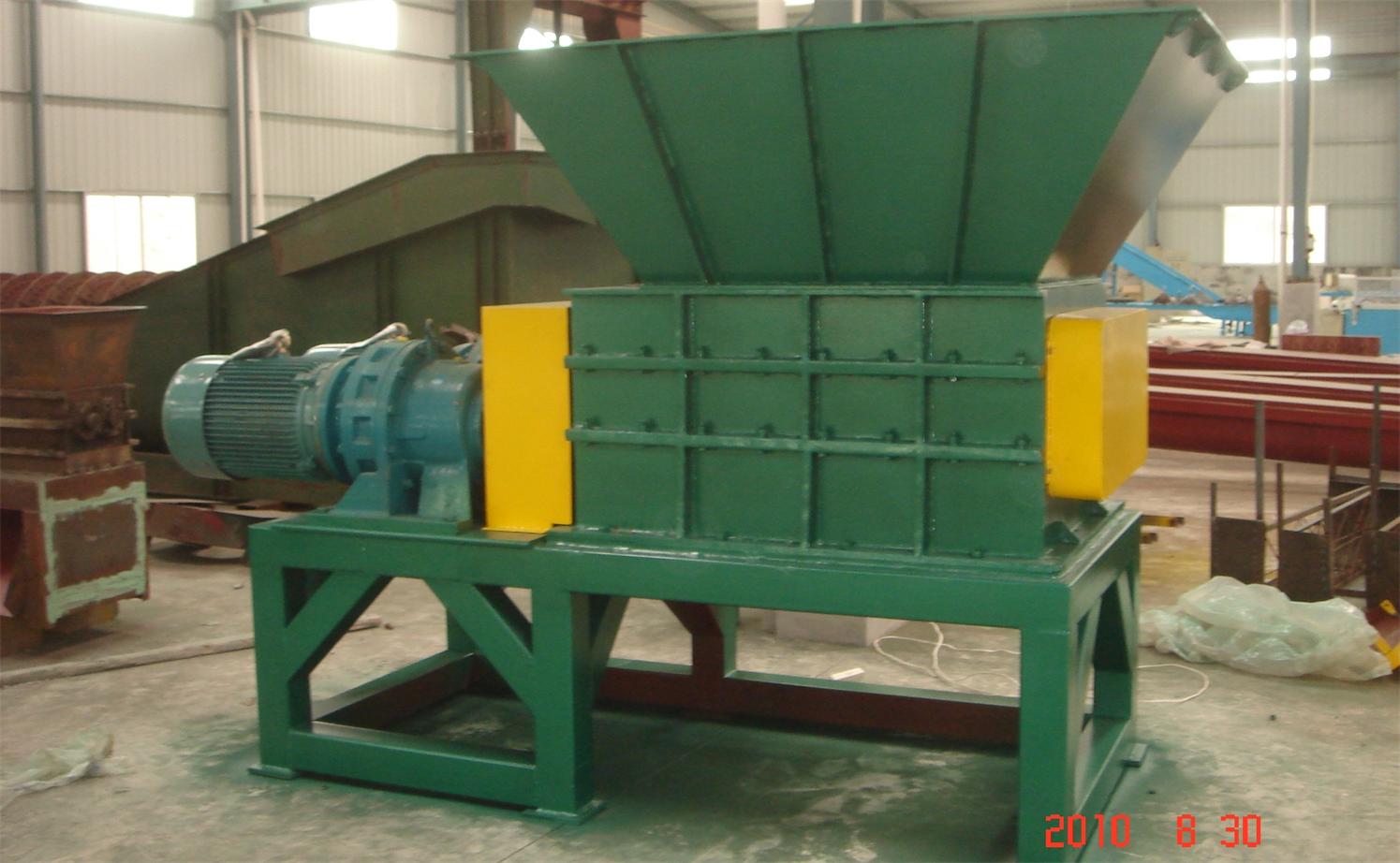
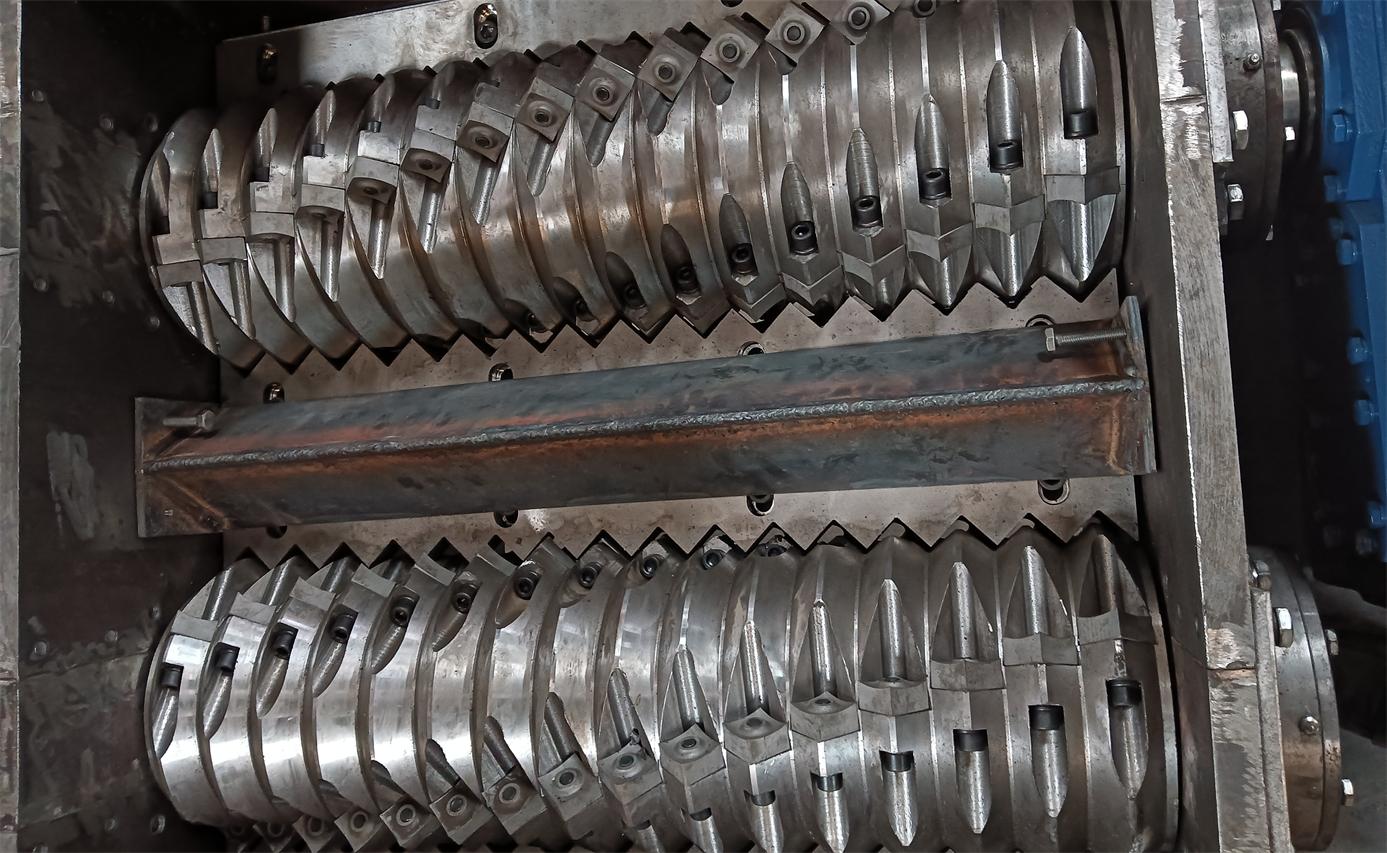
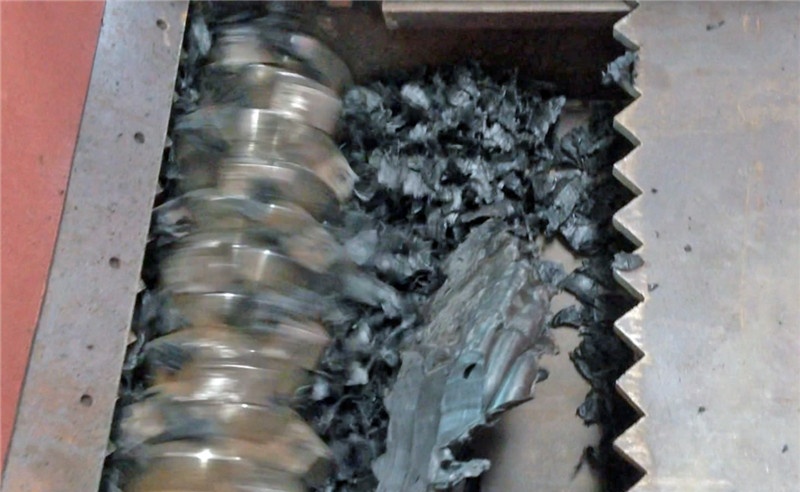
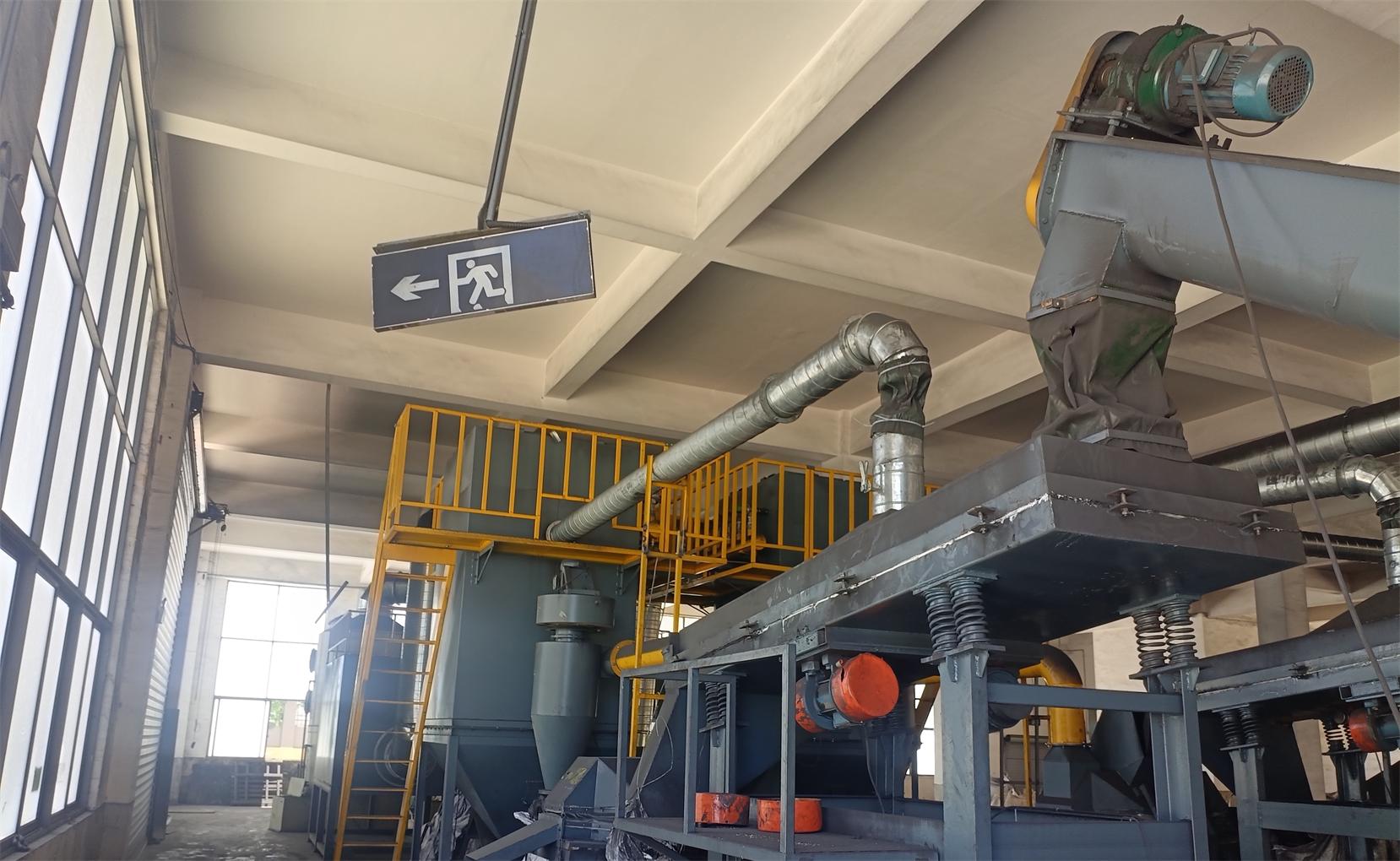
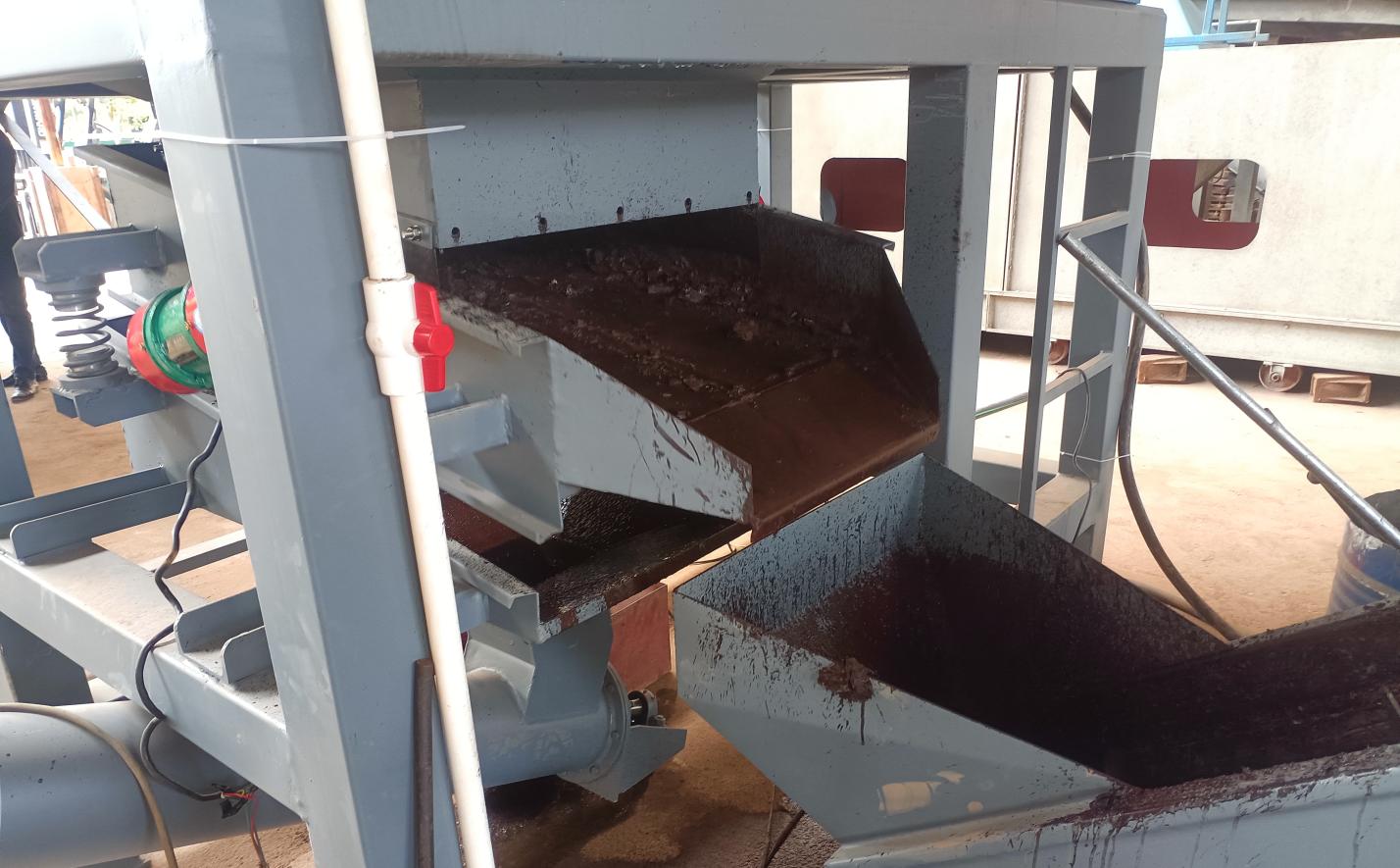
The process begins with breaking and separating the incoming batteries. Whole batteries are fed into a breaking system that crushes them and classifies the output into four main fractions: lead paste, lead grids, plastic (PVC/PP), and hard rubber separators. Advanced systems can process 1 to 10 metric tons per hour, depending on the configuration. The acid electrolyte is collected separately for neutralization or reuse.
Step 2: Paste Treatment and Desulfurization
Lead paste, which contains lead sulfate (PbSO4), must be treated before smelting. A de-sulfurization unit converts the sulfate into lead oxide or lead carbonate, significantly reducing sulfur dioxide emissions during the melting stage. This step also lowers the required smelting temperature, saving energy and reducing flux consumption.
Step 3: Lead Smelting and Refining
The treated paste and metallic lead grids are then smelted. Rotary furnaces and blast (cupola) furnaces are the two primary technologies used. Rotary furnaces are particularly effective for paste reduction and can achieve higher lead recovery rates than traditional blast furnaces. Crude lead from the furnace is then refined in a kettle furnace to reach 99.999% purity, suitable for battery manufacturing or other industrial applications.
Step 4: Environmental Controls
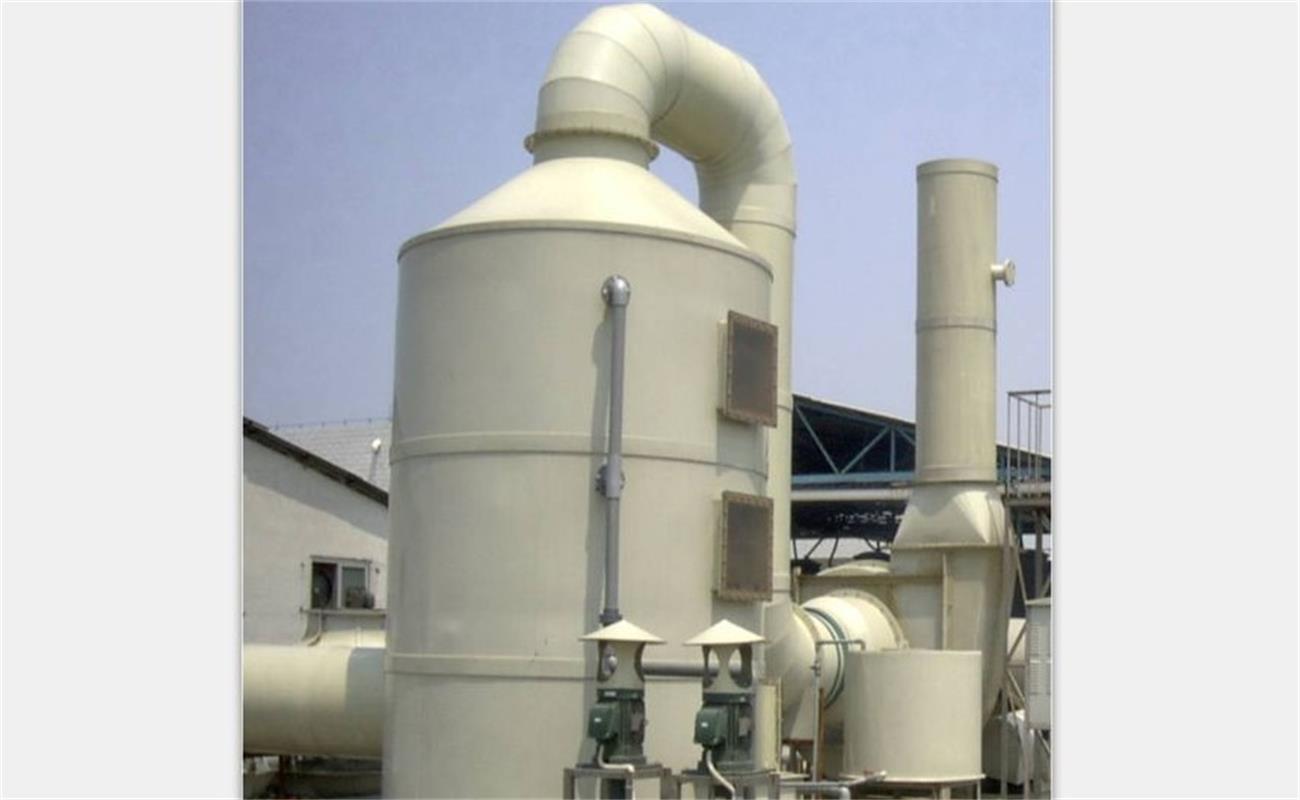
Throughout the process, air pollution control systems capture dust, acidic gases, and volatile organic compounds. Water treatment plants handle acidic wastewater from the breaking and cleaning stages. A filter press separates solid residues from liquid streams. These environmental controls are not optional add-ons; they are essential for meeting emission standards and maintaining operational licenses.
Core Equipment for a Modern Recycling Plant
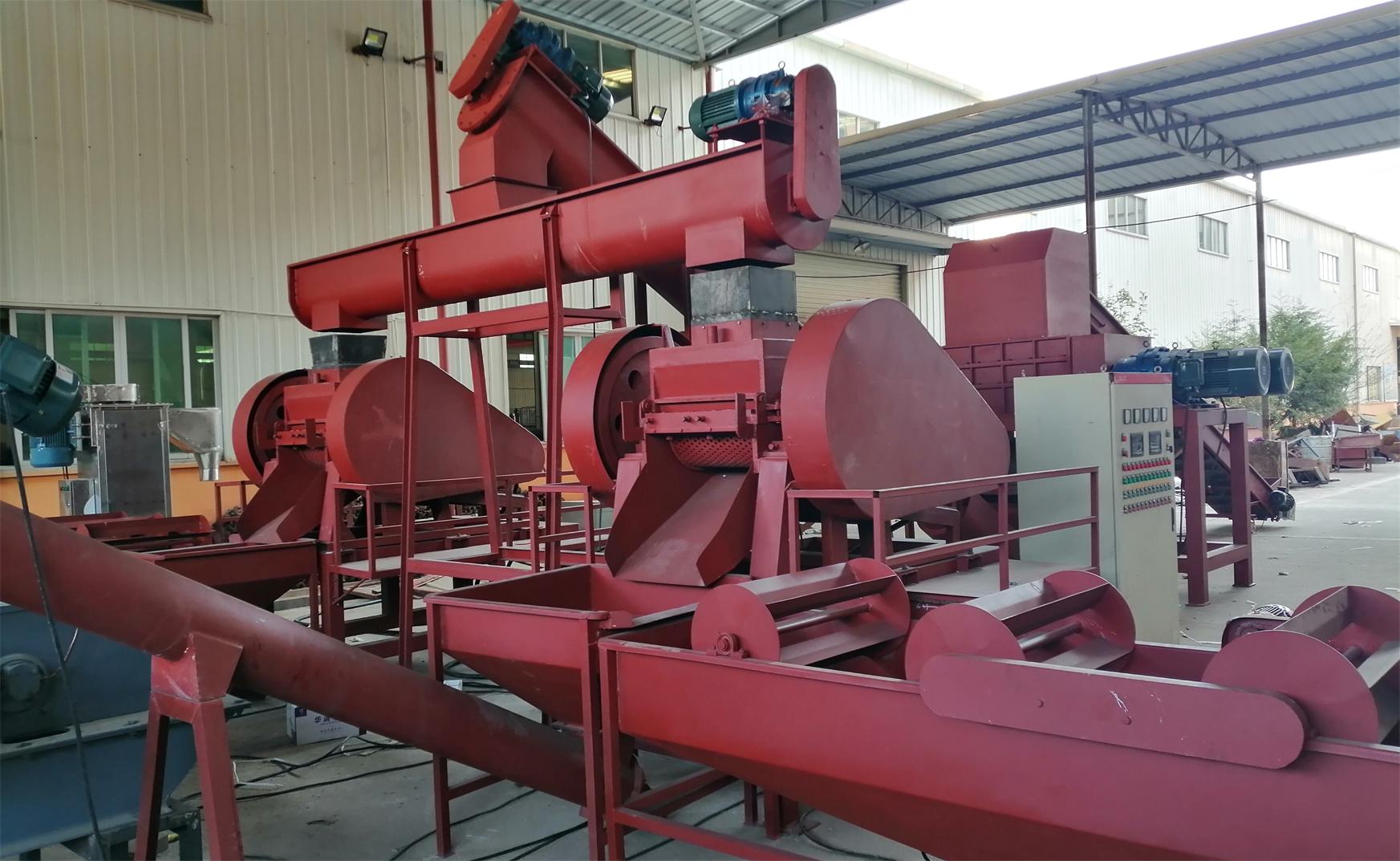
Building a complete recycling facility requires integrating multiple unit operations into a smooth workflow. Here are the essential machines and systems that every operator should evaluate:
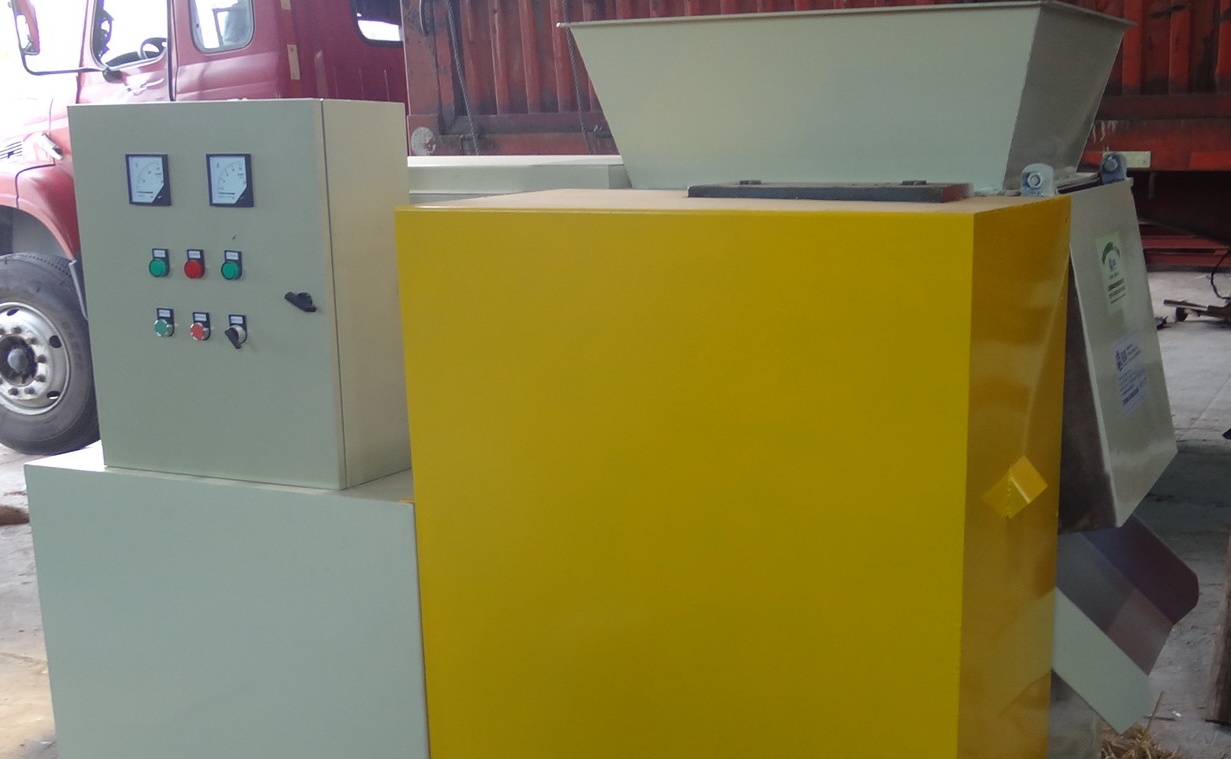
Battery Breaking and Separating Plant — The front-end system that handles incoming whole batteries and separates them into clean, classified fractions. Capacity typically ranges from 1 to 10 MT per hour.
Lead Smelting Rotary Furnace — Designed for paste reduction, producing crude metallic lead. Batch capacities range from 2 to 20 MT, with lead recovery rates exceeding those of conventional blast furnaces.
Blast (Cupola) Furnace — An alternative or complementary smelting unit with daily capacities of 40 to 100 MT and lead recovery rates around 95%.
Lead Refinery Kettle Furnace — Refines crude lead to battery-grade purity (99.999%). Available in natural gas, diesel, or electric heating configurations. Electric infrared heating can reduce energy consumption by 30% to 50%.
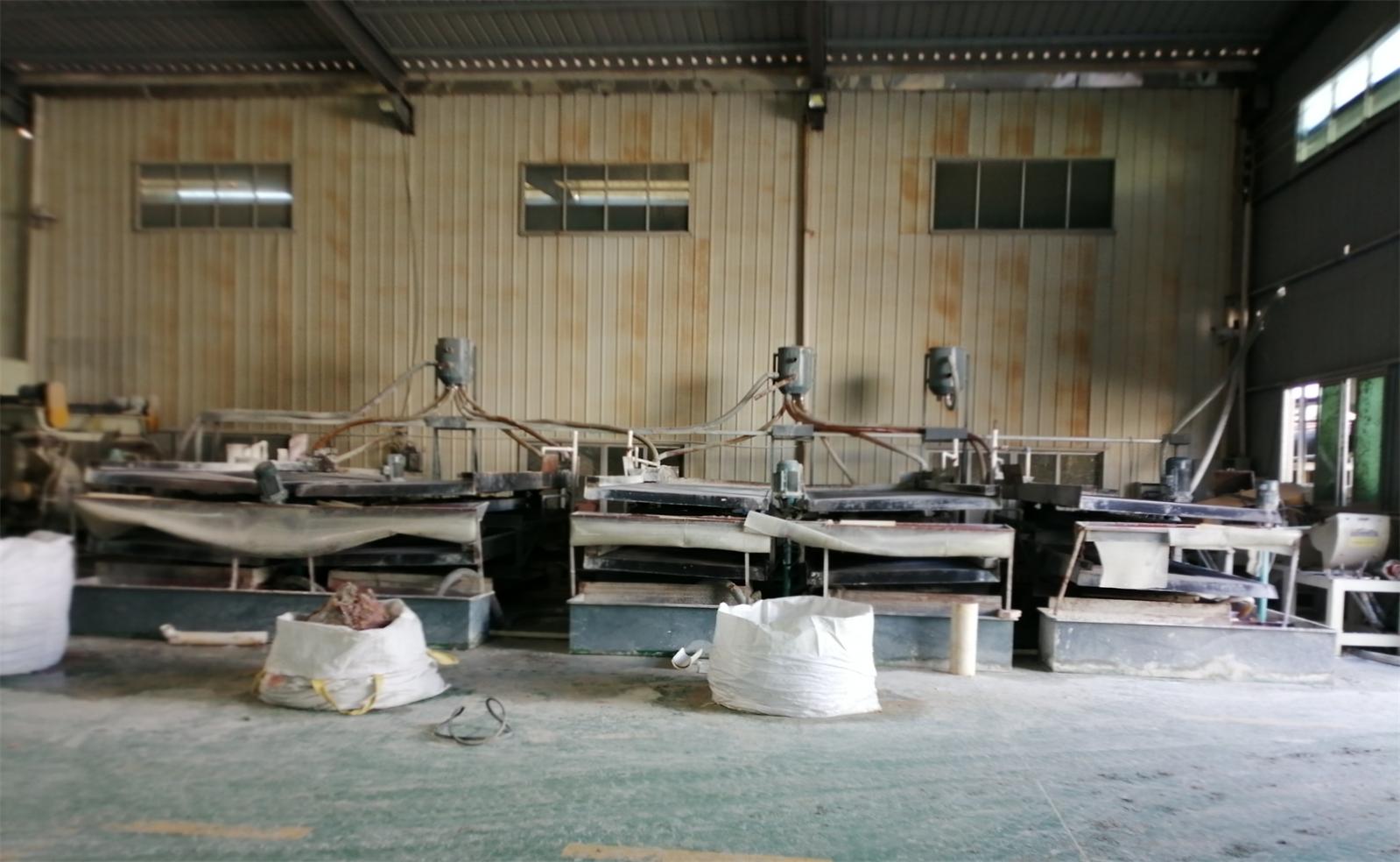
Filter Press — Separates lead paste from slurry. Standard plate sizes of 800x800 mm with filtration areas up to 60 square meters.
Air Pollution Control System — Captures and neutralizes gases from furnaces and refinery kettles to meet environmental regulations.
Water Treatment Plant — Processes acidic wastewater from the breaking-separating line and general cleaning operations.
Choosing a Reliable Equipment Supplier
The difference between a struggling pilot project and a thriving recycling business often comes down to the quality of the equipment and the depth of supplier support. When evaluating potential partners, consider the following factors:
Technical Experience: Look for suppliers with proven engineering teams who understand mechanical design, thermal processing, and environmental compliance. A supplier with over 15 years of hands-on experience in e-waste recycling machinery can anticipate problems that less experienced vendors might miss.
Project Execution Capability: EPC (Engineering, Procurement, Construction) experience matters. A supplier who can deliver customized plant design, equipment integration, installation, and commissioning saves you from coordinating multiple contractors across different time zones and technical standards.
After-Sales and Spare Parts Support: Recycling equipment operates in harsh conditions. Crushers, furnaces, and separators wear down. Ensure your supplier can deliver spare parts and technical guidance without excessive delays.
Proven Export Track Record: Suppliers who have successfully shipped, installed, and commissioned plants in diverse regions — from Southeast Asia to Latin America, Africa to the Middle East — demonstrate adaptability to different climates, raw material qualities, and regulatory environments.
Expanding Beyond Battery Recycling
Many successful recycling entrepreneurs diversify their feedstock to improve equipment utilization and revenue stability. If you are already handling lead acid batteries, consider adding complementary recycling lines. For example, cable recycling equipment can process scrap copper and aluminum cables into high-purity metal granules and plastic pellets. Similarly, circuit board recycling equipment recovers copper powder and precious metals from obsolete electronics. These additional lines can share infrastructure such as shredders, dust collection systems, and material handling equipment, improving the overall return on investment.
San Lan Technologies: Your Partner in Recycling Success
Founded in 2007, San Lan Technologies Co., Ltd has spent nearly two decades designing, manufacturing, and commissioning recycling machinery and mining equipment for customers in more than 21 countries. The company's product portfolio covers not only lead acid battery recycling plants but also lithium battery recycling systems, circuit board recycling lines, cable granulators, CRT cutters, refrigerator recycling plants, and shredders.
What sets San Lan apart is its integrated approach. The engineering team includes mechanical engineering graduates with deep specialization in e-waste processing. Beyond equipment supply, San Lan supports customers through EPC project delivery, customized plant design, installation and commissioning, and even assistance in sourcing waste materials and marketing recovered products such as copper rice, lead ingots, and aluminum granules.
For operators entering the battery recycling market, San Lan offers complete used lead acid battery recycling plants with capacities from 1 to 10 MT per hour. Each system includes breaking and separation, desulfurization, smelting, refining, water treatment, and air pollution control — all engineered to work as an integrated unit. The company also provides lithium battery recycling plants, which are becoming increasingly important as the electric vehicle market expands globally.
Conclusion
Lead acid battery recycling is a mature, economically viable industry with strong environmental justification. Success depends on selecting equipment that delivers high recovery rates, complies with local emissions standards, and is backed by a supplier with real project experience. Whether you are planning your first recycling plant or scaling an existing operation, investing in proven technology and expert support will position your business for long-term profitability in the circular economy.
Ready to start your battery recycling project? Contact San Lan Technologies Co., Ltd to discuss your capacity requirements, raw material sources, and local regulations. With customized plant designs and equipment exported to over 21 countries, San Lan can help you turn waste into valuable resources.