The global surge in electronic waste has created both an environmental challenge and a significant business opportunity. With regulations tightening and raw material prices fluctuating, investing in the right recycling equipment is no longer optional for businesses that want to remain competitive and compliant. Whether you are processing scrap cables, used batteries, or discarded circuit boards, choosing the correct machinery can dramatically improve your recovery rates and profitability.
Modern recycling operations demand efficiency, precision, and environmental responsibility. Outdated or poorly designed equipment leads to material loss, higher energy consumption, and potential regulatory penalties. In contrast, advanced recycling systems can recover valuable metals such as copper, aluminum, lead, and even precious metals from electronic waste with minimal environmental impact.
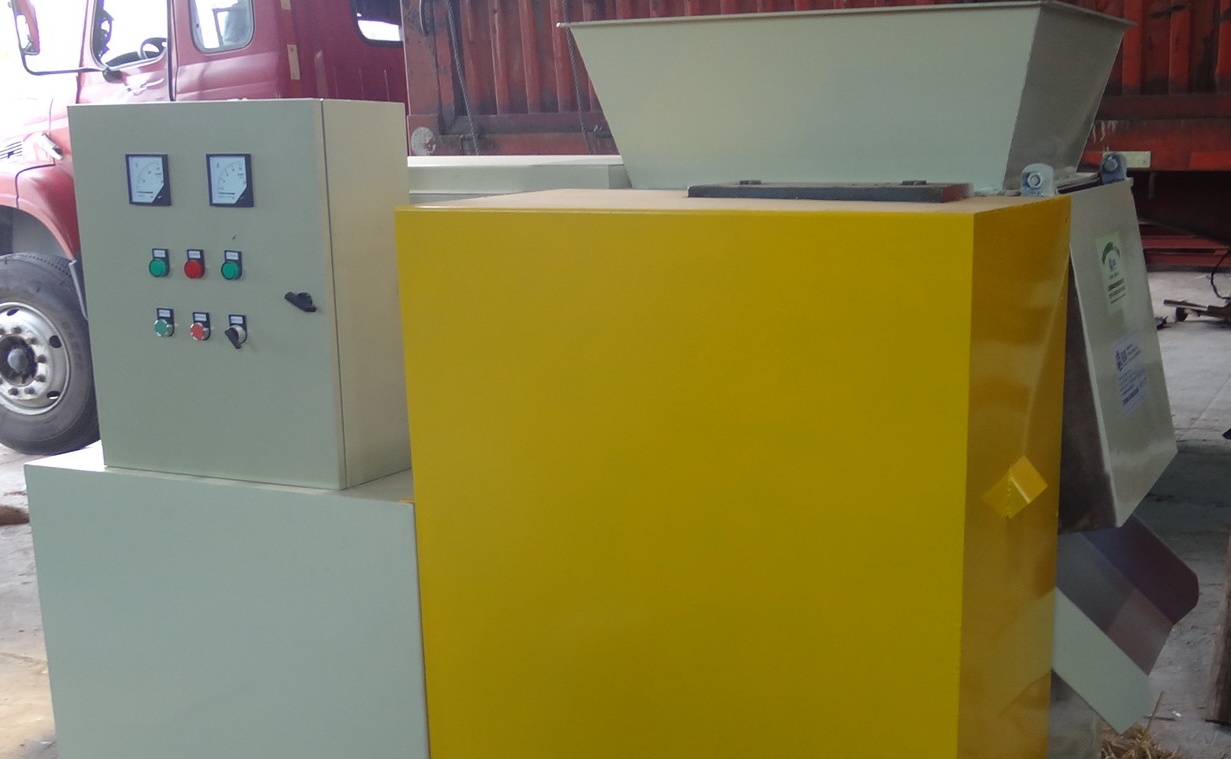
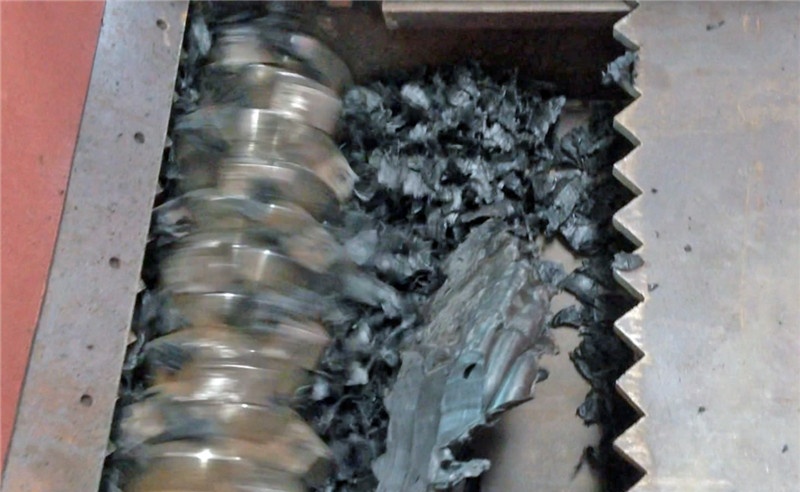
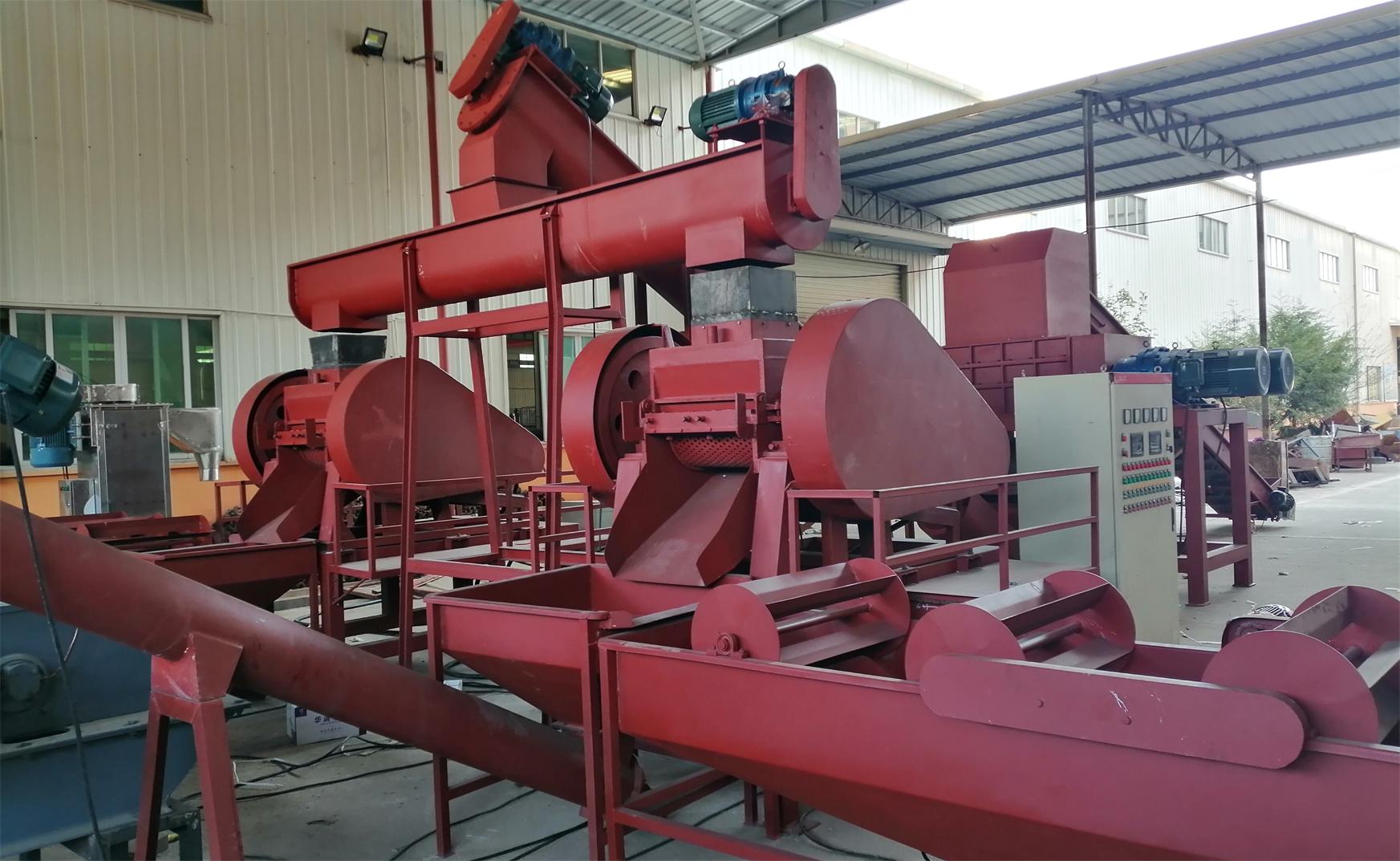
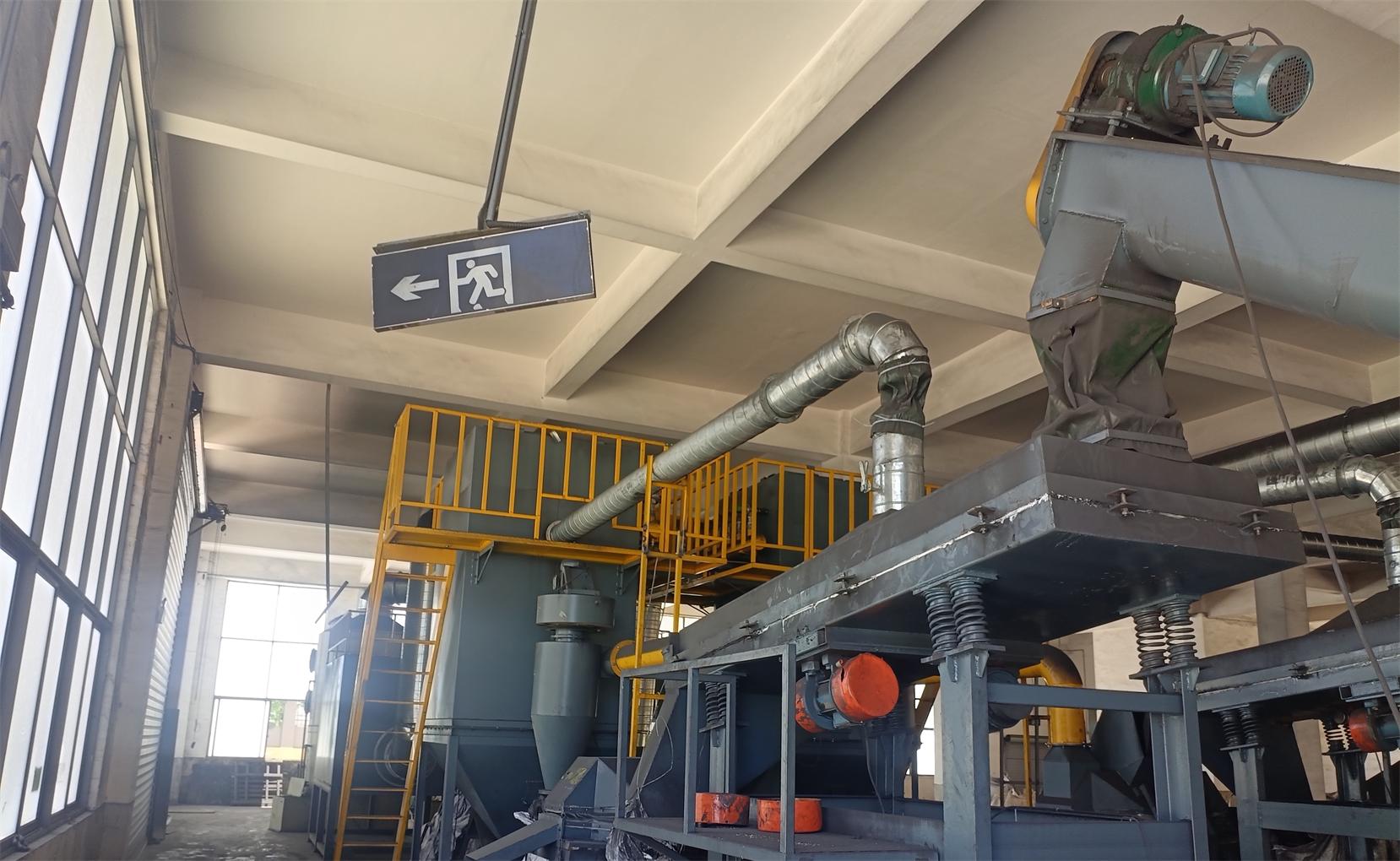
For example, high-quality cable recycling equipment uses dry separation technology to separate copper and plastic without water or chemicals, achieving recovery rates that justify the investment within months. Similarly, specialized battery recycling systems can safely break down hazardous materials while capturing reusable components.
Understanding the different categories of recycling machinery helps you build a processing line that matches your feedstock and capacity requirements.
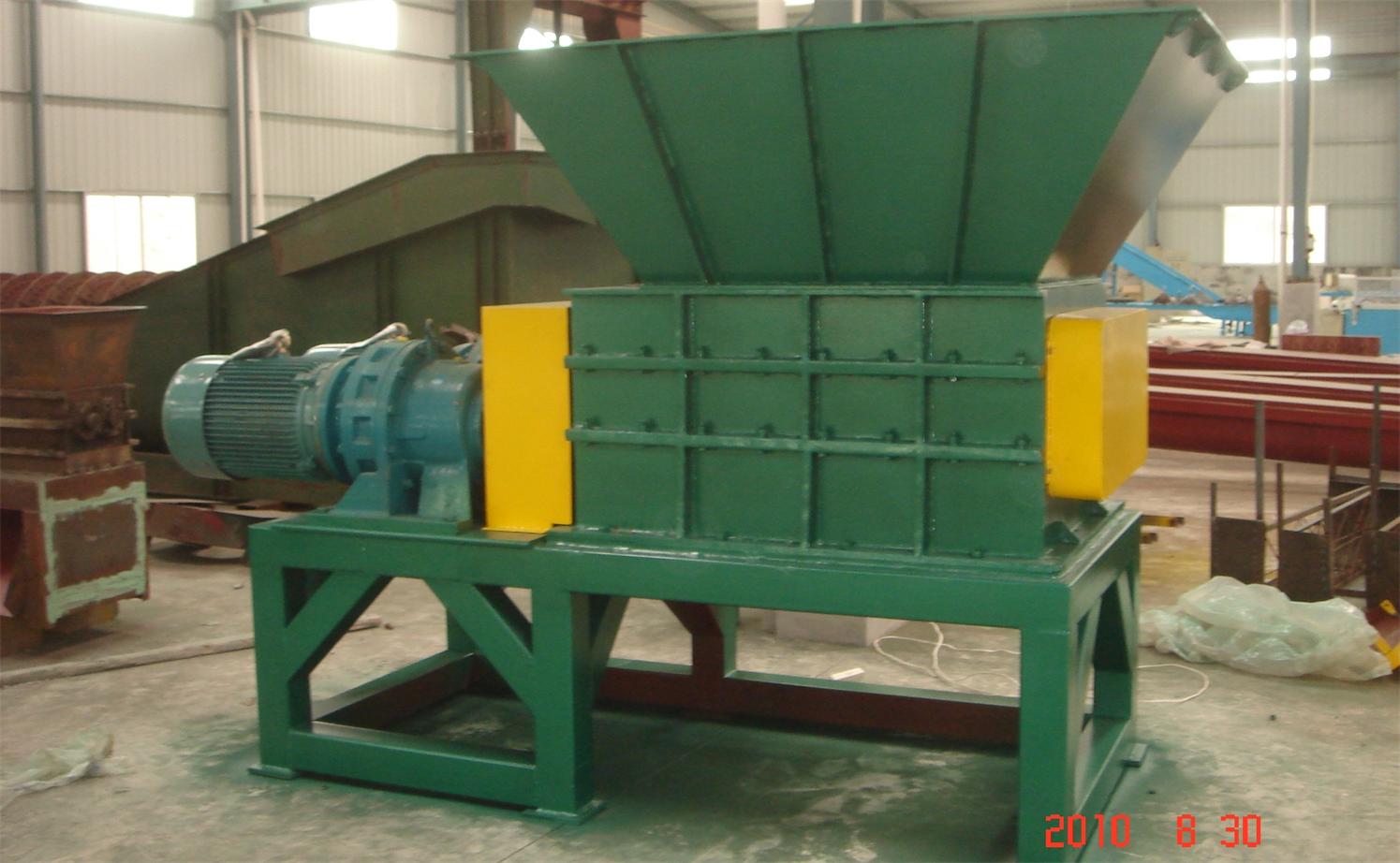
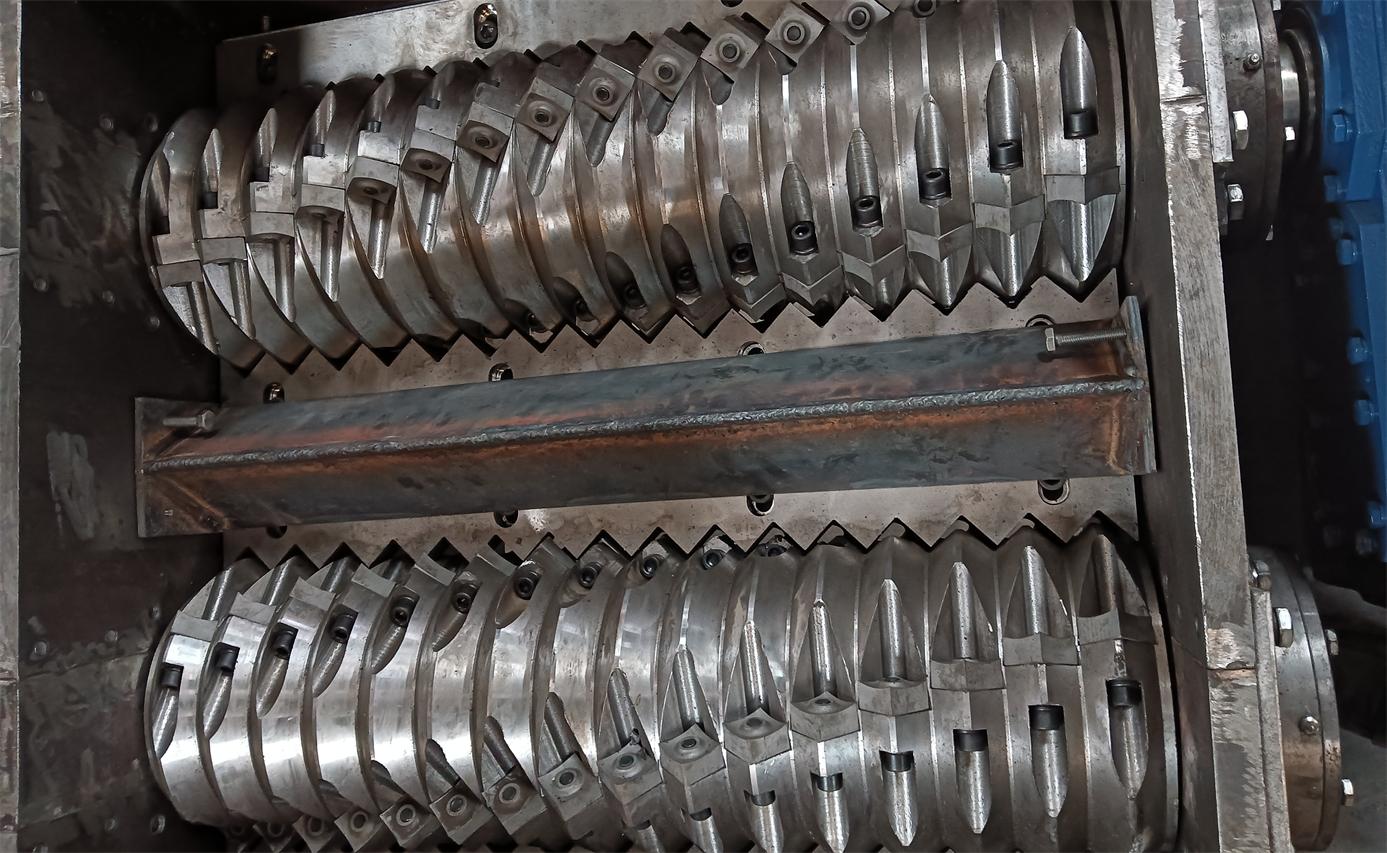
Cable recycling remains one of the most accessible entry points into the recycling industry. Modern cable granulators and strippers can handle everything from thin communication wires to thick industrial cables. Dry separation systems are particularly popular because they eliminate water pollution and reduce operational costs. Capacities typically range from 100 kg/hour for small operations to over 1,200 kg/hour for industrial plants.
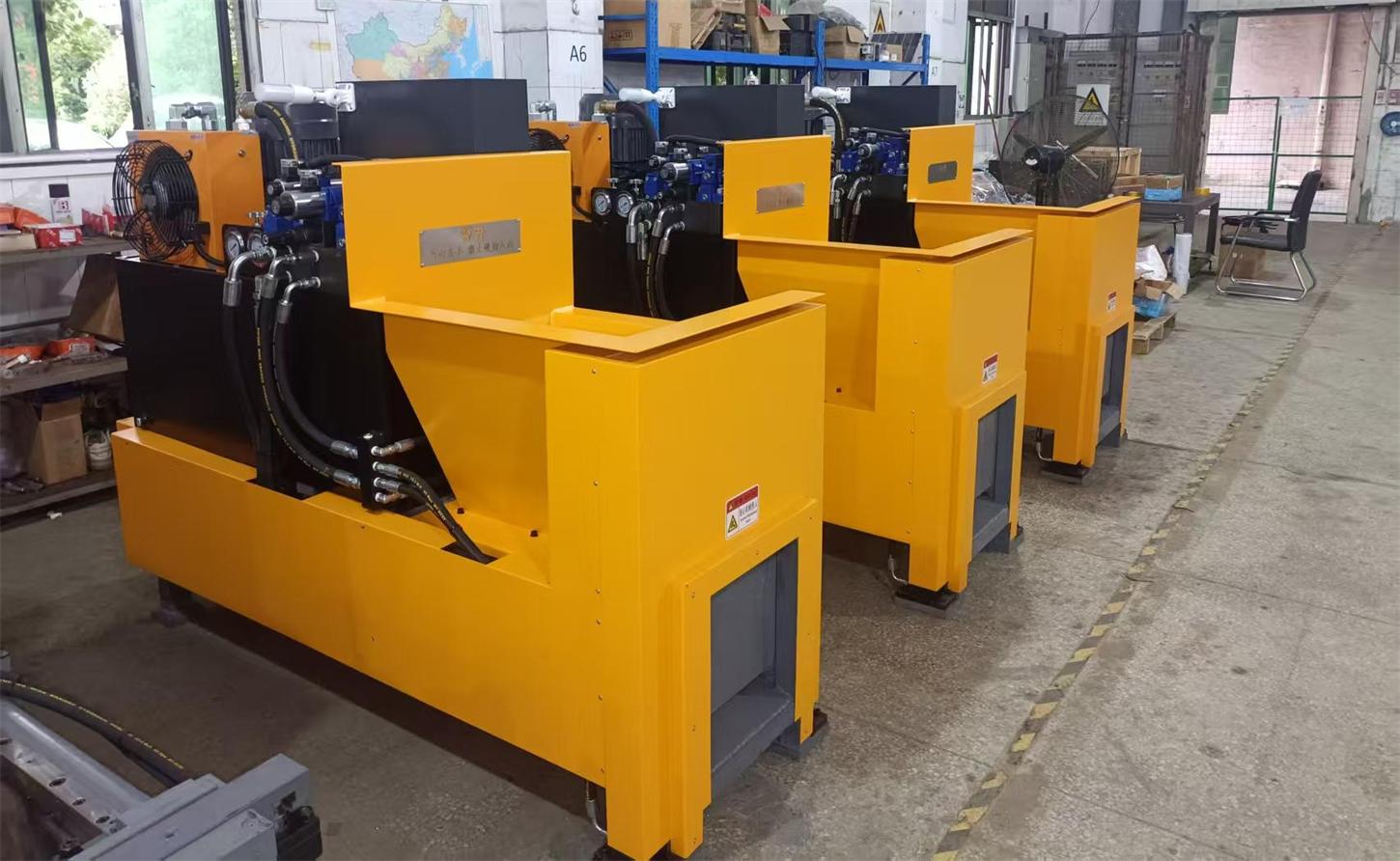
As electric vehicles and renewable energy storage expand, battery recycling has become critical. Lead acid battery recycling equipment breaks and separates used batteries to recover lead paste, lead grids, plastic shells, and acid. Advanced systems include de-sulfurization units, rotary furnaces for paste reduction, and refinery kettles that produce 99.999% pure lead. For lithium-ion batteries, specialized breaking and separation plants recover black mass containing nickel, cobalt, and graphite, along with copper, aluminum, and plastic.
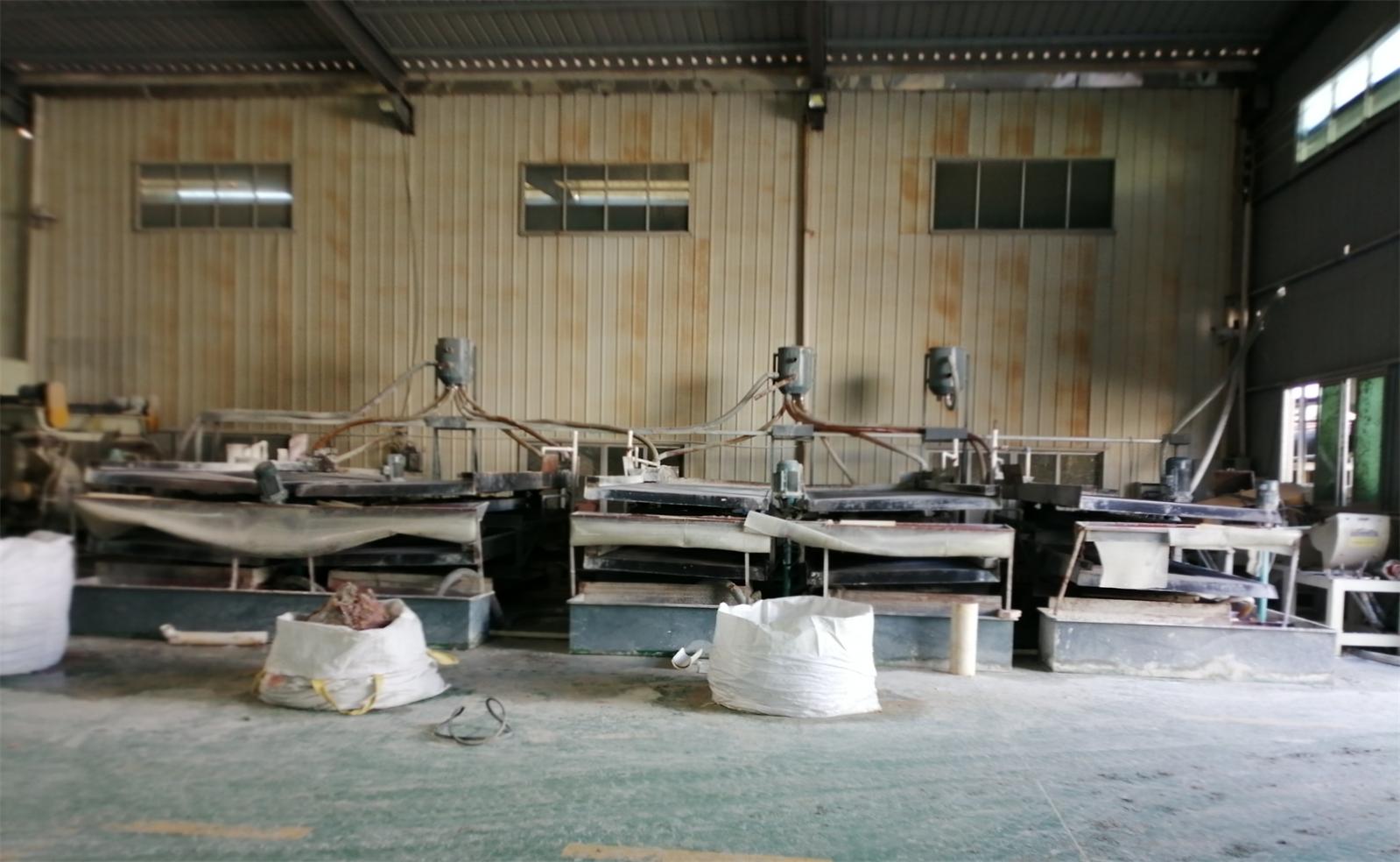
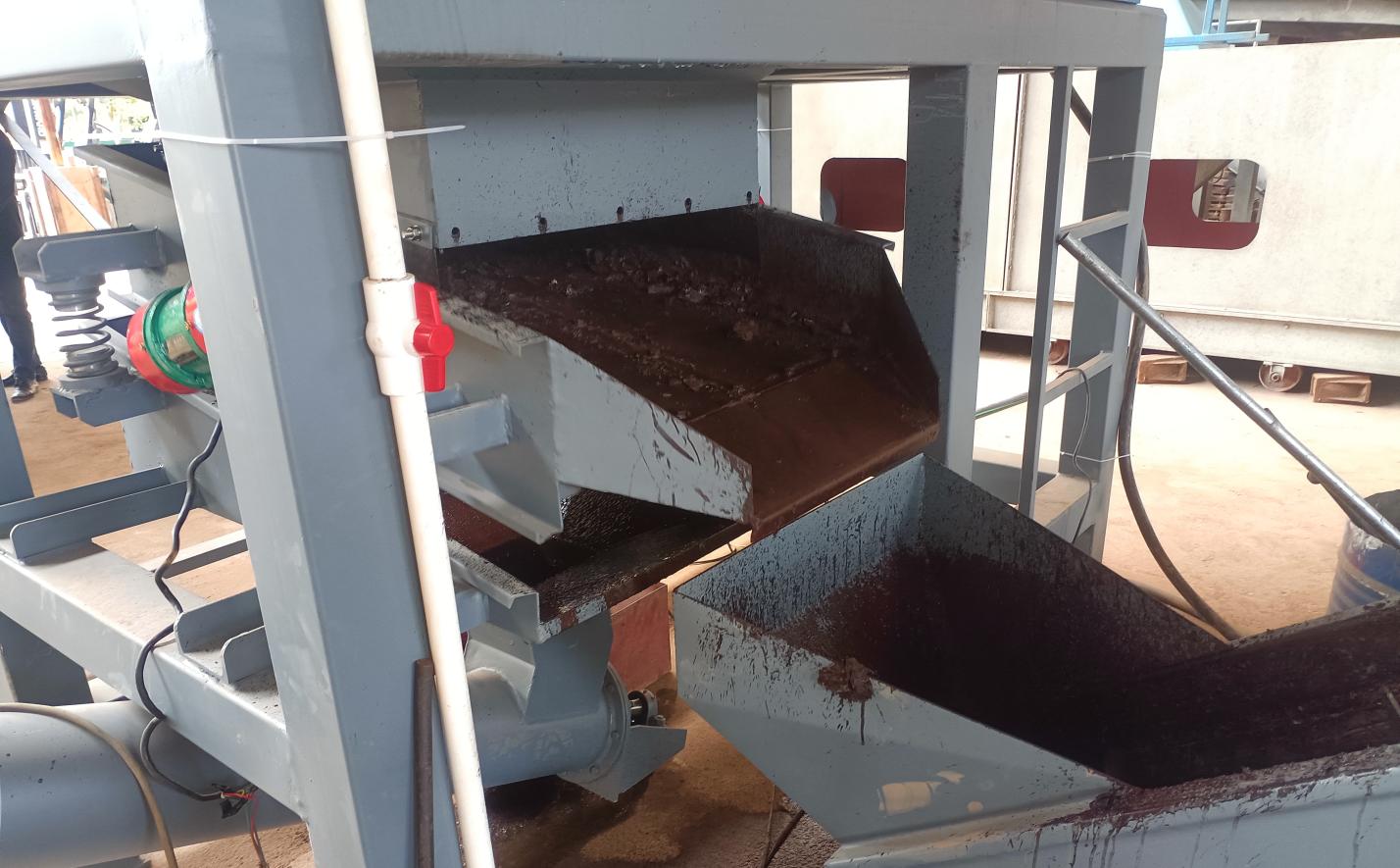
Printed circuit boards contain valuable copper and trace amounts of precious metals. Circuit board recycling equipment uses either dry air separation or wet water separation to crush and classify PCB waste. Modern plants can achieve copper powder purity of 96–98% with recovery rates around 95%, turning electronic scrap into a genuine revenue stream.
Selecting a supplier is as important as selecting the equipment itself. Here are essential factors to evaluate:
Look for manufacturers with deep engineering backgrounds. A supplier whose technical team holds master's degrees in mechanical engineering and has over 15 years of hands-on experience in e-waste recycling machines can design solutions that actually work in real-world conditions.
Every recycling operation faces different raw materials, space constraints, and local regulations. A reliable supplier should offer EPC (Engineering, Procurement, Construction) services, customized design, and one-stop purchasing centers rather than forcing you to integrate incompatible machines from multiple sources.
Equipment that sits uninstalled generates zero return. Ensure your supplier provides professional installation, commissioning, and operator training. Suppliers who also help source raw materials and find buyers for your recovered metals add tremendous value beyond the initial sale.
Exporting recycling equipment requires understanding different standards, voltage requirements, and shipping logistics. A supplier with customers across 21+ countries has likely encountered and solved the challenges you will face.
Founded in 2007, San Lan Technologies Co., Ltd. has spent nearly two decades building a comprehensive portfolio of WEEE recycling machines and mining equipment. From cable recycling equipment and lead acid battery recycling equipment to circuit board recycling equipment, San Lan manufactures complete plant solutions with capacities ranging from small pilot lines to full industrial operations.
What sets San Lan apart is its commitment to end-to-end project success. The company does not merely sell machines; it provides EPC project execution, customized plant design, installation and commissioning, and even assists customers with purchasing waste materials and selling recovered products such as copper rice, lead ingots, and aluminum fractions.
With international customers in Singapore, Colombia, Vietnam, Mexico, Argentina, Korea, Malaysia, Indonesia, South Africa, India, Kenya, Saudi Arabia, and beyond, San Lan understands the intercultural and technical nuances of global recycling operations. The team's essentially bilingual communication in English and Chinese ensures smooth project coordination from initial inquiry to after-sales support.
The recycling industry rewards operators who invest in quality equipment and knowledgeable partners. By understanding your material streams, choosing machinery with proven recovery rates, and working with an experienced supplier, you position your business for long-term profitability while contributing to environmental sustainability.
If you are planning a new recycling plant or upgrading existing equipment, contact San Lan Technologies today. With professional technical support, customized solutions, and a global track record, San Lan is ready to help you turn waste into value.