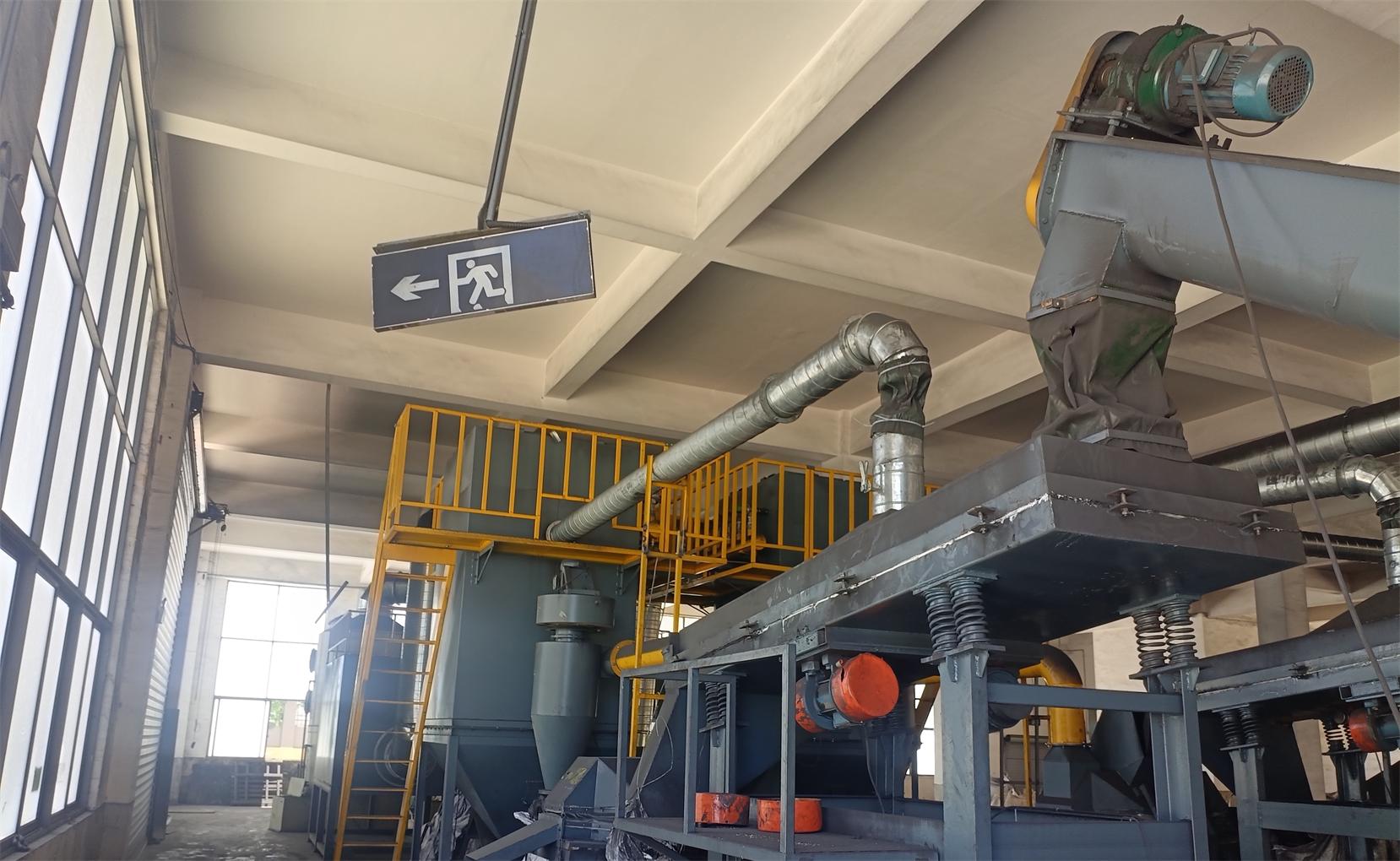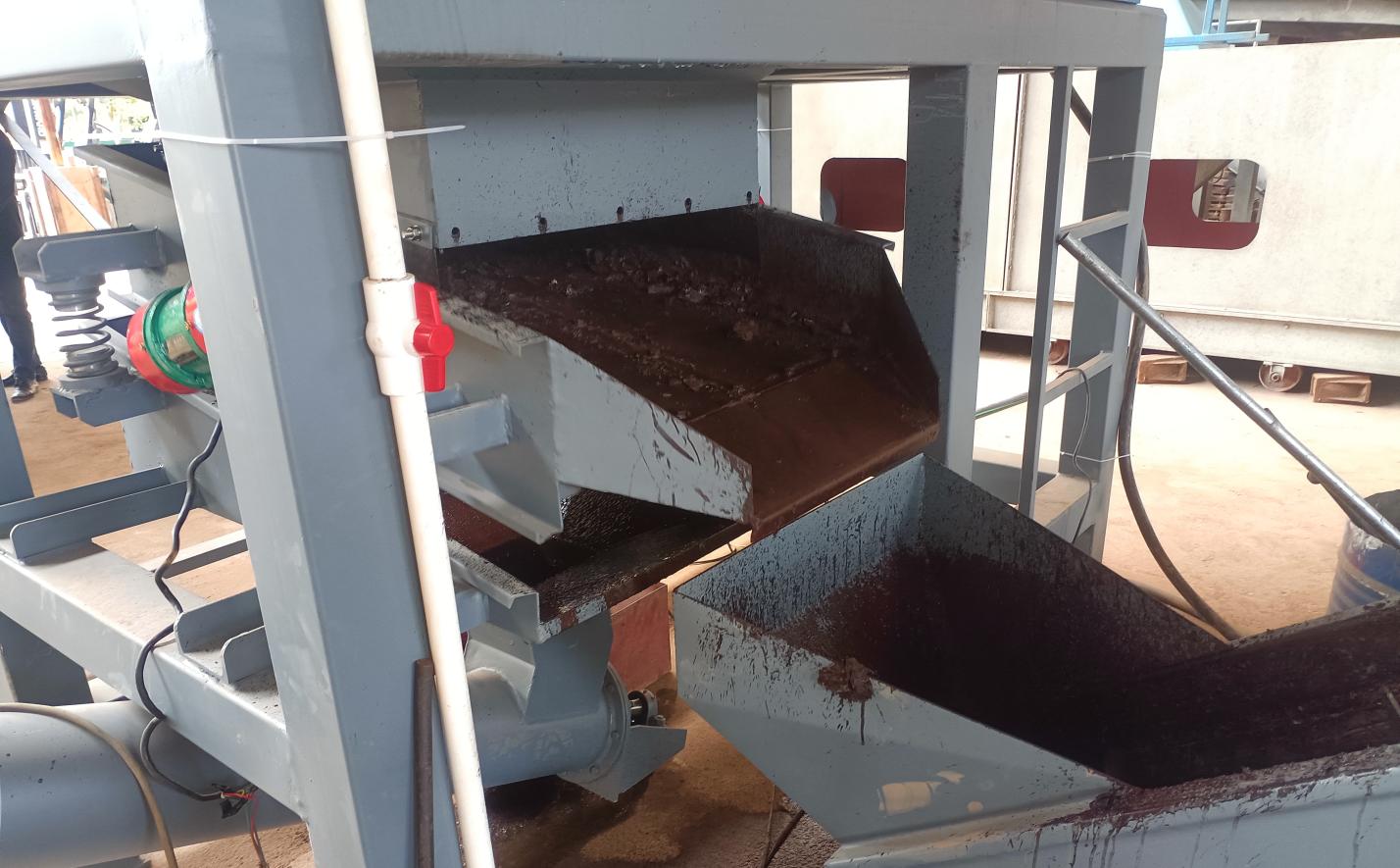
A recycling plant in Southeast Asia invested heavily in a state-of-the-art separation line, only to discover that their shredder was producing inconsistent particle sizes. Copper-bearing plastic fragments slipped past the air separator. Precious metal dust clogged the electrostatic unit. Recovery rates stagnated at 72% when competitors were hitting 95%. The problem was not the separation technology. It was the shredder at the front of the line.
Why Shredder Selection Determines Your Entire Recovery Line
Every recycling process, from cable recycling equipment to lithium battery breaking systems, begins with size reduction. The shredder is the gatekeeper. It controls particle uniformity, material density, and the liberation of metals from composite structures. When the shredder matches the material, downstream equipment operates at design capacity. When it does not, even the most advanced separators struggle to compensate.
Different waste streams demand fundamentally different shredding approaches. Scrap cables with copper cores require clean cutting action that preserves conductor length. Refrigerator shells with mixed plastics and insulation need high-torque tearing. Lithium batteries demand low-speed, sealed operation to prevent thermal events. Using a single-shaft shredder designed for film plastic on a rigid PCB feed will destroy blades within weeks and contaminate the output stream.
Understanding the Three Main Shredder Categories
Industrial shredders for recycling fall into three mechanical families, each with distinct advantages and material sweet spots. Choosing between them requires honest assessment of your feedstock, target particle size, and daily throughput.
Twin Shaft Shredders: Versatility for Mixed E-Waste
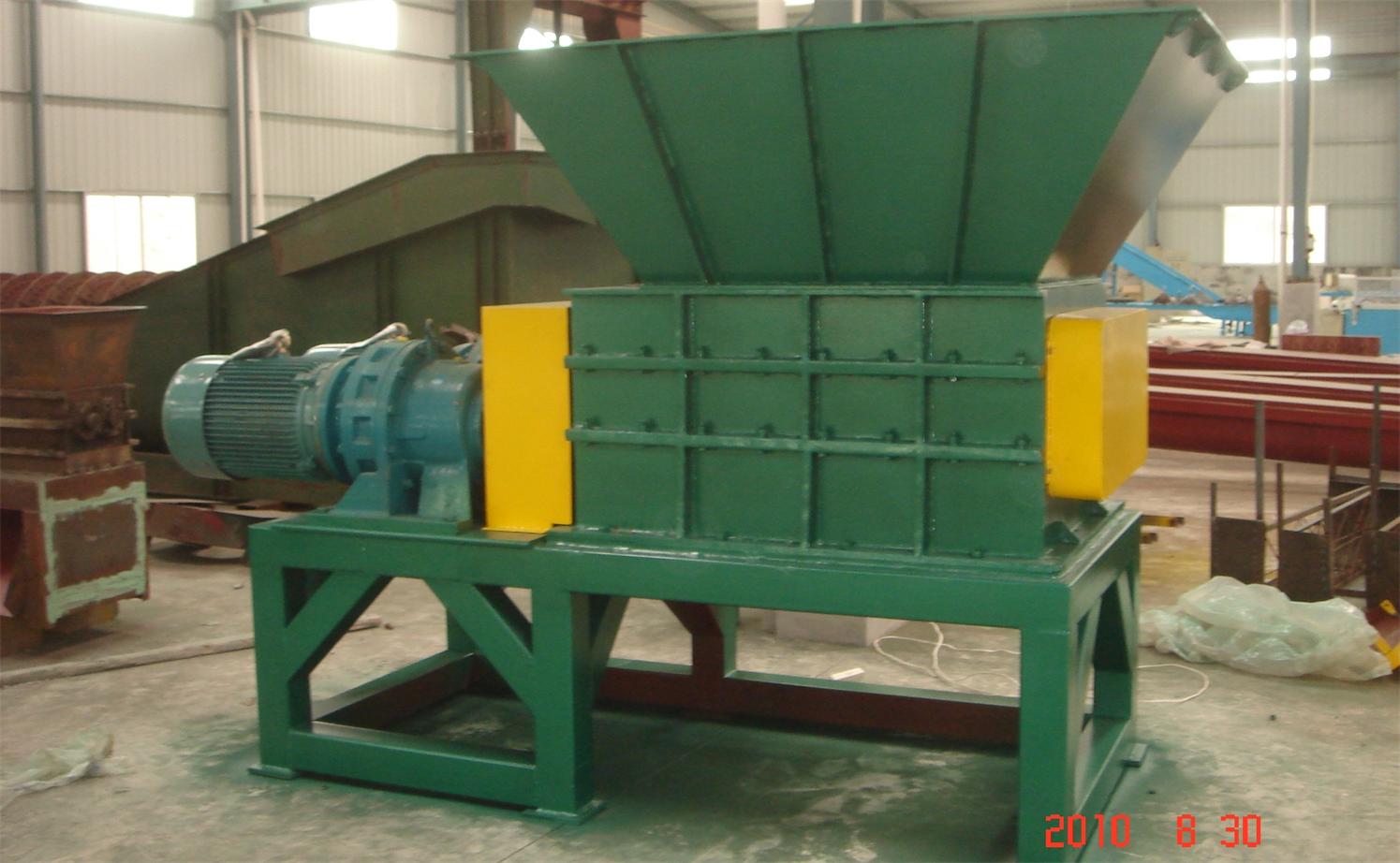
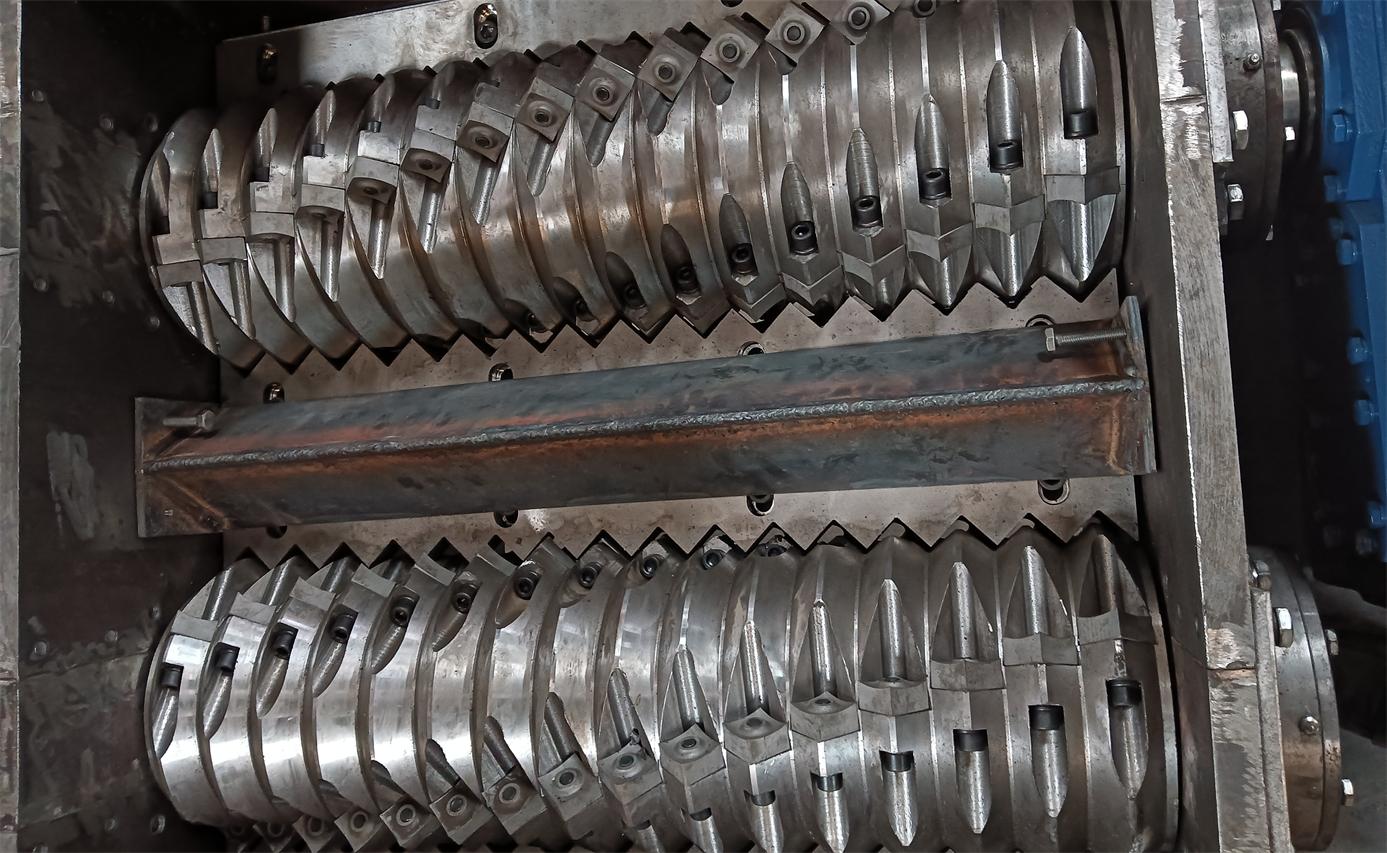
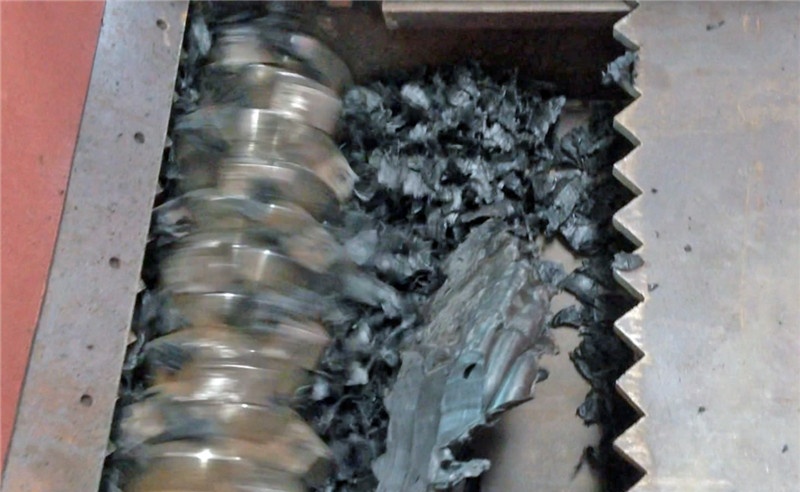
Twin shaft shredders use two intermeshing shafts with hooked blades that grab, tear, and shear material. They operate at relatively low speed and high torque, which reduces noise, dust, and energy consumption. This makes them ideal for bulky, irregular feedstock such as refrigerator shells, washing machine drums, and mixed electronic scrap. The tearing action handles materials with varying density and hardness without jamming.
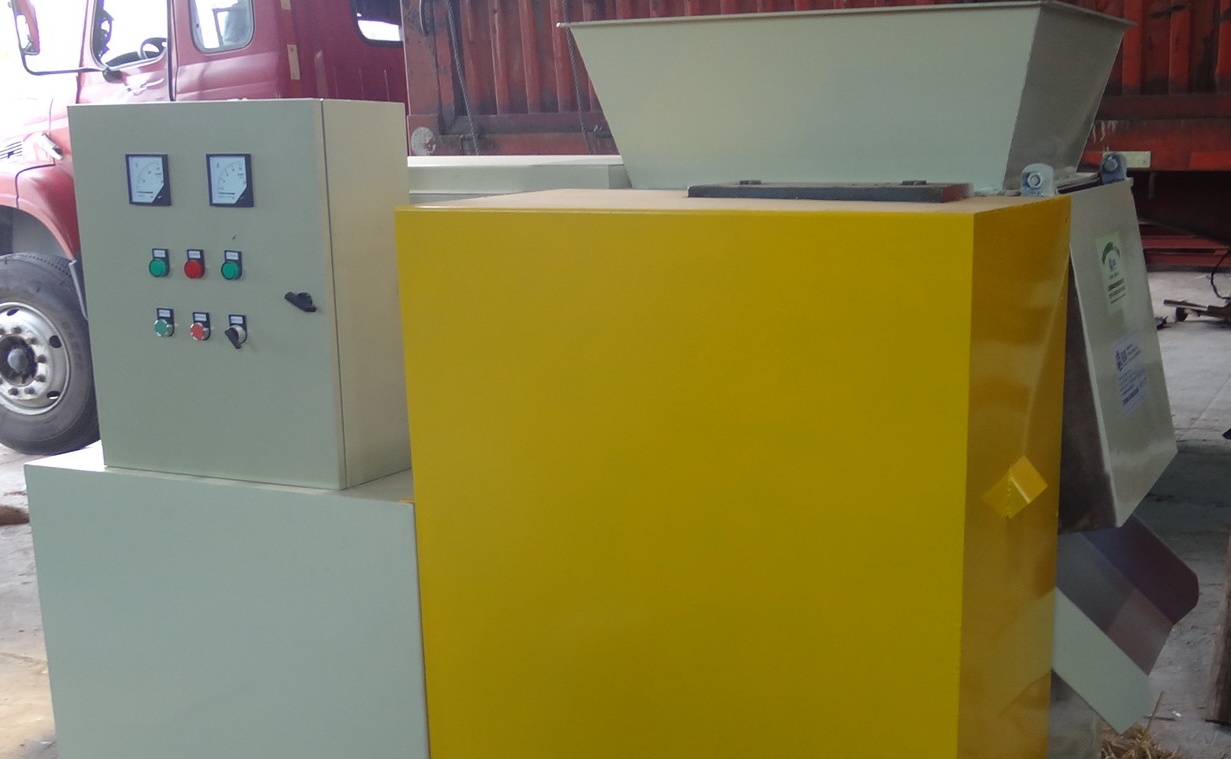
For operations processing diverse e-waste streams, a 2 shaft shredder equipment line offers flexible entry-point processing. Models like the IC-800 process 500 to 800 kg per hour, while smaller units like the IC-500 handle 200 to 300 kg per hour for pilot operations or specialized material streams.
Single Shaft Shredders: Precision for Cable and Film
Single shaft shredders combine a rotating blade shaft with a hydraulic pusher that forces material against a stationary screen. The design produces more uniform particle sizes than twin shaft systems, which is critical when the next stage is air separation or electrostatic sorting. Cable recycling plants rely heavily on single shaft units as pre-choppers before granulators, because consistent shred size allows the granulator to work at peak efficiency without overload.
The single shaft shredder equipment range includes models from 300 kg per hour up to 1,000 kg per hour. The SS-600, for example, runs on a 22 kW motor and is widely deployed in cable recycling and circuit board processing lines where particle uniformity directly affects metal recovery percentage.
Four Shaft Shredders: Heavy-Duty Volume Reduction
Four shaft shredders add a secondary shredding stage within the same cutting chamber. The first two shafts perform coarse breakdown, while the second pair refines particle size. This dual-stage action is exceptionally effective for dense, tough materials including lead acid batteries, large PCBs with heavy components, and thick cable bundles. The design also reduces the load on downstream granulators, extending their service intervals.
For high-volume operations, 4 shaft shredder equipment such as the IC-1800 processes 4 to 6 metric tons per hour with dual 22 kW motors. Smaller four-shaft units like the IC-1100 handle 2 to 3 metric tons per hour, offering a scalable pathway as material intake grows.
Matching Shredder Type to Material Stream
| Material | Recommended Shredder | Why It Works |
|---|---|---|
| Scrap cables and wires | Single shaft or dual single shaft | Uniform cut preserves copper length; pre-chopping protects granulator |
| Refrigerator and AC shells | Twin shaft or four shaft | High torque handles mixed metal-plastic composites; large feed opening accepts bulky items |
| PCB boards and electronic scrap | Single shaft or four shaft | Controlled particle size aids air and electrostatic separation |
| Lead acid batteries | Four shaft | Dual-stage reduction handles dense casing and internal grids; sealed design contains acid |
| Lithium battery packs | Specialized low-speed shredder | Low heat generation reduces thermal runaway risk; inert atmosphere option available |
| Mixed e-waste streams | Twin shaft | Versatile tearing action adapts to variable feedstock without blade damage |
Key Parameters That Determine Shredder Performance
Beyond shaft configuration, several engineering specifications separate reliable industrial shredders from equipment that becomes a maintenance burden. Evaluating these parameters before purchase prevents costly mismatches.
Blade Material and Hardness
Shredder blades encounter abrasive metals, reinforced plastics, and occasionally unexpected contaminants like concrete or stones. High-grade tool steel with hardness ratings of HRC 56 to 62 offers the wear resistance needed for continuous operation. Some manufacturers use replaceable blade inserts, which allow individual tooth replacement rather than full shaft removal.
Screen and Discharge Control
The screen aperture dictates maximum particle size. Smaller apertures produce finer output but reduce throughput and increase heat. For cable pre-chopping, 40 to 60 mm screens are common. For circuit board feed to granulators, 20 to 30 mm may be preferred. Look for screens that swap quickly without full disassembly.
Drive Power and Torque
Motor ratings must match the mechanical load. Under-powered shredders stall on dense material, triggering overload relays and shortening electrical component life. Over-powered units waste energy and increase operational cost. A well-designed shredder operates in the middle third of its torque curve during normal feeding.
Feed Opening and Hopper Design
The physical geometry of the feed hopper determines what can enter the cutting chamber. Refrigerator recycling requires wide openings to accept entire doors or side panels. Cable recycling needs narrower, deeper hoppers that guide wire bundles into the blades. Hopper shape also affects operator safety and feeding ergonomics.
The Hidden Cost of Wrong Shredder Selection
Recycling plant operators often discover shredder mismatches months after commissioning, when maintenance records reveal a pattern. Premature blade wear usually signals incorrect blade alloy or excessive speed for the material. Frequent jamming indicates insufficient torque or poor feed geometry. Excessive fines in the output suggest overly aggressive cutting action, which destroys valuable metal particulates and burdens dust collection systems.
Perhaps the most expensive error is underestimating throughput requirements. A shredder rated for 500 kg per hour cannot sustainably process 800 kg per hour by running overtime. The resulting blade overheating, motor stress, and uneven particle size cascade into separation inefficiencies that persist until the root cause is addressed. Replacing an undersized shredder mid-project involves not just equipment cost, but also line shutdown, foundation modification, and re-commissioning.
San Lan Technologies: Engineering Shredders for Real Recycling Conditions
San Lan Technologies Co., Ltd, established in 2007 and headquartered in Ganzhou, Jiangxi Province, China, manufactures a comprehensive range of shredder and pre-chopper equipment designed for the demands of commercial e-waste recycling. The product line spans single shaft, twin shaft, and four shaft configurations with capacities from 200 kg per hour to 6 metric tons per hour.
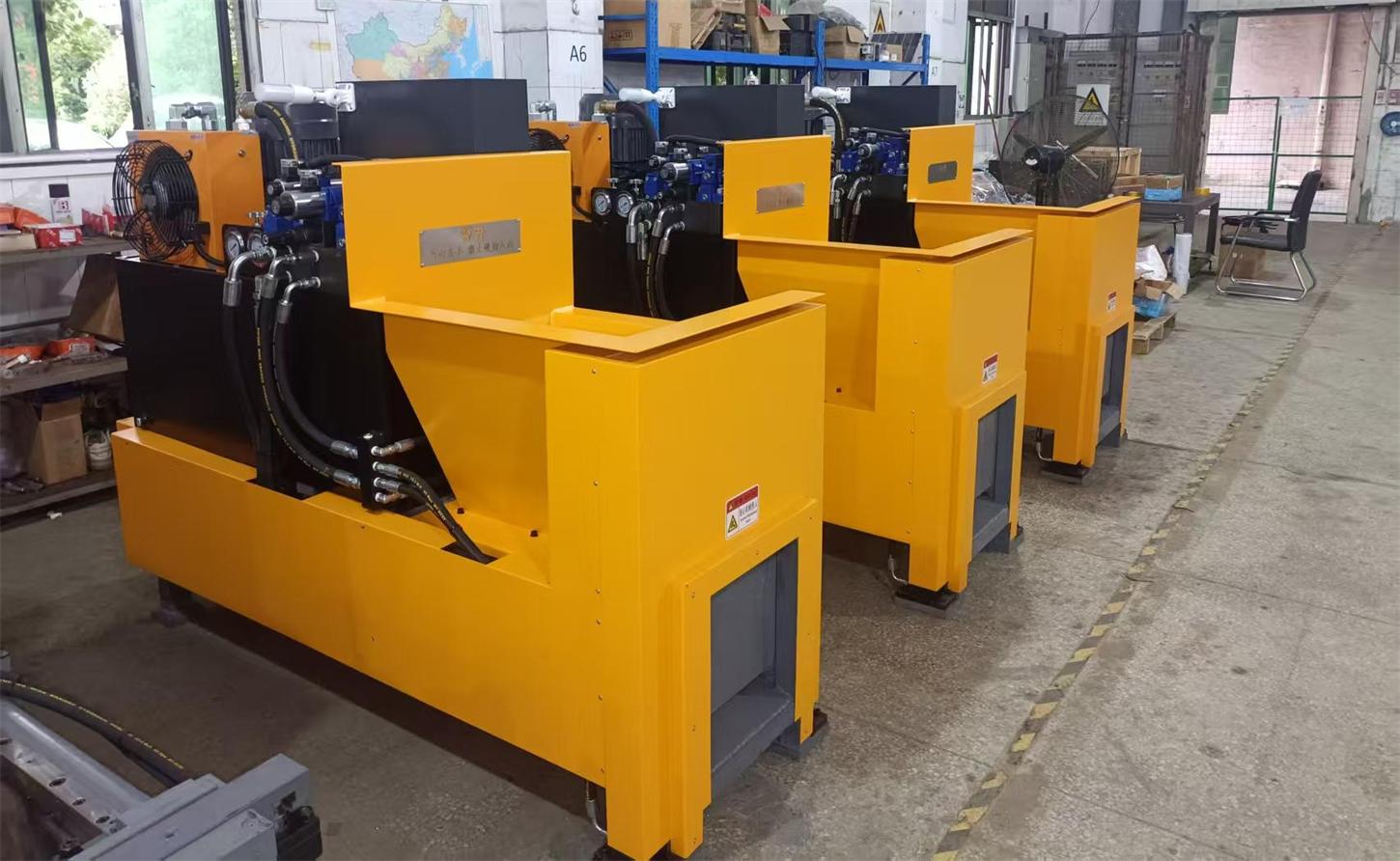
Product Range at a Glance: The IC-1800 four-shaft shredder processes 4-6 MT/hour with dual 22 kW motors and a 5,200 kg machine weight for heavy-duty mixed e-waste. The DSS-3000 dual single-shaft unit handles 2-3 MT/hour with twin 37 kW motors, purpose-built for cable scrap pre-chopping. The SS-600 single-shaft shredder delivers 300-500 kg/hour on a 22 kW motor for circuit board and plastic recycling lines. All models use high-strength alloy steel construction with field-proven blade designs.
The technical team includes mechanical engineering professionals with over fifteen years of direct experience in e-waste recycling machinery design and commissioning. San Lan has delivered equipment to operators in more than twenty-one countries across Southeast Asia, Eastern Europe, the Middle East, Africa, and Latin America. This global footprint means the engineering team has encountered virtually every material variation and operational constraint, from tropical humidity affecting electrical enclosures to voltage standards requiring motor rewind specifications.
Beyond the Machine: Integrated System Thinking
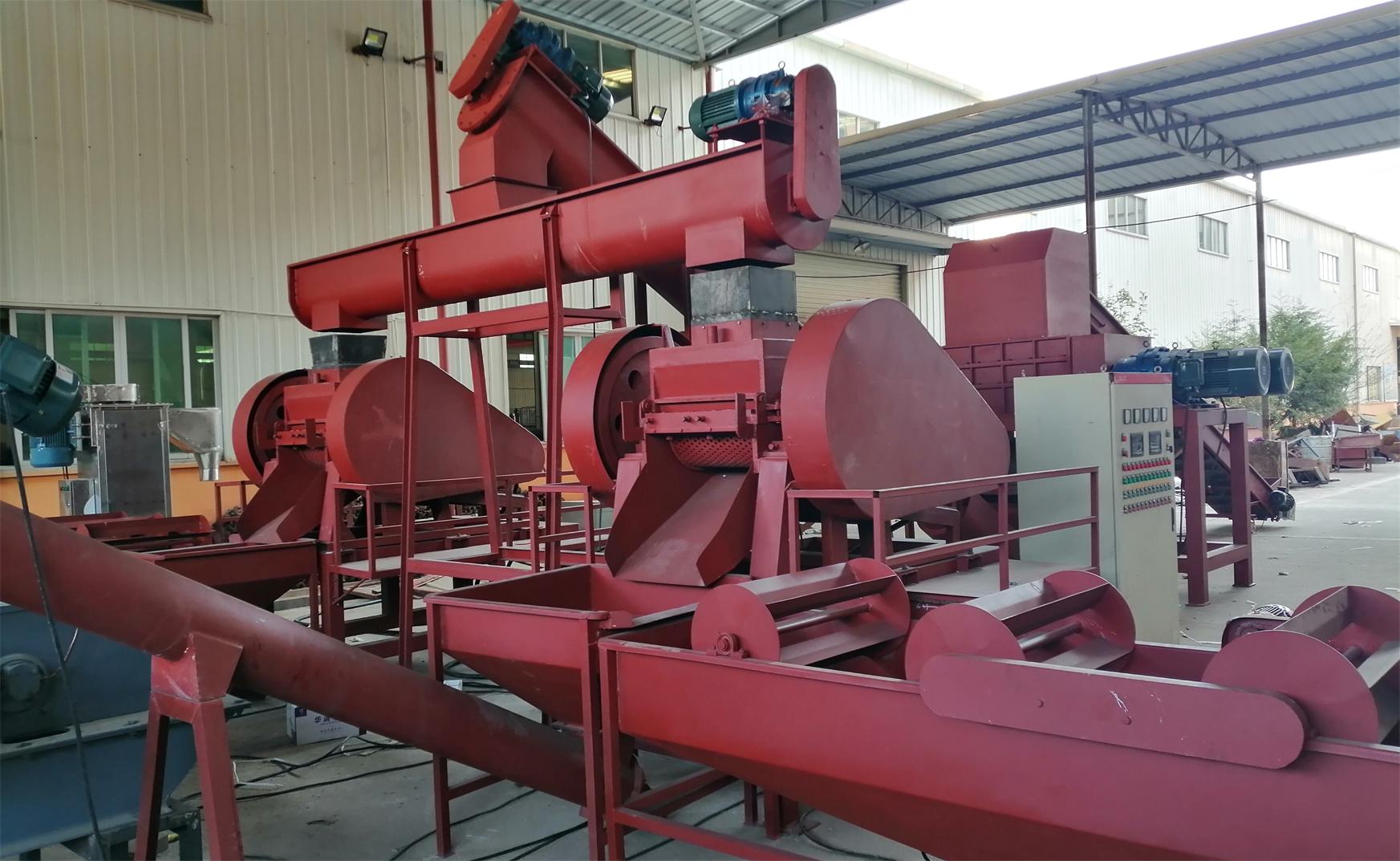
San Lan approaches shredder supply as part of a complete material flow, not as an isolated sale. The company manufactures downstream equipment including granulators, air separators, electrostatic units, and dust collection systems. This integration expertise ensures that the shredder's output particle size, discharge rate, and material density match the inlet requirements of the next processing stage. For operators building new lines or retrofitting existing plants, this systems-level perspective prevents the mismatch problems that plague piecemeal procurement.
Practical Checklist Before You Choose
Your shredder is the foundation of every recovery metric that follows. San Lan Technologies offers the engineering experience, equipment range, and global commissioning support to match the right shredder to your material, your capacity, and your downstream process. Contact the team to discuss your feedstock characteristics, target particle size, and separation workflow, and receive a proposal built around your actual recycling operation rather than a generic catalog specification.