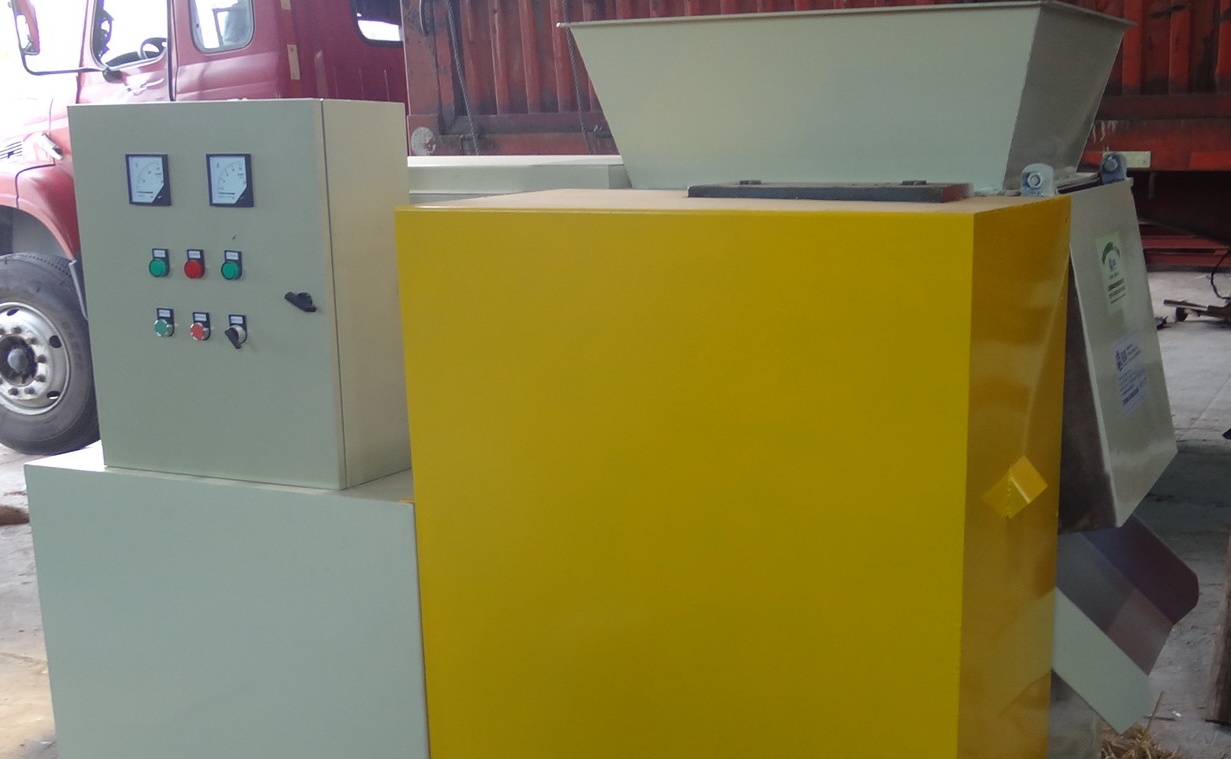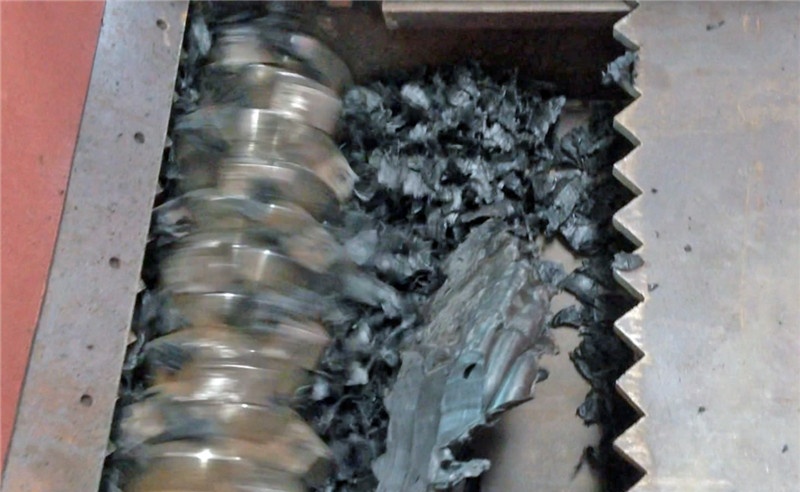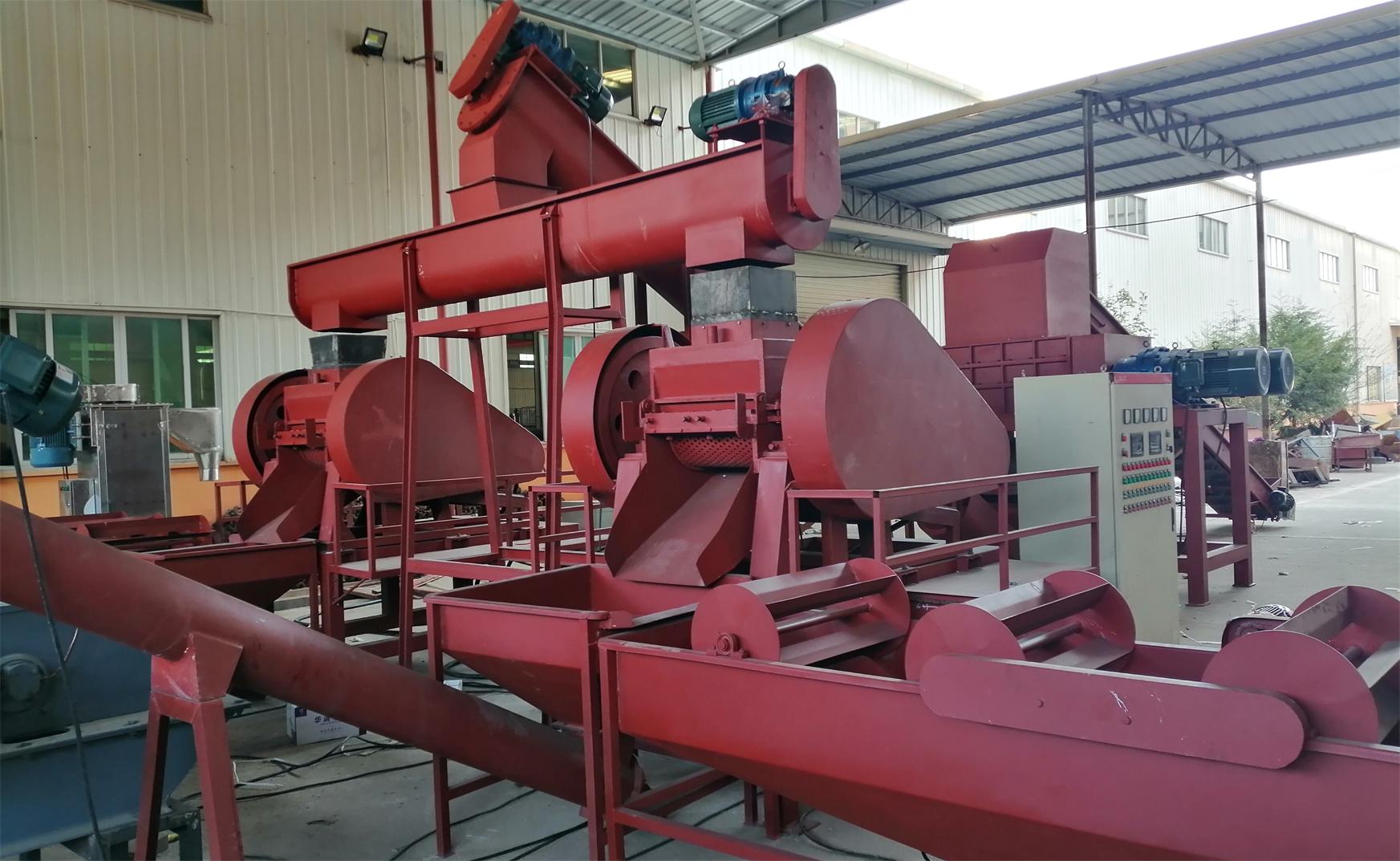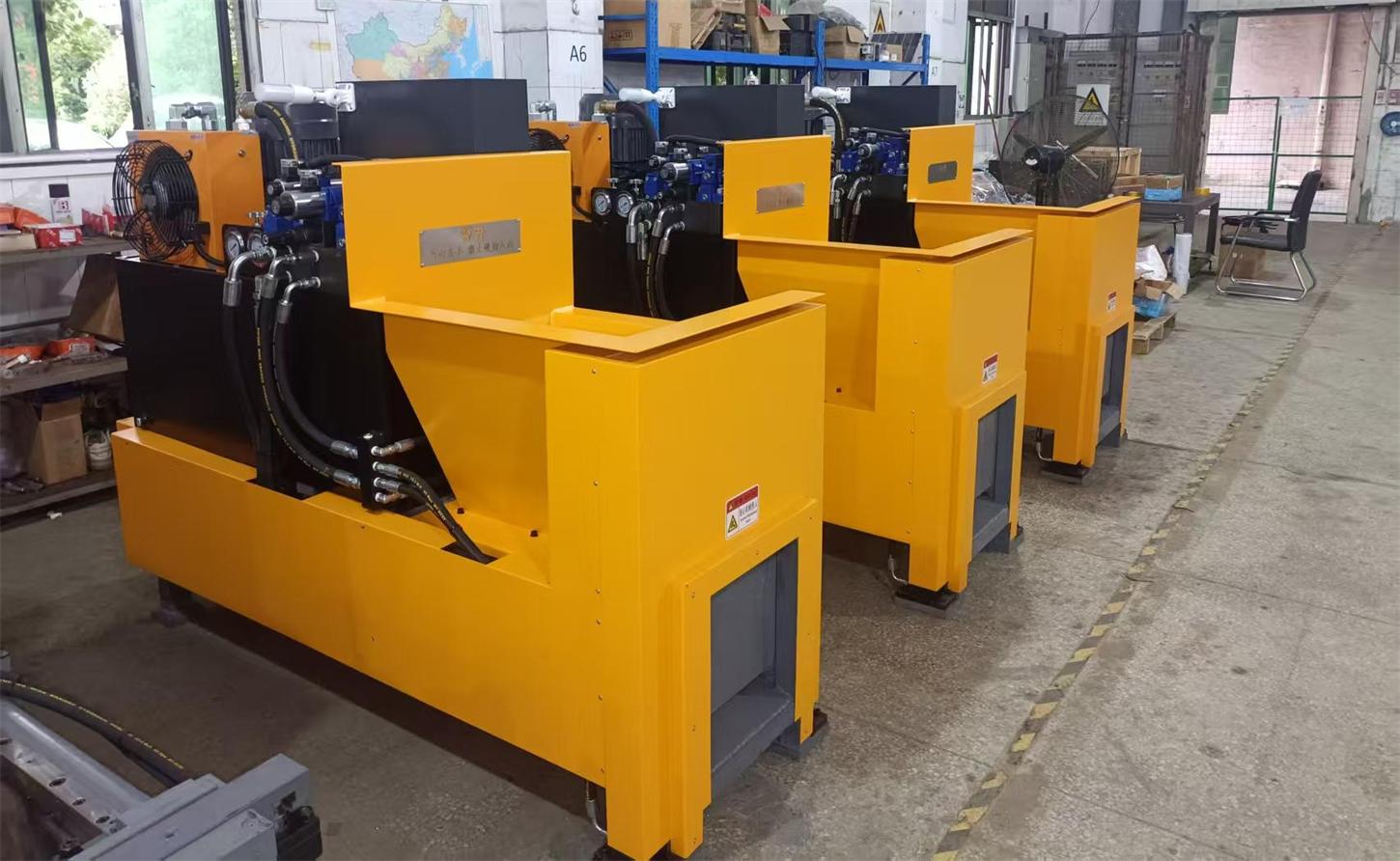
Electronic waste is the fastest-growing waste stream on the planet. Every year, millions of tons of discarded batteries, obsolete circuit boards, and scrap cables pile up in landfills—wasting valuable metals and polluting the environment. The good news? With the right recycling technology, this waste becomes a profitable resource. Companies worldwide are now investing in industrial-scale recycling plants to recover copper, lead, aluminum, nickel, cobalt, and precious metals from e-waste streams.
If you are planning to enter this business or upgrade your existing facility, understanding the core equipment and processes is the first step toward building a profitable operation.
Lead Acid Battery Recycling: High-Value Lead Recovery
Used lead-acid batteries are among the most recycled industrial products globally. A complete recycling line breaks the batteries and separates lead paste, lead grids, plastic cases, and sulfuric acid. The separated lead paste then goes through smelting in rotary furnaces or blast furnaces to produce crude metallic lead, which is further refined to 99.999% purity in refinery kettle furnaces.
Modern lead acid battery recycling equipment can process 1 to 10 metric tons per hour. De-sulfurization units remove sulfur from lead paste before smelting, which reduces melting temperature, cuts SO₂ emissions, and saves energy. With lead recovery rates reaching 95% in blast furnace systems, the economics of battery recycling are compelling for operators who run efficient plants.
Lithium Battery Recycling: Unlocking Critical Materials
The explosive growth of electric vehicles and consumer electronics has created an urgent need for lithium-ion battery recycling. Spent batteries contain valuable black mass (rich in nickel, cobalt, and graphite), along with copper, aluminum, and plastic separator film.
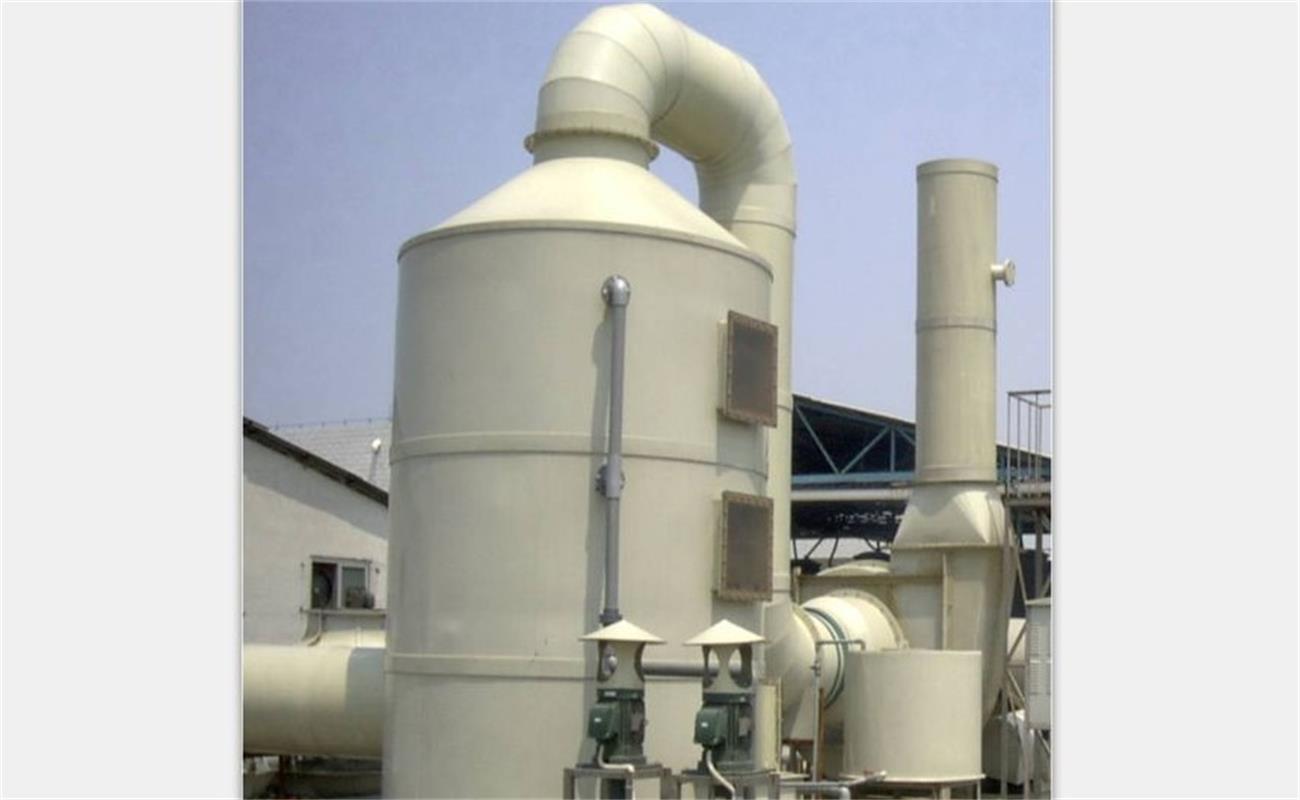
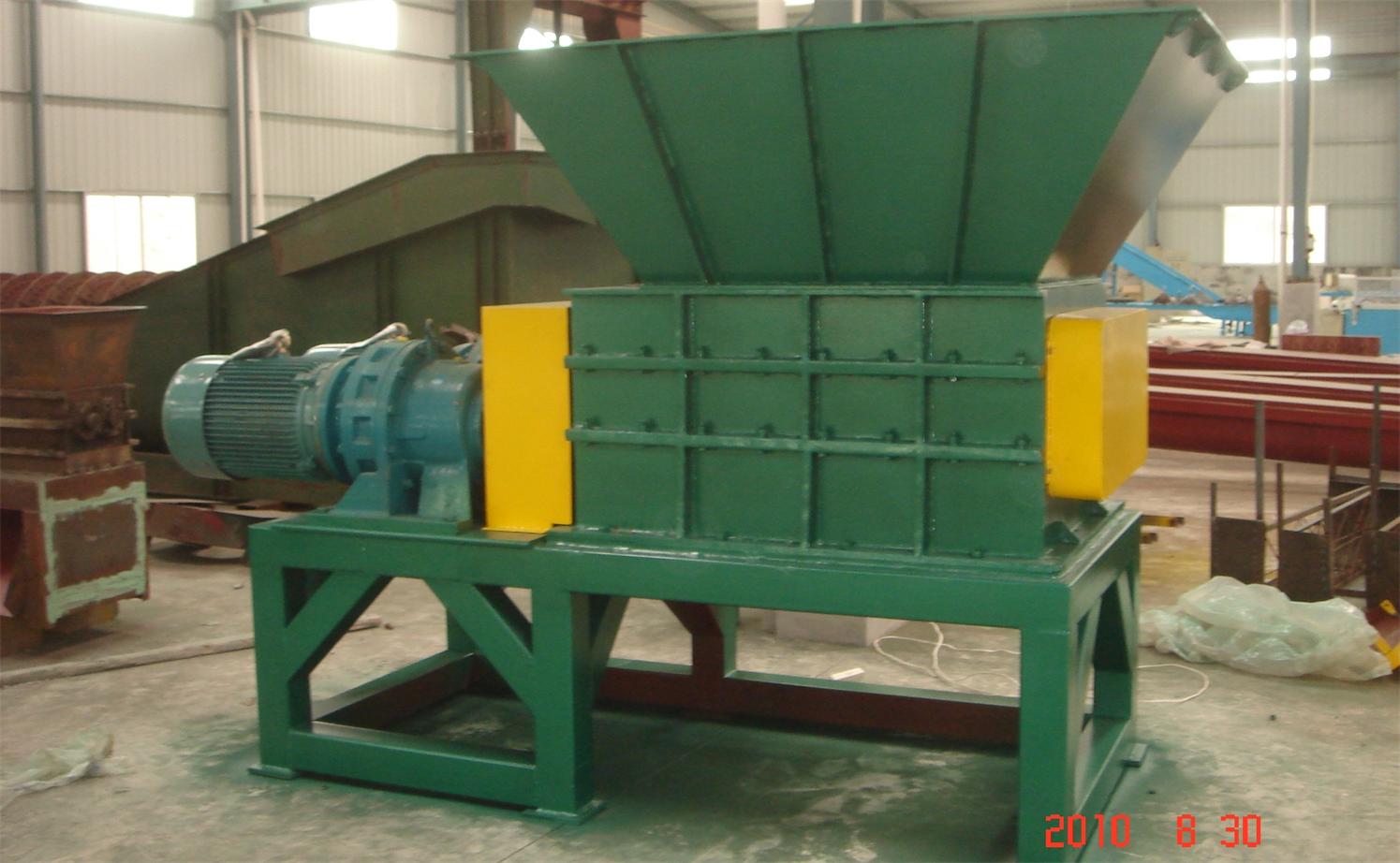
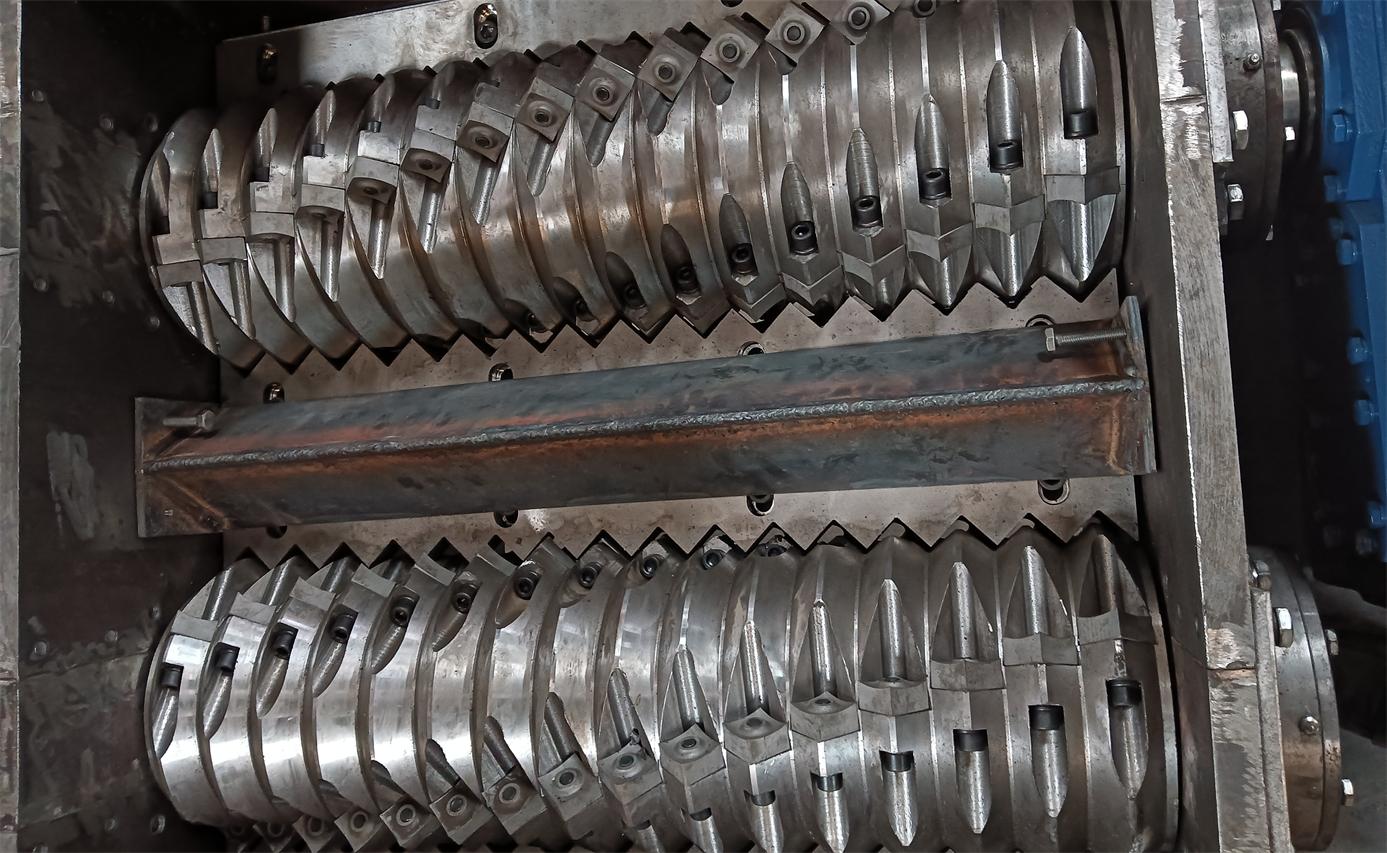
A standard lithium battery recycling plant includes discharging stations, pre-crushers, secondary granulators, magnetic separators, and black powder separation units. Capacities typically range from 500 to 2,500 kg per hour. Because lithium battery crushing releases harmful gases, dedicated air pollution control systems are essential to absorb and neutralize emissions before they reach the atmosphere. Plastic film by-products can be compressed into blocks using hydraulic briquetters, reducing storage and transportation costs.
Circuit Board Recycling: Recovering Copper and Precious Metals
Printed circuit boards (PCBs) are essentially concentrated packets of copper, gold, silver, and palladium. Depending on your feedstock and local regulations, you can choose between dry or wet separation processes.
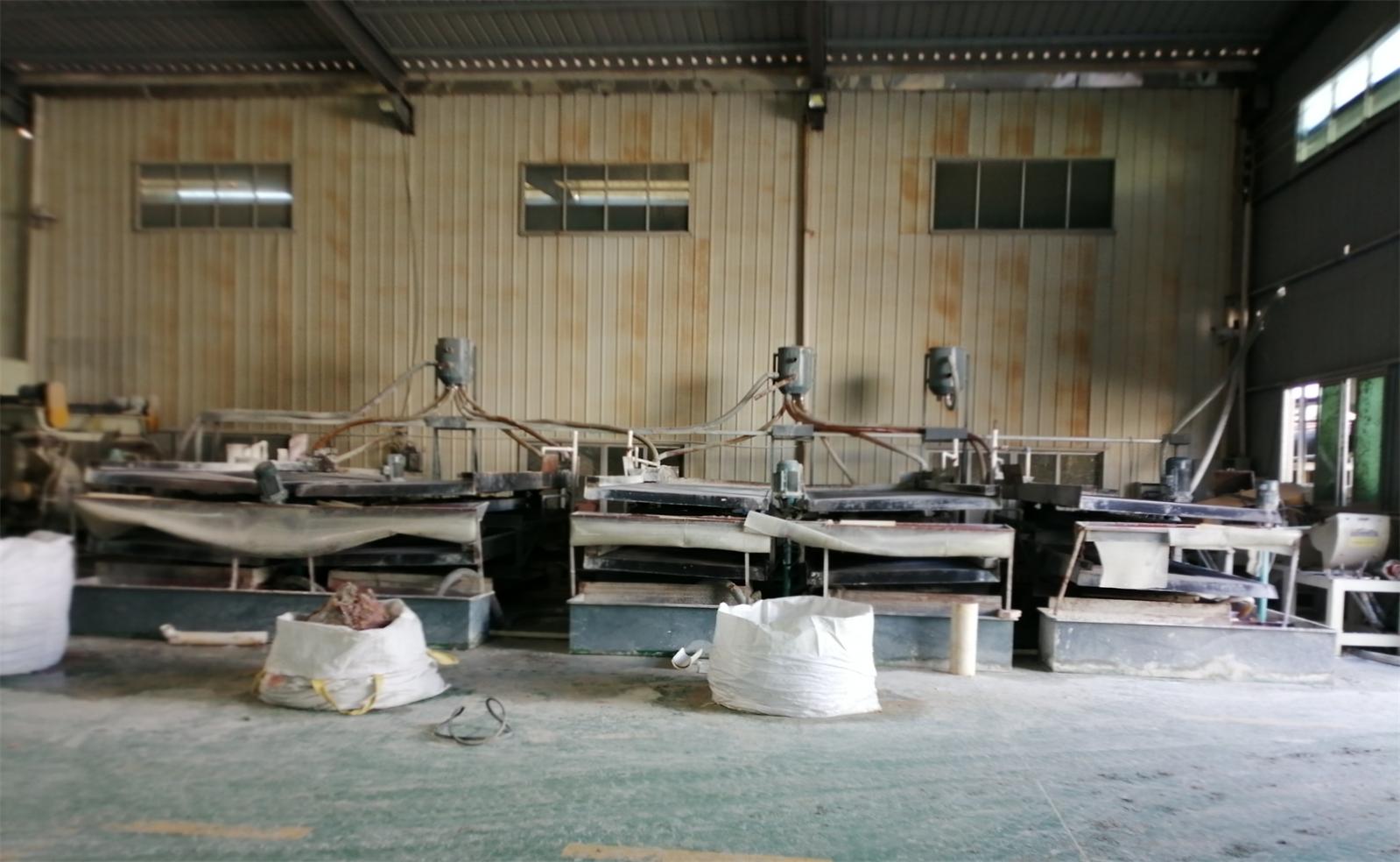
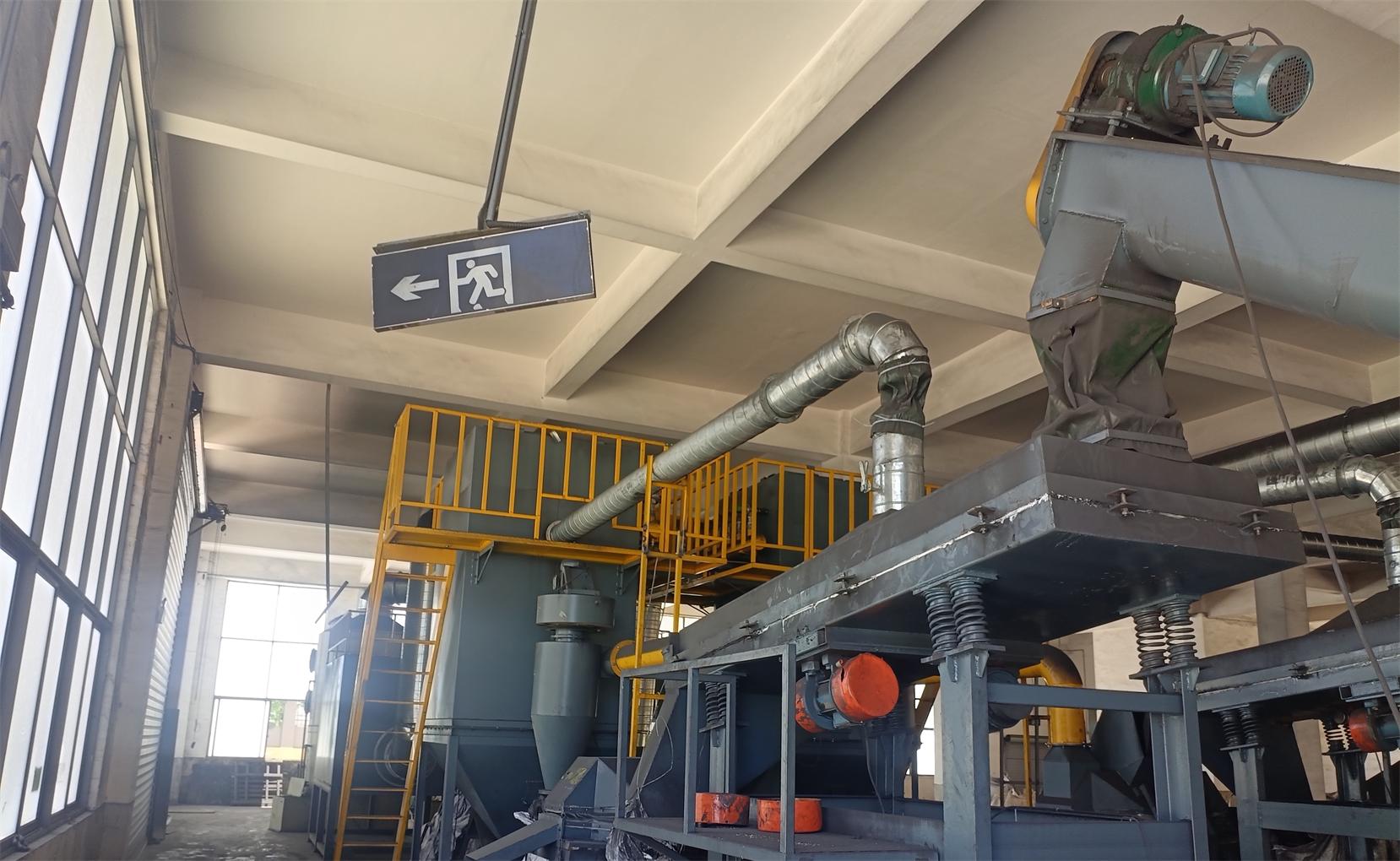
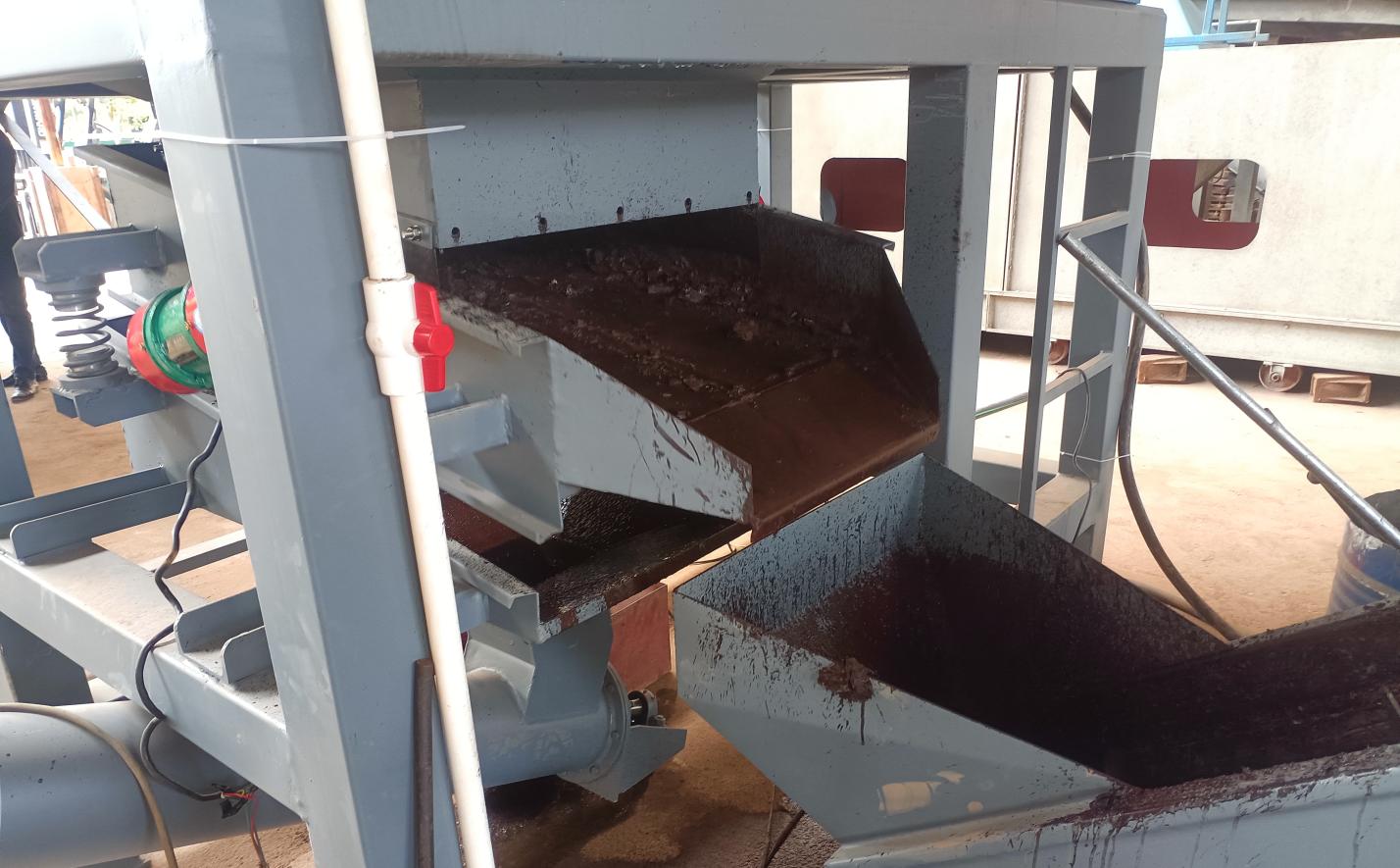
Dry circuit board recycling equipment uses air separators, vibrating screens, electrostatic separators, and pulse bag dust collectors. This approach achieves copper powder purity of 96–98% with recovery rates around 95%, and it operates without water pollution. Wet separation systems, on the other hand, can handle PCBs with electronic components still attached, offering greater flexibility for mixed e-waste streams. Industrial plants range from 300 kg/hour entry-level systems to 2,000 kg/hour high-capacity lines.
Cable Recycling: Clean Copper and Aluminum Separation
Scrap cables are everywhere—construction sites, demolition projects, telecommunications upgrades. Manual stripping is slow and costly. Automated cable recycling equipment solves this problem at scale.
For thick cables, hydraulic scrap cable strippers remove plastic insulation quickly, handling diameters from 1.5 mm to 150 mm. For mixed cable waste, compact cable granulators with dry separators chop the material and separate copper or aluminum from plastic through air classification. Pre-chopper shredders prepare bulky cable bundles, ensuring smooth downstream processing. The result is clean metal fractions ready for direct sale to smelters.
What to Look for in a Recycling Equipment Supplier
Buying recycling machinery is not like buying a standard industrial tool. You need a partner who understands the full process—from feedstock characteristics to end-product markets. Here is what separates experienced suppliers from equipment traders:
Turnkey EPC capability: Can the supplier design the plant layout, deliver all equipment, handle installation, and commission the system?
Technical depth: Does the engineering team have hands-on experience with the specific waste stream you are processing?
After-sales support: Will they help you source raw materials, optimize operations, and find buyers for your recovered metals?
Proven track record: Have they successfully delivered plants in your region or under similar regulatory conditions?
San Lan Technologies: Experience You Can Build On
Established in 2007, San Lan Technologies Co., Ltd has spent nearly two decades specializing in WEEE recycling machinery and ore extraction equipment. The company manufactures complete recycling lines for lead-acid batteries, lithium-ion batteries, circuit boards, cables, CRT monitors, refrigerators, air conditioners, and electric motors.
What makes San Lan different is its end-to-end project approach. The engineering team includes professionals with master's degrees in mechanical engineering and over 15 years of direct experience in e-waste recycling equipment. They do not just sell machines—they deliver turnkey EPC projects with customized design, installation, and commissioning.
San Lan also offers practical business support that most equipment suppliers ignore. They help customers purchase waste feedstock (cable scrap, PCB scrap, used lead-acid batteries), connect investors with recycling plant opportunities, and assist in selling recovered products such as copper rice, copper powder, and lead ingots. This comprehensive support helps new entrants get operational faster and helps existing operators improve margins.
With customers in more than 21 countries—including Singapore, Colombia, Vietnam, Mexico, Argentina, Korea, Malaysia, Indonesia, South Africa, Tunisia, India, Kenya, Saudi Arabia, and the Philippines—San Lan has proven it can adapt equipment and processes to different regulatory environments, climate conditions, and operational scales.
Ready to Start Your Recycling Project?
Whether you need a single piece of equipment or a complete turnkey recycling plant, choosing the right partner determines your long-term profitability. San Lan Technologies offers the engineering depth, manufacturing quality, and project support to turn your e-waste recycling vision into a running, revenue-generating facility.