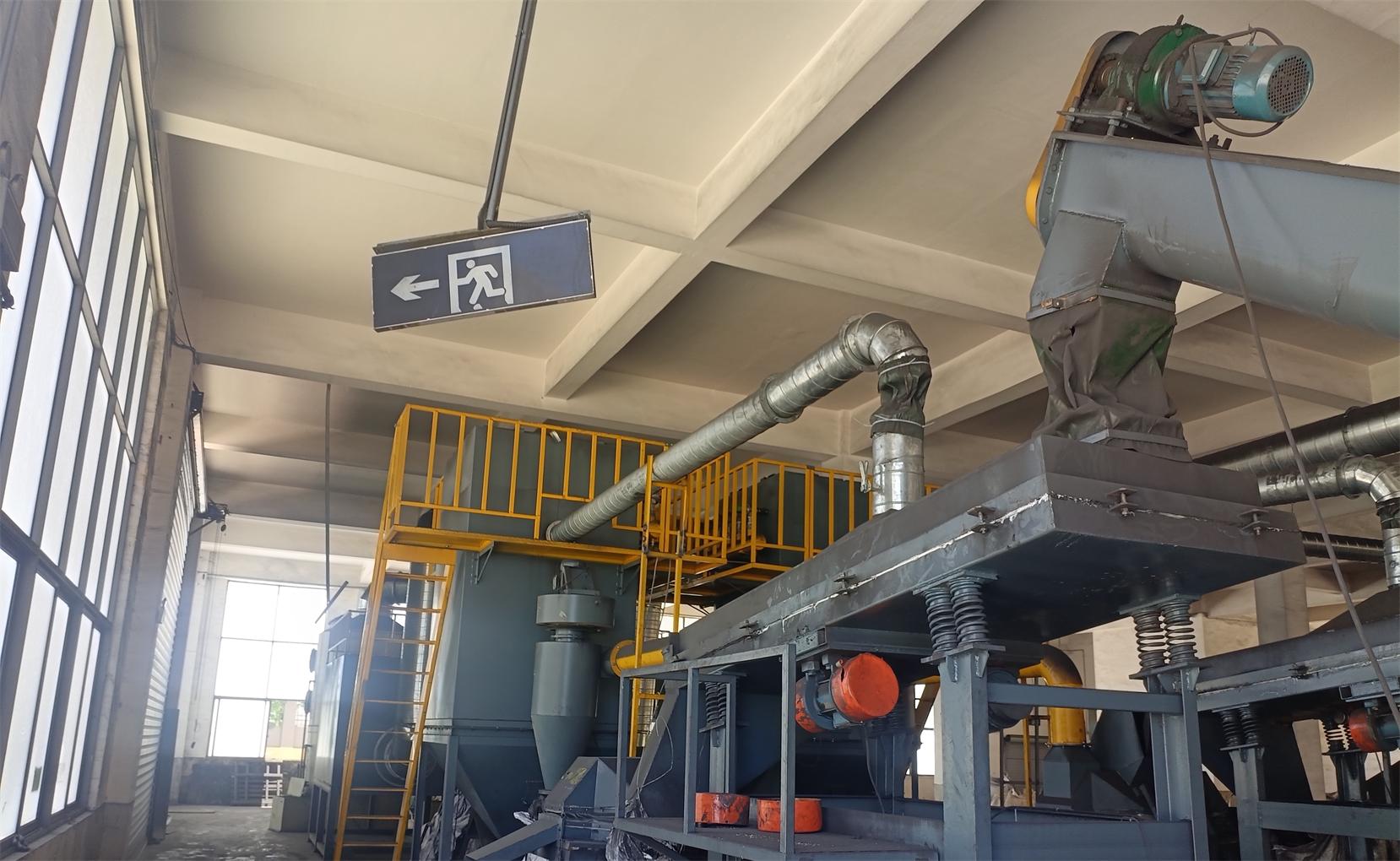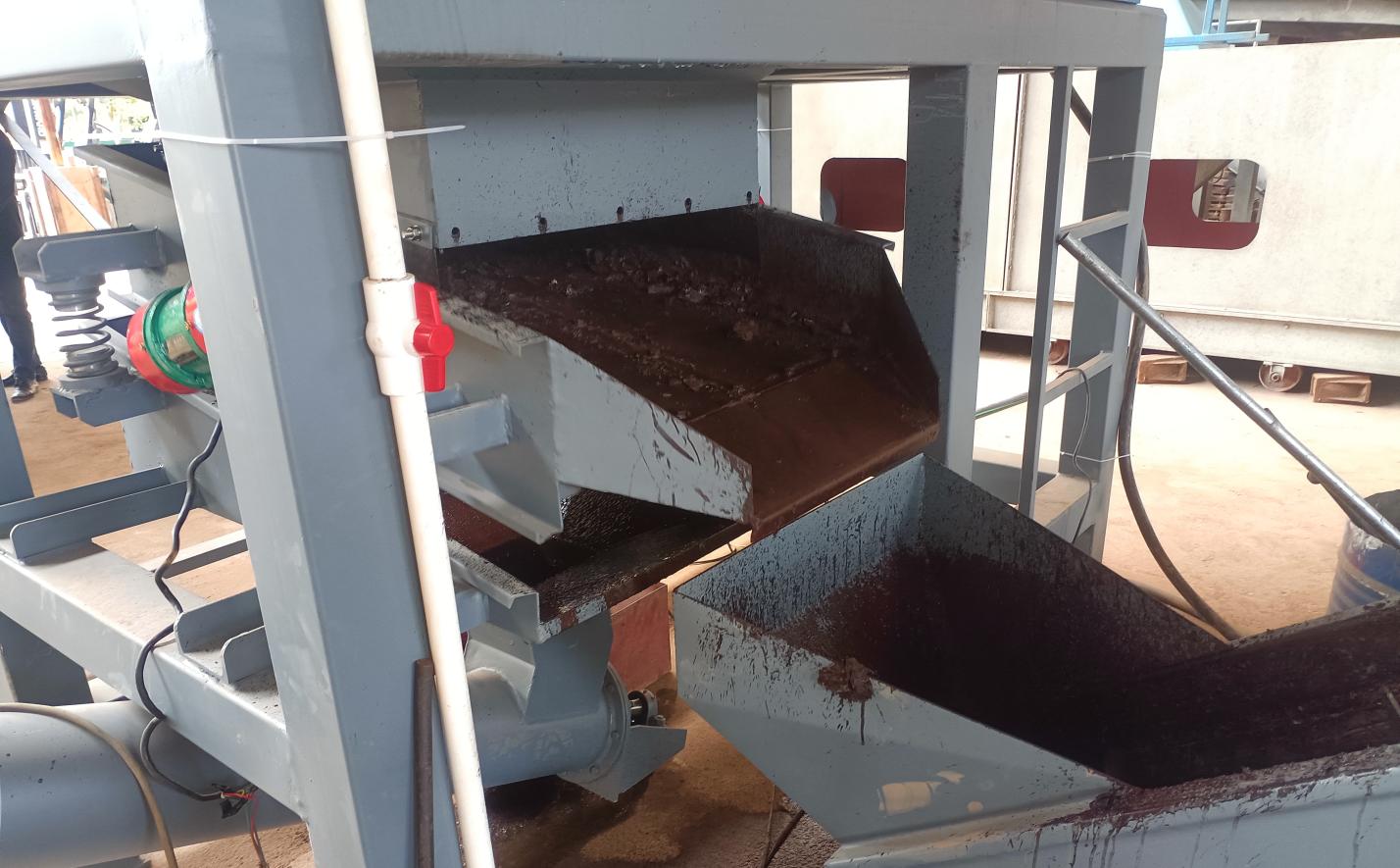
Picture walking into a modern foundry where glowing molten metal pours with effortless precision into casting molds. The hum of efficient machinery and the radiant heat from precise melting operations - this is the reality of today's advanced imported medium frequency melting furnaces. These innovative systems represent a revolution in industrial melting processes, combining efficiency, reliability, and environmental sustainability.
For metalworkers, casters, and manufacturers globally, these machines have become the backbone of productive operations. Let's explore what makes these imported marvels so transformative for industries from jewelry crafting to large-scale industrial production.
The Science Behind the System
At its core, the industrial melting furnace operates on electromagnetic induction principles. Unlike traditional heating methods that use external flame or resistance heating, these systems use high-frequency alternating currents to generate powerful electromagnetic fields directly within the metal itself.
Core Components Explained:
- Power Supply Cabinet: The control hub that converts incoming electrical power to the precise medium frequency required
- Capacitor Bank: Stores and delivers instantaneous high-power demands crucial for efficient melting operations
- Induction Coil Assembly: Specially designed copper conductors that generate the concentrated electromagnetic field
- Tilting Mechanism: Precision hydraulic systems enabling controlled pouring of molten metal with minimal waste
- Advanced Cooling System: Closed-loop water cooling that maintains optimal operating temperatures even during prolonged production runs
The magic happens when these elements work in concert. As the electromagnetic field penetrates the metal charge, it induces swirling eddy currents throughout the material. This electrical friction raises temperatures uniformly and rapidly - a key advantage that sets these modern melting solutions apart.
Real-World Applications Driving Global Adoption
From artisan workshops to industrial facilities, imported medium frequency furnaces serve diverse metal processing needs:
Precious Metal Recovery
Gold refineries use precision 5-10kg systems to reclaim precious metals from electronic waste with minimal material loss.
Alloy Development
Research facilities leverage controlled environments to develop advanced aerospace and medical-grade alloys with precise compositional control.
Industrial Scale Casting
Automotive foundries operate 3-15 ton systems for continuous production of engine blocks, transmission housings, and structural components.
The value proposition of these industrial melting furnace systems becomes even clearer in specialized applications. For copper-based alloys, the electromagnetic stirring creates uniquely homogeneous melts critical for electrical conductivity requirements. In stainless steel production, the quick transition from solid to liquid reduces oxidation loss significantly compared to conventional methods.
Key Benefits Driving Operational Excellence
Game-Changing Efficiencies:
- Energy Savings: Achieve 20-30% reduction in power consumption compared to older resistance furnace technologies
- Speed to Melt: Reduce processing time by 40-60% with rapid electromagnetic heating
- Precision Control: Maintain ±5°C temperature uniformity crucial for sensitive alloy formulations
- Reduced Oxidation:
- Environmentally Optimized: Minimal emissions and 96% conversion efficiency align with global sustainability targets
- Stirring Effect: Natural convection currents ensure perfect alloy homogeneity without mechanical agitation
When material control is non-negotiable, these furnaces shine. The inherent electromagnetic stirring means no more struggling with unmixed alloys or temperature gradients. Molten metals maintain consistent composition from first pour to last - a quality assurance manager's dream come true.
Technical Evolution: What Imported Models Bring to Your Floor
Advanced imported systems incorporate technological leaps that redefine operational standards:
Next-Generation Innovations:
- Fifth-Generation Control Systems: Touchscreen interfaces with multi-language support and predictive maintenance algorithms
- Integrated Leak Detection: Multiple sensor arrays constantly monitor refractory integrity, preventing catastrophic failures
- Seismic-Resistant Engineering: Earthquake-resistant structural designs meeting international safety standards
- Profile-Optimized Coils: Specially contoured copper tubing increasing melting efficiency by 2% over conventional designs
- Self-Diagnostic Intelligence: Real-time performance monitoring with automatic fault logging and resolution guidance
Modern thermal management systems take equipment longevity to new levels. Closed-loop water circuits with automatic flow balancing ensure constant optimal operating temperatures while advanced filtration prevents scale buildup that plagues lesser systems.
Customization: Your Process, Your Solution
Unlike one-size-fits-all approaches, premium imported solutions offer tailored configurations:
Configuration Options:
- Tilting Mechanisms: Choose from manual, motor-driven, or hydraulic systems matching your pouring precision needs
- Refractory Systems: Acidic, neutral, or basic linings optimized for specific metal groups and operating temperatures
- Capacity Scaling: Systems ranging from compact 10kg units to industrial 15-ton behemoths
- Dust Management: Integrated cyclone hoods or custom extractor systems maintaining clean work environments
- Automation Interfaces: PLC integration points for seamless connection to existing production management systems
For specialized applications like titanium or reactive alloys, inert gas shrouding options create protective atmospheres that prevent contamination while unique coil geometries address challenging conductivity profiles. It's this level of tailored engineering that makes advanced industrial melting furnace systems so compelling.
Financial Impact Analysis
| Operational Factor | Traditional Furnace | Medium Frequency Furnace | Improvement |
|---|---|---|---|
| Power Consumption (kW·h/ton) | 670-720 | 580-610 | 12-18% reduction |
| Start-Up to Full Capacity | 90-120 minutes | 35-50 minutes | 58-65% faster |
| Alloy Material Loss | 3.2-4.8% | 0.9-1.7% | 65-75% less waste |
| Maintenance Downtime | 14-22 hours/month | 4-8 hours/month | 65-75% reduction |
| Refractory Lifespan | 120-180 heats | 220-300 heats | 45-65% longer |
The operational economics become even more compelling at scale. For a facility processing 300 tons monthly, the combined savings typically deliver ROI periods under 18 months - often faster with energy incentive programs.
Global Standards and Certification
Premium imported systems comply with rigorous international requirements:
Compliance Framework:
- Safety: CE, UL, and IEC 60519 conformance for electrical safety
- Efficiency: IEC 62755 energy performance standards exceeding Tier III requirements
- Environmental: ISO 14001 manufacturing certification with RoHS compliant components
- Seismic: Designed to withstand seismic events up to 7.0 magnitude
- Quality: ISO 9001 certified manufacturing with full traceability
Beyond certifications, these furnaces incorporate multiple redundant protection systems that create layers of operational safety. From advanced water flow monitoring that prevents coil overheating to ground fault detection circuits that eliminate electrical hazards, these comprehensive approaches represent the pinnacle of responsible industrial equipment design.
Installation and Integration Considerations
Successfully deploying these systems requires strategic planning:
Implementation Essentials:
- Power Infrastructure: Dedicated medium voltage feeds with harmonic mitigation
- Cooling Requirements: Closed-loop chilling systems with redundant pumps
- Material Handling: Charge preparation systems optimized for rapid loading
- Control Integration: Communication protocols matching existing plant systems
- Safety Perimeters: Defined operational zones with thermal barriers
Leading suppliers provide comprehensive commissioning support including thermal mapping of operating areas and operator training programs that ensure teams can harness the full capability of their new industrial melting furnace from day one. Cloud-based performance monitoring options take this further, enabling remote diagnostics and predictive maintenance scheduling.
Material Specific Performance Profiles
Different metals present unique processing challenges:
Metal-Specific Advantages:
- Stainless Steel: Rapid melt cycles minimize chromium oxidation loss
- Copper Alloys: Natural stirring prevents density separation in brasses
- Aluminum: Precise thermal control prevents gas absorption in melts
- Reactive Metals: Customizable atmosphere controls for titanium and zirconium
- Precious Metals: Minimal crucible interaction preserves purity
For complex alloys like silicon bronze or beryllium copper, the combination of fast ramp times and precise heat management enables exacting compositional control unattainable in conventional furnaces. This material versatility positions these systems as the cornerstone of flexible manufacturing strategies.
The New Standard in Metal Processing
Imported medium frequency melting furnaces represent more than incremental improvement - they're transformational assets that redefine what's possible in metal processing. By combining precision control with energy-smart operation, these systems deliver both immediate productivity gains and long-term strategic advantage.
From small specialty foundries to high-volume automotive suppliers, operations globally are recognizing that advanced electromagnetic melting technology isn't just better equipment - it's better business. As material requirements tighten and sustainability pressures increase, these sophisticated systems provide the technological foundation for competitive operations regardless of market conditions.
The shift toward these advanced solutions represents more than just equipment replacement; it's an operational evolution enabling smarter resource utilization and unprecedented quality control. For forward-looking facilities, that's not just an upgrade - it's an essential competitive evolution.