Ever wondered what happens to the miles of discarded cables piled up in junkyards? Those tangled wires aren't just waste - they're treasure wrapped in plastic insulation. Each ton contains up to 80% pure copper, a resource more valuable than you might think. But unlocking that value isn't about sledgehammers or open fires anymore. Modern cable recycling machines have transformed this messy process into a precise science, turning what was once environmental headache into profit.
I've watched recycling yards evolve from smoke-filled burn sites to sophisticated operations humming with automated machinery. The journey wasn't easy - early methods released toxic fumes and wasted resources. Today's electric motor recycling equipment delivers clean separation where yesterday's approaches failed. This guide will show you exactly how to turn wire waste into real dollars while keeping our planet cleaner.
The Hidden Value in Discarded Cables
Beneath the insulation lies a metal that revolutionized human civilization: copper. Consider this:
- Recycled copper requires 85% less energy than mining and refining virgin ore
- Global copper demand is projected to double by 2050 due to renewable energy tech
- Properly processed scrap copper fetches 90-95% of market prices for pure copper
The Problem with Old Methods
Many still resort to burning cables over open flames - a practice that:
- Releases dioxins and toxic fumes when burning PVC insulation
- Damages the copper quality through oxidation and contamination
- Wastes 100% of the plastic material that could be recycled
- Is illegal in most developed countries due to environmental regulations
The smoke I've seen rising from illegal recycling sites contains enough toxins to impact communities miles away. Modern solutions don't just avoid this - they turn every component into sellable material.
How Cable Stripping Equipment Works
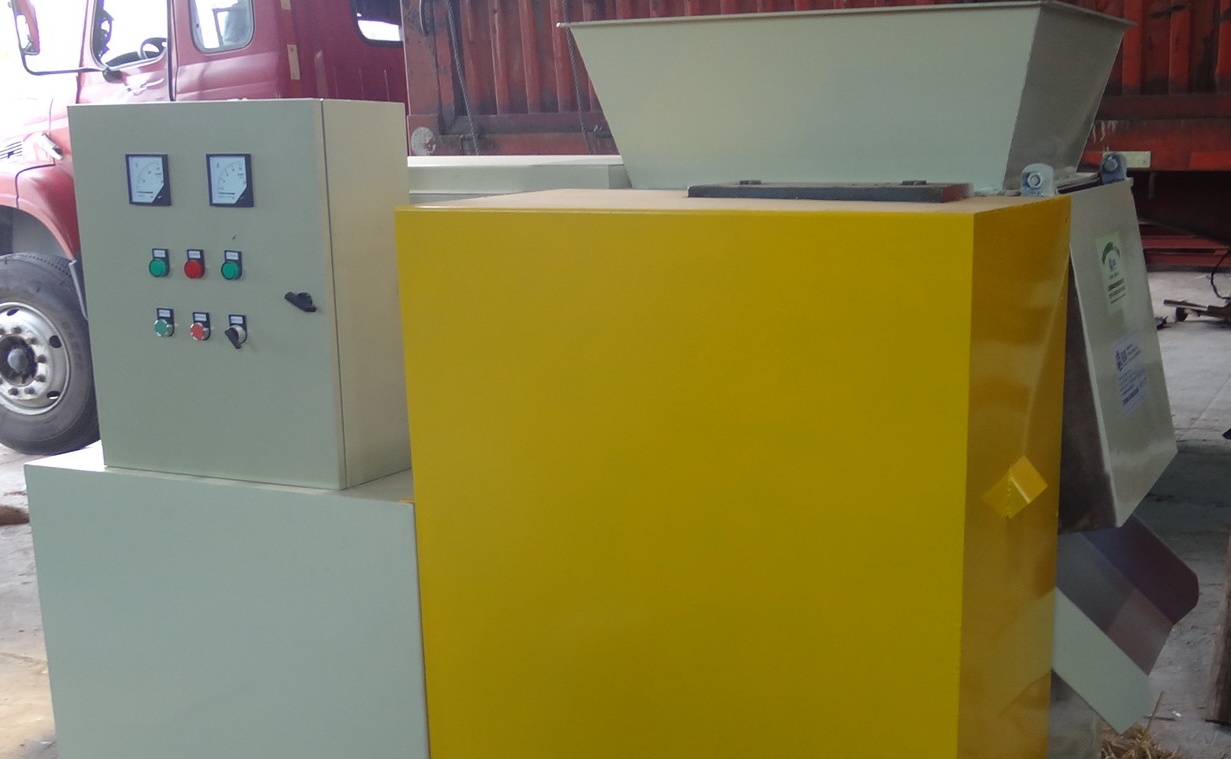
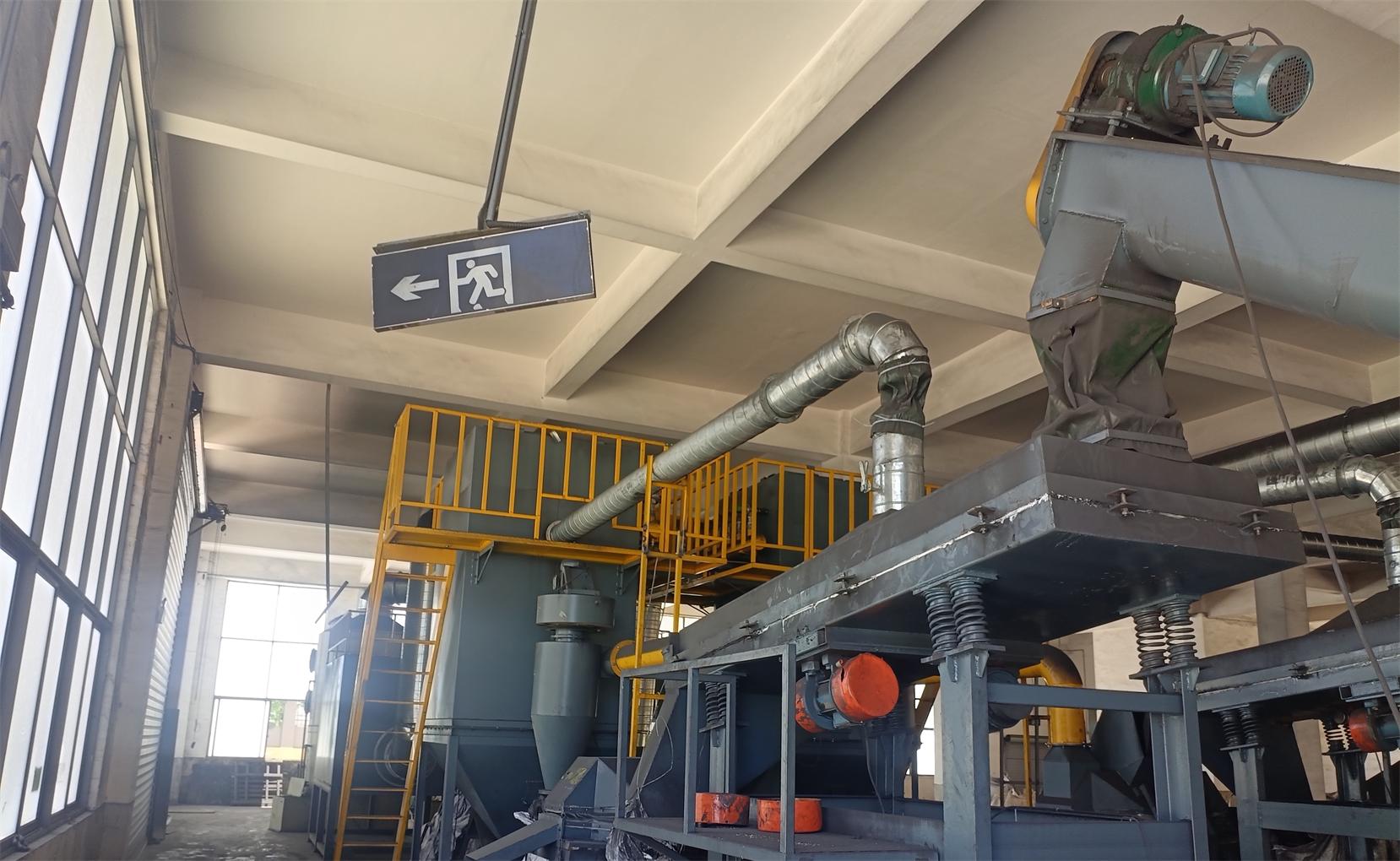
Cable granulators operate with surgical precision through distinct phases:
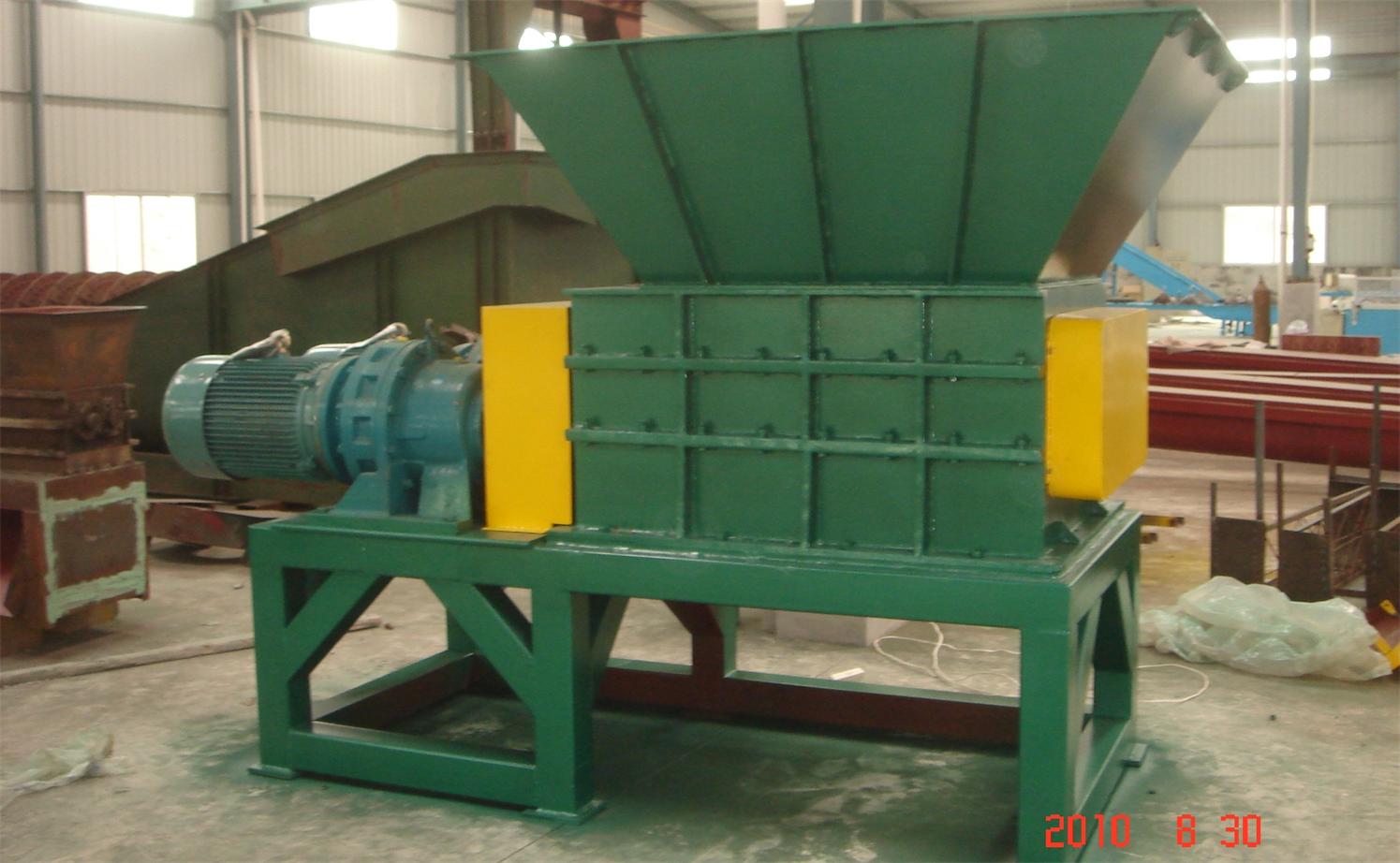
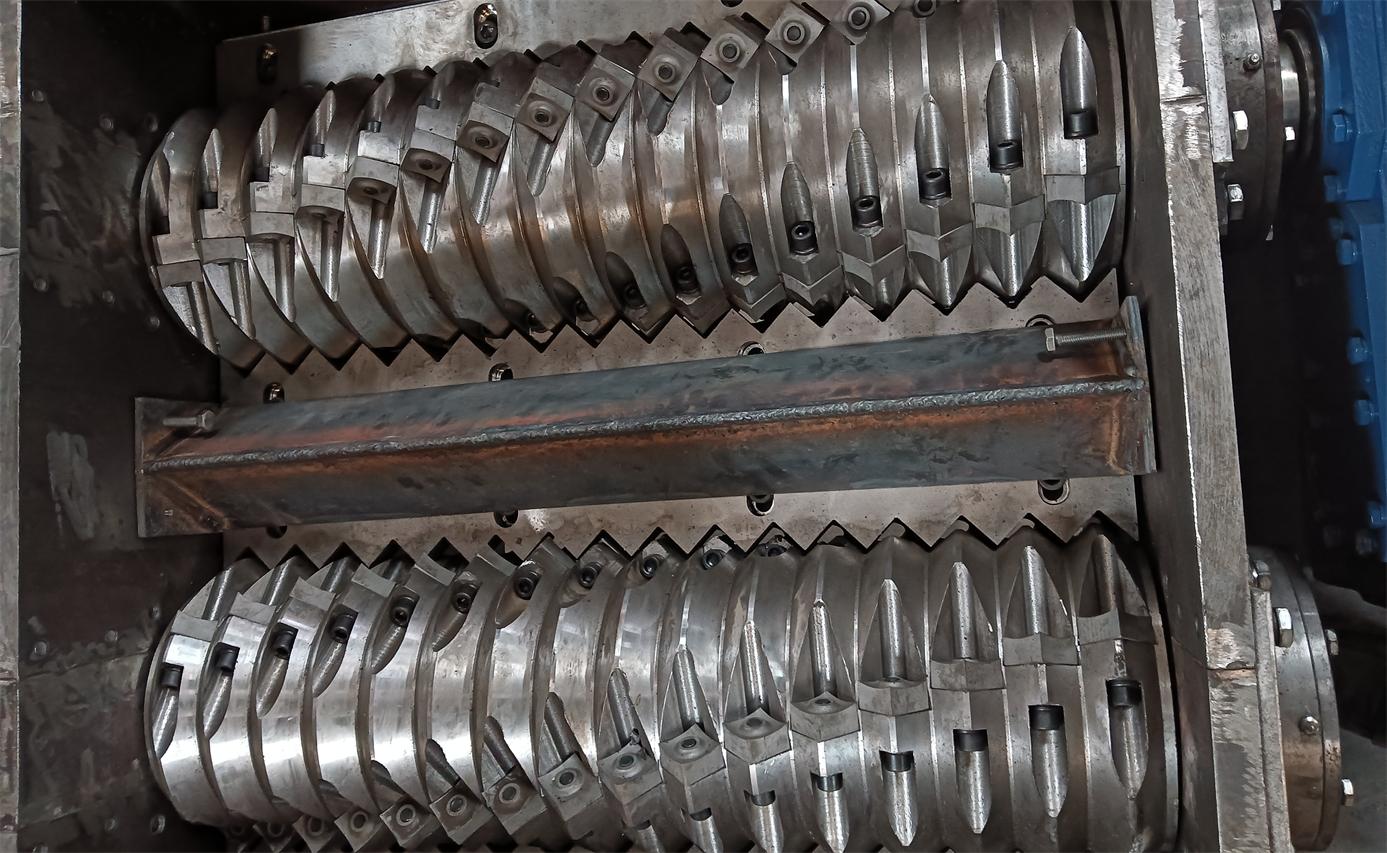
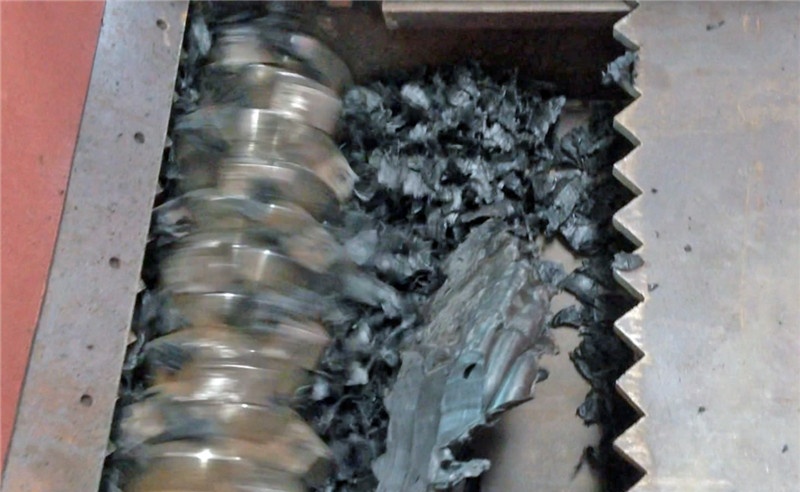
- Shredding Phase : Rotating blades reduce cables to uniform fragments
- Granulation : Precise mills pulverize material to specific sizes
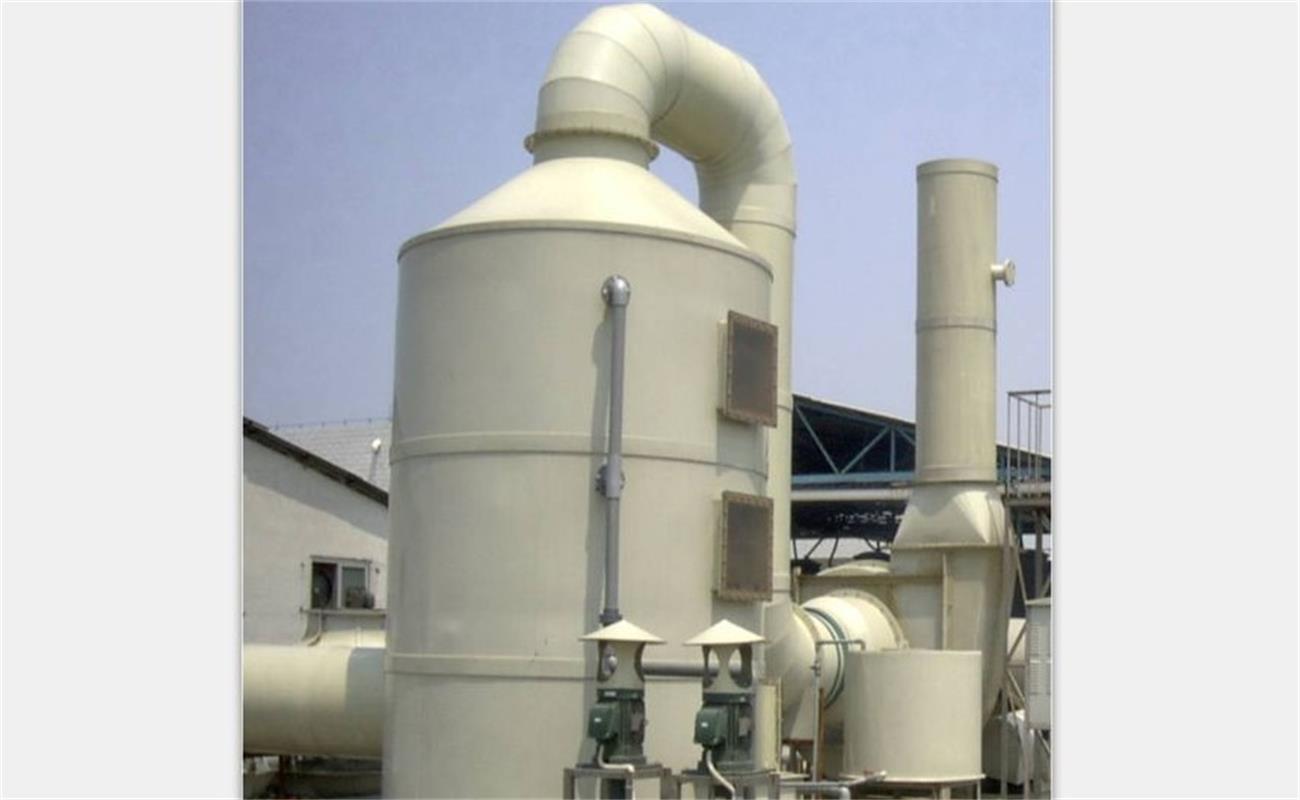
- Air Separation : Airflow separates lightweight plastic from heavy metals
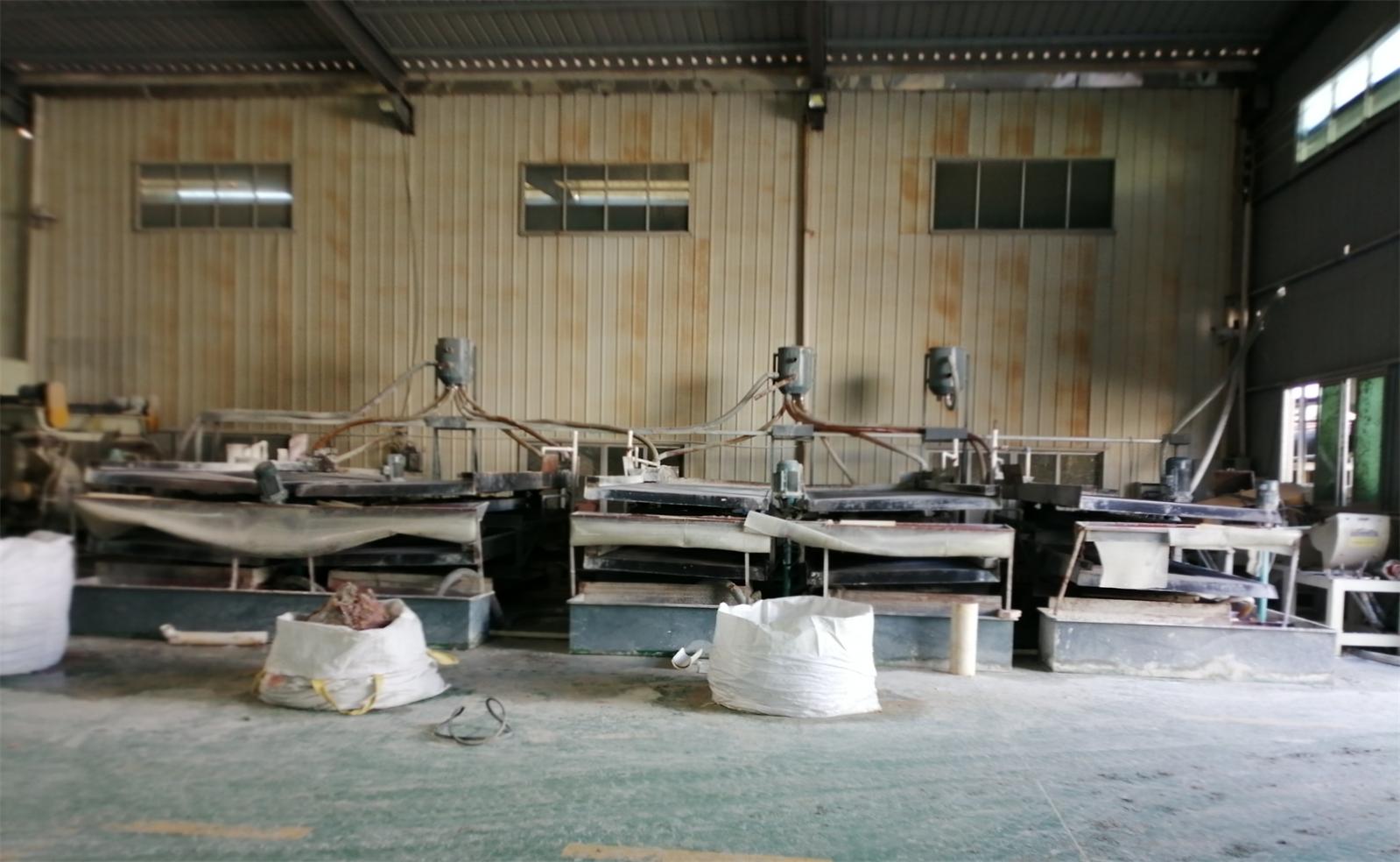
- Electrostatic Separation : Charges particles for ultra-pure material segregation
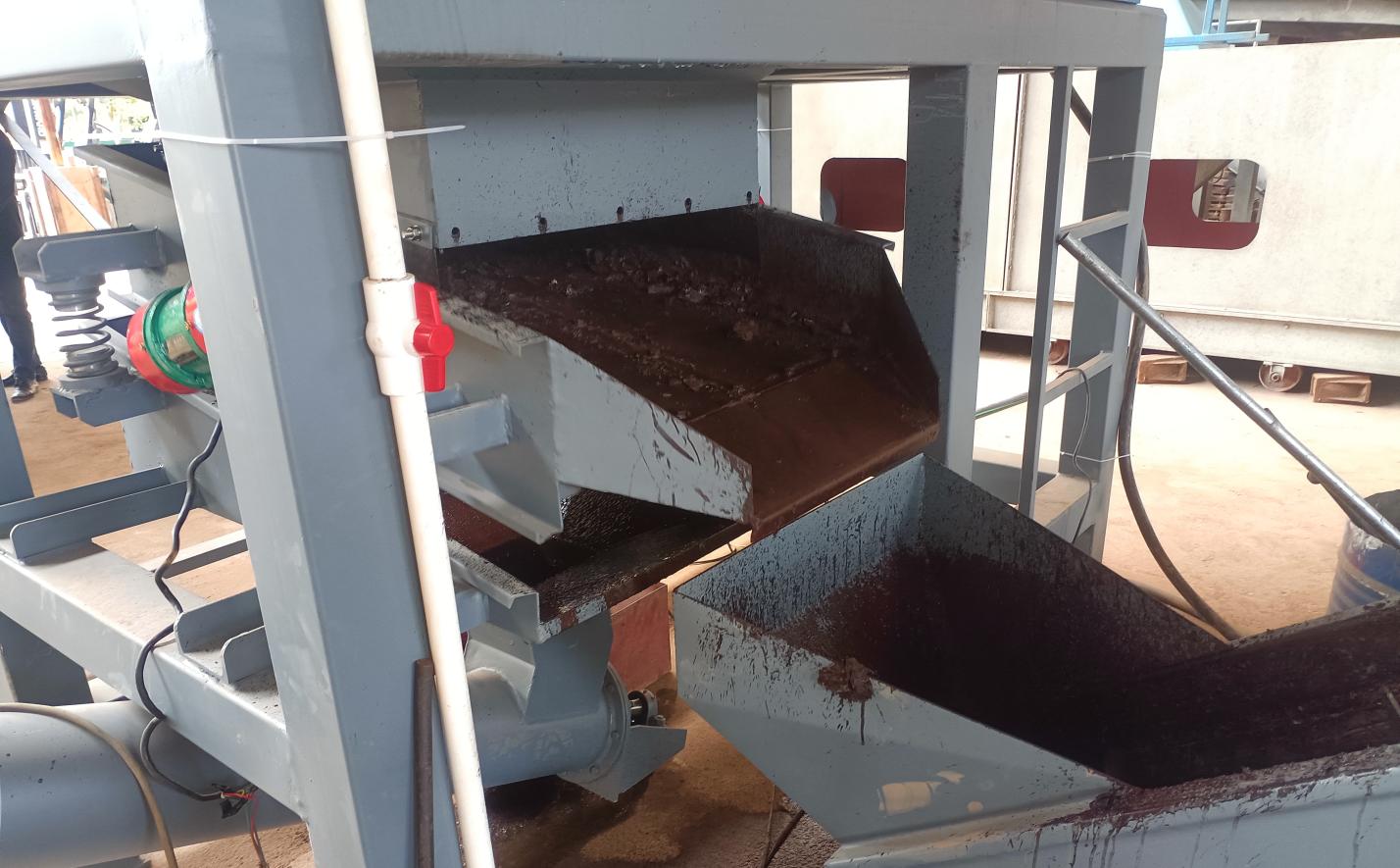
- Collection : Copper purity up to 99.9% meets industrial standards
Watching these machines work is mesmerizing - like a high-tech disassembly line running in reverse. What enters as chaotic wire spaghetti exits as neatly sorted copper granules and plastic flakes ready for manufacturing.
Maximizing Copper Yield
With premium recycling machinery, operators achieve:
- 99.8% metal recovery rates from processed cables
- Up to 600kg/hour processing capacity
- Minimal manual labor requirements
Environmental Wins
- Zero emissions: Closed-system designs capture all particles
- 97% reduction in landfill waste
- Plastic byproducts sold to injection molders
Financial Upside
The economics make compelling reading:
- ROI: 12-18 months for commercial systems
- Cost savings: Up to 40% vs purchasing virgin copper
- Revenue streams: Both copper and plastics become profit centers
The Technology Spectrum
| Technology | Best For | Throughput | Investment Level |
|---|---|---|---|
| Manual Stripping Tools | Occasional hobbyists | 5-10kg/hour | $150-$500 |
| Semi-Automatic Strippers | Small workshops | 30-60kg/hour | $3,000-$8,000 |
| Compact Granulators | Medium recycling ops | 100-200kg/hour | $20,000-$50,000 |
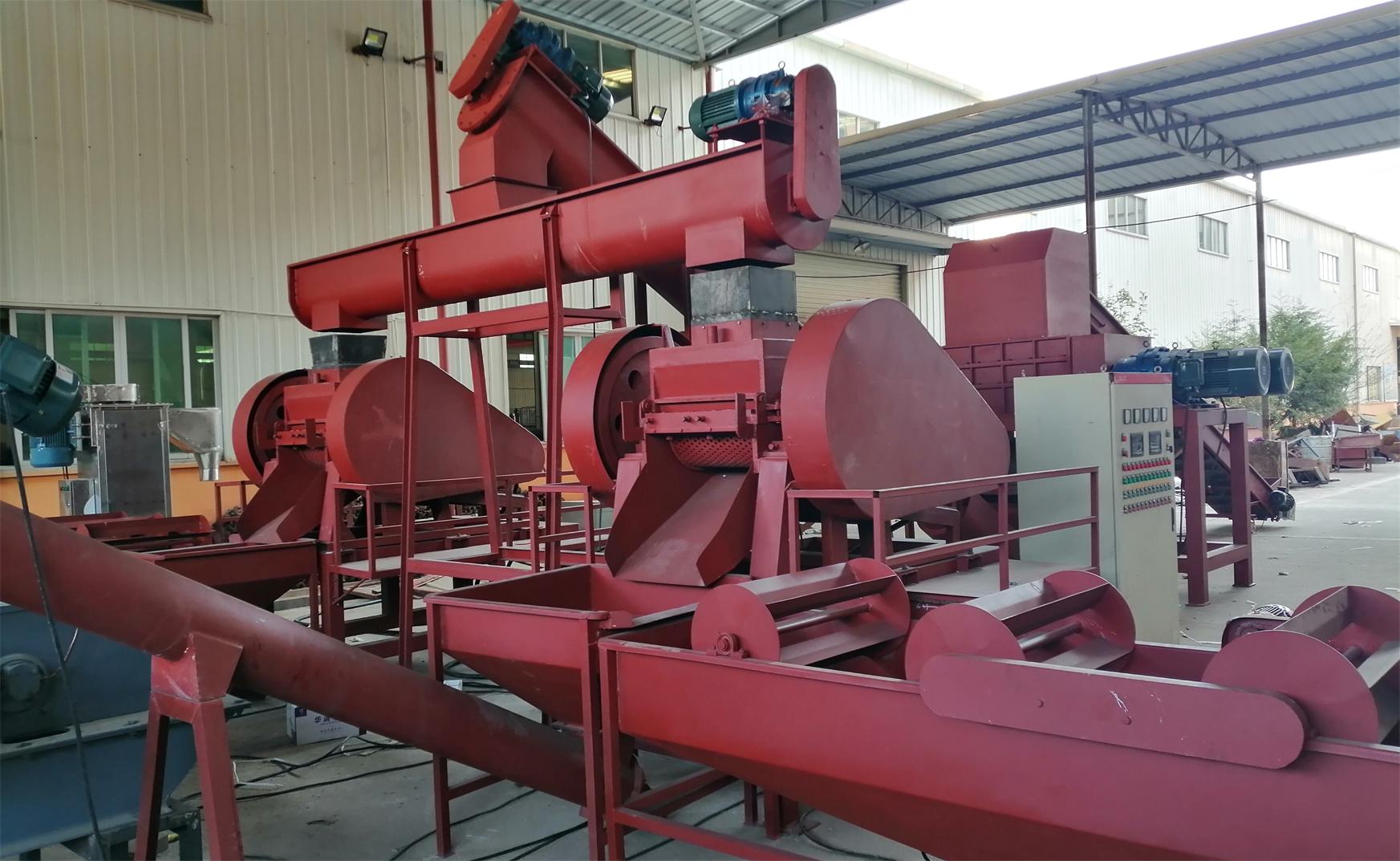
| Industrial Cable Recycling Lines | Large scale facilities | 300-600kg/hour | $80,000-$300,000 |
Choosing Your System
During my visits to recycling operations, I've observed how mismatched equipment kills profitability. Consider these factors:
- Material Diversity : Processing computer cables requires different settings than heavy power lines
- Consistent Feedstock : Uniform cable types yield better separation
- Space Constraints : Industrial systems require significant operational footprints
Top-tier manufacturers offer material testing - send them your cable waste to validate machine performance before purchasing.
Real-World Success Patterns
Operations maximizing profit share similar approaches:
- Feedstock Optimization : Grading cables by copper content before processing
- Pre-Shredding : Mechanical cutters extend blade life in granulators
- Closed-Loop Water Systems : Minimal water consumption in dust suppression
- Strategic Sorting : Removing connectors before processing boosts output purity
The Recycling Revolution Ahead
The frontier of wire recycling holds exciting developments:
- AI Sorting Systems : Computer vision identifies cable types for optimal processing
- Modular Design : Plug-and-play components reduce maintenance downtime
- Direct Melting Integration : Copper granules feed directly into foundry operations
Pioneering manufacturers are now developing mobile recycling units that fit into shipping containers - bringing industrial-level recovery to remote locations.
Making the Financial Case
Consider these compelling statistics:
- Copper cable recycling industry valued at $30+ billion globally
- Top recyclers achieve gross margins exceeding 40%
- Automated lines reduce labor costs to under 10% of revenues
Local recycling startups have shown remarkable resilience - during raw material price drops, their established feedstock channels still delivered consistent returns when mining operations struggled.
Your Action Plan
Based on industry best practices, follow this roadmap:
- Audit your cable sources - establish reliable collection channels
- Start small with tabletop units to validate your local market
- Graduate to automated systems as volume justifies investment
- Build relationships with smelters and plastic recyclers
- Monitor separation efficiency weekly - aim for >98% metal purity
One scrapyard owner shared how upgrading to dedicated cable recycling equipment tripled his copper recovery rates within three months - revenue paid for the system before the warranty expired.
Beyond Copper - The Full Picture
The narrative often overlooks the plastic fraction. Modern systems achieve remarkable results:
- PVC insulation becomes pellets for pipes and construction materials
- Rubber coatings get repurposed into floor mats and athletic surfaces
- Mixed plastics power waste-to-energy systems
With integrated systems, nothing gets wasted. The most advanced facilities operate at near-zero landfill contribution - every gram of cable finds purpose.
The Circular Economy in Action
Cable recycling machines represent more than clever engineering - they close the loop in our material economy. Where yesterday's methods polluted and wasted, today's technology extracts maximum value while minimizing environmental impact. The transformation I've witnessed confirms that profitability and sustainability aren't competing goals.
The numbers tell a powerful story: Every million dollars invested in modern recycling infrastructure saves enough energy to power 1,000 homes for a year. As we electrify our world, discarded wires become the veins of our green economy. Your operation can become part of this solution - turning yesterday's trash into tomorrow's technology.
So next time you see a bundle of abandoned cables, recognize what they truly are - not waste, but resource potential waiting for the right equipment to unlock their value.