With global copper prices maintaining strong levels and electrical waste volumes growing rapidly, investing in professional cable recycling equipment has become one of the most profitable opportunities in the resource recovery sector. Whether you operate a large-scale recycling plant or a specialized scrap metal facility, choosing the right machinery directly impacts your recovery rates, operational costs, and long-term profitability.
Why Cable Recycling Delivers Strong Returns
Waste cables and wires represent a concentrated source of high-purity copper and aluminum. Unlike other recyclable materials, scrap cables contain metal values that often exceed 50% of the total weight. Industrial power cables, building wires, and communication lines discarded during urban renovation and infrastructure upgrades create a steady raw material supply. Professional cable recycling equipment transforms this waste stream into valuable copper rice, aluminum granules, and clean plastic pellets that command premium prices in secondary markets.
The environmental regulatory landscape also favors professional recyclers. Governments worldwide are tightening restrictions on open burning and manual stripping methods, creating strong demand for mechanized, emission-compliant recycling solutions. Companies that adopt modern cable recycling machine technology position themselves ahead of regulatory curves while capturing higher margins.
Building an Efficient Cable Recycling Line
A complete cable recycling operation requires more than a single piece of equipment. Successful processors typically combine pre-processing, size reduction, and separation stages to maximize metal recovery and material purity.
Pre-Processing with Scrap Cable Strippers
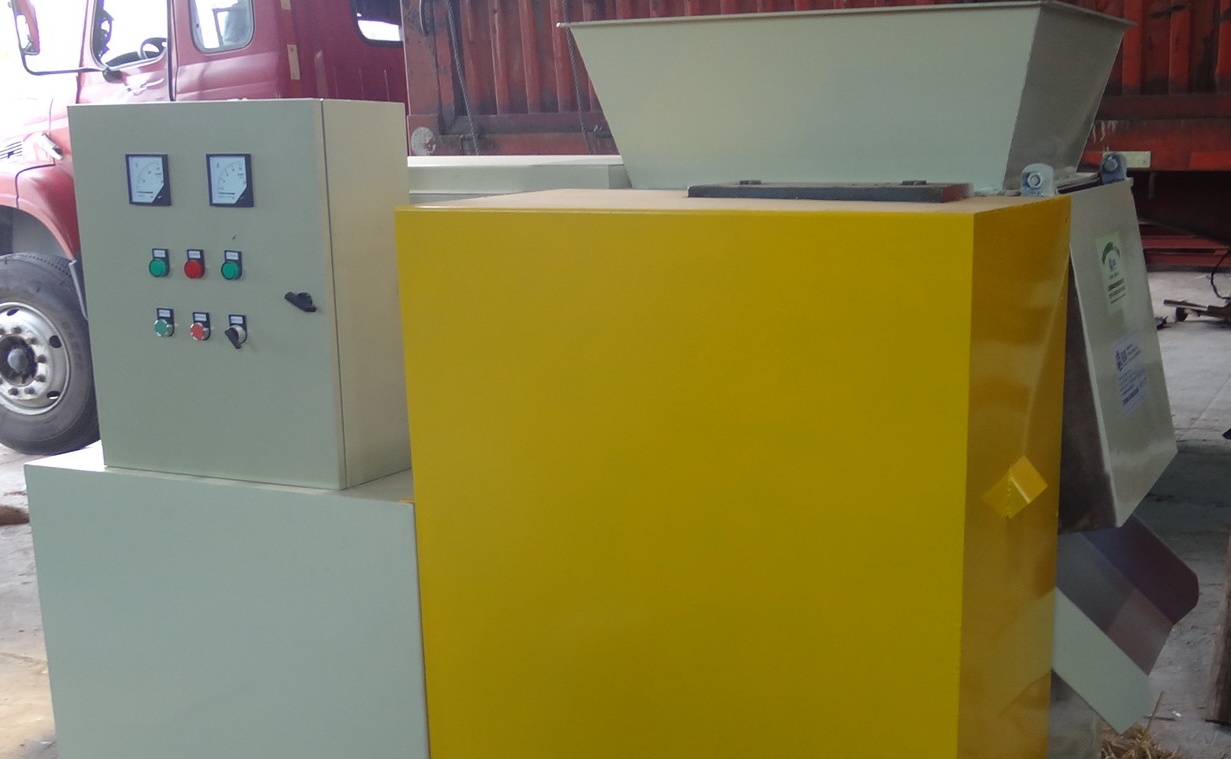
For thick industrial cables and armored wires, pre-processing significantly improves downstream efficiency. Professional scrap cable stripper equipment handles diameters from 1.5mm to 150mm, rapidly removing plastic or rubber insulation to expose pure metal cores. This step reduces wear on granulators and increases overall throughput. High-quality stripping machines process up to 15,000kg per ten-hour shift, making them essential for operations handling large-diameter construction and power cables.
Precision Granulation and Separation
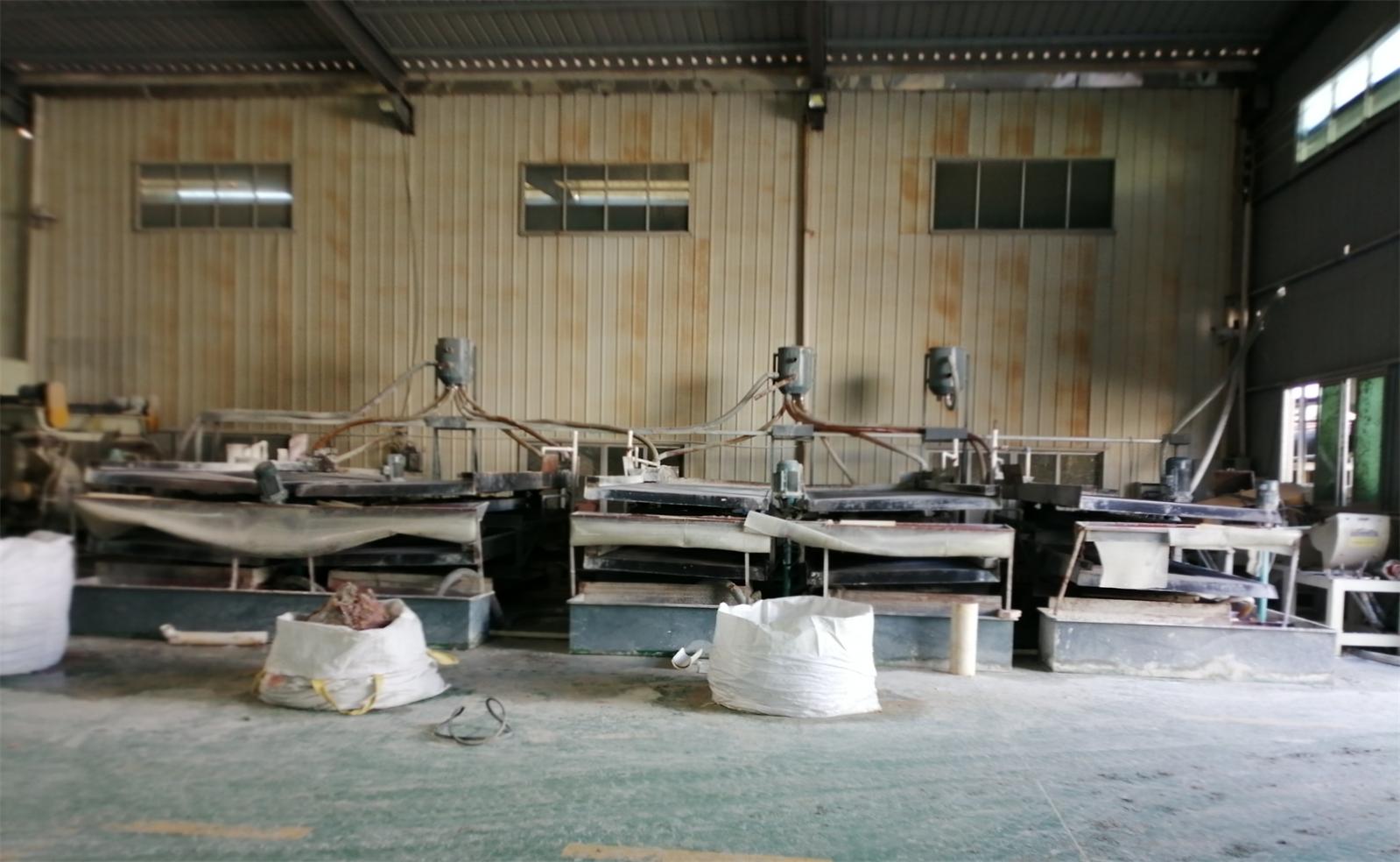
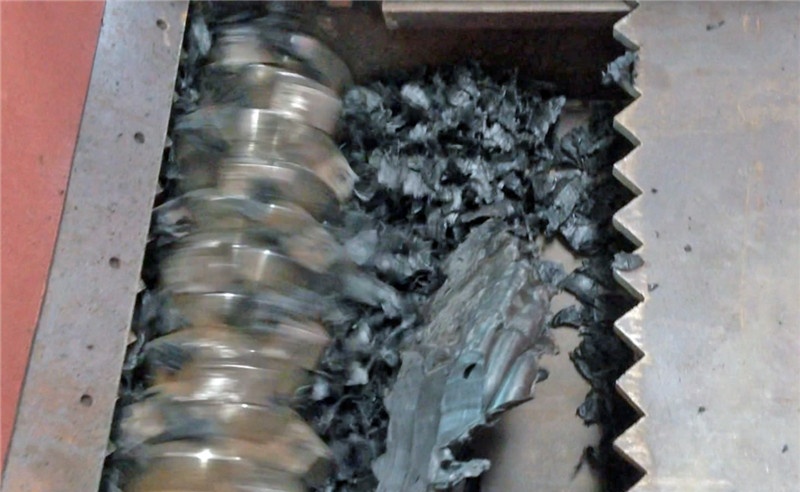
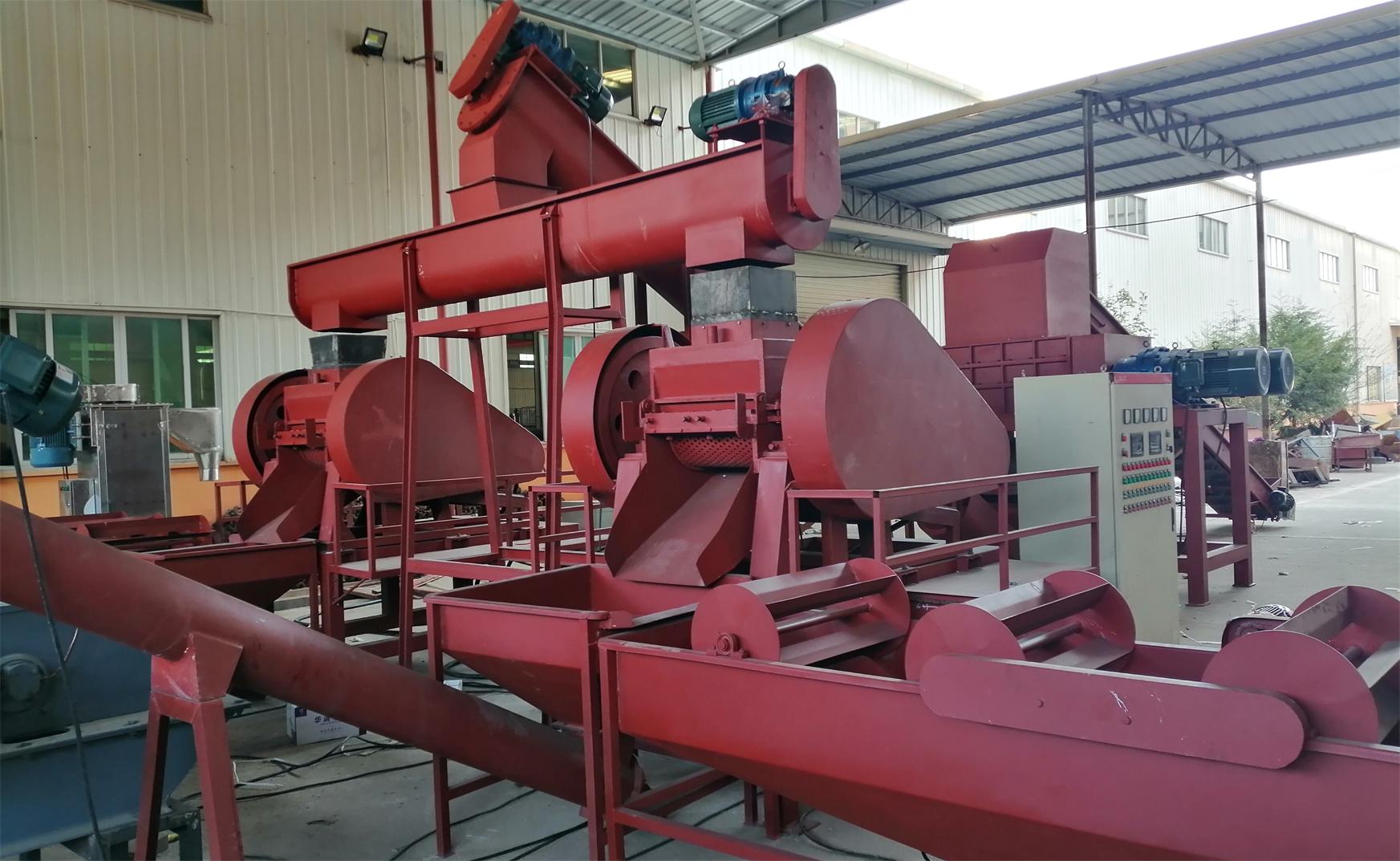
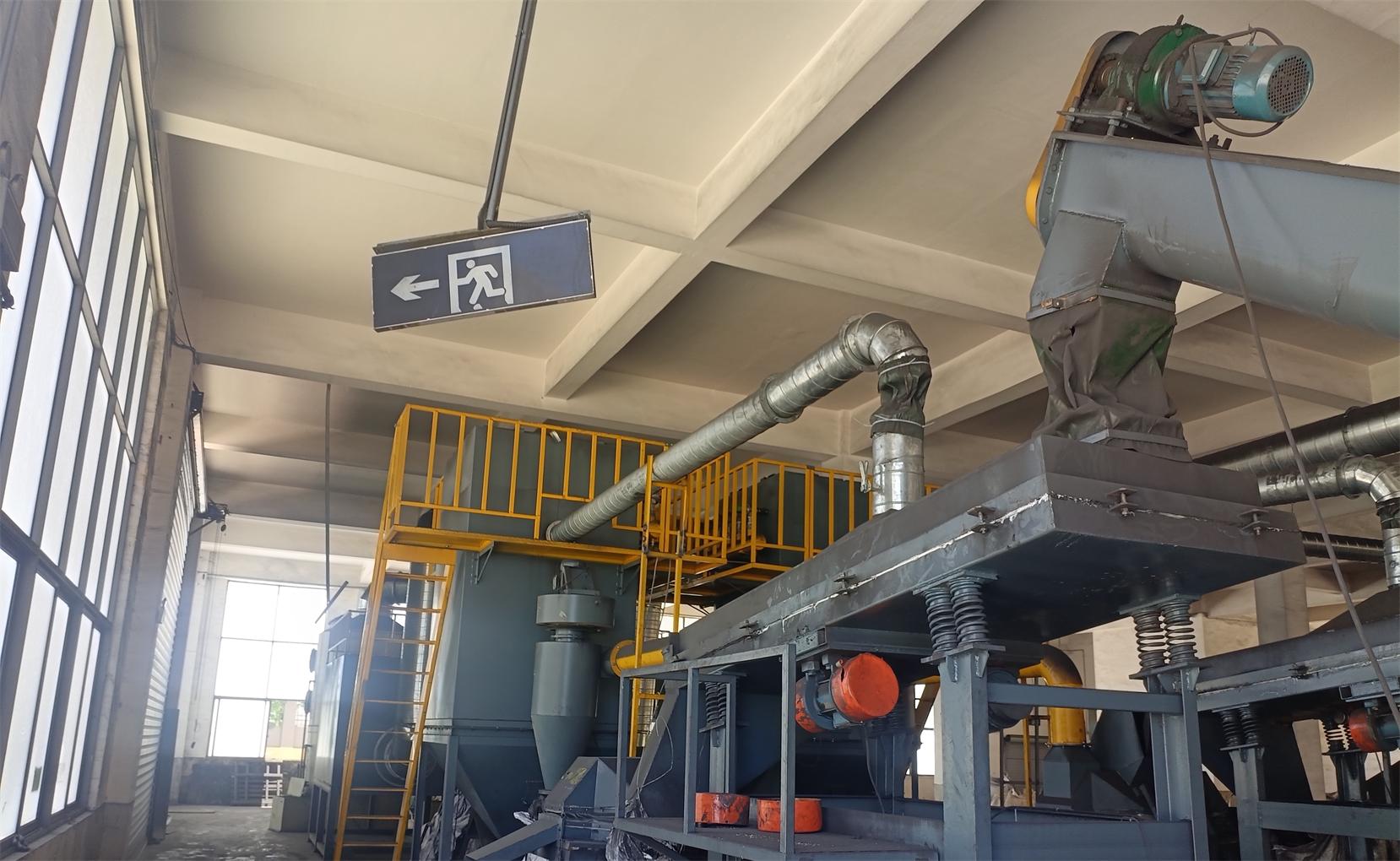
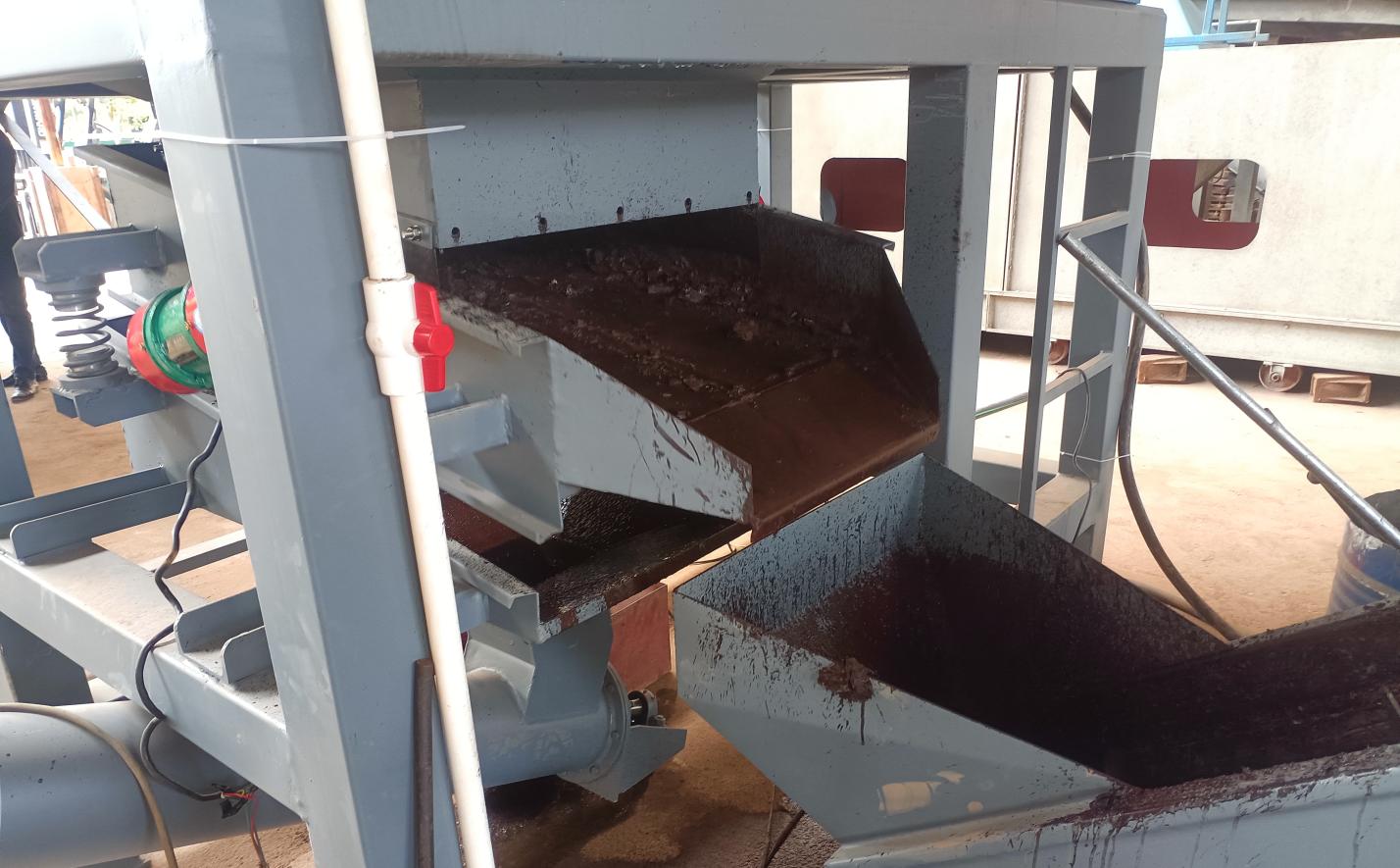
After stripping, or for smaller wires that bypass pre-processing, granulation becomes the core recovery stage. A compact granulator with dry separator equipment efficiently crushes mixed cables into uniform particles while separating metal from plastic through integrated air classification systems. Advanced models achieve copper powder purity levels of 96-98% with recovery rates exceeding 95%, ensuring minimal metal loss in the plastic fraction.
Dry separation technology offers particular advantages for environmental compliance. Unlike wet processes that generate wastewater requiring treatment, dry cable wire granulator systems operate without water consumption or effluent discharge. This eliminates water treatment costs and simplifies permitting requirements, especially in regions with strict environmental standards.
What Distinguishes Professional-Grade Equipment
Not all cable recycling machinery delivers the same performance or durability. When evaluating equipment, experienced operators focus on several critical factors:
- Separation Efficiency: The difference between 90% and 98% copper recovery directly affects profitability over thousands of tons of processed material. Advanced air separators, vibrating screens, and electrostatic refinement stages ensure maximum metal capture.
- Throughput Capacity: Equipment ranges from compact 100kg/hour units suitable for small workshops to heavy-duty 1200kg/hour systems designed for continuous industrial operation. Matching capacity to material supply prevents bottlenecks and optimizes capital utilization.
- Operational Flexibility: The best cable recycling equipment handles diverse cable types without extensive changeover delays. From fine communication wires to thick industrial cables, versatile machinery reduces downtime and expands the range of profitable raw materials.
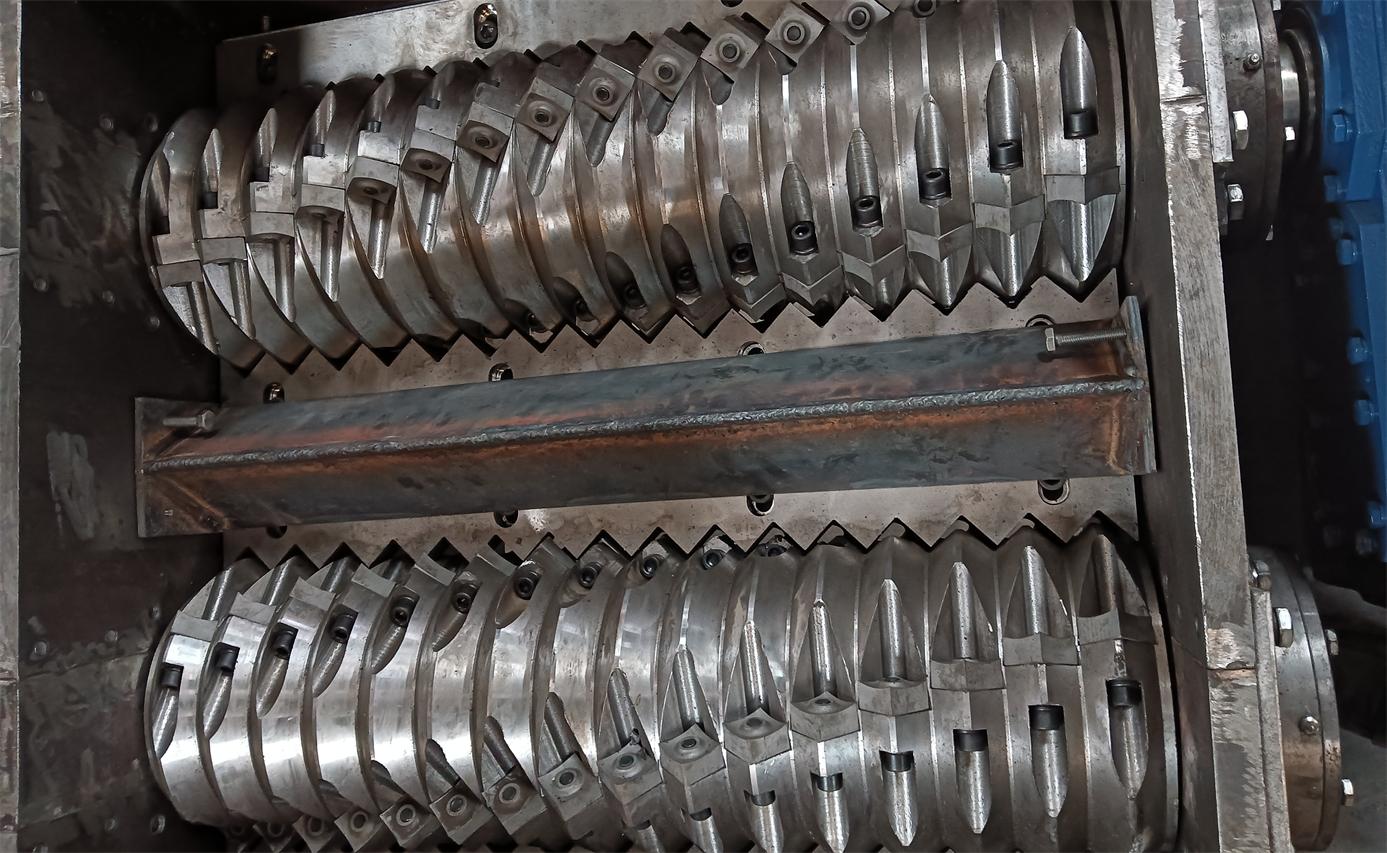
- Durability and Support: Harsh operating environments demand robust construction. Quality blade materials, hardened cutting chambers, and reliable drive systems minimize maintenance intervals. Equally important is access to technical support, spare parts, and installation expertise from manufacturers with demonstrated experience in the field.
San Lan Technologies: Complete Cable Recycling Solutions
Since 2007, San Lan Technologies Co., Ltd has manufactured professional cable recycling equipment for operators across more than 21 countries. The company's integrated approach covers every stage of cable processing, from initial cutting and stripping through final granulation and separation.
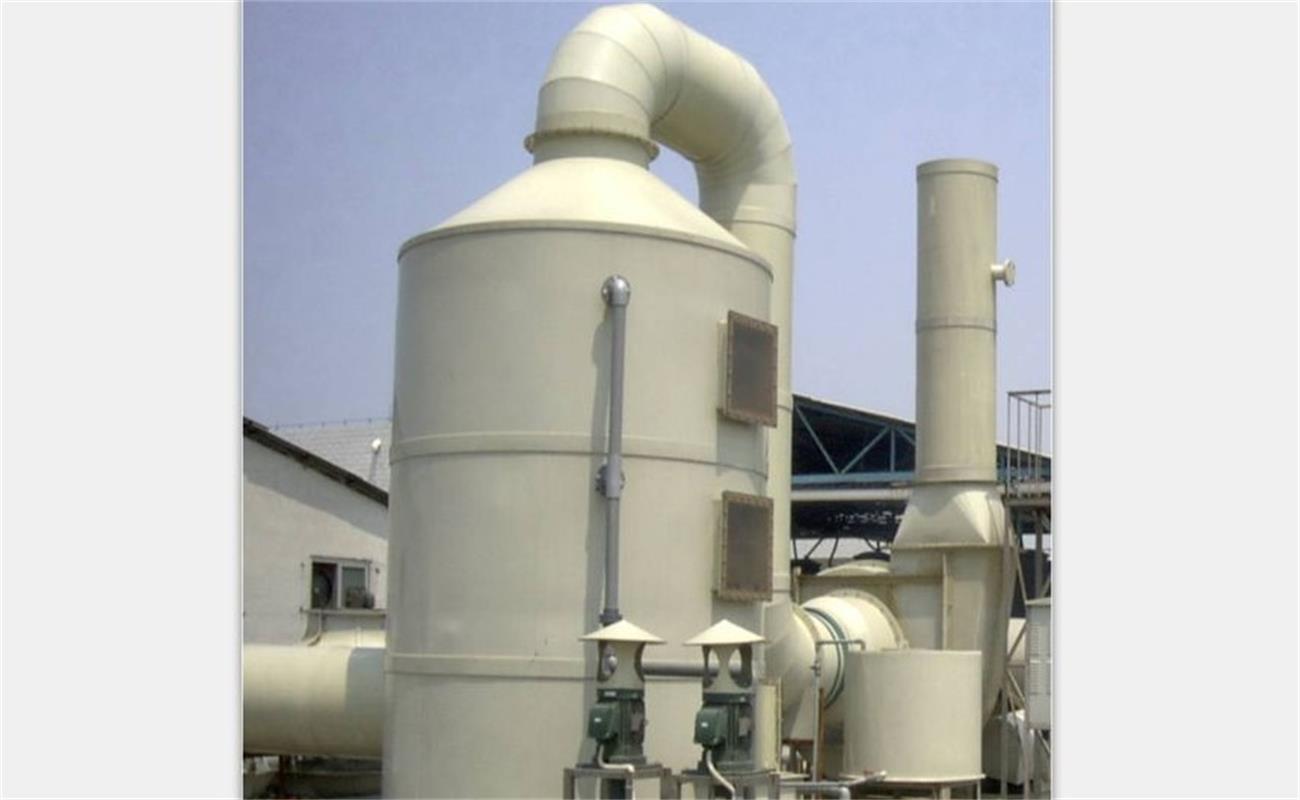
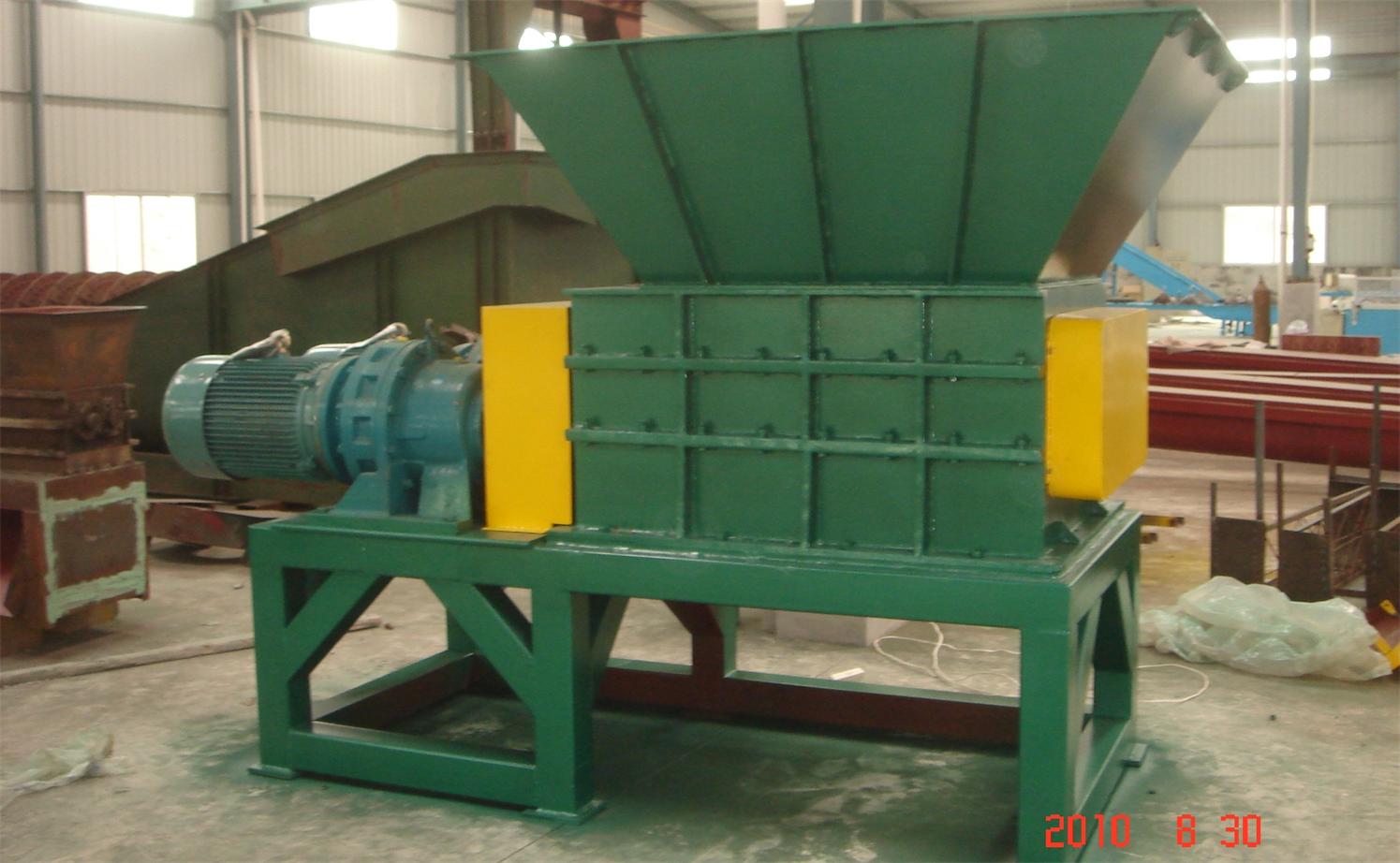
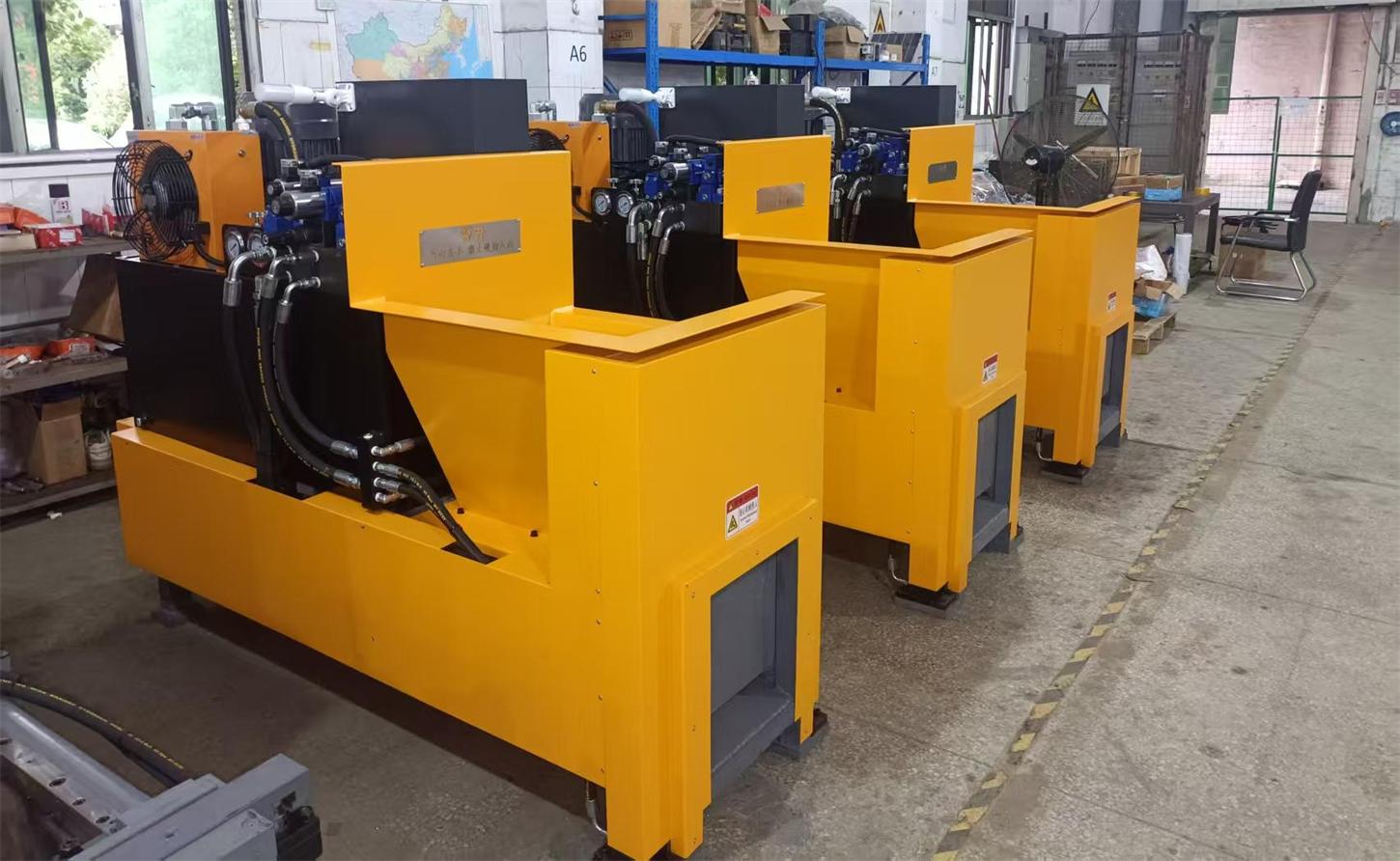
San Lan's cable recycling machine lineup includes compact granulators with dry separators achieving 96-98% copper purity, heavy-duty four-shaft shredders processing 4-6 metric tons per hour, and specialized scrap cable strippers handling cables up to 150mm diameter. The company also provides complete turn-key plant solutions incorporating pneumatic conveying, hydraulic briquetting, and dust collection systems.
What separates San Lan from general equipment vendors is deep technical expertise combined with comprehensive project support. The engineering team holds master's degrees in mechanical engineering with over 15 years of specialized experience in e-waste recycling machinery. Beyond manufacturing, San Lan assists clients with raw material sourcing, plant design, installation commissioning, and even product offtake arrangements for recovered copper and aluminum.
For recycling entrepreneurs and established operators alike, partnering with an experienced cable recycling equipment manufacturer reduces project risk and accelerates path to profitability. With copper demand projected to remain strong through the global energy transition, now represents an optimal time to establish or upgrade cable recycling capabilities. Contact San Lan Technologies today to discuss your specific material stream and production targets.