The Critical Need for Lead Contamination Control
Lead-acid batteries power our cars, backup systems, and countless industrial applications worldwide. But when these batteries reach the end of their life cycle, improper recycling becomes a serious environmental and health threat. The toxic lead contained in these batteries doesn't disappear - it finds its way into our soil, water, and air if recycling processes aren't carefully controlled.
Each year, millions of lead-acid batteries are recycled globally. While the recycling rate stands impressively high at about 99% in developed nations, the process can release dangerous amounts of lead particles and acidic compounds if not managed with precision. The invisible threat of lead contamination affects communities near recycling facilities more than anywhere else.
Lead's Toxic Legacy
Even minimal lead exposure can cause irreversible neurological damage, particularly in children. At concentrations as low as 5 micrograms per deciliter, lead can:
- Reduce IQ by 4-7 points in children
- Increase behavioral disorders by 30-50%
- Cause premature cardiovascular issues in adults
Modern recycling technologies offer hope, but only when implemented correctly at every stage - from collection to smelting. This guide examines practical, science-backed methods to control lead pollution throughout the recycling chain.
How Lead Pollution Occurs in Battery Recycling
Understanding where and how lead escapes during recycling is the first step to controlling it. Pollution pathways appear at multiple points:
1
Battery Collection & Transport
Damaged battery casings leak sulfuric acid and lead particles during handling
2
Breaking & Separation
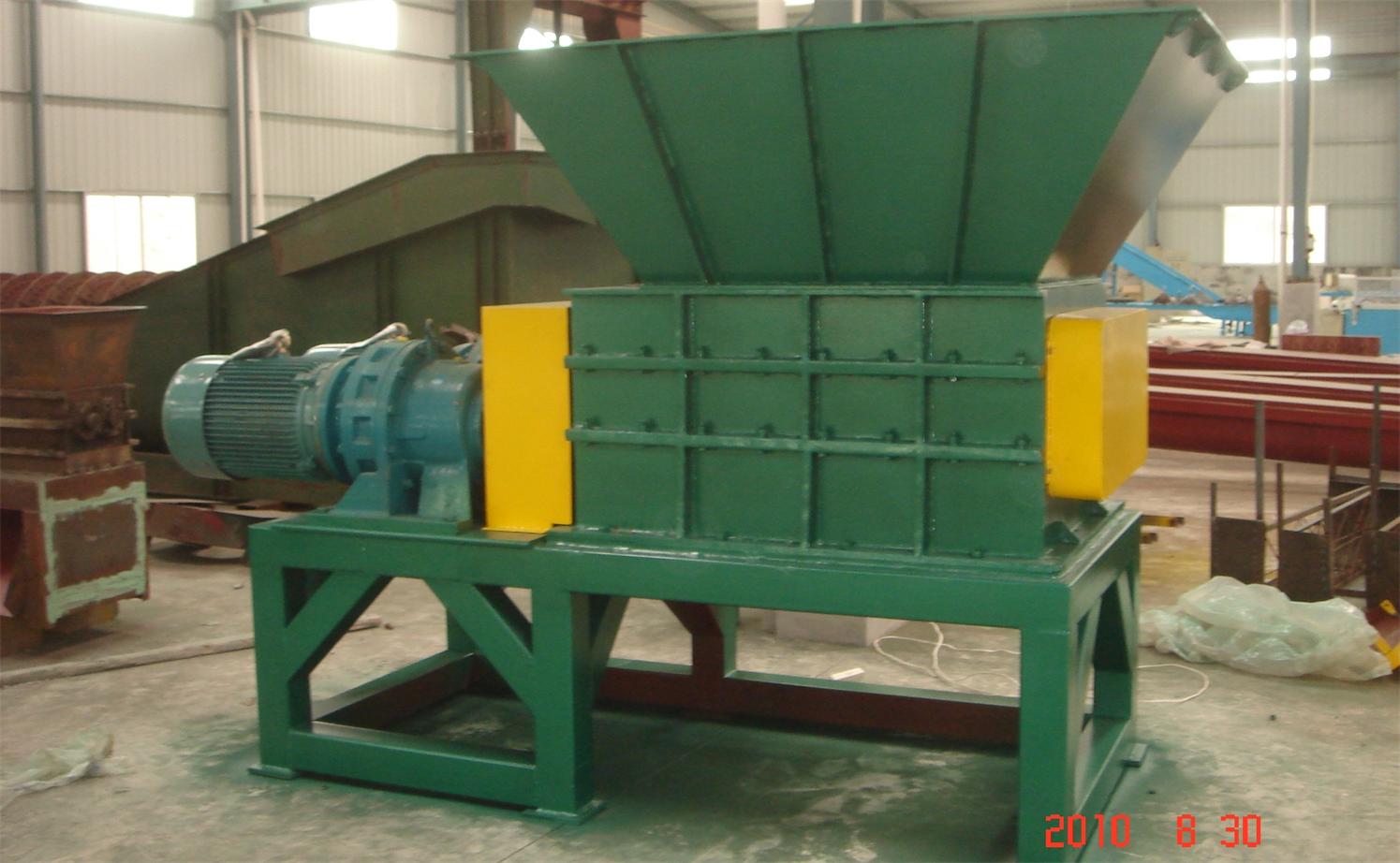
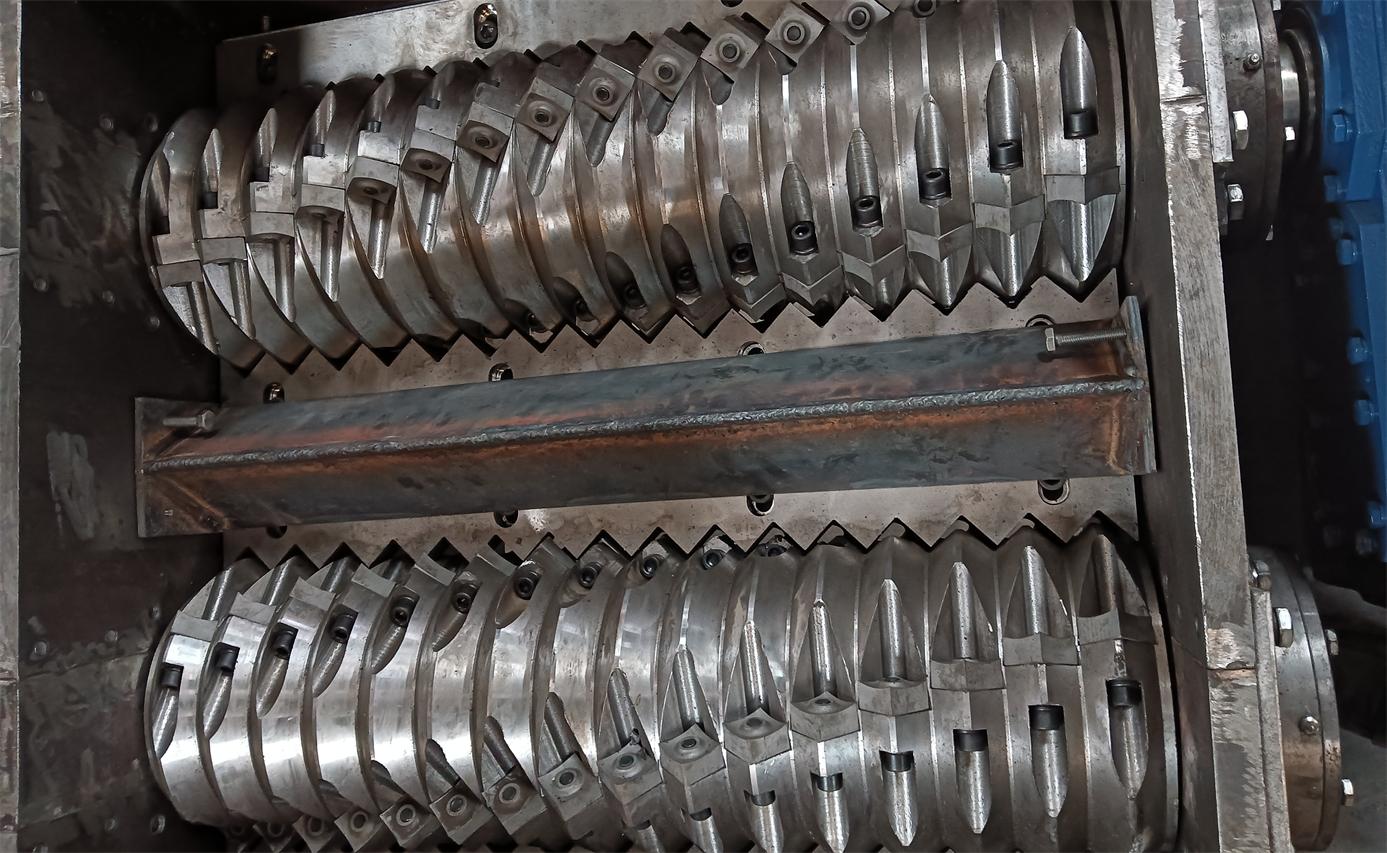
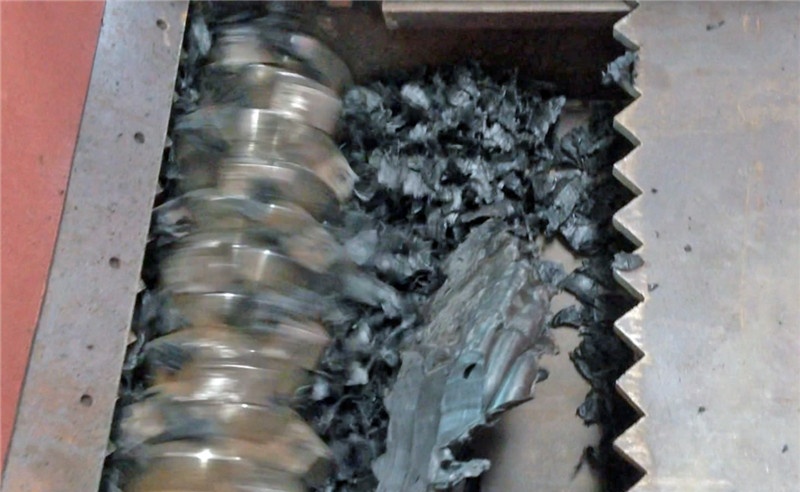
Mechanical crushing releases fine lead dust into the air and wastewater
3
Lead Smelting
Furnaces release lead oxide fumes if not properly filtered and controlled
4
Slag Handling
Residual lead compounds in waste slag can leach into soil and groundwater
5
Workplace Exposure
Workers absorb lead through skin contact, inhalation, and accidental ingestion
The most dangerous form of contamination comes from the microscopic lead particles generated during battery crushing and smelting. These particles remain airborne for hours and can travel significant distances before settling.
Advanced Pollution Control Technologies
Modern recycling facilities deploy multiple technological solutions to contain lead at every stage of processing:
Engineered Material Handling Systems
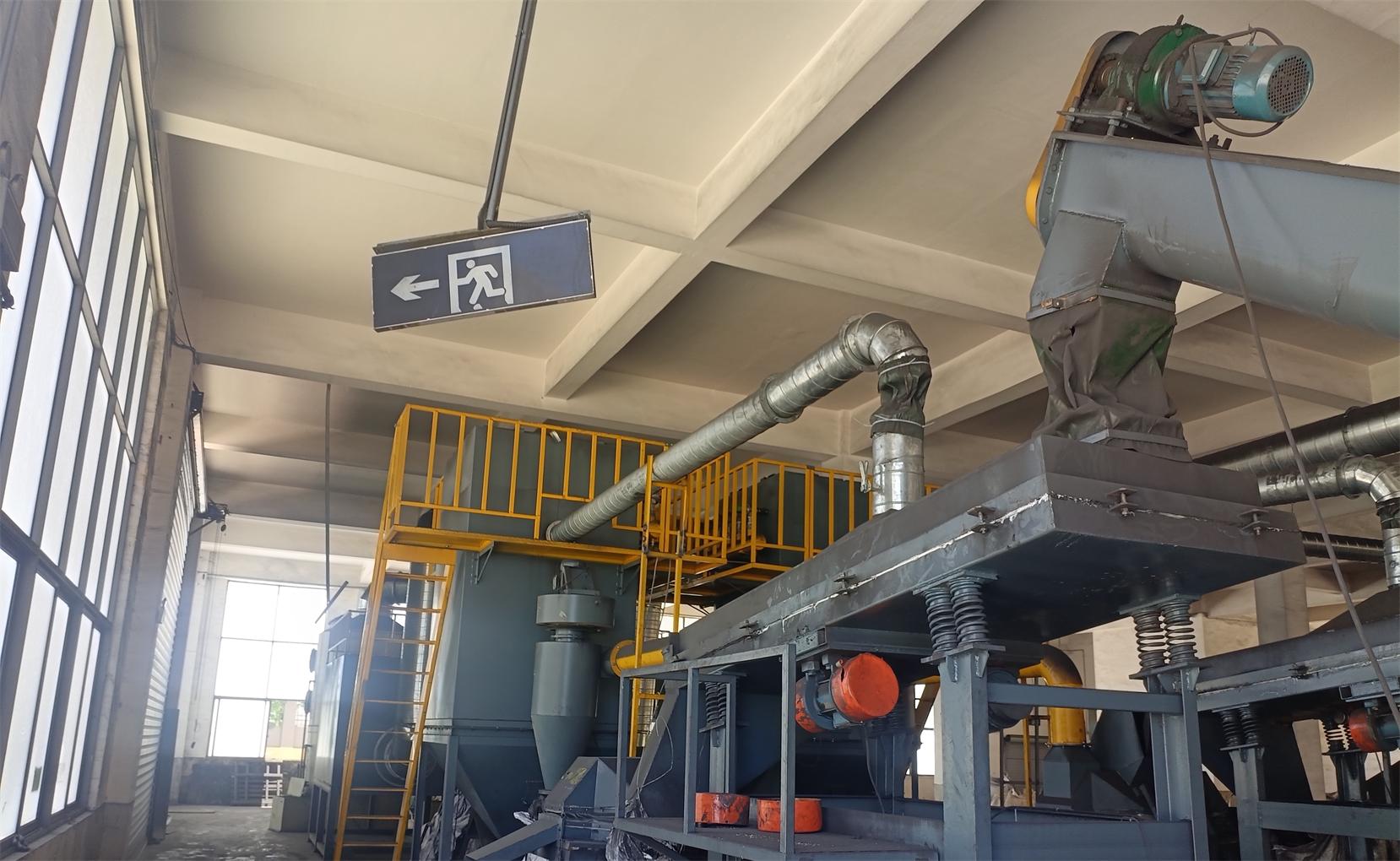
Sealed conveyor systems prevent lead dust dispersion during transport:
Negative Pressure Transport
Battery pieces move through ventilated tunnels with directional airflow that pulls dust particles into filtration systems rather than releasing them into work areas
Wet Processing Techniques
Crushing batteries under a liquid medium immediately captures liberated lead dust in solution, preventing airborne dispersion. The resulting slurry is then chemically treated to recover lead compounds
Cutting-Edge Filtration Systems
Proper ventilation and filtration represent the frontline defense against airborne lead:
| Technology | Efficiency | Maintenance Needs | Applications |
|---|---|---|---|
| High-Efficiency Particulate Air (HEPA) | 99.97% at 0.3μm | Frequent replacement | Final exhaust air cleaning |
| Electrostatic Precipitators | 98-99.9% | Continuous maintenance | Furnace exhaust streams |
| Fabric Filters | 99.0-99.9% | Moderate cleaning cycles | Capture heavy particulate |
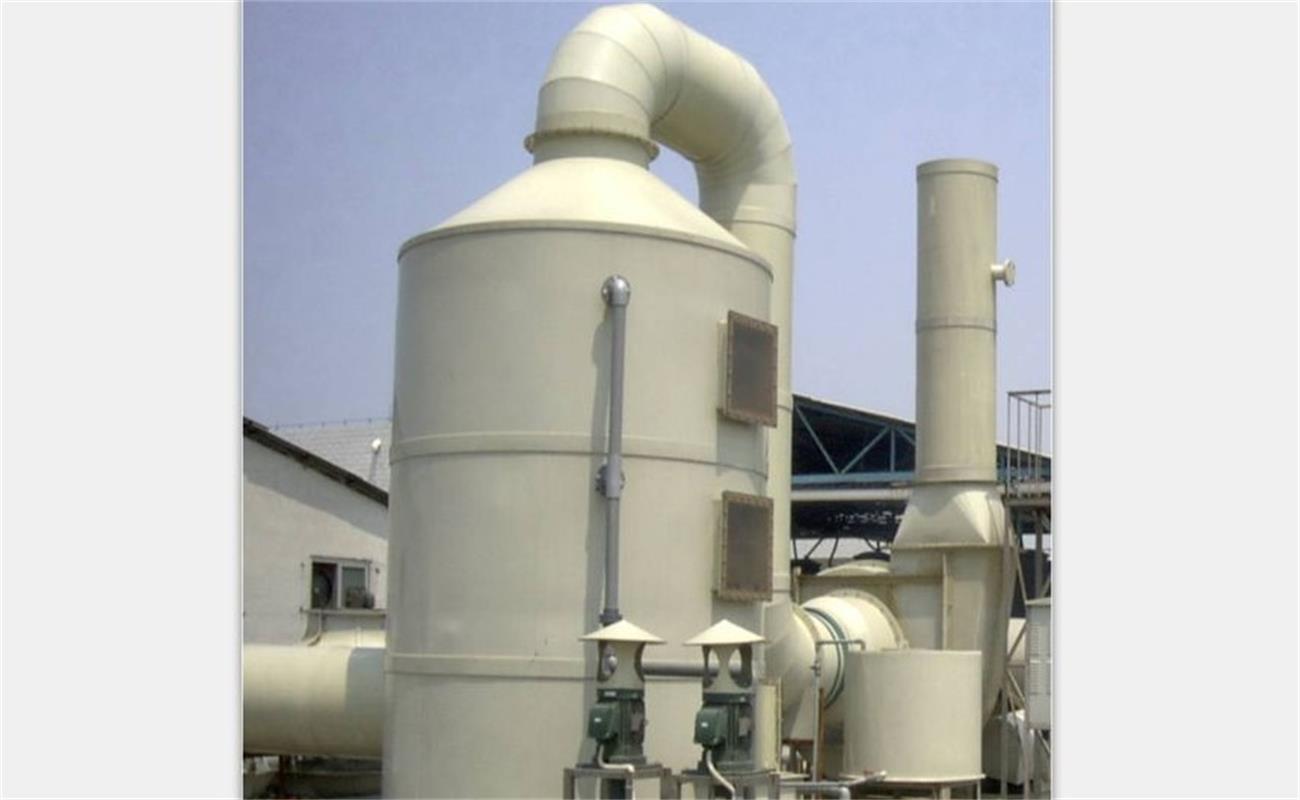
| Wet Scrubbers | 90-99% | Constant monitoring | Acid gas & particulate control |
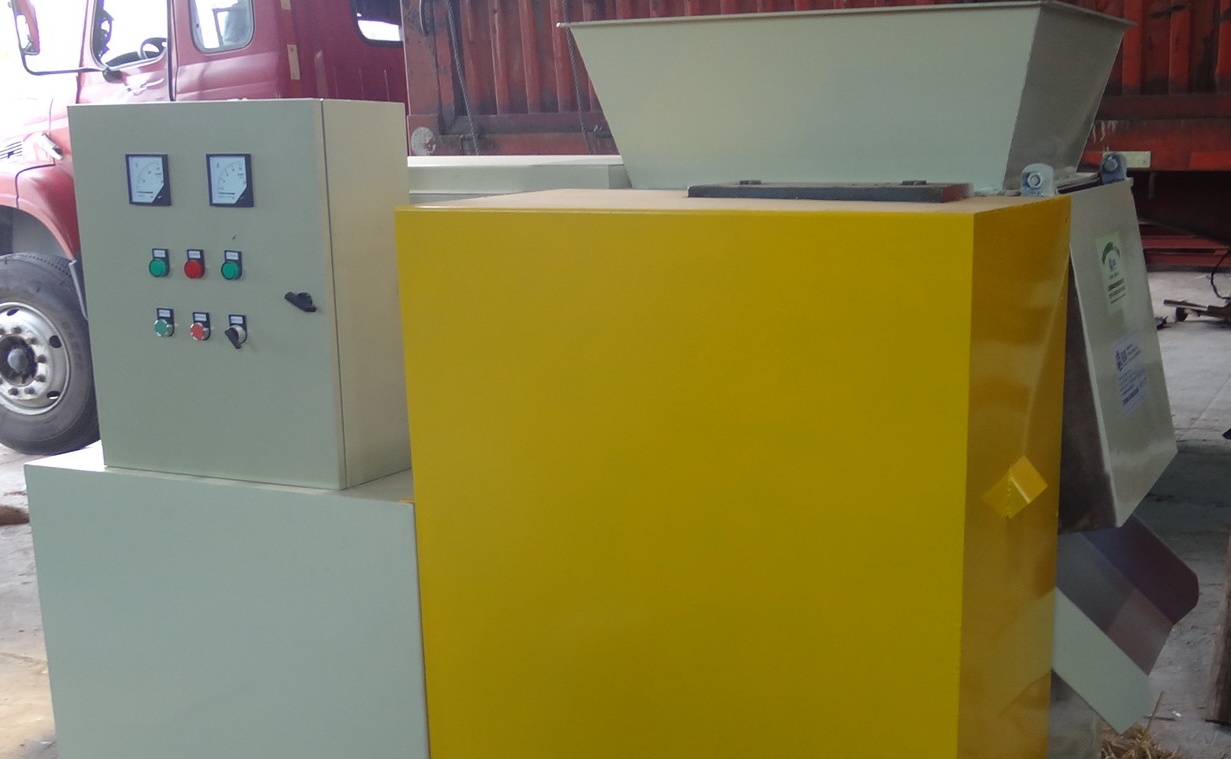
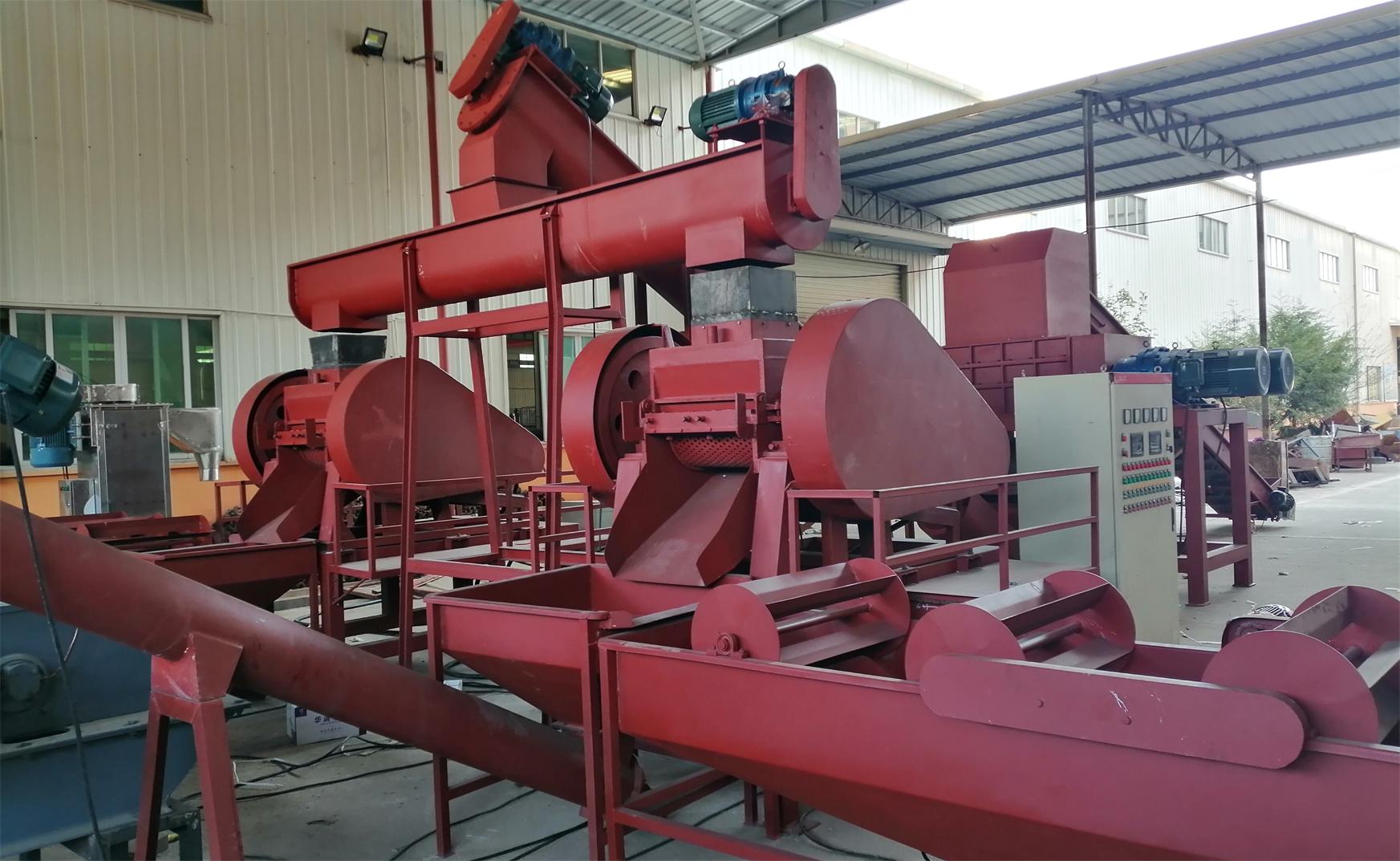
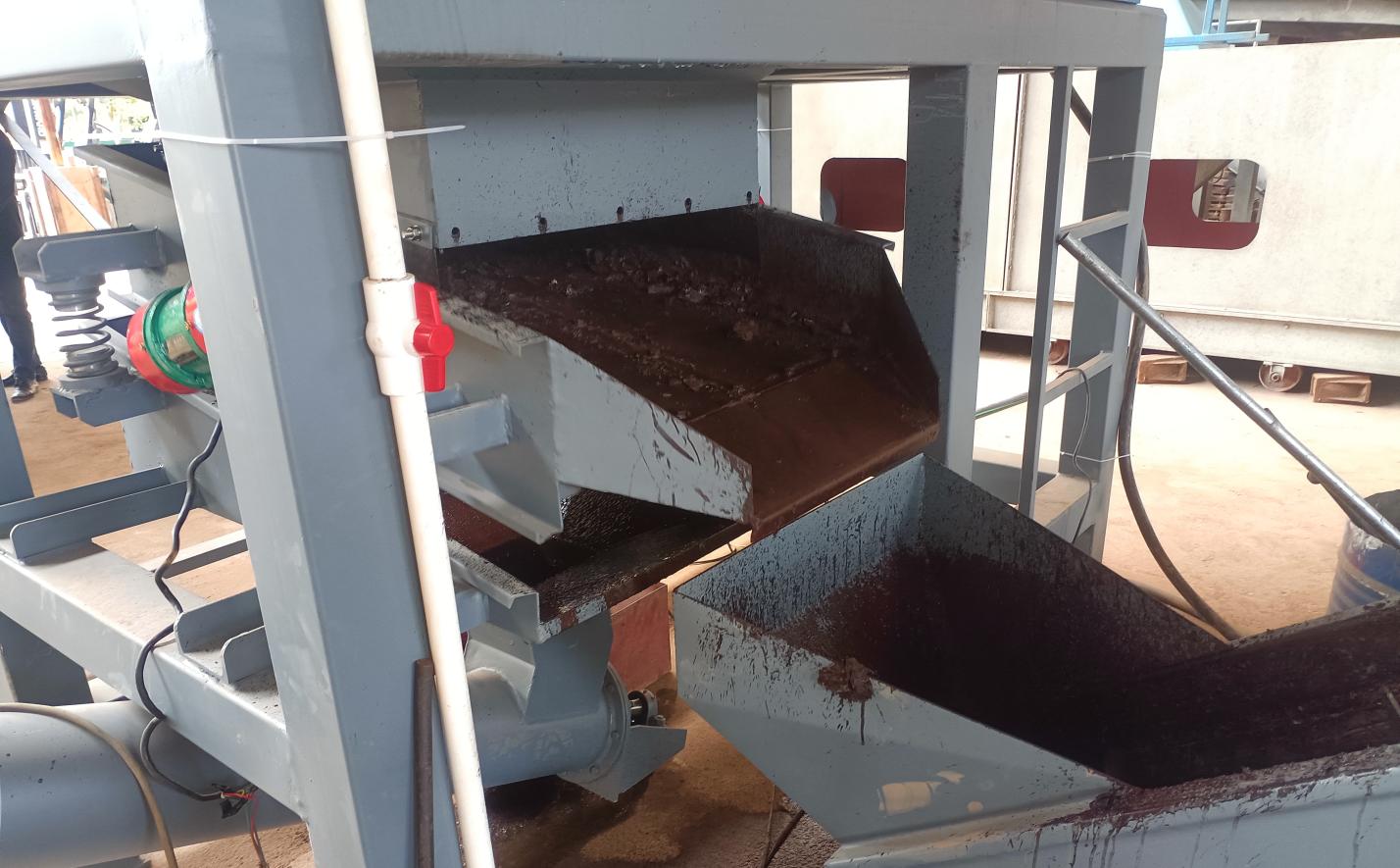
The lead-acid battery recycling machine family represents integrated systems that combine these technologies specifically for battery processing applications.
Enhanced Water Treatment
Innovative approaches to water purification prevent lead-contaminated effluent:
Chemical Precipitation
Adding lime or caustic soda to wastewater forces lead to form insoluble hydroxide compounds that settle out
Membrane Filtration
Nanofiltration and reverse osmosis systems remove even dissolved lead species down to parts-per-billion levels
Ion Exchange Columns
Specialized resins selectively capture lead ions from wastewater streams
Sustainable Facility Design Principles
Beyond specific technologies, effective pollution control requires thoughtful facility design:
Segregated Work Zones
Creating physical barriers between processes with different risk levels contains contamination
Negative Pressure Environments
Maintaining slightly lower air pressure inside work zones ensures air flows into the facility rather than outward
Continuous Monitoring Systems
Fixed and portable sensors provide real-time data on lead levels in air, water, and soil
Employee Decontamination Zones
Mandatory shower facilities and clean/dirty room separation prevent take-home lead exposure
The most advanced facilities now incorporate these designs from the ground up rather than retrofitting existing structures.
Operational Best Practices
Technology alone isn't enough - strict operational protocols complete the contamination control system:
Cleaning & Housekeeping Protocols
- Frequent wet cleaning prevents dust accumulation
- HEPA-filtered vacuums used exclusively
- Designated disposal methods for cleaning materials
Worker Safety Programs
- Mandatory respiratory protection in risk zones
- Twice-yearly blood lead level monitoring
- Daily laundering of work clothes on-site
- Strict hygiene enforcement
Environmental Monitoring
- Perimeter air monitoring stations
- Quarterly groundwater testing
- Soil testing at facility boundaries
- Real-time stack emission monitoring
Waste Stream Management
- Secure containment for hazardous waste
- Advanced landfill designs with multiple liners
- Slag processing to reduce lead leaching
The Future of Cleaner Recycling
Emerging innovations promise even greater pollution control in coming years:
Direct Electrochemical Recycling
New electrochemical processes can recover lead without high-temperature smelting
Bio-Recovery Technologies
Microorganisms that selectively concentrate lead could supplement traditional methods
Nano-Filtration Systems
Membranes with engineered nanopores specifically designed to trap lead ions
Automated Sorting Systems
AI-powered vision systems identify and separate battery components with minimal handling
Combining these technological advances with rigorous operational standards represents our best path toward sustainable lead management. As battery recycling volumes continue growing worldwide, our commitment to pollution control must grow with them.
Global Case Studies: Successes and Lessons
EU Regulations Driving Innovation
European directives have forced recycling rate improvements:
Lead recovery rate achieved by plants implementing Best Available Techniques
Developing World Challenges
Informal recycling causes 1/3 of global lead pollution:
Higher blood lead levels near informal recycling sites
Technology Transfer Successes
Partnerships that reduced contamination:
Reduction in lead emissions at Mexican plant implementing modern controls
Conclusion: The Path Forward
Controlling lead pollution from battery recycling requires commitment across multiple domains: technological, operational, regulatory, and educational. The most successful facilities combine advanced equipment like modern furnace systems with strict protocol adherence and continuous monitoring.
With global battery recycling expected to grow 6-8% annually through 2030, implementing these comprehensive approaches becomes increasingly urgent. Companies that invest in pollution prevention technologies not only protect communities and the environment but ultimately gain competitive advantage through efficiency improvements and regulatory compliance.
The ultimate solution combines technology with responsibility - engineering solutions must work hand-in-hand with ethical business practices to ensure the circular battery economy protects human health while conserving resources.