Let’s start with the obvious: buying a filter press isn’t like picking up a new tool from the hardware store. This machine is a cornerstone of your operation—whether you’re running a wastewater treatment plant, processing mining sludge, or handling industrial byproducts. A good filter press keeps your workflow efficient, cuts down on waste, and even helps you stay on the right side of environmental regulations. But a bad one? It’ll turn into a money pit faster than you can say “filter cake.” So how do you make sure you’re investing in a quality piece that’ll last? Let’s break it down step by step, no jargon, just the real stuff you need to check.
1. Start with the Core: Filter Plates and Frames
Think of filter plates as the heart of the machine. These are the parts that actually do the heavy lifting—separating solids from liquids by squeezing slurry between them. If they’re shoddy, the whole press fails. So what should you look for here?
First, material matters a lot . Most filter plates are made from polypropylene (PP), cast iron, or stainless steel. Let’s break down the pros and cons:
| Material | Best For | Red Flags |
|---|---|---|
| Polypropylene (PP) | General use, non-corrosive slurries (e.g., food processing, municipal wastewater) | Thin plates (<15mm), visible cracks, or “recycled PP” claims (weaker than virgin material) |
| Cast Iron | High-pressure applications, high-temperature slurries (e.g., mining, chemical processing) | Rust spots, uneven casting (bubbles or pits), or lightweight frames (sign of thin metal) |
| Stainless Steel | Corrosive environments (e.g., acidic/alkaline industrial waste) | Low-grade steel (magnet sticks strongly—304/316 stainless should be weakly magnetic), rough welds |
Next, check the plate design. Look at the drainage channels—they should be smooth, evenly spaced, and free of burrs. If they’re blocked or uneven, the filtrate won’t flow properly, leaving you with wetter filter cakes (which means more waste to haul and higher disposal costs). Also, the sealing edges (the part where plates touch) need to be flat and consistent. Run your finger along the edge—if it feels rough or has gaps, that’s a leak waiting to happen. Leaks mean lost pressure, wasted energy, and messy cleanup.
Pro Tip: Ask the supplier for a sample plate. drop it from waist height (gently!). A quality PP plate should bounce back; a cheap one might crack. For metal plates, tap them with a wrench—they should ring clearly, not sound dull (dullness could mean internal flaws).
2. The Hydraulic System: It’s All About Pressure (and Stability)
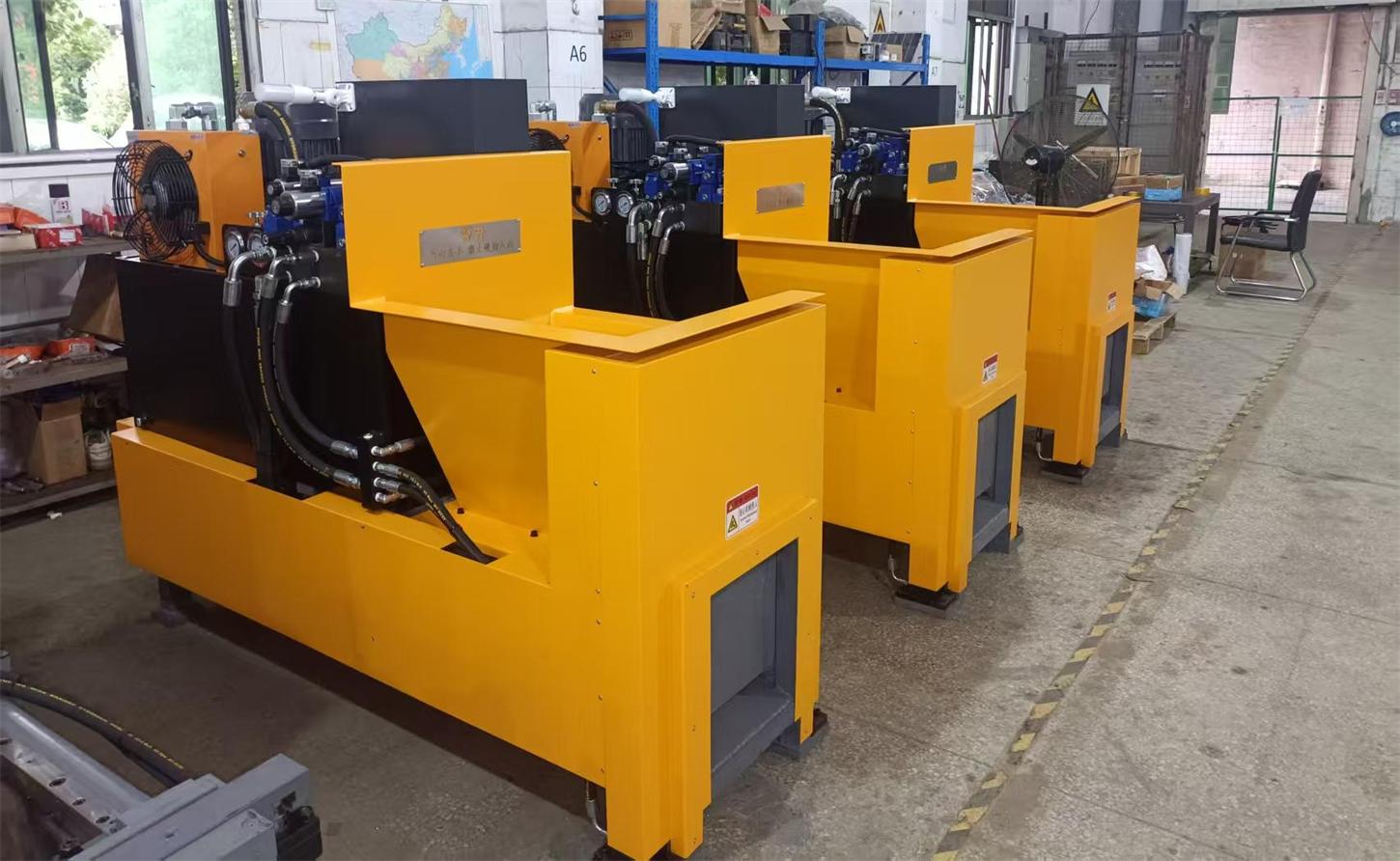
A filter press uses hydraulic pressure to clamp the plates together and squeeze the slurry. Without a strong, steady hydraulic system, you’ll never get the dry, solid filter cakes you need. So let’s dig into this.
First, ask about operating pressure. Most industrial presses run between 8-20 bar (116-290 psi), but the right number depends on your slurry. Thicker, stickier sludges need higher pressure. But here’s the thing: it’s not just about max pressure—it’s about stability . A good hydraulic system maintains pressure consistently through the entire cycle. A bad one? It’ll drop halfway, leaving you with unevenly dried cakes.
How do you test this? Ask the supplier for a video of a full cycle (start to finish). Watch the pressure gauge—does it stay steady, or does it jump up and down? If they refuse, that’s a red flag. Also, check the components: Are the hydraulic pumps and cylinders from reputable brands? (Think Bosch, Parker, or other trusted names in hydraulic press machines equipment.) Cheap, no-name parts might work for a few months, but they’ll leak or fail fast.
Seals are another weak spot. The hydraulic hoses and cylinder seals should be made of high-quality rubber (look for brands like Gates or Continental). Pinch the seals—they should feel firm, not brittle or sticky. Brittle seals crack under pressure; sticky ones (from low-quality rubber) degrade quickly, leading to oil leaks. And oil leaks aren’t just messy—they’re a fire hazard, especially if your press is near heat sources.
3. Filtration Efficiency: Don’t Guess—Ask for Data
At the end of the day, the press’s job is to separate solids and liquids efficiently. So how do you know if it’ll actually do that? Don’t just take the sales rep’s word for it—ask for hard data.
Start with filtration area. This is measured in square meters (m²), and it directly affects how much slurry the press can handle. But bigger isn’t always better! A 100m² press might sound great, but if the plates are poorly designed, it could perform worse than an 80m² press with better flow dynamics. So ask: “What’s the effective filtration area?” (That’s the actual area in contact with the slurry, not just the total plate surface.)
Next, filtrate clarity. If your press is part of a water process equipment setup (like treating wastewater before discharge), you need the filtered water to be clean—really clean. Ask for test reports: What’s the maximum suspended solids (SS) in the filtrate? For most industrial applications, it should be below 50 mg/L (some strict regions require <20 mg/L). If the supplier can’t provide this, or if the numbers are vague (“it’s ‘clean enough’”), walk away.
Filter cloths are part of this too. The cloth material (polyester, polypropylene, nylon) and weave (monofilament vs. multifilament) matter for your slurry type. A good supplier will help you choose the right cloth, not just push whatever they have in stock. And they should offer cloth samples so you can test them with your actual slurry (yes, you can do a small-scale filtration test in your lab—don’t skip this!).
4. Environmental Compliance: It’s Not Optional Anymore
These days, regulators are cracking down harder than ever on industrial waste. A filter press that skimps on环保 features could land you in hot water—fines, shutdowns, or worse. So here’s what to check:
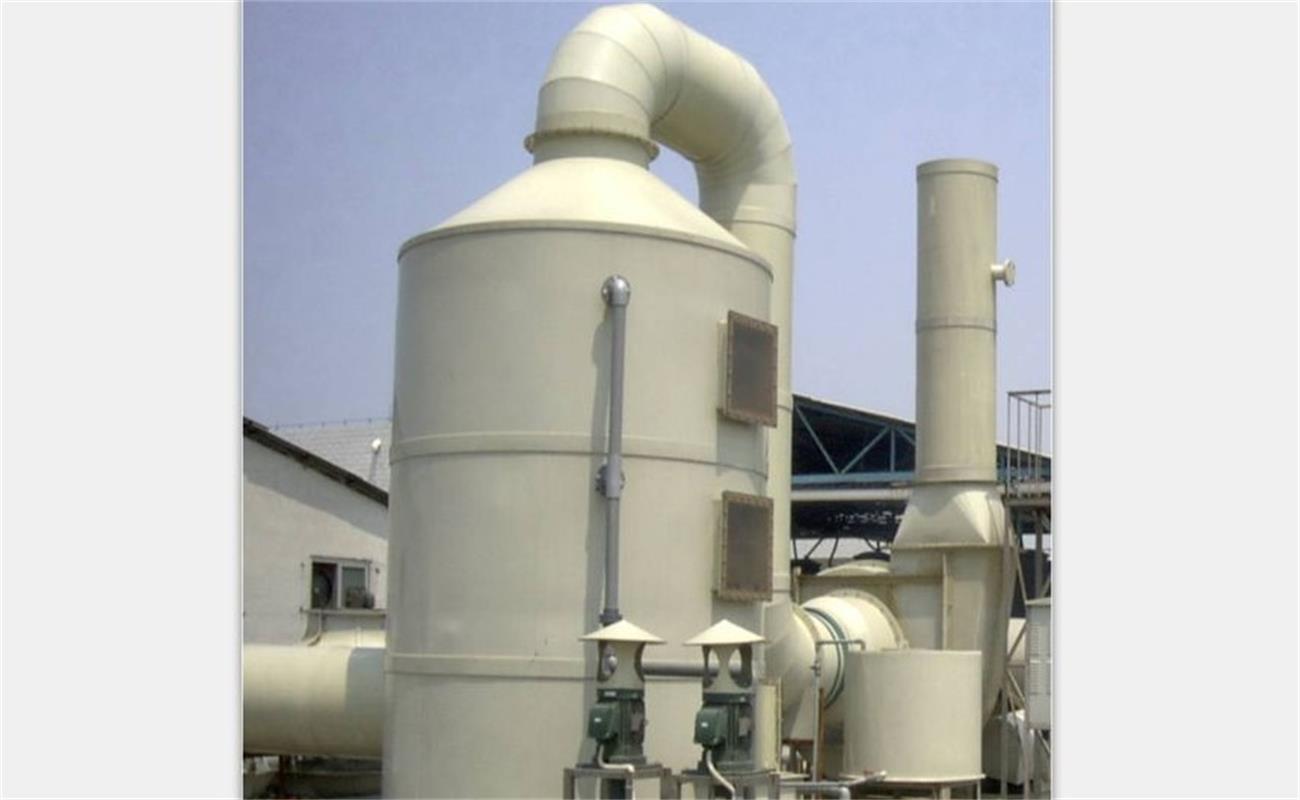
First, emissions. If your slurry has volatile compounds (like in chemical processing), the press should have a closed-loop design to trap fumes. These fumes need to vent to your air pollution control system equipment (like scrubbers or filters). Ask: “Does the press have sealed plate housings and dedicated vent ports?” If not, fumes will leak into your facility, forcing your air pollution control system to work overtime (wasting energy) and risking employee health.
Then there’s wastewater from cleaning. When you wash the filter cloths, that water is loaded with sludge. A quality press should have a built-in sump to collect this wastewater, so it can be recirculated back into your water process equipment (instead of being dumped, which is illegal in most places). No sump? That means you’ll have to rig up a DIY collection system, which is messy and often non-compliant.
Regulatory Hack: Ask the supplier if the press meets CE, ASME, or ISO 14001 standards. These certifications don’t guarantee perfection, but they show the manufacturer has at least followed basic environmental and safety guidelines.
5. Auxiliary Equipment: The “Little Things” That Matter
A filter press isn’t a standalone machine—it needs helper tools to run smoothly. These “extras” are often where cheap suppliers cut corners, so don’t overlook them.
Start with the cake discharge system. Manual discharge (where workers have to scrape cakes off plates) is slow and labor-intensive. A good press should have automatic discharge—either hydraulic plate shifting (plates move apart one by one, letting cakes fall) or a belt conveyor. Watch a demo: the discharge should be clean (no leftover cake on plates) and fast (no jamming). If the supplier says, “You can add that later,” be wary—retrofitting auxiliary equipment often costs more than buying it upfront.
Next, the cloth washing system. Filter cloths get clogged with solids over time, so they need regular cleaning. A built-in washing station (with high-pressure nozzles) keeps cloths working longer. Without it, you’ll spend hours hand-washing cloths or replacing them frequently (cloths aren’t cheap!). Ask: “How long does a wash cycle take? And what’s the water pressure?” (Aim for at least 50 bar—lower pressure won’t blast out tough clogs.)
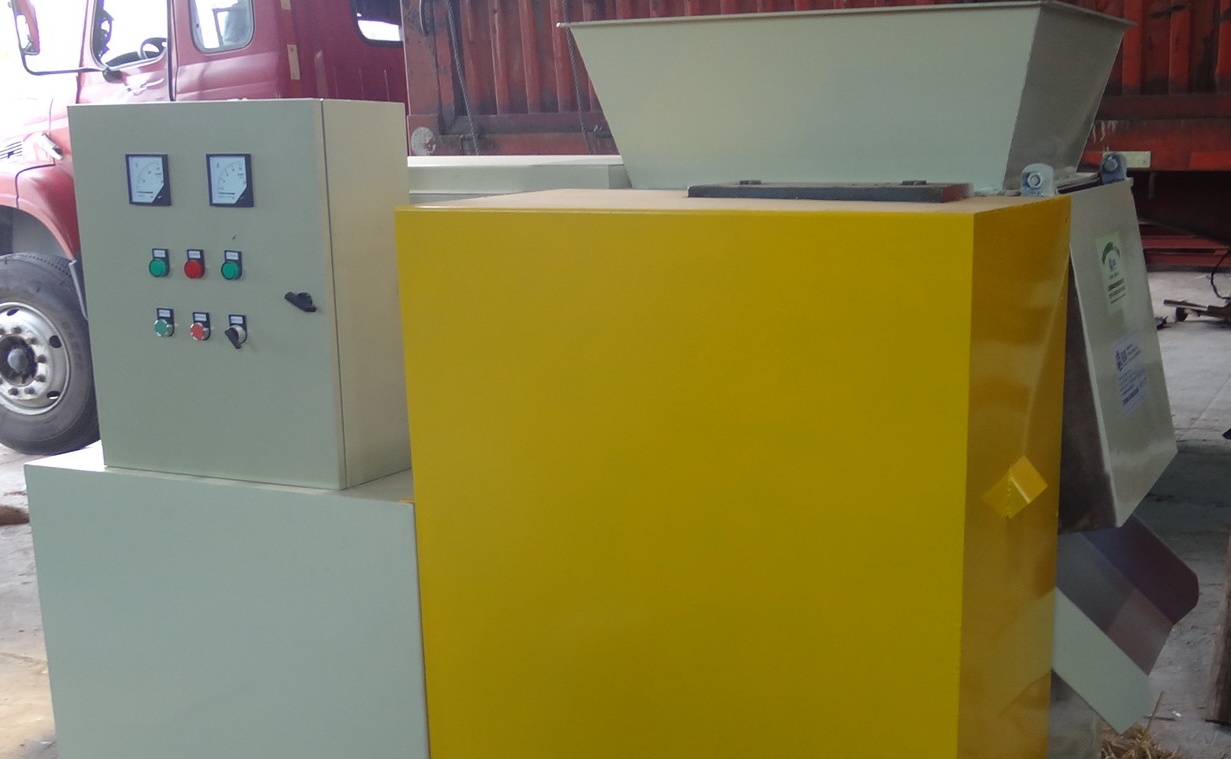
Finally, control panels. A basic on/off switch is fine for small presses, but for industrial use, you need programmable logic controllers (PLCs). A good PLC lets you set cycle times, pressure levels, and alarms (like “low hydraulic oil” or “plate misalignment”). It should also track data (cycle time, filtrate volume) so you can spot inefficiencies. A cheap press might have a basic digital display, but no way to save or export data—making it hard to optimize performance.
6. After-Sales Support: Because Even the Best Machines Break
Let’s say you’ve checked all the boxes: great plates, steady hydraulics, efficient filtration. But what happens when something goes wrong? (And it will—machines break.) A supplier with poor after-sales support will leave you stranded.
First, ask about warranty. A quality press should have at least 12 months on parts, 24 months on the frame. But read the fine print: Does “parts” include wear items like seals and cloths? (Probably not—those are consumables.) But major components (pumps, cylinders, PLCs) should be covered. If the warranty is only 6 months, or if they charge for labor during warranty, keep looking.
Next, spare parts availability. How long does it take to get a replacement filter plate or hydraulic cylinder? A good supplier keeps common parts in stock (24-48 hour shipping). A bad one will say, “We have to order it from China” (which could take 4-6 weeks—hello, production downtime!).
Finally, technical support. Do they have a local service team, or do you have to call a hotline in another country? Can they send a technician to your site for repairs or training? A quick test: Call their support line on a Friday afternoon. If you get a voicemail and no callback by Monday, that’s a sign of poor service.
7. Avoid the “Too Good to Be True” Trap
Let’s wrap up with a reality check: If a filter press is priced 30% lower than all competitors, there’s a reason. Maybe they used thinner steel, cheap hydraulics, or skipped key features (like a PLC or washing system). Don’t fall for it—you’ll pay for it in repairs, downtime, and lost efficiency.
Instead, focus on value. A $50,000 press that runs 24/7 with minimal issues is better than a $30,000 one that breaks every month. Ask for references: “Can I talk to a customer who’s had this press for 2+ years?” A happy customer will tell you the truth about reliability, support, and whether the press actually lives up to its specs.
Final Thoughts: Trust Your Gut (and the Data)
Buying a filter press is a big decision, but it doesn’t have to be overwhelming. Focus on the core components (plates, hydraulics), demand hard data (filtration efficiency, pressure stability), check for环保 compliance, and make sure the supplier has your back after the sale. And remember: a quality press isn’t just a purchase—it’s an investment in your operation’s efficiency, profitability, and peace of mind.
So take your time, ask tough questions, and don’t settle for “good enough.” Your bottom line (and your sanity) will thank you.