If you've ever worked with HVAC systems, refrigerators, or any equipment that uses refrigerants, you know how crucial it is to handle these substances properly. Refrigerants aren't just key to keeping things cool—they're also tightly regulated to protect the environment. That's where a reliable refrigerant recovery machine comes in. But with so many options on the market, how do you pick the one that actually fits your workflow, budget, and compliance needs? Let's walk through this step by step, so you can make a choice that saves you time, money, and headaches down the line.
First Things First: Why Picking the Right Machine Matters
Before we dive into the details, let's talk about why this decision isn't just another checklist item. Refrigerant recovery isn't optional—it's legally required in most places, thanks to regulations like the EPA's Section 608 in the U.S. or similar rules in the EU and Asia. Using the wrong machine could mean failing inspections, paying fines, or even harming the environment by releasing refrigerants into the air. On top of that, a poorly chosen machine might be too slow, too bulky, or incompatible with the refrigerants you work with, turning simple jobs into all-day struggles. So, getting this right isn't just about compliance—it's about keeping your operations running smoothly.
1. Start with Your Capacity Needs: How Much Refrigerant Do You Handle?
The first question to ask yourself is: How much refrigerant do I need to recover on a regular basis? This isn't just about "big vs. small"—it's about matching the machine's recovery rate to your typical jobs. Let's break it down with real-world examples.
If you're a small HVAC repair shop that mostly services residential AC units or home refrigerators, you might only need to recover a few pounds of refrigerant per job. A compact, portable machine with a lower recovery rate could work here. But if you're running a commercial facility that maintains large chillers or industrial freezers, you'll need something with more muscle—think higher CFM (cubic feet per minute) and larger storage tanks.
Let's look at two specific models to make this concrete: the refrigerant recycling machine SD-680 and the refrigerant recycling machine RRM-650 . These are both popular choices, but they're built for different scales. The SD-680, for instance, is often favored by mobile technicians because it's lightweight (around 40 pounds) and designed for smaller jobs—think recovering R-410A from a split-system AC or R-134a from a car's AC unit. Its recovery rate tops out at about 0.8 pounds per minute for liquid refrigerant, which is plenty for residential work.
The RRM-650, on the other hand, is a workhorse built for heavier use. It can handle liquid recovery rates up to 2.5 pounds per minute and has a larger internal tank (10 pounds vs. the SD-680's 5-pound tank). This makes it a better fit for commercial settings, like hotels with multiple rooftop units or restaurants with walk-in freezers. If you try to use an SD-680 on a job that needs the RRM-650's capacity, you'll end up waiting twice as long, which eats into your profits and frustrates clients.
| Feature | Refrigerant Recycling Machine SD-680 | Refrigerant Recycling Machine RRM-650 |
|---|---|---|
| Recovery Rate (Liquid) | 0.8 lbs/min | 2.5 lbs/min |
| Storage Tank Capacity | 5 lbs | 10 lbs |
| Weight | ~40 lbs | ~65 lbs |
| Best For | Residential HVAC, small appliances | Commercial HVAC, industrial systems |
Pro tip: Don't just think about your current jobs—plan for growth. If you're expanding into commercial work next year, investing in the RRM-650 now might save you from buying a second machine later.
2. Refrigerant Compatibility: Not All Machines Work with All Types
Here's a common mistake: assuming any refrigerant recovery machine can handle any refrigerant. That's like thinking a regular garden hose can handle a fire hydrant—you'll end up with leaks, damage, or worse. Refrigerants come in different types, and your machine needs to be rated for the ones you'll encounter.
The main categories to know are:
-
CFCs/HCFCs
(like R-22, which is being phased out but still found in older systems)
-
HFCs
(like R-410A, R-134a, common in newer systems)
-
Low-GWP refrigerants
(like R-32, R-1234yf, emerging as eco-friendly alternatives)
Most modern machines, including the SD-680 and RRM-650, are compatible with HFCs and low-GWP refrigerants, but double-check the specs for CFCs if you work on older equipment. Some machines have dedicated ports or filters for different refrigerant types to prevent cross-contamination—this is non-negotiable if you're handling multiple refrigerant classes. Mixing refrigerants can damage the machine's compressor or render the recovered refrigerant unusable for reclamation.
Another thing to watch for: oil compatibility. Refrigerants often carry lubricating oil, and the machine's components (like O-rings and gaskets) need to handle the specific oil type (mineral oil, POE, PAG). The SD-680, for example, is designed with POE oil compatibility, which works with most HFCs, while the RRM-650 has a convertible oil system that can switch between mineral oil and POE for CFC/HCFC jobs.
3. Portability vs. Power: Where Will You Use the Machine?
Let's talk about logistics: Where will you be using this machine most often? If you're a mobile technician jumping from job to job in a van, portability is king. You need something that's easy to lift, fits in your vehicle, and runs on battery or 120V power. If the machine stays in a fixed workshop, you might prioritize power and tank size over how easy it is to carry.
The SD-680 shines here—it's compact enough to fit in a toolbox and runs on standard 120V AC, so you can plug it into a job site outlet or a generator. The RRM-650, while still portable (it has wheels), is heavier and might need a 240V power source, which is great for a shop but less ideal for a van with limited space. Some machines even come with rechargeable batteries for off-grid jobs, though these are rare and usually lower capacity.
Also, consider the hose length and storage. A machine with short hoses might save space, but if you're working on a rooftop unit or a freezer in a tight corner, you'll wish you had longer reach. Look for machines with at least 10-foot hoses, or plan to buy extensions (but note that longer hoses can slightly reduce recovery speed, so balance is key).
4. Compliance and Safety: Don't Cut Corners on Regulations
We touched on compliance earlier, but it's worth diving deeper because the stakes are high. Using a non-compliant machine isn't just a risk of fines—it can put you, your team, and the environment in danger. Here's what to check:
EPA Certification : In the U.S., the EPA requires recovery machines to meet ARI 740 standards for efficiency and emissions. Look for the EPA certification label on the machine—without it, you could be penalized up to $37,500 per violation. Both the SD-680 and RRM-650 are EPA-certified, but always verify with the manufacturer if you're unsure.
Safety Features
: Refrigerant recovery involves high pressure and flammable substances (especially with newer low-GWP refrigerants like R-32). Your machine should have built-in safety measures:
- Automatic shutoff when the tank is full
- Pressure relief valves to prevent over-pressurization
- Leak detection sensors
- Thermal overload protection for the compressor
This is where auxiliary equipment comes into play, too. Even the best recovery machine can't do it alone. You might need additional tools like digital scales (to measure recovered refrigerant accurately), core removal tools (to speed up recovery), or filter driers (to clean the refrigerant before storage). These auxiliary items are often sold as kits with the machine, but if not, budget for them separately—they're essential for safe, compliant operation.
5. Long-Term Costs: It's Not Just the Purchase Price
Let's be real: Price matters. But focusing only on the upfront cost is a rookie mistake. A cheaper machine might save you $500 today but cost you $2,000 in repairs next year. Here's how to calculate the true long-term value:
Maintenance Needs : How easy is it to service the machine? Look for models with accessible filters, replaceable O-rings, and user-friendly manuals. The SD-680, for example, has a modular design, so you can replace the compressor or valves without sending it back to the manufacturer. The RRM-650, being a heavier-duty machine, might require professional servicing, but its parts are widely available, which keeps repair costs down.
Energy Efficiency : A more efficient machine uses less power, which adds up over time—especially if you're running it for hours daily. Check the amp draw (the RRM-650 uses around 15 amps, the SD-680 around 10 amps) and compare to your average usage. Over a year, the difference in electricity bills could offset a higher initial price.
Warranty : A solid warranty shows the manufacturer stands behind their product. Most reputable brands offer 1-2 year warranties on parts and labor. Some, like the makers of the RRM-650, extend warranties to 3 years if you register the machine online—definitely worth doing.
Also, think about resale value. If you upgrade later, a well-maintained, popular model like the RRM-650 will hold its value better than a generic off-brand machine. It's an investment, not just an expense.
6. Air Pollution Control: Protecting Your Workspace and the Planet
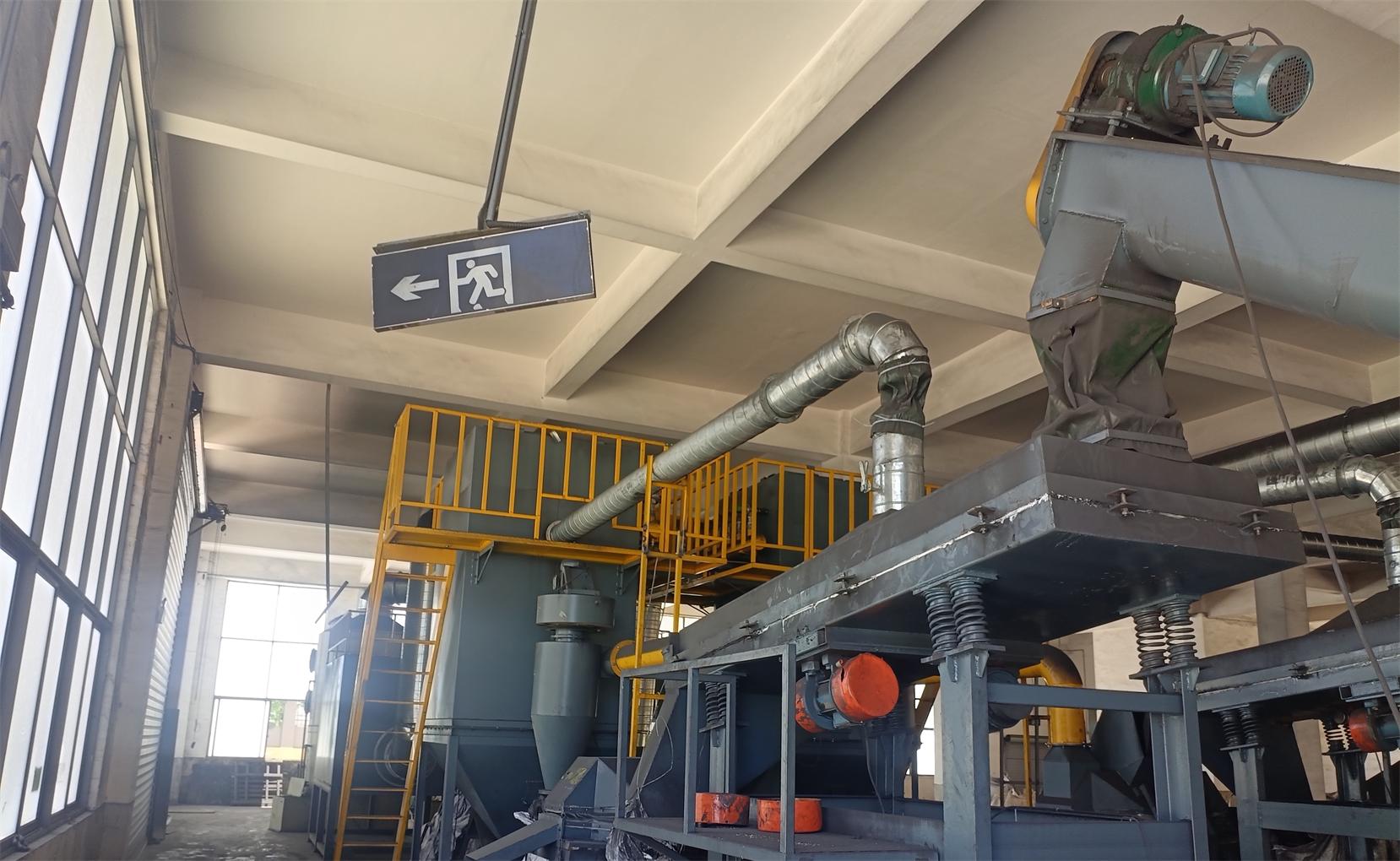
You might not think of refrigerant recovery as a source of air pollution, but it can be if not done properly. Even small leaks during recovery release refrigerants into the air, contributing to global warming. That's why pairing your recovery machine with an air pollution control system is becoming a standard practice, especially in commercial settings.
These systems work by capturing any fugitive emissions during the recovery process, filtering out particulates, and neutralizing harmful gases. While not all jurisdictions require them yet, they're a smart move for two reasons:
1. They keep your workspace safe—some refrigerants are toxic or flammable in high concentrations.
2. They future-proof your operation against stricter environmental regulations.
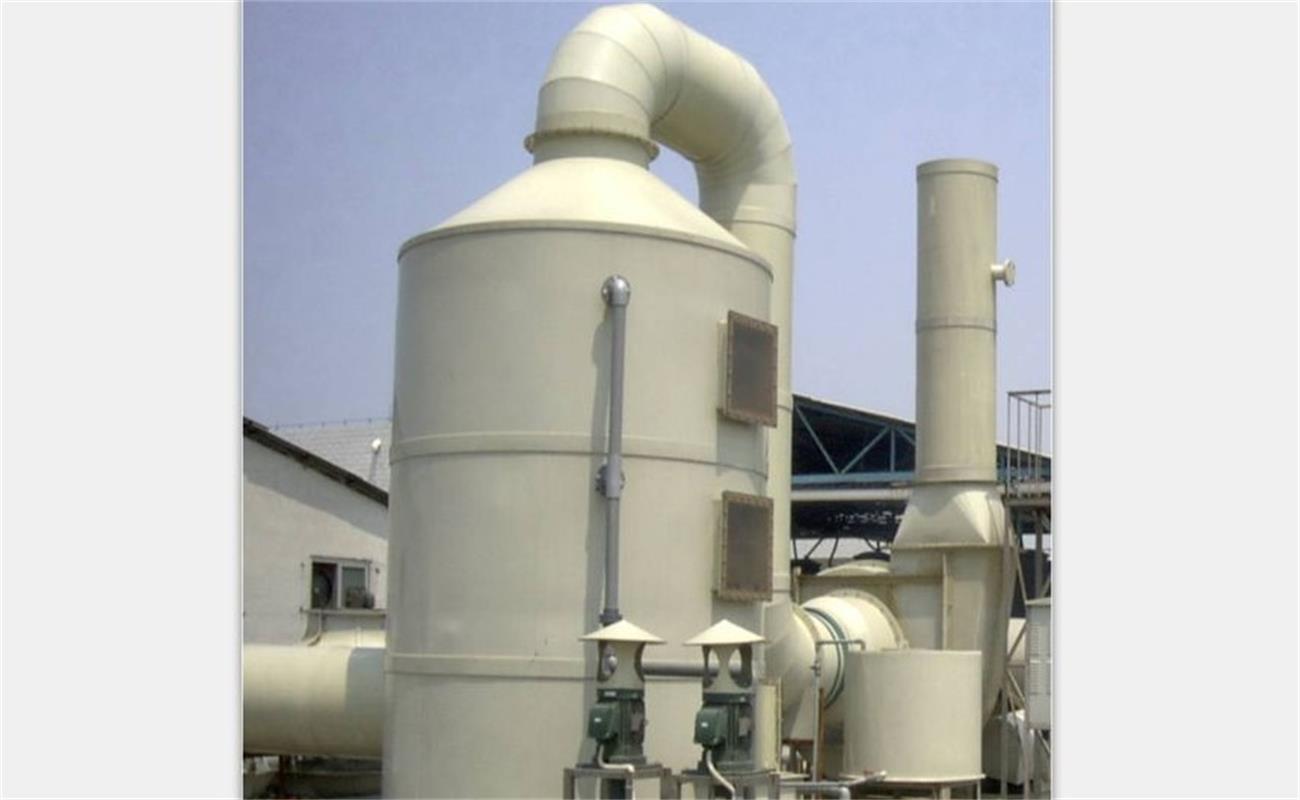
For example, if you're running a large facility with multiple recovery stations, an air pollution control system with activated carbon filters can capture and contain refrigerant vapors. Smaller shops might opt for portable fume extractors that attach directly to the recovery machine's exhaust port. Either way, this isn't an afterthought—it's part of responsible refrigerant management.
Common Questions to Avoid Regrets Later
Even with all this info, you might still have doubts. Here are answers to the questions techs and facility managers ask most often:
Q: Can I use a refrigerant recovery machine for both recovery and recycling?
A: Some machines (like the RRM-650) have built-in recycling features—they filter and clean the refrigerant so it can be reused in the same system. Others (like the SD-680) are recovery-only, meaning the refrigerant needs to be sent to a reclamation facility. Decide if you need on-site recycling to save time and money on reclaimed refrigerant costs.
Q: How often should I calibrate the machine?
A: Most manufacturers recommend annual calibration, especially for the pressure gauges and scales. This ensures accuracy and keeps you compliant with EPA record-keeping requirements (yes, you need to document how much refrigerant you recover!).
Q: What if I'm not sure about my needs? Should I rent first?
A: Absolutely! Many equipment suppliers let you rent machines like the SD-680 or RRM-650 for a week or month. This lets you test how it handles your typical jobs before committing. Just make sure the rental includes basic auxiliary equipment so you get the full experience.
Putting It All Together: Your Step-by-Step Checklist
Choosing the right refrigerant recovery machine doesn't have to be overwhelming. Follow this checklist to narrow down your options:
- Estimate your average recovery capacity (pounds per job/day) and match it to a machine's rate (e.g., SD-680 for small jobs, RRM-650 for larger ones).
- List the refrigerant types you work with (CFCs, HFCs, low-GWP) and confirm the machine is compatible.
- Decide on portability needs: Will you use it in a shop (prioritize power) or on the go (prioritize weight/size)?
- Check for EPA certification and safety features (automatic shutoff, pressure relief valves).
- Factor in long-term costs: maintenance, energy efficiency, warranty, and auxiliary equipment.
- Consider adding an air pollution control system for safety and compliance.
At the end of the day, the "right" machine is the one that fits your workflow, keeps you compliant, and holds up over time. Whether you go with the compact SD-680 or the heavy-duty RRM-650, taking the time to evaluate your needs now will pay off every time you fire it up. Happy recovering!