Electronic waste is one of the fastest-growing waste streams in the world. As consumers upgrade devices more frequently and regulations tighten around disposal, the demand for efficient e-waste recycling continues to rise. For entrepreneurs and established waste management companies alike, investing in the right recycling equipment is the foundation of a profitable and environmentally responsible operation.
Whether you are planning to process used batteries, scrap cables, or discarded circuit boards, understanding what equipment you need and how to choose a reliable recycling equipment supplier can mean the difference between a struggling startup and a thriving recycling plant.
Understanding the Core Categories of Recycling Equipment
E-waste recycling is not a one-size-fits-all business. Different feedstock requires different machinery, process flows, and pollution-control measures. Below are the main equipment categories that form the backbone of most modern recycling facilities.
Battery Recycling Equipment
Batteries represent one of the most valuable and hazardous fractions of e-waste. Two types dominate the market: lead-acid and lithium-ion.
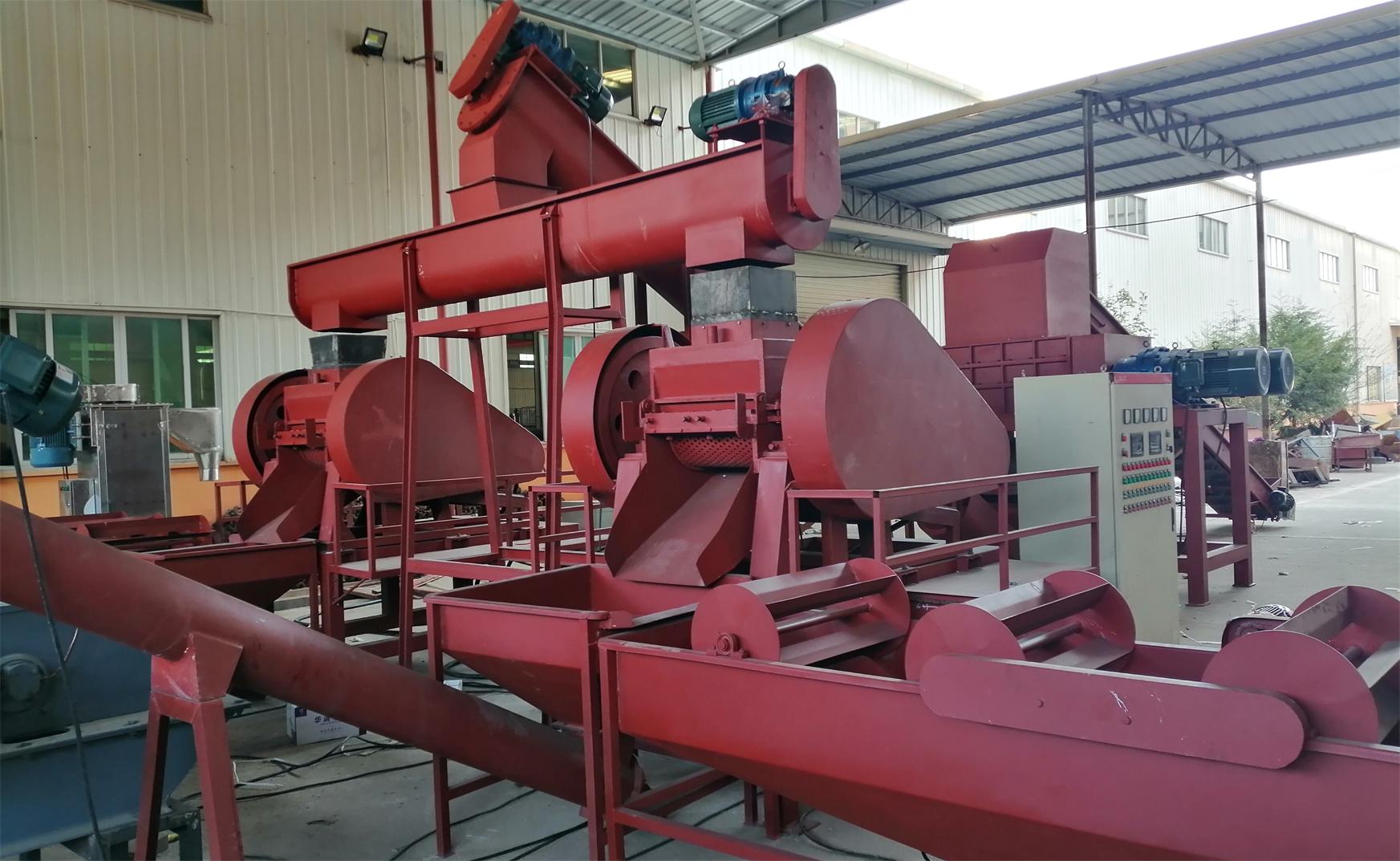
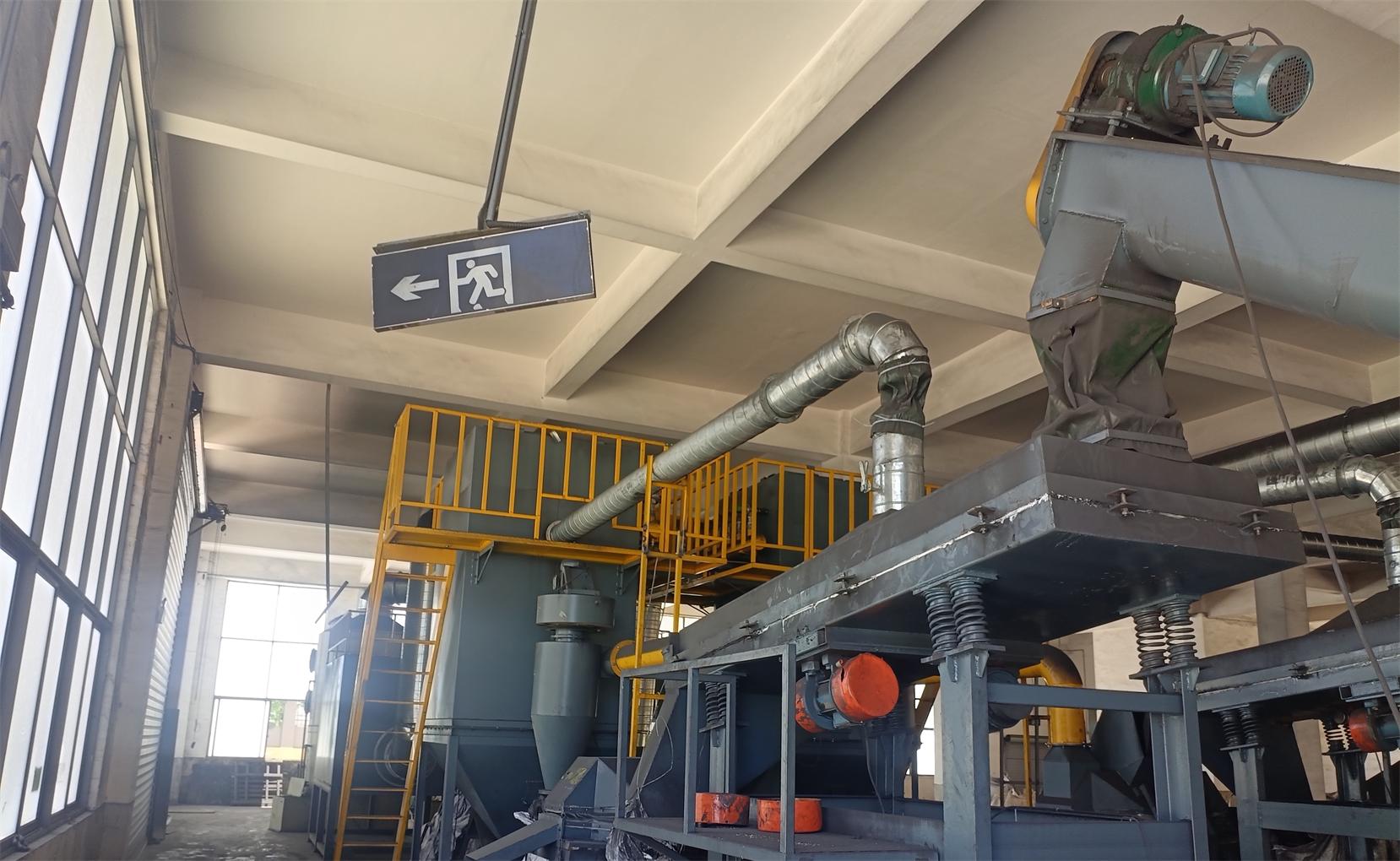
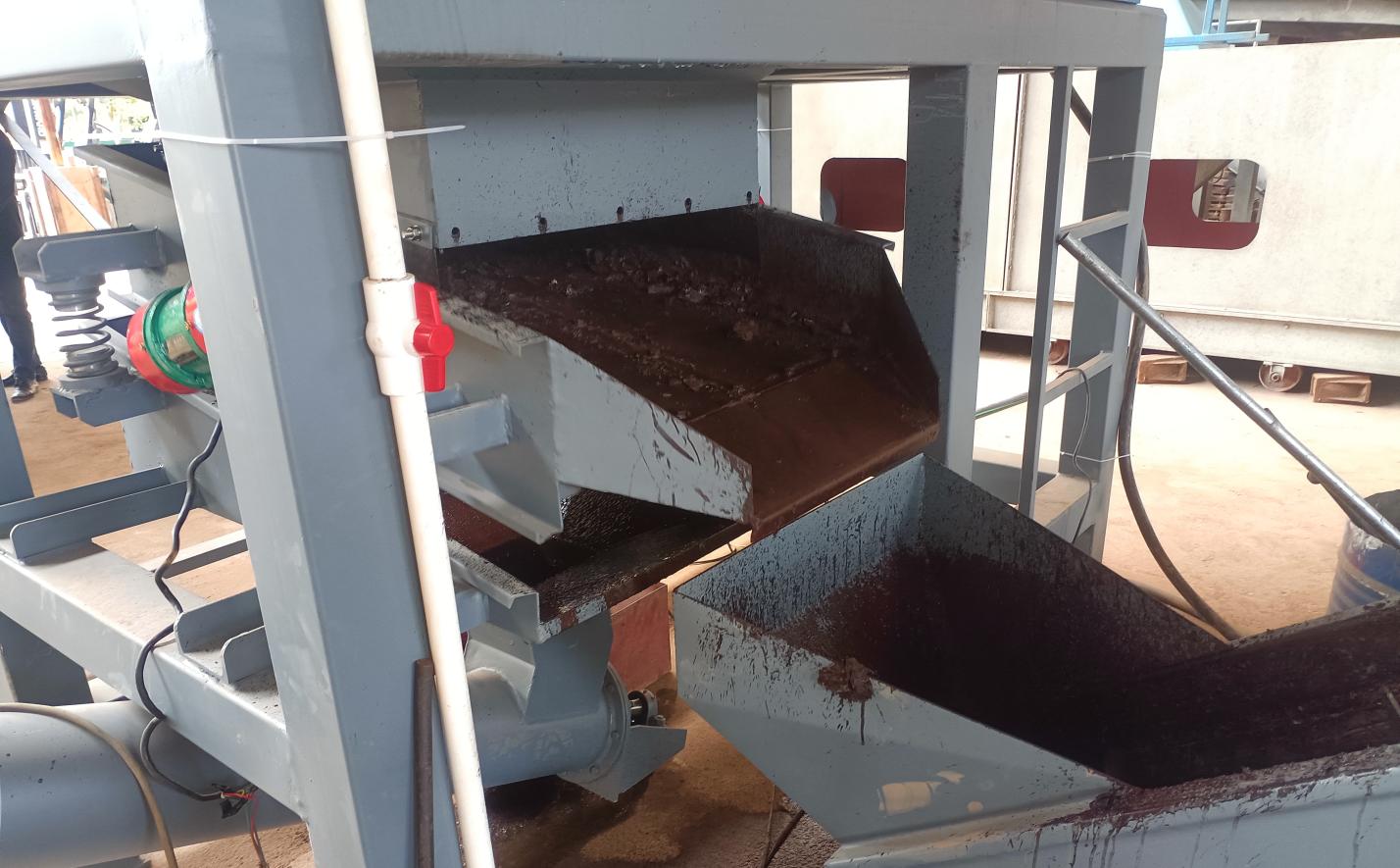
Lead acid battery recycling equipment typically includes battery cutters, breaking and separation systems, de-sulfurization units, rotary furnaces or blast furnaces for paste reduction, lead refinery kettles, and air pollution control systems. A complete lead acid battery recycling equipment setup can process 1 to 10 metric tons per hour, recovering lead grid, lead paste, plastic shells, and acid for reuse or safe disposal.
Lithium battery recycling equipment handles the growing volume of end-of-life lithium-ion batteries from electric vehicles, consumer electronics, and energy storage systems. The process involves discharging, pre-crushing, secondary granulation, and separation of black mass (containing nickel, cobalt, and graphite), plastic film, copper, and aluminum. Capacities typically range from 500 to 2,500 kilograms per hour.
Cable Recycling Equipment
Scrap cables and wires are a rich source of copper and aluminum. Cable recycling equipment includes cable strippers for large-diameter wires and cable granulators with dry or wet separators for fine copper recovery. Modern granulators can process anywhere from 100 to 1,200 kilograms per hour, achieving high purity levels of 96 to 98 percent for copper powder. The right setup separates metal from plastic insulation with minimal dust pollution and energy consumption.
Circuit Board Recycling Equipment
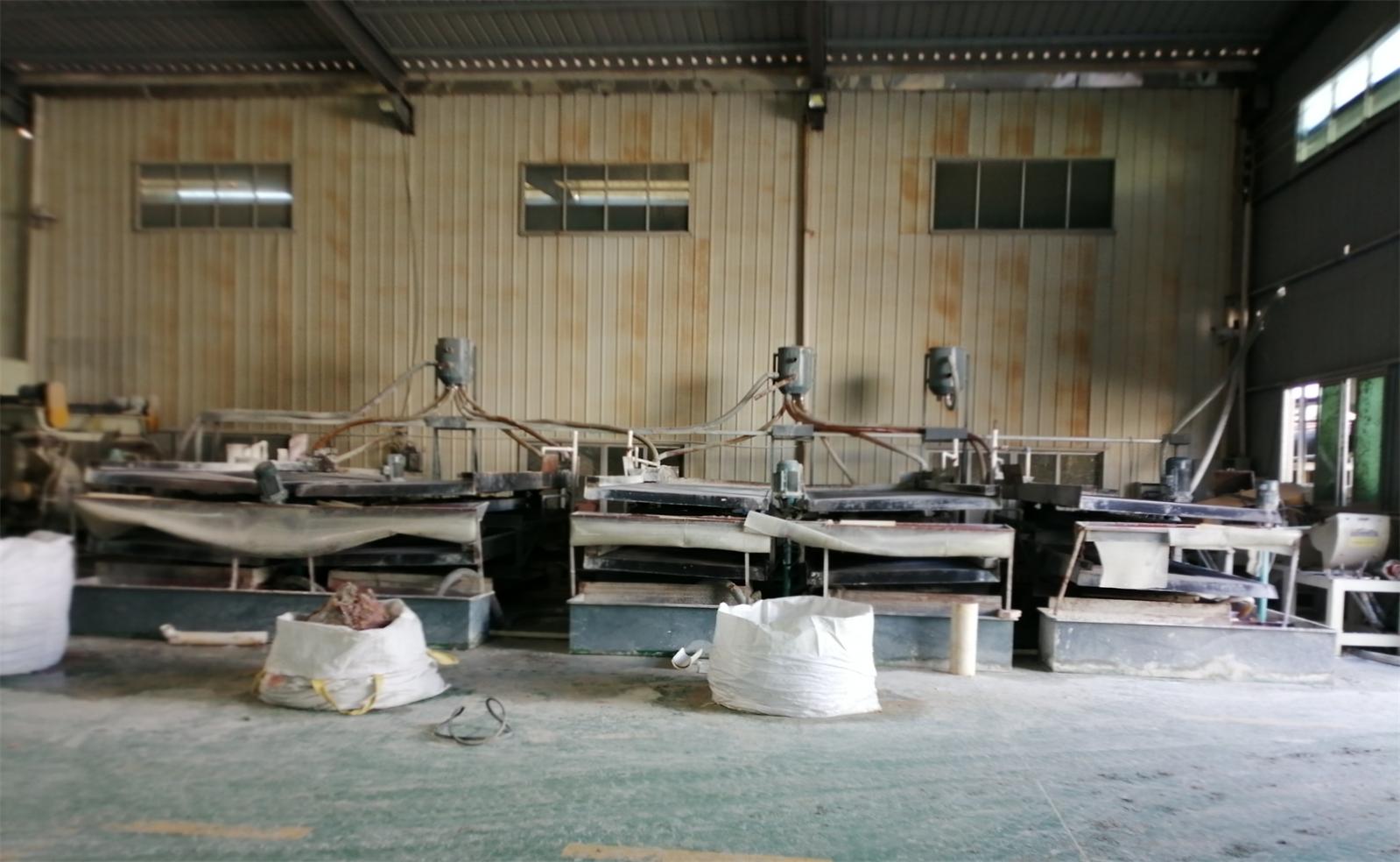
Printed circuit boards (PCBs) contain precious metals like gold, silver, and palladium, along with base metals such as copper and aluminum. Circuit board recycling equipment uses mechanical processes including shredding, air separation, electrostatic separation, and wet metal separation to recover these valuable materials. Depending on the configuration, plants can handle 300 to 2,000 kilograms per hour, with recovery rates reaching 95 percent and copper purity between 96 and 98 percent.
Supporting Machinery and Pre-Processing Equipment
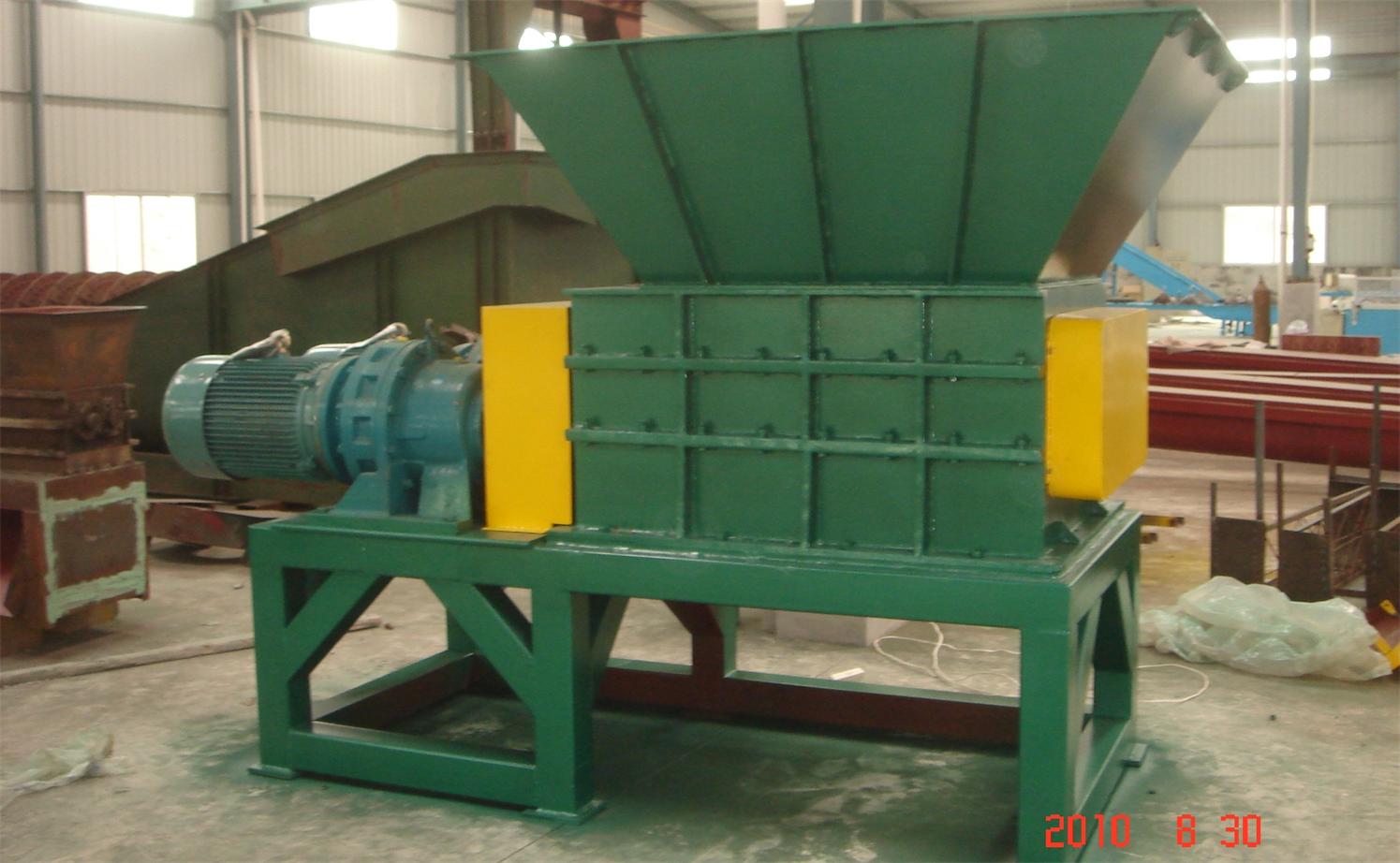
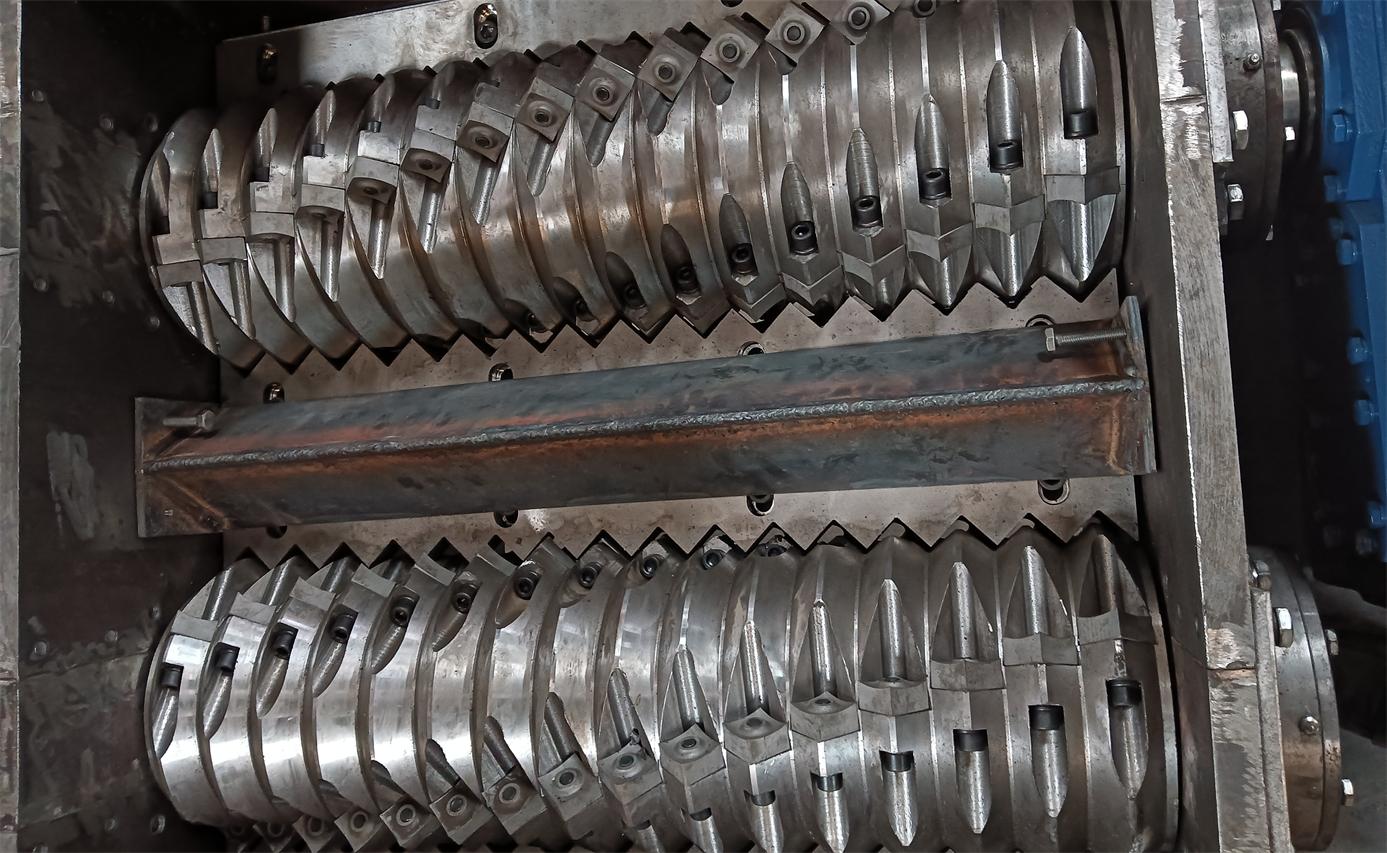
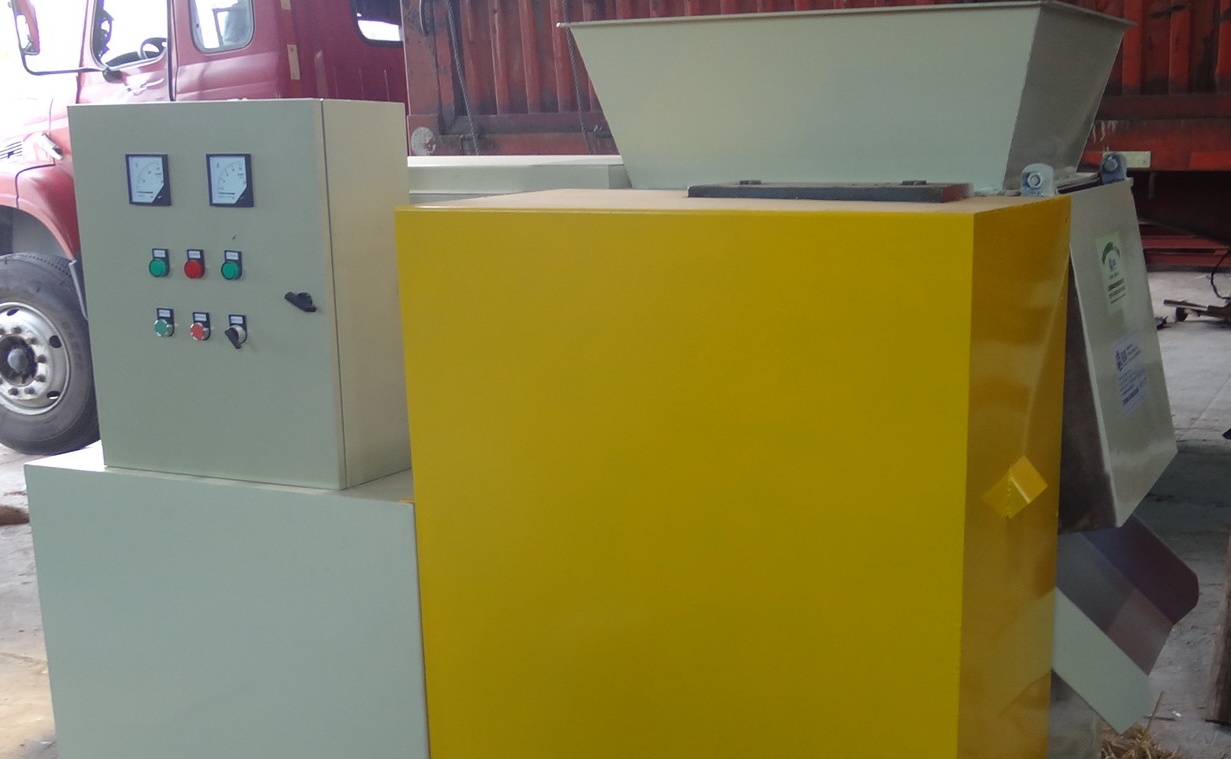
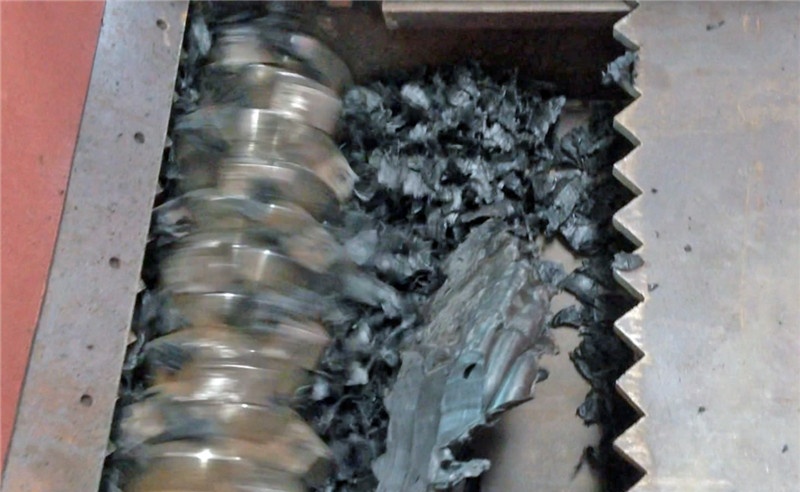
Before materials enter specialized recycling lines, they often need size reduction and sorting. Shredders and pre-choppers handle everything from refrigerators and air conditioners to mixed e-waste and cables. Four-shaft, twin-shaft, and single-shaft shredders offer different capacities and particle sizes to match downstream process requirements.
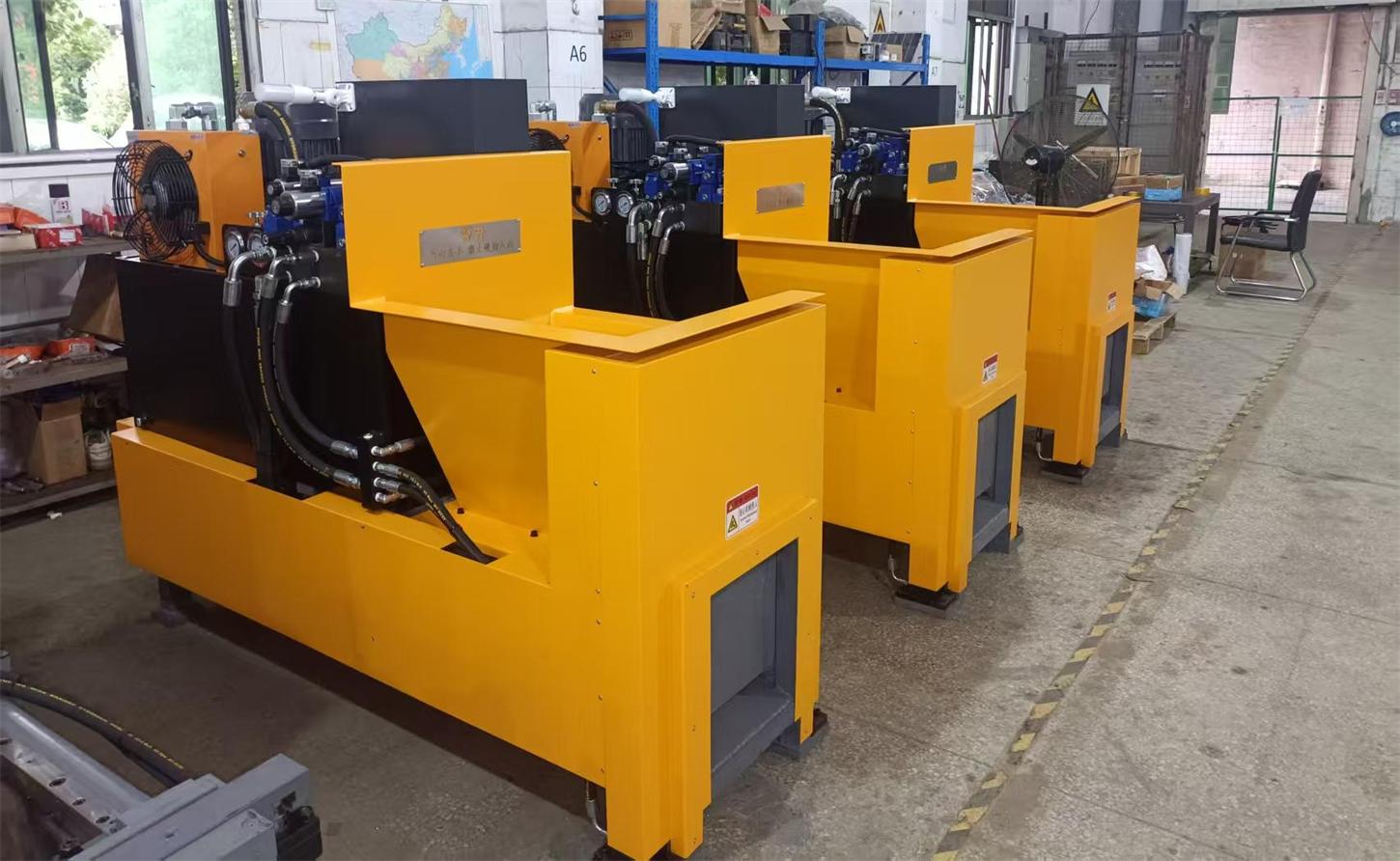
Other essential equipment includes hydraulic presses for metal chip briquetting, refrigerant extraction machines for cooling appliance recycling, motor stator cutters for electric motor dismantling, and medium-frequency induction furnaces for melting recovered metals into ingots.
What to Look for in a Recycling Equipment Supplier
Choosing equipment is only half the battle. Selecting the right supplier determines your plant's long-term performance, compliance, and profitability. Here are the key factors to evaluate.
Technical expertise and experience: Look for a supplier with a proven track record in your target material. A team with deep mechanical engineering knowledge and hands-on experience in e-waste recycling can help you avoid costly design mistakes and operational downtime.
Customization and EPC capability: Every recycling project is different. A supplier that offers custom design, engineering, procurement, and construction (EPC) services can tailor the plant layout, capacity, and process flow to your specific feedstock, budget, and local regulations.
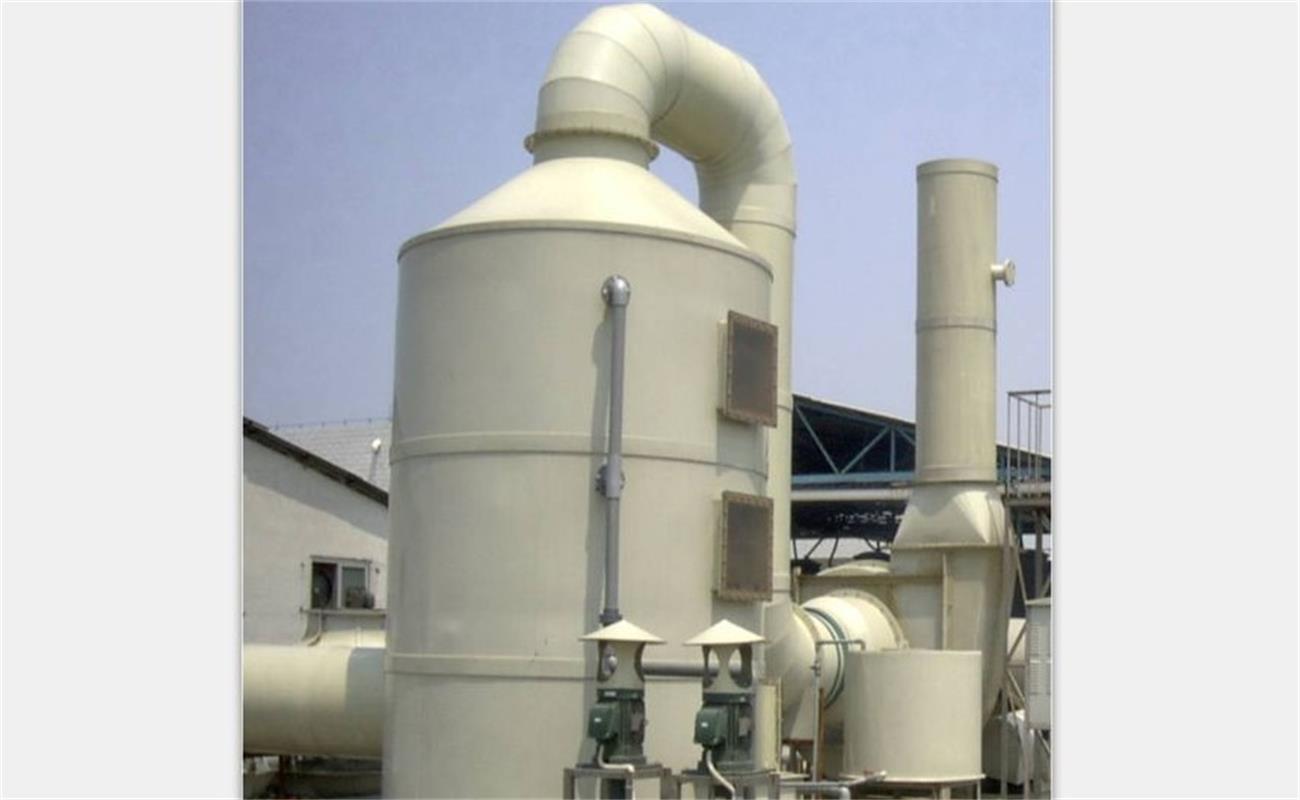
Pollution control integration: Environmental compliance is non-negotiable. Ensure your supplier provides integrated air pollution control systems, water treatment plants, and effluent management solutions that meet your country's emission and discharge standards.
After-sales support and training: Installation, commissioning, operator training, and spare parts availability are critical for maintaining uptime. A reliable supplier offers comprehensive after-sales service, not just equipment delivery.
Value-added services: Some suppliers go beyond machinery by helping clients source raw materials (such as scrap cables or used batteries), find investors for plant construction, or even market the end products (copper rice, lead ingots, etc.). These services can accelerate your path to profitability.
San Lan Technologies: A Trusted Partner in Recycling Equipment
Founded in 2007 and based in Ganzhou, Jiangxi Province, China, San Lan Technologies Co., Ltd has spent nearly two decades building a reputation as a professional manufacturer of WEEE recycling machines and mining equipment. The company serves clients in more than 21 countries, including Singapore, Colombia, Vietnam, Mexico, Argentina, Korea, Malaysia, Indonesia, South Africa, India, and Saudi Arabia.
San Lan's product portfolio covers the full spectrum of e-waste recycling needs:
- Complete lead acid battery recycling plants with breaking, separation, smelting, and refining systems
- Lithium battery recycling plants with black mass recovery and plastic briquetting
- Circuit board recycling plants with dry and wet separation technologies
- Cable recycling machines and granulators for copper and aluminum recovery
- Refrigerator and AC recycling lines with refrigerant extraction and shredding
- CRT cutters, motor recycling machines, lamp recycling systems, and metal melting furnaces
- Industrial shredders and hydraulic press machines for pre-processing and material handling
What sets San Lan apart is its commitment to end-to-end project support. The company's technical team combines advanced mechanical engineering qualifications with over 15 years of practical experience in e-waste recycling. From customized plant design and one-stop equipment procurement to installation, commissioning, and after-sales service, San Lan acts as a true project partner rather than a simple vendor.
For clients entering the recycling business for the first time, San Lan also offers practical assistance in sourcing waste materials, connecting with potential investors, and marketing recovered metals. This integrated approach reduces the risks and learning curve associated with new recycling ventures.
Conclusion
Building a successful e-waste recycling plant starts with choosing the right equipment and the right partner. By understanding your feedstock, matching it with proven technology, and working with an experienced supplier that offers customization, pollution control, and ongoing support, you position your business for long-term growth in a rapidly expanding industry.
If you are planning a new recycling facility or upgrading an existing operation, take the time to evaluate suppliers not just on price, but on technical depth, project experience, and the breadth of services they provide. The right partnership can turn waste into value for decades to come.
Ready to explore recycling equipment for your project? Visit www.san-lan.com to browse the full product range or contact San Lan Technologies directly for a customized plant design consultation.