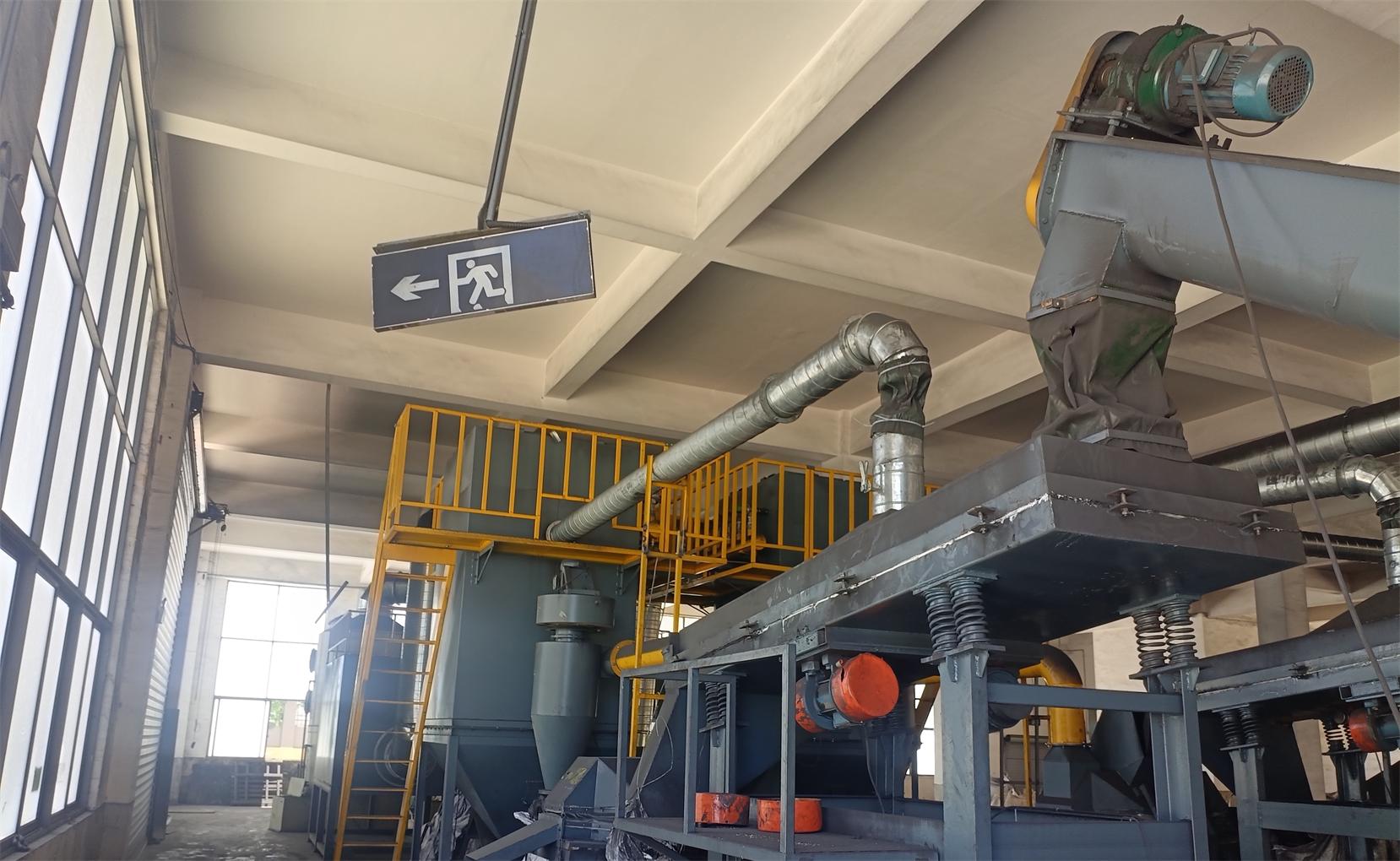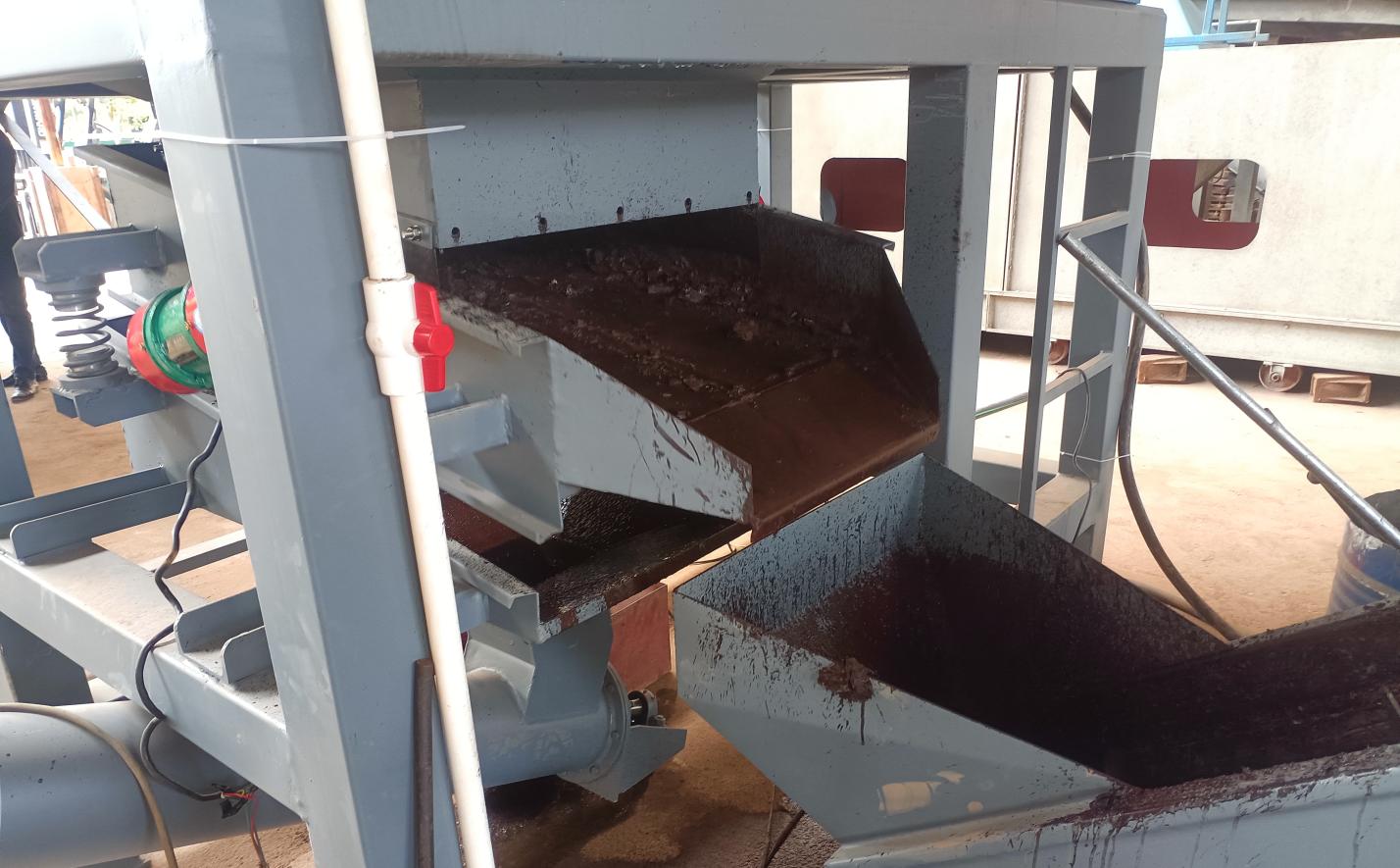
Global e-waste generation continues to rise at an unprecedented pace, creating both serious environmental challenges and significant business opportunities. For entrepreneurs and recycling companies looking to enter or expand in this sector, selecting the right machinery is the single most critical decision. The correct equipment not only maximizes metal recovery rates but also ensures compliance with increasingly strict environmental regulations across every market.
However, the recycling equipment landscape can be overwhelming. With so many technologies, capacities, and configurations available, how do you identify the machinery that truly aligns with your feedstock, budget, and growth plans? This guide breaks down the core equipment categories, key selection criteria, and the value of partnering with an experienced recycling equipment supplier to set your operation up for sustainable success.
Understanding Core Recycling Equipment Categories
Modern e-waste and resource recycling covers a broad spectrum of materials. Depending on your target feedstock and local market conditions, you will need specialized machinery designed for specific waste streams.
Cable and Wire Recycling
For operations focused on scrap wires and cables, cable recycling equipment is essential. These systems crush and separate copper or aluminum from plastic insulation, producing clean metal granules that command premium prices in the global market. Capacity ranges from compact units processing 100 kg per hour to industrial-scale granulators handling over 1,200 kg per hour. Advanced dry separation technology eliminates water consumption while maintaining high purity output.
Circuit Board Recovery
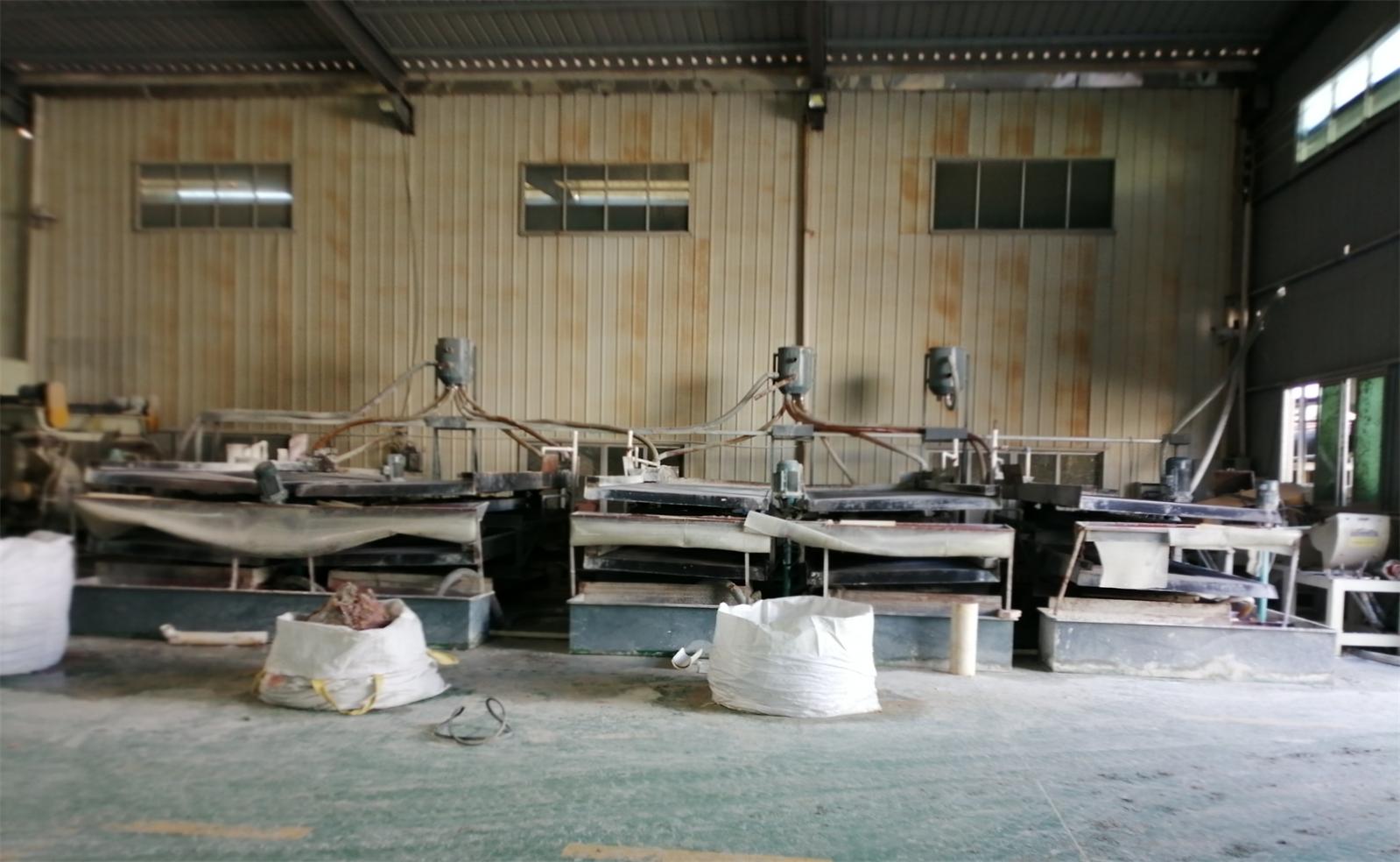
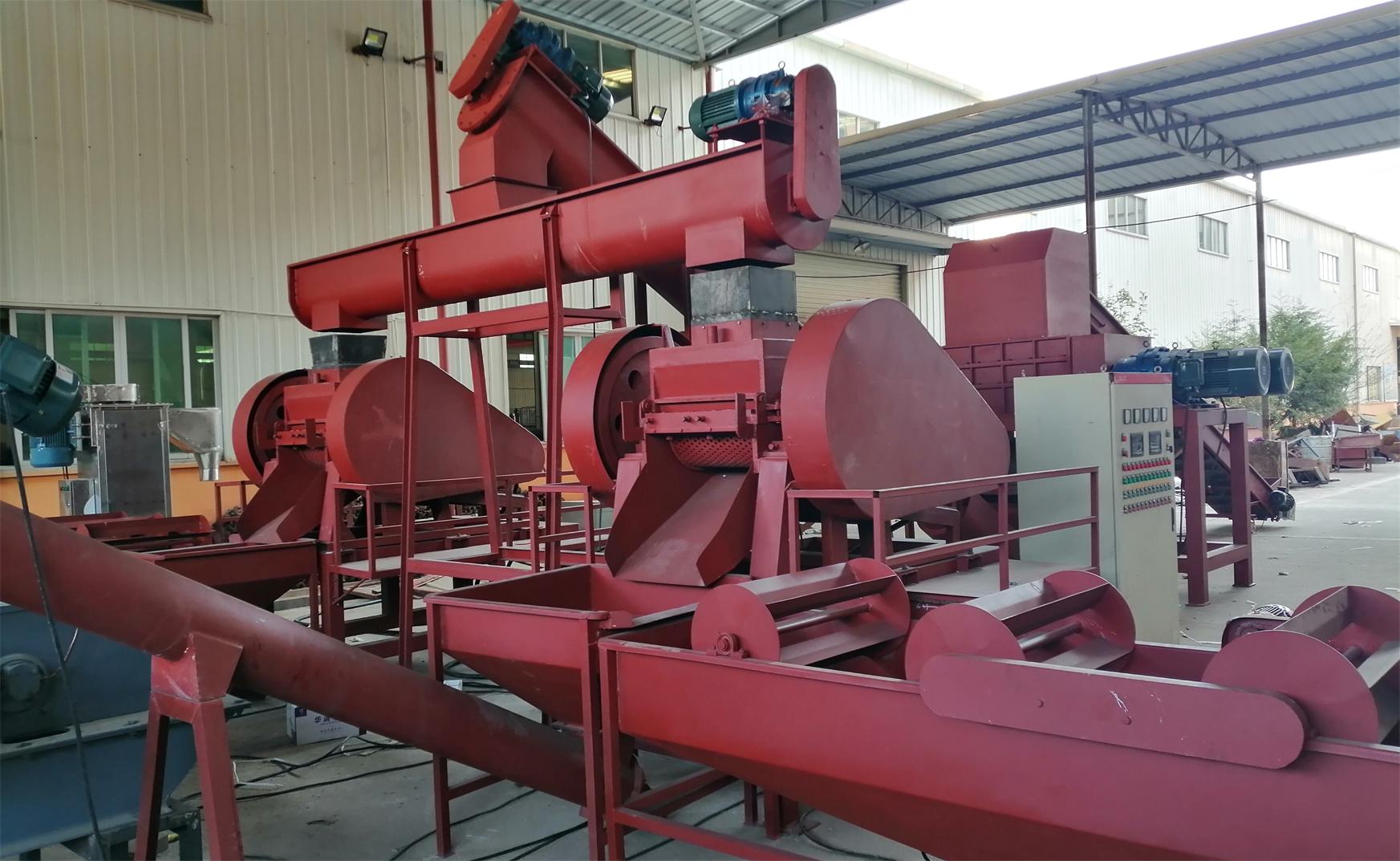
When dealing with discarded computers, mobile phones, and consumer electronics, circuit board recycling equipment becomes necessary. These plants use mechanical processes with dry or wet separation methods to recover copper powder and precious metals from printed circuit boards. Modern air separation systems can achieve copper powder purity of 96-98% with overall recovery rates around 95%, turning what was once hazardous waste into valuable commodities.
Battery Recycling
Battery waste represents one of the fastest-growing recycling streams worldwide. Used lead acid batteries require integrated breaking and separation systems to recover lead paste, lead grids, and plastic shells, followed by smelting furnaces to produce refined lead ingots. On the other hand, the surge in electric vehicles has created massive demand for processing spent lithium-ion batteries. Specialized crushing and separation lines recover black mass containing nickel, cobalt, and graphite, alongside clean copper and aluminum fractions.
Additional Equipment Lines
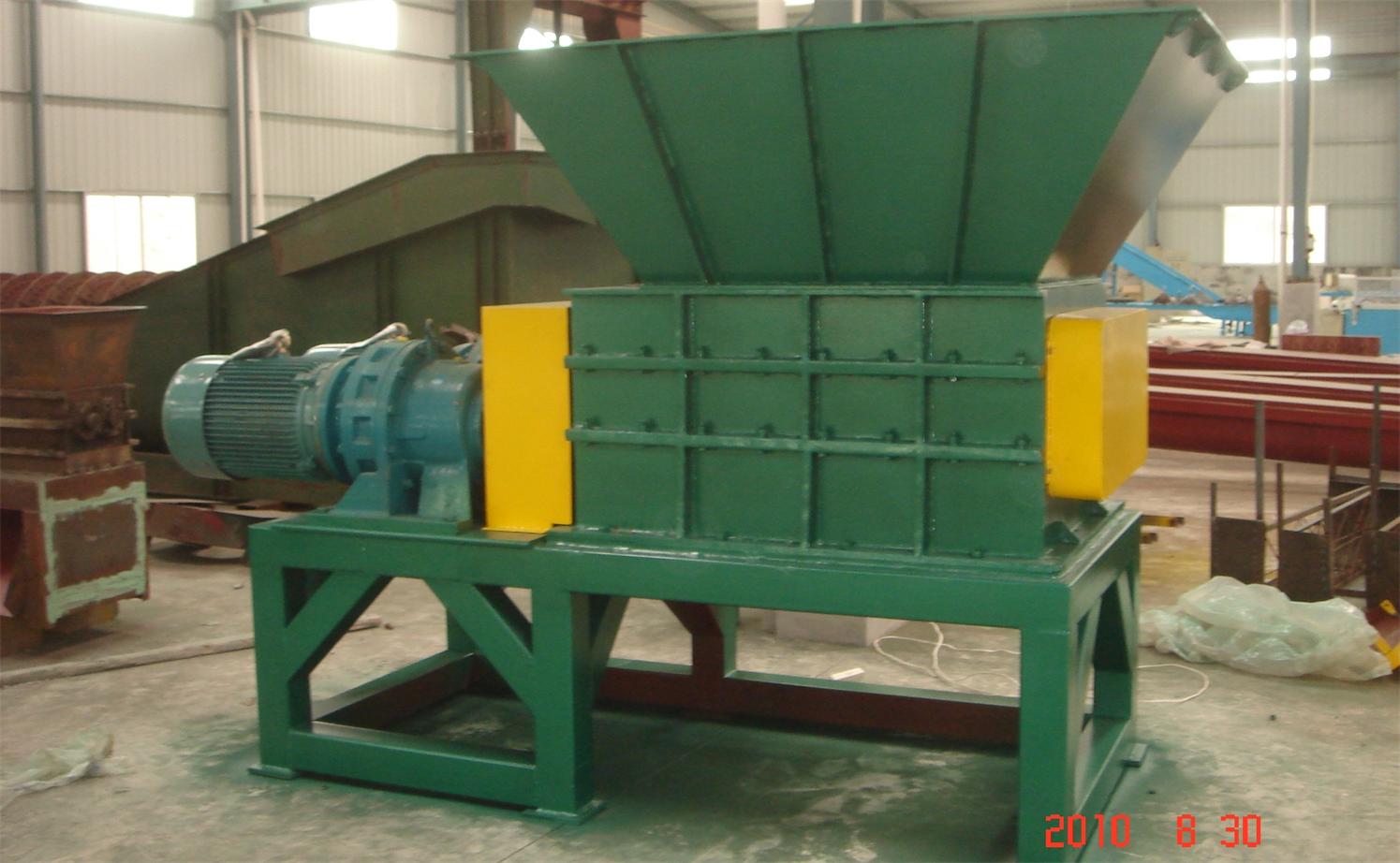
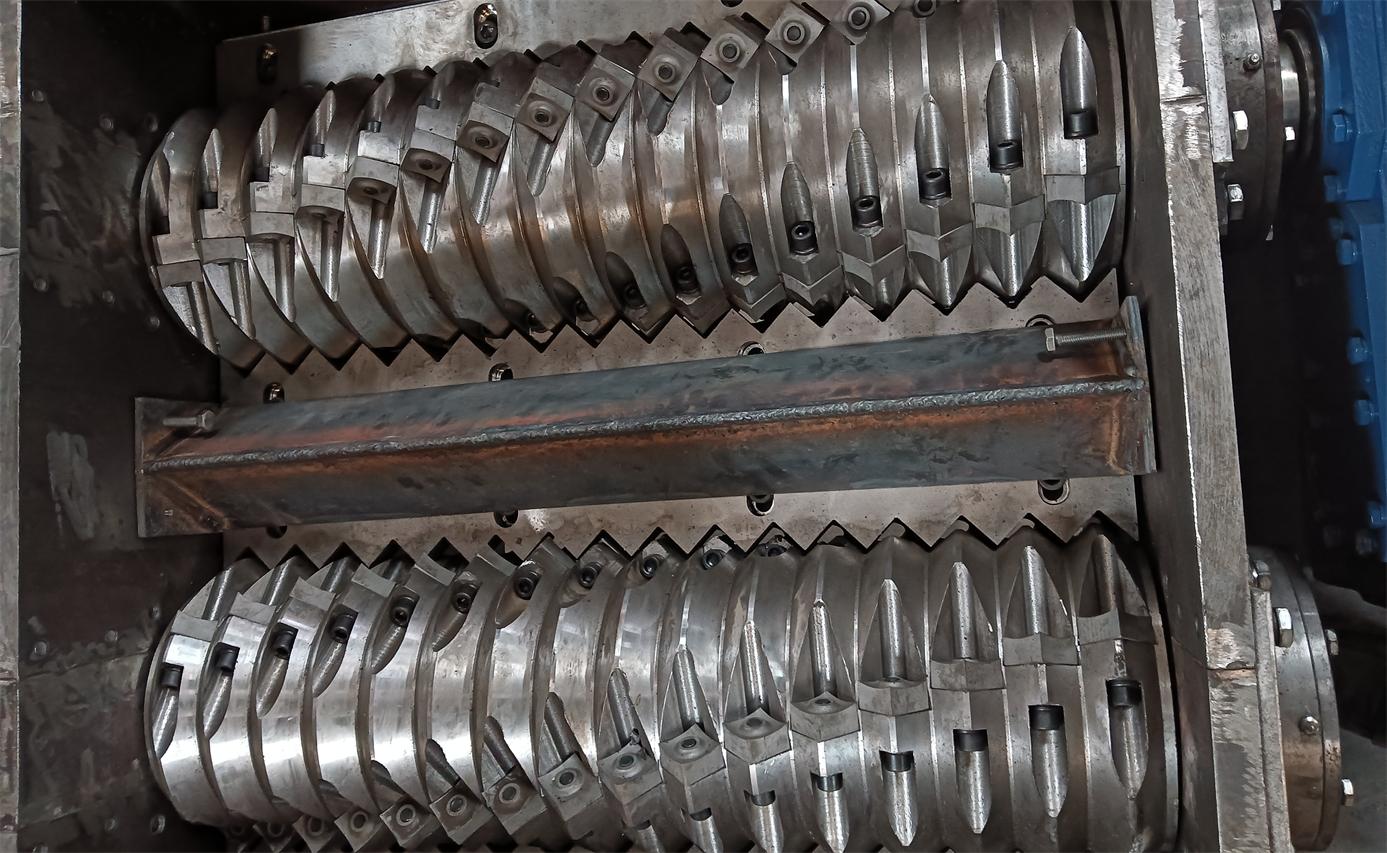
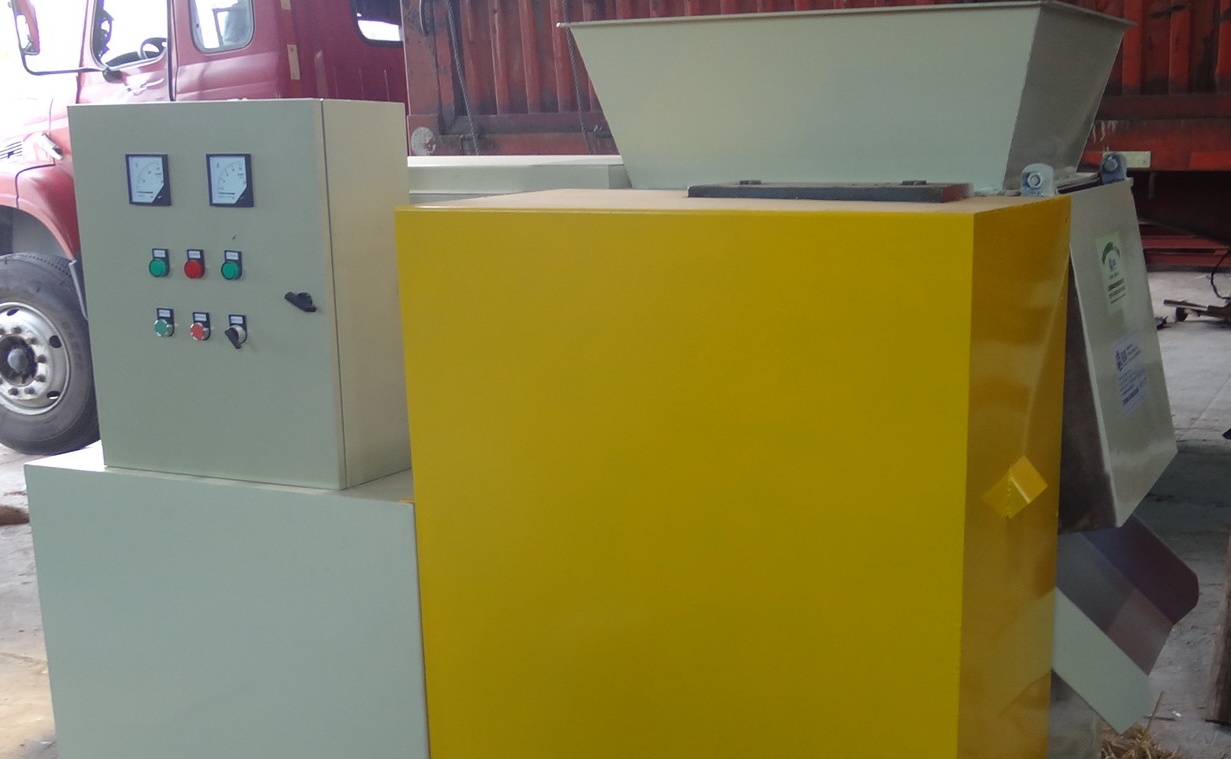
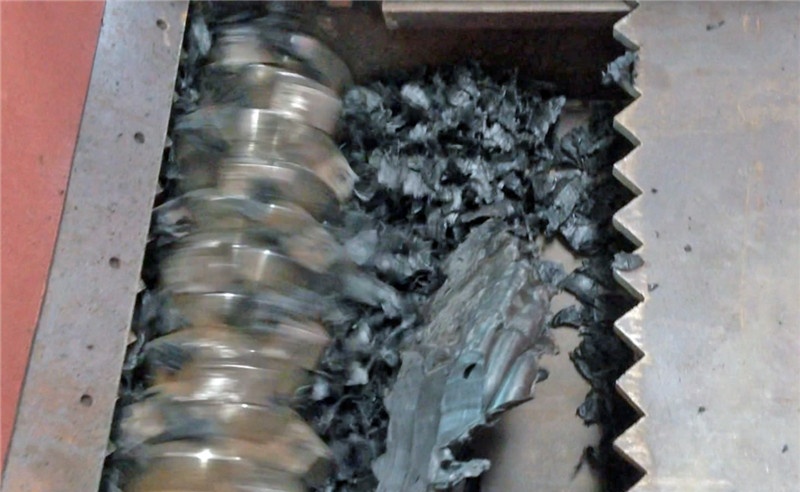
Beyond these core categories, comprehensive recycling operations often integrate refrigerator and air conditioner recycling lines, CRT cutters for obsolete monitors, motor recycling machines for electric motor stators, and heavy-duty shredders for pre-processing bulky e-waste. Supporting equipment such as hydraulic briquetting machines, metal melting furnaces, and air pollution control systems complete the plant ecosystem.
Key Factors When Selecting Equipment
Once you understand the equipment categories, evaluating specific machines requires attention to several technical and commercial factors.
Processing Capacity and Scalability
Your equipment capacity must match your raw material supply chain. Over-investing in oversized equipment strains cash flow and extends payback periods, while under-capacity limits growth and leaves revenue on the table. Leading manufacturers offer modular designs scalable from 300 kg per hour to over 2,000 kg per hour, allowing you to start at a comfortable scale and expand logically as your supply contracts grow.
Separation Technology and Recovery Rates
Separation technology directly impacts profitability. Dry separation systems using air classifiers, vibrating screens, and electrostatic separators avoid water consumption and the associated wastewater treatment costs. Wet separation methods often achieve higher purity for certain materials and can process boards with electronic components still attached. Your optimal choice should depend on local environmental regulations, available utilities, and the specific product specifications demanded by your downstream buyers.
Environmental Compliance and Pollution Control
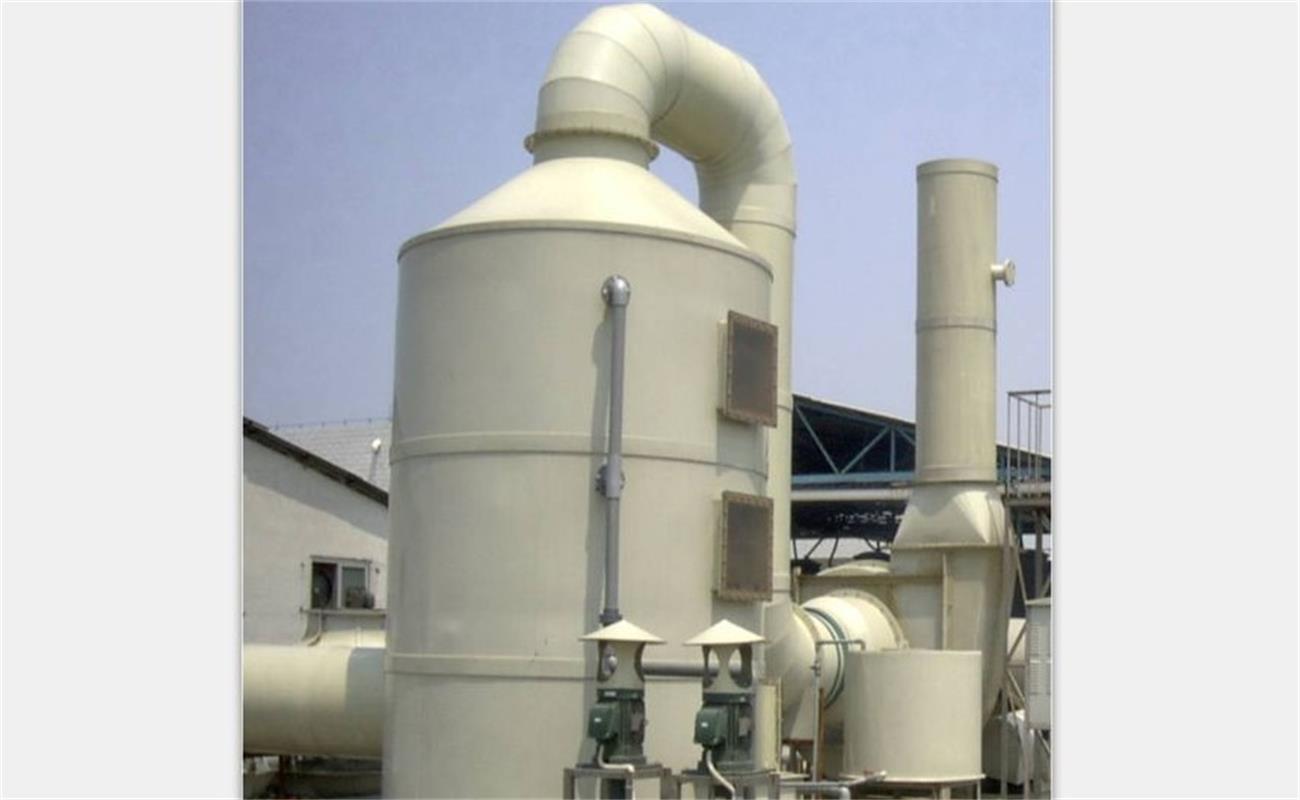
Environmental compliance cannot be treated as an afterthought. Modern recycling plants must integrate air pollution control systems, pulse bag dust collectors, and wastewater treatment units from the initial design phase. Working with a supplier that provides complete environmental solutions ensures your facility meets emission standards from day one, avoiding costly retrofits or regulatory shutdowns.
Automation Level and Operating Costs
The automation level of your recycling line significantly affects labor costs and operational consistency. Fully automatic systems reduce manpower requirements, minimize human error, and maintain steady output quality, making them popular among large recycling enterprises and regions with high labor costs. Semi-automatic configurations offer lower entry costs and are suitable for small workshops, emerging markets, or operations where labor expenses remain modest.
Beyond Equipment: The Value of Experience
Machine specifications and price lists tell only part of the story. Building a successful recycling plant requires deep engineering expertise, reliable installation support, responsive after-sales service, and an understanding of how equipment choices affect your overall business model.
San Lan Technologies Co., Ltd, established in 2007, brings over 15 years of specialized experience in WEEE recycling machinery and mining equipment. With a technical team holding master's degrees in mechanical engineering and extensive hands-on knowledge of e-waste recycling processes, San Lan delivers far more than standalone machines.
The company provides comprehensive EPC (Engineering, Procurement, Construction) services, delivering turnkey recycling plants tailored to each customer's specific requirements, local regulations, and budget constraints. From initial feasibility studies and custom design to equipment manufacturing, installation, commissioning, and operator training, San Lan manages the entire project lifecycle. This integrated approach eliminates the coordination headaches of dealing with multiple contractors and ensures all plant components work together seamlessly.
What truly differentiates an experienced partner is the ability to support your business growth beyond the initial sale. San Lan assists customers in sourcing waste materials such as cable scrap, PCB scrap, and used lead acid batteries. The company also helps clients identify buyers for recovered products including copper rice, copper powder, and lead ingots. This end-to-end support transforms a simple equipment transaction into a sustainable business partnership.
With successful installations across more than 21 countries including Singapore, Colombia, Vietnam, Mexico, Argentina, Korea, Malaysia, Indonesia, South Africa, India, and Saudi Arabia, San Lan understands diverse regulatory environments, climate conditions, and operational challenges worldwide. This global perspective, combined with essentially bilingual English and Chinese communication capabilities, ensures smooth project execution for international clients.
Integrated Product Range for Complete Solutions
San Lan's manufacturing portfolio covers the full spectrum of e-waste and resource recovery equipment, allowing customers to source complete plant solutions from a single trusted partner:
- Lead acid battery recycling plants with capacities from 1 to 10 MT per hour, including battery breaking and separation systems, rotary furnaces, blast furnaces, lead refinery kettles reaching 99.999% purity, and integrated air pollution control systems
- Lithium battery recycling plants processing 500 to 2,500 kg per hour, with black mass separation, magnetic recovery of iron and steel, and plastic briquetting systems
- Circuit board recycling plants using dry or wet separation technologies, with capacities from 300 to 2,000 kg per hour and copper powder purity up to 96-98%
- Cable recycling machines and wire granulators for various cable types, from thin household wires to thick industrial cables
- Refrigerator and AC recycling lines, CRT cutters with ni-chrome or diamond cutting technology, motor stator cutters, and multi-purpose shredders
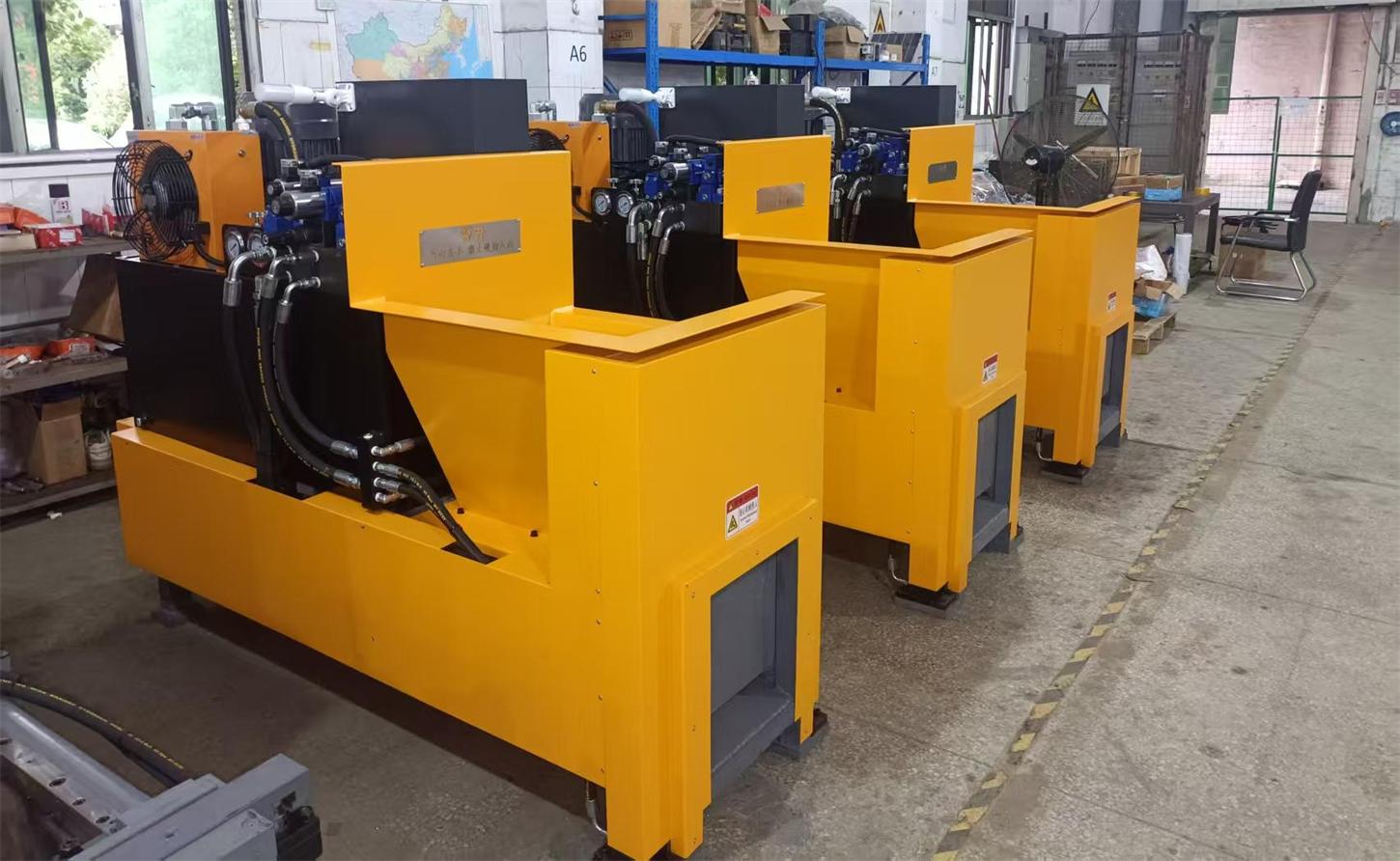
- Supporting equipment including hydraulic briquetting presses, metal melting furnaces, lamp recycling machines, and wastewater treatment plants
This integrated product range allows customers to expand their operations logically over time, adding new processing lines as market opportunities emerge and capital becomes available.
Making the Right Investment Decision
Investing in recycling equipment is a strategic decision that extends far beyond comparing price quotations. The right partner provides proven technology, regulatory compliance assurance, project execution capability, and ongoing business support that continues generating value throughout the equipment's operational life.
When evaluating potential suppliers, ask about their track record with projects similar to yours. Request references from customers in comparable markets. Understand what level of training and documentation they provide. Clarify spare parts availability and response times for technical support. Most importantly, assess whether the supplier understands your business goals and can grow with you as those goals evolve.
Ready to explore how the right recycling equipment can accelerate your business success? Contact San Lan Technologies today to discuss your project requirements. Our engineering team will work with you to design a customized recycling solution that matches your feedstock, capacity targets, and budget. Reach us via email at info@san-lan.com or WhatsApp at +86 139 2377 4083, and take the first step toward building a profitable, sustainable recycling operation.