How to Choose the Right Recycling Equipment for Battery and Cable Waste: A Practical Guide
Global e-waste generation is accelerating, with used batteries and scrap cables representing two of the fastest-growing waste streams. For entrepreneurs and established recyclers alike, selecting the right machinery is the single most important decision that determines recovery rates, operational efficiency, and long-term profitability.
Understanding the Battery Recycling Opportunity
The battery recycling sector is expanding rapidly due to increasing demand for electric vehicles, renewable energy storage, and stricter environmental regulations worldwide. Two types of batteries dominate the recycling landscape: lead acid batteries, widely used in vehicles and backup power systems, and lithium-ion batteries, which power everything from smartphones to electric cars.
Each battery type requires a fundamentally different recycling approach. Lead acid batteries contain sulfuric acid, lead paste, lead grids, and plastic casings. A complete lead acid battery recycling equipment setup must handle breaking, acid neutralization, paste desulfurization, smelting, and refining stages to recover lead with high purity while meeting environmental standards.
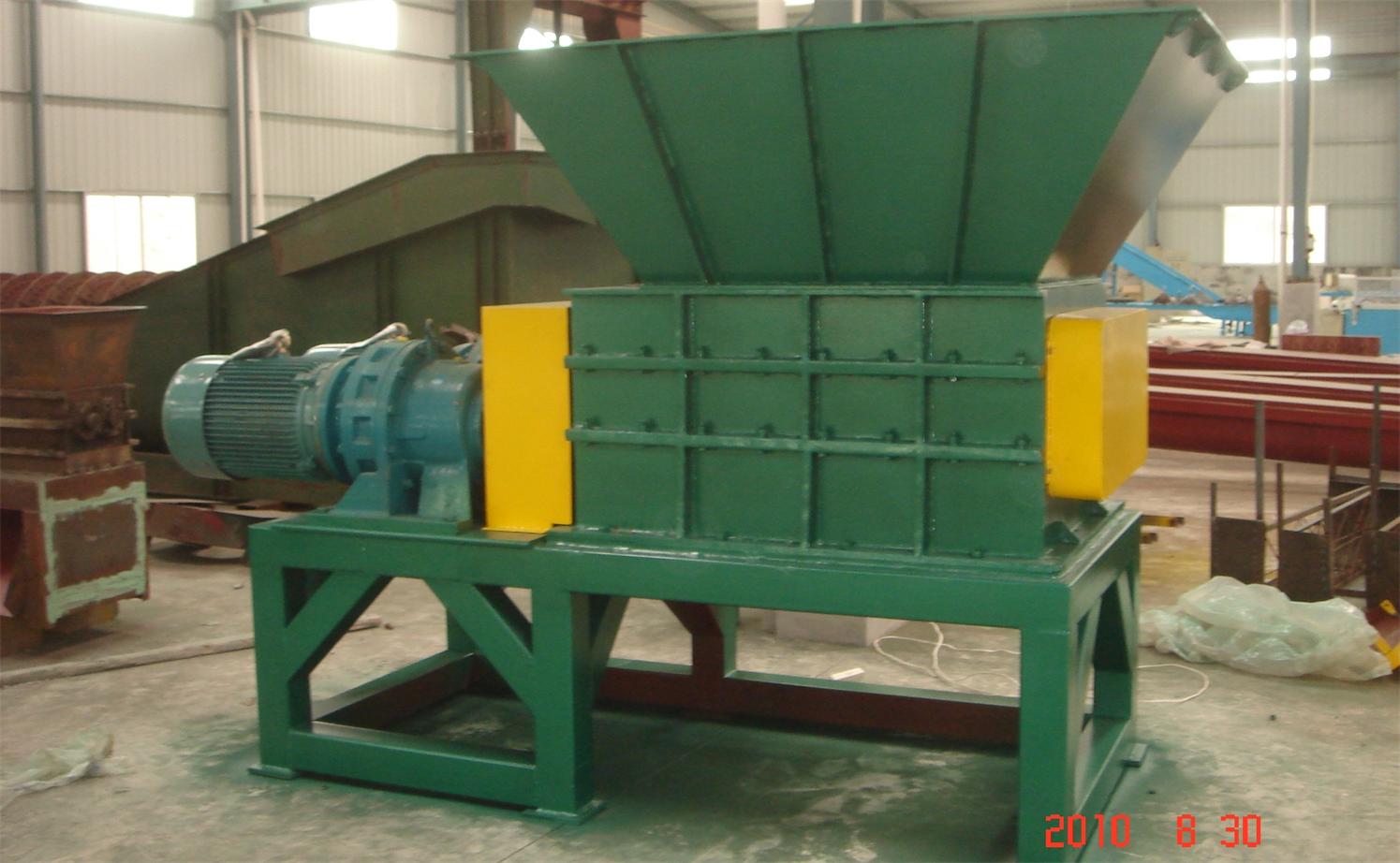
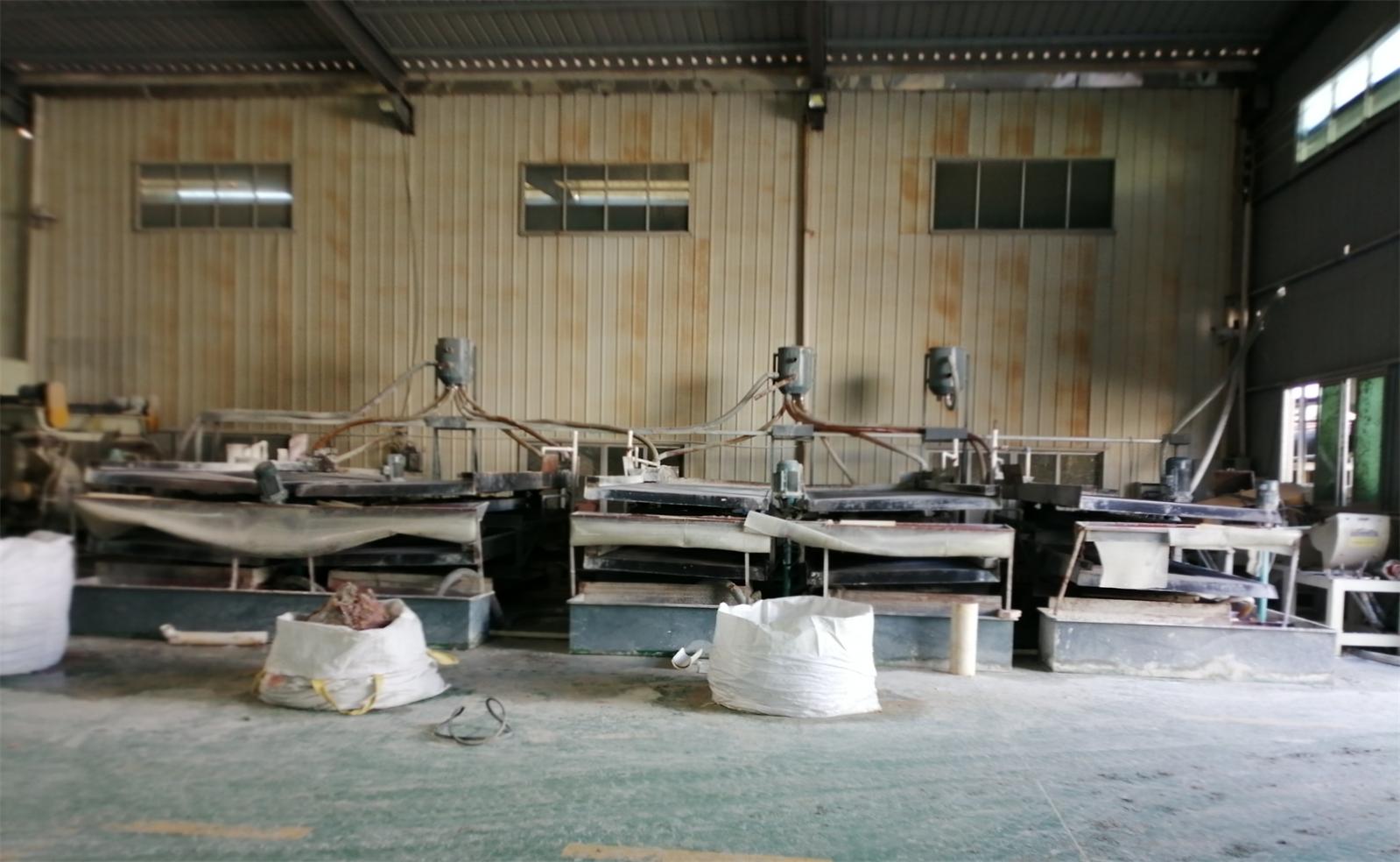
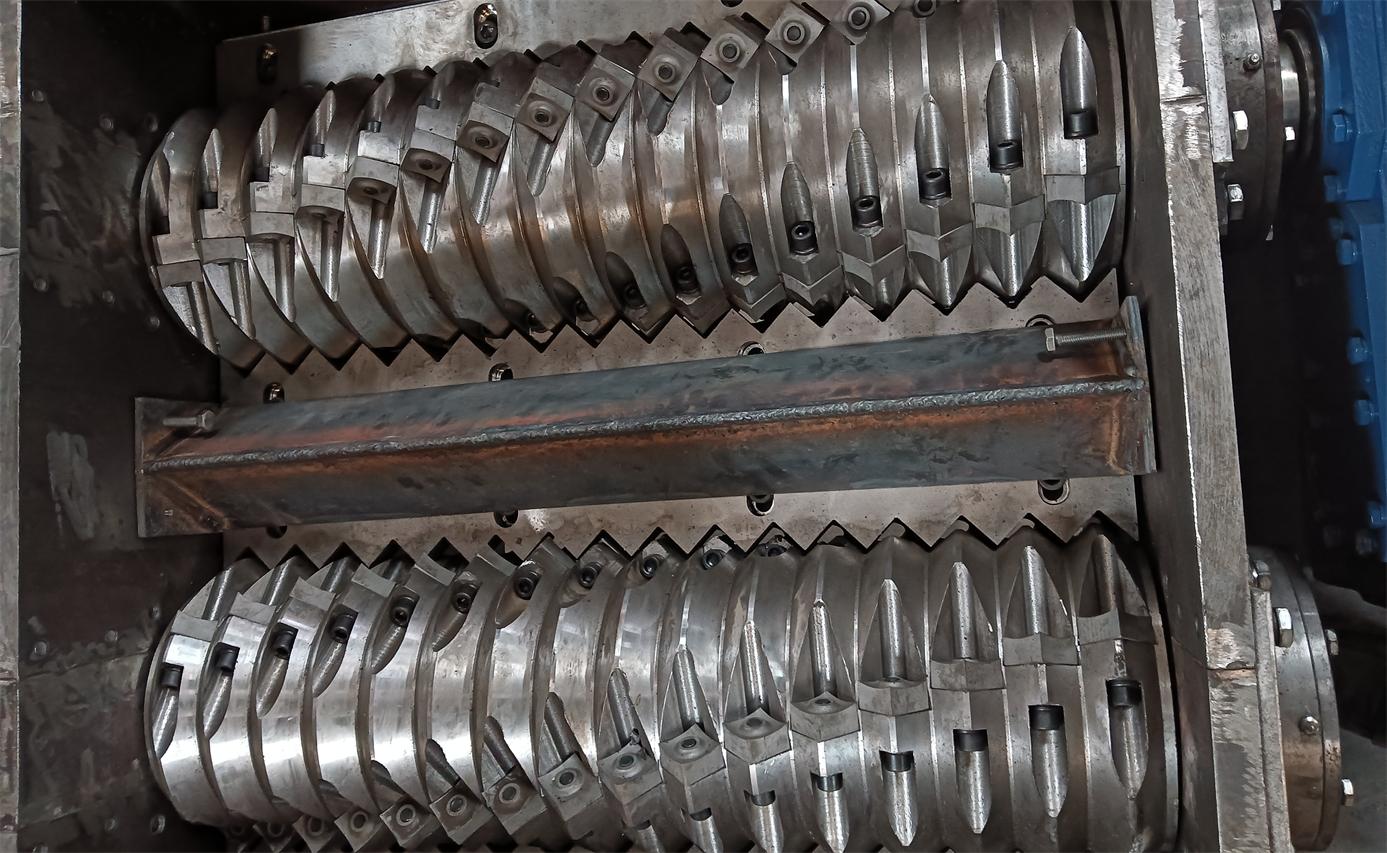
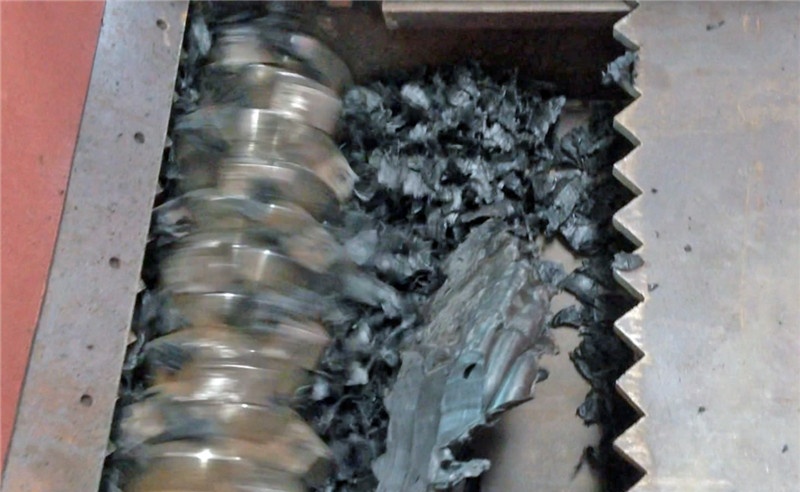
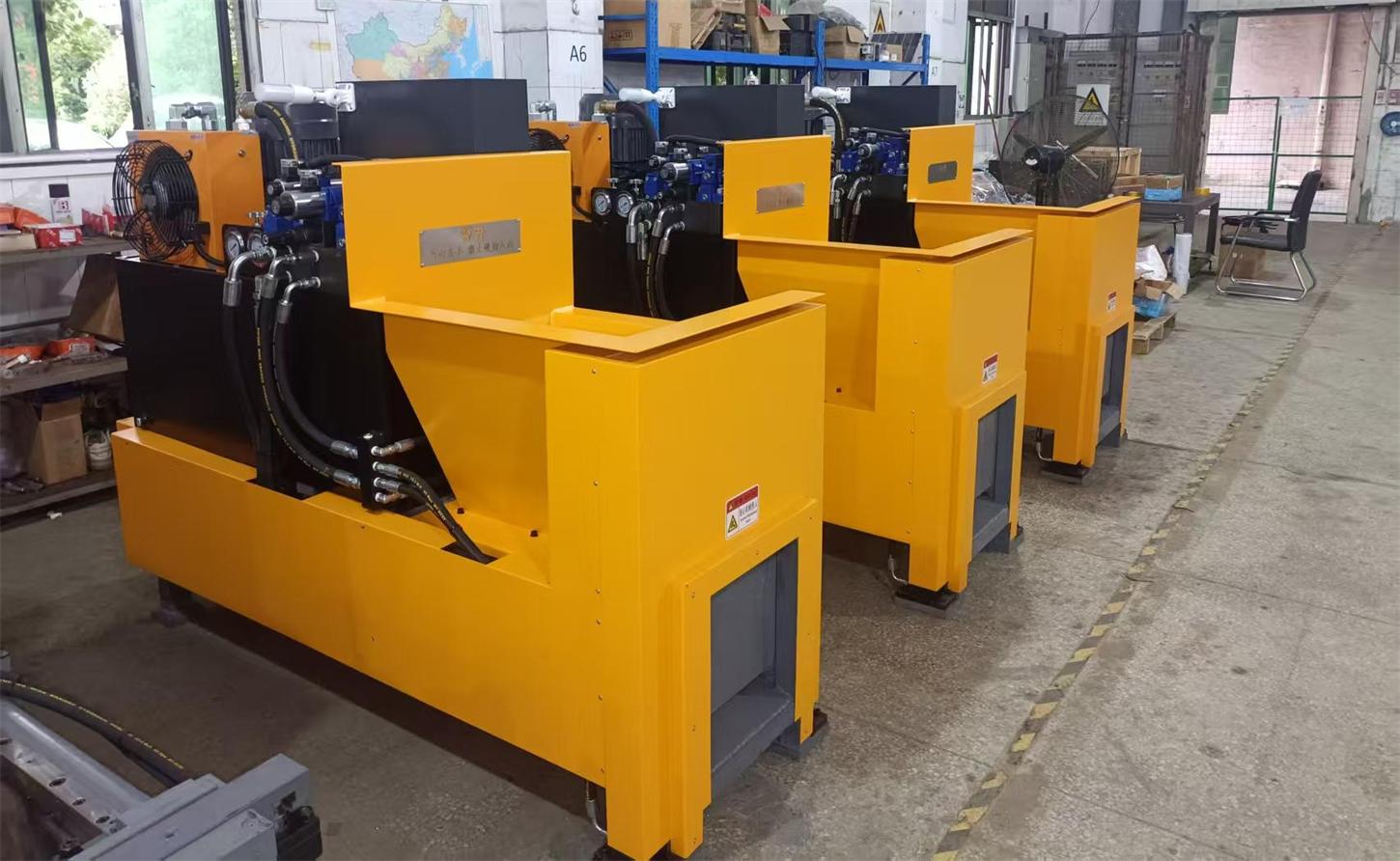
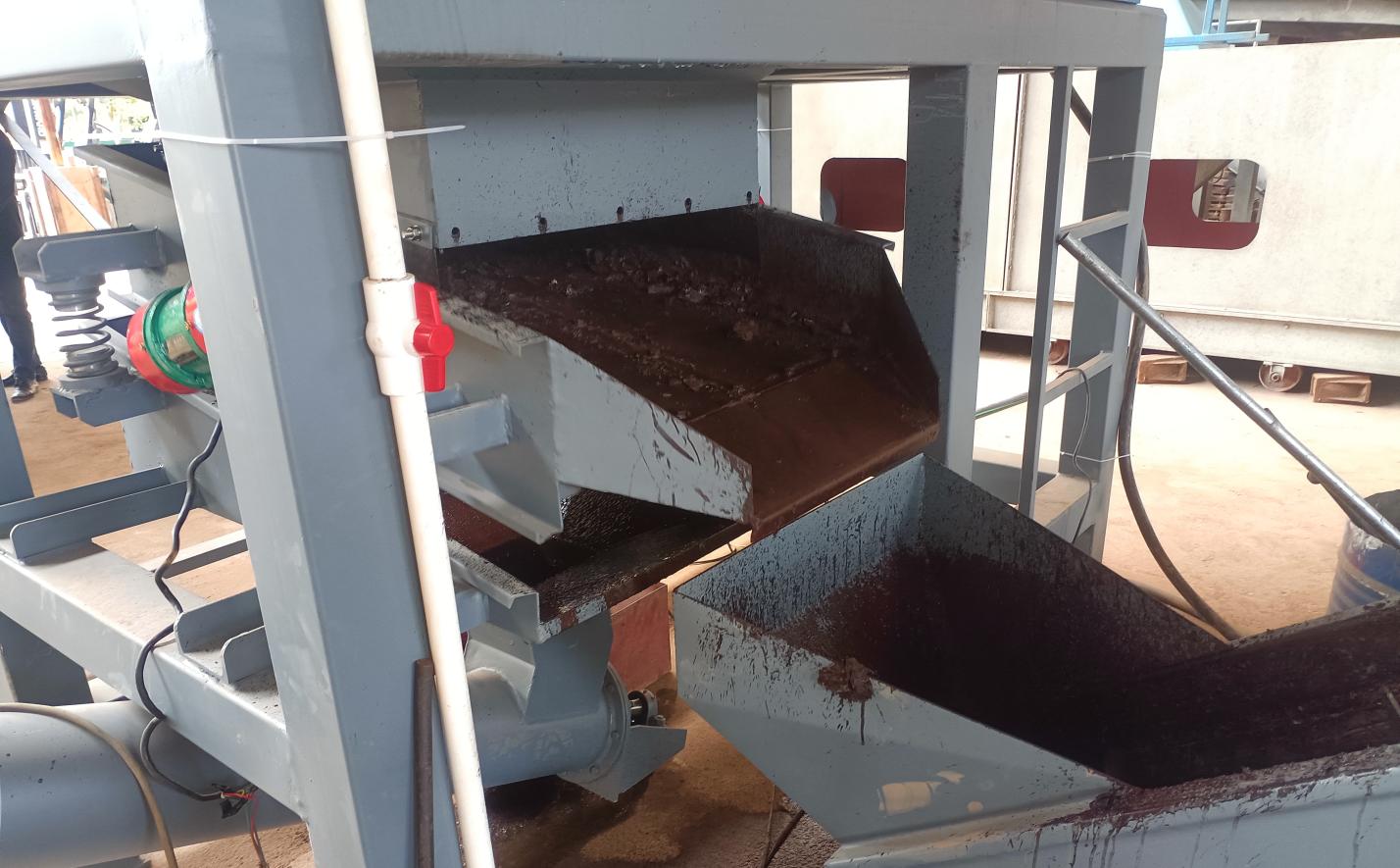
Lithium battery recycling, on the other hand, focuses on recovering valuable materials such as black mass (containing nickel, cobalt, and graphite), copper, aluminum, and plastic separators. The process typically involves safe discharge, pre-crushing, secondary granulation, magnetic separation, and fine powder separation. Modern li battery recycling equipment can process 500 to 2,500 kilograms per hour, making it suitable for both small-scale operations and industrial plants.
The Untapped Potential of Cable Recycling
Scrap cables are found everywhere: construction sites, demolition projects, telecommunications infrastructure upgrades, and industrial maintenance. These cables contain copper or aluminum conductors surrounded by plastic or rubber insulation. Without proper processing, this valuable metal is lost to landfills.
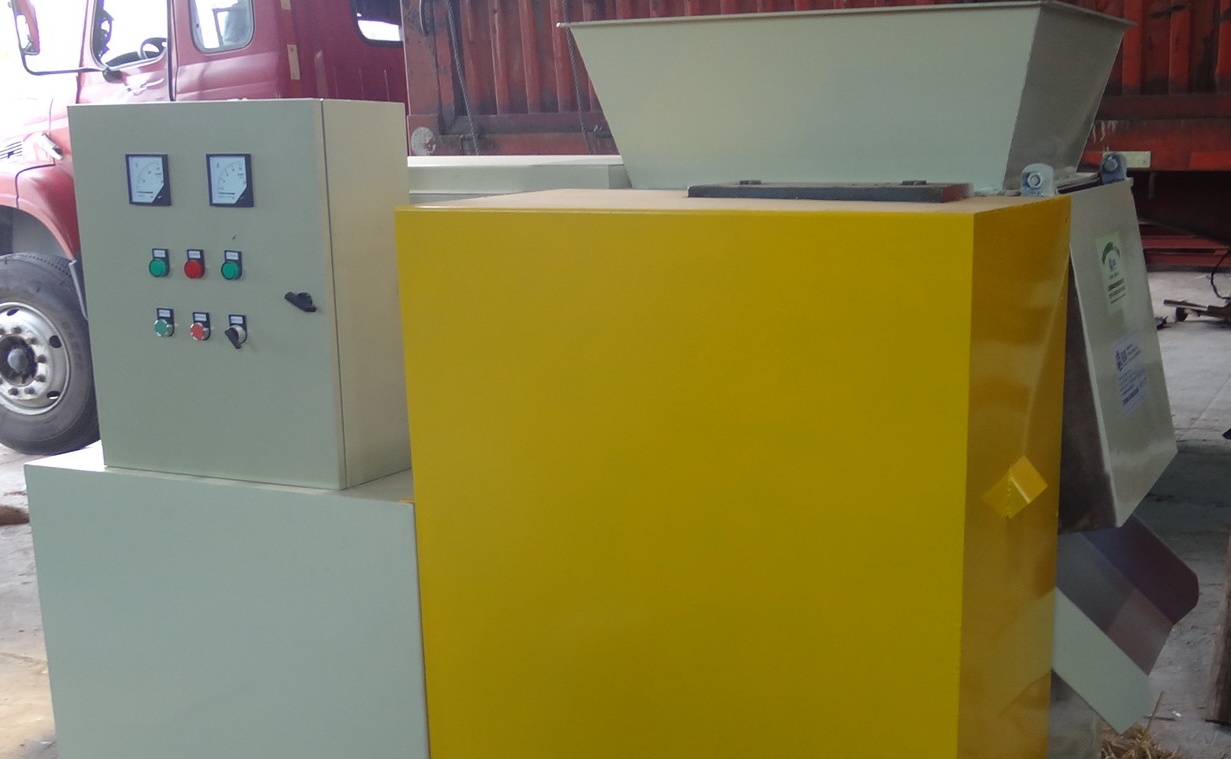
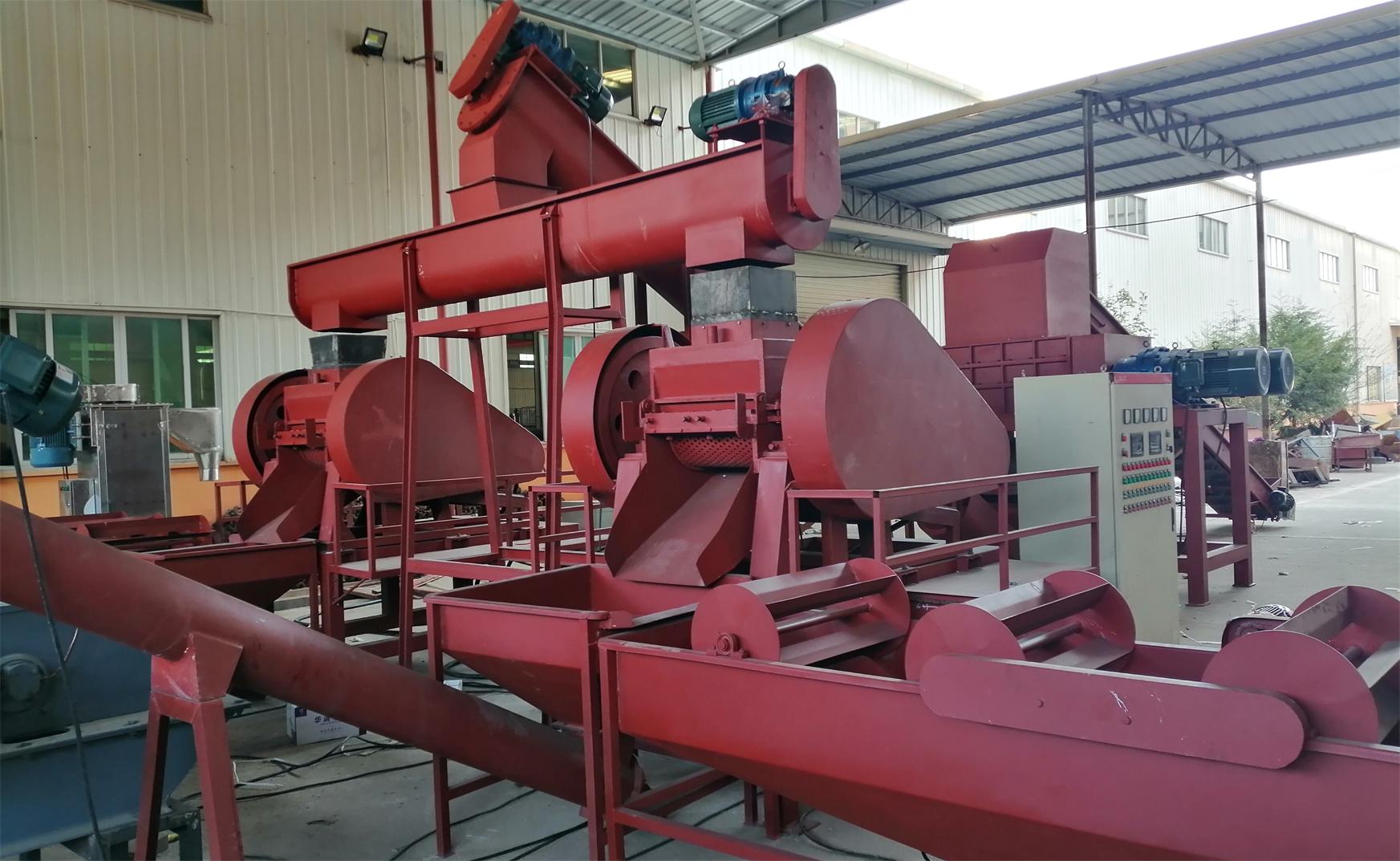
Effective cable recycling starts with the right preprocessing. Scrap cable strippers handle larger-diameter wires by removing insulation before granulation. For mixed and fine cables, granulators with dry or wet separation systems crush the material and separate metal from plastic through air classification or water-based density separation. High-quality cable recycling equipment can achieve copper purity levels of 96 to 98 percent, directly impacting your profit margins.
Key Equipment for Cable Processing
Scrap Cable Strippers
Handle cables from 1.5mm to 150mm diameter. Pre-strip large cables before granulation to improve throughput.
Cable Granulators
Dry separation systems with capacity from 100 to 1,200 kg/hour. Compact designs available for smaller operations.
What Separates Reliable Equipment from the Rest
When evaluating recycling machinery, look beyond the quoted price. The true cost of ownership includes installation, commissioning, spare parts availability, and technical support over the machine's lifetime. Here are the factors that experienced recyclers prioritize:
- Recovery Rate: Higher metal recovery directly translates to higher revenue. A difference of just 2 to 3 percent in recovery rate can mean tens of thousands of dollars annually for a mid-sized plant.
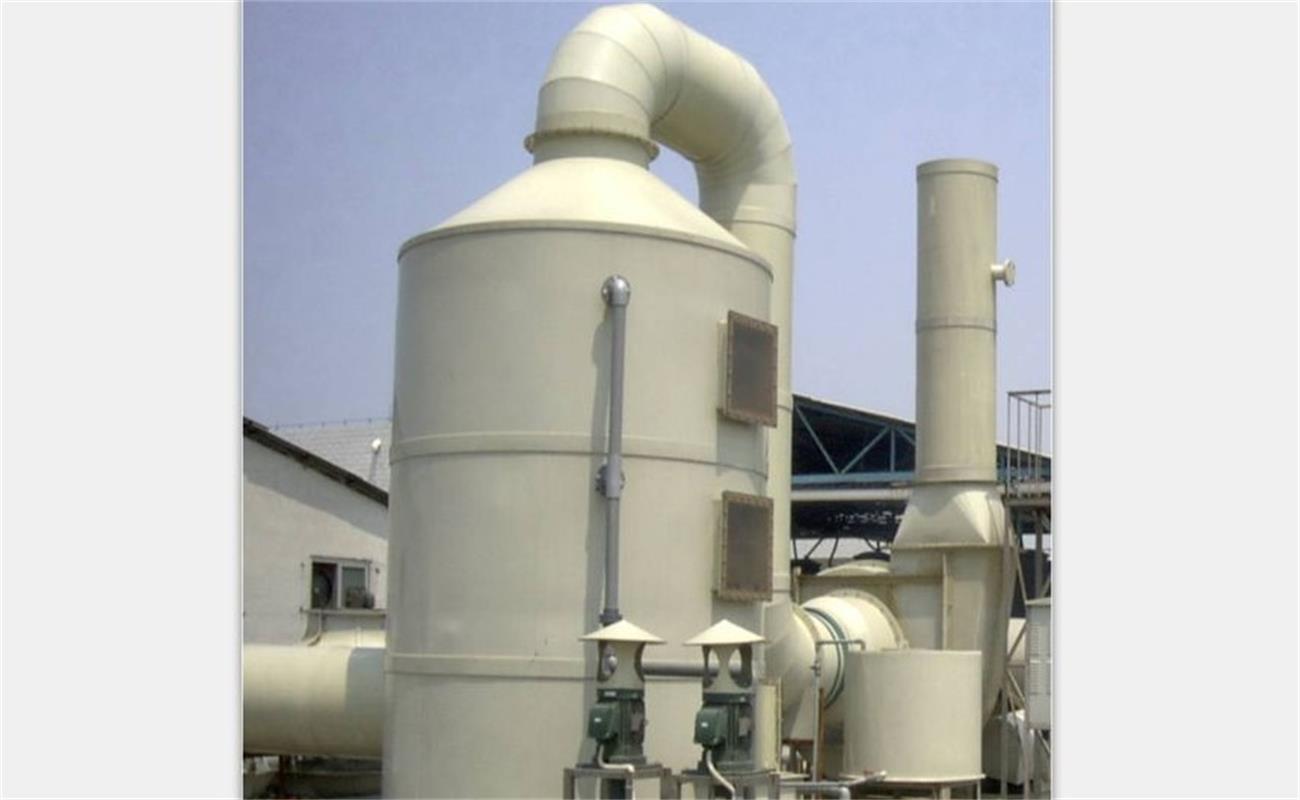
- Environmental Compliance: Air pollution control systems, effluent treatment plants, and dust collection systems are not optional add-ons. They are essential for legal operation and community acceptance.
- Process Flexibility: Feedstock varies by region and season. Equipment that can handle multiple material types or adjust capacity gives you a competitive edge.
- After-Sales Support: Downtime in recycling operations is expensive. Suppliers with responsive technical teams and available spare parts keep your plant running.
Why Plant Design Experience Matters
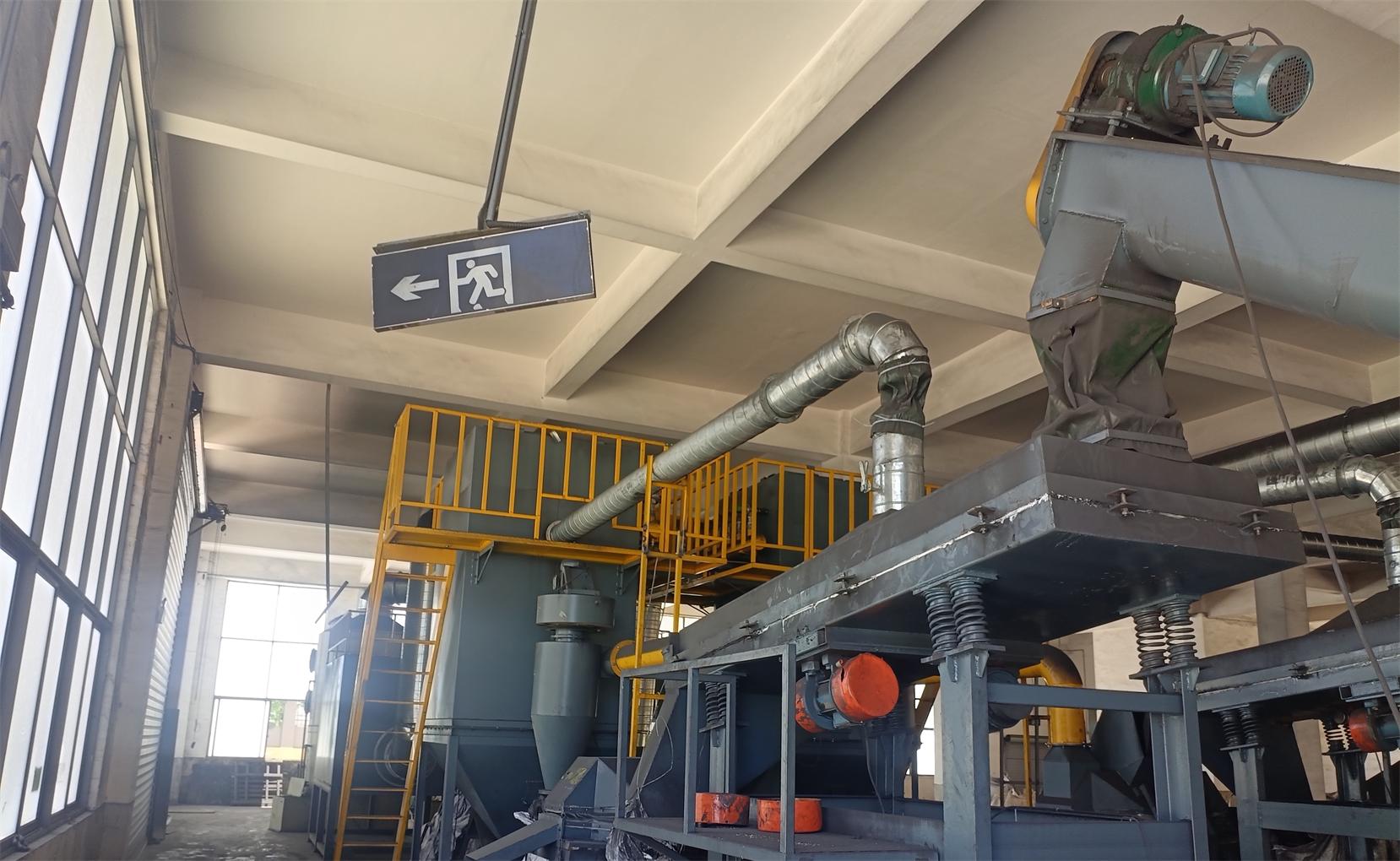
Buying individual machines is only the beginning. A successful recycling operation requires a well-designed workflow where each piece of equipment feeds efficiently into the next. Material handling, dust control, safety access, and future expansion all need to be considered in the initial layout.
San Lan Technologies, established in 2007, has supplied recycling machinery to clients across more than 21 countries including Singapore, Colombia, Vietnam, Mexico, Argentina, Korea, Malaysia, Indonesia, South Africa, India, and Saudi Arabia. The company offers complete Engineering, Procurement, and Construction (EPC) services for e-waste recycling plants, from customized design and equipment supply to installation and commissioning.
San Lan's technical team includes mechanical engineering professionals with over 15 years of hands-on experience in e-waste recycling machinery. Beyond equipment supply, the company assists customers with sourcing waste materials such as cable scrap, PCB scrap, and used lead acid batteries, and helps market the recovered products including copper rice, copper powder, and lead ingots.
Matching Equipment to Your Business Goals
Before approaching any supplier, define your objectives clearly. Are you starting a new operation from scratch, or expanding an existing facility? What is your target feedstock volume per month? What level of automation do you need? Do you require turnkey installation, or will you handle civil works and installation locally?
For startups and small-to-medium enterprises, modular systems with lower upfront capital requirements may be the smartest entry point. These systems can be scaled up as your feedstock supply and market position strengthen. For larger operations or investors looking for full integration, complete plant solutions with higher capacity and advanced separation technology offer better economies of scale.
San Lan's product range covers both ends of this spectrum. From compact cable granulators processing 100 kg per hour to industrial-scale lead acid battery recycling plants handling 10 metric tons per hour, the company's diverse portfolio allows customers to match equipment precisely to their operational requirements and growth plans.
Ready to invest in recycling equipment? Whether you need lead acid battery recycling systems, lithium battery processing lines, cable granulators, or circuit board separation plants, choosing an experienced supplier with proven international installations is your safest path to long-term success. Contact San Lan Technologies to discuss your project requirements, request technical specifications, or arrange a consultation with their engineering team.