How to Choose the Right Equipment for Your E-Waste Recycling Plant
The volume of electronic waste generated globally continues to rise, creating real opportunities for recycling businesses. Whether you are looking to process used batteries, scrap cables, or old circuit boards, the difference between a profitable operation and a costly mistake often comes down to equipment selection. This article outlines the main types of recycling machinery you need and what to consider when choosing a supplier.
Understanding the Core Equipment Categories
Every e-waste stream requires a specific approach. Before investing, it helps to understand how the major equipment categories work and what outputs they produce.
Lead Acid Battery Recycling Systems
Used lead acid batteries remain one of the most heavily recycled consumer products. A complete processing line uses battery breaking and separation equipment to crush batteries and sort the lead paste, lead grids, plastic casing, and acid. From there, de-sulfurization units treat the lead paste before smelting in rotary furnaces or blast furnaces.
Modern lead acid battery recycling equipment can handle 1 to 10 metric tons per hour, with rotary furnaces delivering higher lead recovery rates than blast furnace alternatives. For final refining, electric heated kettle furnaces can reduce energy consumption by 30–50% compared to gas or diesel options, producing lead at 99.999% purity.
Lithium Battery Recycling Plants
The rapid growth of electric vehicles and portable electronics has made lithium-ion battery recycling a high-demand field. Specialized lithium battery recycling equipment uses a physical process to break down spent batteries and separate the black mass (containing nickel, cobalt, and graphite) from plastic film, copper, and aluminum. Systems are available with capacities from 500 to 2,500 kg per hour and typically include discharging units, pre-crushers, secondary granulators, magnetic separation for steel, and air pollution control to manage emissions safely.
Cable Recycling Machinery
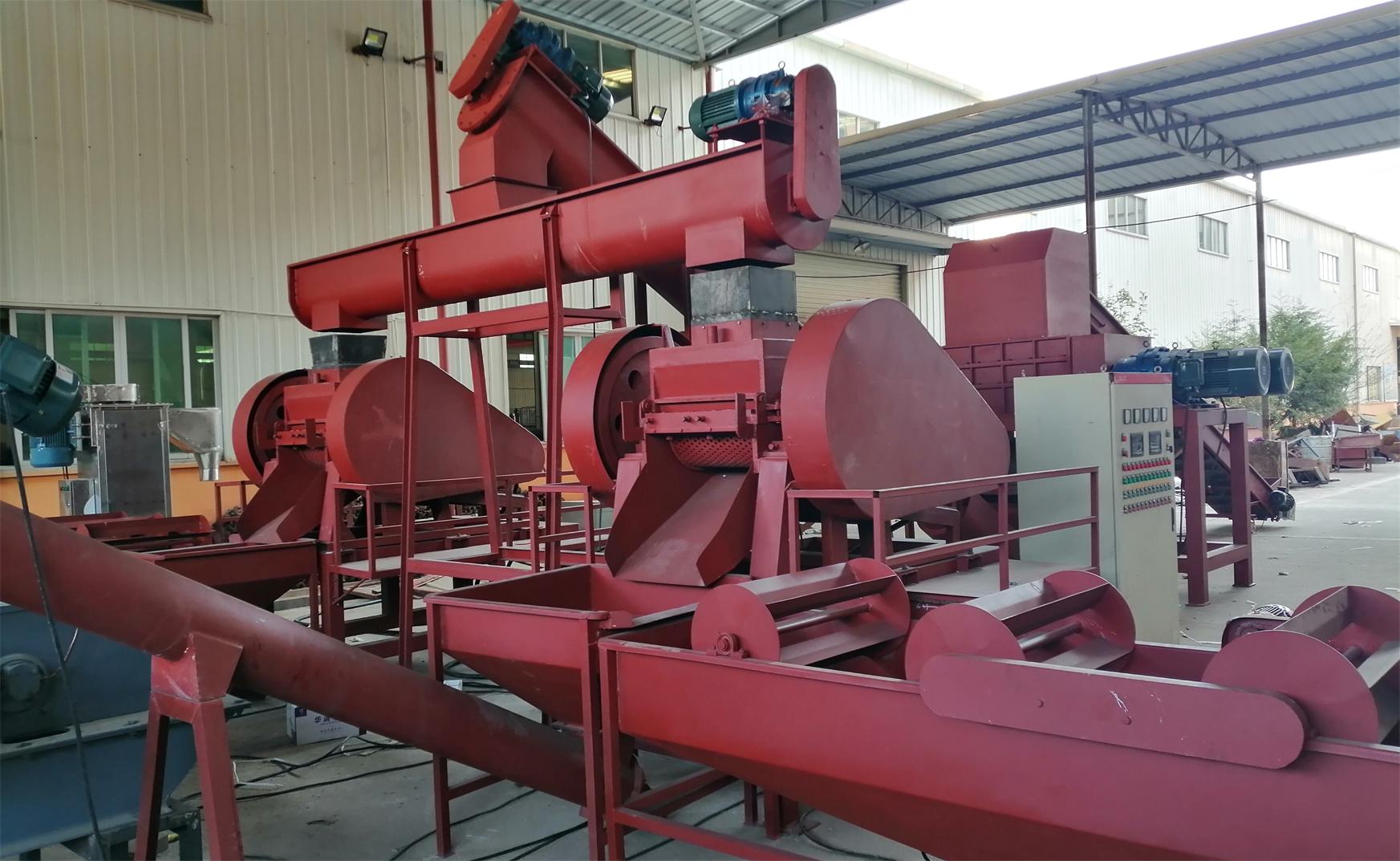
Scrap electrical cable contains copper and aluminum that can be recovered efficiently with the right setup. Cable recycling equipment ranges from simple scrap cable strippers for thick wires to compact granulators with dry or wet separation for fine wire processing. These machines separate metal from insulation, producing clean copper granules or "copper rice" that smelters purchase directly. Depending on the model, throughputs vary from a few hundred kilograms to over a ton per hour.
Circuit Board Recycling Equipment
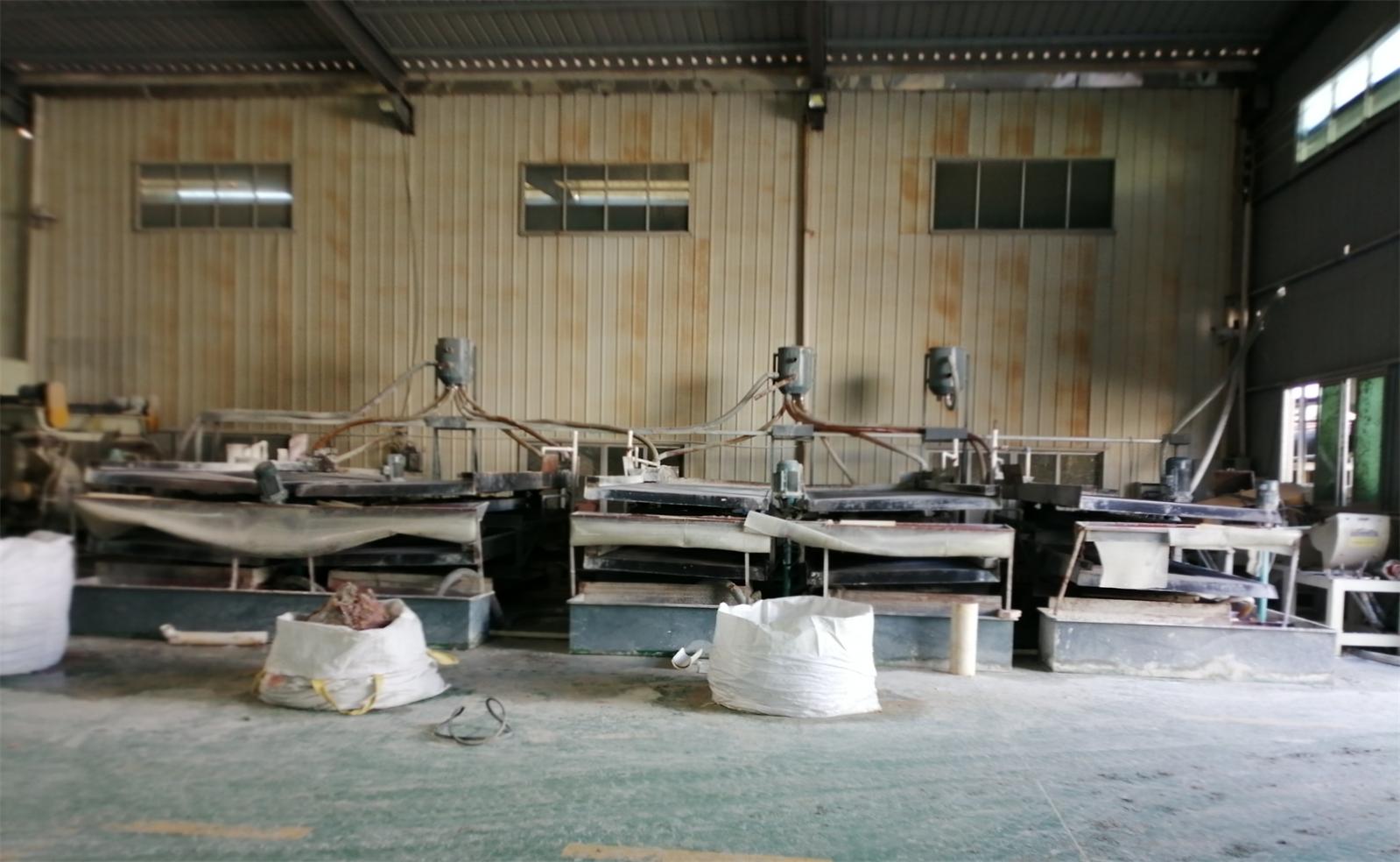
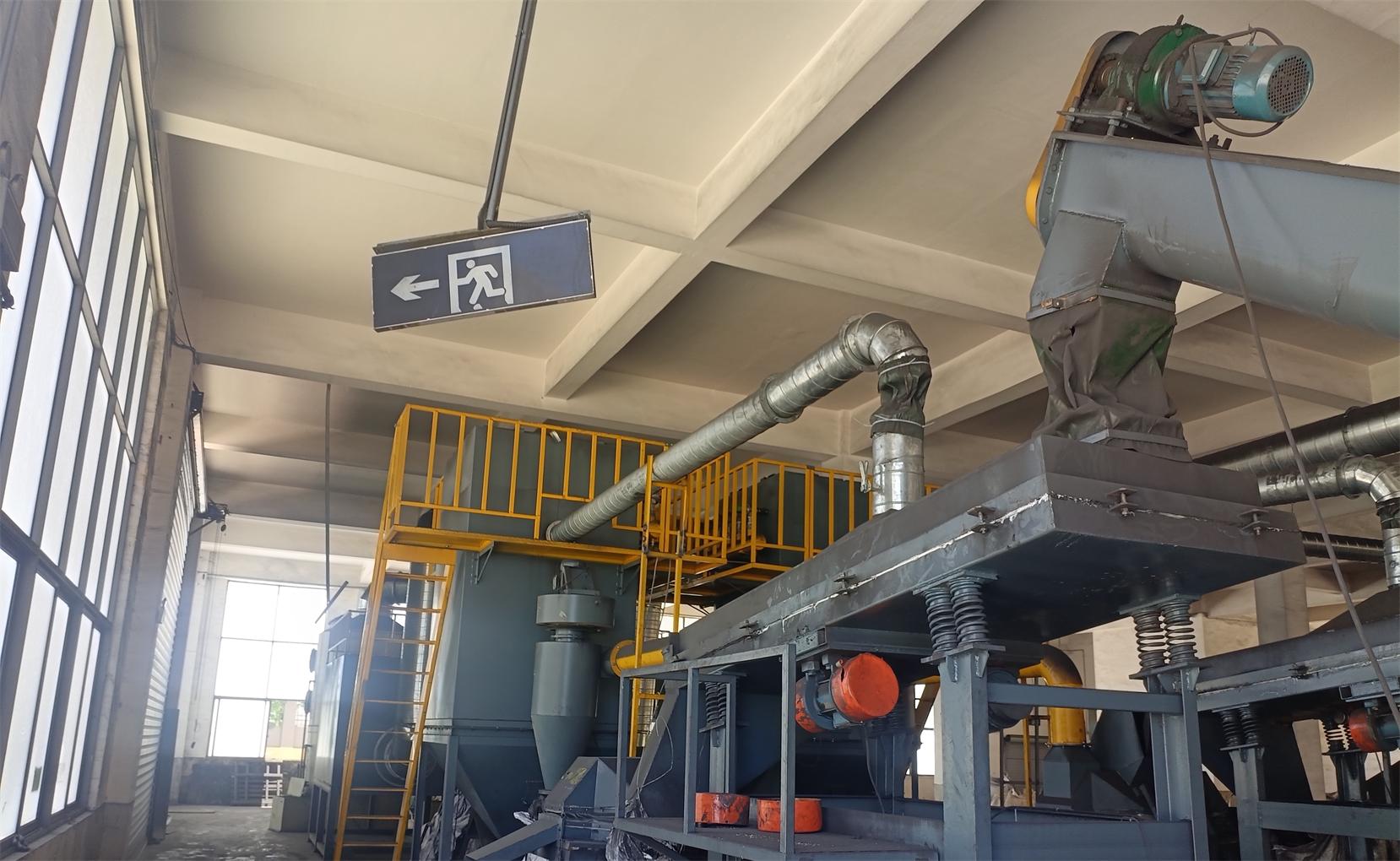
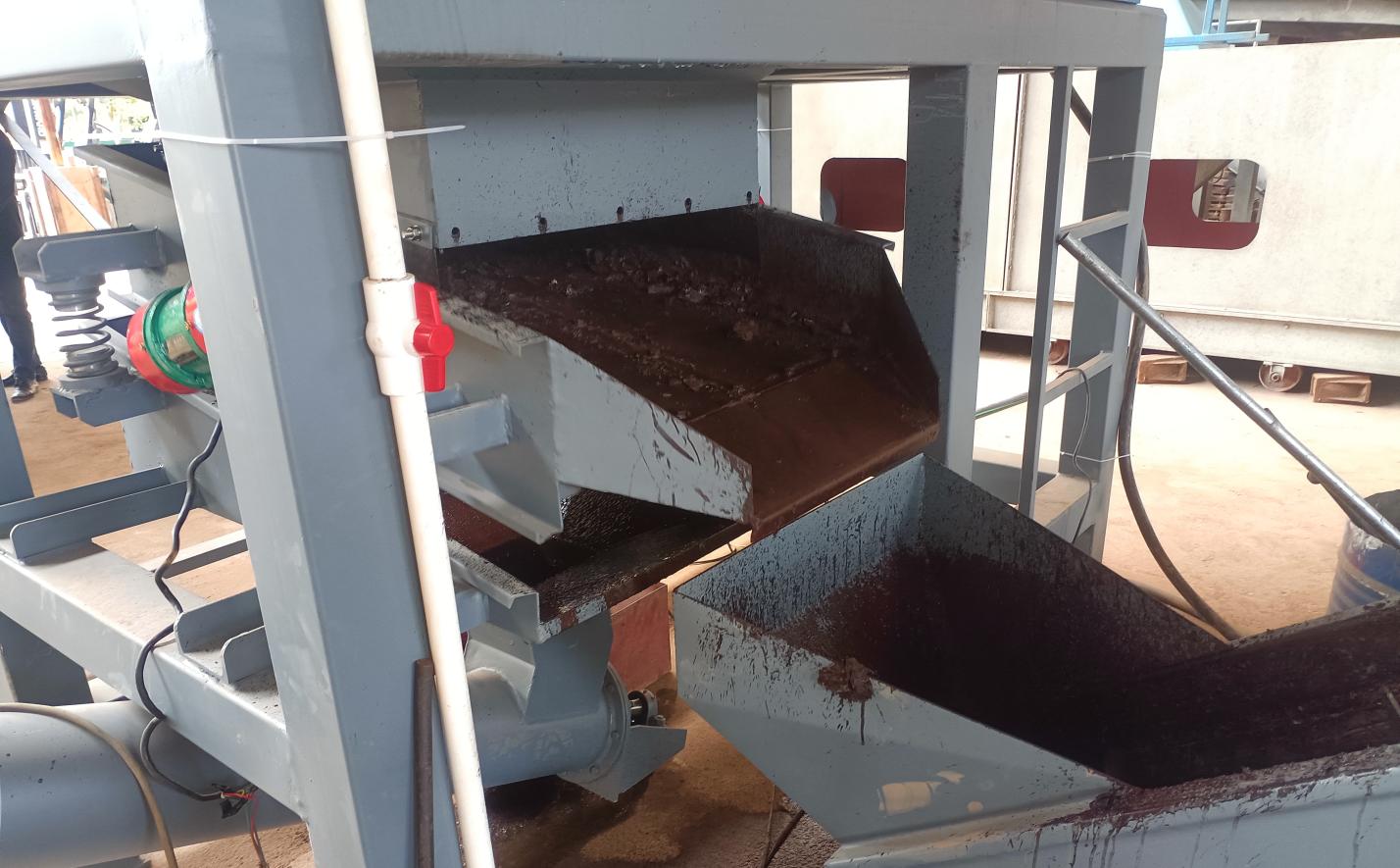
Printed circuit boards carry copper and small amounts of precious metals. Circuit board recycling equipment crushes PCBs and uses air or water separation to recover copper powder at 96–98% purity. Dry separation systems with vibrating screens, cyclones, and electrostatic separators achieve recovery rates around 95% while controlling dust through pulse bag collectors. Wet separation options can process boards with components still attached, giving operators flexibility with mixed feedstock.
Supporting Equipment for a Complete Operation
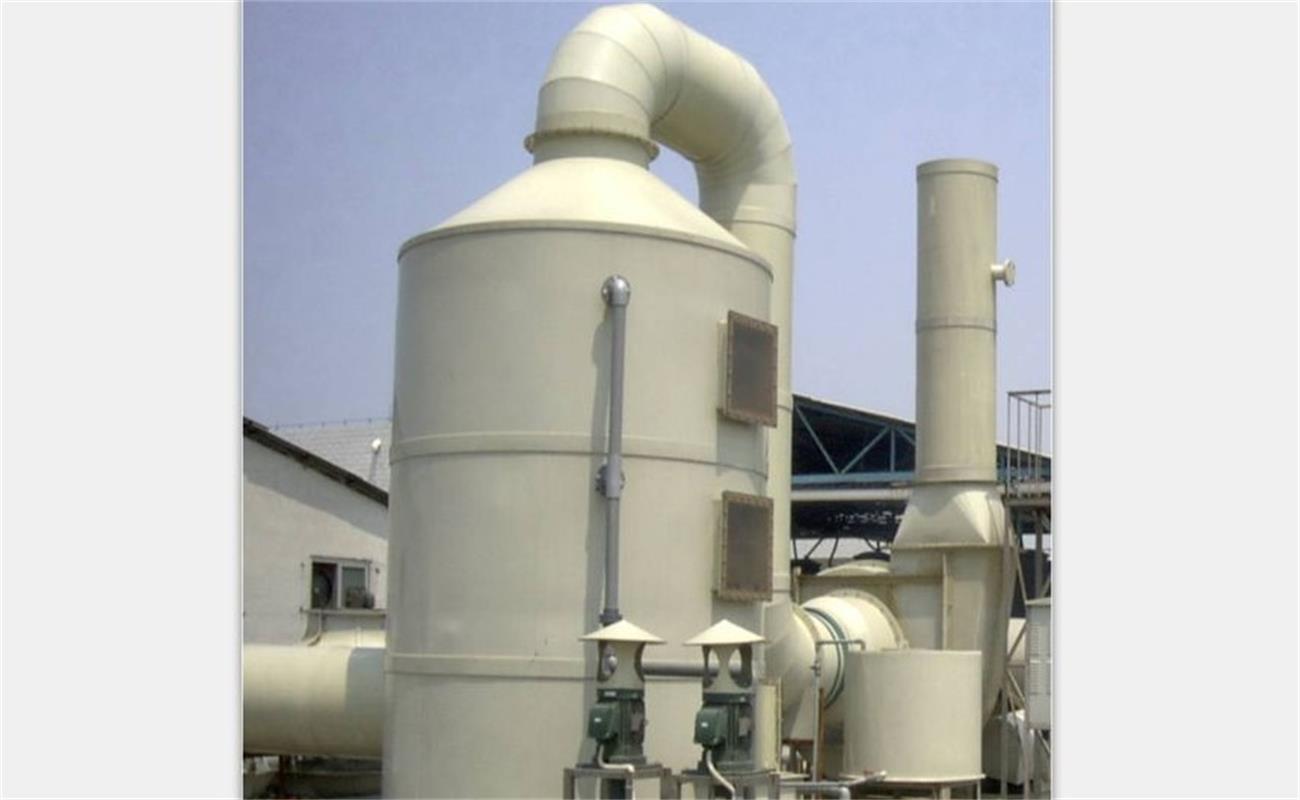
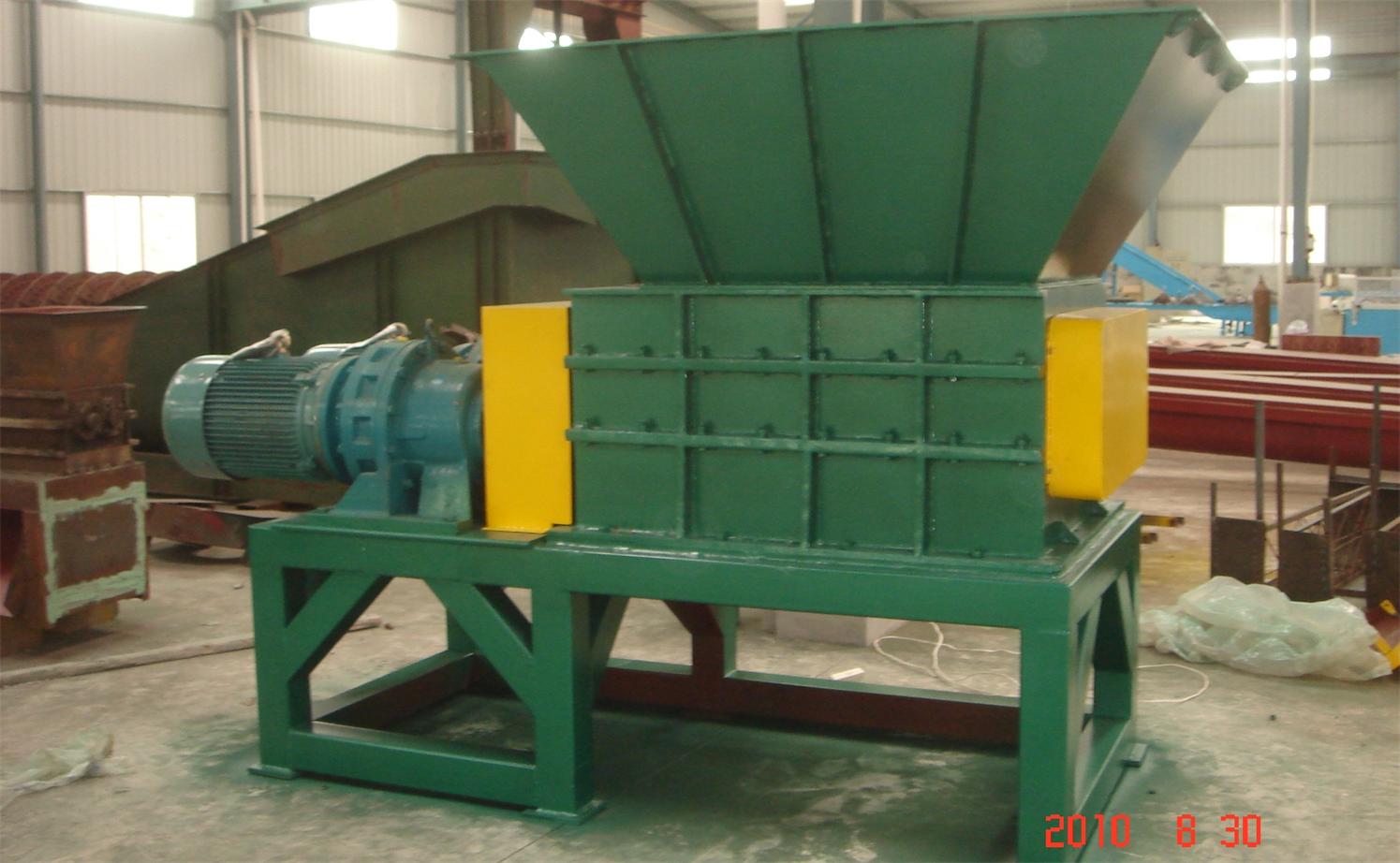
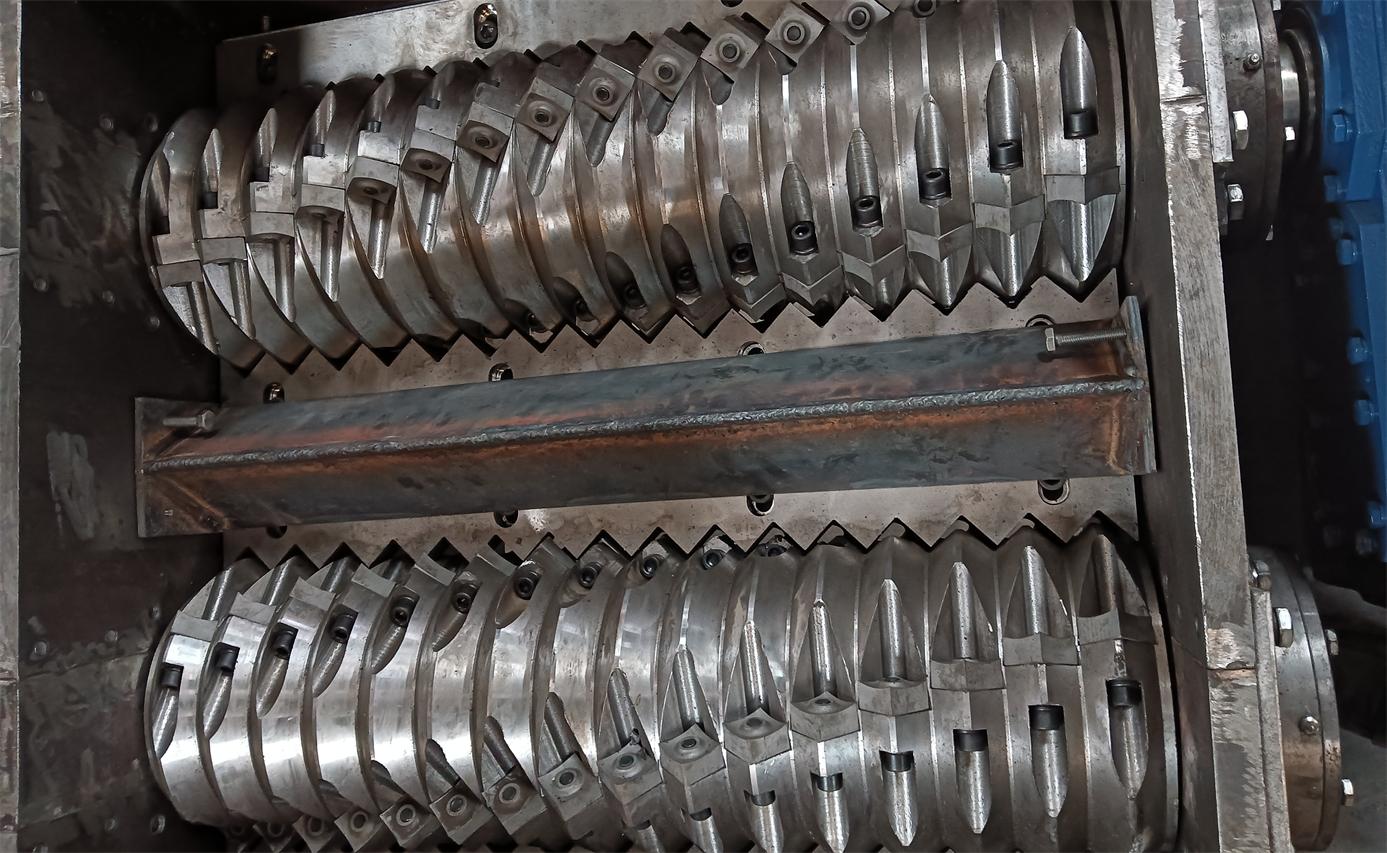
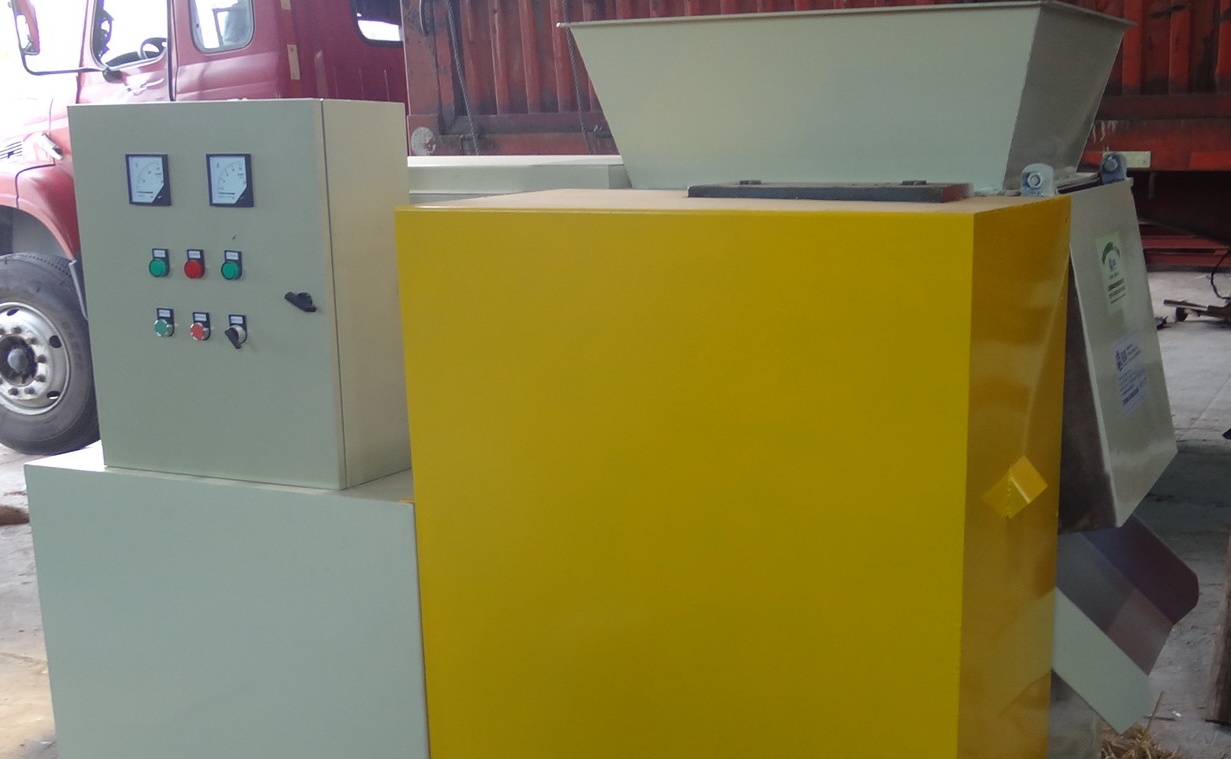
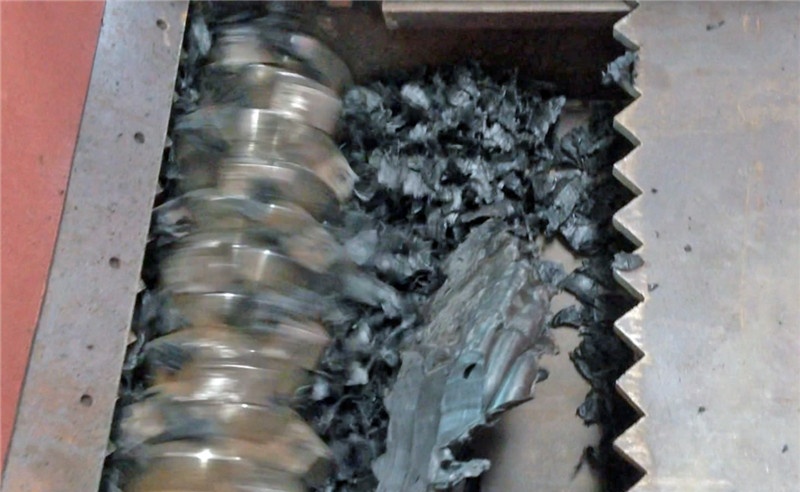
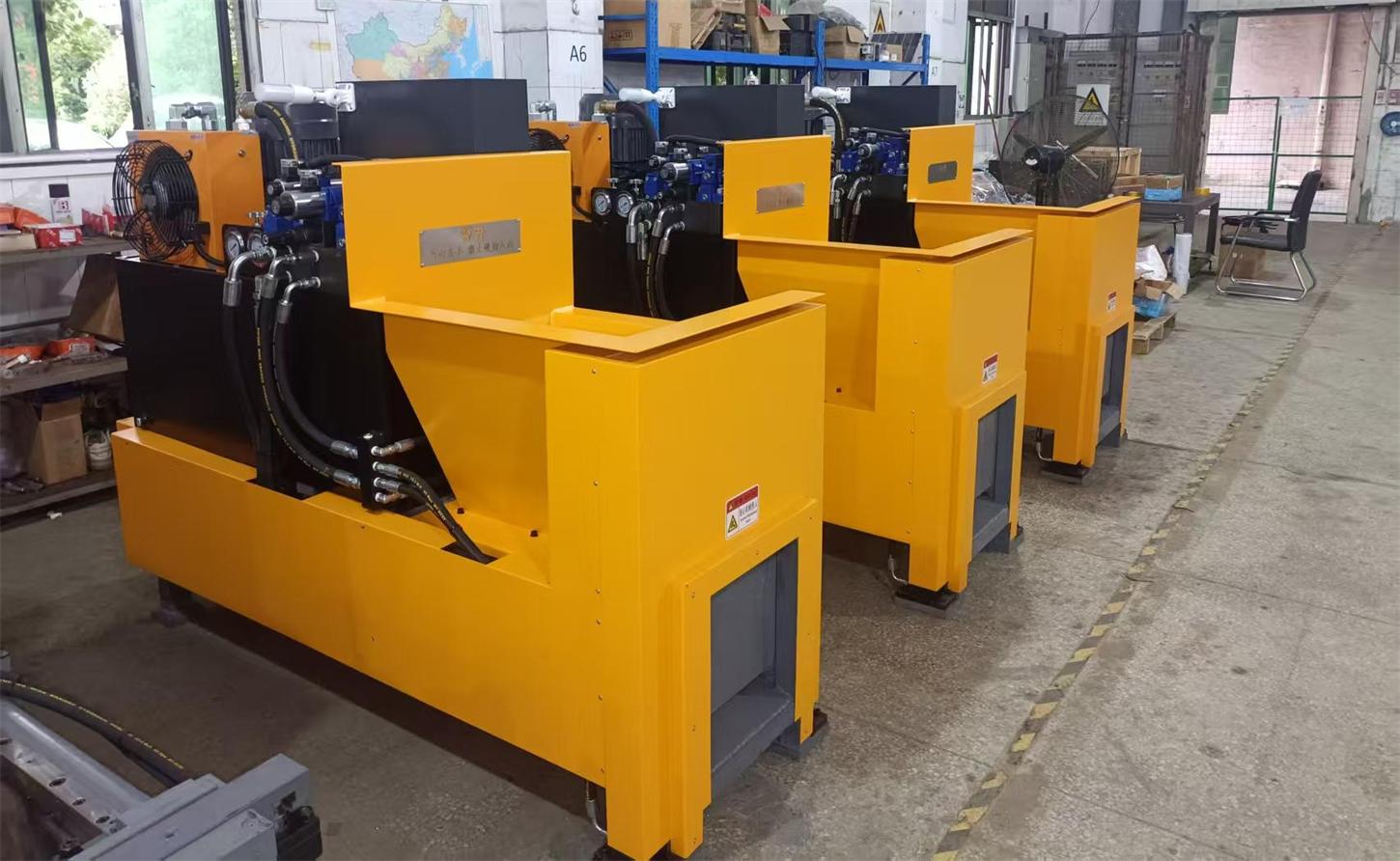
Before materials reach the main recycling line, shredders and pre-choppers reduce bulky items to manageable sizes. Four-shaft shredders handle mixed e-waste—including refrigerators, washing machines, and batteries—at 4–6 metric tons per hour. Hydraulic briquetters compress loose metal chips into dense blocks for easier transport, while air pollution control systems and water treatment plants keep the facility compliant with environmental rules.
What to Look for in an Equipment Partner
Buying recycling machinery is a long-term decision. Here are practical criteria to evaluate:
Process knowledge. A supplier should understand not just how to build a machine, but how the entire recovery process works. This matters when you need to adjust settings for different feedstock or troubleshoot recovery rates.
Customization. No two recycling projects are identical. Your supplier should offer customized designs based on your material sources, target capacity, and local environmental requirements.
Full project support. Look for a partner who provides engineering, installation, commissioning, and after-sales support—not just a box of equipment.
Proven international experience. A manufacturer with active customers across multiple continents has likely solved a wider range of operational challenges.
San Lan Technologies: Equipment and Partnership
Since 2007, San Lan Technologies Co., Ltd has manufactured e-waste recycling machinery and mining equipment for operators in over 21 countries. Based in Jiangxi Province, China, the company supplies complete plant solutions covering lead acid battery recycling, lithium battery recycling, cable recycling, circuit board recycling, refrigerator and AC recycling, motor recycling, CRT processing, and lamp recycling.
San Lan's engineering team includes mechanical engineering specialists with more than 15 years of hands-on experience in recycling equipment design. The company offers EPC project services—handling engineering, procurement, and construction—so customers can work with a single supplier from plant design through startup. Beyond equipment, San Lan assists customers with waste material sourcing, product sales for recovered commodities like copper and lead ingots, and investor partnerships for new plant projects.
Custom configurations are available across all product lines, with capacities ranging from small pilot plants to large commercial operations. Technical documentation, installation guidance, and ongoing support are provided for every project.
Getting Started
Starting an e-waste recycling business requires capital, permits, and reliable equipment. By focusing on proven machinery and an experienced manufacturing partner, you can reduce project risk and reach profitable operation faster. Define your target feedstock, required capacity, and budget, then work with your equipment supplier to design a plant that matches your local market conditions.
To discuss your project or request a customized equipment proposal, contact San Lan Technologies directly via email at info@san-lan.com or WhatsApp at +86 139 2377 4083.