The global surge in electronic waste has created both a challenge and an opportunity. For entrepreneurs and established businesses entering the recycling sector, the equipment you choose will largely determine your operational efficiency, recovery rates, and long-term profitability. Yet with dozens of manufacturers advertising similar machines, separating genuine capability from marketing noise is not straightforward.
Look for Proven Experience, Not Just a Product Catalog
A supplier that only sells machines sees you as a transaction. A supplier with deep project experience sees you as a partner. When evaluating potential vendors, ask how long they have been designing and commissioning recycling plants, and whether their engineering team has hands-on expertise in your specific material stream.
San Lan Technologies, established in 2007, has spent nearly two decades focused exclusively on WEEE recycling machinery and ore extraction equipment. Their technical team includes mechanical engineers with master's degrees and more than fifteen years of direct experience in e-waste recycling machine design. That depth matters when your production line encounters an unexpected material variation or when you need to optimize throughput without sacrificing recovery purity.
Demand a Complete Process Solution
Fragmented sourcing is expensive. Buying a shredder from one factory, a separator from another, and an exhaust system from a third creates integration risks, incompatible controls, and blurred warranty boundaries. The most reliable suppliers offer end-to-end plant design under one roof.
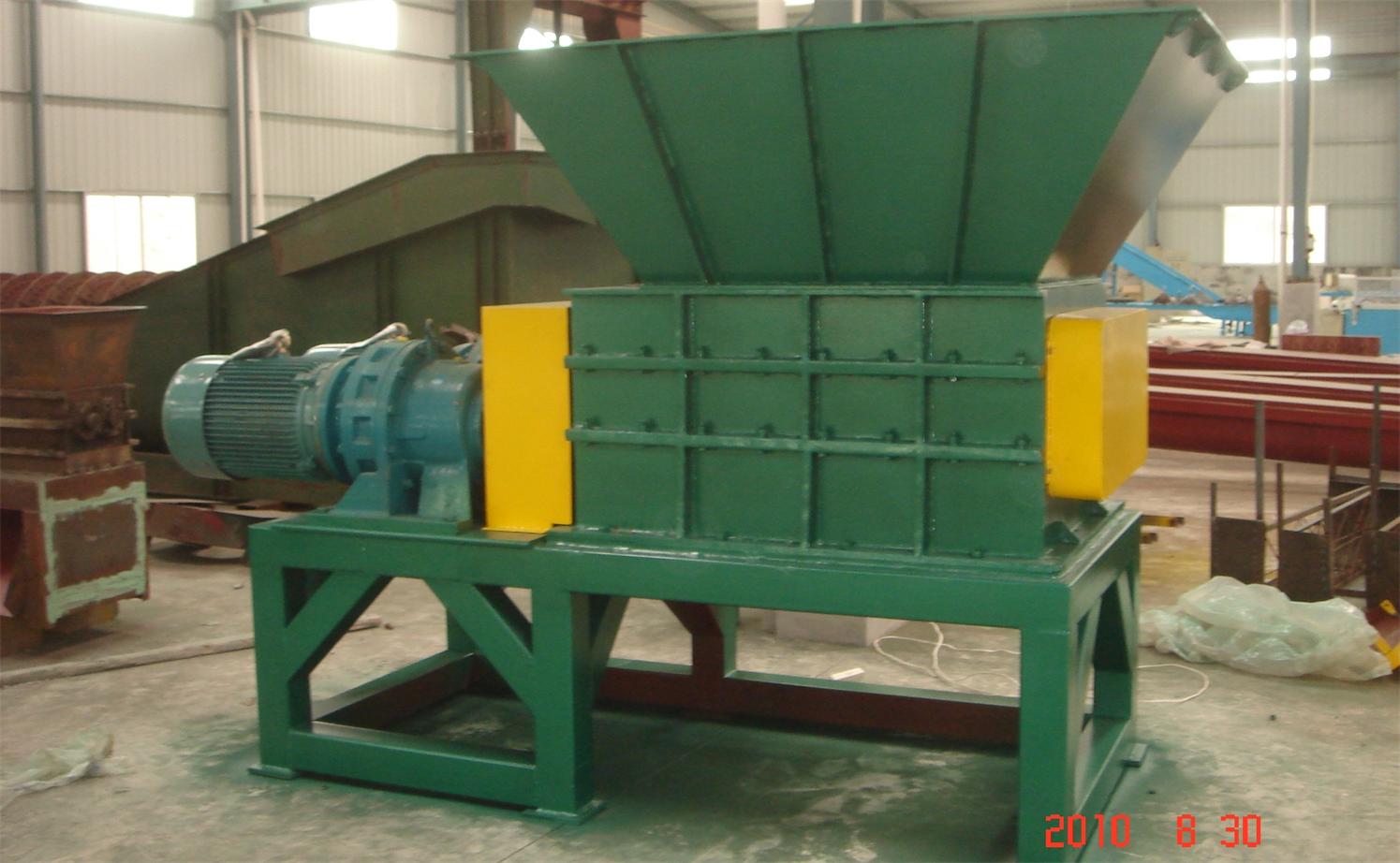
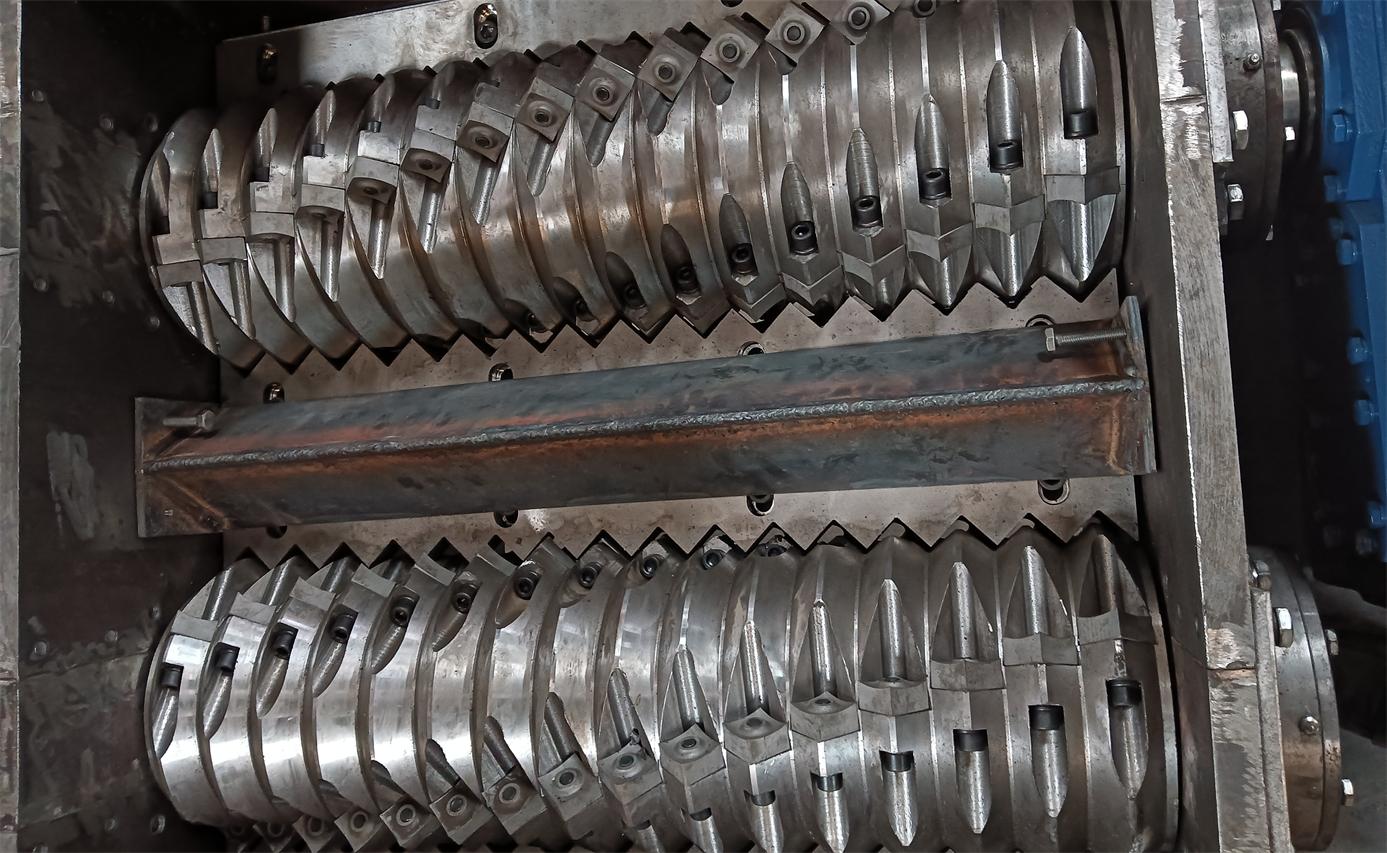
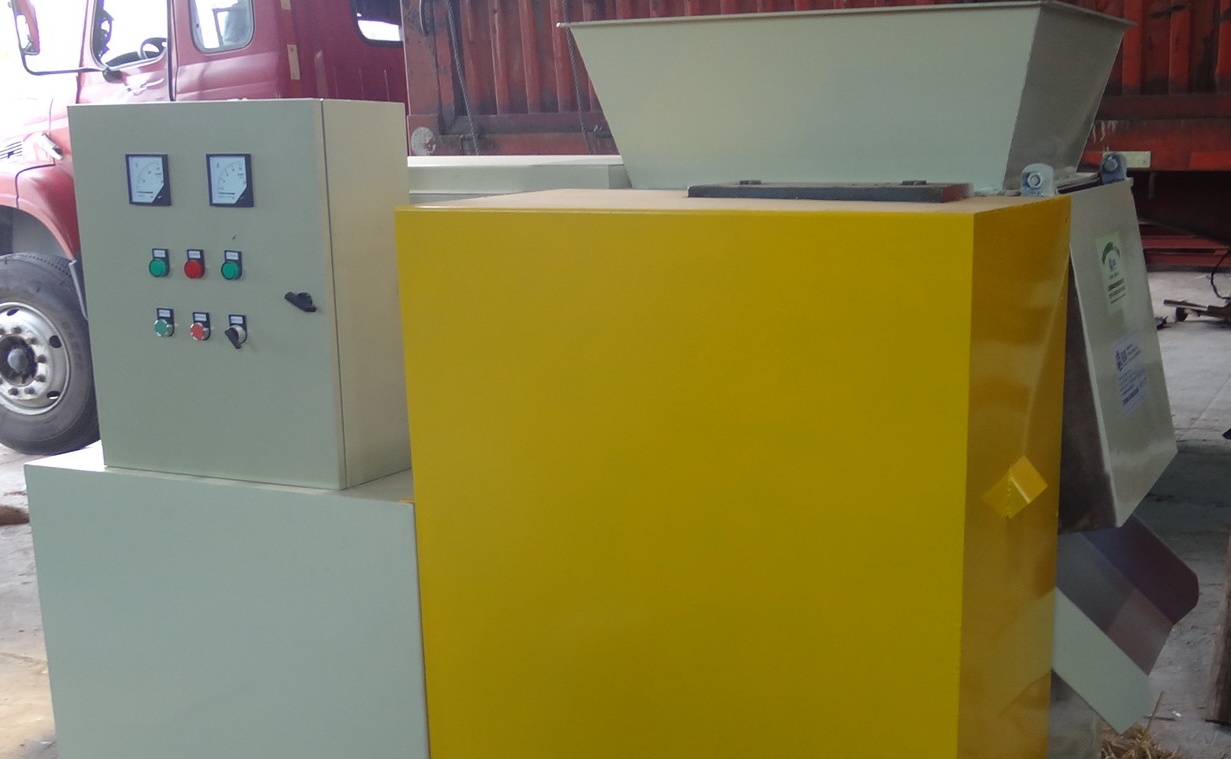
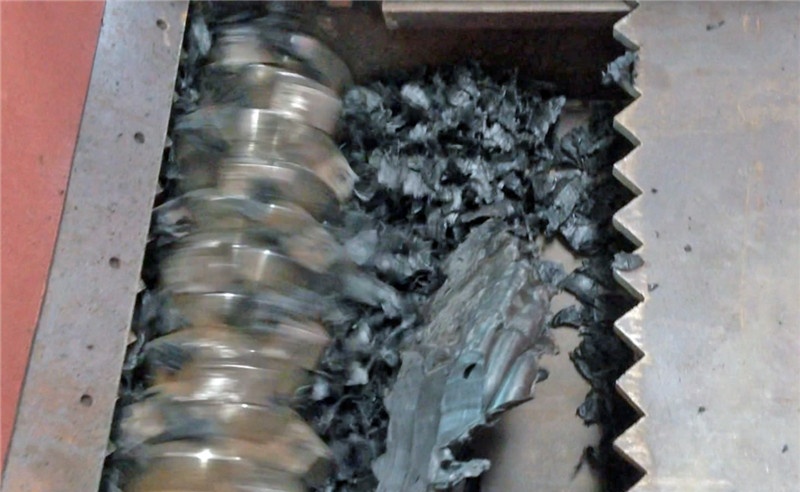
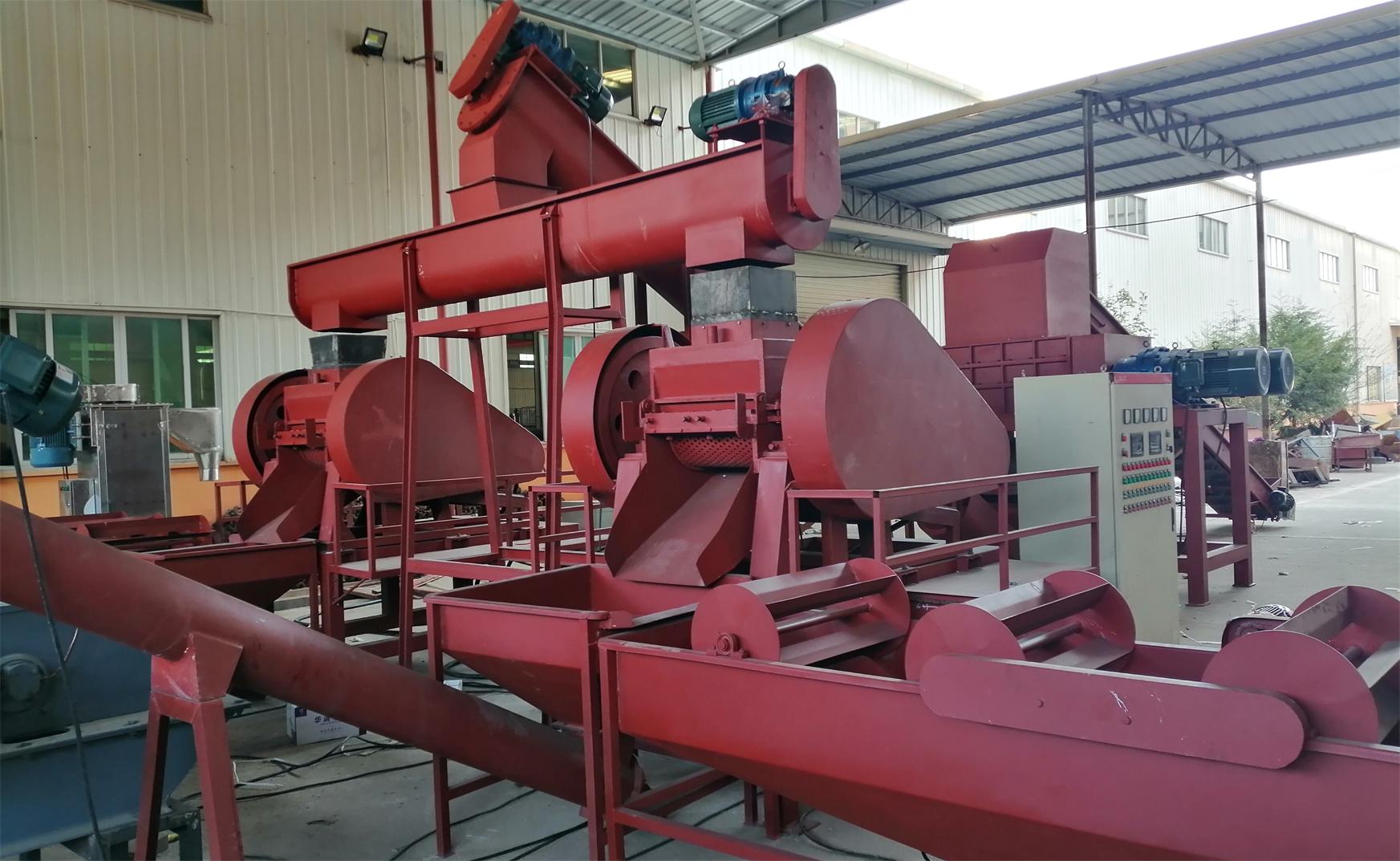
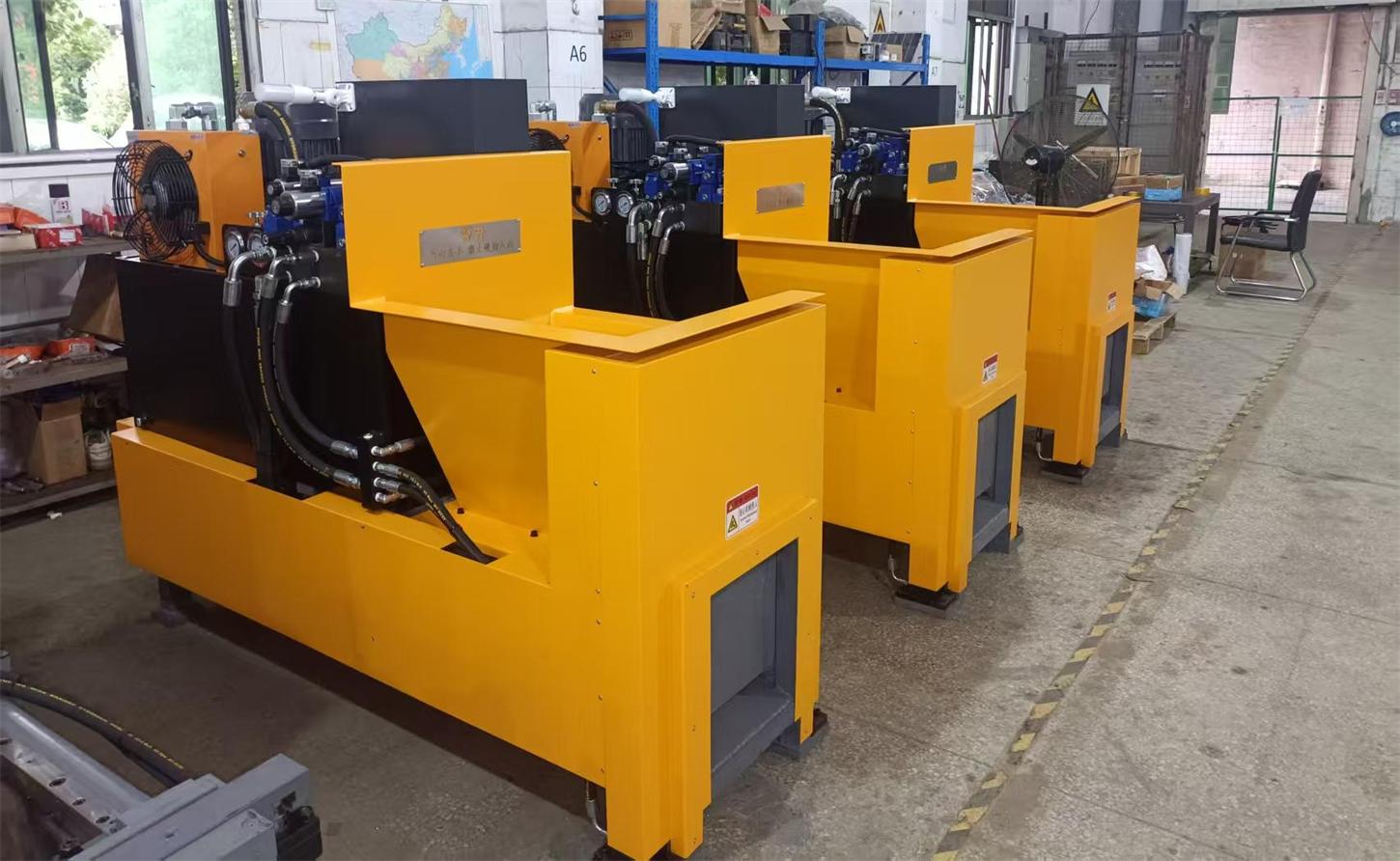
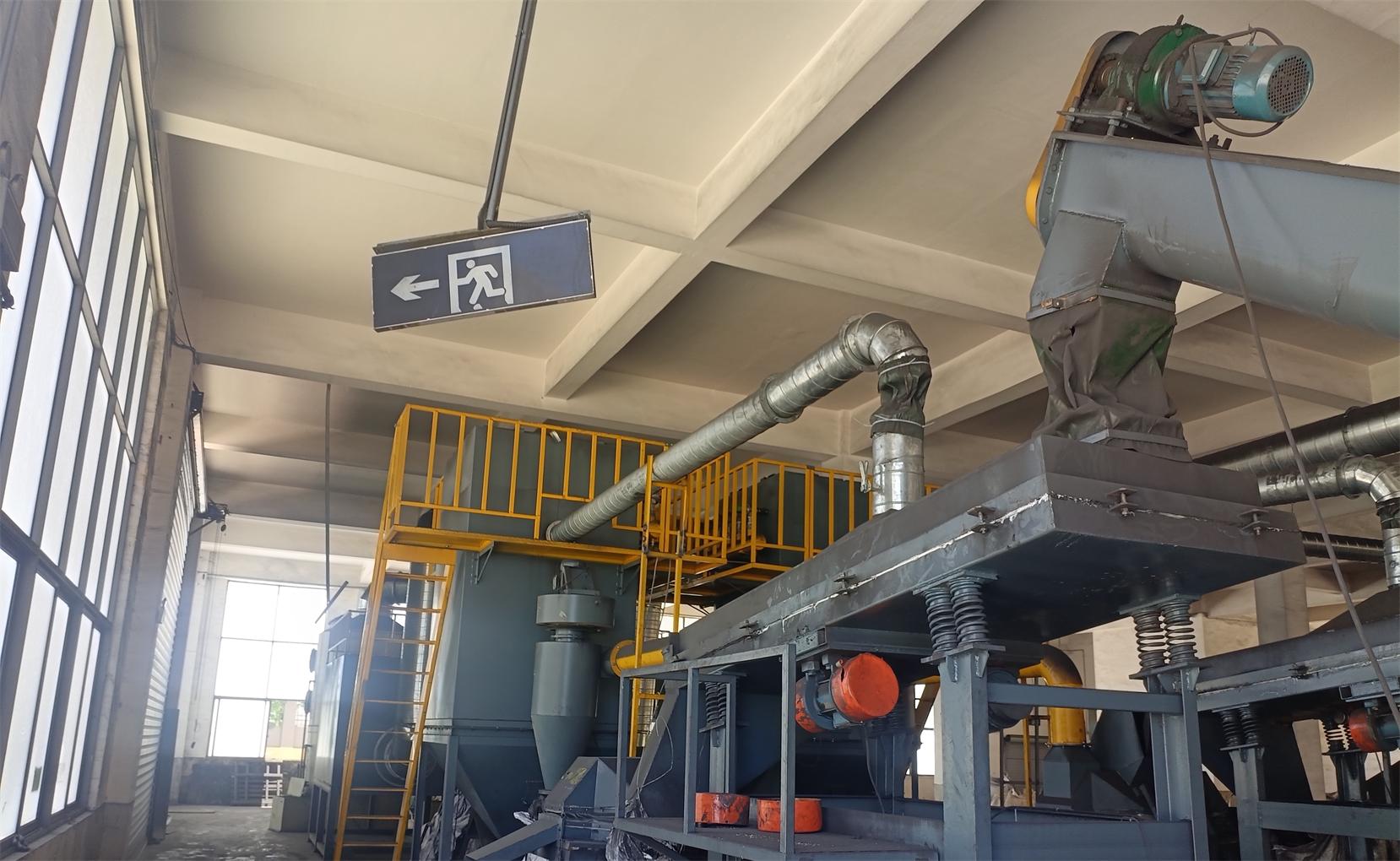
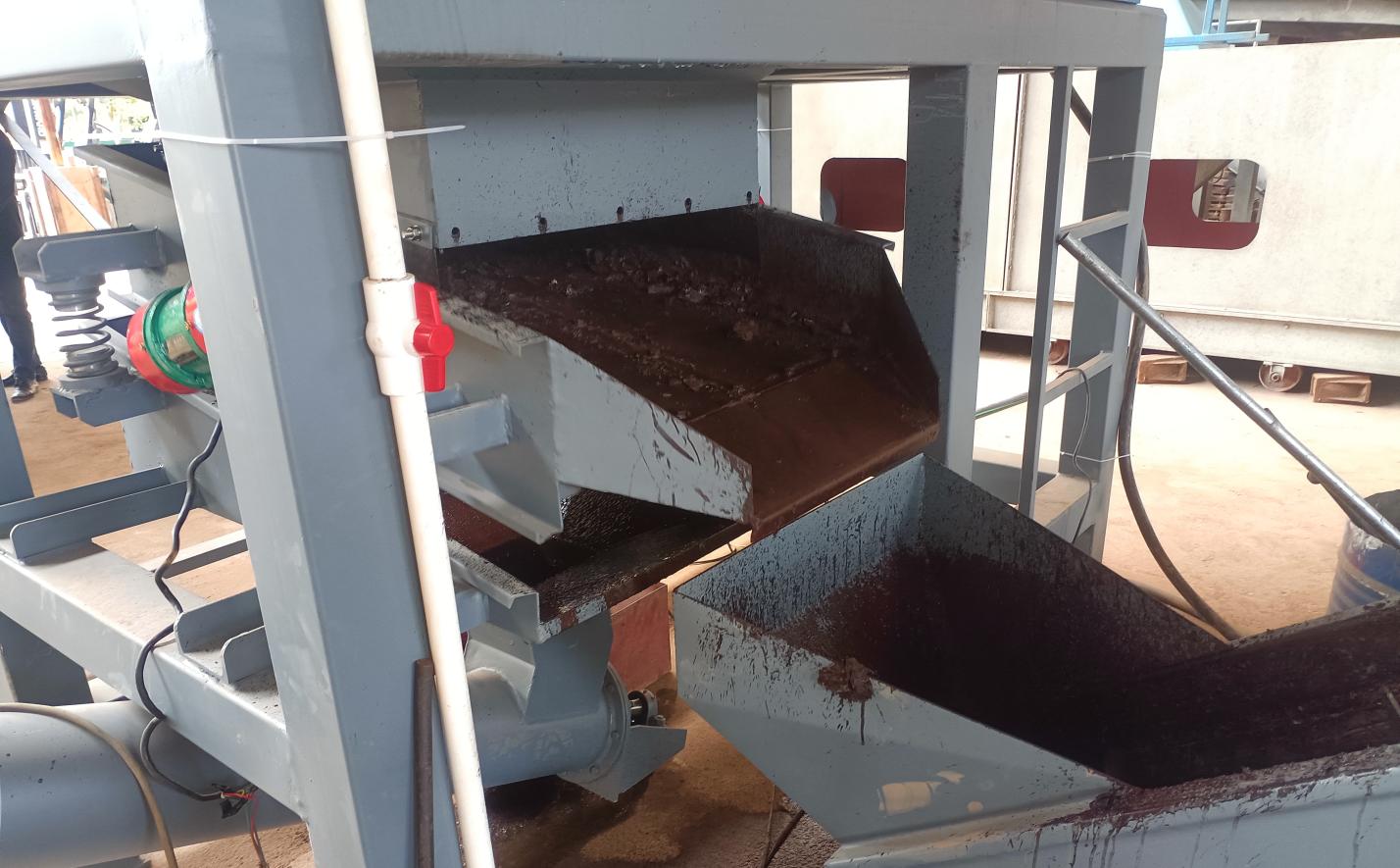
A comprehensive product range is essential whether you are processing lead acid battery recycling equipment, scrap cables, or printed circuit boards. San Lan manufactures integrated plants for each of these waste streams, including breaking and separation systems, smelting furnaces, refinery kettles, air pollution control units, and water treatment plants. For lithium-ion batteries, their lines cover discharging, pre-crushing, secondary granulation, black powder separation, and magnetic recovery. For cable scrap, they supply strippers, granulators, and wet or dry separation systems. This vertical integration means one technical dialogue, one commissioning team, and one accountability chain.
Verify Real-World Performance Data
Request specific metrics: throughput per hour, recovery percentages, and final product purity. A reputable manufacturer should be able to quote these figures for each machine class and explain the testing methodology behind them.
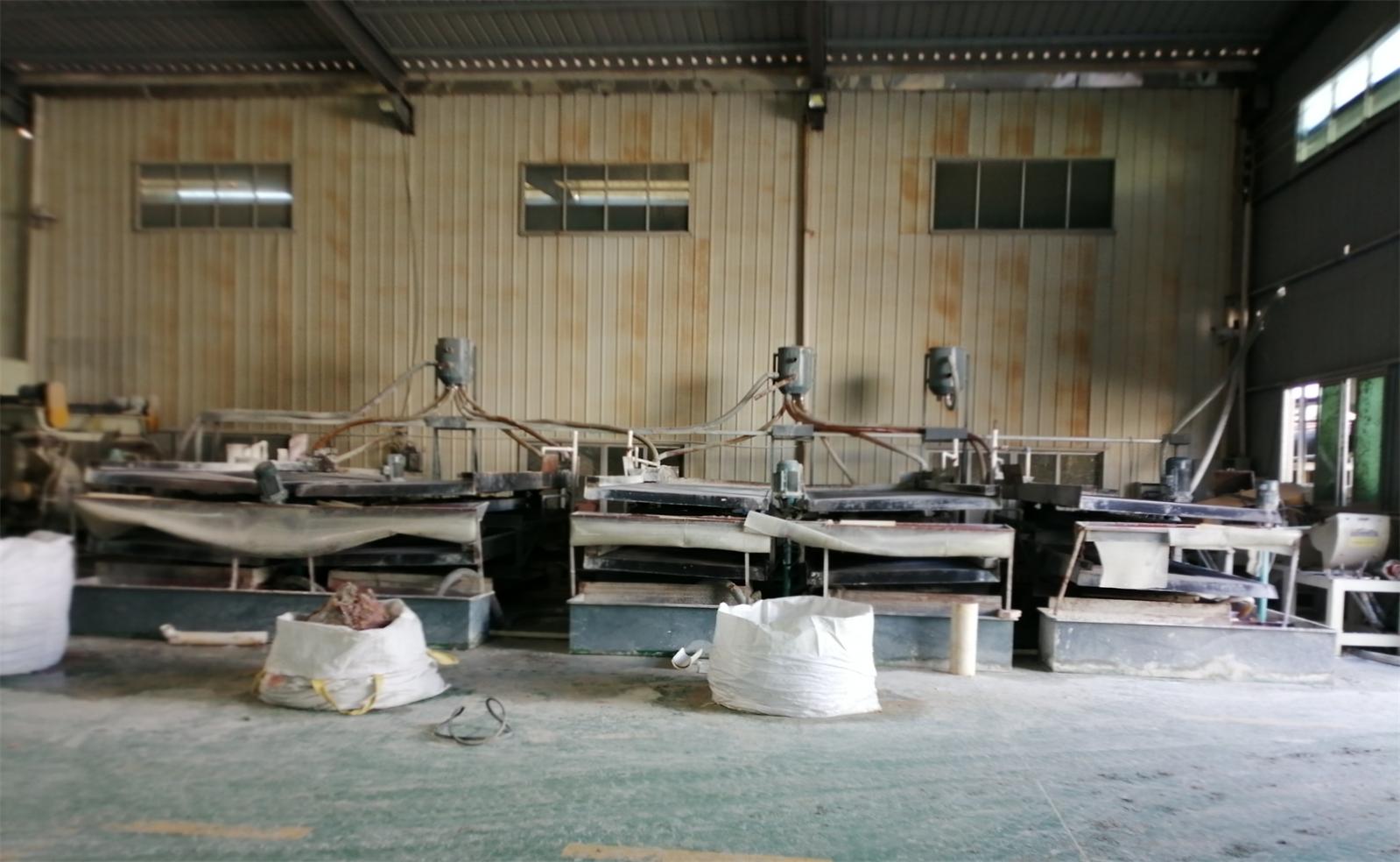
Example specifications from operational plants: San Lan's circuit board recycling plants with dry separators achieve copper powder purity of 96–98 percent at recovery rates around 95 percent. Their lead acid battery breaking systems handle 1–10 metric tons per hour, separating lead paste, lead grids, plastic shells, and acid with high efficiency. Blast furnaces for lead paste reduction operate at up to 1,800°C with lead recovery rates reaching 95 percent. These are not aspirational numbers; they are the benchmarks against which plant performance is measured in the field.
Evaluate Customization and EPC Capability
No two feedstocks are identical. Battery chemistry varies by region, cable insulation formulations differ by manufacturer, and local environmental regulations dictate unique exhaust and effluent standards. Off-the-shelf machinery rarely fits perfectly.
San Lan's project portfolio includes EPC (Engineering, Procurement, Construction) deliveries with customized design work. They have built turnkey plants across more than twenty-one countries, adapting layouts to local building codes, power supplies, and climate conditions. If your operation requires a specific capacity adjustment, an unusual material mix, or integration with existing infrastructure, a supplier accustomed to bespoke engineering will save you months of retrofitting headaches.
Check for Downstream Support
The best equipment supplier does not disappear after commissioning. Look for partners who understand the business model, not just the mechanics. Can they advise on feedstock sourcing? Do they have a network to help you sell recovered commodities such as copper rice, lead ingots, or aluminum fractions?
San Lan actively assists customers with purchasing waste materials including cable scrap, PCB scrap, and used lead acid batteries. They also help connect plant operators with buyers for recovered outputs. That commercial perspective turns a simple machine vendor into a genuine business partner. In addition, they seek investors and co-operation partners for recycling plant construction, offering an entry path for entrepreneurs who have capital and market access but need technical execution.
Environmental Compliance Is Non-Negotiable
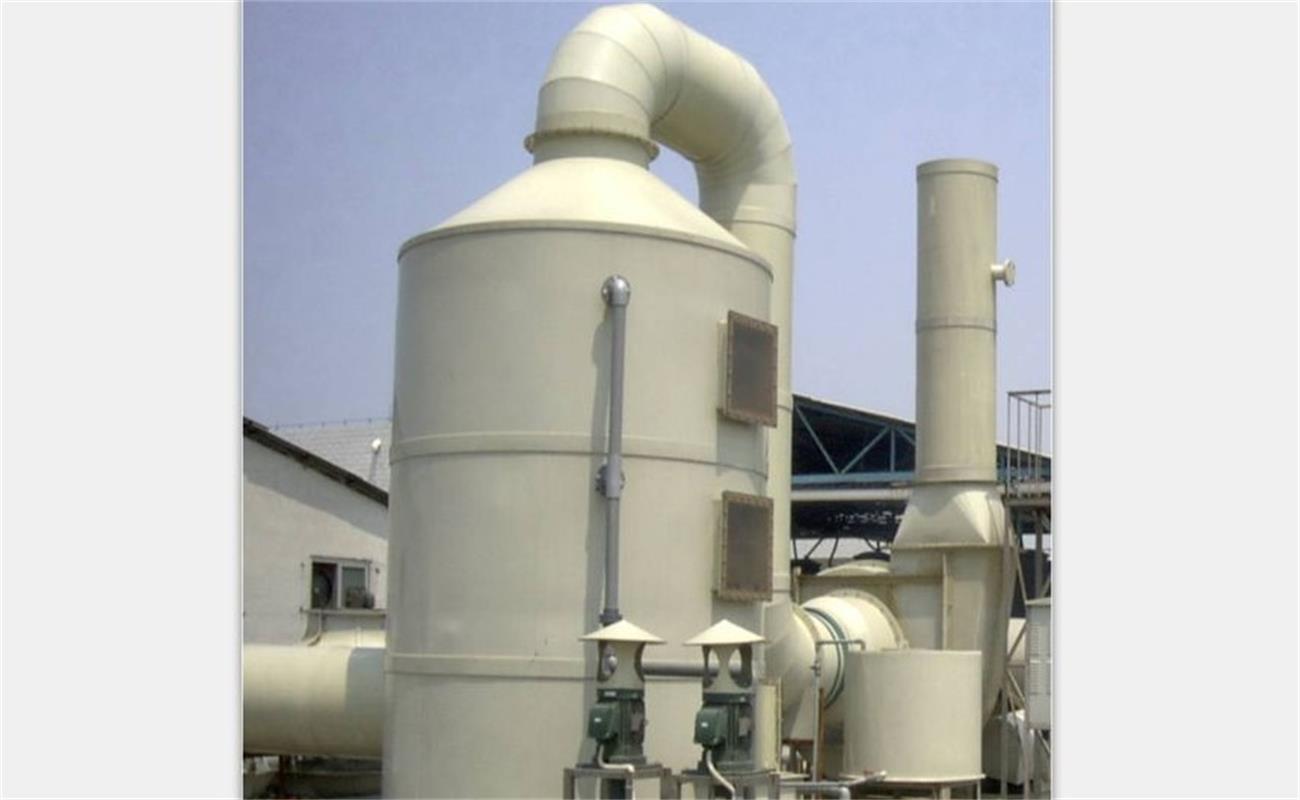
Modern recycling plants must satisfy strict emissions and effluent regulations. A supplier that treats pollution control as an afterthought exposes your operation to shutdown risk and liability. Insist on integrated environmental systems: dust collection, gas scrubbing, acid neutralization, and wastewater treatment.
San Lan's plants include dedicated air pollution control systems for both lead battery and lithium battery recycling lines, de-sulfurization units that reduce SO2 emissions while lowering smelting energy consumption, and water treatment plants that handle acidic effluent from breaking-separation processes. These systems are not optional add-ons; they are engineered into the plant flowsheet from the initial design stage.
Assess Communication and After-Sales Accessibility
International equipment procurement lives or dies on communication clarity. Time zone delays, language barriers, and vague technical responses can stall a project for weeks. Before placing an order, test how responsive the supplier is to detailed technical questions.
San Lan's team is bilingual in English and Chinese, with direct contact channels including WhatsApp, WeChat, Skype, email, and phone. Their international customer base spans Singapore, Colombia, Vietnam, Mexico, Argentina, Korea, Malaysia, Indonesia, South Africa, Tunisia, India, Kenya, Saudi Arabia, the Philippines, Zambia, Israel, and beyond. That geographic diversity is evidence of a communication infrastructure that functions across borders.
Match the Product Line to Your Growth Plan
Your first plant may focus on one waste stream, but diversification often follows once cash flow stabilizes. Choosing a supplier with a broad technology portfolio makes expansion far easier because you already understand their control philosophy, spare parts logistics, and service culture.
Beyond cable recycling equipment and battery processing lines, San Lan also manufactures circuit board recycling plants with both wet and dry separation technologies, refrigerator and air conditioner recycling systems with refrigerant extraction and polyurethane recovery, CRT cutters for monitor glass separation, motor stator dismantling equipment, lamp recycling machines with mercury capture, and even lithium ore extraction plants for the mining sector. Whether your next move is into circuit board recycling equipment or into primary resource extraction, the engineering knowledge base remains the same.
Building a recycling plant is a capital decision that will shape your business for the next decade. The right supplier brings more than steel and motors; they bring process knowledge, regulatory awareness, and a willingness to stand beside you after startup. If you are evaluating lead acid battery recycling equipment, cable granulation systems, or any other e-waste processing line, start the conversation with a team that has delivered real plants to real operators across four continents. Reach out to San Lan Technologies via WhatsApp at +86 139 2377 4083, email at info@san-lan.com, or visit www.san-lan.com to discuss your project requirements.