How to Choose the Right E-Waste Recycling Equipment Supplier for Your Business
The global surge in electronic waste has created both an environmental challenge and a business opportunity. For entrepreneurs and established companies looking to enter the recycling industry, selecting the right equipment supplier is a decision that directly impacts profitability, operational efficiency, and long-term success.
Whether you are planning to process used lead acid batteries, recover copper from scrap cables, or extract precious metals from circuit boards, the quality and reliability of your machinery determine your output purity, throughput capacity, and compliance with environmental regulations. This guide outlines the key factors to evaluate when choosing an e-waste recycling equipment supplier, with practical insights drawn from industry best practices.
1. Technical Expertise and Industry Experience
Recycling machinery is not a one-size-fits-all purchase. Lead acid battery recycling equipment requires completely different crushing, separation, and smelting processes compared to lithium-ion battery systems. A supplier with deep technical expertise understands these nuances and can recommend the right configuration for your feedstock.
Look for manufacturers whose engineering teams have hands-on experience in mechanical design and process optimization. Suppliers with over 15 years of focused experience in e-waste recycling machines typically have refined their designs through real-world feedback, resulting in more reliable equipment and fewer commissioning delays.
2. Comprehensive Product Range and Customization
A supplier that offers a broad portfolio of recycling solutions can serve as a one-stop purchasing center for your project. This simplifies procurement, ensures equipment compatibility, and often leads to better overall pricing. Key product categories to look for include:
Battery recycling plants for both lead acid and lithium-ion chemistries
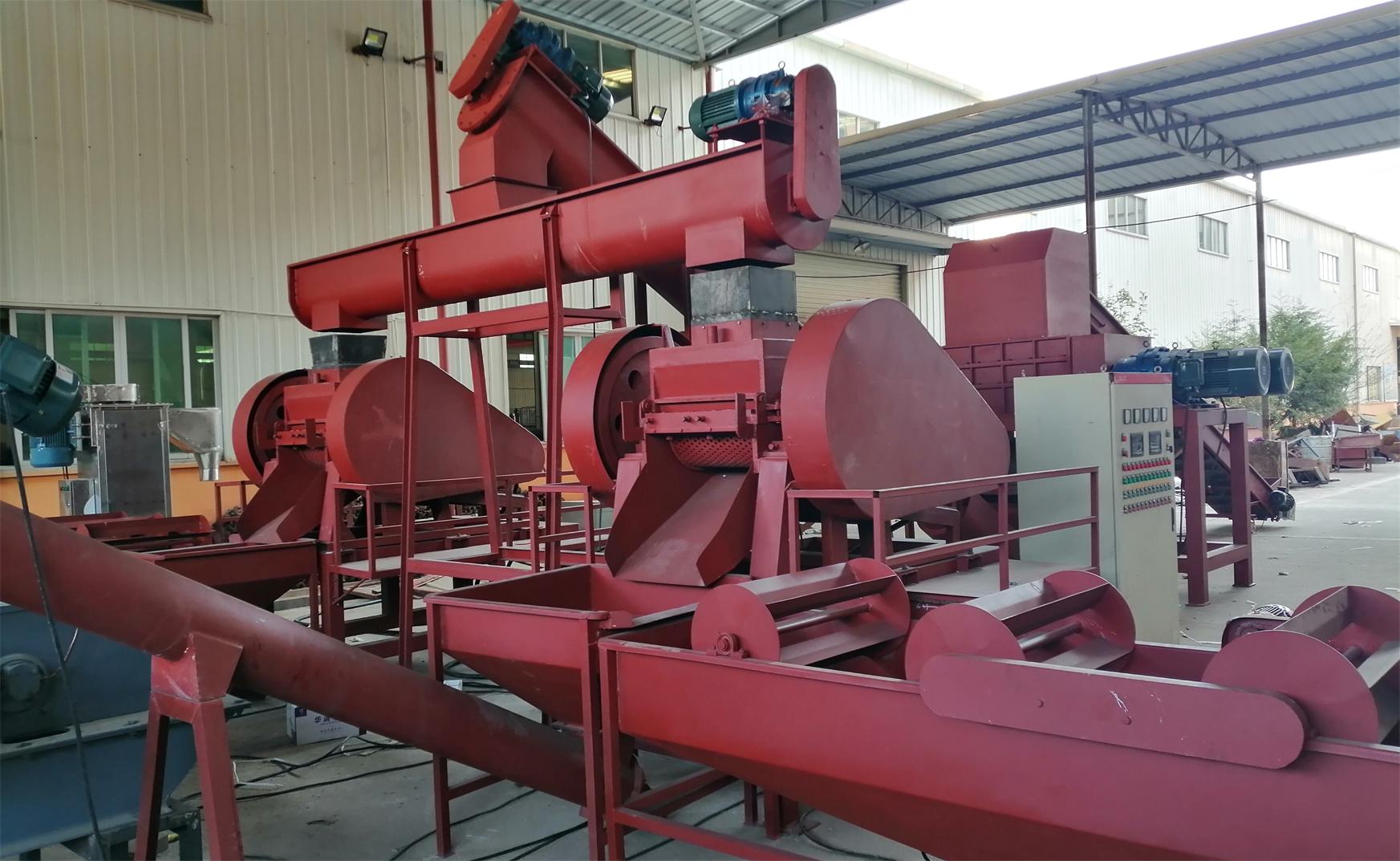
Cable recycling equipment with dry or wet separation technology
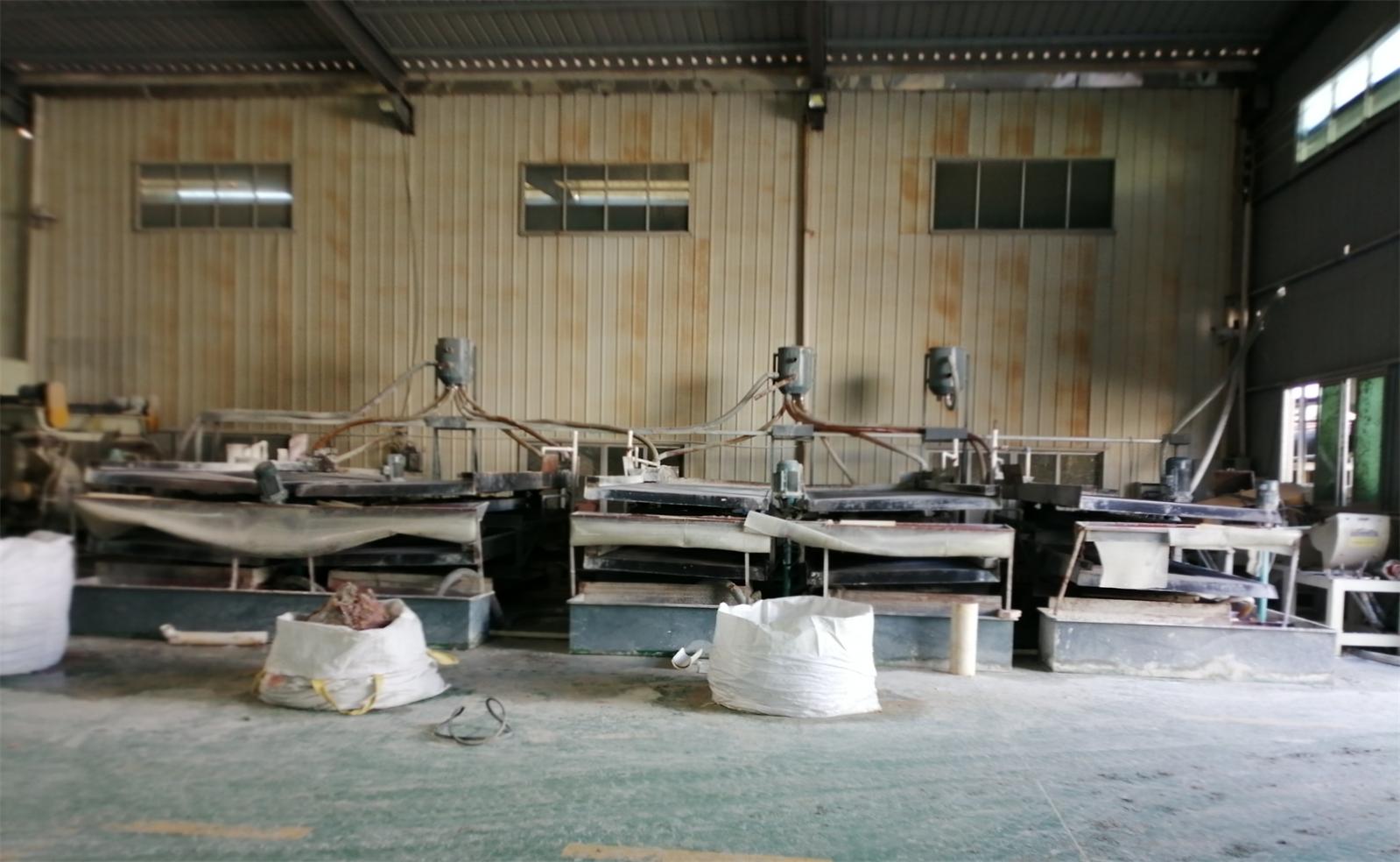
Circuit board recycling equipment for copper powder and precious metal recovery
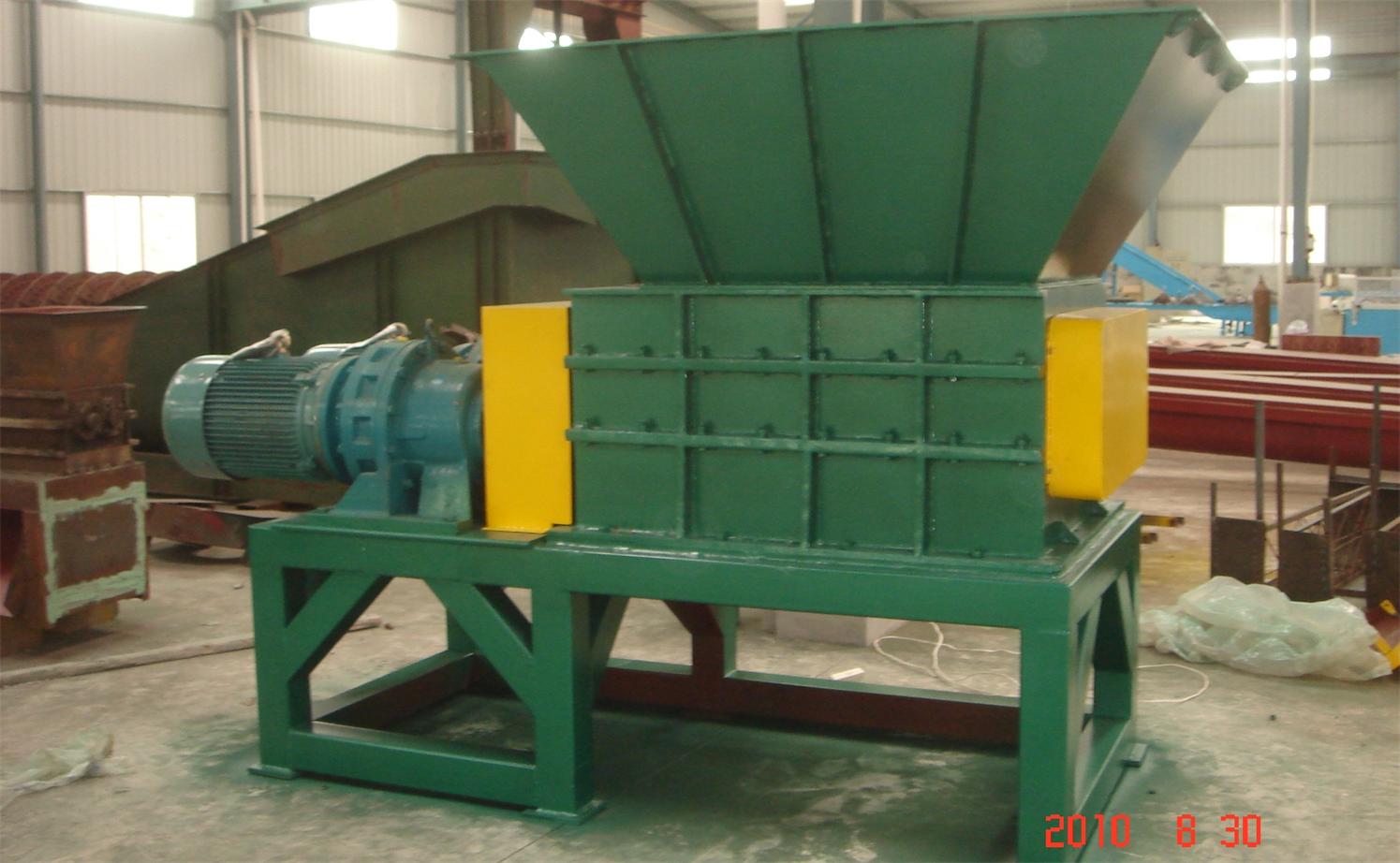
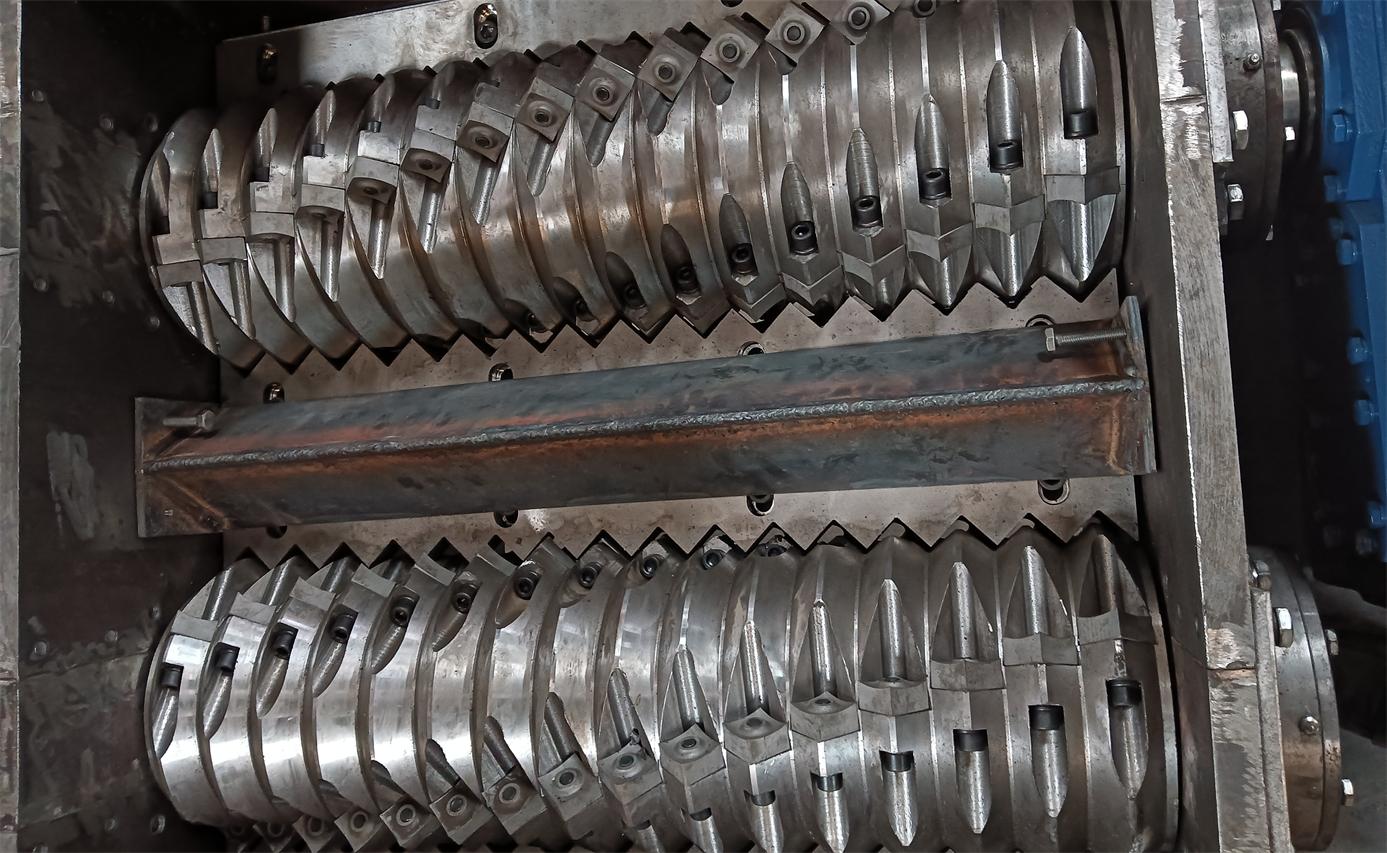
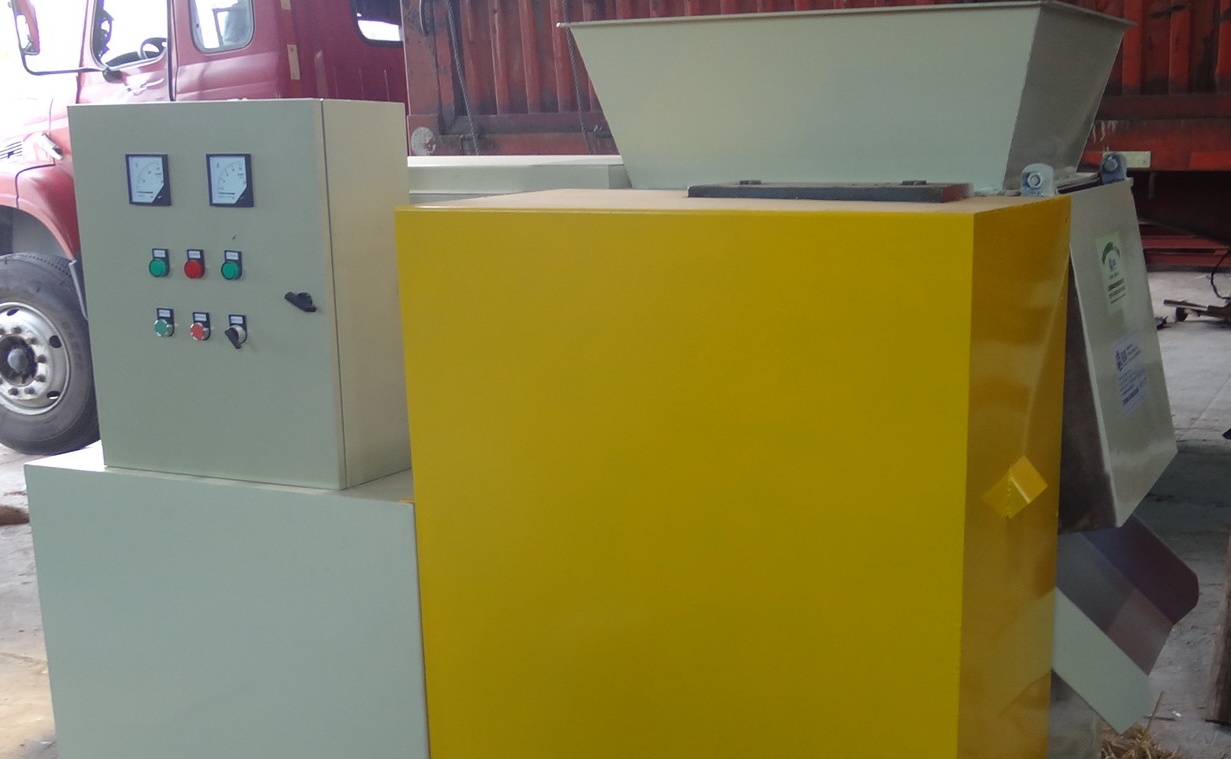
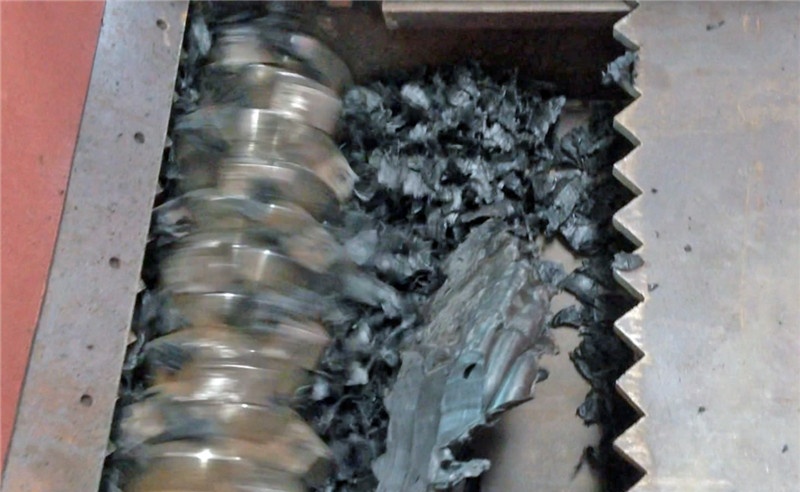
Shredders and pre-choppers for size reduction
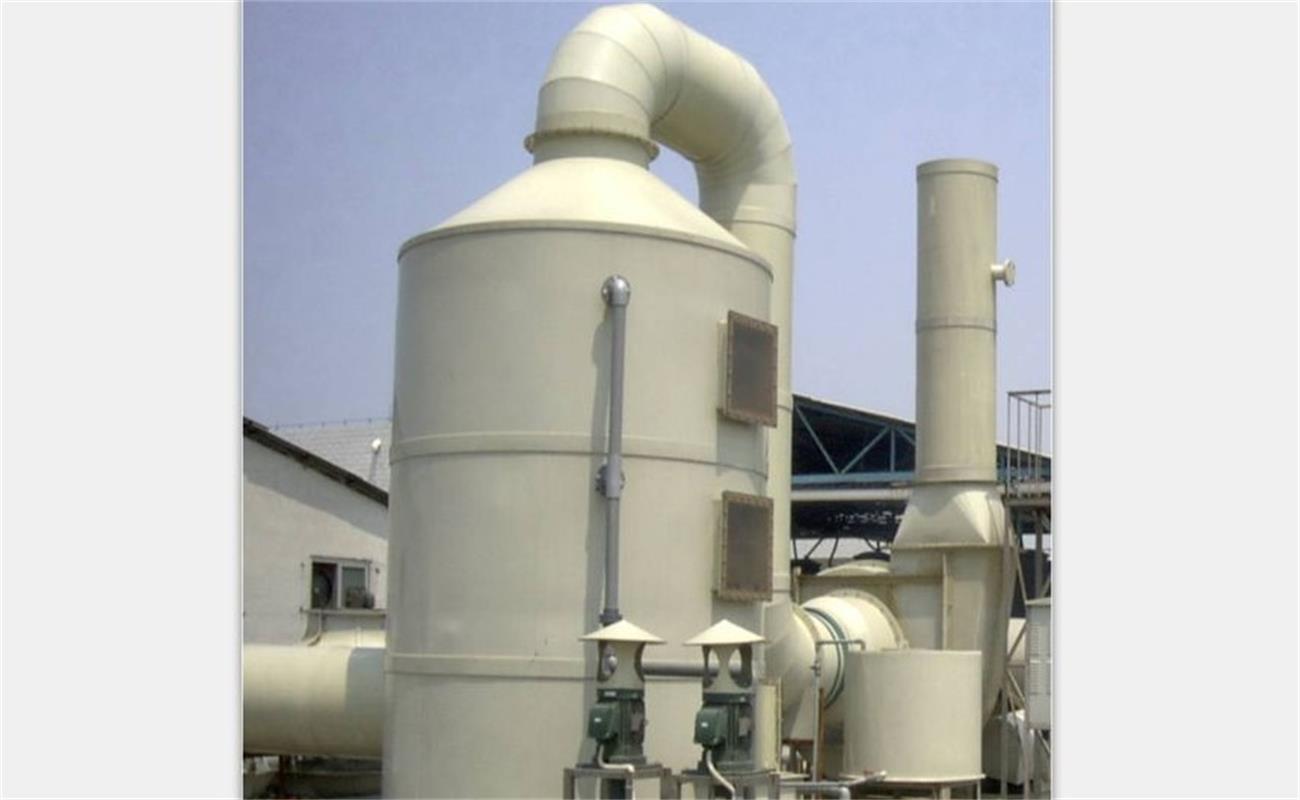
Auxiliary systems such as air pollution control and water treatment
Customization capability is equally important. Your feedstock composition, desired capacity, and local environmental regulations may require modifications to standard designs. Suppliers that offer tailored engineering, procurement, and construction (EPC) services can deliver turn-key plants that match your specific requirements.
3. Proven Track Record and Global Reach
A supplier's customer list speaks volumes about their reliability. Manufacturers with installations across 20 or more countries have demonstrated their ability to meet diverse regulatory standards, voltage requirements, and operational conditions. International experience also indicates that the supplier understands export logistics, documentation, and after-sales support for overseas clients.
What a Strong Global Presence Indicates
Experience with different raw material sources and compositions
Familiarity with local environmental compliance standards
Established supply chain for spare parts and consumables
Ability to provide on-site installation and commissioning support
4. Environmental Compliance and Safety Systems
Modern recycling plants must meet strict emission and effluent standards. Reputable suppliers integrate pollution control systems directly into their plant designs rather than treating them as afterthoughts. For lead acid battery recycling, this includes acid neutralization, SO2 scrubbing, and dust collection. For lithium battery processing, gas absorption and neutralization systems are essential due to the volatile electrolytes involved.
Ask potential suppliers for documentation on emission control performance, energy consumption benchmarks, and waste water treatment capabilities. Equipment that helps you stay ahead of regulatory requirements protects your license to operate and reduces the risk of costly retrofits.
5. After-Sales Support and Value-Added Services
The relationship with your equipment supplier should not end at delivery. Installation supervision, operator training, and responsive technical support are critical during the first months of operation. Some suppliers go further by offering value-added services that accelerate your path to profitability:
Assistance sourcing waste material such as cable scrap, PCB scrap, or used batteries
Support selling recycled outputs like copper rice, lead ingots, or black mass
Guidance on plant construction financing and investor partnerships
Strategic advice on scaling from initial operations to business development
These services are especially valuable for first-time entrants to the recycling industry who may lack established supply and offtake relationships.
Making the Right Choice for Long-Term Growth
Investing in e-waste recycling equipment is a long-term commitment. The right supplier acts as a technical partner rather than merely a vendor. By evaluating candidates on engineering depth, product breadth, international experience, environmental compliance, and post-sale support, you position your recycling business for sustainable growth.
Companies that have built their reputation over nearly two decades of continuous operation, with installations spanning Asia, Africa, the Americas, and the Middle East, offer the kind of stability and expertise that reduces project risk. When your supplier has already solved the technical challenges you are about to face, you benefit from proven solutions rather than experimental prototypes.
Ready to Start Your Recycling Project?
If you are evaluating lead acid battery recycling equipment, cable recycling equipment, or circuit board recycling equipment for your next venture, take the time to compare suppliers on the criteria above. Request detailed quotations, ask for reference customers in your region, and discuss your specific feedstock and capacity goals. A knowledgeable supplier will welcome these questions and provide clear, specific answers that help you make an informed decision.