The global e-waste recycling market is expanding rapidly as governments tighten environmental regulations and businesses recognize the economic potential of recovering valuable materials from discarded electronics. Whether you are planning to process used batteries, scrap cables, or circuit boards, selecting a reliable equipment supplier is one of the most critical decisions you will make.
Understanding the Core Recycling Streams
Electronic waste covers a broad range of materials, each requiring specialized processing technology. The three most profitable segments for recycling entrepreneurs are lead acid batteries, copper cables, and printed circuit boards (PCBs). Each stream demands distinct machinery configurations to achieve high recovery rates and environmental compliance.
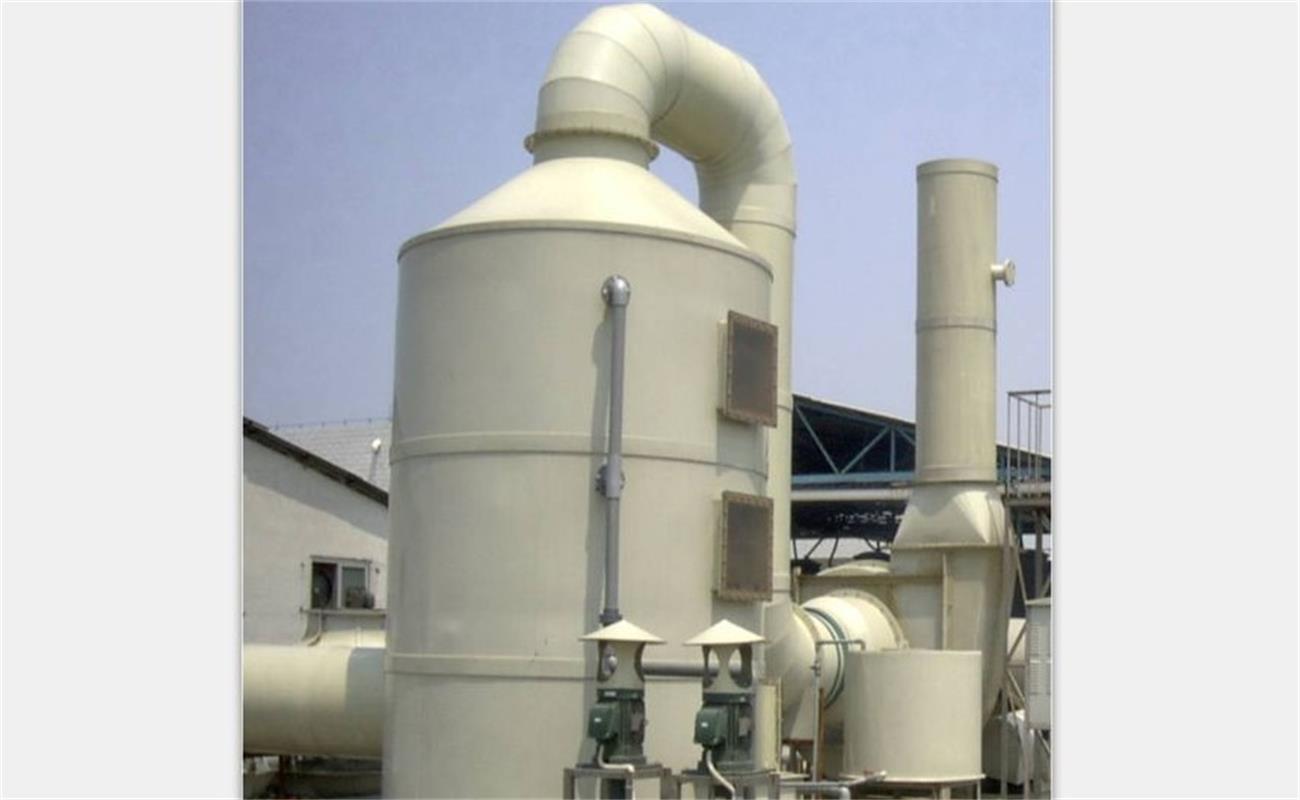
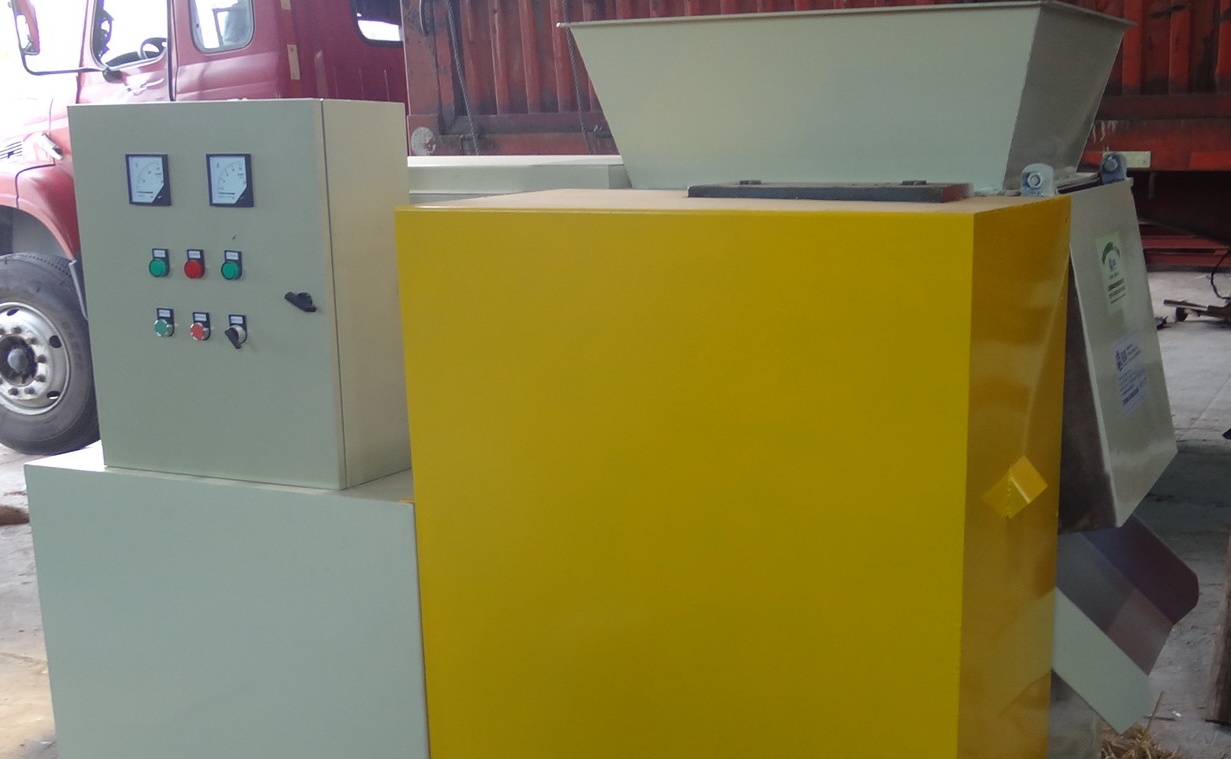
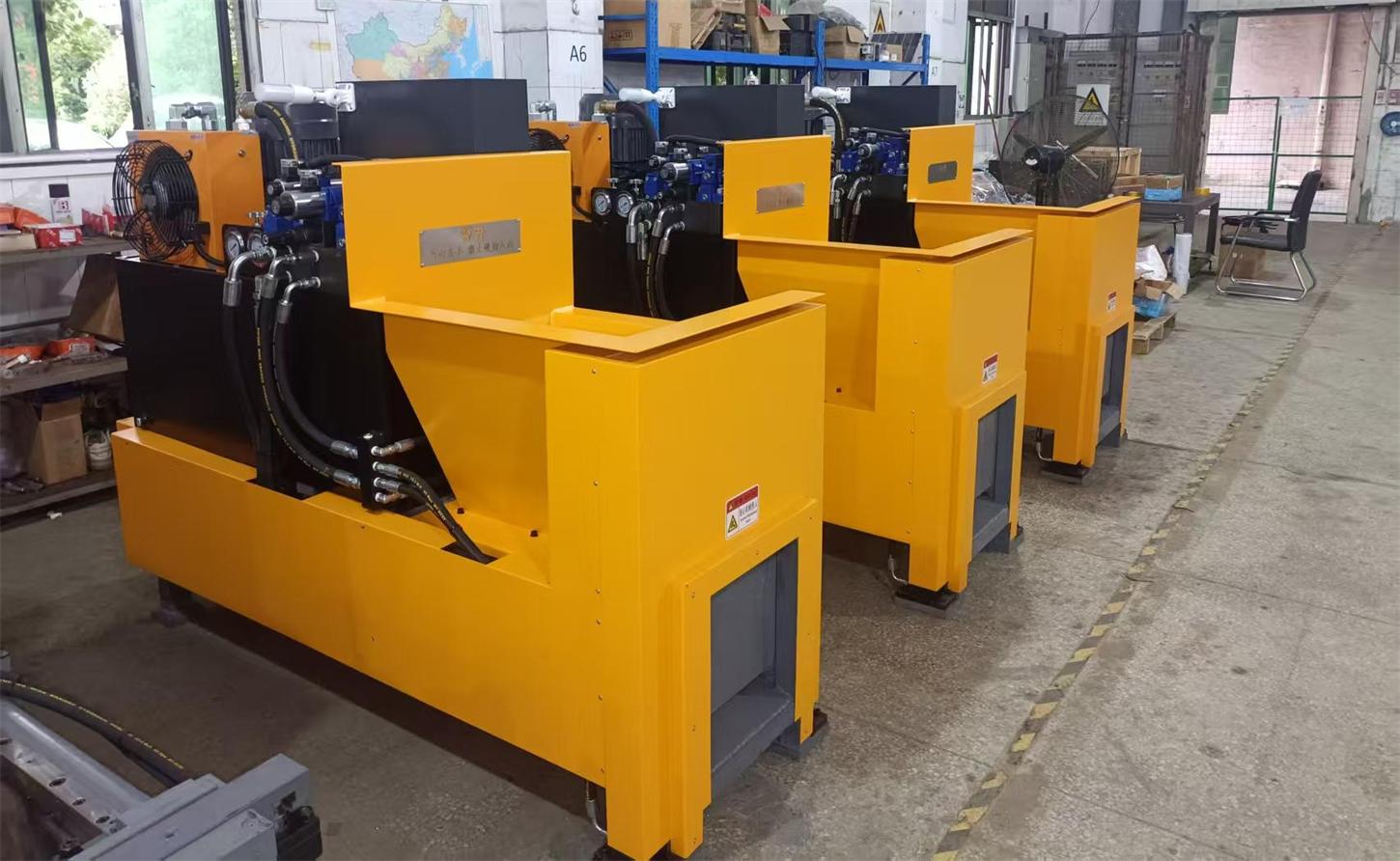
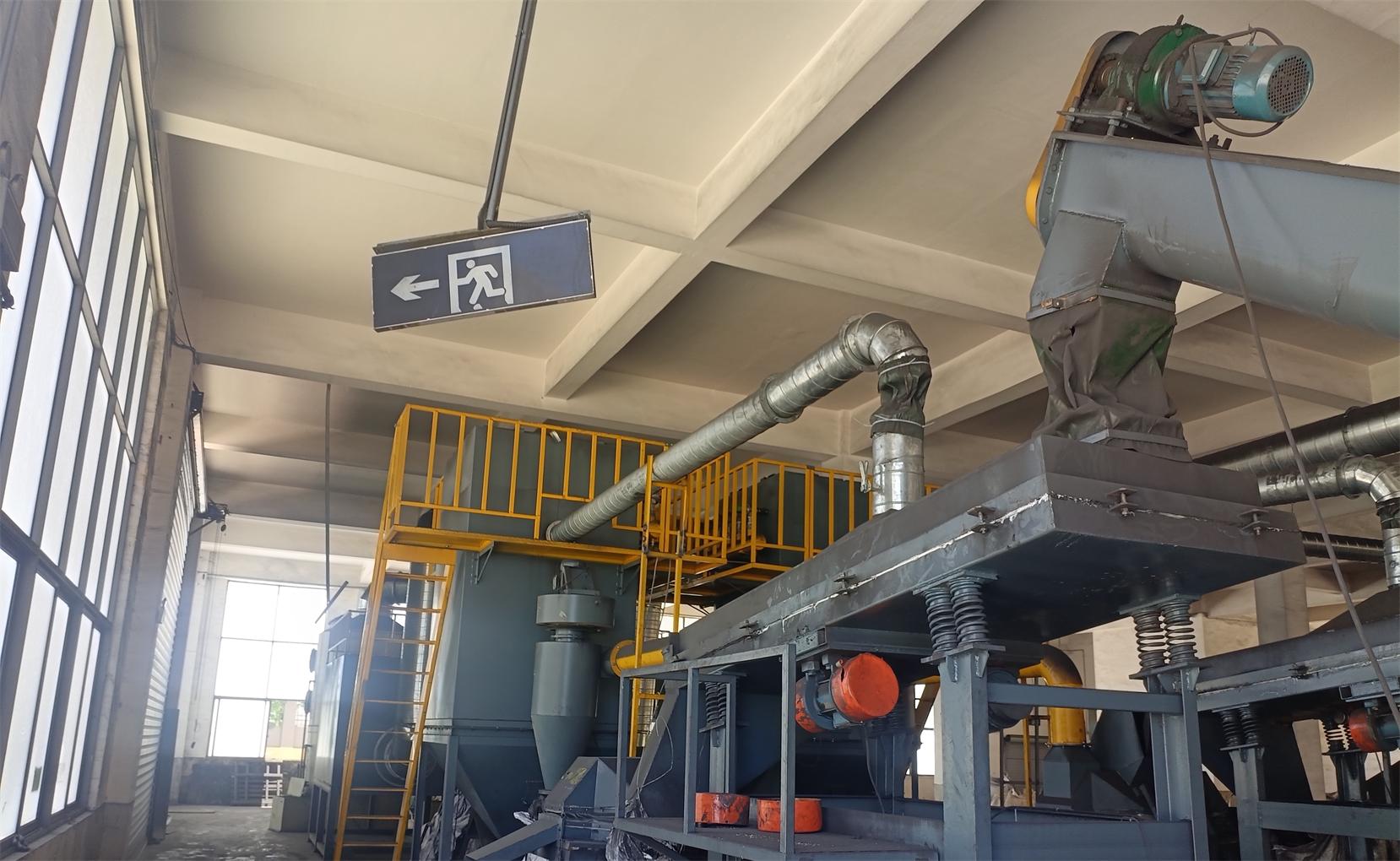
For lead acid batteries, a complete plant typically includes a breaking and separation system, desulfurization unit, smelting furnace, and air pollution control system. Lead acid battery recycling equipment must handle sulfuric acid safely while recovering lead paste, lead grids, and plastic casings with minimal emissions.
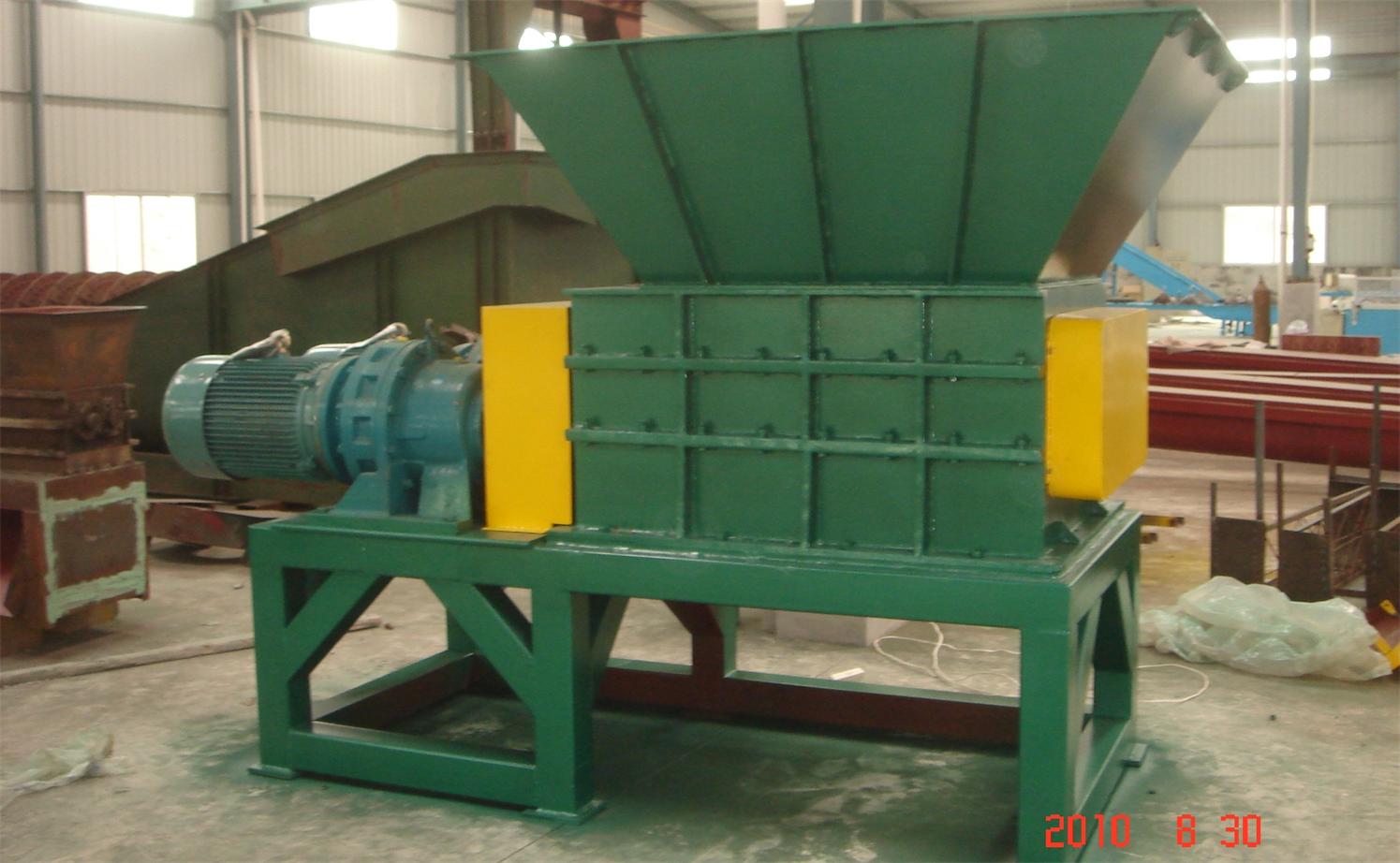
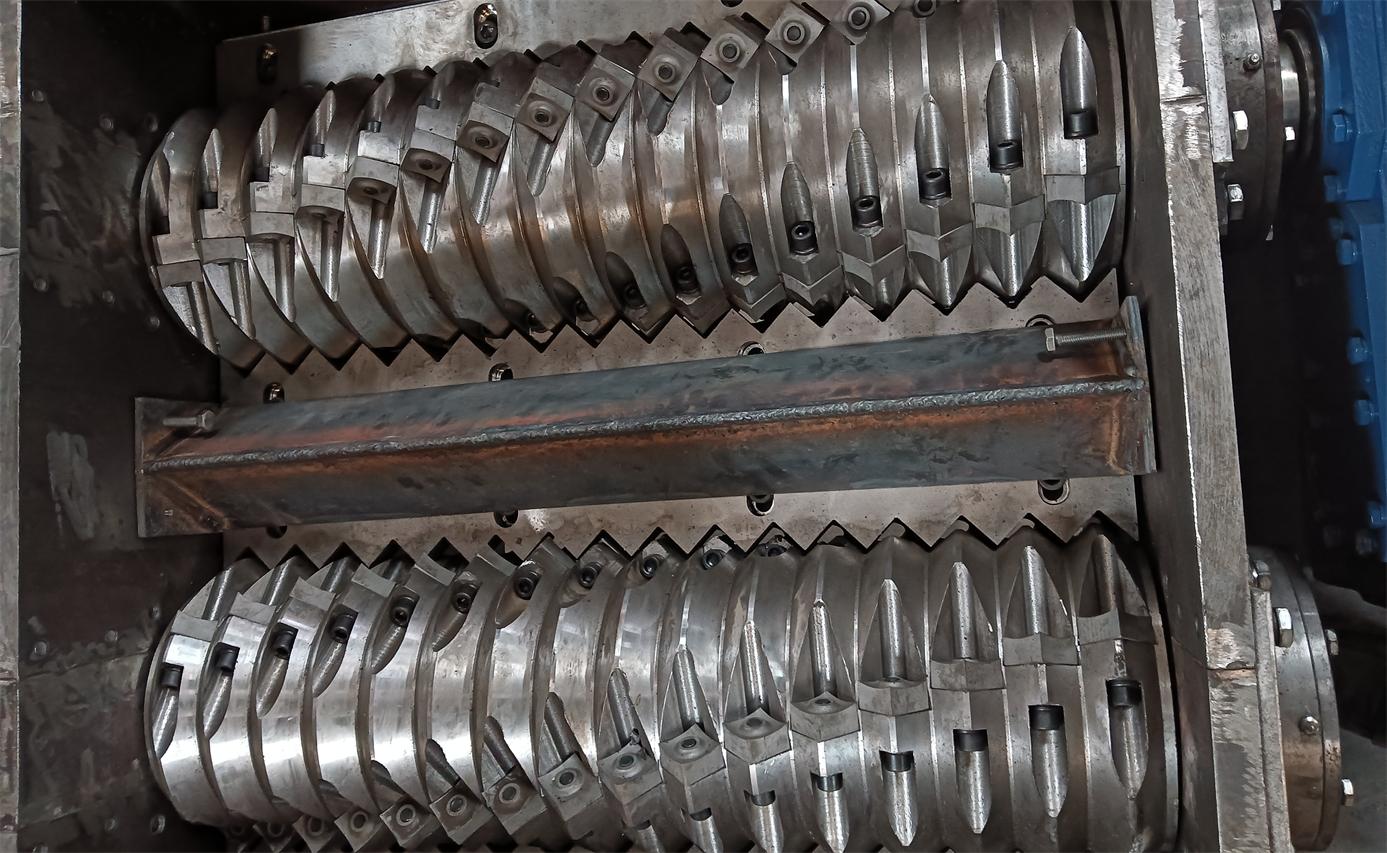
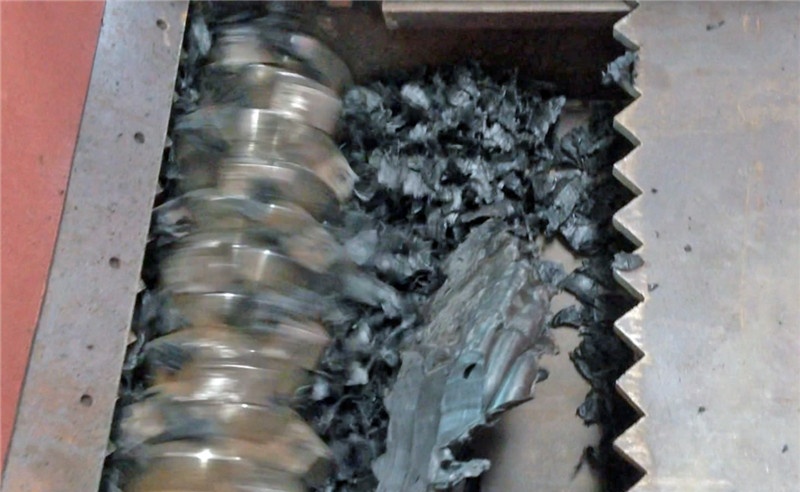
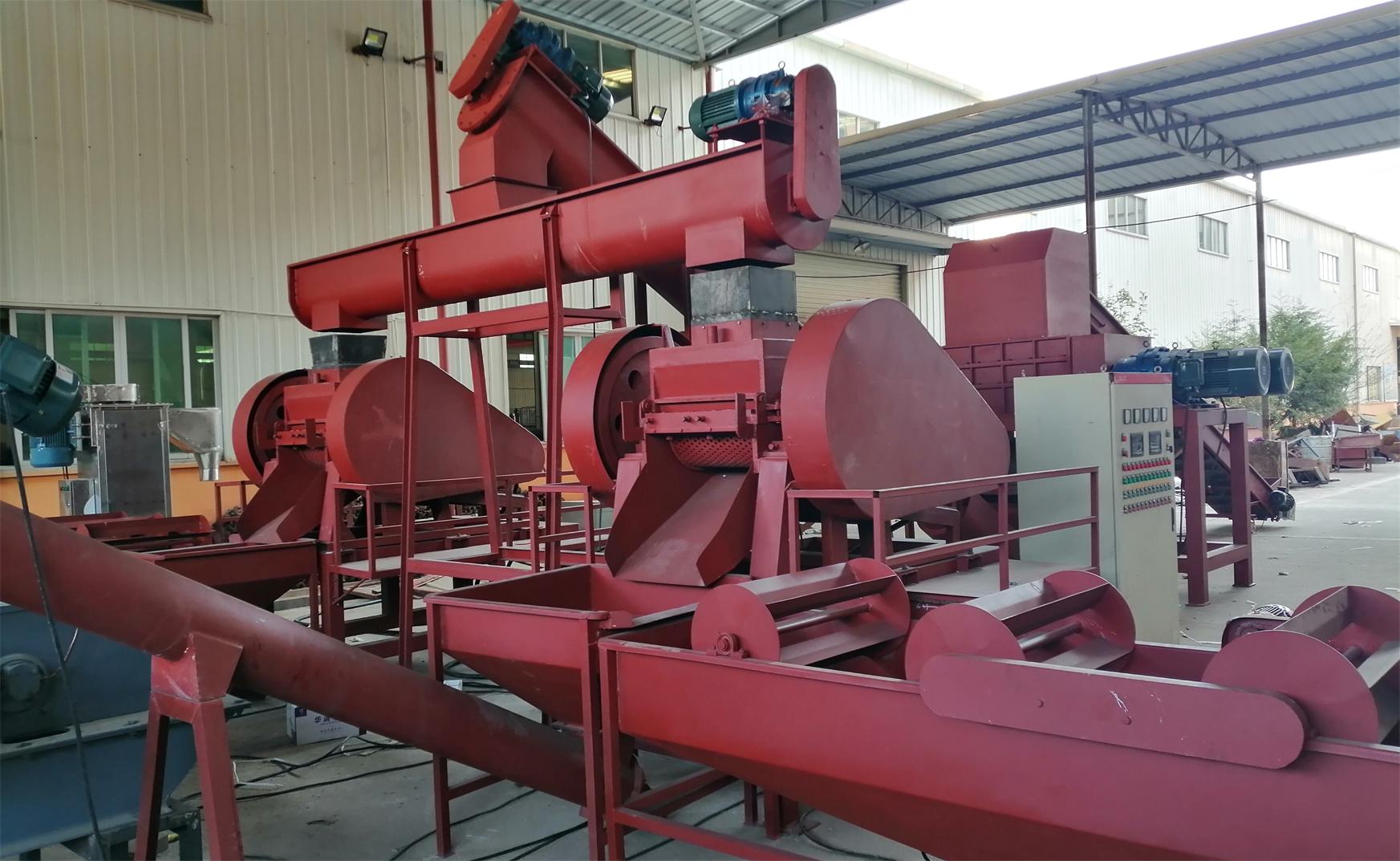
Scrap cable processing relies on granulators and separators that can efficiently strip plastic insulation from copper or aluminum conductors. High-purity copper recovery is essential for profitability, making the quality of your cable recycling equipment a direct factor in your bottom line.
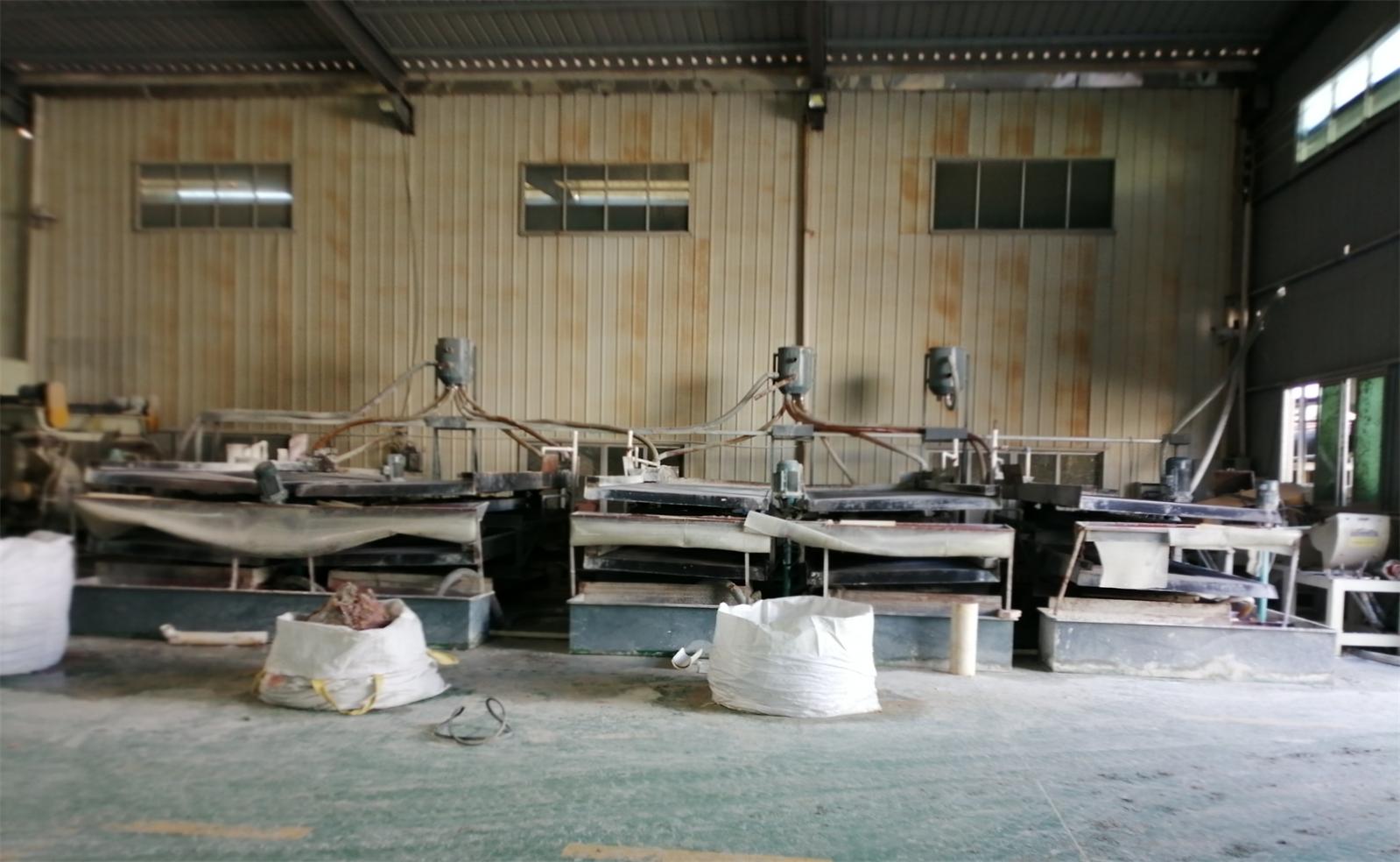
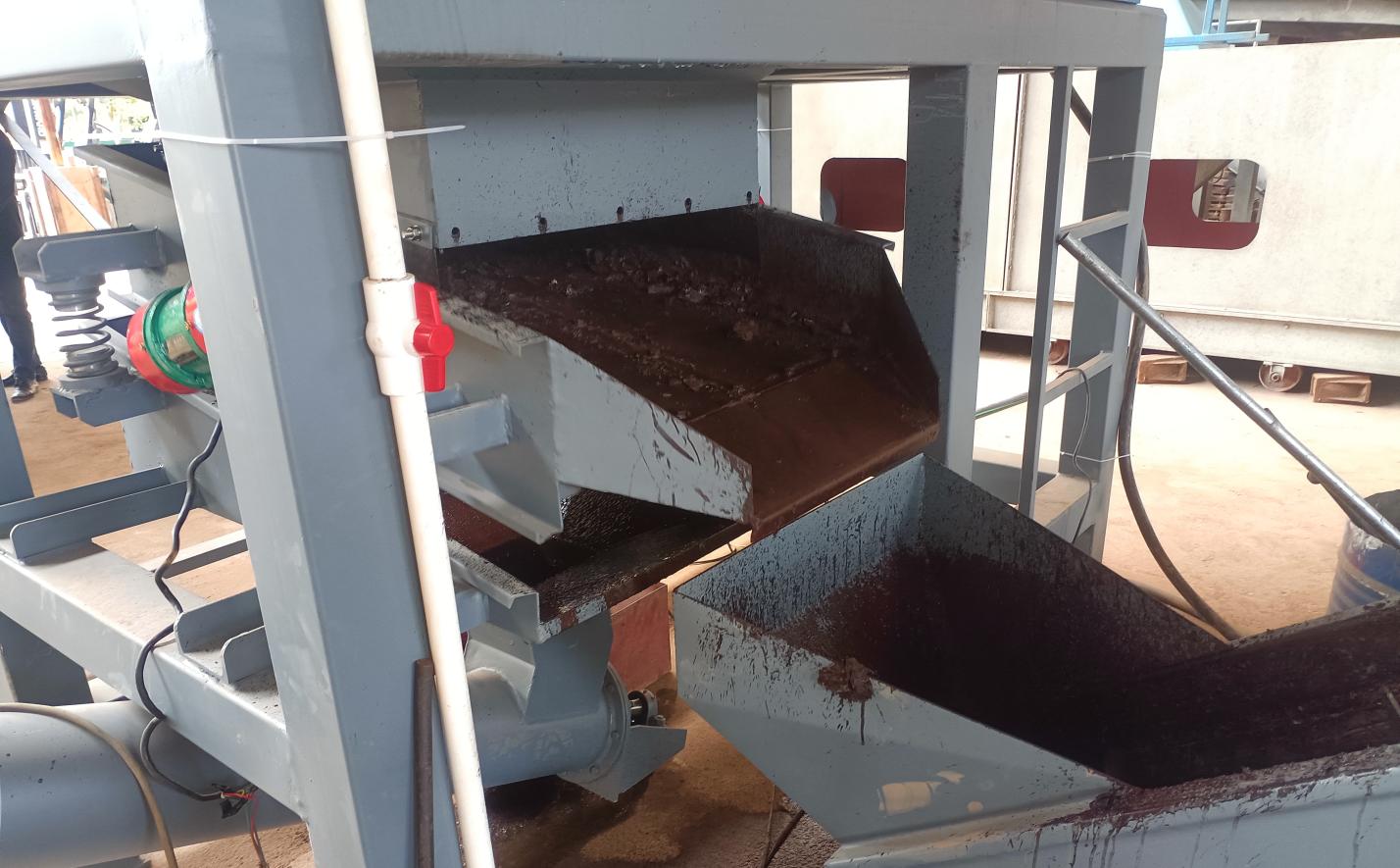
Circuit board recycling presents its own challenges due to the presence of precious metals, mixed plastics, and electronic components. Modern circuit board recycling equipment uses dry or wet separation methods to extract copper powder and other valuable materials while controlling dust and hazardous substances.
Key Factors to Evaluate in a Supplier
Not all equipment manufacturers offer the same level of quality, support, and expertise. Before committing to a purchase, consider the following criteria to protect your investment and ensure long-term operational success.
Industry Experience and Technical Depth
Recycling machinery is not a commodity product. It requires deep engineering knowledge of material science, mechanical design, and environmental compliance. Look for suppliers whose technical teams have formal engineering backgrounds and hands-on experience in e-waste processing. A supplier that has been in the industry for over a decade has likely refined its designs through real-world feedback and continuous improvement.
Breadth of Product Range
A supplier offering a wide catalog of recycling machines can serve as a one-stop purchasing center, simplifying procurement and ensuring equipment compatibility. This is particularly valuable if you plan to expand from one recycling stream to multiple streams over time. The ability to source shredders, separators, furnaces, and pollution control systems from a single manufacturer reduces integration risks and streamlines after-sales support.
Customization and EPC Capability
Every recycling project has unique requirements based on feedstock characteristics, local regulations, available space, and budget. Suppliers that offer customized design and EPC (Engineering, Procurement, Construction) services can tailor plant layouts to your specific needs rather than forcing you to adapt to a standard template. Customization capability is a strong indicator of engineering competence and customer-centric service.
After-Sales Support and Spare Parts Availability
Recycling plants operate in demanding environments where wear parts and occasional technical issues are inevitable. Your supplier should provide clear documentation, remote troubleshooting assistance, and a reliable spare parts supply chain. Delays in spare parts delivery can halt production and erode profitability, so this factor deserves serious attention during supplier evaluation.
The Value of a Full-Service Partner
Beyond manufacturing equipment, some suppliers offer value-added services that can significantly accelerate your project timeline and improve returns. These services include assistance with waste material sourcing, help selling recovered products such as copper ingots or lead ingots, and even support finding investors or partners for plant construction.
For first-time entrants into the recycling industry, this kind of comprehensive support can mean the difference between a struggling startup and a profitable operation. A supplier that understands both the technical and commercial sides of recycling acts more like a strategic partner than a simple vendor.
Global Experience and Local Understanding
International project experience matters because recycling regulations, material availability, and labor costs vary significantly across regions. A supplier that has successfully deployed plants in diverse markets understands how to adapt equipment specifications and plant designs to local conditions. This global perspective, combined with local technical knowledge, results in more reliable project execution.
Communication is another often-overlooked factor. Working with a supplier that can communicate fluently in your language reduces misunderstandings during design, installation, and training phases. Clear documentation and responsive support are essential when you are operating complex industrial machinery.
Bottom line: The cheapest equipment rarely delivers the lowest total cost of ownership. Factor in recovery efficiency, energy consumption, maintenance requirements, downtime risk, and the quality of technical support when comparing supplier proposals. A slightly higher upfront investment in proven, well-supported equipment typically pays for itself many times over the operational life of the plant.
Ready to start your e-waste recycling project? San Lan Technologies Co., Ltd has been manufacturing recycling equipment since 2007, serving customers in over 21 countries. With a full range of machines for battery, cable, circuit board, and refrigerator recycling, plus EPC project capability and professional technical support, San Lan can help you build a profitable and compliant recycling operation. Contact us today to discuss your requirements and receive a customized equipment proposal.