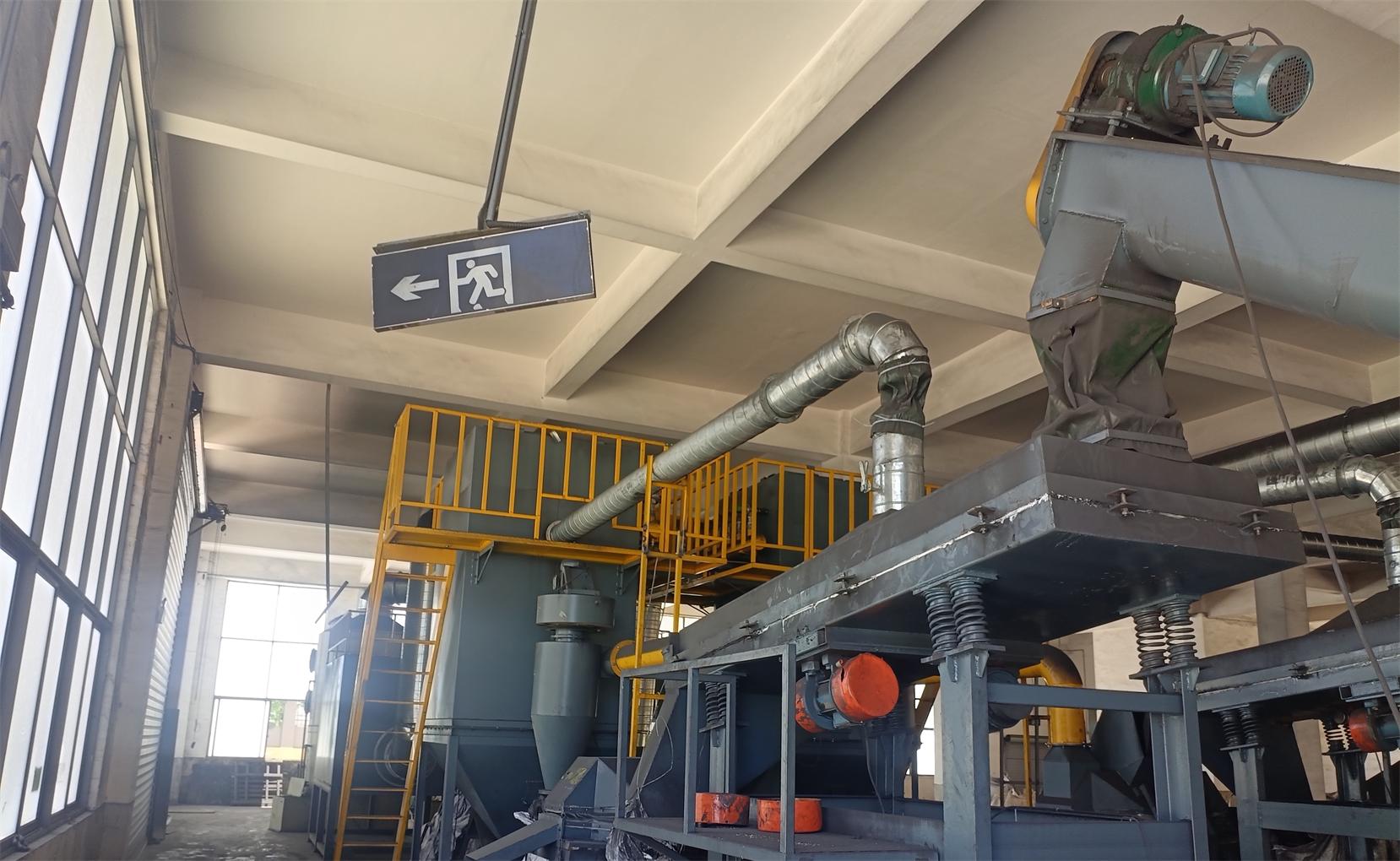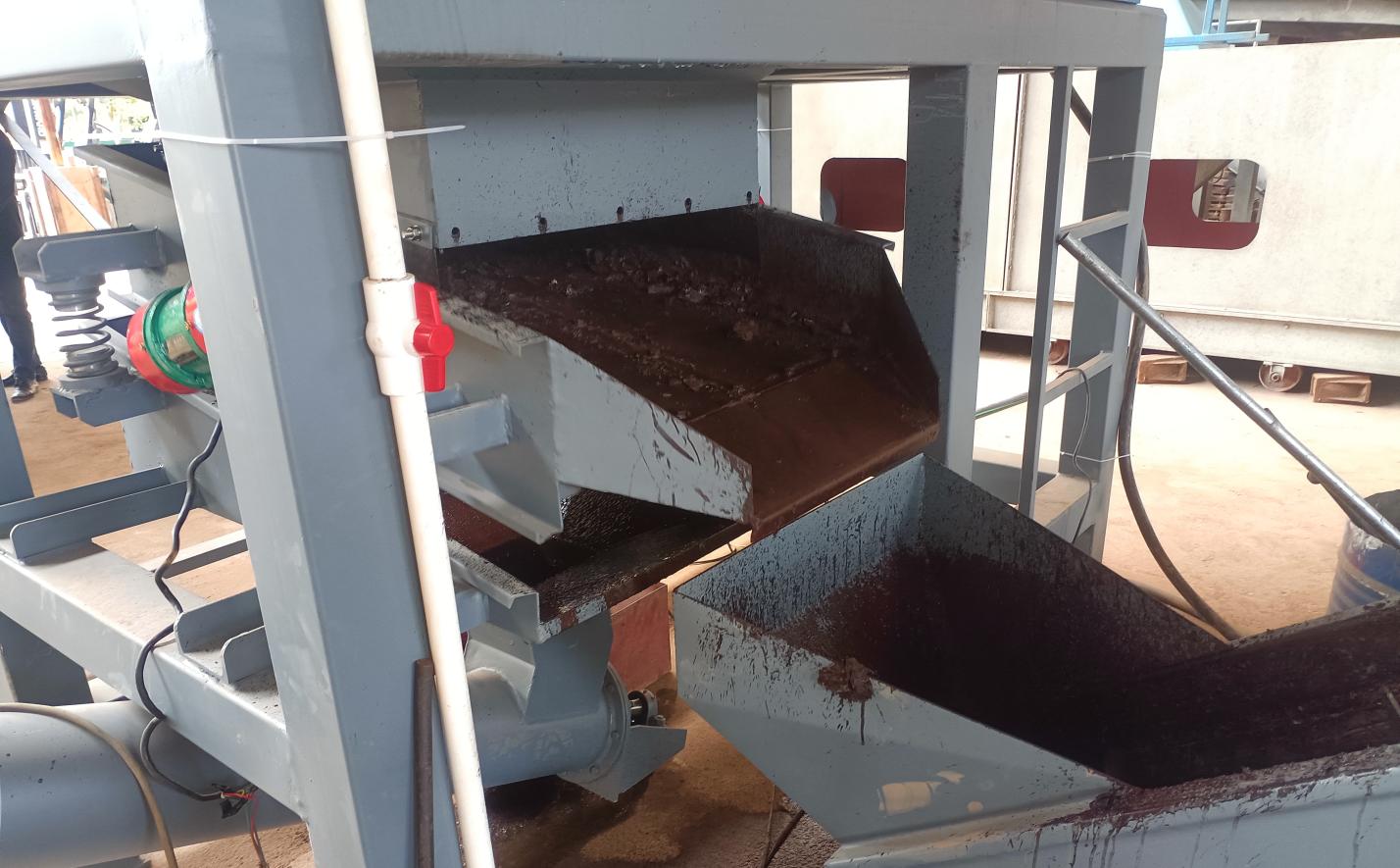
Two entrepreneurs in Southeast Asia decided to enter the e-waste recycling business in the same month. Both had access to stable scrap supply. Both secured funding. Twelve months later, one was processing three tons of circuit boards daily with a 96% copper recovery rate. The other was still troubleshooting conveyor jams and wondering why the separation purity never matched the brochure.
The difference was not capital. It was the recycling equipment supplier they chose on day one.
Why Equipment Selection Defines Your Recycling Business
The global e-waste stream is growing. Regulatory pressure is tightening. And the margin between a profitable recycling operation and an expensive experiment often comes down to machinery reliability, separation efficiency, and after-sales support. A machine with a lower upfront price but poor recovery rates or frequent downtime will cost more over its lifetime than a well-engineered system with proper commissioning and training.
Whether you are recycling printed circuit boards, scrap cables, used lead acid batteries, or lithium-ion cells, the equipment must match your feedstock, capacity target, and local environmental standards. Generic machines marketed for "all types of e-waste" usually fail at least one of these three requirements.
Five Factors to Evaluate Before Signing a Purchase Order
1. Technical Depth of the Manufacturer
Recycling machinery is not a commodity. A supplier with in-house mechanical engineering expertise can customize feed systems, adjust separation parameters for your specific scrap mix, and troubleshoot without endless back-and-forth. Look for teams with relevant academic backgrounds and field experience. A supplier who only assembles standard configurations will disappear when your material behaves differently from the test sample.
2. Separation Technology and Recovery Rates
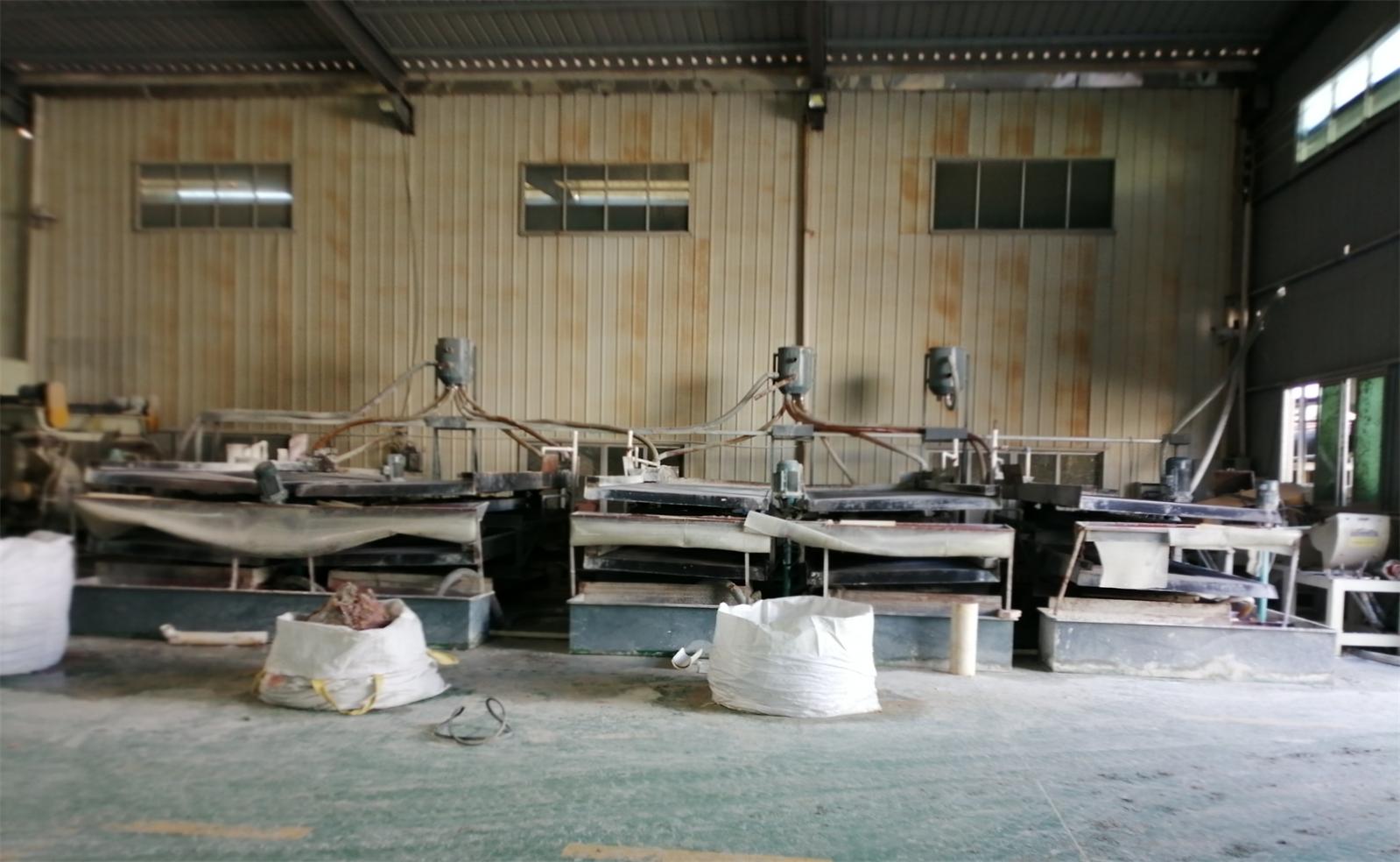
For circuit board recycling, dry air separation and wet water separation each have valid applications depending on component density and local water costs. For cable recycling equipment, the critical metric is copper purity after granulation. For lead acid battery recycling equipment, the system must safely handle acid drainage, plastic separation, and lead paste recovery without cross-contamination. Ask for documented recovery rates and, if possible, visit an operating plant using the same model.
3. Environmental Compliance Integration
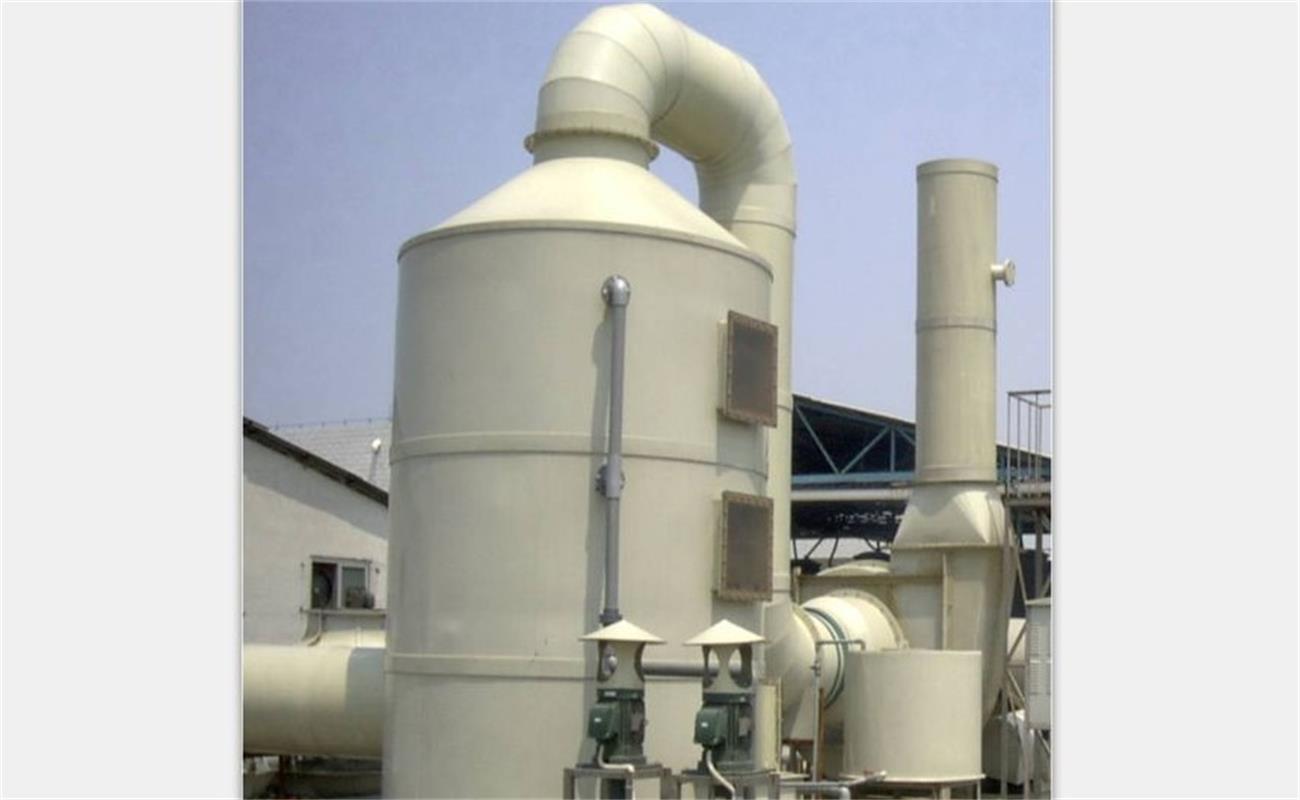
Modern recycling plants must meet emissions standards for dust, acidic gas, and wastewater. A complete solution should include air pollution control systems, effluent treatment, and noise reduction as integrated modules, not as afterthoughts. If the supplier treats environmental equipment as optional accessories, that is a warning sign.
4. Commissioning and Training
Installing a recycling line is only the beginning. Your operators need training on startup sequences, troubleshooting, maintenance schedules, and safety lockouts. The best suppliers offer on-site commissioning and remote support. The worst send a manual and a video link.
5. Post-Sale Spare Parts and Technical Support
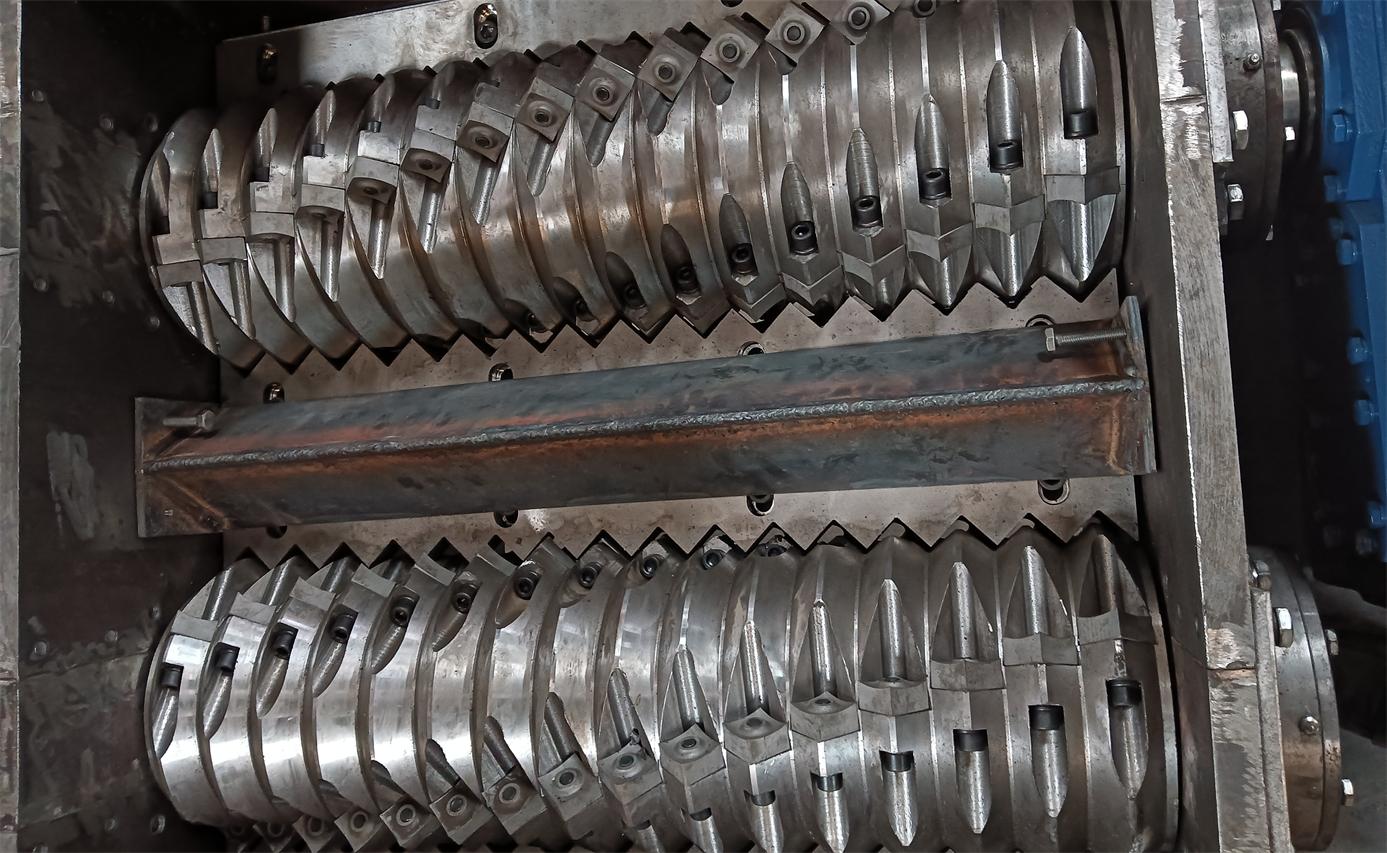
Recycling machinery operates in abrasive conditions. Wear parts like blades, screens, and separators need replacement. Confirm the supplier keeps standard spare parts in stock and can deliver within a reasonable timeframe. Ask specifically about their response protocol for breakdowns.
What a Complete Recycling Partner Looks Like
Beyond the machine itself, some suppliers offer value-added services that shorten your path to profitability. These include help sourcing raw material (cable scrap, PCB scrap, used batteries), assistance selling recovered commodities (copper rice, lead ingot), and even recruitment of technical staff. For first-time investors, this ecosystem support can mean the difference between a six-month ramp-up and a two-year struggle.
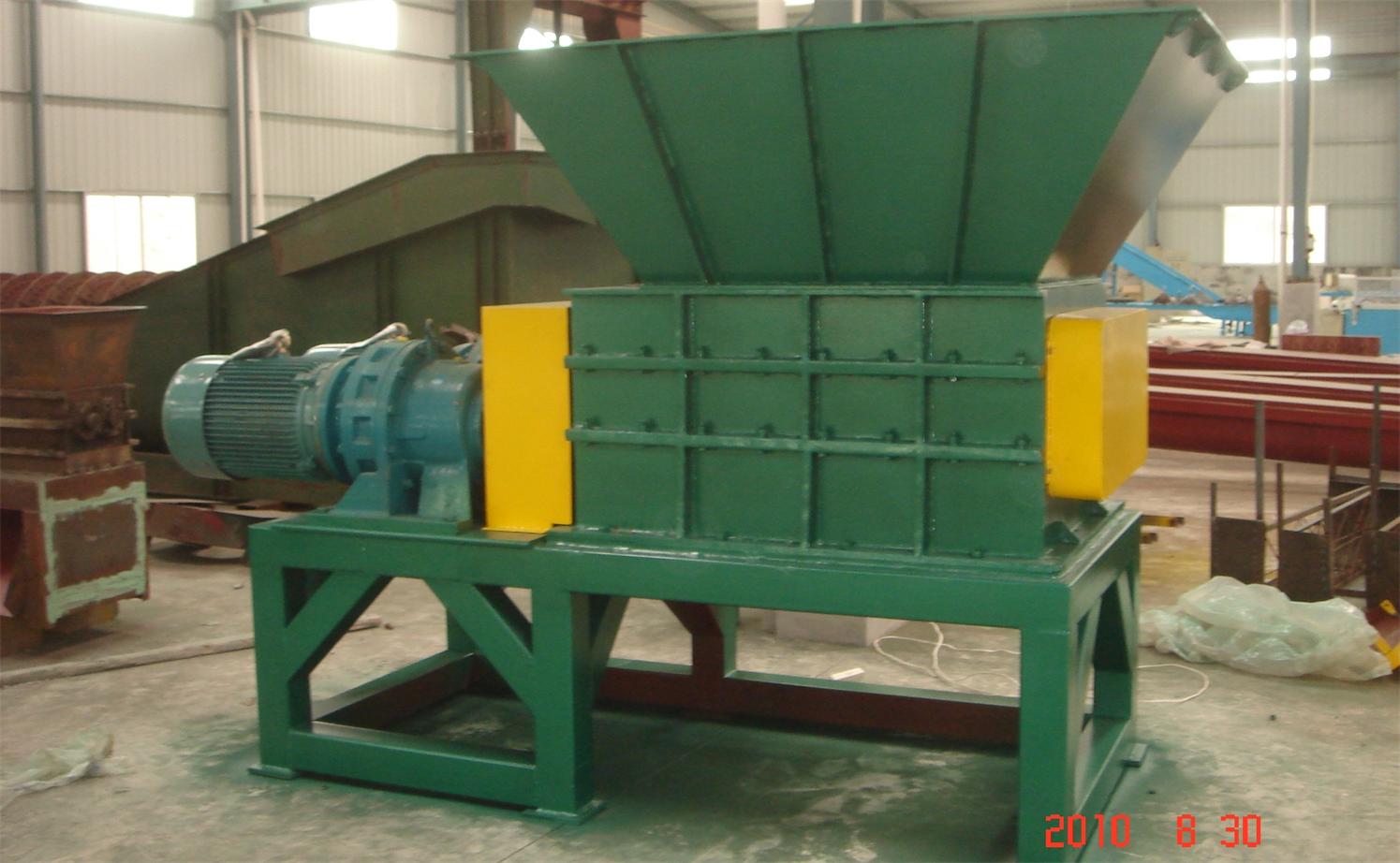
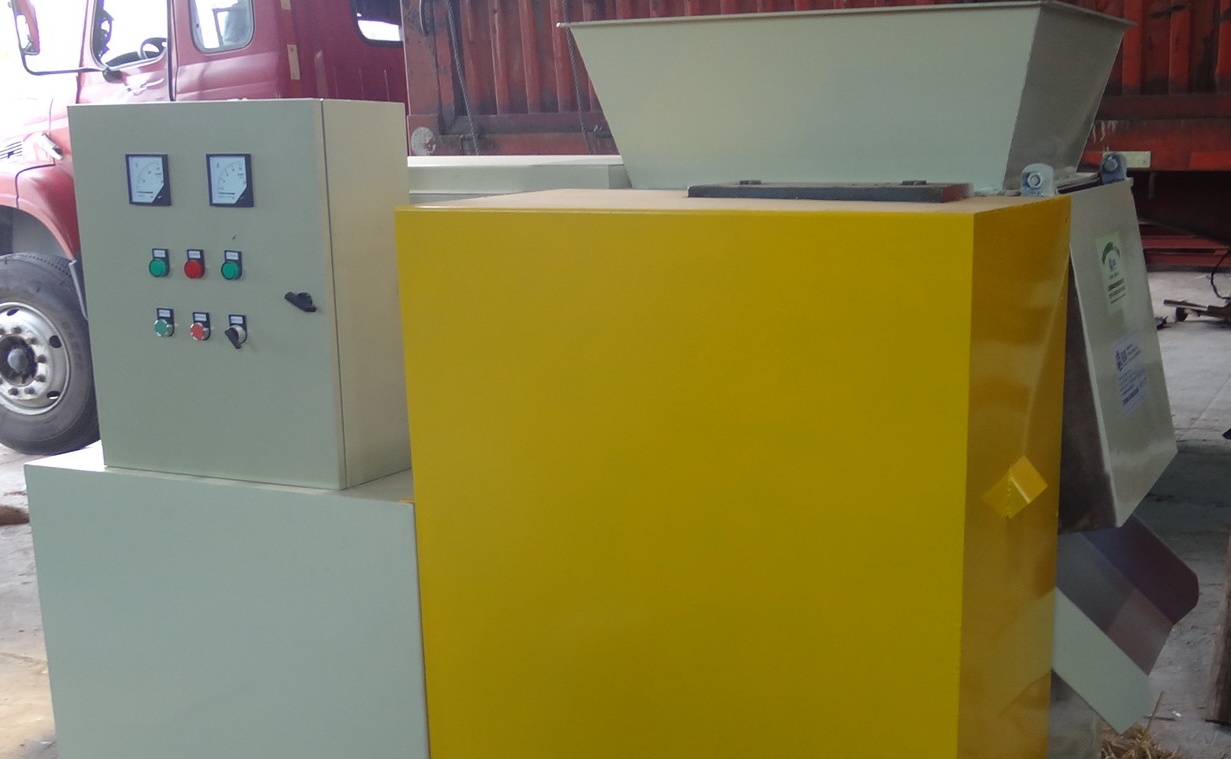
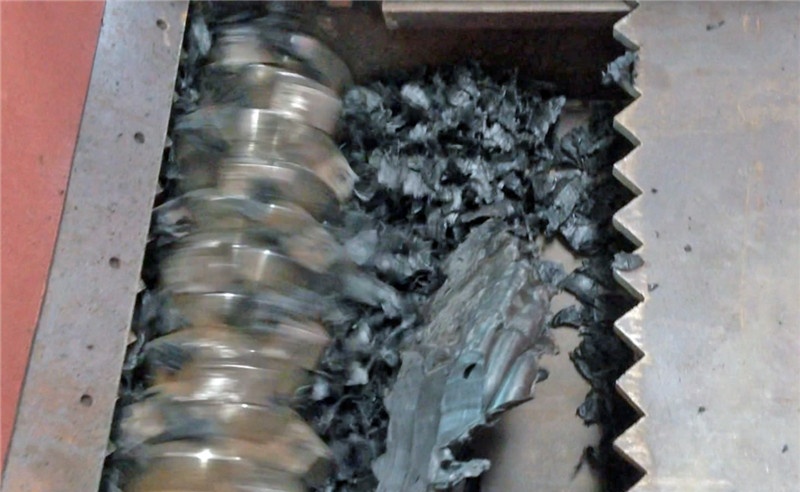
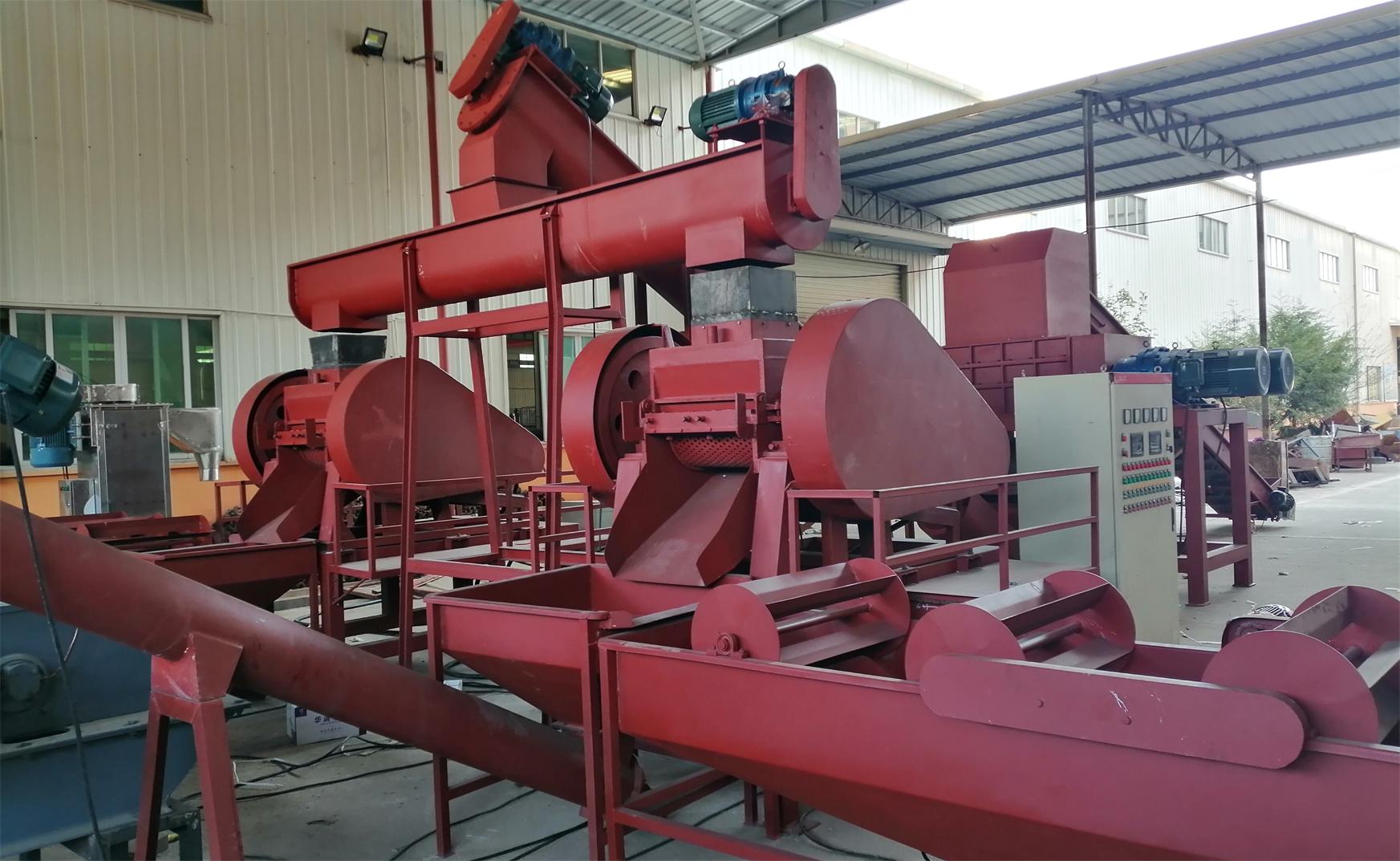
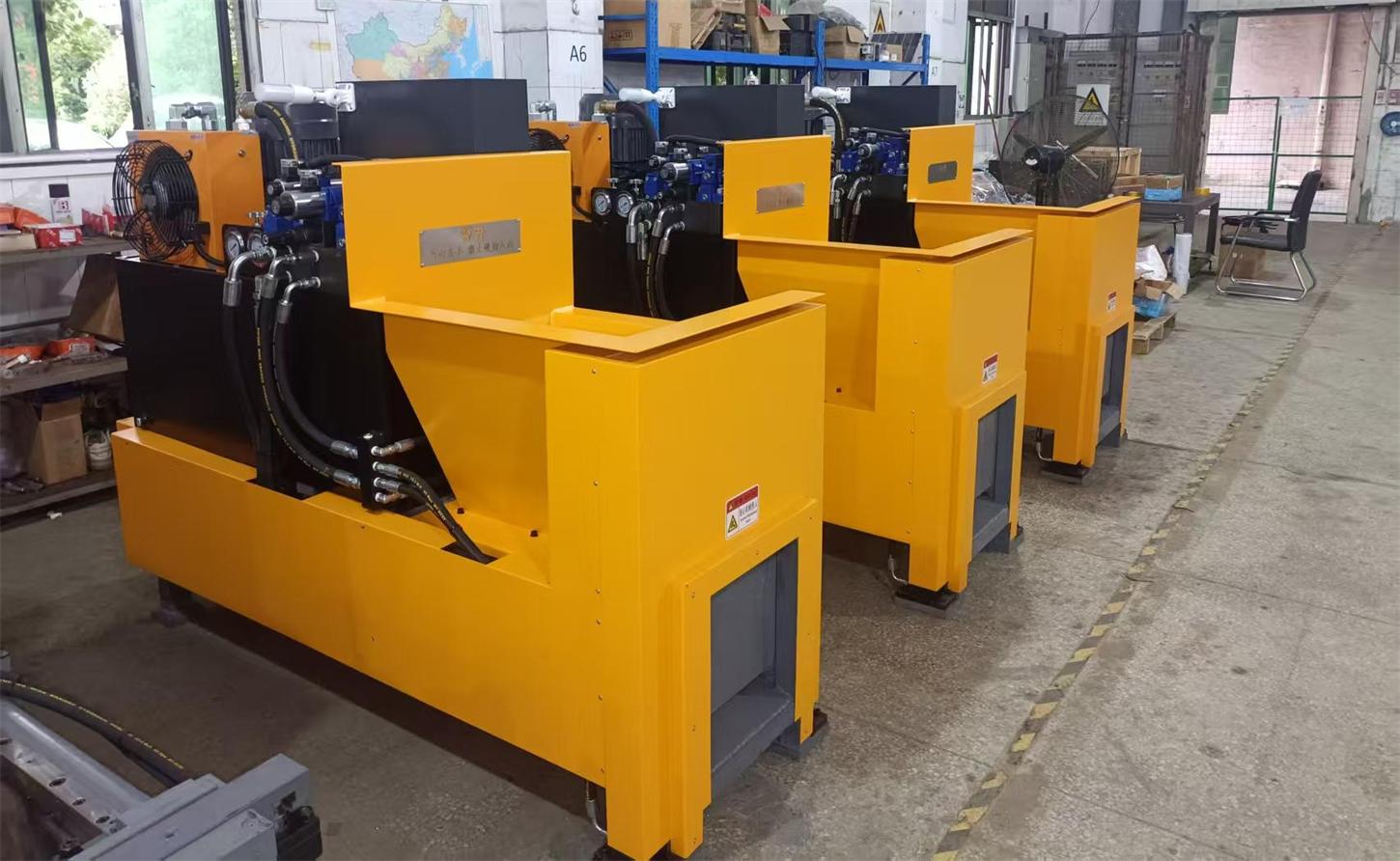
San Lan Technologies Co., Ltd, established in 2007 and based in Ganzhou, Jiangxi Province, China, manufactures a comprehensive range of WEEE recycling machinery and mining equipment. With over 60 products across 13 categories, the company supplies everything from lead acid battery recycling equipment and lithium battery recycling plants to circuit board recycling systems, cable granulators, shredders, and metal melting furnaces.
Key capabilities include:
- Professional technical team with master's degrees in mechanical engineering and 15+ years of e-waste recycling experience
- EPC project capability: customized design, one-stop procurement, installation, and commissioning
- Assistance purchasing waste material and selling recovered products
- Bilingual English-Chinese support for international clients
- Customers in 21+ countries including Singapore, Colombia, Vietnam, Mexico, Argentina, Korea, Malaysia, and South Africa
Red Flags to Watch For
Not every equipment listing online represents a real manufacturer. Be cautious if the supplier:
- Cannot provide video of the machine operating at nameplate capacity
- Quotes significantly below market price without clear specification differences
- Has no reference customers willing to speak with you
- Offers environmental compliance equipment only as optional add-ons
- Cannot explain the separation physics behind their technology
Final Checklist Before You Commit
- Request a material test with your actual scrap sample
- Verify recovery rate claims with reference customers
- Confirm environmental system integration, not just the core machine
- Clarify commissioning scope, training duration, and documentation language
- Lock spare part pricing and delivery commitments in writing
- Check whether the supplier can support feedstock sourcing and product offtake
Building a recycling plant is a long-term investment. The right supplier does not just sell you a machine; they deliver a production system, train your team, and stand behind the performance numbers. If you are evaluating recycling equipment supplier options for circuit boards, cables, batteries, or mixed e-waste, contact San Lan Technologies to discuss your material, capacity targets, and layout constraints. Their engineering team can recommend a configuration matched to your actual operating conditions, not a generic catalog entry.
Visit www.san-lan.com to view the full product range, or email info@san-lan.com to start a technical discussion.