The global electronics industry continues to expand at an unprecedented pace, and with it comes a mounting challenge: how to responsibly manage end-of-life electronic devices. E-waste recycling has evolved from a niche environmental concern into a strategic business opportunity. For recycling companies, manufacturers, and investors entering this market, selecting the right equipment supplier is one of the most critical decisions that will shape operational efficiency, regulatory compliance, and profitability for years to come.
This guide provides a practical framework for evaluating circuit board recycling equipment, cable recycling equipment, and lead acid battery recycling equipment suppliers. We focus on four core dimensions that separate reliable partners from short-term vendors.
The fundamental purpose of any recycling plant is to extract maximum value from waste material. When evaluating equipment, focus on proven separation technology and measurable performance indicators rather than marketing claims.
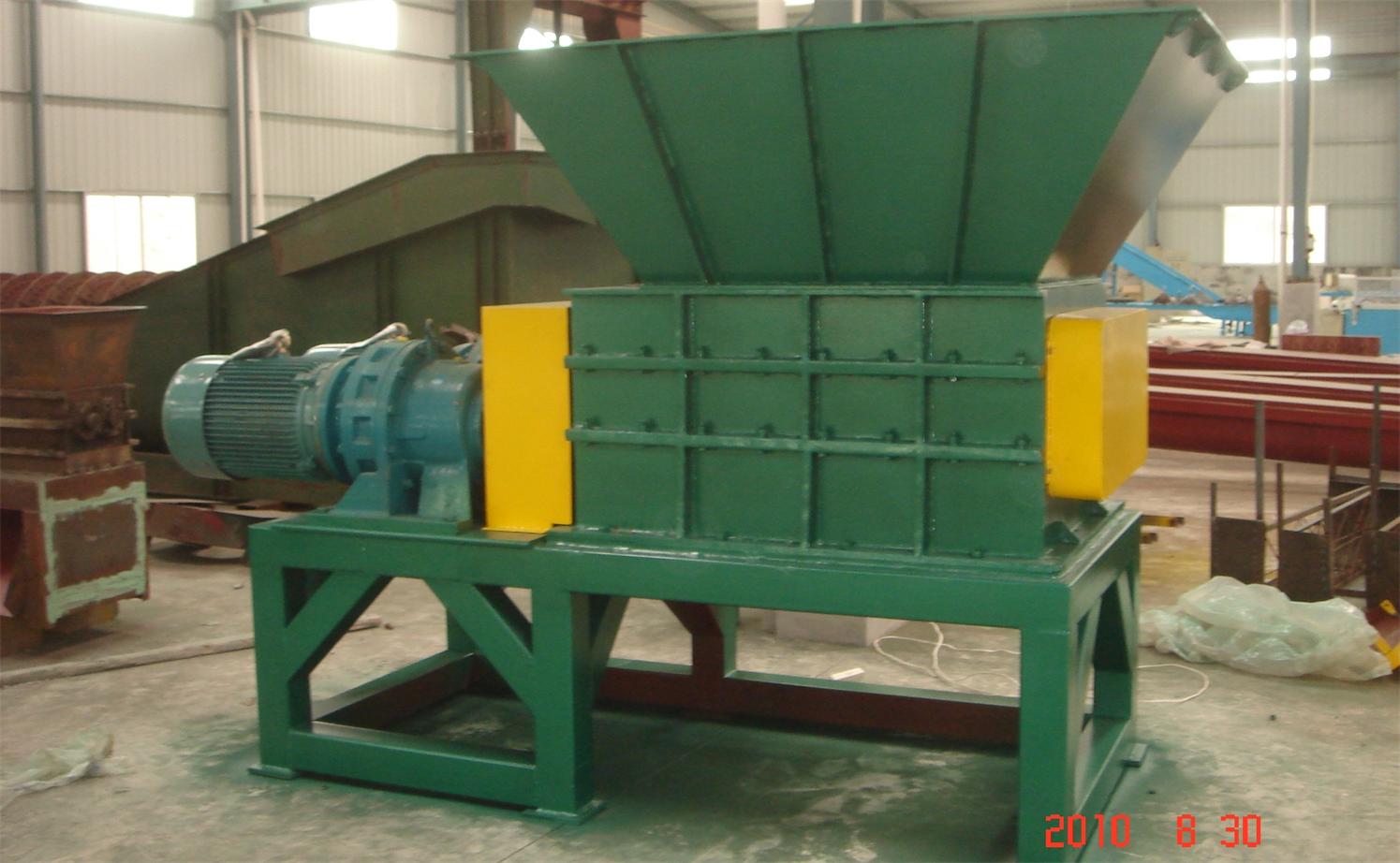
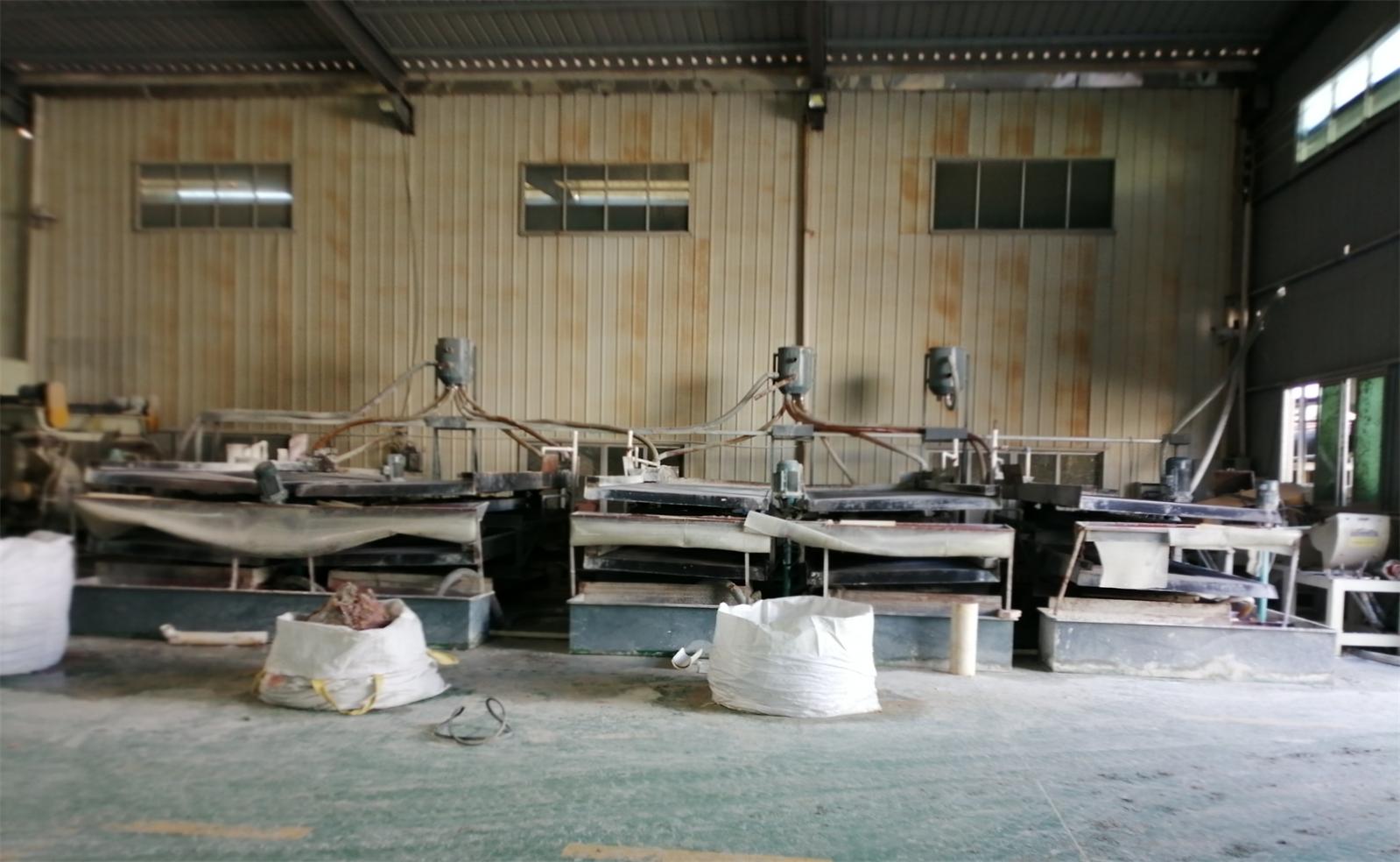
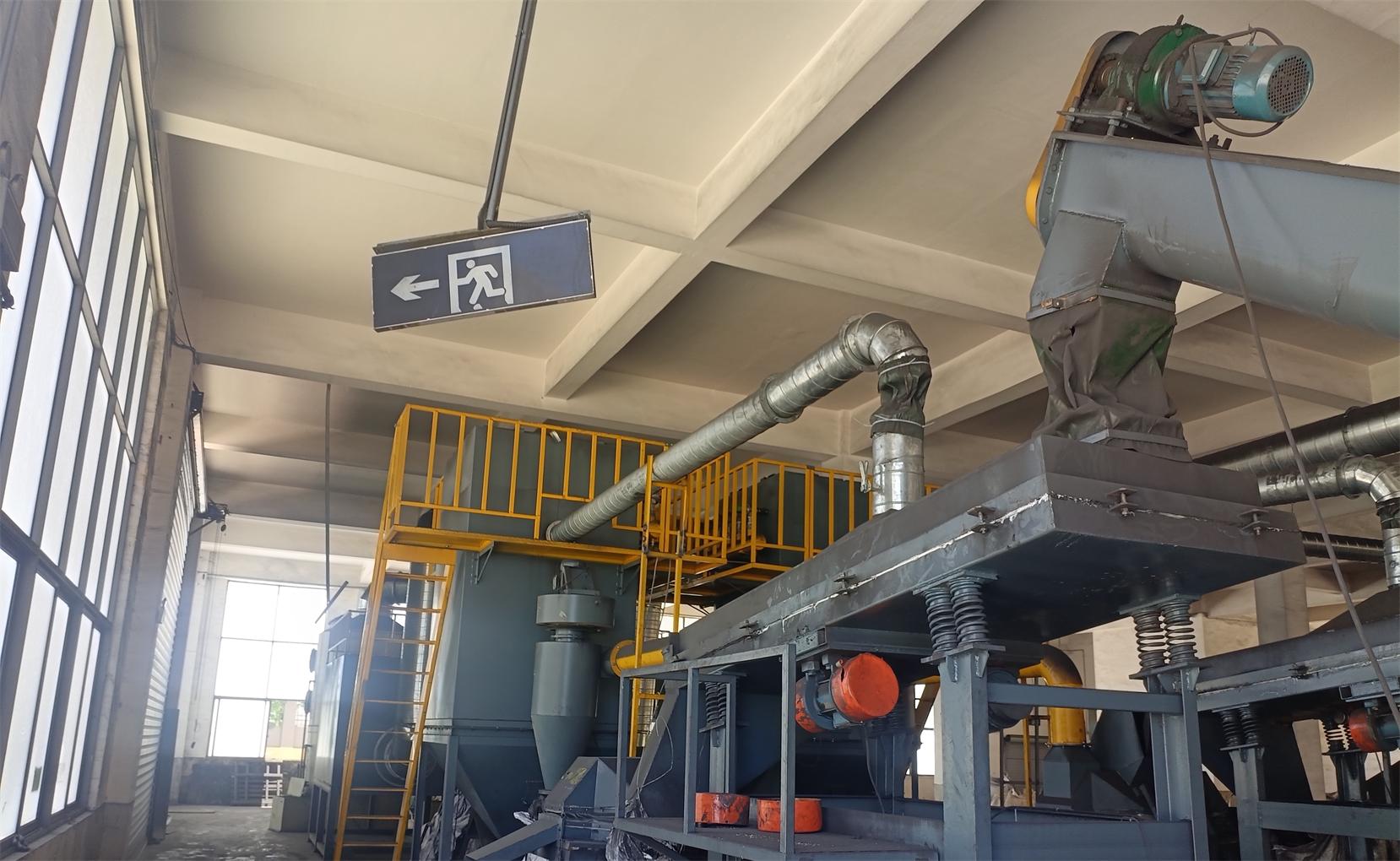
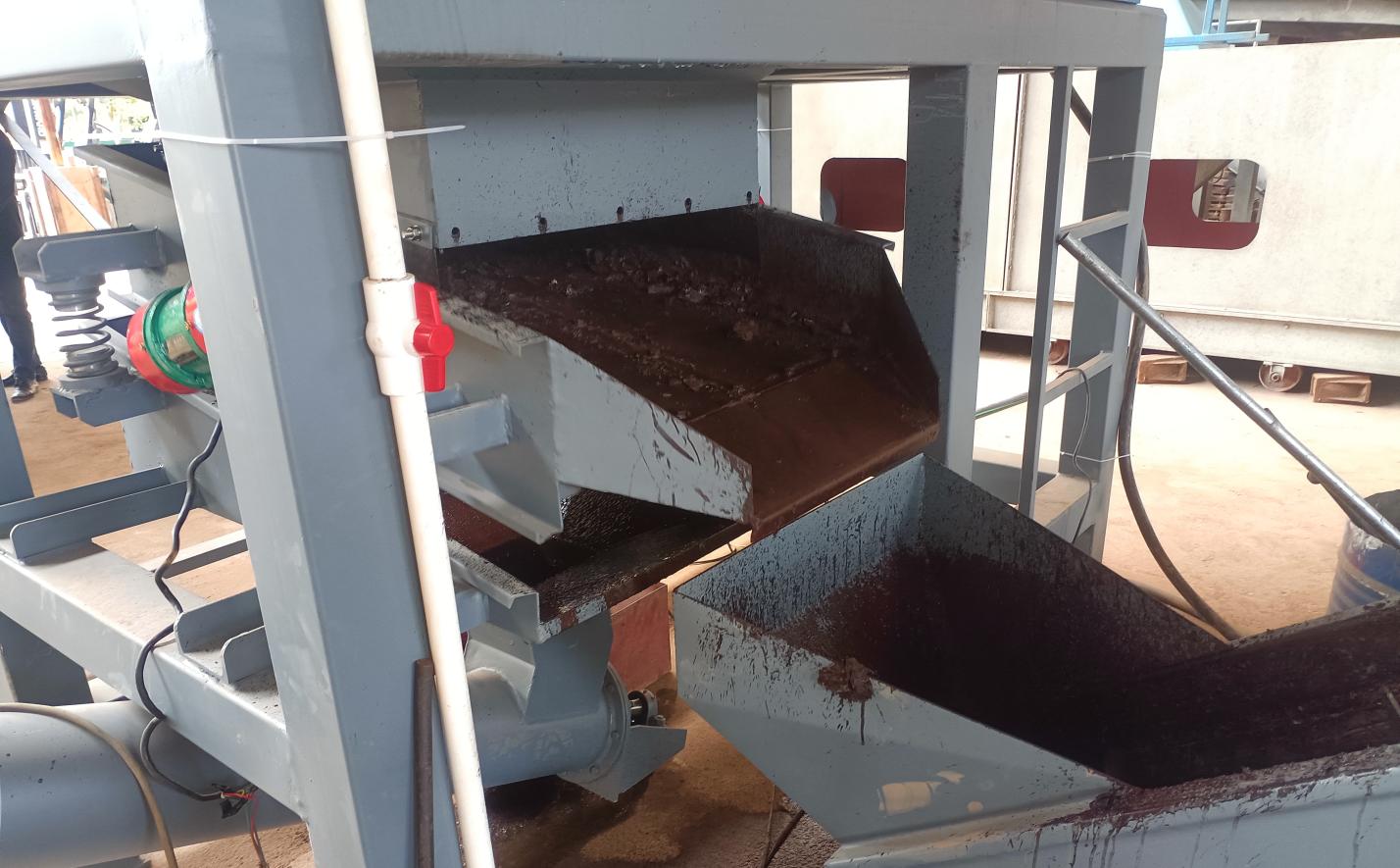
Dry physical separation has become the preferred approach for modern e-waste processing. Unlike chemical methods that generate hazardous wastewater and secondary pollution, dry systems use mechanical crushing, air classification, electrostatic separation, and gravity sorting to recover metals without environmental contamination. This approach aligns with increasingly strict regulations in the European Union, North America, and emerging markets across Asia, Africa, and Latin America.
Key performance metrics to verify include metal recovery rates, output purity levels, and hourly processing capacity. For circuit board recycling, copper powder purity should consistently reach 96% or higher. Cable recycling systems should effectively separate copper or aluminum from plastic insulation across a wide diameter range. Battery recycling plants must safely handle acid, lead paste, plastic casings, and metallic components without cross-contamination.
Request detailed technical specifications and, whenever possible, arrange to observe equipment in operation at an existing customer facility. Real-world performance data reveals far more than catalog specifications.
Environmental regulations governing e-waste processing have tightened considerably across major markets. Equipment purchased today must meet current standards and remain adaptable to future requirements. Non-compliance can result in costly shutdowns, fines, and reputational damage that far exceed any initial equipment savings.
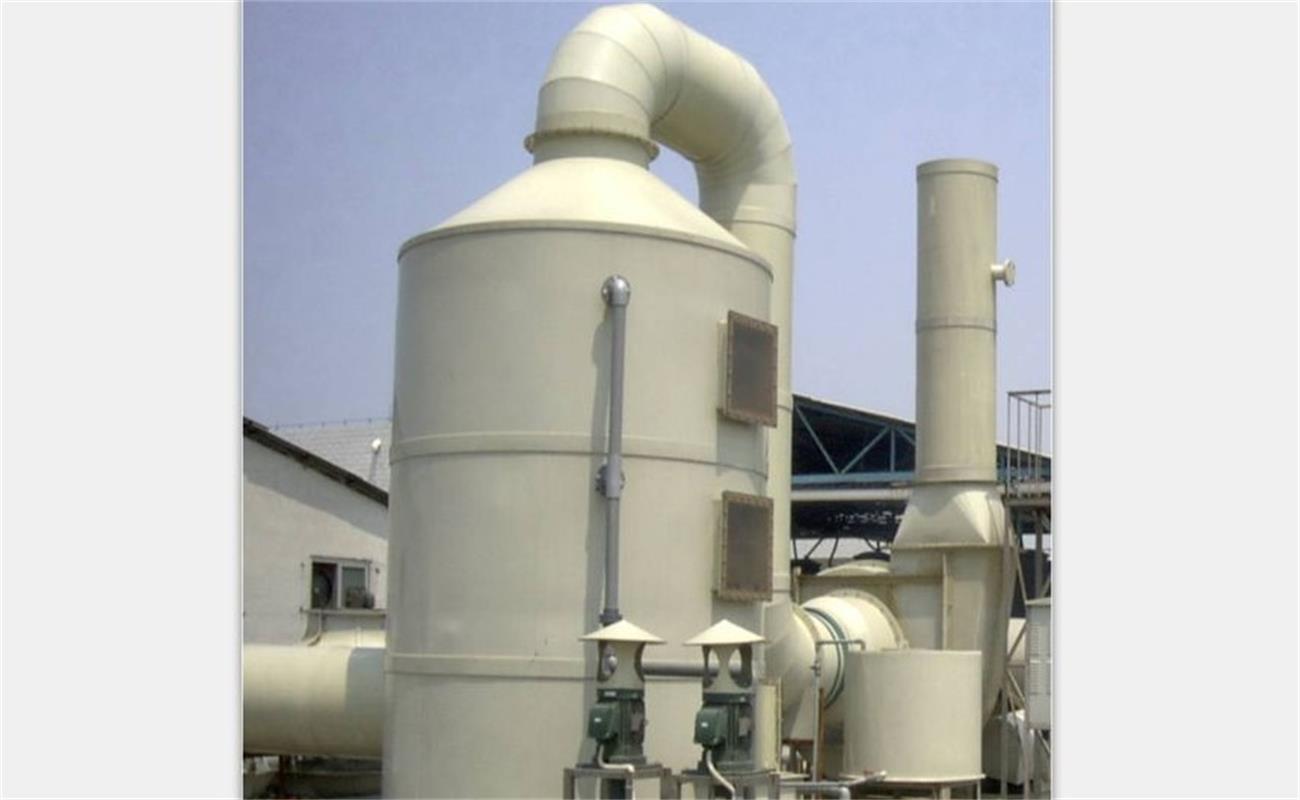
Essential environmental features include integrated dust collection systems with pulse-jet bag filters, noise dampening enclosures, and explosion protection for handling lithium batteries and fine metal powders. Water-based separation systems should include closed-loop water treatment to prevent discharge of contaminated effluent. Lead acid battery recycling plants require acid neutralization and sulfur dioxide emission controls.
Verify that the supplier can provide documentation supporting compliance with relevant international standards. ISO 9001 quality management certification and CE marking for European market access represent baseline expectations. Depending on your target markets, additional certifications such as WEEE compliance documentation may be necessary for seamless import and operation.
Recycling equipment represents a significant capital investment, and the relationship with your supplier extends far beyond the initial purchase. The complexity of installing, commissioning, and maintaining an integrated recycling line demands a partner with genuine technical expertise and responsive support capabilities.
Evaluate the supplier's experience with turnkey EPC (Engineering, Procurement, Construction) projects. Have they successfully delivered complete plants from initial design through production startup? Do they employ qualified mechanical and electrical engineers who can customize equipment configurations for your specific feed materials and production targets?
Training programs deserve particular attention. Your operating team needs thorough instruction on equipment operation, routine maintenance procedures, troubleshooting common issues, and safety protocols. Suppliers who invest in comprehensive training demonstrate confidence in their equipment and commitment to customer success.
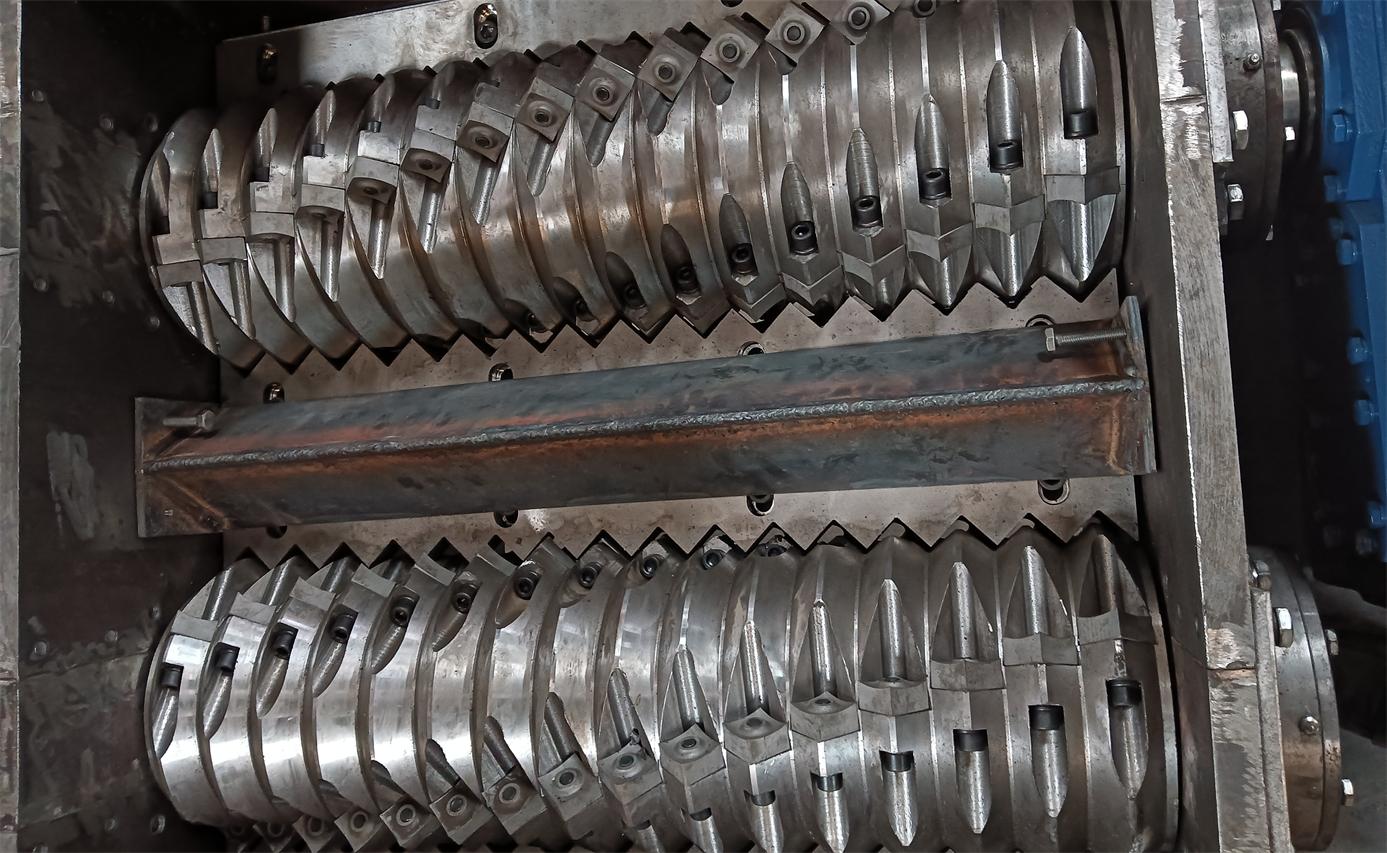
After-sales support availability is equally important. Equipment will eventually require spare parts, particularly wear components such as crusher blades, screen mesh, and filter media. Confirm that the supplier maintains adequate spare parts inventory and can ship critical components quickly to minimize unplanned downtime.
Purchase price alone provides an incomplete picture of equipment economics. Sophisticated buyers evaluate total cost of ownership across the full equipment lifespan, typically ten to fifteen years for well-maintained industrial recycling machinery.
Factor in installation and commissioning costs, including civil works, electrical connections, and utility infrastructure. Energy consumption varies significantly between equipment designs and directly impacts operating costs. Labor requirements depend on automation levels: modern PLC-controlled systems reduce staffing needs while improving consistency.
Maintenance costs include scheduled servicing, replacement of wear parts, and occasional major overhauls. More importantly, calculate the revenue side of the equation. Higher metal recovery rates translate directly into increased material sales. A system recovering 98% of available copper generates substantially more value than one achieving 90%, and this difference compounds daily across years of operation.
Request that suppliers provide realistic ROI projections based on your local material costs, labor rates, and output prices. While no projection guarantees future results, a transparent financial model indicates the supplier understands your business priorities.
Since 2007, San Lan Technologies has specialized in designing and manufacturing e-waste recycling machinery and mining equipment from our production base in Jiangxi Province, China. Our product portfolio spans circuit board recycling plants, cable recycling systems, lead acid battery recycling lines, lithium battery recycling equipment, CRT recycling machines, refrigerator and air conditioner recycling plants, motor recycling systems, industrial shredders, and auxiliary equipment including hydraulic presses and metal melting furnaces.
Our technical team includes mechanical engineers with over fifteen years of direct experience in recycling equipment design. We have delivered complete recycling plants to customers across more than twenty-one countries, including Singapore, Colombia, Vietnam, Mexico, Argentina, South Korea, Malaysia, Indonesia, South Africa, Tunisia, India, Kenya, Saudi Arabia, the Philippines, and Zambia.
Beyond equipment manufacturing, we support customers through the complete project lifecycle: initial feasibility analysis, customized plant design, equipment production, shipping and installation, operator training, commissioning, and ongoing technical support. For clients entering the recycling business for the first time, we can also assist with sourcing waste materials and establishing sales channels for recovered products including copper powder, copper granules, lead ingots, and separated plastics.
Selecting e-waste recycling equipment requires balancing technical capability, environmental responsibility, service quality, and economic viability. The lowest purchase price rarely delivers the best long-term value. Instead, focus on suppliers with demonstrated engineering expertise, comprehensive service capabilities, and a track record of successful installations in markets similar to yours.
By thoroughly evaluating potential partners against the four dimensions outlined in this guide, you position your recycling operation for sustainable success in a growing global market.
Ready to explore recycling equipment for your project? Contact San Lan Technologies to discuss your specific requirements, request detailed technical specifications, or arrange a consultation with our engineering team. We welcome the opportunity to help you build a profitable, compliant, and efficient recycling operation tailored to your local market conditions.
Email: info@san-lan.com | WhatsApp: +86 139 2377 4083 | Website: www.san-lan.com