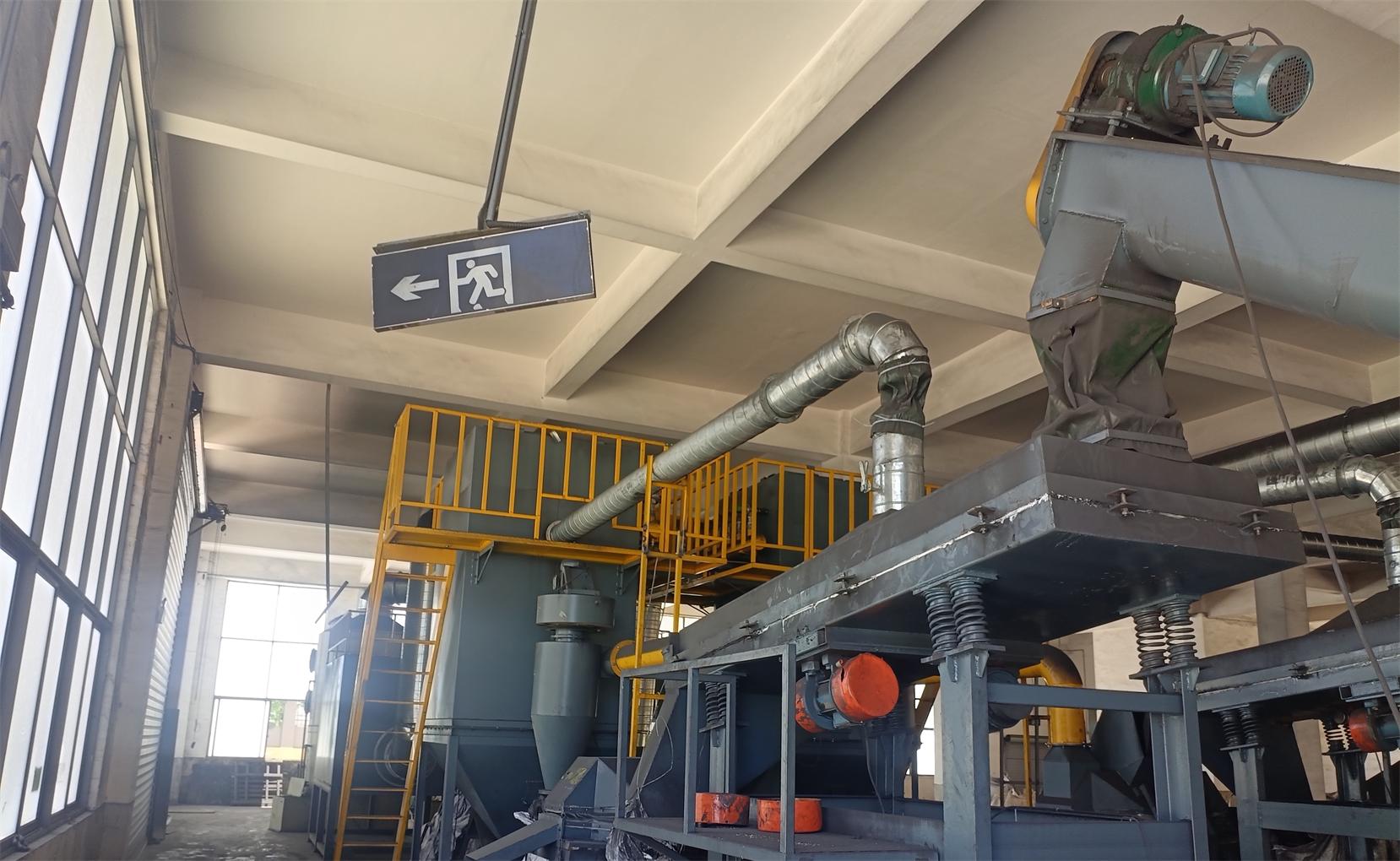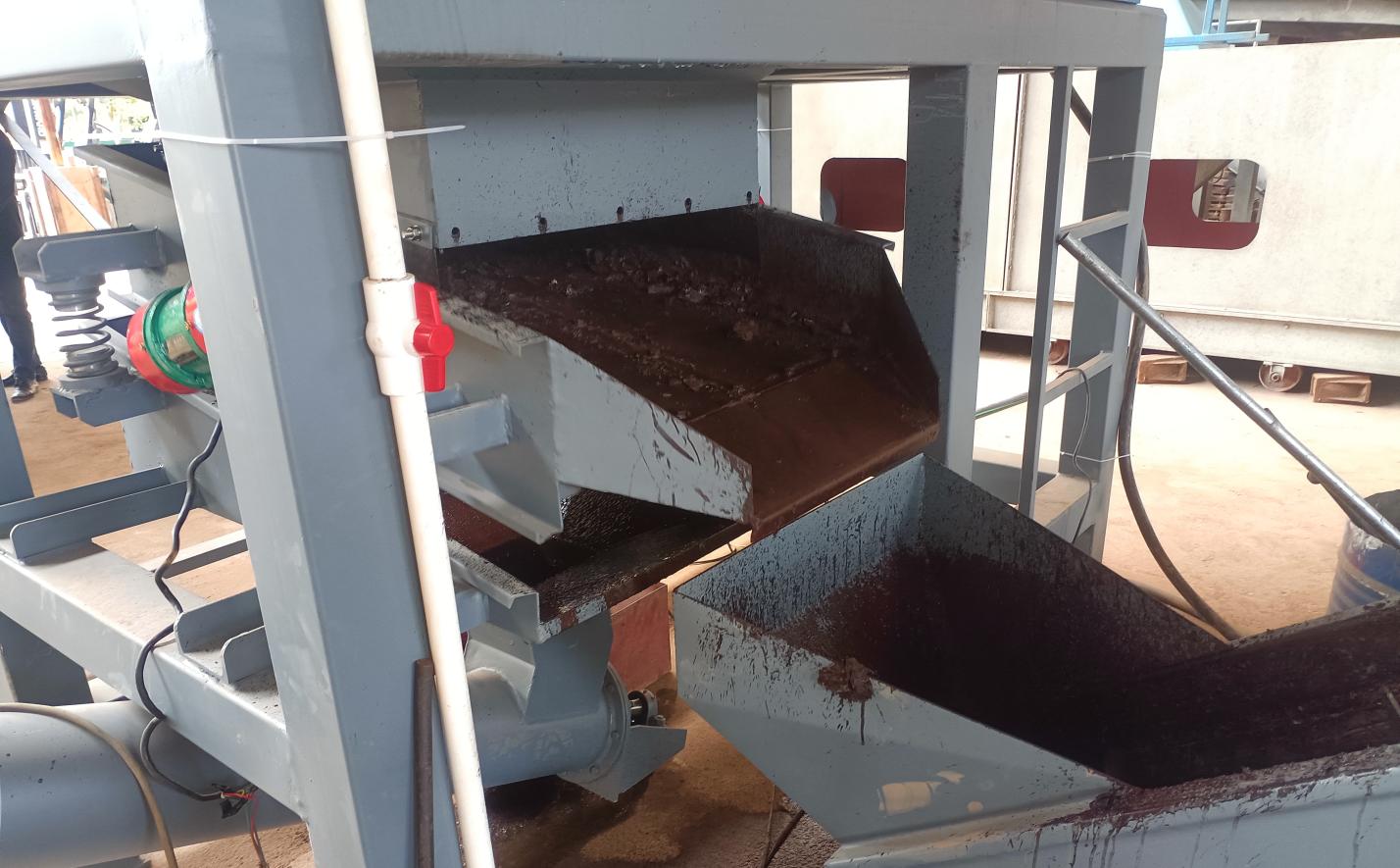
Global e-waste generation is accelerating. According to the UN Global E-waste Monitor, the world produced approximately 62 million tonnes of electronic waste in 2022, and this figure is projected to reach 82 million tonnes by 2030. Yet less than a quarter of this waste is formally recycled. For entrepreneurs and established operators looking to enter or expand in this sector, selecting the right recycling equipment is the single most important decision that determines operational efficiency, recovery yields, and long-term profitability.
This guide walks through the key factors in choosing e-waste recycling machinery, from understanding your feedstock to evaluating supplier capabilities.
Understand Your Feedstock Before You Buy
Not all e-waste is processed the same way. The equipment you need depends heavily on the type of material you plan to recycle. Lead-acid batteries require breaking, separation, and smelting systems. Lithium-ion batteries demand shredding in controlled atmospheres and fine separation technology. Scrap cables need granulation and copper-plastic separation. Printed circuit boards call for crushing and metal recovery lines.
Many successful plants start with one primary feedstream and expand. Lead-acid battery recycling remains the volume backbone of the industry because the technology is mature, equipment costs are lower, and the end-market for recovered lead is liquid. Lithium-ion battery recycling is the fastest-growing segment, driven by electric vehicle adoption and the rising value of recovered cobalt, nickel, and graphite.
Key Equipment Categories for Modern Recycling Plants
Lead Acid Battery Recycling Equipment
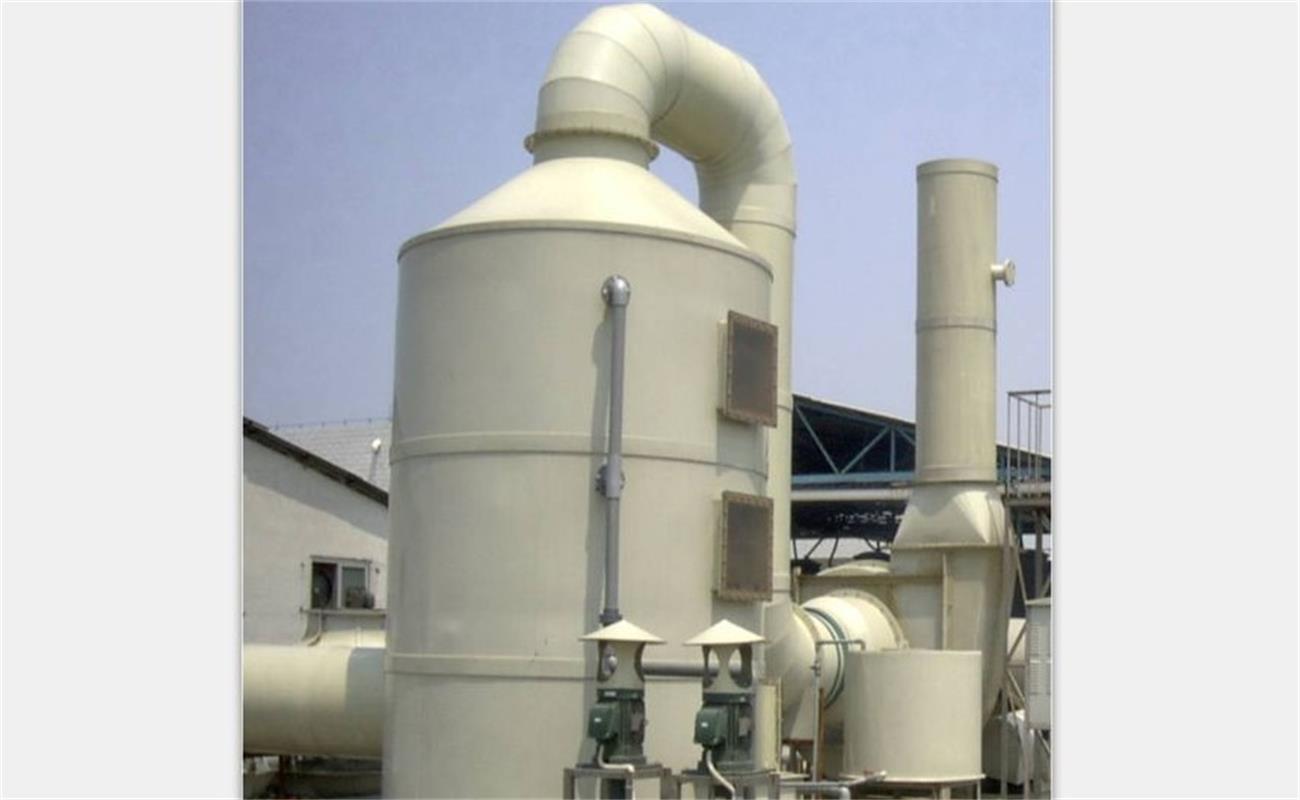
A complete lead acid battery recycling equipment line typically includes a battery cutter, breaking and separation system, filter press for lead paste collection, de-sulfurization unit, smelting furnace, refinery kettle, air pollution control system, and water treatment plant. Recovery rates for lead can exceed 95% when the right combination of mechanical separation and metallurgical processing is used. Capacity usually ranges from 1 to 10 metric tons per hour depending on plant design.
Li Battery Recycling Equipment
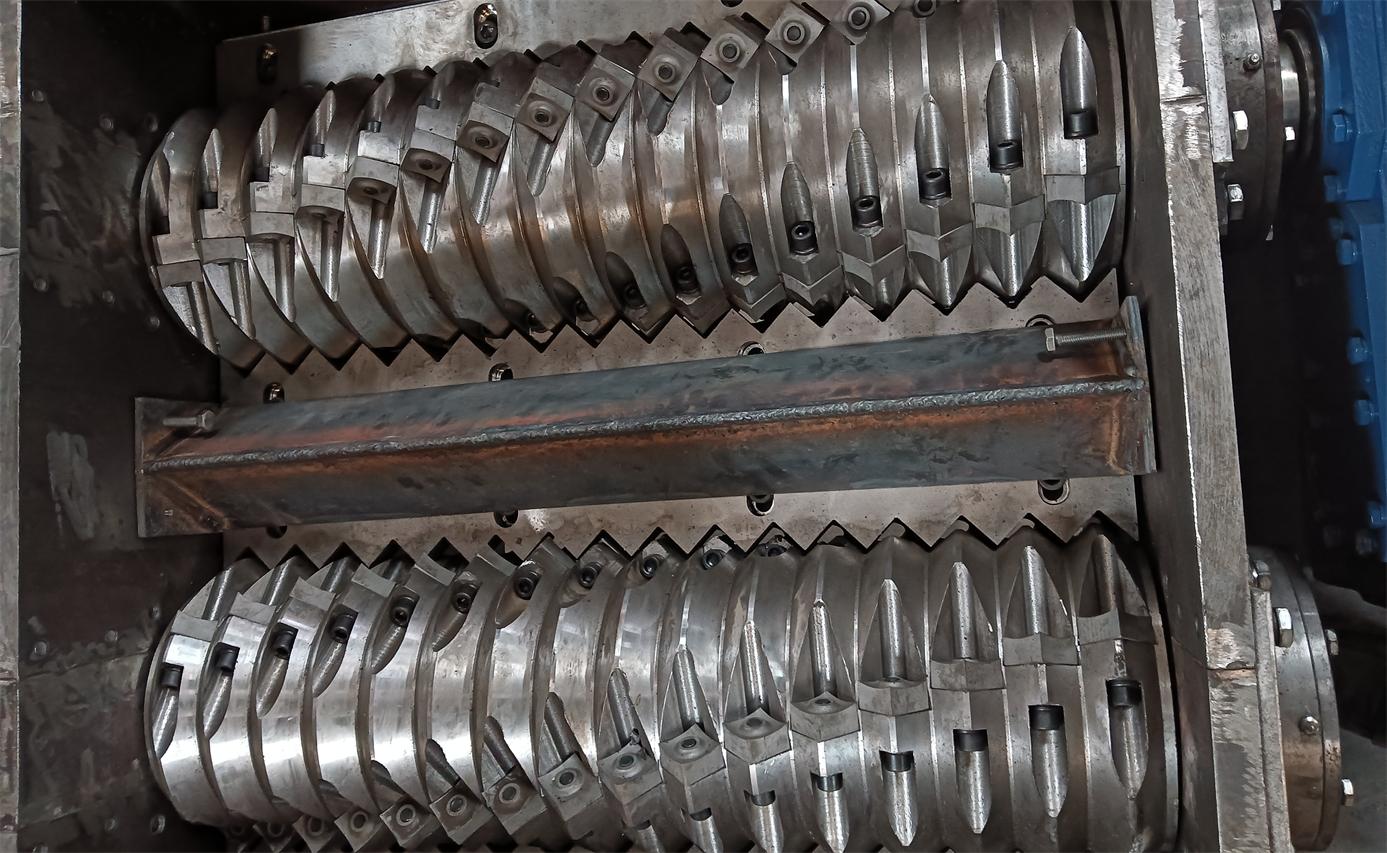
Lithium-ion recycling is more complex due to the flammable electrolytes and diverse cell chemistries. A standard li battery recycling equipment setup includes discharge stations, pre-crushers, secondary granulators, magnetic separators, and air classification systems to recover black mass, copper, aluminum, and plastic fractions. Capacity ranges from 500 to 2,500 kg per hour. Plants must also incorporate air pollution control and fire suppression systems to handle toxic gases and thermal risks safely.
Cable Recycling Equipment
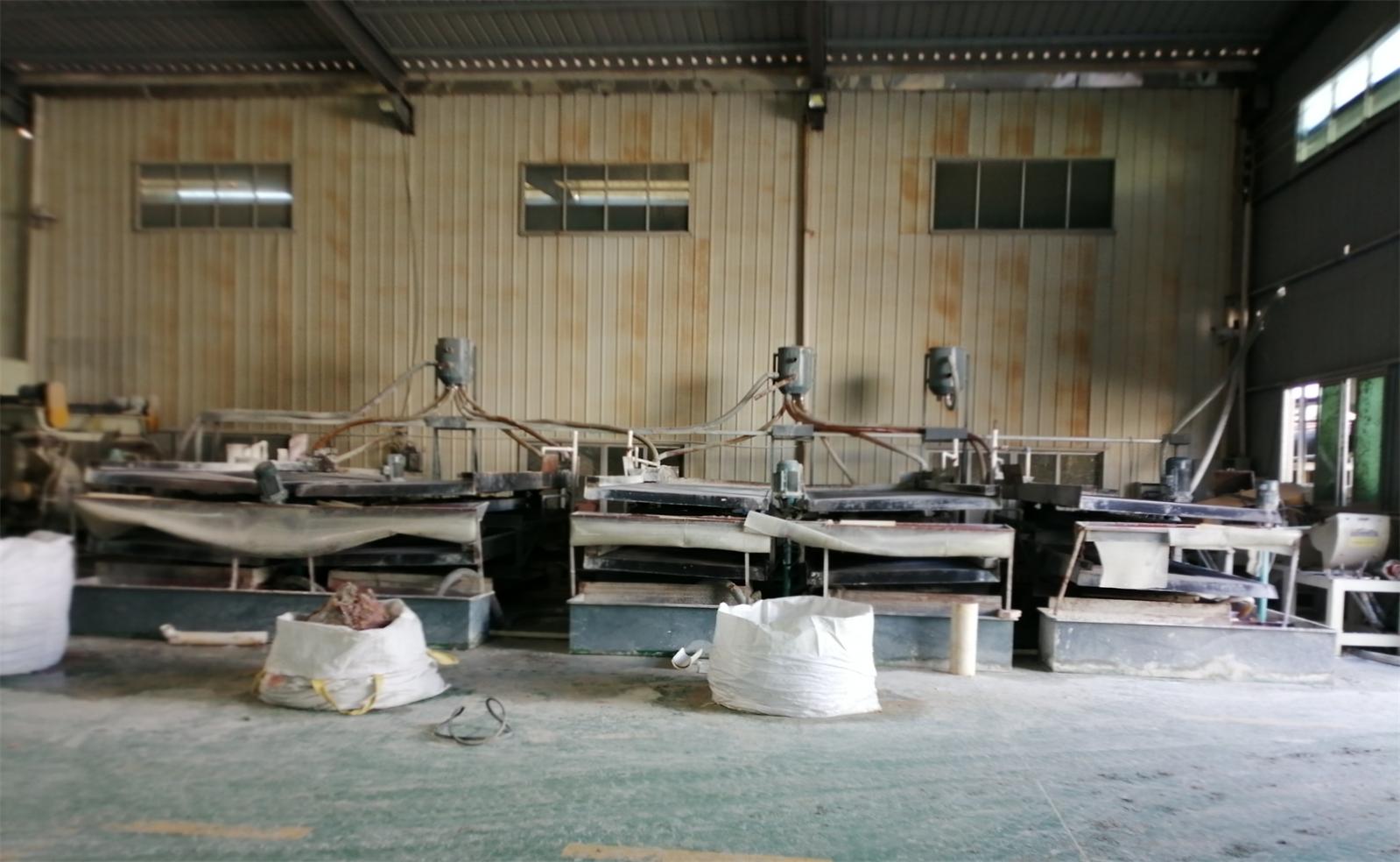
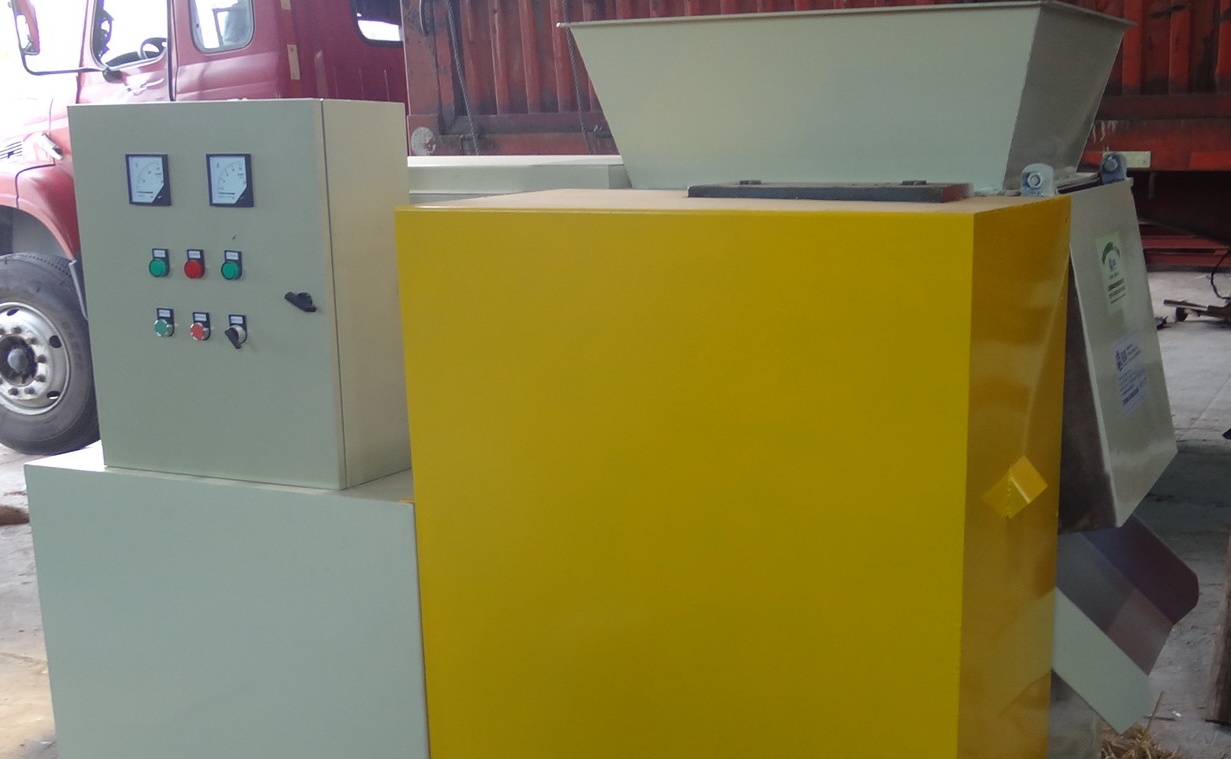
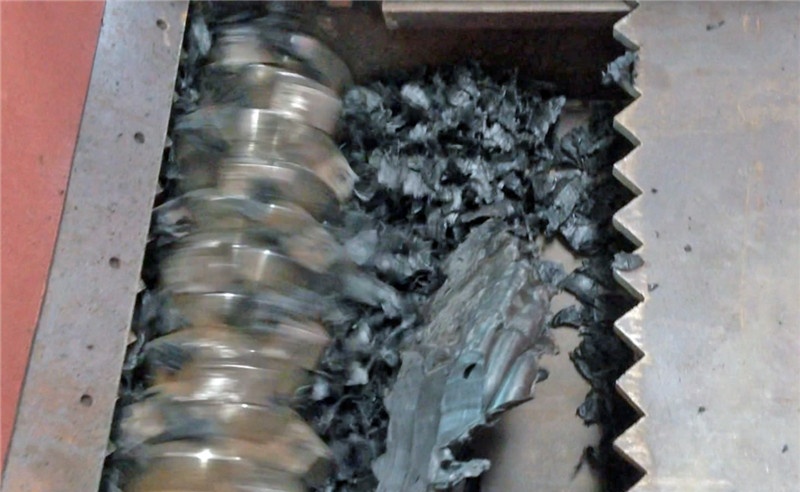
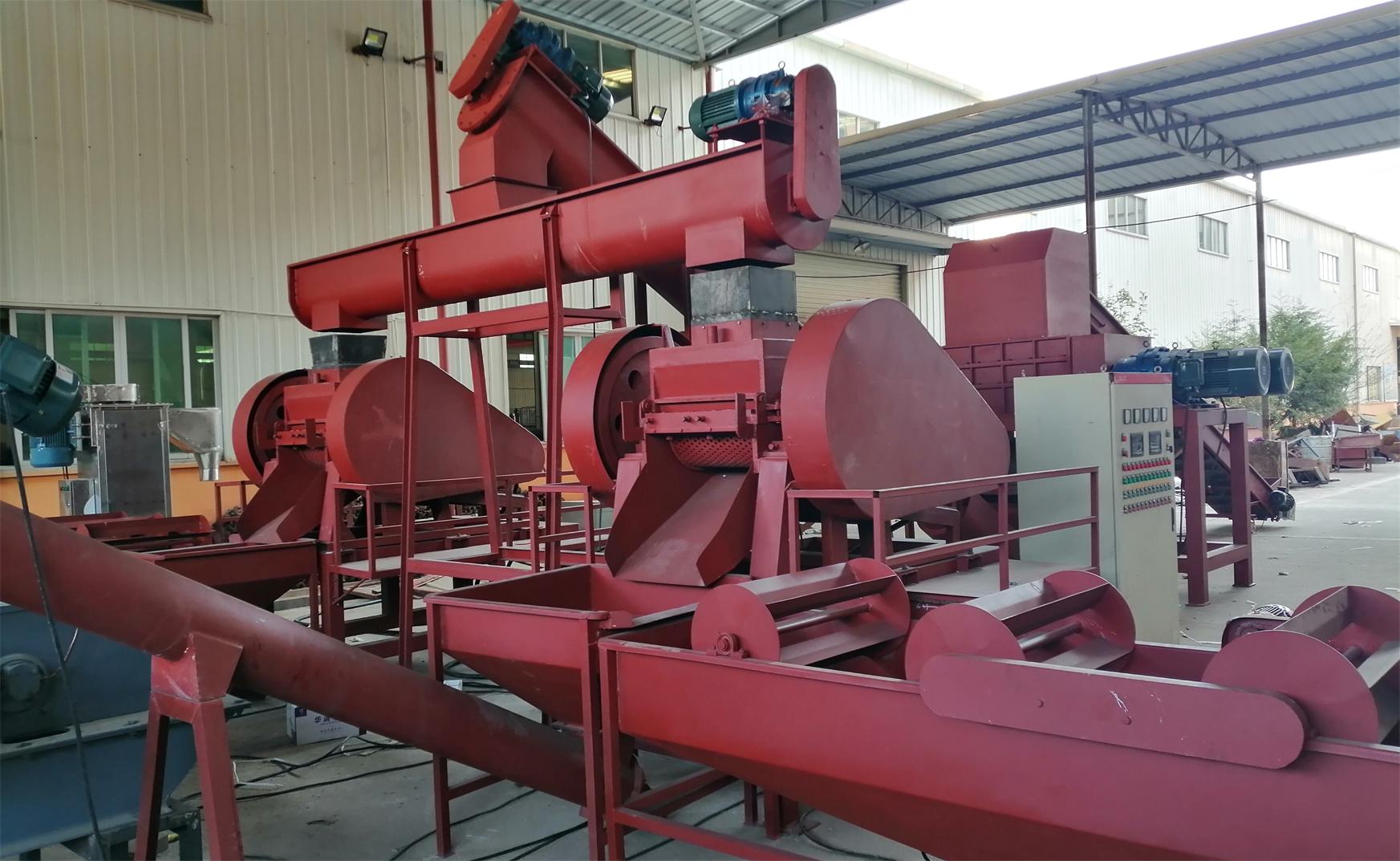
Scrap cable processing is one of the most accessible entry points into the recycling business. Cable recycling equipment includes scrap cable strippers for large-diameter wire and cable granulators with dry or wet separators for fine copper recovery. Modern granulators can achieve copper purity of 96-98% with recovery rates around 95%. Dry separation systems are preferred for their lower environmental footprint and simpler operation.
Circuit Board and E-Waste Processing
Printed circuit board recycling plants use mechanical crushing combined with air or water separation to recover copper powder and precious metal concentrates. Additional lines for refrigerator and air conditioner recycling, CRT cutting, motor dismantling, and lamp crushing allow operators to handle the full spectrum of WEEE materials under one roof.
What Separates a Good Supplier from a Great One
Equipment specifications matter, but the supplier relationship often matters more. Here are five criteria to evaluate before placing an order:
- Engineering depth: Can the supplier customize plant layout, capacity, and process flow to match your raw material mix and local regulations?
- EPC capability: A supplier that offers engineering, procurement, and construction services saves you from coordinating multiple contractors.
- After-sales support: Installation, commissioning, and spare parts availability determine whether your plant reaches design capacity on schedule.
- Proven export experience: Suppliers with installations across diverse regions understand shipping, voltage standards, and local compliance better.
- Value-added services: Some suppliers assist with raw material sourcing and end-product sales, shortening your path to revenue.
San Lan Technologies: A Partner for the Full Project Lifecycle
San Lan Technologies Co., Ltd, established in 2007 in Jiangxi Province, China, has spent over 15 years designing and manufacturing WEEE recycling machinery and mining equipment. The company serves customers in more than 21 countries, including Singapore, Colombia, Vietnam, Mexico, South Africa, India, and Saudi Arabia.
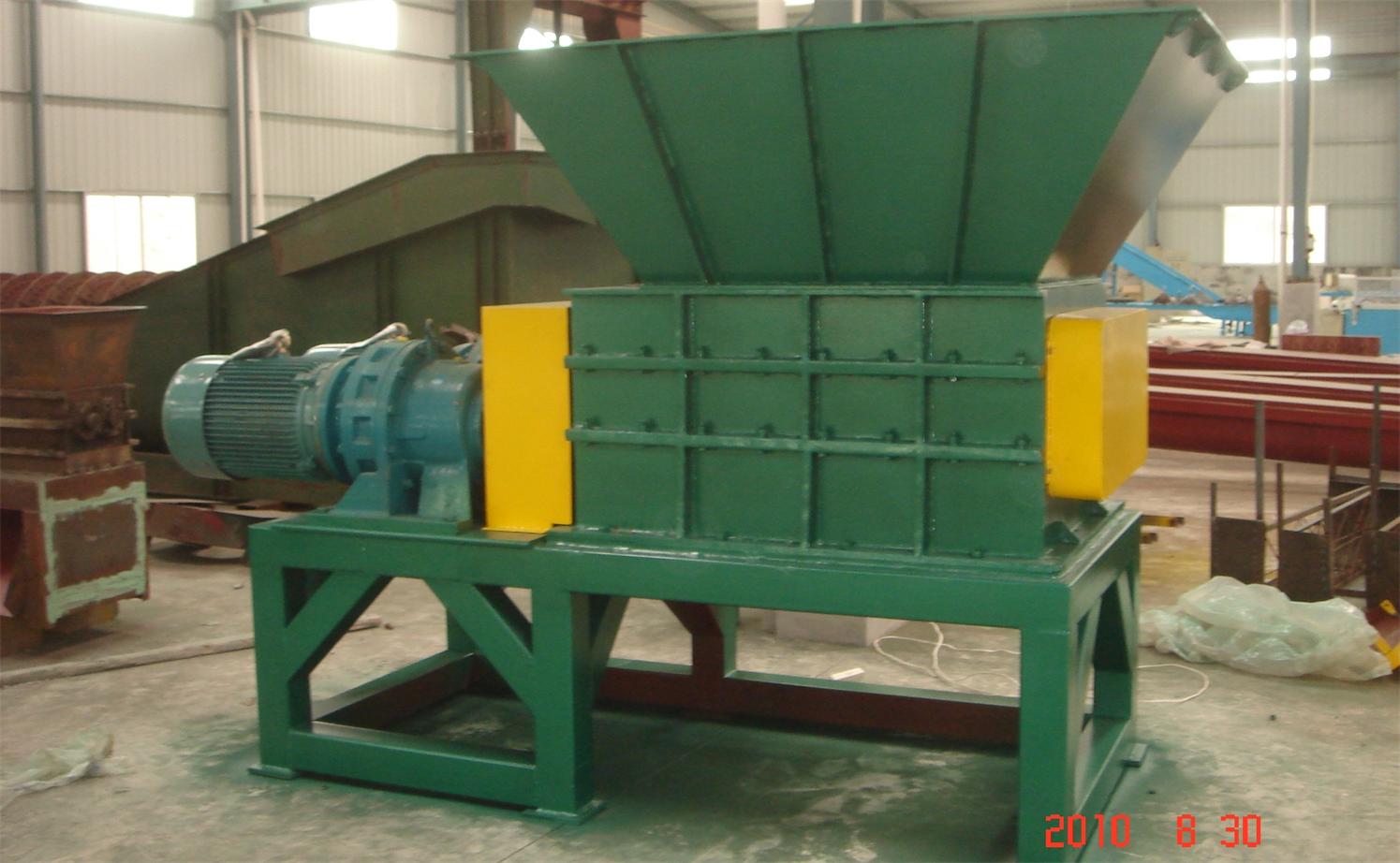
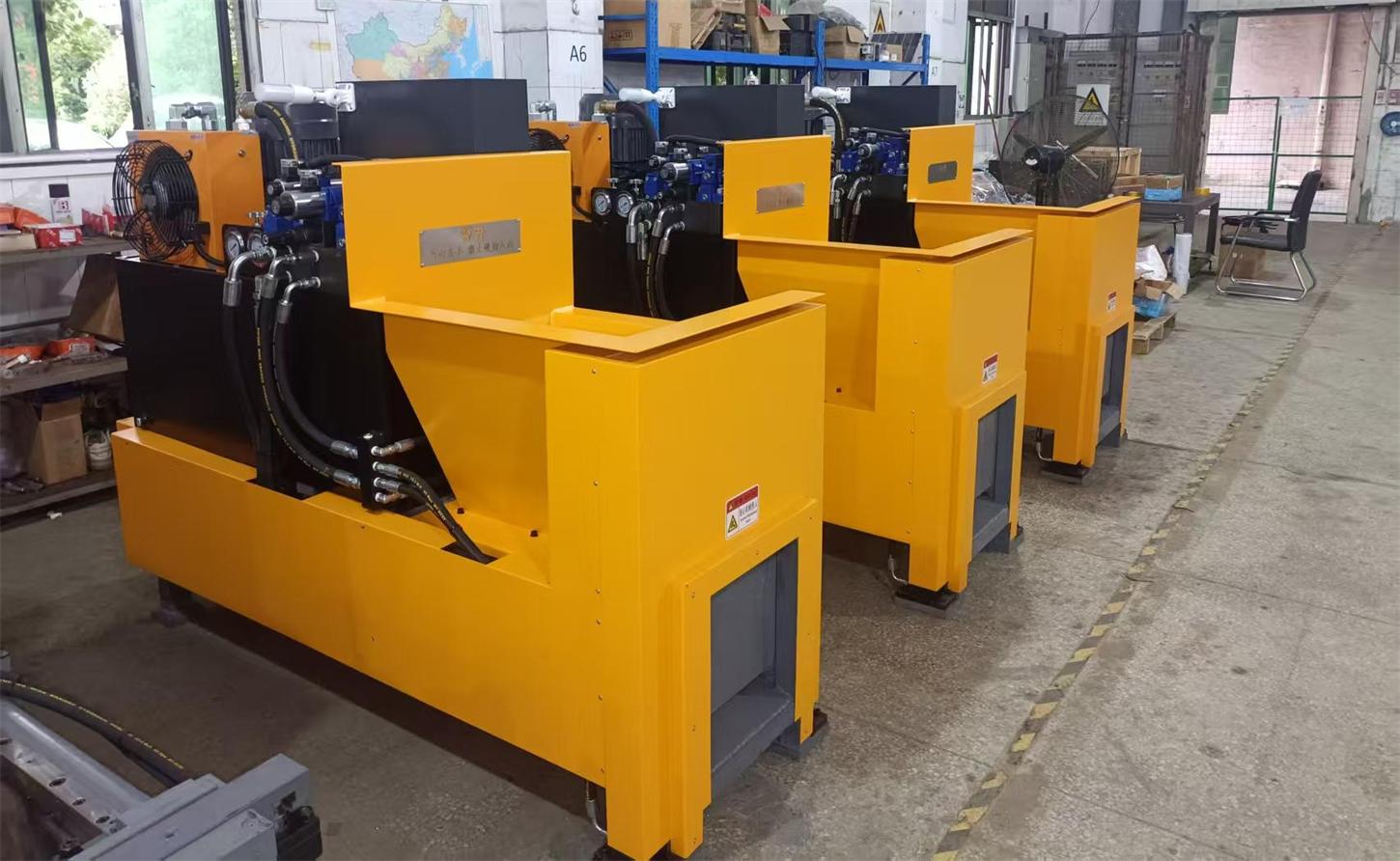
San Lan's product portfolio covers lead acid battery recycling plants, lithium battery recycling lines, circuit board recycling systems, cable granulators, hydraulic presses, shredders, CRT cutters, refrigerator recycling equipment, motor recycling machines, metal melting furnaces, and lamp recycling systems.
What distinguishes San Lan is its end-to-end project capability. The in-house technical team includes mechanical engineering masters with more than 15 years of direct experience in e-waste recycling equipment. Beyond manufacturing, San Lan provides customized plant design, one-stop equipment purchasing, installation and commissioning, assistance with waste material procurement, and support for selling recovered products such as copper rice, lead ingots, and aluminum fractions. For investors looking to build recycling infrastructure from scratch, San Lan also offers partnership opportunities in plant construction.
Operating in a bilingual English-Chinese environment, San Lan's team understands intercultural business contexts, which reduces communication friction for international buyers. The company also pursues a "virtue integration and postpone strategy" — designing modular systems that let customers start with core equipment and add capacity or downstream refining as cash flow allows.
Plan for the Long Term
Recycling equipment is a long-term capital decision. A well-built lead-acid battery recycling plant can operate for decades with proper maintenance. Lithium-ion lines are evolving quickly as battery chemistries change, so choosing a supplier with active R&D and upgrade paths protects your investment. Similarly, cable and circuit board recycling technology has advanced from simple shredding to precision separation systems that recover more metal and create less waste.
Before committing, visit reference installations if possible. Ask for detailed process flow diagrams, utility requirements, and emission data. Confirm that the proposed equipment meets your local environmental standards. And budget realistically: equipment is typically only 60-70% of total project cost. Site preparation, civil works, pollution control, and working capital must all be factored into your financial model.
Ready to equip your recycling plant? Whether you are starting with lead-acid batteries, lithium-ion packs, scrap cable, or mixed e-waste, San Lan Technologies offers turnkey solutions tailored to your capacity and budget. Contact the team at info@san-lan.com or via WhatsApp at +86 139 2377 4083 to discuss your project requirements and request a customized quotation.