How to Choose the Right E-Waste Recycling Equipment for Your Plant: A 2026 Guide
Key considerations for investing in battery, cable, and circuit board recycling systems
The global e-waste stream continues to expand at an unprecedented pace. According to the UNITAR Global E-Waste Monitor, millions of tonnes of discarded electronics enter the waste stream annually, creating both an environmental challenge and a significant business opportunity. For entrepreneurs and established waste management companies alike, investing in the right recycling equipment is the critical first step toward capturing value from this growing waste stream.
Understanding Your Material Stream
Before selecting machinery, operators must understand the composition of their incoming feedstock. Lead-acid batteries from automotive and industrial sources represent the largest tonnage segment in many markets. Consumer electronics and the emerging electric vehicle sector are driving rapid growth in lithium-ion battery waste. Meanwhile, scrap cables and printed circuit boards continue to provide steady volumes of recoverable copper, aluminum, and precious metals. Each material requires a distinct processing approach, and choosing equipment matched to your actual feedstock is essential for profitable operations.
Lead-Acid Battery Recycling: The Volume Foundation
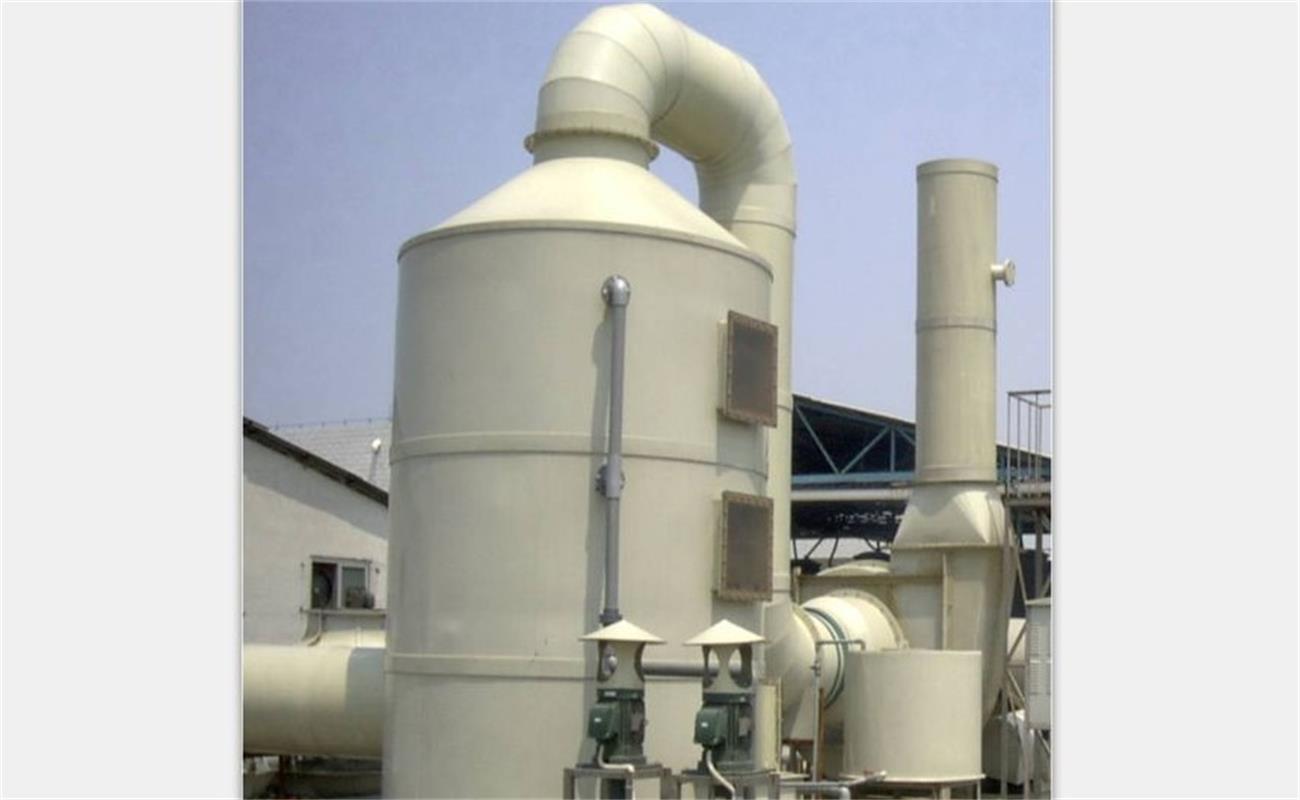
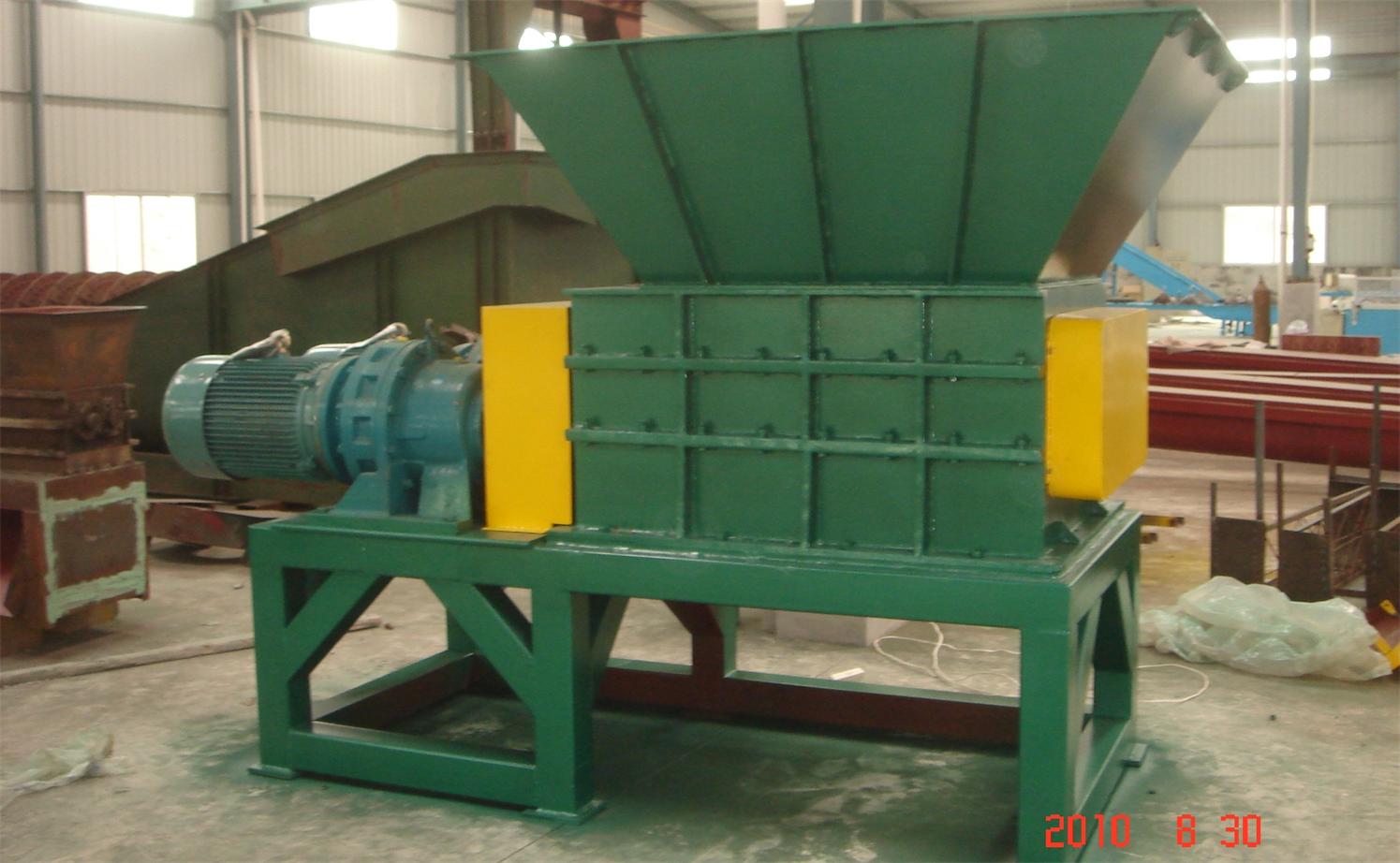
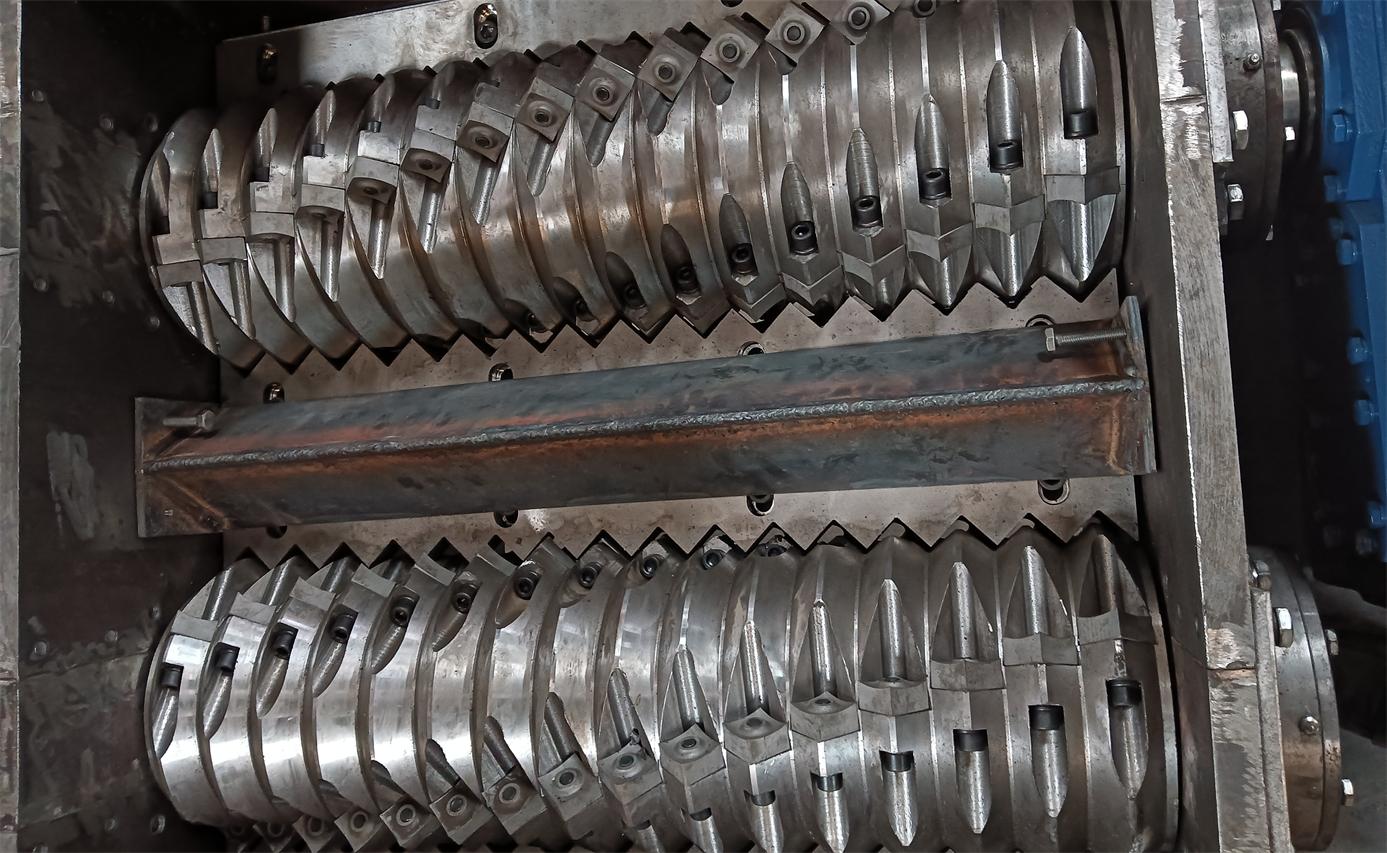
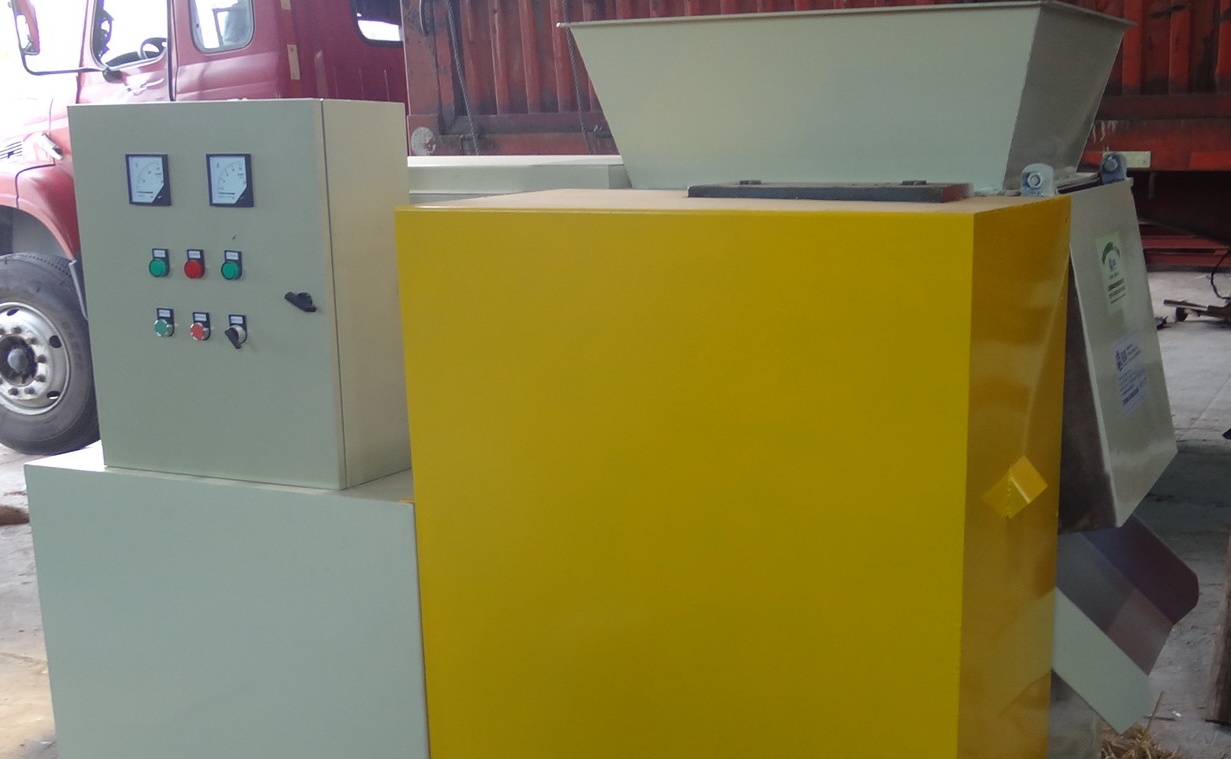
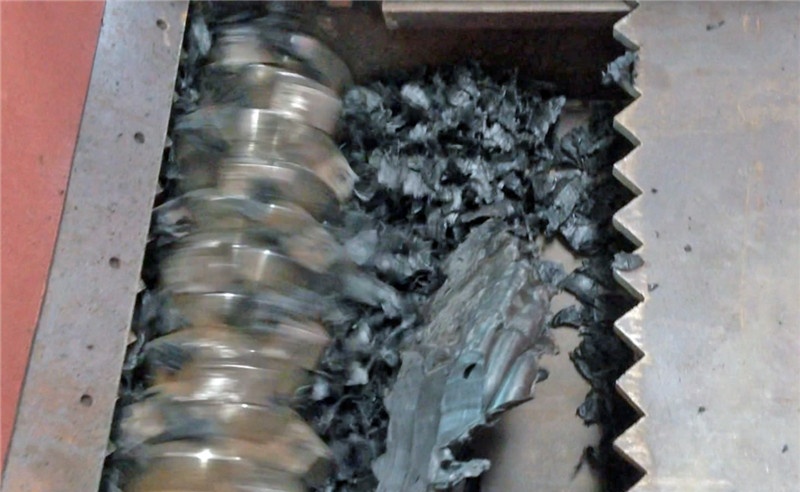
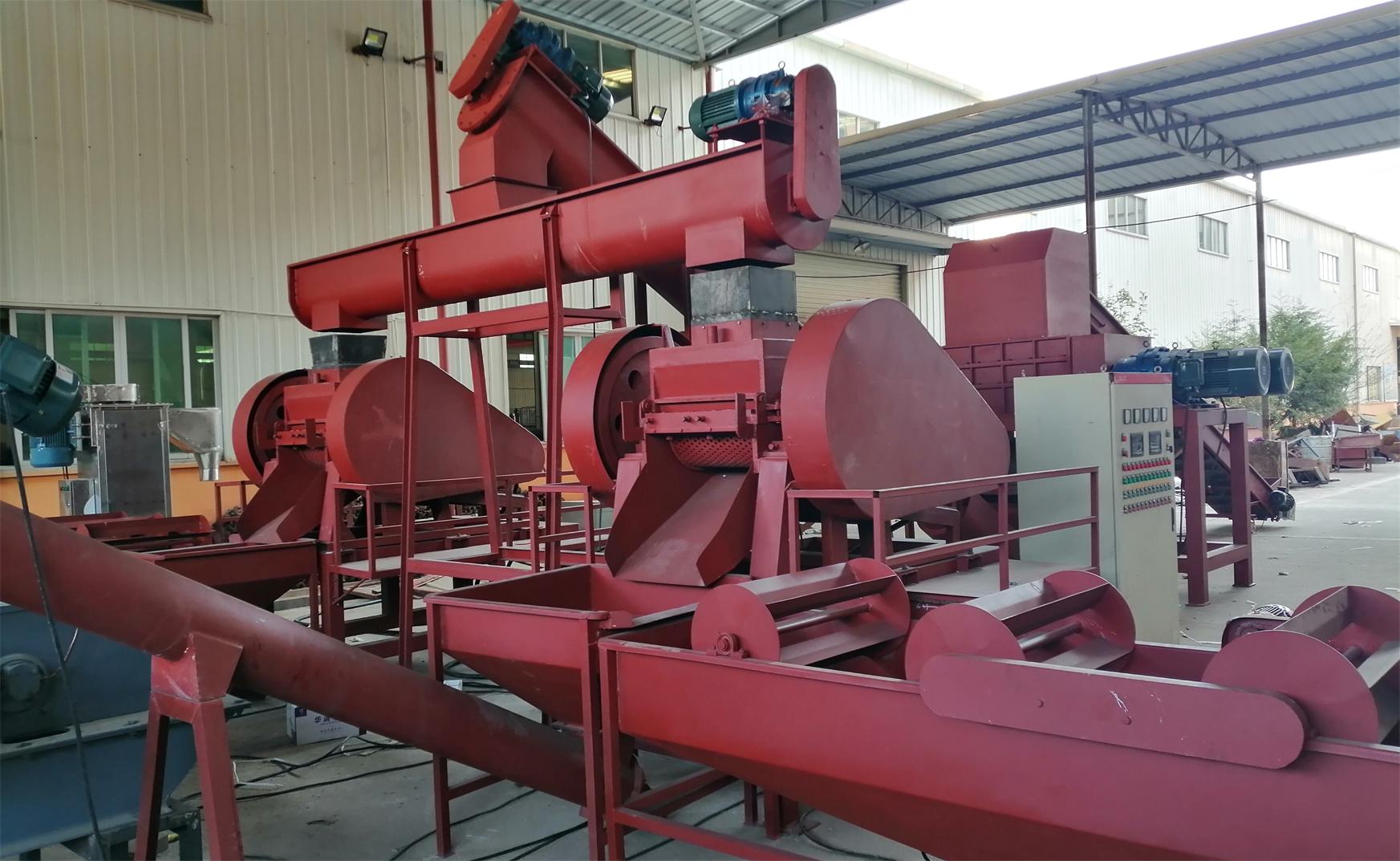
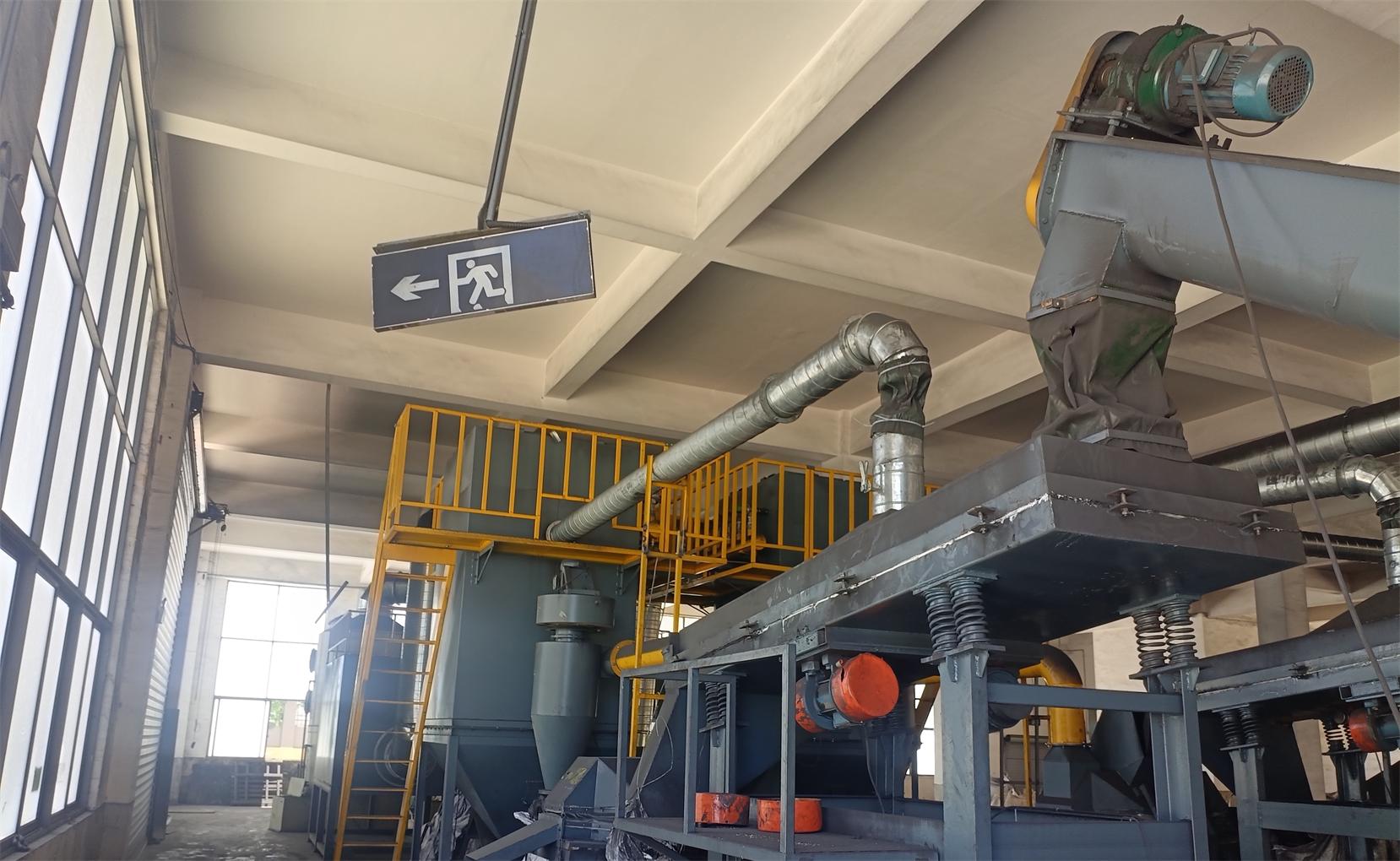
Lead-acid batteries remain the workhorse of the battery recycling world. A complete lead acid battery recycling equipment line typically includes breaking and separation systems, smelting furnaces, refining kettles, and air pollution control systems. The goal is to recover lead paste, lead grids, plastic cases, and neutralize sulfuric acid with minimal environmental impact. Modern systems can process 1 to 10 metric tons per hour while maintaining lead recovery rates above 95 percent. For operators entering the recycling business, lead-acid systems offer mature technology, predictable economics, and strong downstream demand for recovered lead ingots.
Key components of a lead-acid recycling line: battery cutter, breaking and separating plant, de-sulfurization unit, blast or rotary furnace, lead refinery kettle, filter press, water treatment plant, and air pollution control system.
Lithium-Ion Battery Recycling: Capturing High-Value Materials
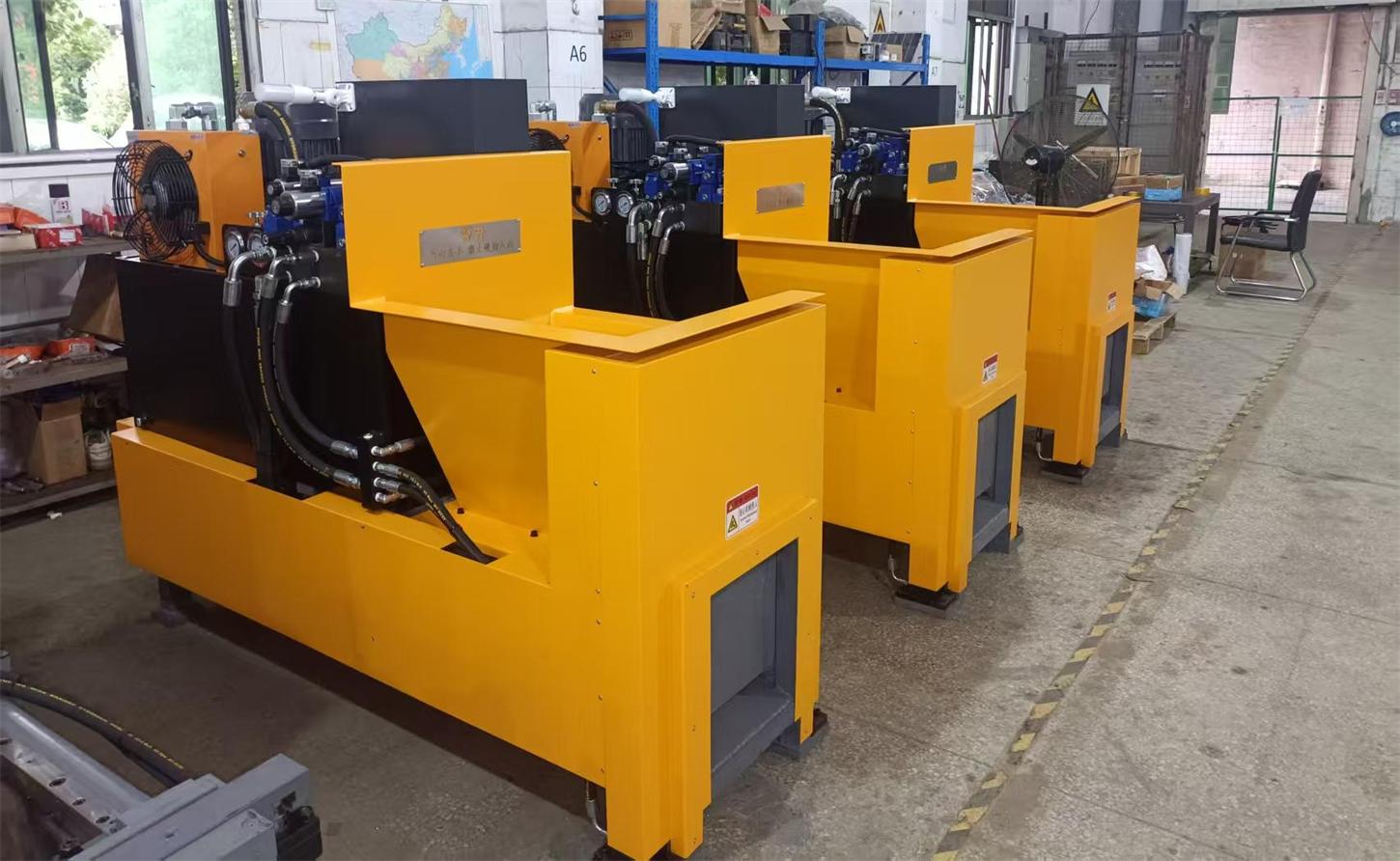
The lithium-ion segment represents the fastest-growing opportunity in battery recycling. A Li Battery recycling plant must safely discharge, dismantle, and separate these units to recover black mass containing nickel, cobalt, manganese, and graphite. Capacity ranges from 500 to 2,500 kilograms per hour depending on plant scale. The recovered materials command premium prices in global commodity markets, making lithium-ion recycling particularly attractive for operators with access to steady feedstock from consumer electronics or electric vehicle sources.
Cable and Circuit Board Recovery: Maximizing Metal Yield
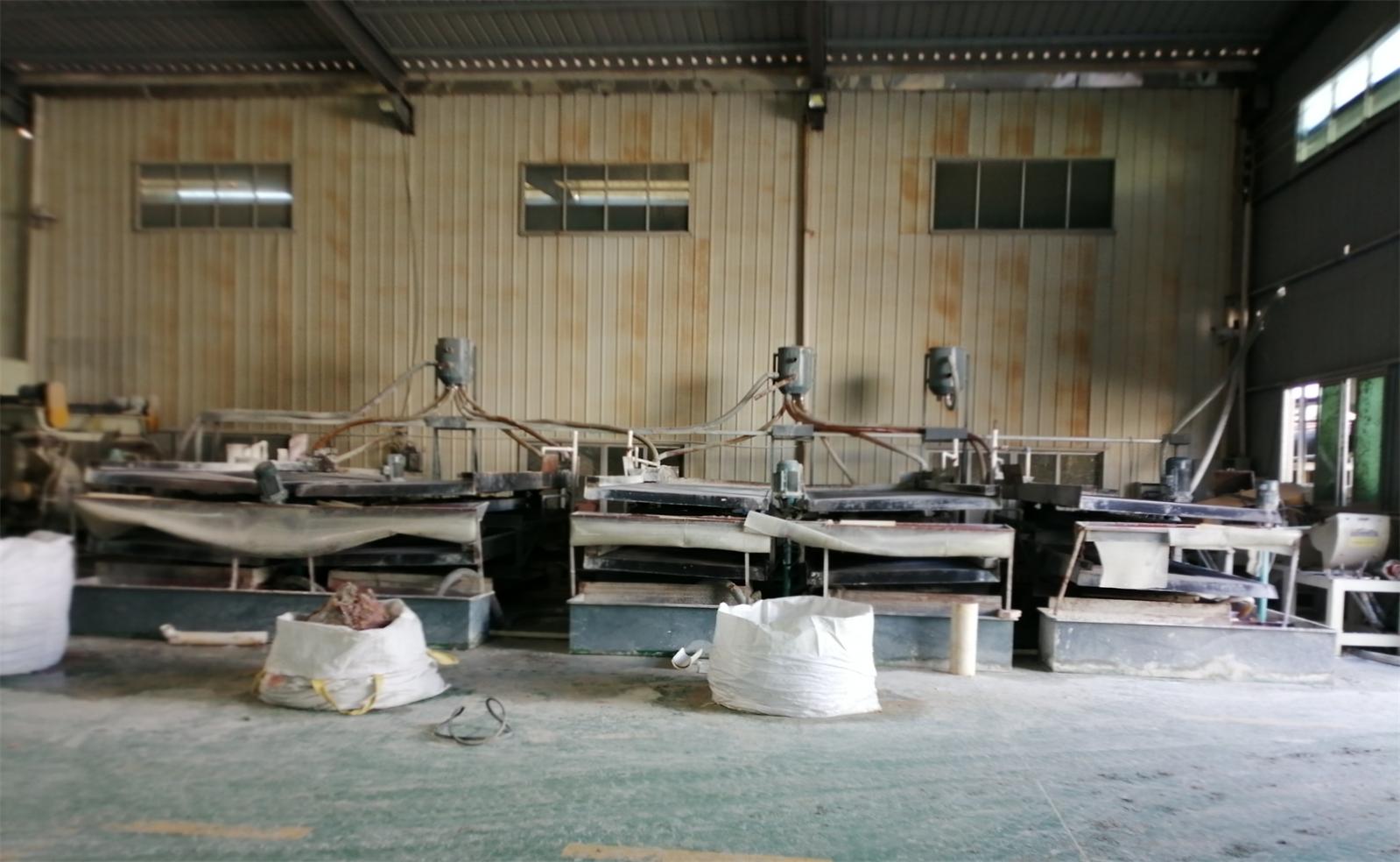
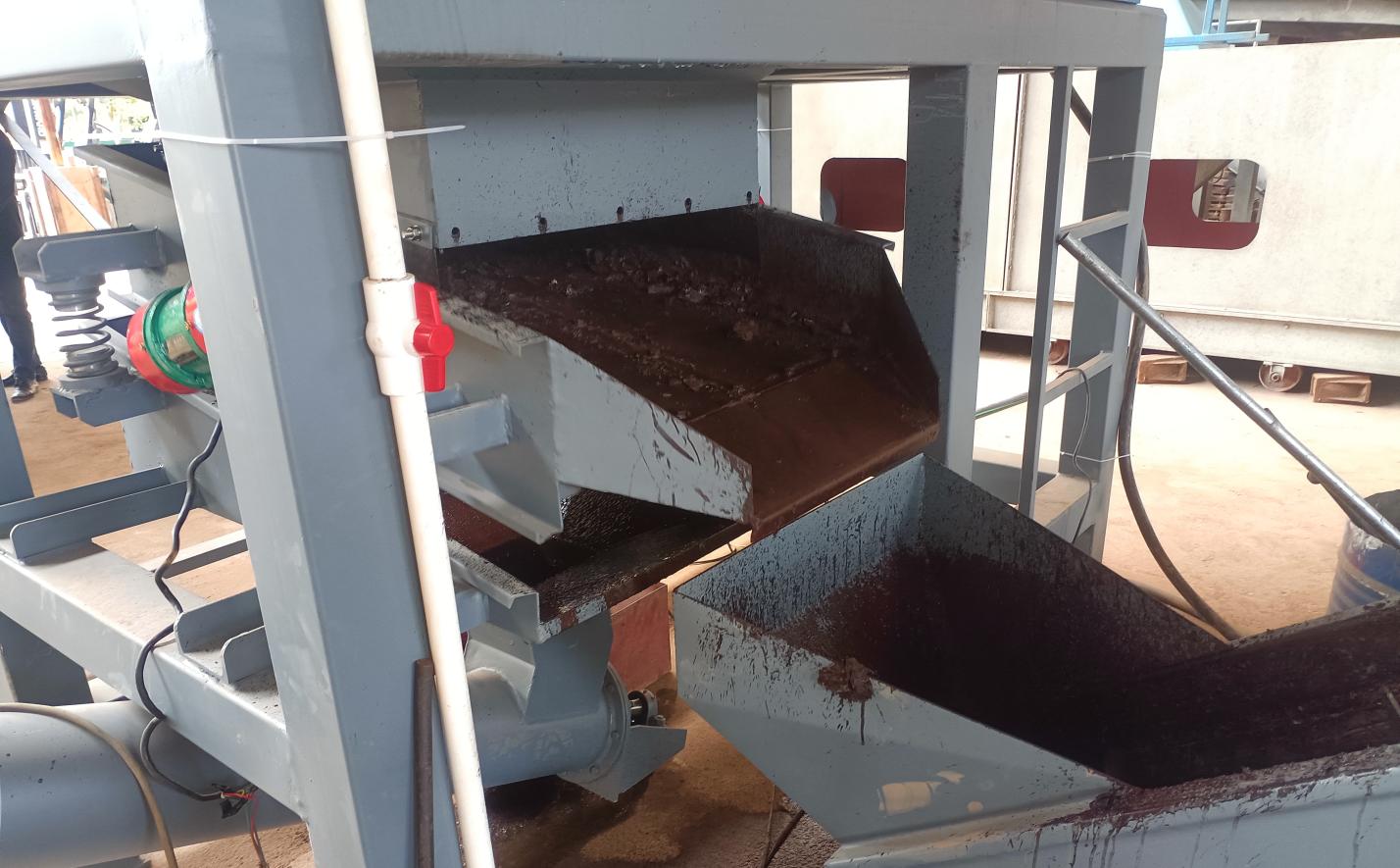
Beyond batteries, scrap cables and printed circuit boards represent high-value recycling streams. cable recycling equipment uses granulation and separation technology to recover pure copper and aluminum from insulated wire, with capacity ranging from compact 100 kilogram per hour units up to large 1,200 kilogram per hour systems. Circuit board recycling plants employ mechanical crushing followed by air or water separation to extract copper powder with purity levels reaching 96 to 98 percent. These systems process anywhere from 300 to 2,000 kilograms per hour and operate with recovery rates above 95 percent.
Why Turnkey EPC Solutions Matter
Building a recycling plant involves far more than purchasing individual machines. Engineering, procurement, and construction expertise ensures that breaking systems, separation units, smelting equipment, and pollution control systems work together efficiently. Turnkey providers handle layout design, installation, commissioning, and operator training, reducing the risk of costly integration problems. For operators without extensive technical backgrounds, this comprehensive approach accelerates the path from investment to production.
Selecting the Right Supplier
Experience matters when choosing a recycling equipment partner. Look for manufacturers with demonstrated expertise in your target material streams, a track record of successful plant installations across multiple countries, and the ability to provide ongoing technical support. The ideal supplier offers customization options to match equipment specifications to your local feedstock characteristics and environmental regulations. A technical team with deep engineering backgrounds and over 15 years of hands-on experience in e-waste recycling machinery can make the difference between a plant that struggles and one that runs at target capacity from day one.
Conclusion
The e-waste recycling sector rewards operators who invest in quality equipment and long-term partnerships. Whether your focus is lead-acid batteries, lithium-ion units, cables, or circuit boards, selecting machinery from an experienced manufacturer with turnkey capabilities provides the foundation for sustainable profitability. As global regulations tighten and material prices remain strong, the window for establishing a competitive recycling operation continues to widen.
Ready to start your recycling project? Contact San Lan Technologies today to discuss your requirements and receive a customized equipment proposal tailored to your material stream and production goals. With customers in over 21 countries and a full range of WEEE recycling and mining equipment, we provide the engineering expertise and manufacturing quality your operation demands.