Two facility managers walk into a trade show in Guangzhou. Both need to expand their recycling operations. One spends six months negotiating with three different vendors for individual machines. The other partners with a single recycling equipment supplier and has a turnkey plant running in ninety days. The difference is not luck. It is procurement strategy.
Global e-waste generation is accelerating. Regulators in the European Union, North America, and Southeast Asia are tightening extended producer responsibility rules. Mining companies are under pressure to improve ore recovery rates. The result is a surge in demand for reliable, scalable recycling machinery. Yet buying the wrong equipment or partnering with the wrong vendor can turn a promising project into a capital-intensive headache.
This guide breaks down what experienced plant operators look for when they evaluate recycling equipment — and why the choice of supplier matters as much as the machines themselves.
Understand Your Feedstock Before You Specify Machinery
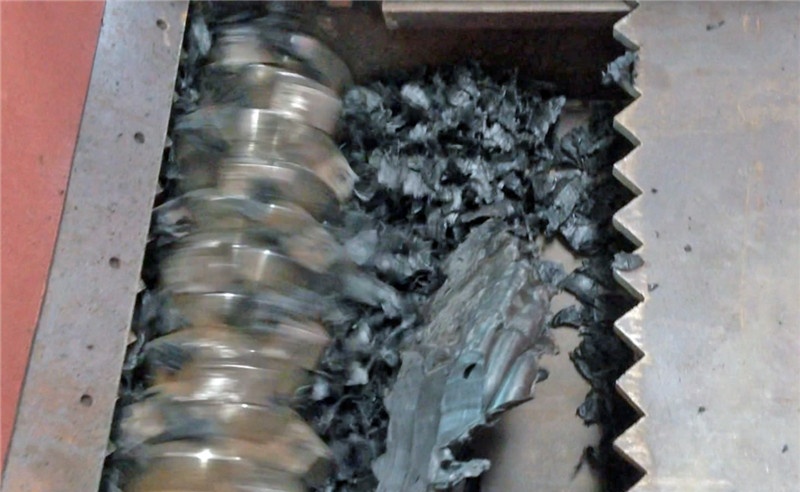
The first mistake in recycling plant procurement is selecting equipment before locking in feedstock profiles. A machine optimized for mixed printed circuit boards will underperform if your main input is lead-acid batteries. A cable granulator configured for dry copper wire will struggle with jelly-filled telecom cable.
Experienced buyers start with a material audit. Measure the volume, physical form, and chemical composition of your expected waste stream. Then map that stream to the right technology family:
Lead-acid batteries require breaking and separation systems, desulfurization units, smelting furnaces, and refinery kettles. Capacity typically ranges from one to ten metric tons per hour for breaking lines.
Lithium-ion batteries demand controlled discharging, pre-crushing, and secondary granulation to recover black mass, copper, aluminum, and plastic safely.
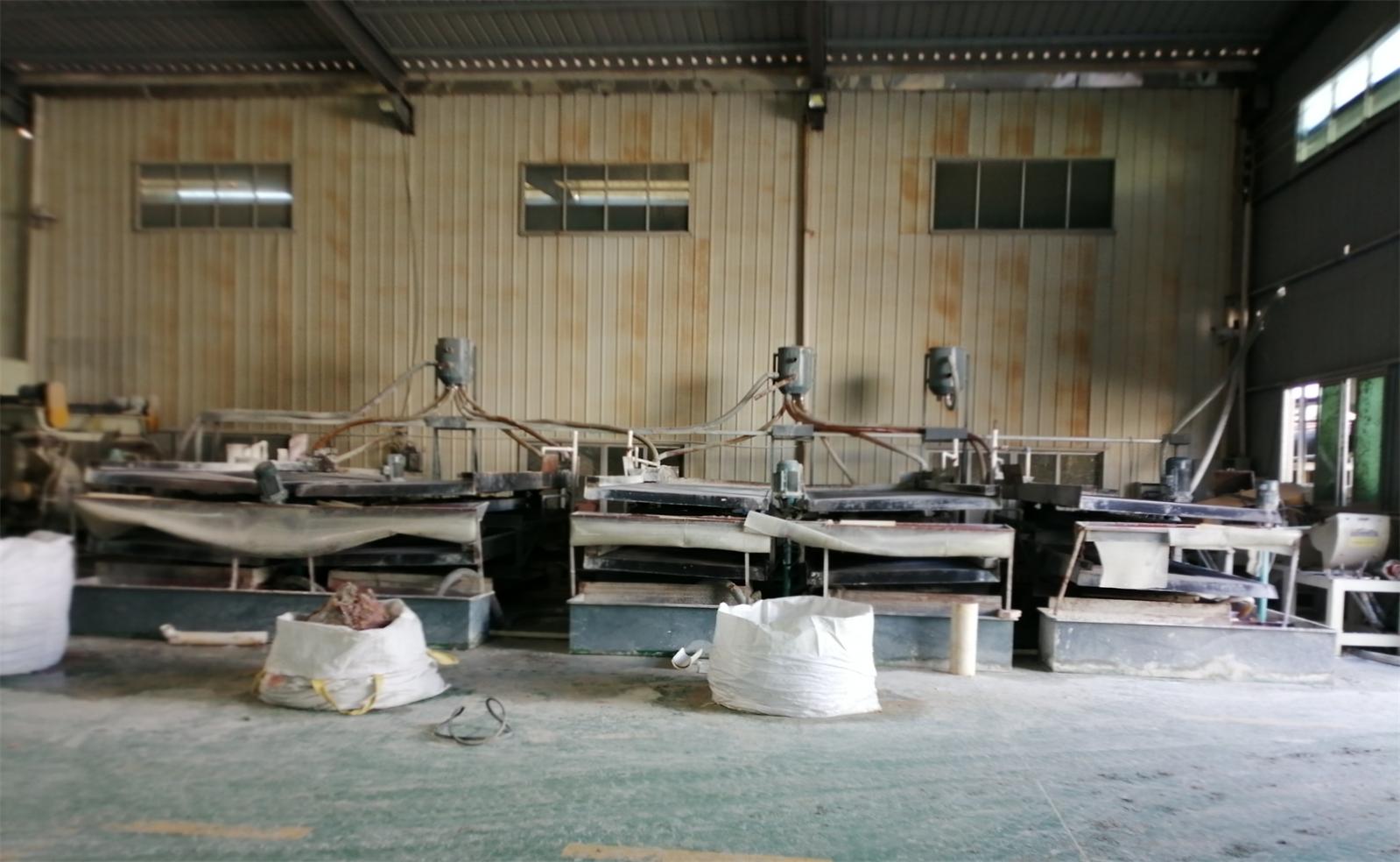
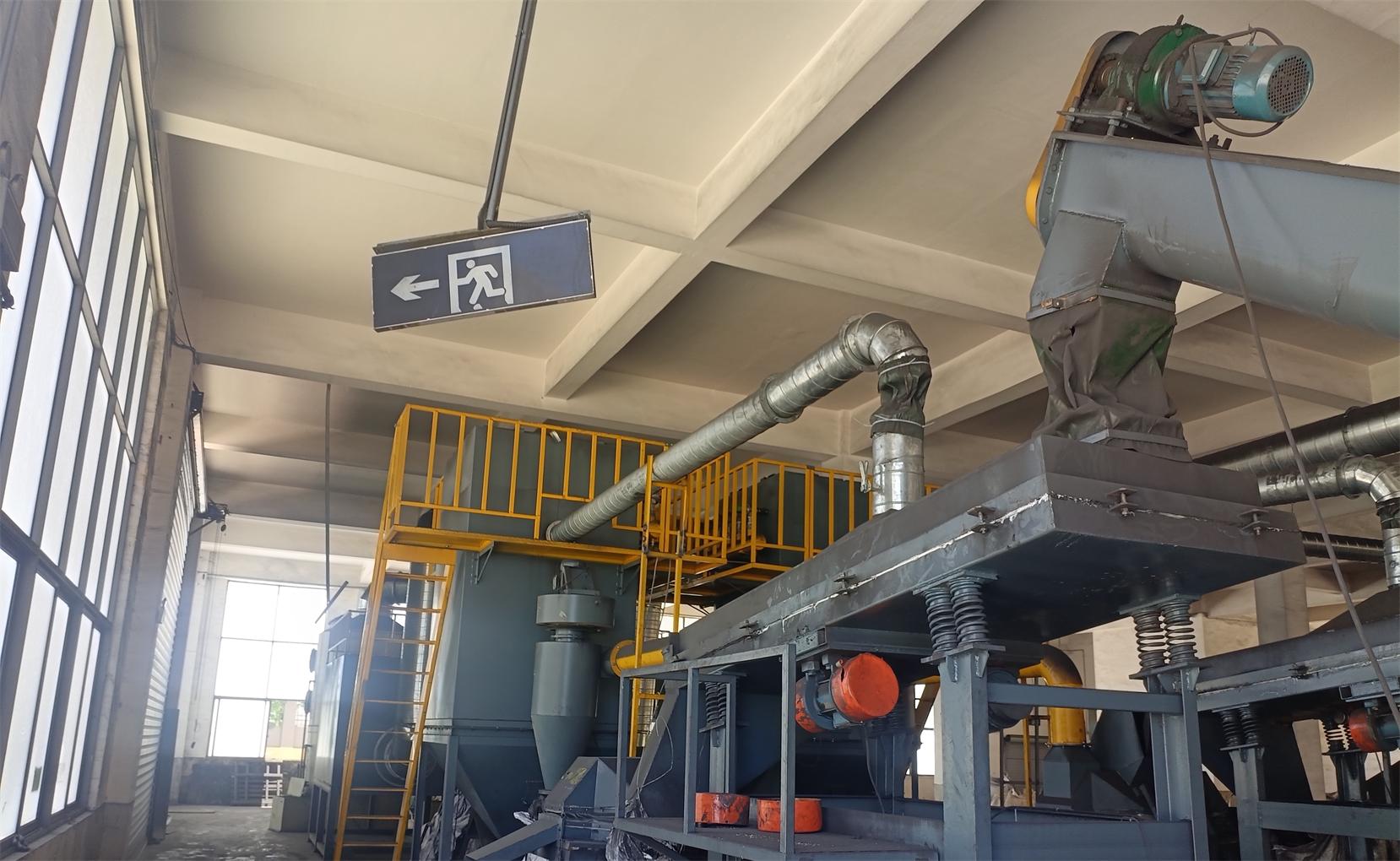
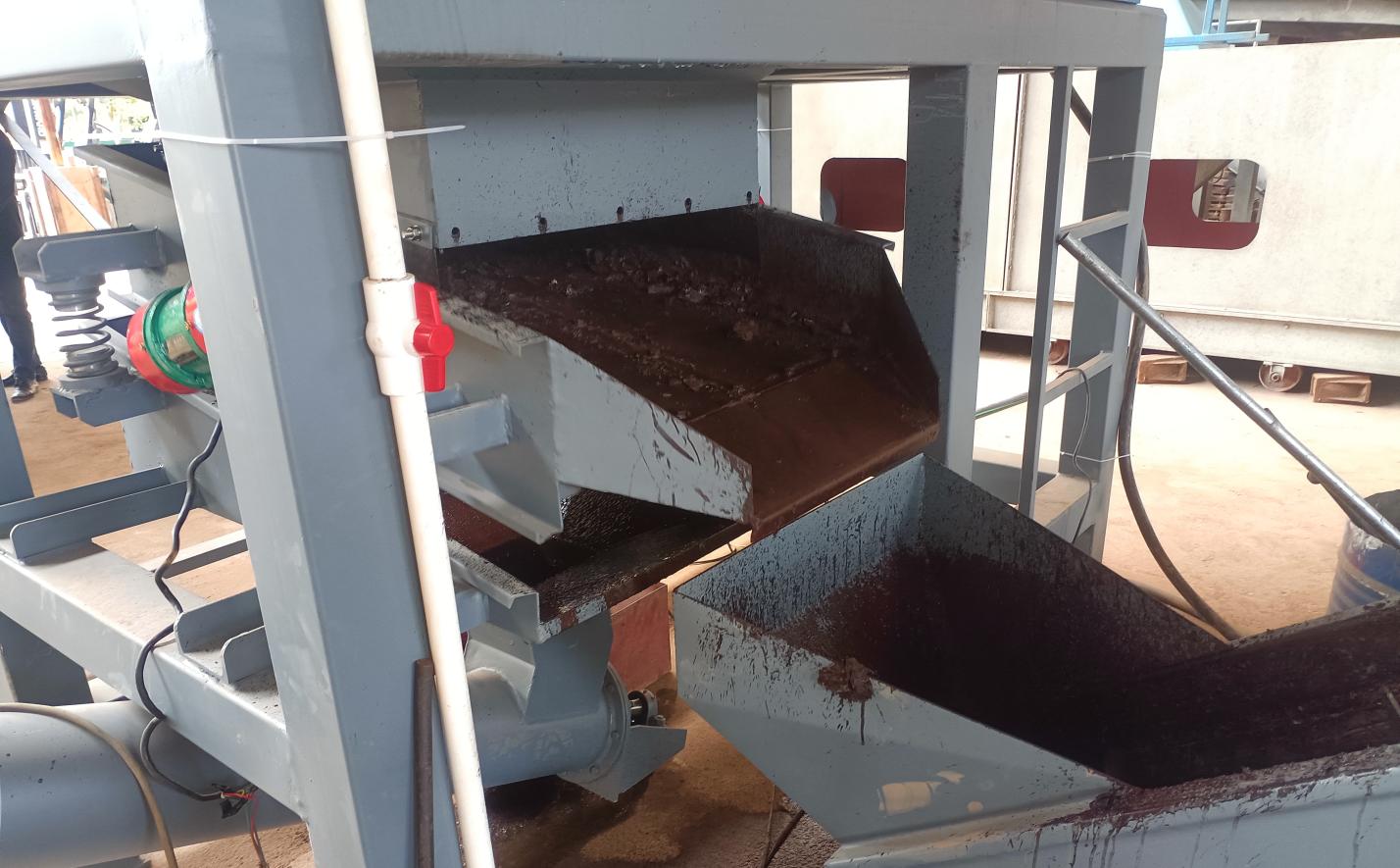
Printed circuit boards can be processed with wet or dry separation lines. Dry systems use air separators, electrostatic separators, and pulse dust collectors. Wet systems use water-based metal separation for higher purity copper powder.
Scrap cables are handled by strippers for large diameter wire or granulators with dry separators for mixed cable scrap.
If your operation handles multiple streams, look for a vendor with cross-category expertise rather than a narrow specialist. Integration between shredding, separation, and pollution control systems is often where projects succeed or fail.
Evaluate Recovery Rates and Throughput Realistically
Manufacturers publish headline capacity figures. A circuit board recycling plant may be rated at two thousand kilograms per hour. A lead-acid battery breaking system may claim ten metric tons per hour. These numbers are achievable under ideal conditions, but real-world feedstock is rarely ideal.
Ask vendors for recovery rate data at varying input qualities. For example, in lead acid battery recycling equipment, the lead recovery rate from paste using a blast furnace can reach ninety-five percent under controlled conditions. A rotary furnace for paste reduction often achieves even higher recovery than a blast furnace. In lithium tailings extraction, total recovery rates of seventy-five percent exceed the industry average of sixty-five percent when the process plant is properly configured.
Request reference visits to operating plants. If a vendor cannot point you to a running installation with similar feedstock, treat their performance claims with caution.
Check Environmental Compliance Integration
Recycling machinery does not operate in a vacuum. Every crushing, smelting, or separation step generates emissions, dust, or effluent. A lead-acid battery recycling plant without an air pollution control system for rotary furnace exhaust will violate environmental standards in most jurisdictions. A lithium battery crushing line without gas absorption and neutralization poses safety risks.
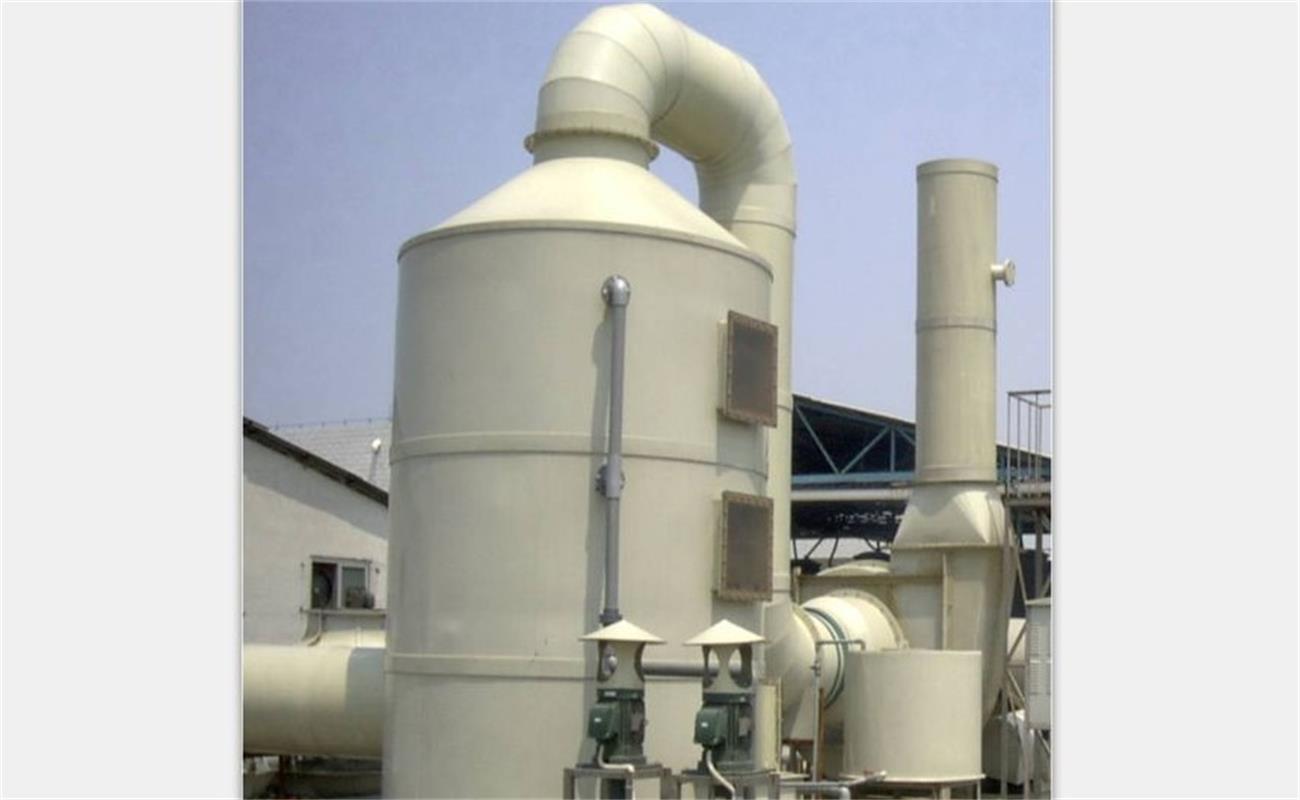
The best vendors supply integrated environmental protection equipment as part of the plant package. This includes pulse bag dust collectors for dry separation lines, wet scrubbers for furnace off-gas, water treatment plants for acidic effluent, and HEPA filtration for lamp recycling. Buying these systems separately from a third party almost always creates interface problems and warranty gaps.
Assess Customization and Turnkey Capability
Off-the-shelf machines work for standard applications. Most industrial recycling projects, however, require some level of customization. Feedstock composition varies by region. Local environmental regulations differ. Existing buildings impose space constraints. Power supply standards change from country to country.
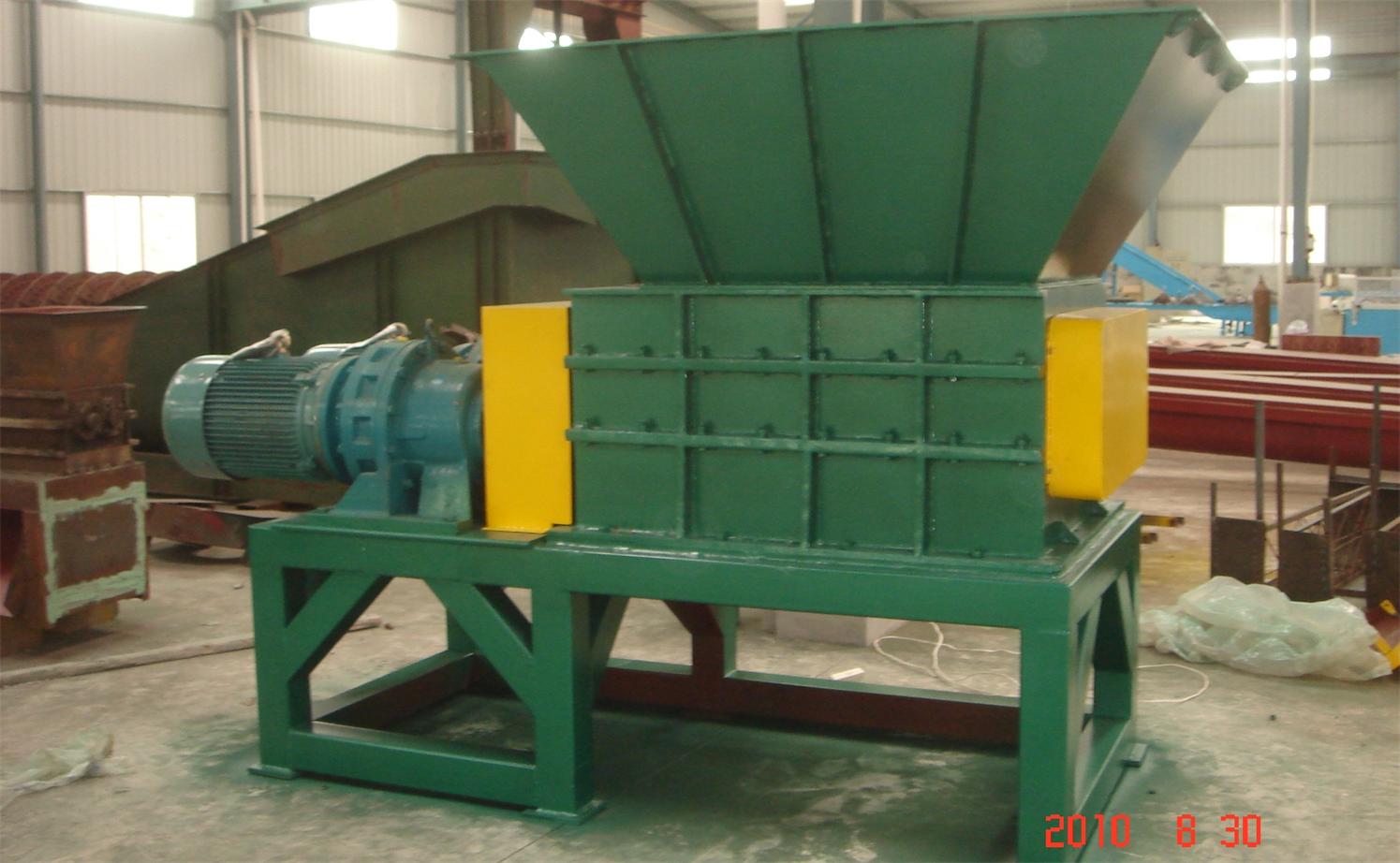
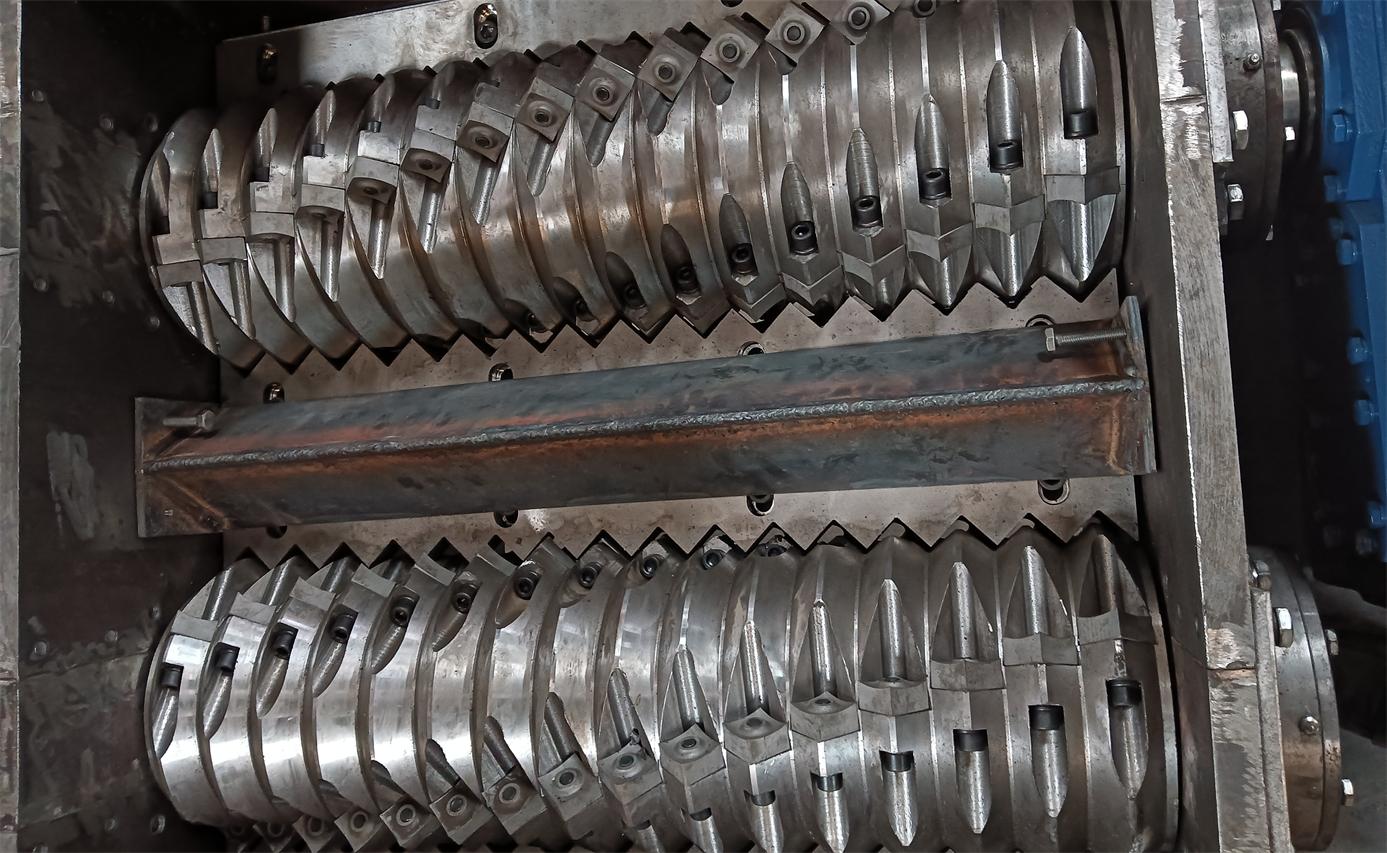
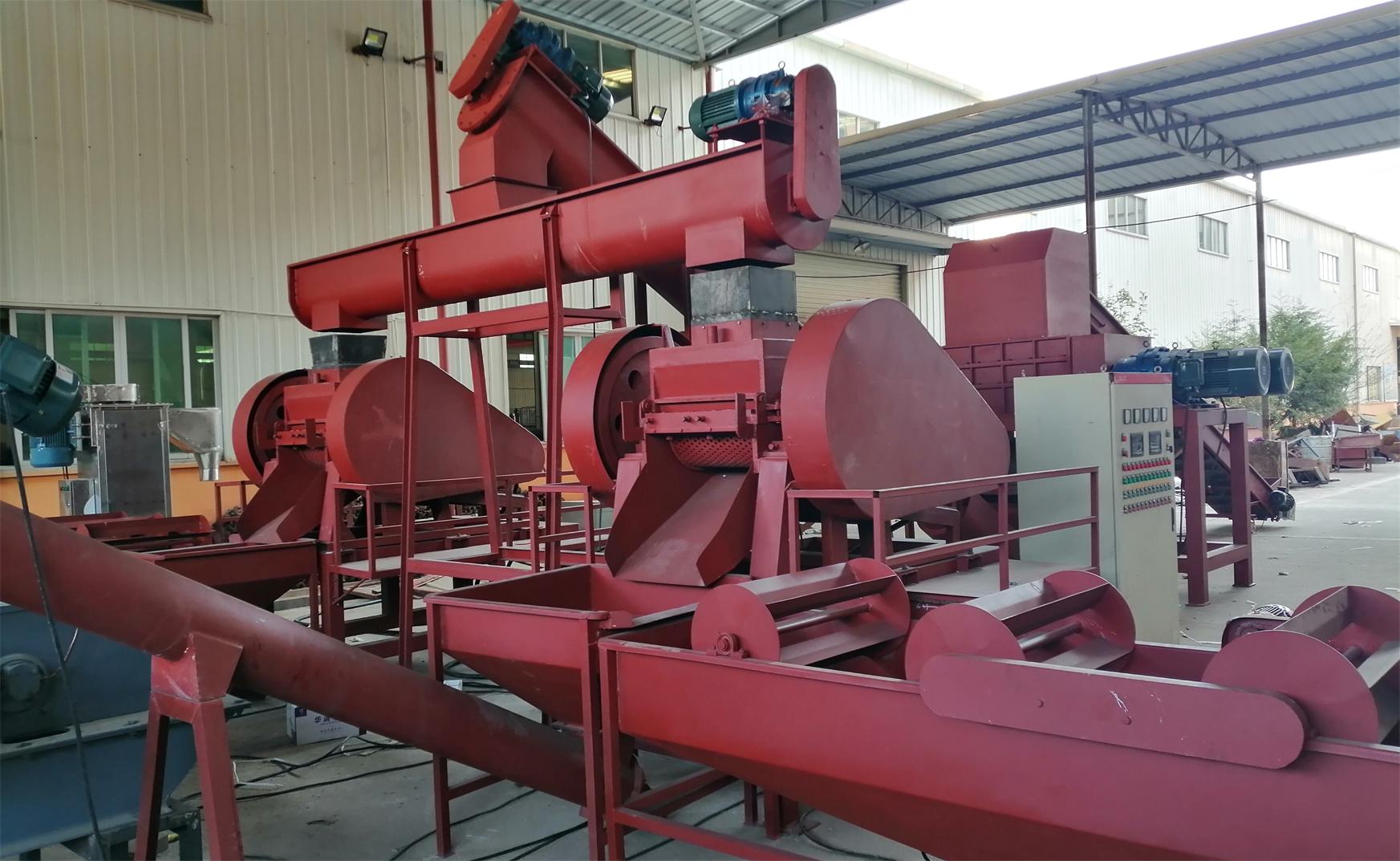
A vendor with in-house mechanical engineering expertise can adapt conveyor layouts, modify shredder chamber geometries, or resize separation units to fit your site. Turnkey engineering, procurement, and construction capability is even more valuable. It means one contract, one project manager, and one responsible party for commissioning.
Look for teams with deep experience in your specific application. In e-waste recycling, a vendor whose engineers have spent fifteen years optimizing breaking and separation systems will anticipate problems that a generalist equipment broker will miss.
Verify After-Sales Support and Spare Parts Availability
Recycling machines operate in abrasive environments. Shredder blades wear. Conveyor belts fatigue. Dust collector filters clog. When a critical component fails, every hour of downtime is lost revenue.
Before signing a contract, ask specific questions about after-sales support. Where is the nearest service engineer based? What is the typical response time for technical inquiries? Is there a documented spare parts list with recommended inventory levels? Can the vendor provide remote diagnostic support?
Vendors with long-term international experience typically have stronger support networks. A supplier that has installed plants in twenty-one countries has had to solve logistics problems that a domestic-only manufacturer has never encountered.
Look Beyond the Machine: Value-Added Services
The most effective recycling partnerships extend beyond equipment supply. Some vendors help clients secure feedstock by introducing reliable scrap suppliers. Others assist with product offtake, connecting plant operators to buyers of copper rice, lead ingots, or aluminum granules. A few can even help structure recycling plant investments or locate joint venture partners.
These services are not charity. They align the vendor's success with the client's success. When your plant runs at full capacity and sells its output profitably, you are more likely to expand and buy additional lines. Vendors that understand this dynamic invest in customer success in ways that transactional sellers do not.
A Practical Pre-Purchase Checklist
Use the following checklist during your evaluation process:
Skipping any of these steps increases project risk. The lowest purchase price rarely produces the lowest total cost of ownership.
Why Experience and Integration Matter
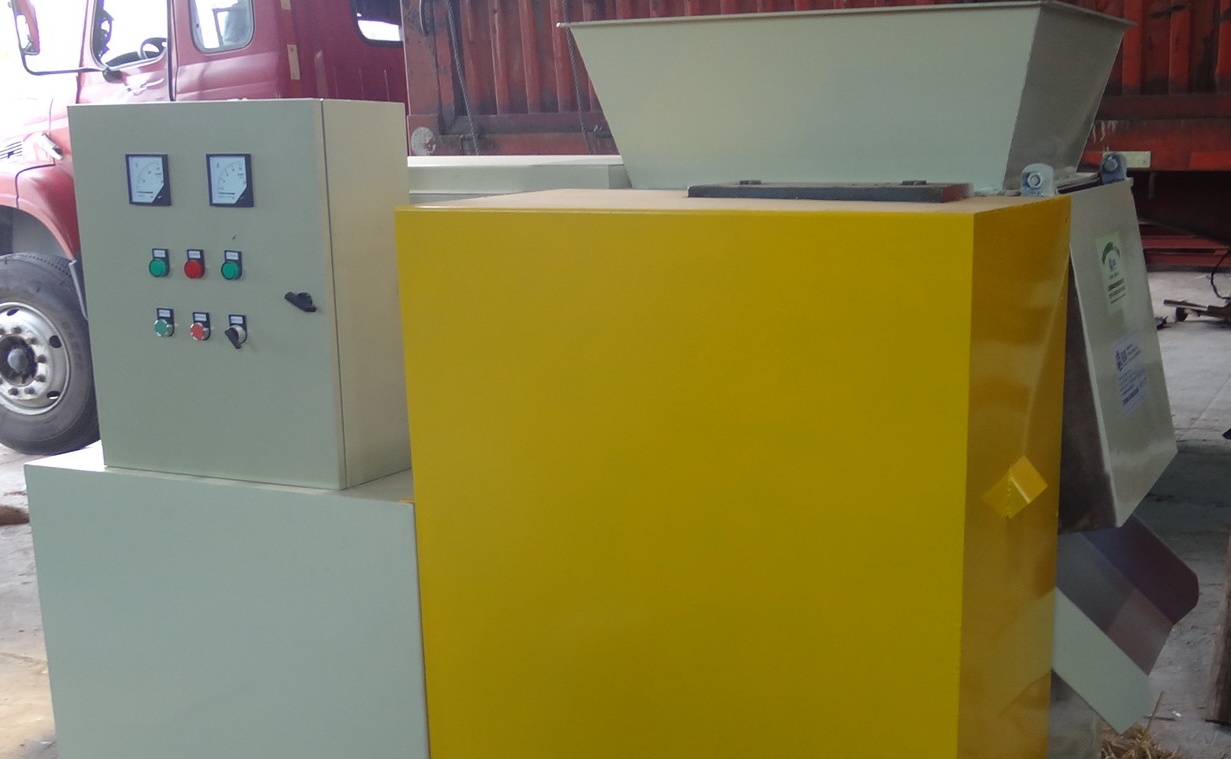
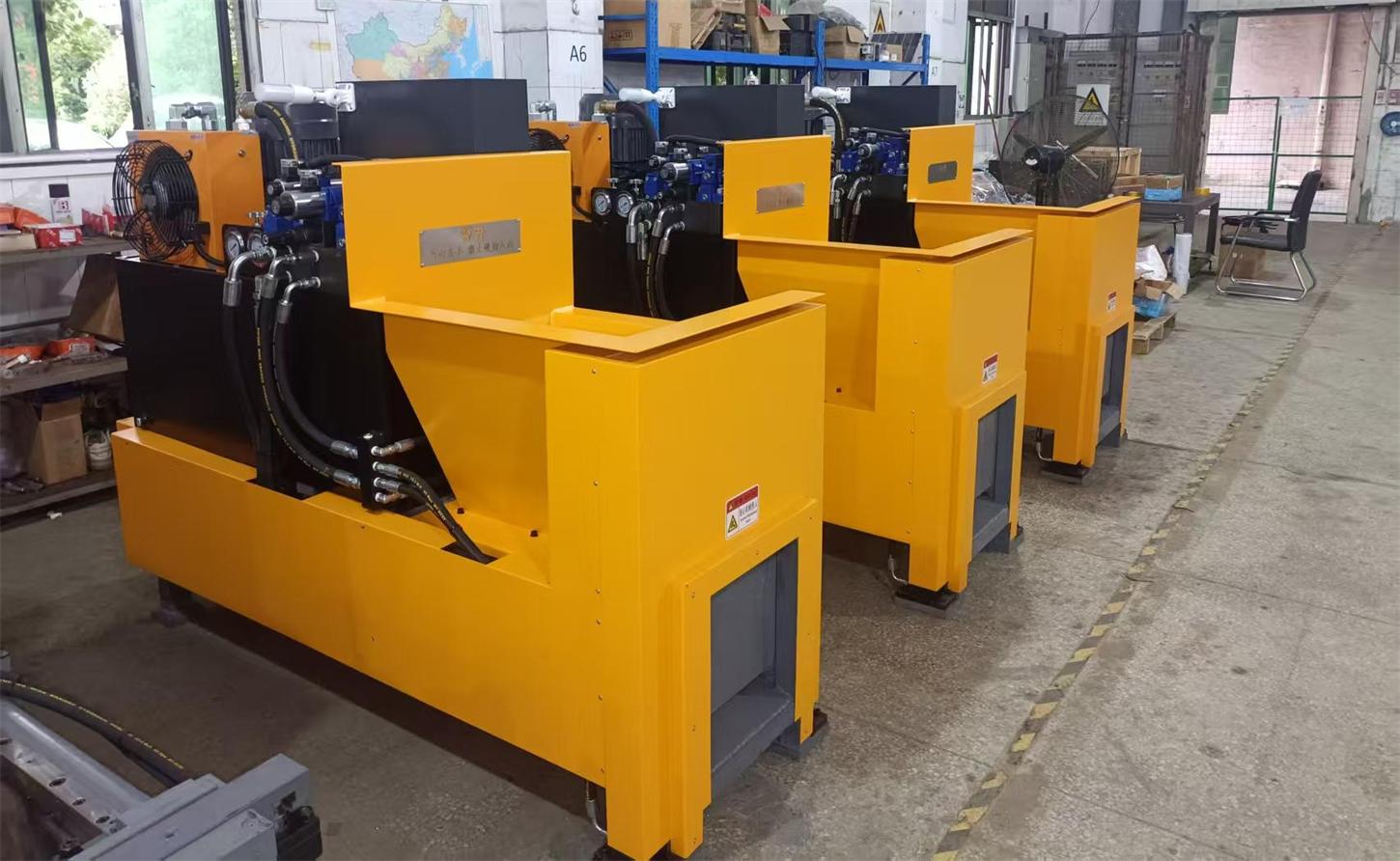
San Lan Technologies, established in 2007, manufactures a full range of WEEE recycling machinery and mining equipment. The product line covers cable recycling equipment, circuit board recycling equipment, lead-acid and lithium battery recycling plants, refrigerator and air conditioner recycling systems, CRT cutters, motor dismantling equipment, shredders, and metal melting furnaces.
The engineering team holds master's degrees in mechanical engineering and brings over fifteen years of hands-on experience in e-waste recycling machine design. The company delivers EPC projects with customized design, installation, and commissioning support. International customers in more than twenty-one countries, including Singapore, Colombia, Vietnam, Mexico, Argentina, Korea, and South Africa, have relied on these systems for their recycling operations.
If you are planning a new recycling facility or upgrading an existing line, start with a clear understanding of your feedstock, your regulatory environment, and your performance targets. Then choose a partner that can deliver not just machines, but a complete, integrated solution.
Ready to evaluate your recycling project? Contact San Lan Technologies to discuss feedstock analysis, plant layout design, and equipment selection. Email info@san-lan.com or reach the team directly via WhatsApp at +86 139 2377 4083.