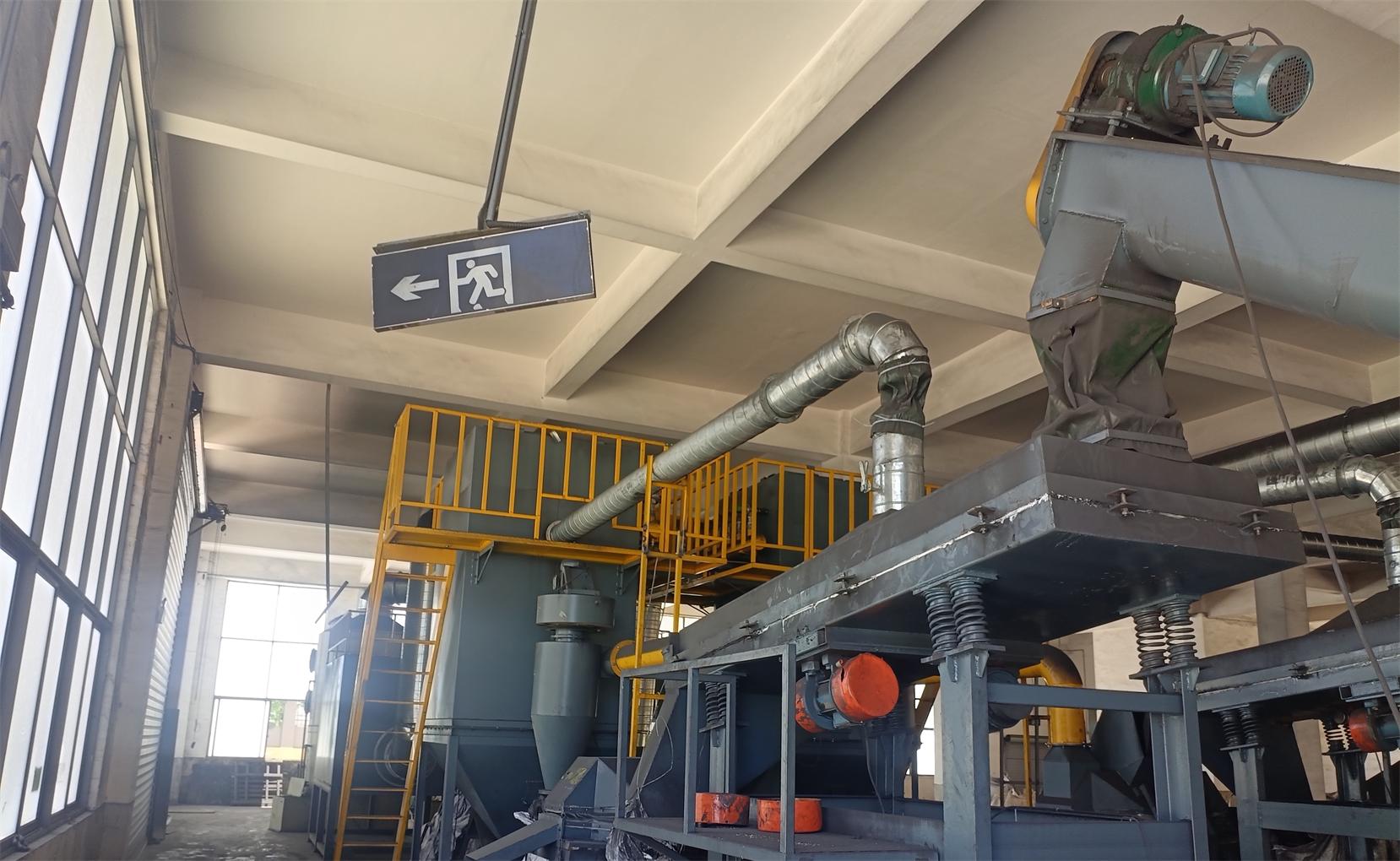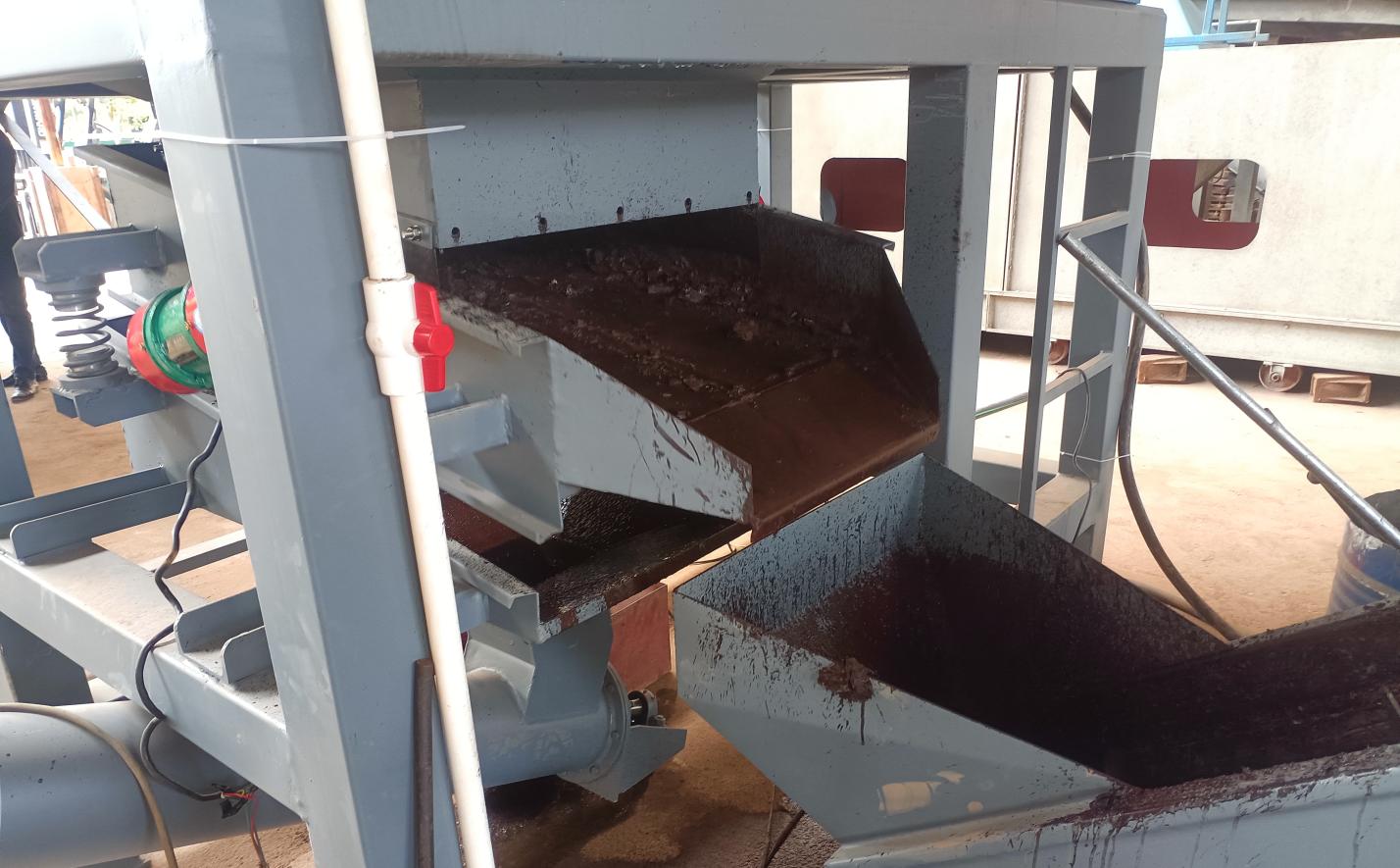
The global e-waste recycling market is expanding rapidly. With annual e-waste generation projected to reach 82 million tonnes by 2030, businesses that invest in the right recycling equipment today will be positioned to capture significant value tomorrow. Whether you are entering the recycling industry or upgrading your existing facility, selecting the appropriate machinery is the most critical decision you will make.
However, not all recycling equipment is created equal. The wrong choice can lead to low recovery rates, high maintenance costs, and regulatory non-compliance. This guide will walk you through the key factors to consider when choosing e-waste recycling equipment, and introduce you to a trusted manufacturer with over 15 years of experience in the field.
Understand Your Feedstock Before You Buy
Before evaluating any equipment, you must clearly define what materials you will process. E-waste is a broad category that includes printed circuit boards (PCBs), used batteries, scrap cables, refrigerators, CRT monitors, and more. Each material type requires specialized machinery.
Key Question: Will you focus on a single material stream (such as lithium batteries or circuit boards), or do you need a multi-purpose setup that handles diverse e-waste types?
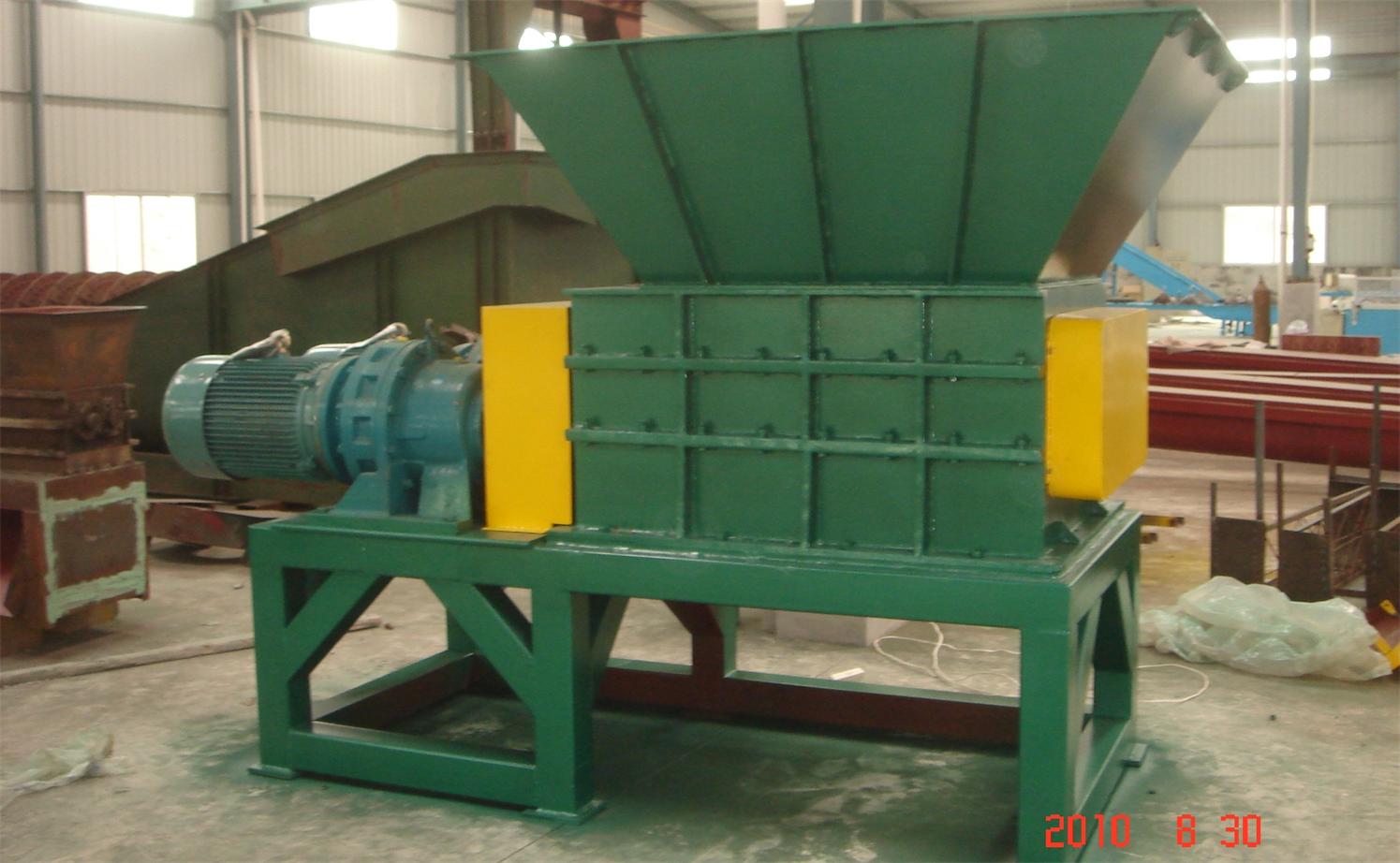
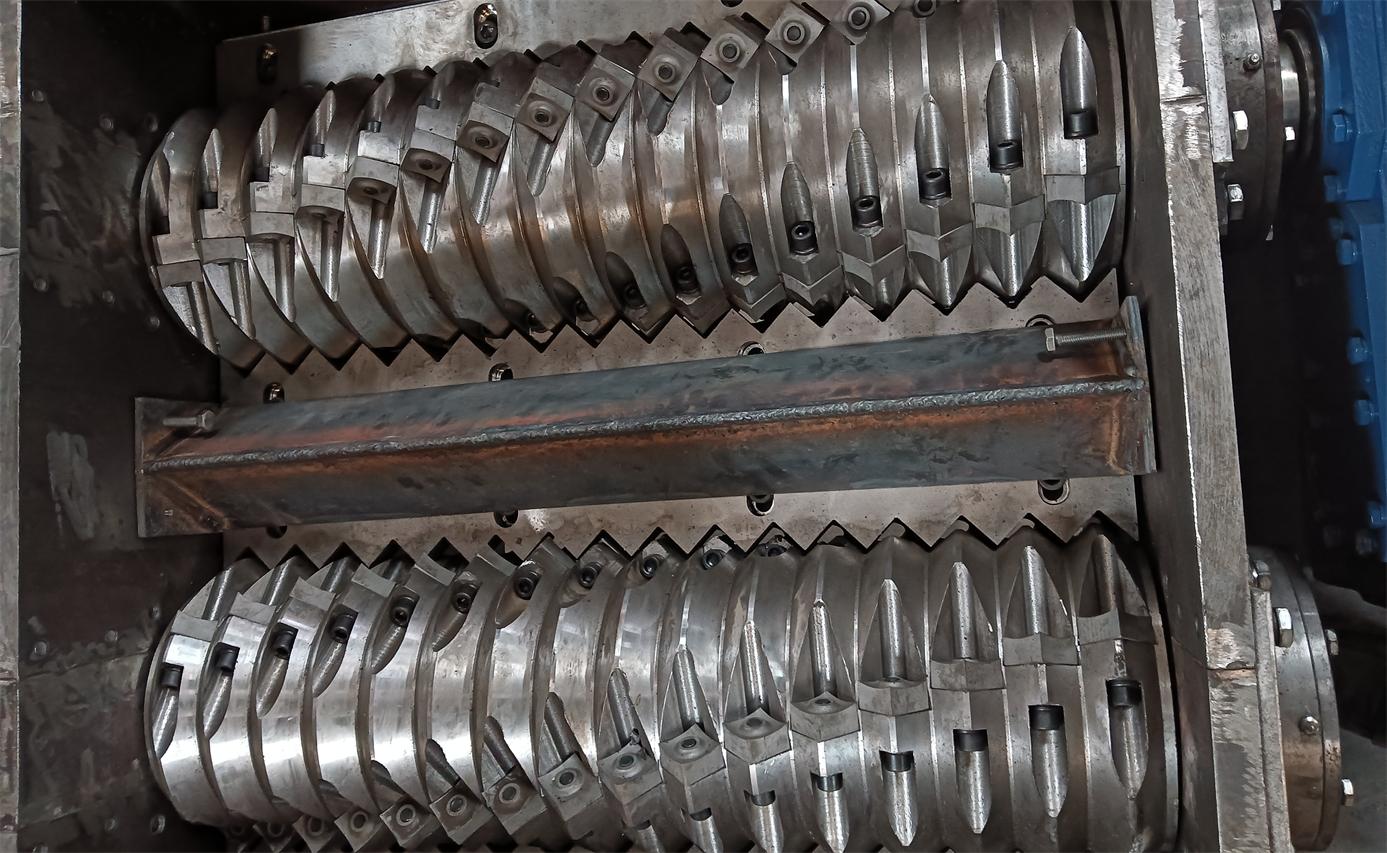
For example, if your primary feedstock is waste lithium-ion batteries from electric vehicles and consumer electronics, you need lithium battery recycling equipment specifically designed to safely break and separate batteries into black mass, copper, aluminum, and plastic. These systems must include discharge units, pre-crushing stages, and air pollution control systems to handle the volatile electrolytes and fluorides found in battery cells.
Key Equipment Categories for Modern Recycling Plants
Depending on your target materials, your facility will likely need one or more of the following core equipment categories:
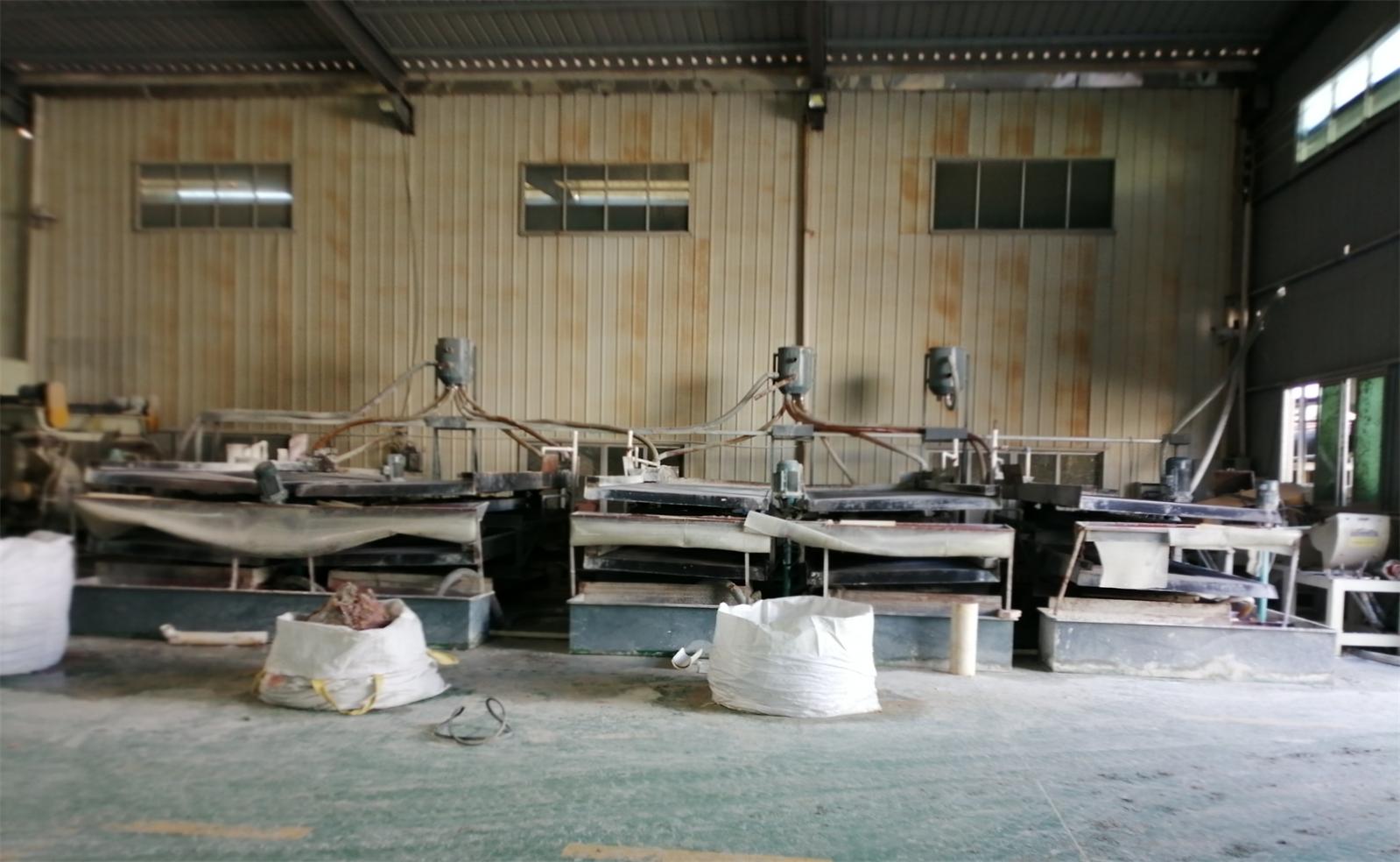
If your operation focuses on recovering valuable metals from obsolete electronics, investing in high-quality circuit board recycling equipment is essential. Advanced PCB recycling plants can achieve copper powder purity of 96–98% and recovery rates up to 95%, turning what was once considered waste into a profitable resource stream.
Evaluate Recovery Rates and Purity
Recovery rate and output purity are the two most important performance metrics for any recycling machine. A machine that only recovers 70% of available copper is leaving 30% of your potential profit in the waste stream. Similarly, low-purity output sells at a discount to smelters and refiners.
Top-tier cable granulators can achieve copper recovery rates above 99%, while advanced PCB recycling systems deliver copper powder purity of 96–98%. When comparing equipment, always ask suppliers for documented performance data from real-world installations.
For cable recycling operations, choosing the right cable recycling machine can mean the difference between a marginal operation and a highly profitable one. Modern cable granulators with dry separation technology can process everything from thin communication cables to thick industrial power cables, with capacities ranging from 100 kg/hour to over 1,200 kg/hour.
Consider Environmental Compliance and Safety
E-waste recycling involves hazardous materials: lead, mercury, cadmium, lithium electrolytes, and brominated flame retardants. Your equipment must not only recover valuable materials but also safely contain and treat harmful substances.
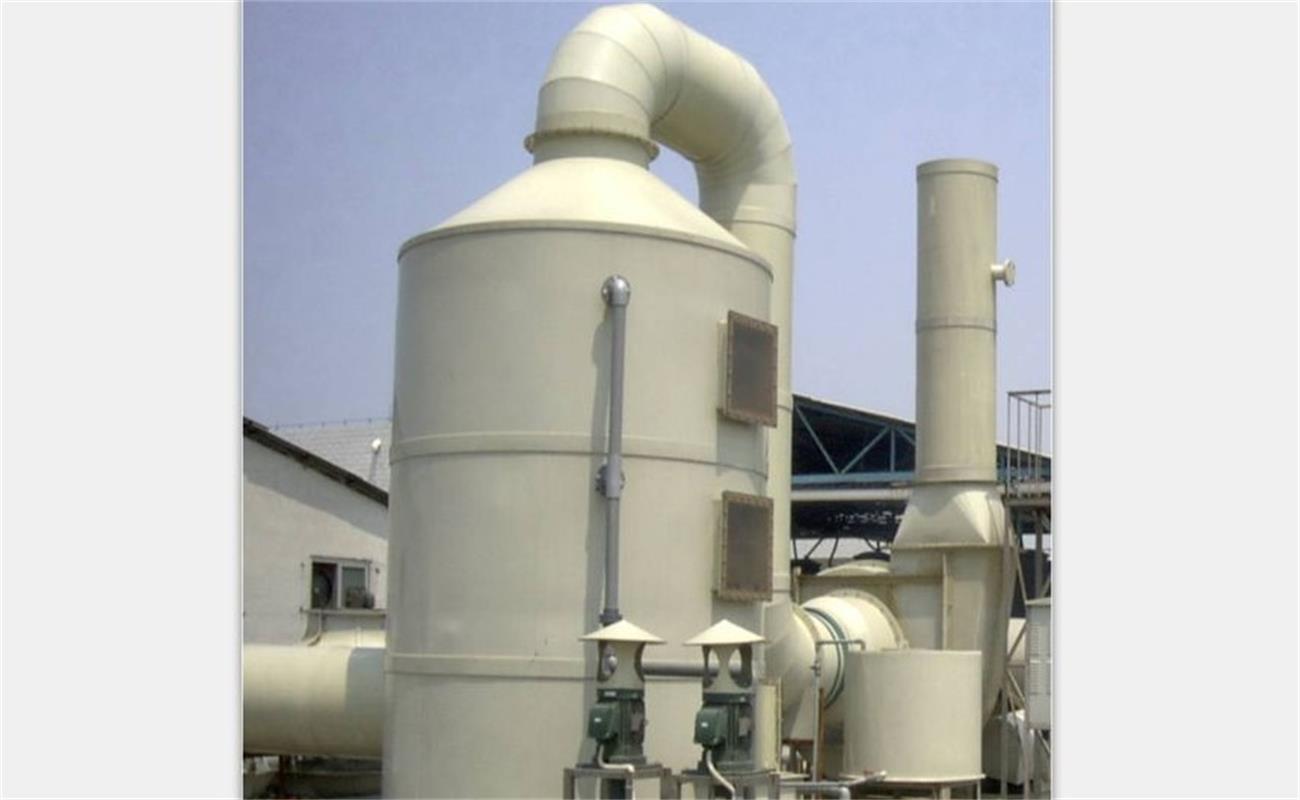
Look for equipment that includes integrated pollution control systems. Air pollution control units, effluent treatment plants, and dust collection systems are not optional add-ons — they are essential components that protect your workers, your community, and your operating license.
Additionally, consider the energy efficiency of the equipment. Electric-heated refinery kettles, for instance, can reduce energy consumption by 30–50% compared to traditional fuel-fired systems. Over a 10-year operational life, these savings add up to significant cost reductions.
Assess Supplier Experience and After-Sales Support
The recycling equipment industry has many suppliers, but not all have the technical depth to support complex installations. When evaluating a manufacturer, consider these factors:
- How many years have they been in business?
- Do they have reference installations in your region?
- Can they provide EPC (Engineering, Procurement, Construction) services?
- Do they offer installation, commissioning, and operator training?
- Can they help source raw materials or sell your recovered products?
A supplier that understands the full recycling value chain — from feedstock sourcing to end-product sales — can provide far more value than a simple equipment vendor.
San Lan Technologies: Over 15 Years of Recycling Expertise
Founded in 2007, San Lan Technologies Co., Ltd is a professional manufacturer of WEEE recycling machines and mining equipment based in Jiangxi Province, China. With customers in over 21 countries including Singapore, Colombia, Vietnam, Mexico, Argentina, Korea, Malaysia, and South Africa, San Lan has built a reputation for reliable equipment and comprehensive project support.
San Lan's product portfolio covers the full spectrum of e-waste recycling needs:
What sets San Lan apart is their end-to-end project capability. Their technical team includes mechanical engineering masters with over 15 years of experience in e-waste recycling machinery. They offer customized plant design, one-stop purchasing, installation and commissioning, and even assistance with sourcing waste materials and selling recovered products such as copper rice, copper powder, and lead ingots.
Plan for Scalability
Your first recycling line does not have to be your last. Many successful operators start with a single processing stream and expand as market demand grows. When selecting equipment, consider whether the supplier can support your future expansion.
San Lan's modular plant designs allow customers to start with a basic mechanical recycling setup and later add pyrometallurgical or hydrometallurgical refining stages. This step-by-step approach reduces initial capital requirements while preserving the option to capture more value from your feedstock over time.
Get Started with the Right Equipment
Choosing the right e-waste recycling equipment is an investment decision that will shape your business for years to come. By understanding your feedstock, prioritizing recovery rates and environmental compliance, and partnering with an experienced manufacturer, you can build a profitable and sustainable recycling operation.
To learn more about San Lan Technologies' full range of recycling equipment and discuss your specific project requirements, visit www.san-lan.com or contact their team directly via WhatsApp at +86 139 2377 4083.