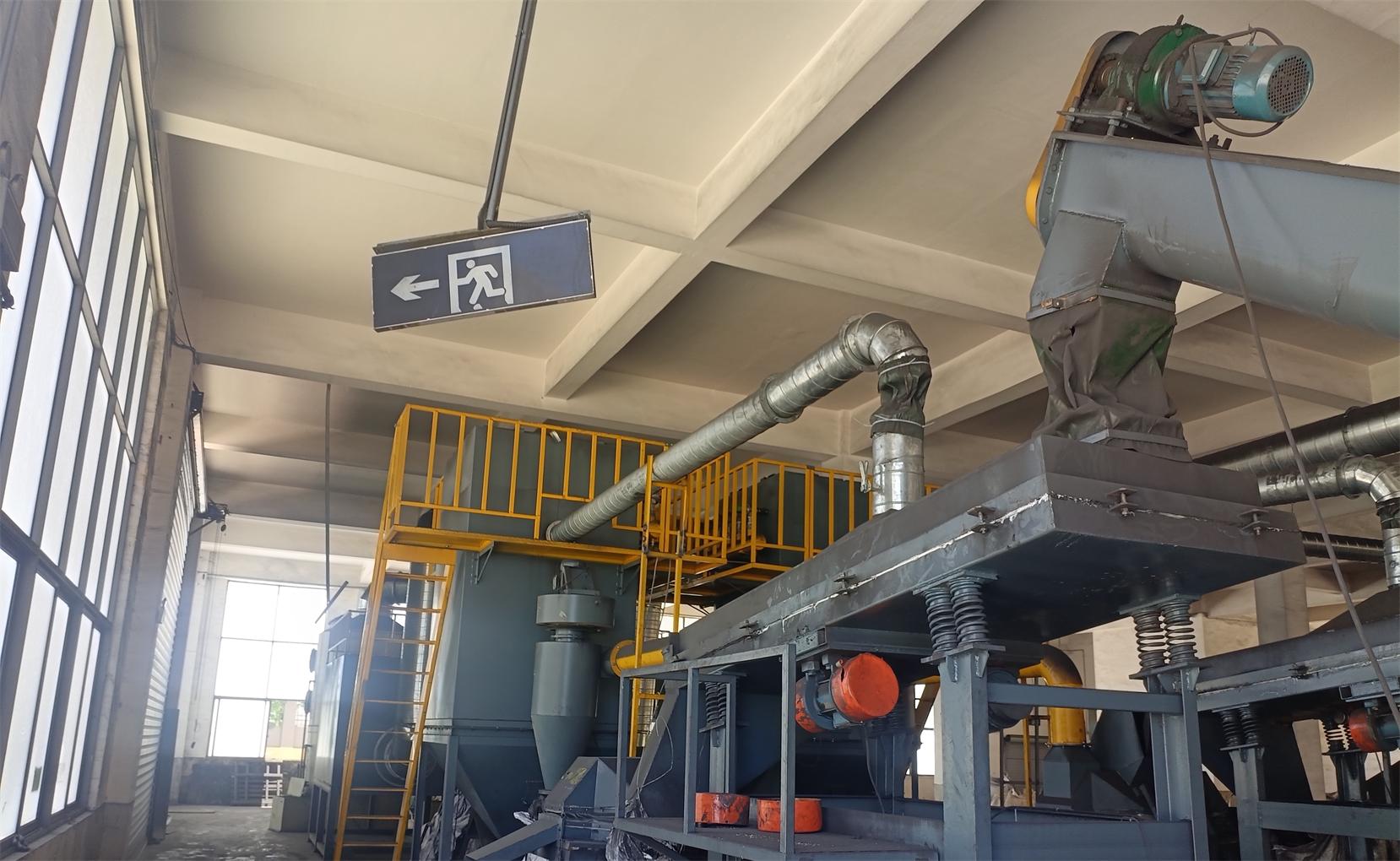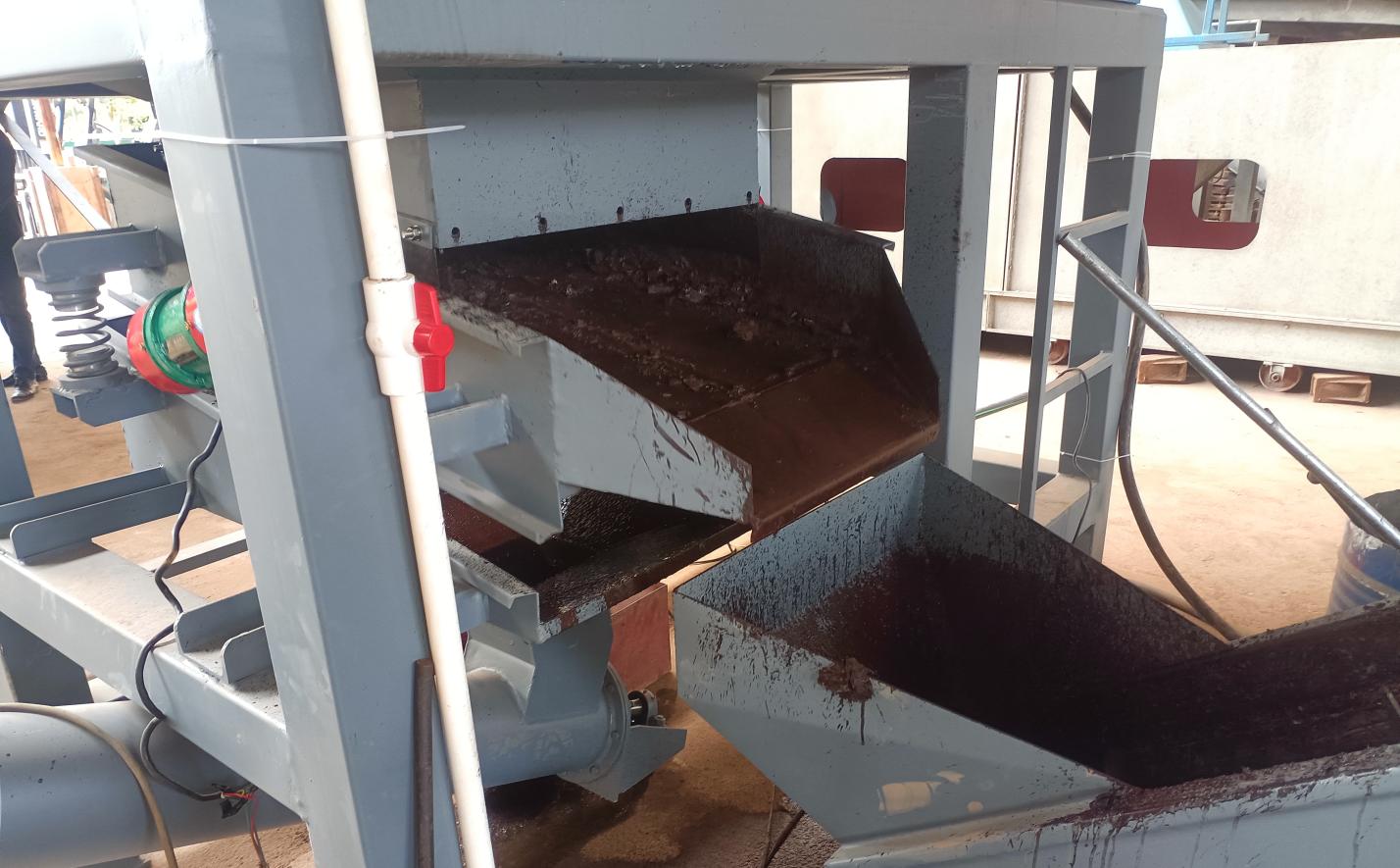
The global surge in electronic waste has created both an environmental challenge and a significant business opportunity. With over 60 million metric tons of e-waste generated annually worldwide, establishing an efficient recycling operation requires more than just ambition. It demands the right machinery, technical expertise, and a reliable partner who understands the complexities of modern recycling processes. Whether you are entering the recycling industry for the first time or expanding your existing operations, selecting the appropriate equipment is the foundation of long-term profitability and compliance.
Understanding the E-Waste Recycling Landscape
Electronic waste encompasses a broad range of materials, from discarded smartphones and laptops to industrial batteries and power cables. Each category requires specialized processing technology to extract valuable metals and components safely. Lead acid batteries, printed circuit boards, copper cables, and lithium-ion batteries represent some of the most profitable segments, but each comes with unique technical requirements and environmental regulations.
A successful recycling plant must handle multiple waste streams efficiently while maintaining strict environmental standards. This is why investing in high-quality, purpose-built machinery from an experienced recycling equipment supplier is not optional. It is essential for operational success and regulatory compliance.
Key Types of Recycling Equipment Every Plant Needs
Lead Acid Battery Recycling Systems
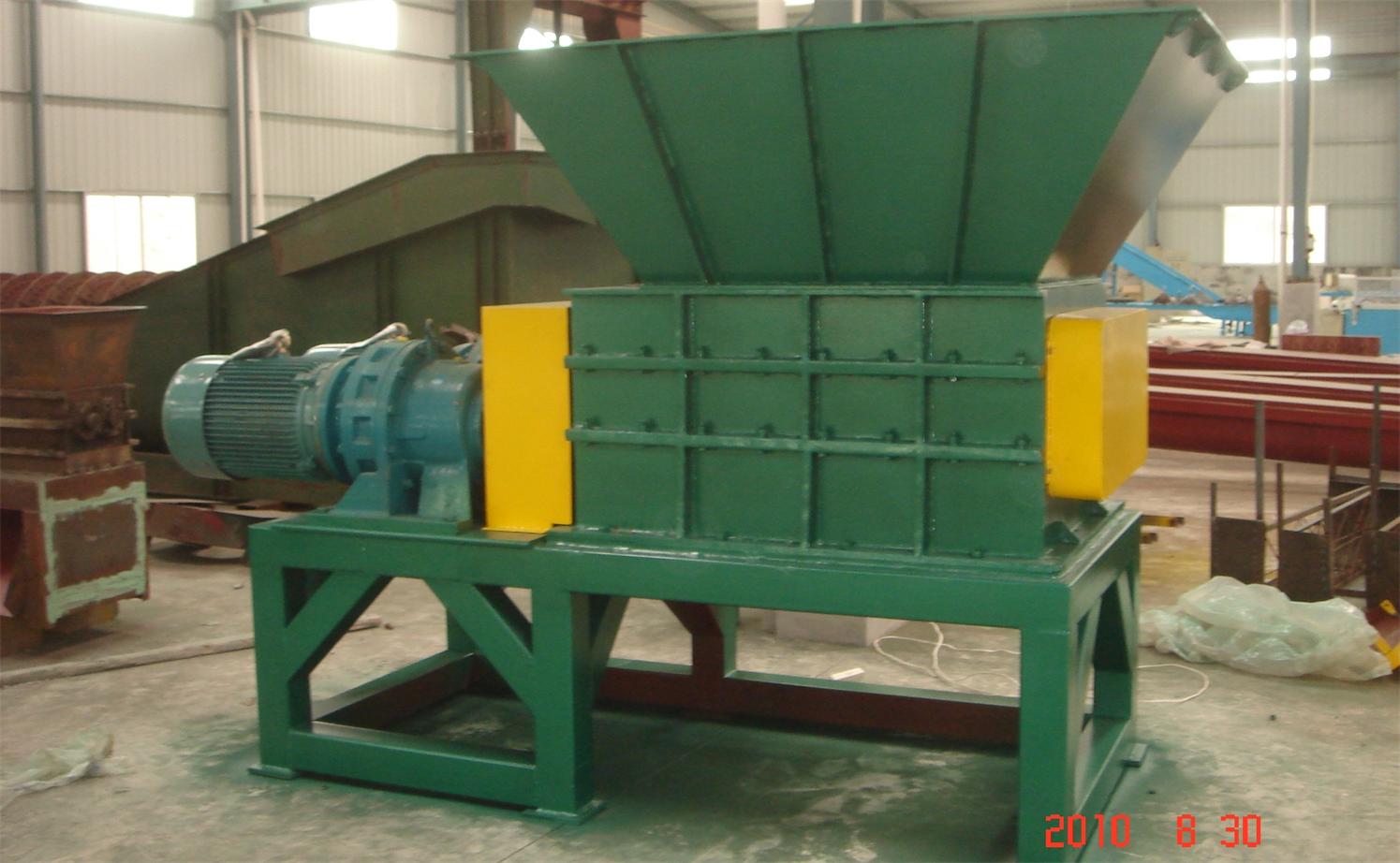
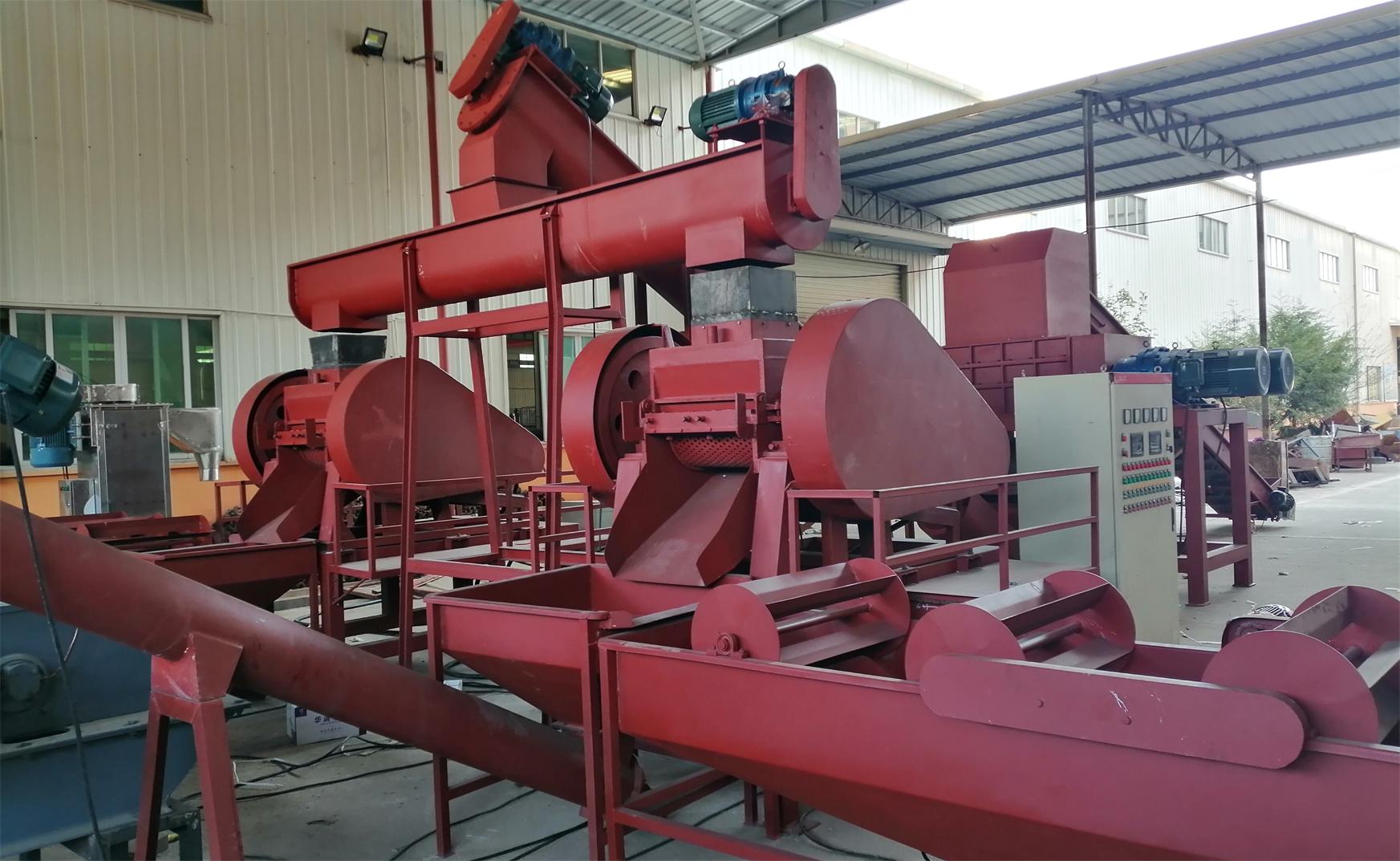
Used lead acid batteries remain one of the most recycled consumer products globally, with recovery rates exceeding 95 percent in well-managed facilities. A complete lead acid battery recycling equipment setup typically includes battery breaking and separation systems, paste reduction furnaces, lead refinery kettles, and air pollution control systems. Modern plants can process between 1 and 10 metric tons per hour, recovering lead grid, lead paste, plastic casing, and sulfuric acid for resale or reuse. The key is selecting equipment that maximizes recovery rates while minimizing emissions and energy consumption.
Circuit Board Recycling Machinery
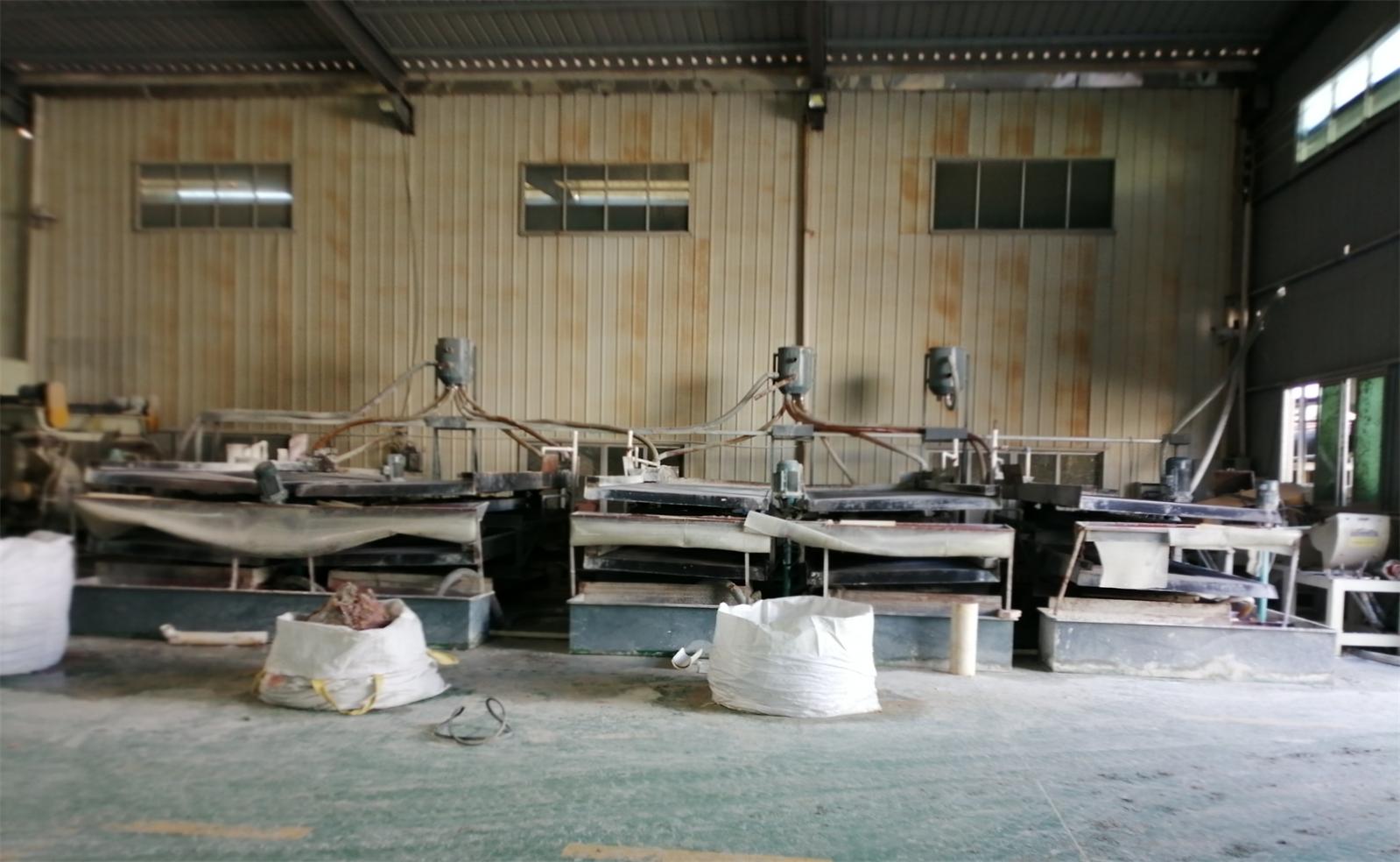
Printed circuit boards contain valuable concentrations of copper, gold, silver, and palladium, making them highly attractive for recycling. Advanced circuit board recycling equipment uses either dry or wet separation technologies to crush and sort PCB waste. Dry systems employing air separators and electrostatic separation can achieve copper powder purity of 96 to 98 percent, while wet systems offer effective recovery even from boards with electronic components still attached. Capacities range from 300 kg per hour for smaller operations up to 2,000 kg per hour for industrial-scale plants.
Cable and Wire Recycling Solutions
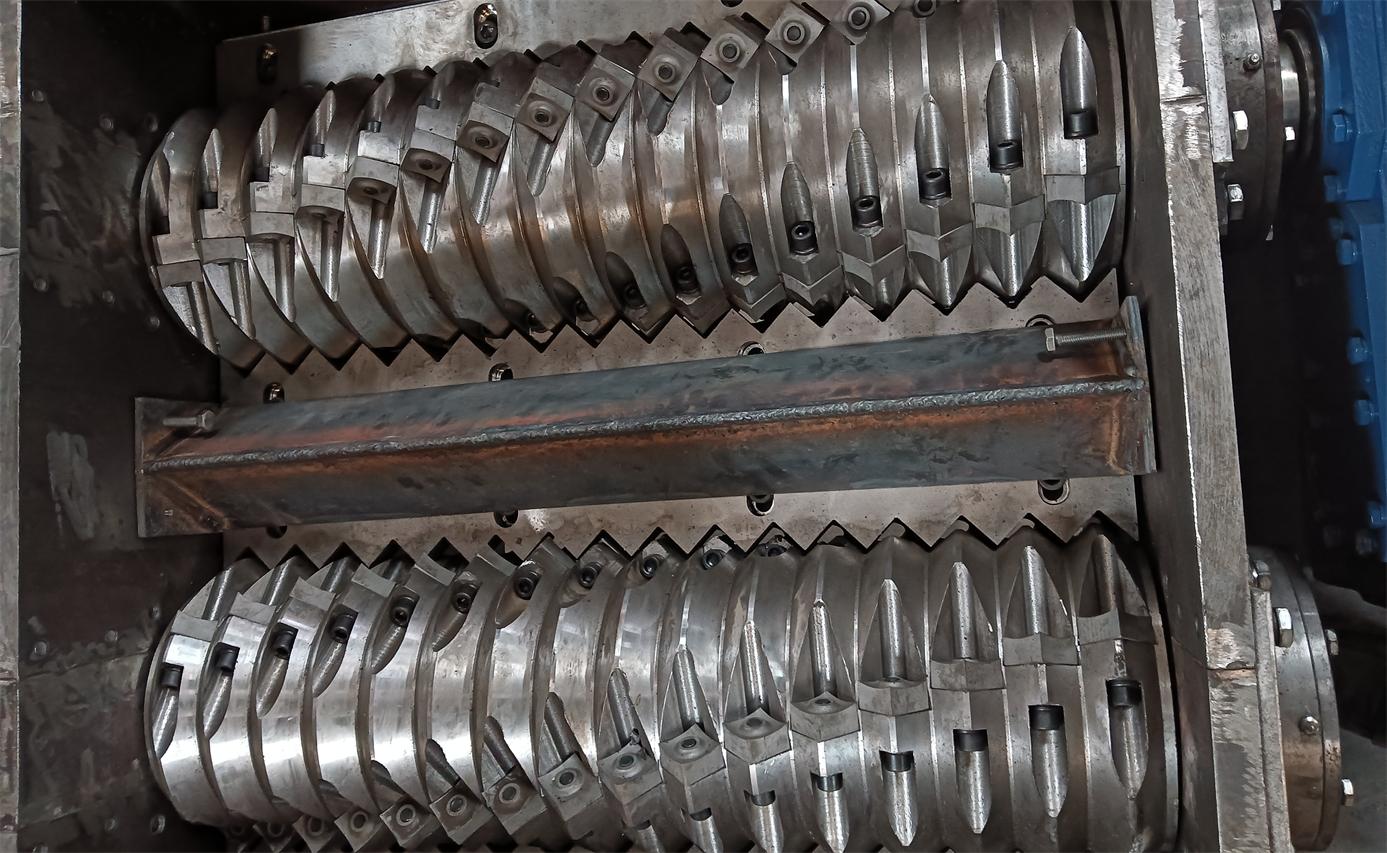
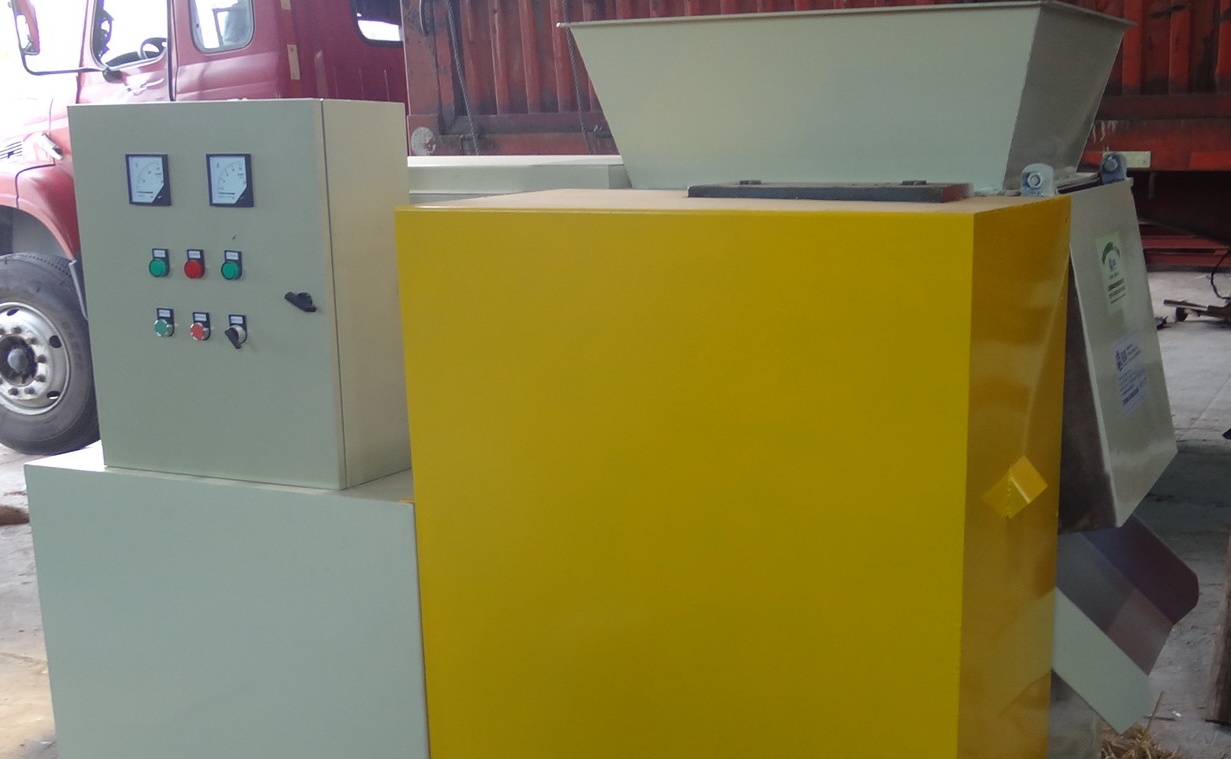
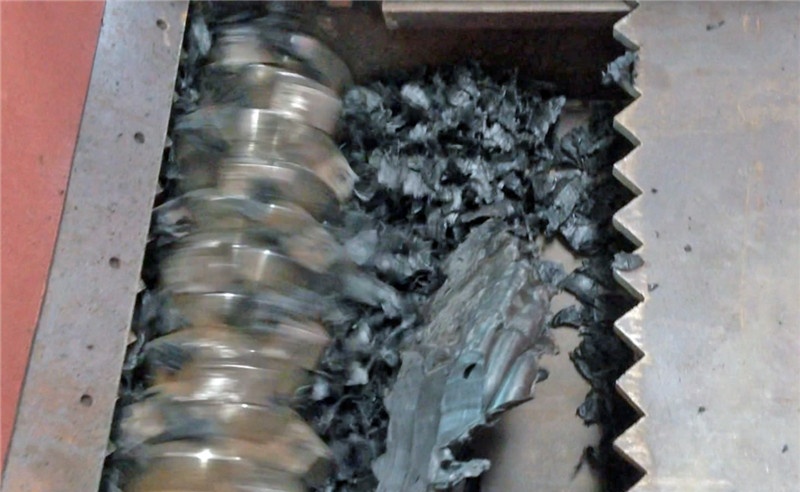
Scrap cables represent a consistently profitable recycling stream due to the high value of copper and aluminum. Modern cable recycling equipment combines stripping machines for large-diameter cables with granulators and dry separators for finer wire processing. A complete cable recycling plant can separate copper or aluminum from plastic insulation with minimal material loss, producing clean metal granules ready for smelting. Depending on your feedstock, you may need both manual stripper units for thick industrial cable and automated granulator systems for mixed wire loads.
Lithium Battery Recycling Plants
The explosive growth of electric vehicles and portable electronics has made lithium-ion battery recycling one of the fastest-growing segments. Specialized lithium battery recycling plants safely discharge, crush, and separate batteries into black mass containing nickel, cobalt, and graphite, along with recoverable copper, aluminum, and plastic. These systems require advanced safety features including inert gas protection and integrated air pollution control, given the reactive nature of lithium compounds. Processing capacities typically range from 500 to 2,500 kg per hour.
What to Look for in a Recycling Equipment Supplier
Not all equipment manufacturers deliver the same level of quality and support. When evaluating potential suppliers, consider these critical factors:
Look for manufacturers with deep engineering backgrounds in mechanical design and hands-on experience in recycling plant operations. Teams with master's-level qualifications and over 15 years of industry experience are better equipped to solve complex processing challenges and optimize plant performance.
Customization Capability: Every recycling project has unique feedstock characteristics, capacity requirements, and local regulatory constraints. Your supplier should offer customized design services rather than forcing standard configurations that may not match your needs.
Turnkey Project Support: The best suppliers provide end-to-end assistance including plant layout design, equipment installation, commissioning, operator training, and ongoing technical support. This reduces your project risk and accelerates time to production.
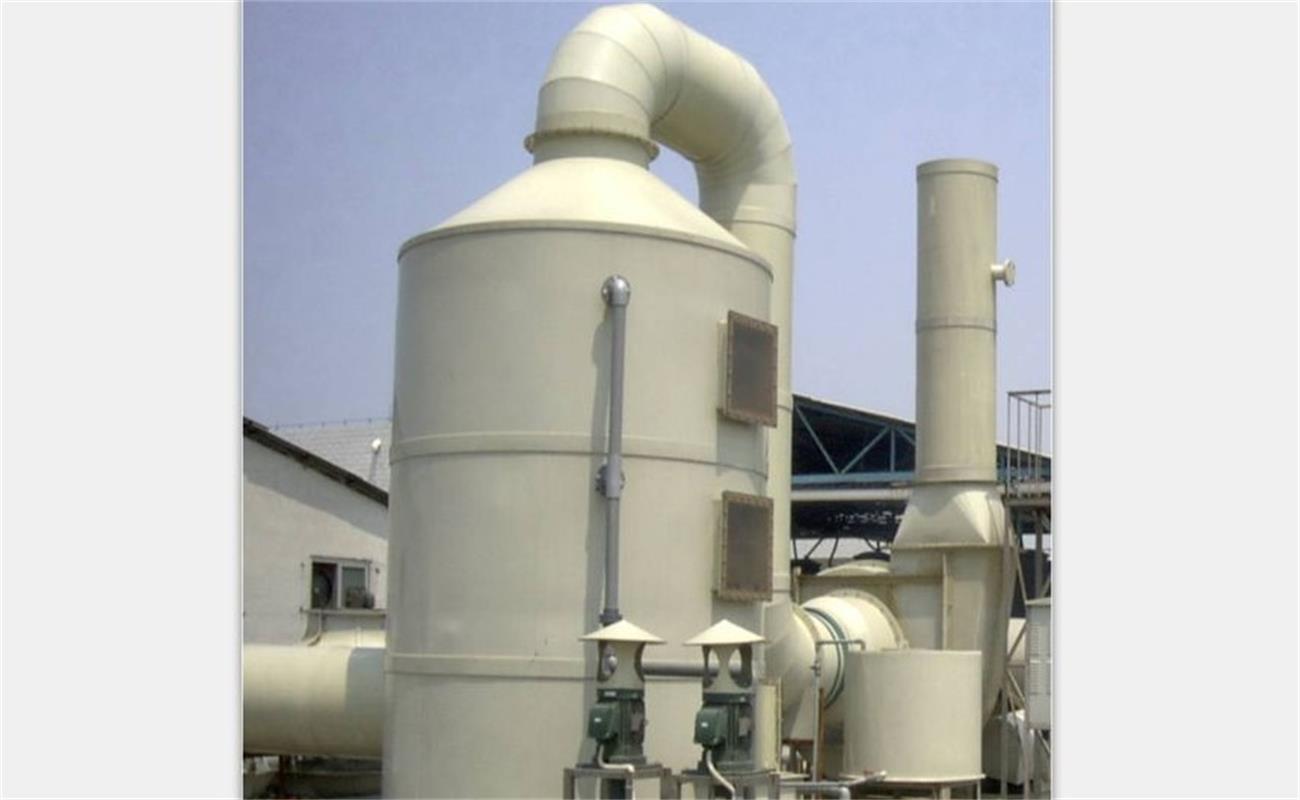
Environmental Compliance: Modern recycling plants must meet strict emissions and effluent standards. Ensure your supplier integrates appropriate pollution control systems including dust collectors, gas scrubbers, and wastewater treatment units into their plant designs.
Global References: A supplier with installations across diverse markets demonstrates adaptability to different operational conditions and regulatory environments. Request case studies or reference visits to verify performance claims.
Building a Profitable Recycling Operation
Success in recycling depends on balancing equipment efficiency with market access for both feedstock and recovered materials. Beyond machinery selection, consider how your supplier can assist with supply chain development. Some manufacturers help clients source waste materials such as cable scrap, PCB scrap, and used batteries, while also connecting operators with buyers for recovered copper, lead ingots, and other outputs. This holistic approach transforms equipment purchase into a genuine business partnership.
Additionally, evaluate the total cost of ownership rather than just initial purchase price. Energy-efficient furnaces, automated control systems, and durable construction materials may command higher upfront investment but deliver substantially lower operating costs over the equipment lifecycle. Electric heated lead refinery kettles, for example, can reduce energy consumption by 30 to 50 percent compared to conventional fuel-fired systems.
Conclusion: Invest in Quality, Invest in the Future
The e-waste recycling industry will continue expanding as regulatory pressure increases and raw material prices remain volatile. Companies that establish efficient, compliant operations now will capture significant market share in the decades ahead. By partnering with an experienced manufacturer offering proven technology, comprehensive project support, and genuine commitment to your success, you position your recycling business for sustainable growth.
Ready to start your recycling project? San Lan Technologies Co., Ltd has been manufacturing WEEE recycling machinery and mining equipment since 2007, serving clients across more than 21 countries. From lead acid battery recycling plants to circuit board and cable recycling systems, we provide customized solutions backed by professional engineering support and turnkey project services. Contact us today to discuss your specific requirements and receive a tailored equipment proposal.