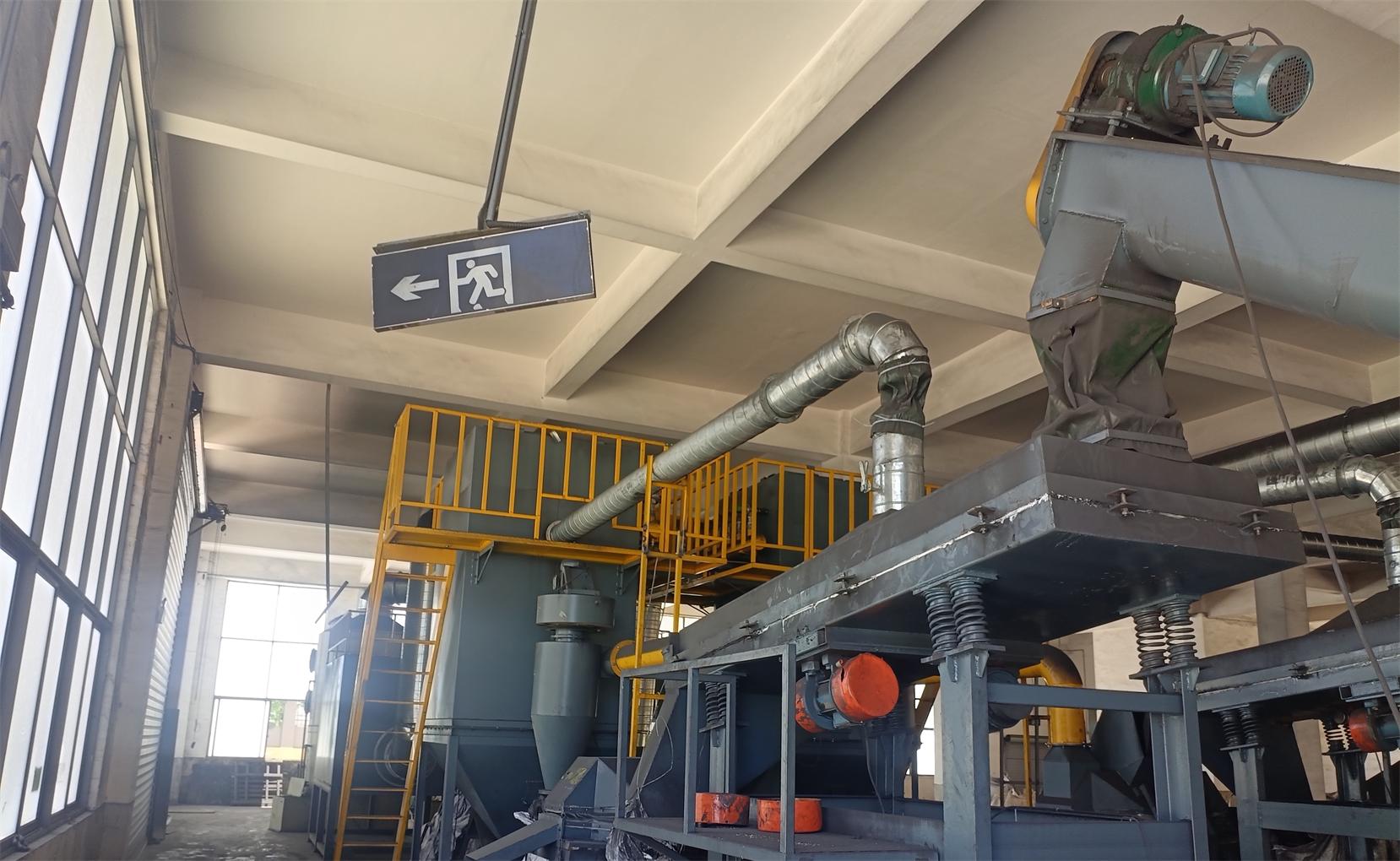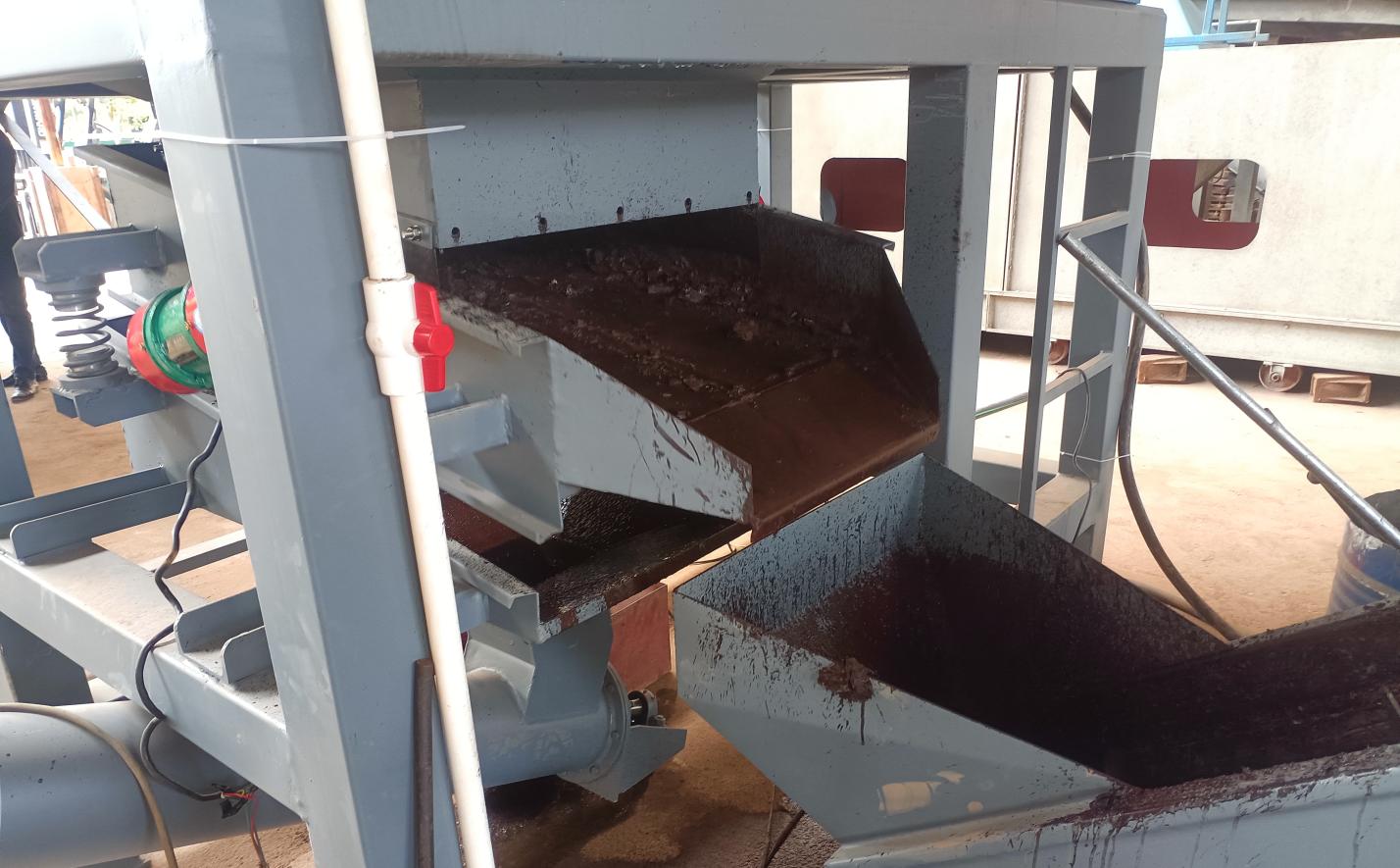
The global surge in electronic waste has created both an environmental challenge and a significant business opportunity. As governments worldwide tighten regulations on e-waste disposal and the demand for recovered materials continues to grow, investing in the right recycling equipment has become essential for businesses looking to enter or expand in this lucrative market. Whether you are processing scrap cables, used batteries, or discarded circuit boards, selecting the appropriate machinery can mean the difference between operational success and costly inefficiencies.
Understanding the Main Categories of E-Waste Recycling Equipment
E-waste recycling encompasses a wide range of materials, each requiring specialized equipment for efficient processing and maximum recovery rates. Here are the primary categories that every recycler should consider:
Cable Recycling Equipment
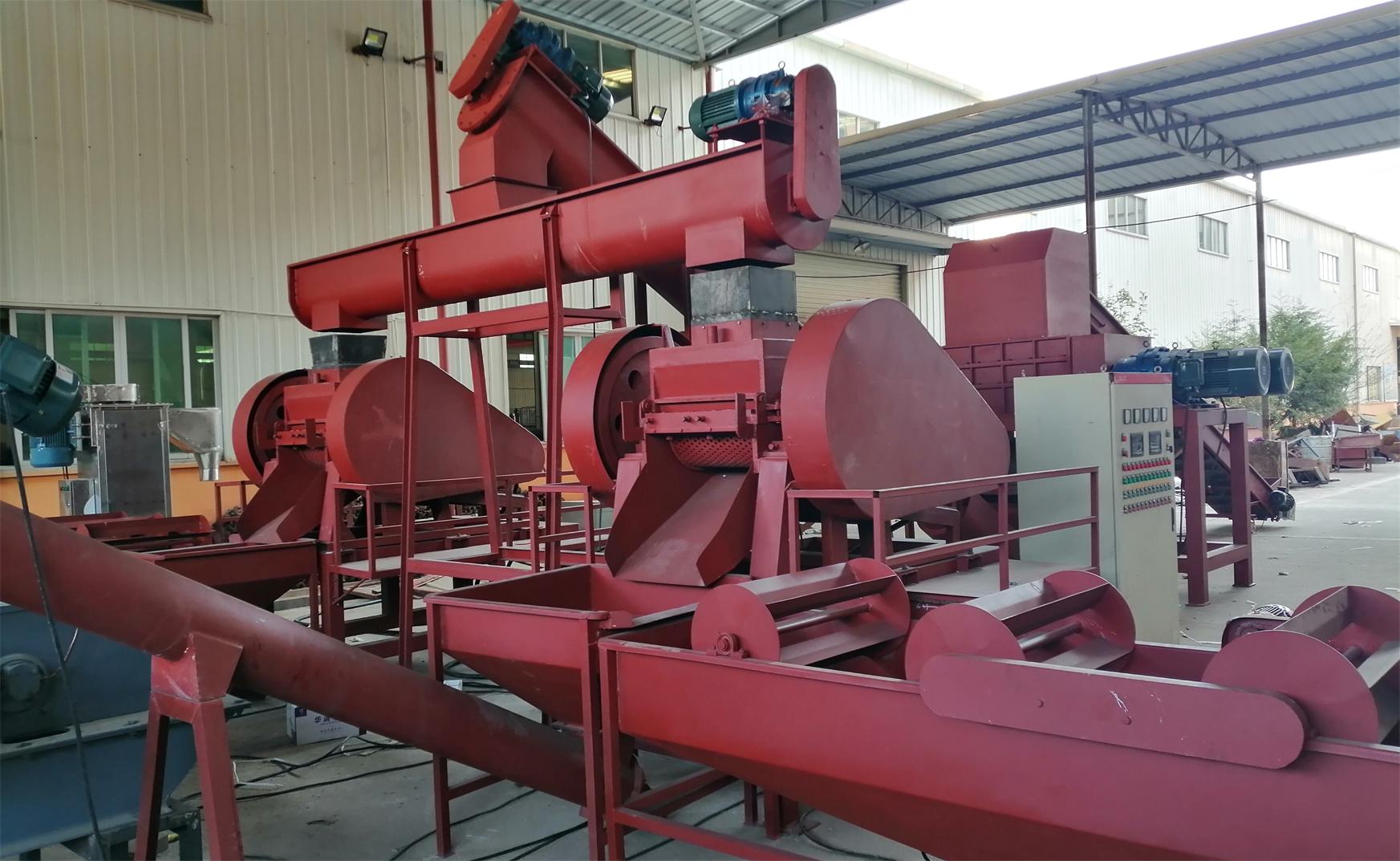
Scrap cables and wires represent one of the most profitable segments in the recycling industry. Copper and aluminum contained within these materials maintain high market value, making cable recycling equipment a smart investment for any recycling operation. Modern cable recycling plants use a combination of stripping machines and granulators to separate valuable metals from plastic insulation. Dry separation systems are particularly popular due to their environmental benefits and ease of operation, achieving copper purity levels of 96-98% without water contamination.
Battery Recycling Solutions
With the rapid growth of electric vehicles and energy storage systems, battery recycling has emerged as a critical industry segment. Two primary types dominate the market:
Lead Acid Battery Recycling Equipment
Used lead acid batteries (ULAB) remain one of the most recycled consumer products globally. A complete lead acid battery recycling equipment setup typically includes battery breaking and separation systems, de-sulfurization units, smelting furnaces, and air pollution control systems. Advanced plants can process 1-10 metric tons per hour, recovering lead paste, lead grids, plastic shells, and acid for reuse or safe disposal. Modern rotary furnaces offer higher lead recovery rates compared to traditional blast furnaces, while electric refinery kettles can achieve 99.999% lead purity with 30-50% energy savings.
Lithium Battery Recycling Equipment
As lithium-ion batteries power an increasing number of devices, proper recycling solutions are essential. Lithium battery recycling equipment breaks and separates waste batteries to recover black mass (containing nickel, cobalt, and graphite), plastic separators, copper, and aluminum. These systems typically handle 500-2,500 kg per hour and include specialized air pollution control systems to neutralize harmful gases during processing.
Circuit Board Recycling Equipment
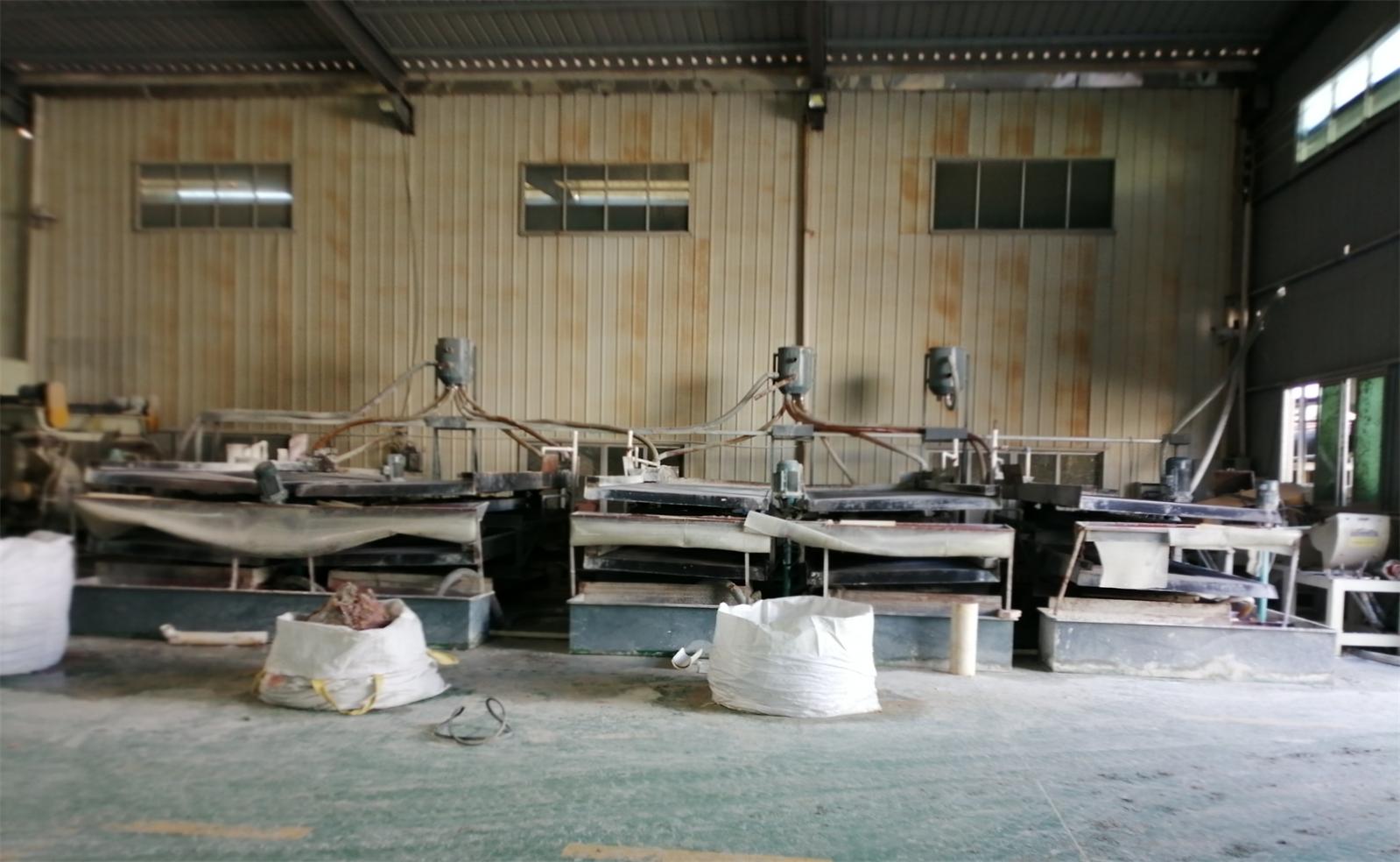
Printed circuit boards (PCBs) contain valuable metals including copper, gold, silver, and palladium, along with hazardous substances that require careful handling. Circuit board recycling equipment employs either dry or wet separation technologies. Dry systems use air separators, electrostatic separators, and pulse dust collectors, while wet systems utilize water-based metal separation. Capacities range from 300 kg/hour to 2,000 kg/hour, with recovery rates reaching 95% and copper powder purity between 96-98%.
Supporting Equipment for Complete Operations
Beyond the primary processing lines, successful recycling operations require several auxiliary systems:
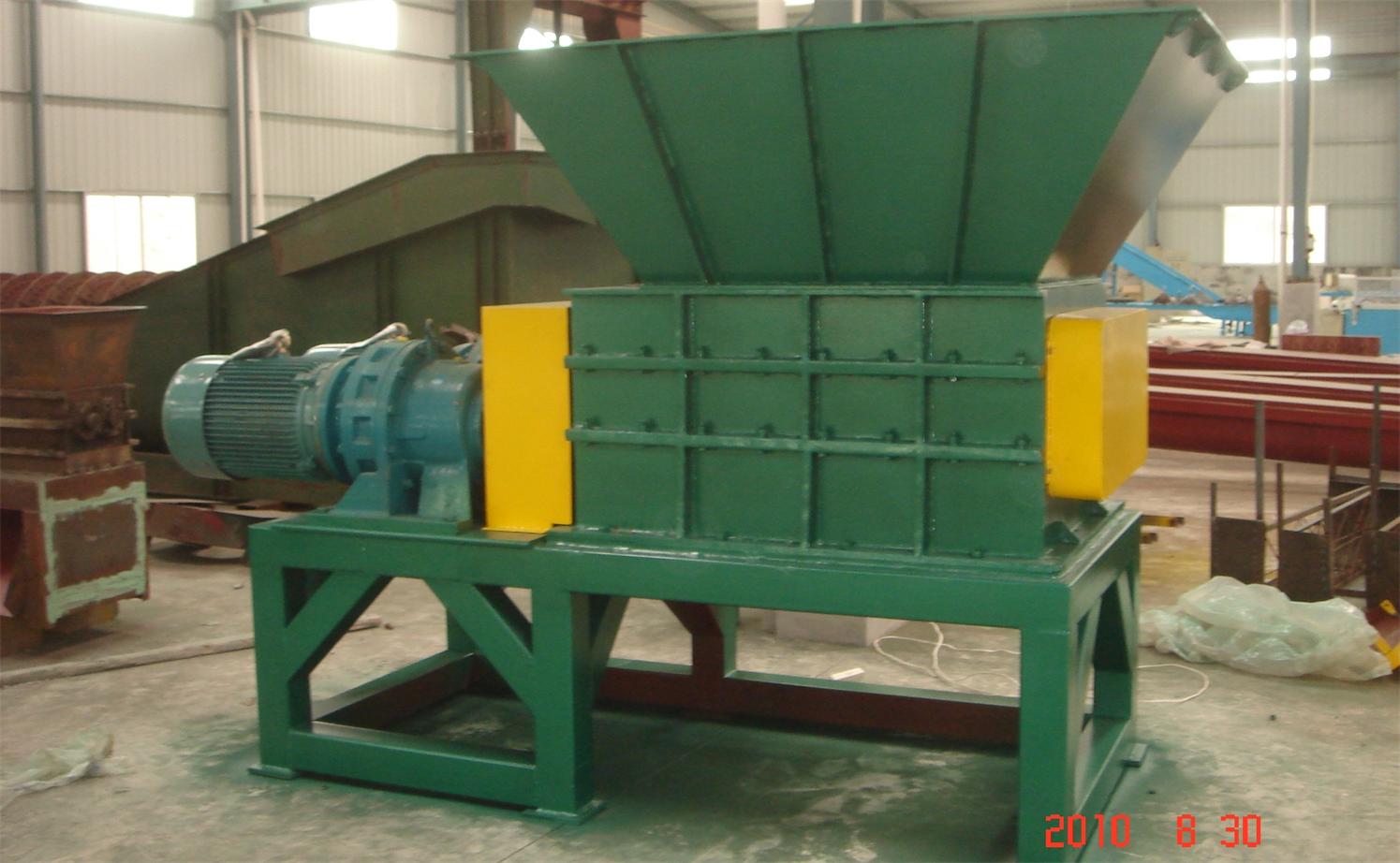
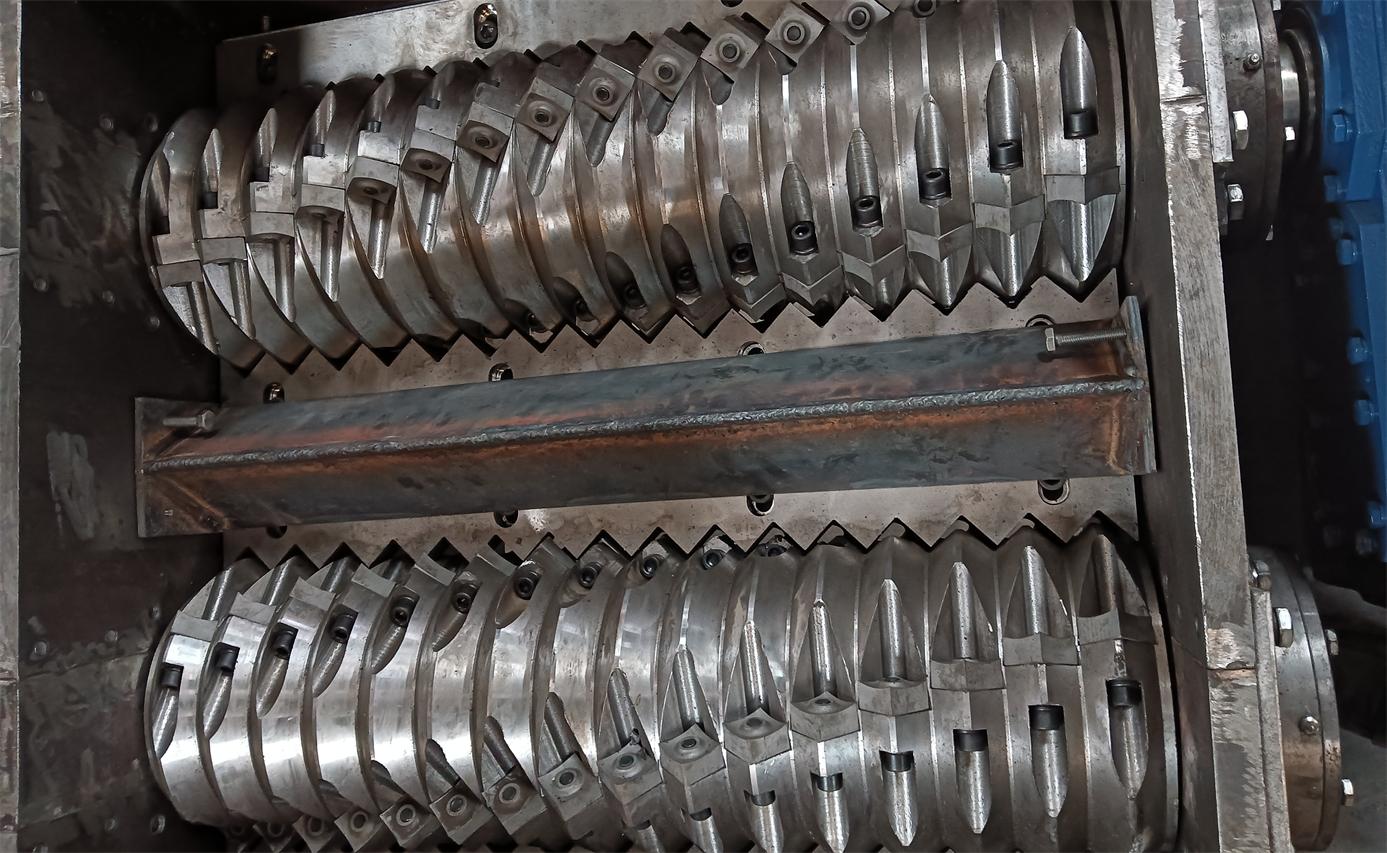
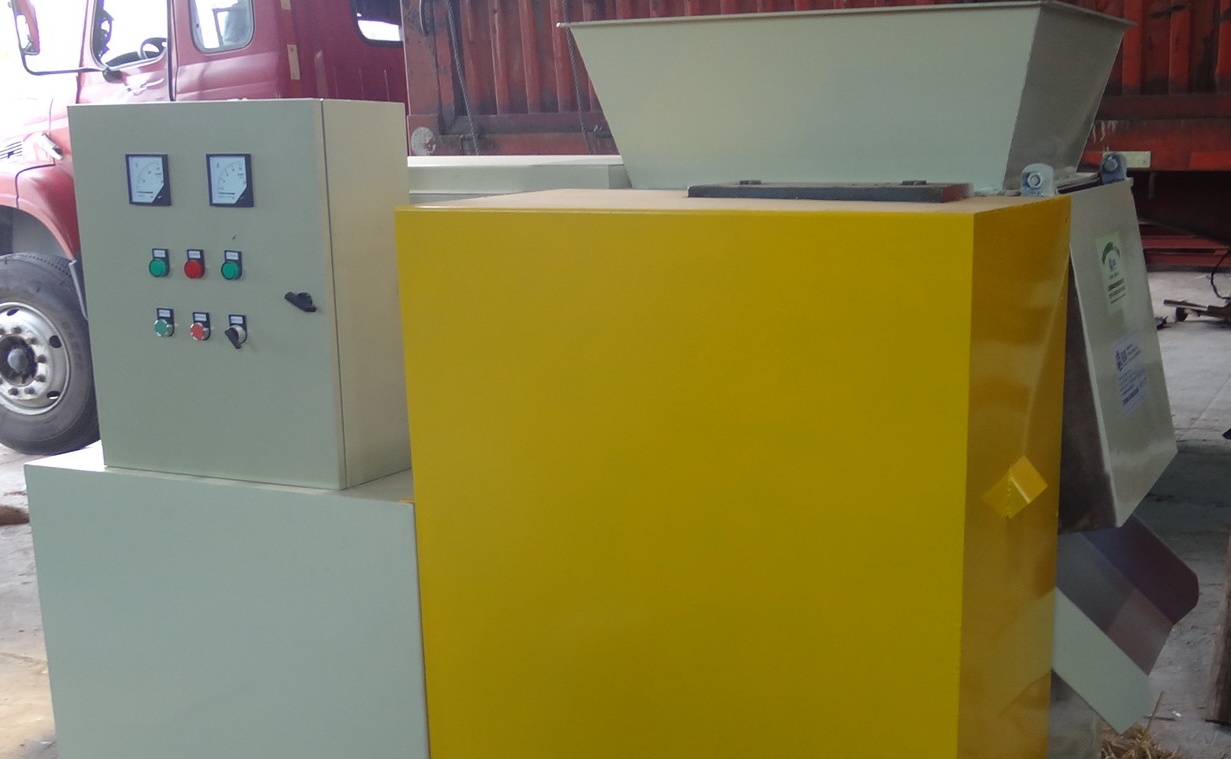
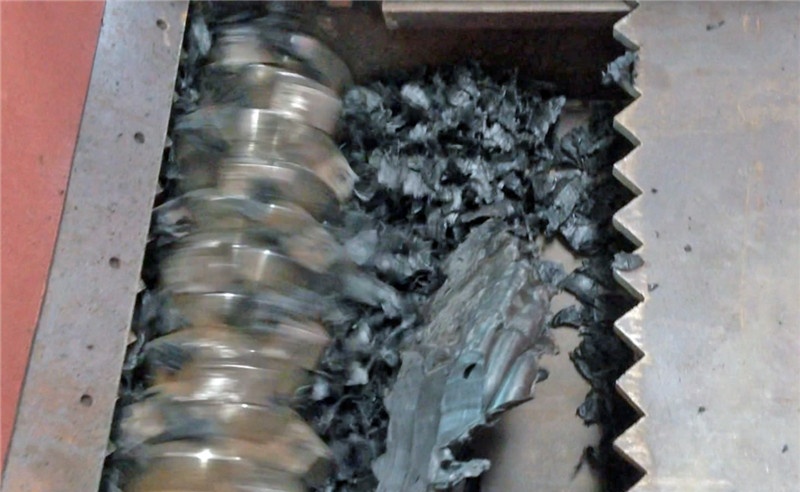
- Shredders and Pre-choppers: Multi-purpose shredding equipment prepares bulky e-waste for further processing, with capacities ranging from 200 kg/hour to 6 MT/hour.
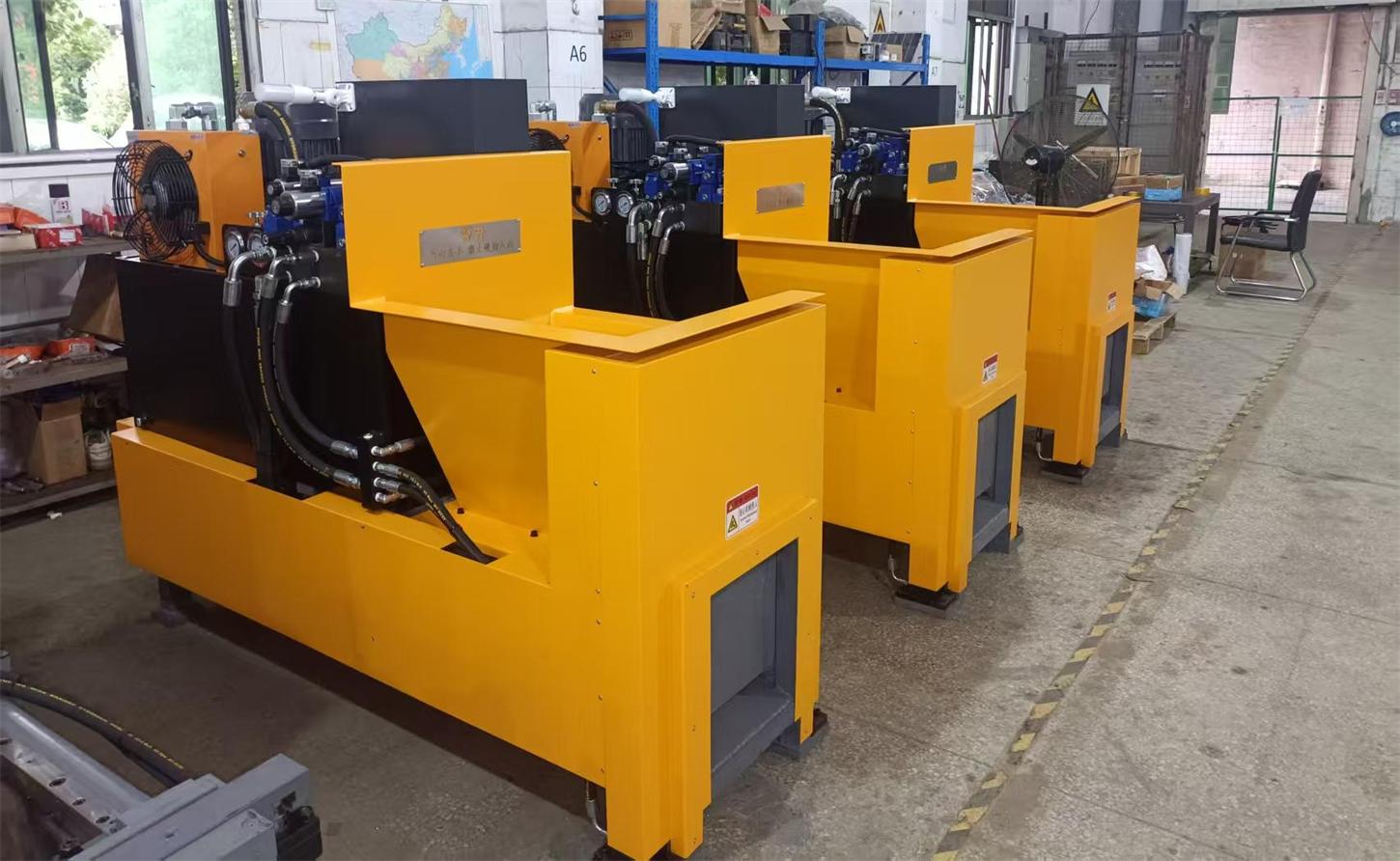
- Hydraulic Press Machines: Metal briquetting machines compress loose metal powders into dense blocks for easier storage and transportation, achieving volume compression ratios of 8:1 to 30:1.
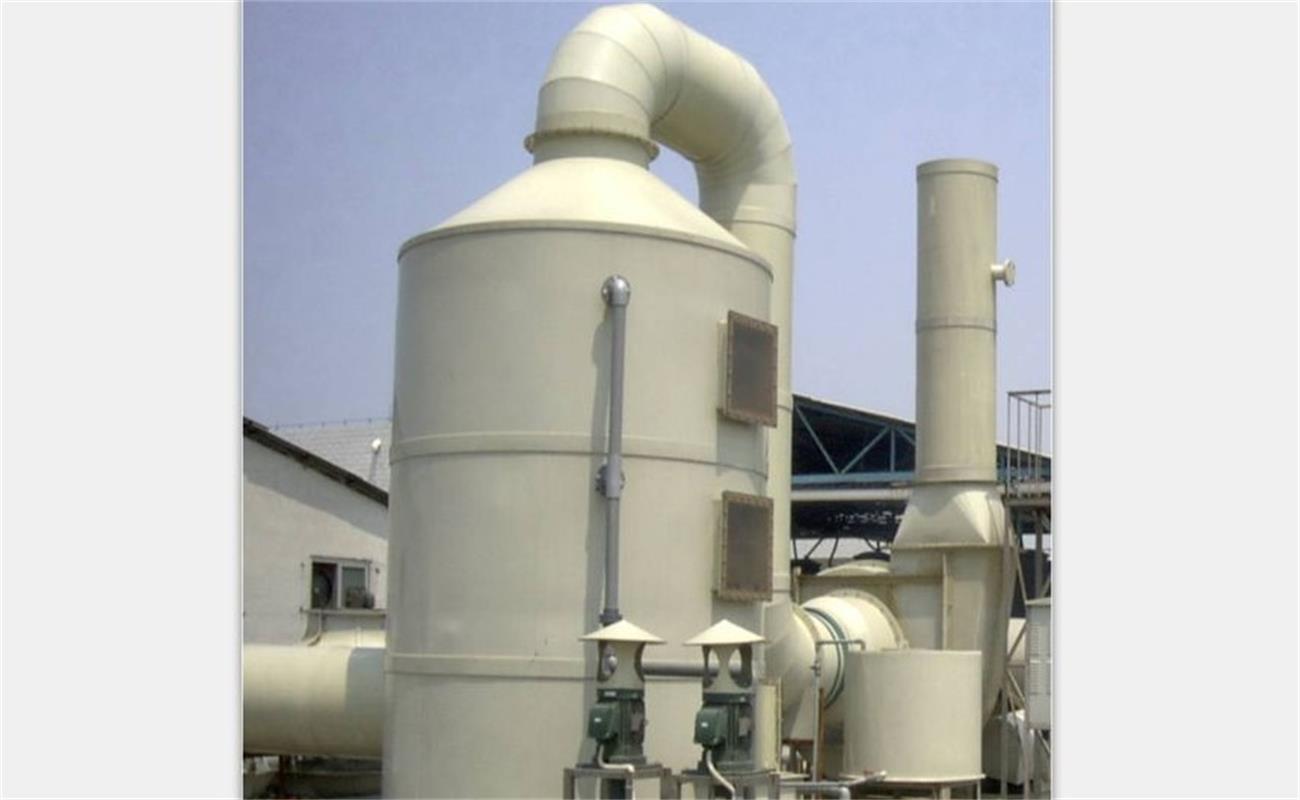
- Air Pollution Control Systems: Essential for meeting environmental regulations, these systems purify exhaust gases from smelting and processing operations.
- Water Treatment Plants: Required for wet separation processes and general wastewater management.
Key Factors to Consider When Choosing Recycling Equipment
Selecting the right equipment requires careful evaluation of several factors:
- Processing Capacity: Match equipment capacity to your expected feedstock volume. Over-capacity leads to unnecessary investment, while under-capacity creates bottlenecks.
- Recovery Rate: Higher recovery rates directly impact profitability. Look for equipment that maximizes material recovery while minimizing losses.
- Environmental Compliance: Ensure all equipment meets local environmental regulations, including emission controls and waste disposal requirements.
- Automation Level: Automated systems reduce labor costs and improve consistency, but require higher initial investment.
- After-Sales Support: Reliable technical support, spare parts availability, and installation services are crucial for long-term success.
Why San Lan Technologies Stands Out
Since 2007, San Lan Technologies Co., Ltd has established itself as a professional manufacturer of WEEE recycling machines and mining equipment. With customers in over 21 countries, the company offers comprehensive solutions that go beyond equipment supply:
- Technical Expertise: A professional team with master's degrees in mechanical engineering and over 15 years of experience in e-waste recycling machinery.
- EPC Project Capability: San Lan provides complete Engineering, Procurement, and Construction services, including customized design, one-stop purchasing, installation, and commissioning.
- Value-Added Services: The company assists clients with waste material sourcing, product sales (copper rice, lead ingots, etc.), and even helps find investors and partners for recycling plant construction.
- Comprehensive Product Range: From cable recycling and battery processing to circuit board recovery and shredders, San Lan offers integrated solutions for virtually every e-waste stream.
- Global Experience: With installations in Singapore, Colombia, Vietnam, Mexico, Argentina, Korea, Malaysia, and many other countries, San Lan understands diverse market requirements and regulatory environments.
Investing in e-waste recycling equipment is a significant decision that requires thorough planning and reliable partnerships. Whether you are starting a new recycling venture or upgrading existing facilities, working with an experienced equipment supplier can dramatically reduce risks and accelerate your path to profitability.
Contact San Lan Technologies today to discuss your specific requirements. Their team of experts will help you design a customized recycling solution tailored to your feedstock, capacity needs, and budget. Reach out via email at info@san-lan.com or WhatsApp at +86 139 2377 4083 to get started.