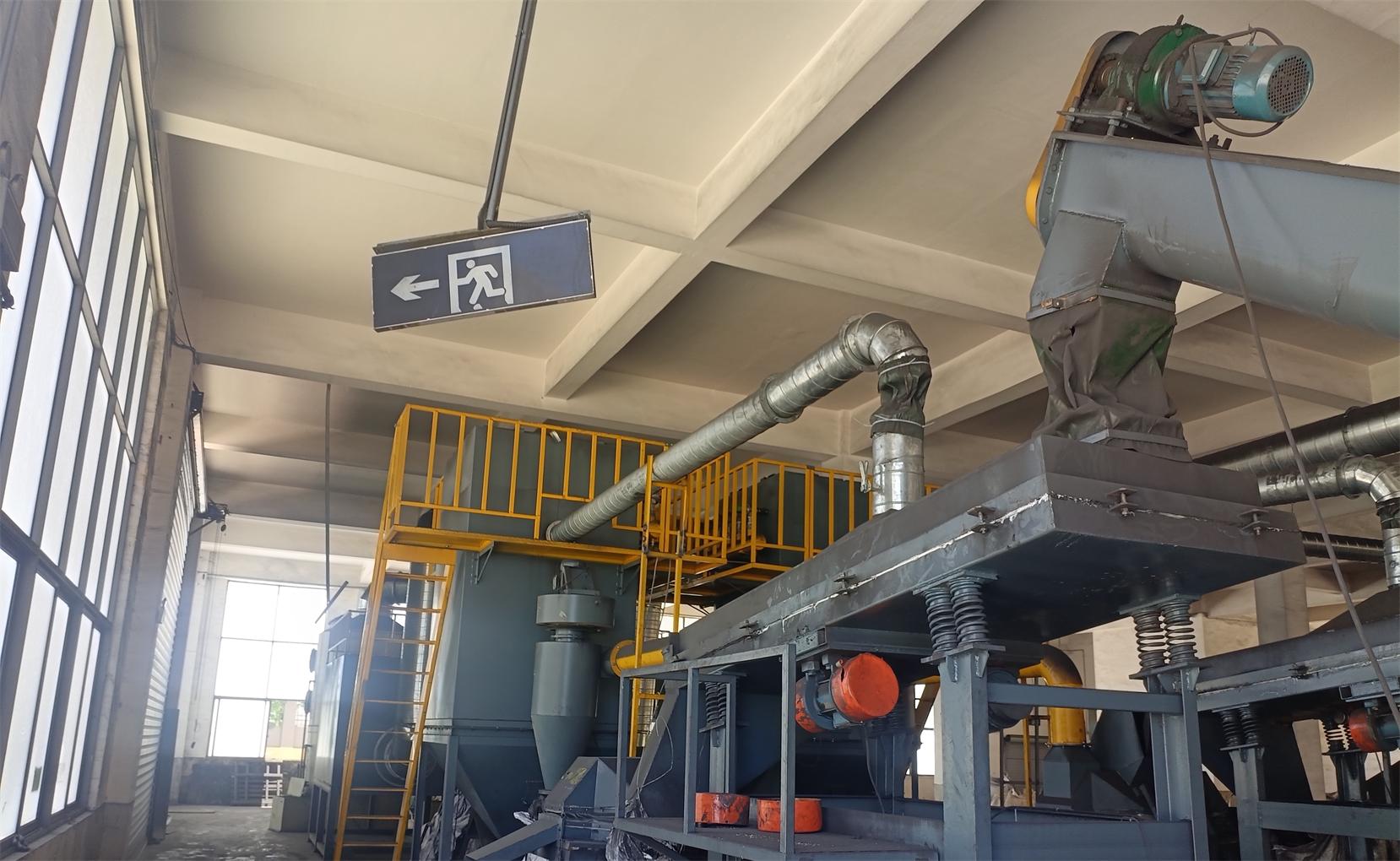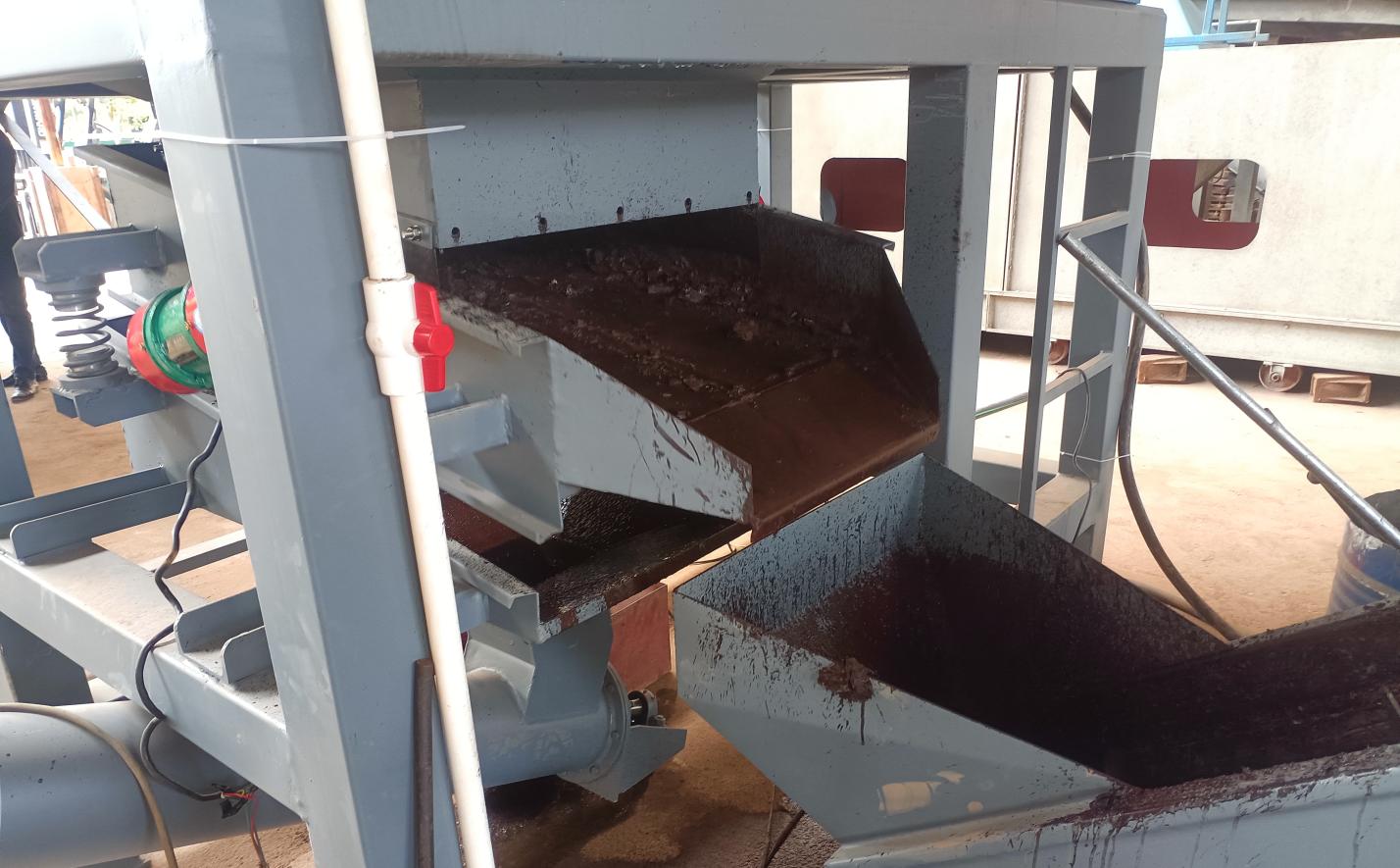
With global e-waste generation reaching record levels every year, investing in the right recycling equipment has become a critical business decision. Whether you are starting a new recycling venture or upgrading existing facilities, selecting reliable machinery can significantly impact your operational efficiency, recovery rates, and profitability.
Understanding the Main Categories of Recycling Equipment
The e-waste recycling industry covers a broad spectrum of materials, each requiring specialized processing technology. Here are the core equipment categories that modern recycling plants should consider:
Lead Acid Battery Recycling Equipment
Used lead-acid batteries (ULAB) represent one of the most recycled consumer products globally. A complete lead acid battery recycling equipment line typically includes battery breaking and separation systems, de-sulfurization units, rotary furnaces for paste reduction, blast furnaces, lead refinery kettles, and air pollution control systems. These integrated systems can process 1-10 MT per hour, recovering lead paste, lead grids, plastic shells, and acid with high efficiency.
Used lead-acid batteries (ULAB) represent one of the most recycled consumer products globally. A complete lead acid battery recycling equipment line typically includes battery breaking and separation systems, de-sulfurization units, rotary furnaces for paste reduction, blast furnaces, lead refinery kettles, and air pollution control systems. These integrated systems can process 1-10 MT per hour, recovering lead paste, lead grids, plastic shells, and acid with high efficiency.
Lithium Battery Recycling Equipment
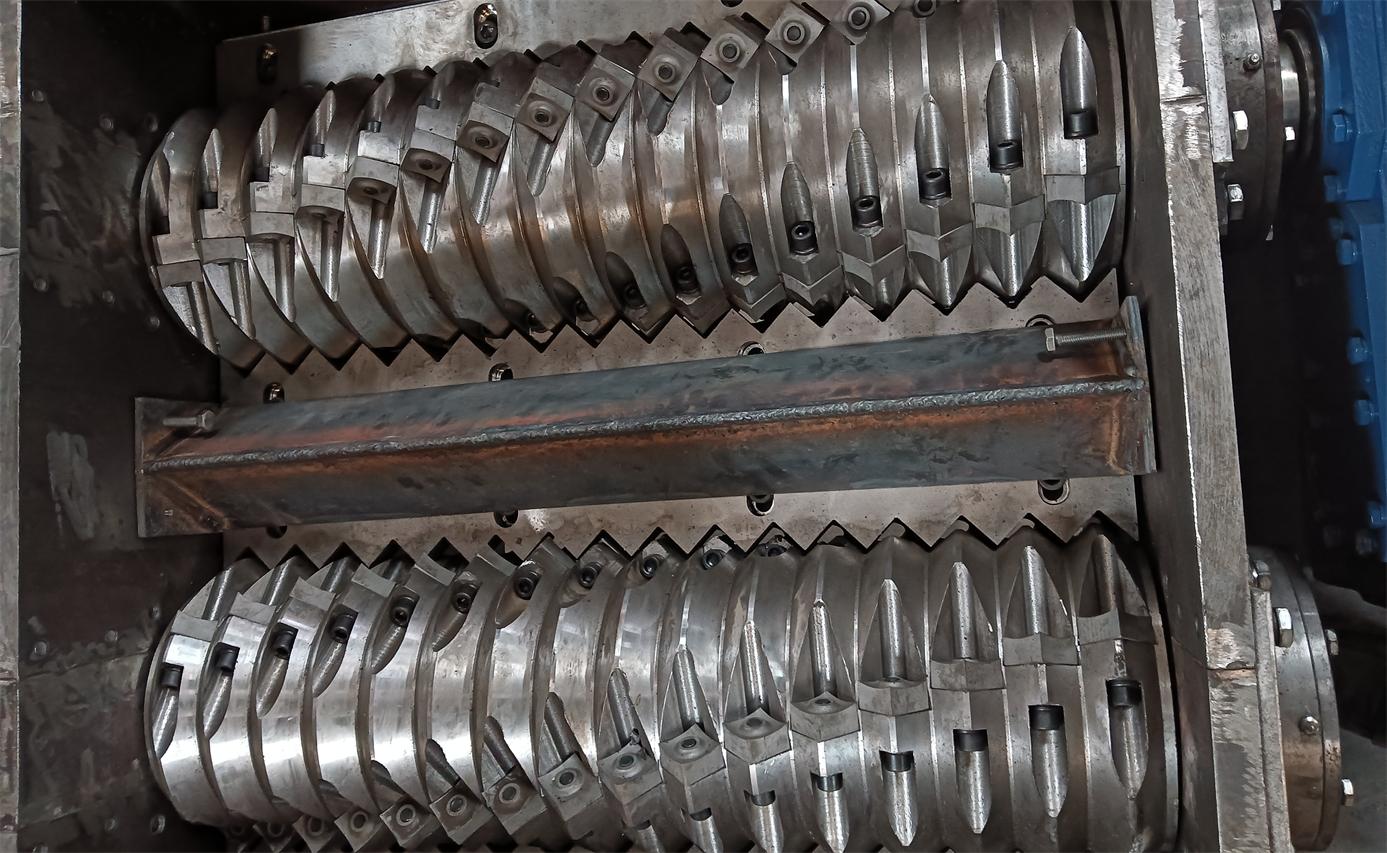
As electric vehicles and portable electronics proliferate, lithium-ion battery recycling has emerged as a high-growth segment. Modern lithium battery recycling plants can handle 500-2500 kg per hour, separating black mass (containing nickel, cobalt, and graphite), plastic separators, copper, and aluminum through a combination of discharging, pre-crushing, secondary granulation, magnetic separation, and air classification technologies.
As electric vehicles and portable electronics proliferate, lithium-ion battery recycling has emerged as a high-growth segment. Modern lithium battery recycling plants can handle 500-2500 kg per hour, separating black mass (containing nickel, cobalt, and graphite), plastic separators, copper, and aluminum through a combination of discharging, pre-crushing, secondary granulation, magnetic separation, and air classification technologies.
Cable Recycling Equipment
Scrap cables and wires contain valuable copper and aluminum that can be recovered profitably. Cable recycling equipment ranges from manual scrap cable strippers for small operations to fully automated cable granulators with dry or wet separators capable of processing 200-1200 kg per hour. Advanced systems achieve copper purity of 96-98% with minimal dust pollution.
Scrap cables and wires contain valuable copper and aluminum that can be recovered profitably. Cable recycling equipment ranges from manual scrap cable strippers for small operations to fully automated cable granulators with dry or wet separators capable of processing 200-1200 kg per hour. Advanced systems achieve copper purity of 96-98% with minimal dust pollution.
Circuit Board Recycling Equipment
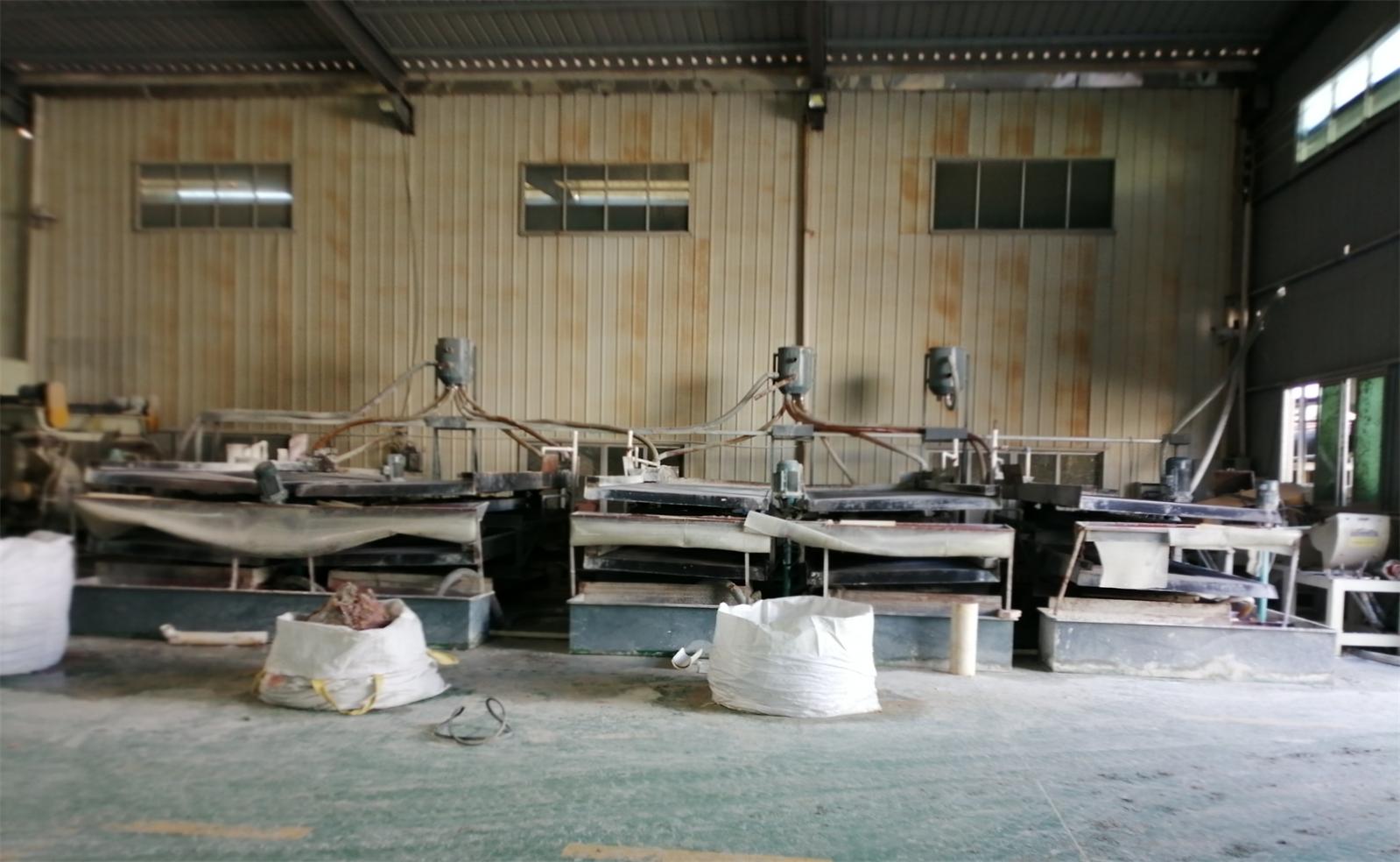
Printed circuit boards (PCBs) contain precious metals including gold, silver, and palladium, as well as copper. Circuit board recycling equipment uses mechanical crushing combined with air separation, electrostatic separation, or wet separation to recover copper powder and precious metal concentrates. Capacities range from 300 kg/hour to 2000 kg/hour depending on plant scale.
Printed circuit boards (PCBs) contain precious metals including gold, silver, and palladium, as well as copper. Circuit board recycling equipment uses mechanical crushing combined with air separation, electrostatic separation, or wet separation to recover copper powder and precious metal concentrates. Capacities range from 300 kg/hour to 2000 kg/hour depending on plant scale.
What to Look for in a Recycling Equipment Supplier
Choosing a supplier is just as important as choosing the equipment itself. Here are the key factors to evaluate:
Technical Expertise and Experience
Look for manufacturers with deep industry experience and strong technical teams. A supplier with over 15 years of hands-on experience in e-waste recycling machinery can provide invaluable guidance on process optimization, troubleshooting, and regulatory compliance.
Look for manufacturers with deep industry experience and strong technical teams. A supplier with over 15 years of hands-on experience in e-waste recycling machinery can provide invaluable guidance on process optimization, troubleshooting, and regulatory compliance.
Turnkey Solutions and EPC Capability
Building a recycling plant involves more than just buying machines. Suppliers that offer Engineering, Procurement, and Construction (EPC) services can save you significant time and coordination effort. Turnkey solutions include plant design, equipment supply, installation, commissioning, and staff training.
Building a recycling plant involves more than just buying machines. Suppliers that offer Engineering, Procurement, and Construction (EPC) services can save you significant time and coordination effort. Turnkey solutions include plant design, equipment supply, installation, commissioning, and staff training.
Customization and Flexibility
Every recycling operation has unique feedstock characteristics, capacity requirements, and local regulations. The ability to customize equipment specifications, plant layouts, and process flows is essential for long-term success.
Every recycling operation has unique feedstock characteristics, capacity requirements, and local regulations. The ability to customize equipment specifications, plant layouts, and process flows is essential for long-term success.
After-Sales Support and Spare Parts Availability
Recycling equipment operates in demanding environments. Reliable technical support, prompt spare parts delivery, and ongoing maintenance services minimize downtime and protect your investment.
Recycling equipment operates in demanding environments. Reliable technical support, prompt spare parts delivery, and ongoing maintenance services minimize downtime and protect your investment.
Environmental Compliance
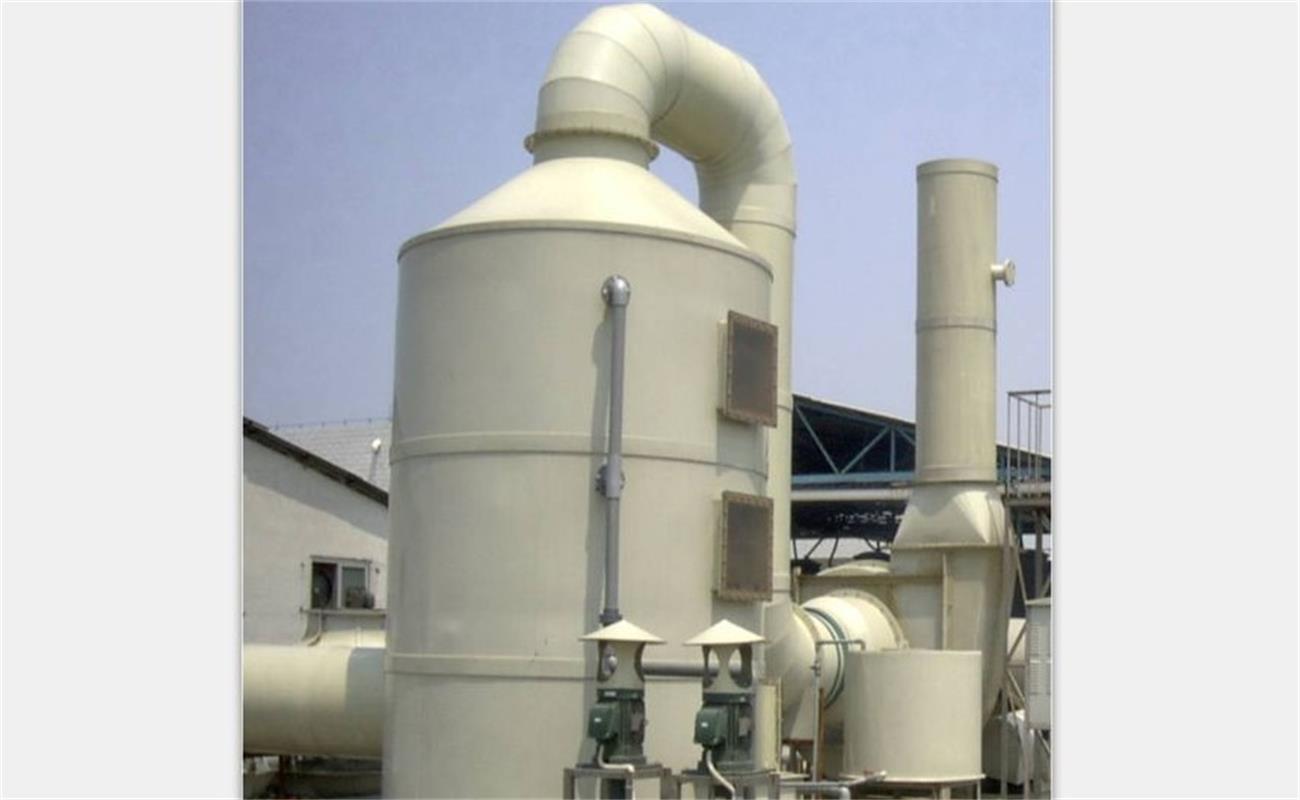
E-waste recycling involves hazardous materials. Ensure your supplier designs systems that meet local and international environmental standards, including air pollution control, wastewater treatment, and safe handling of toxic substances.
E-waste recycling involves hazardous materials. Ensure your supplier designs systems that meet local and international environmental standards, including air pollution control, wastewater treatment, and safe handling of toxic substances.
San Lan Technologies: Your Partner in Sustainable Recycling
Established in 2007, San Lan Technologies Co., Ltd has grown into a professional manufacturer of WEEE recycling machines and mining equipment, serving customers across more than 21 countries including Singapore, Colombia, Vietnam, Mexico, Argentina, Korea, Malaysia, and South Africa.
Core Strengths:
- Professional technical team with master's degrees in mechanical engineering and 15+ years of experience in e-waste recycling equipment
- Full EPC project capability from design and procurement to installation and commissioning
- One-stop purchasing center for complete recycling plant setup
- Customized design to match your specific material, capacity, and regulatory requirements
- Assistance with raw material sourcing and end-product sales channels
- Bilingual support in English and Chinese for smooth international communication
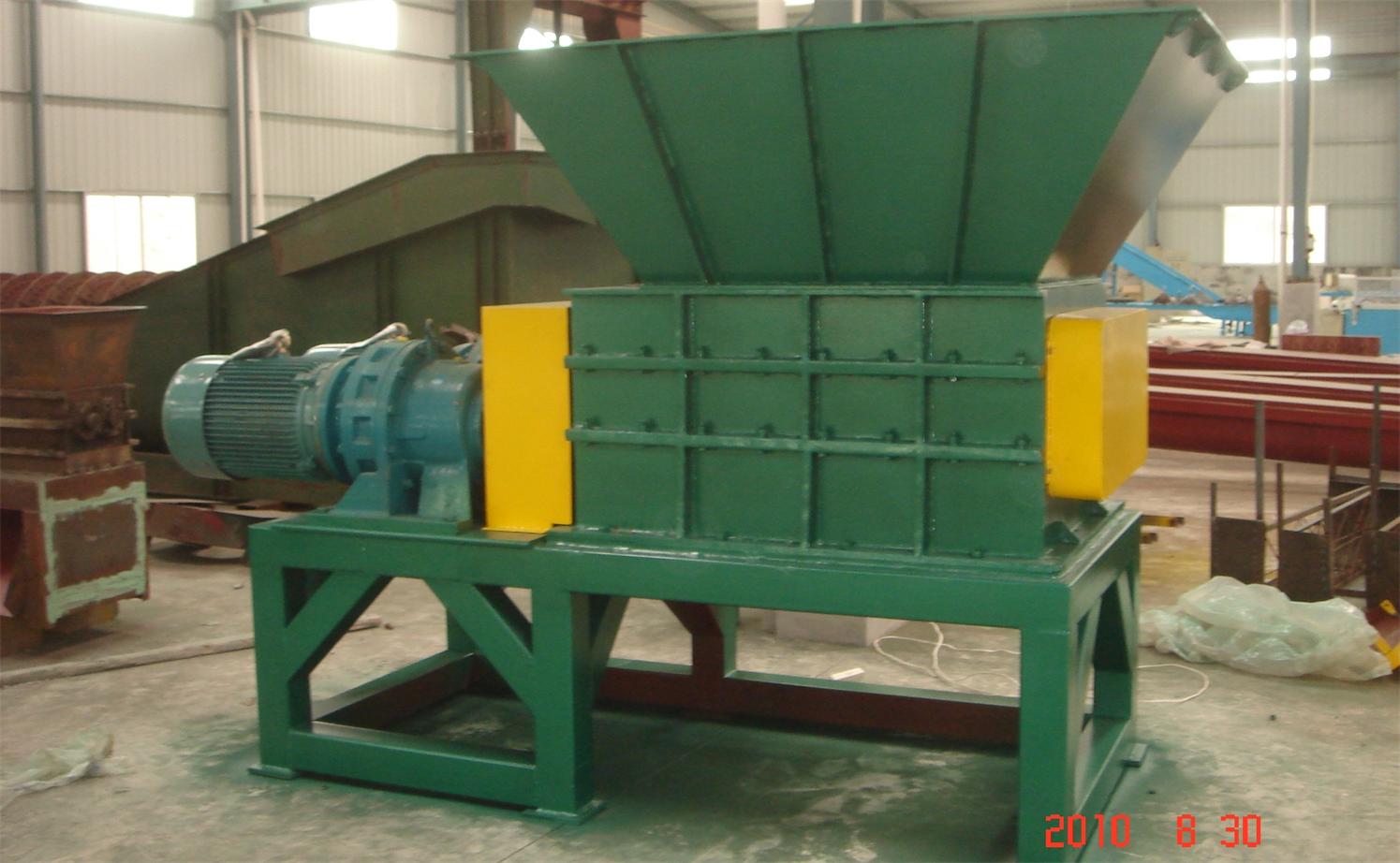
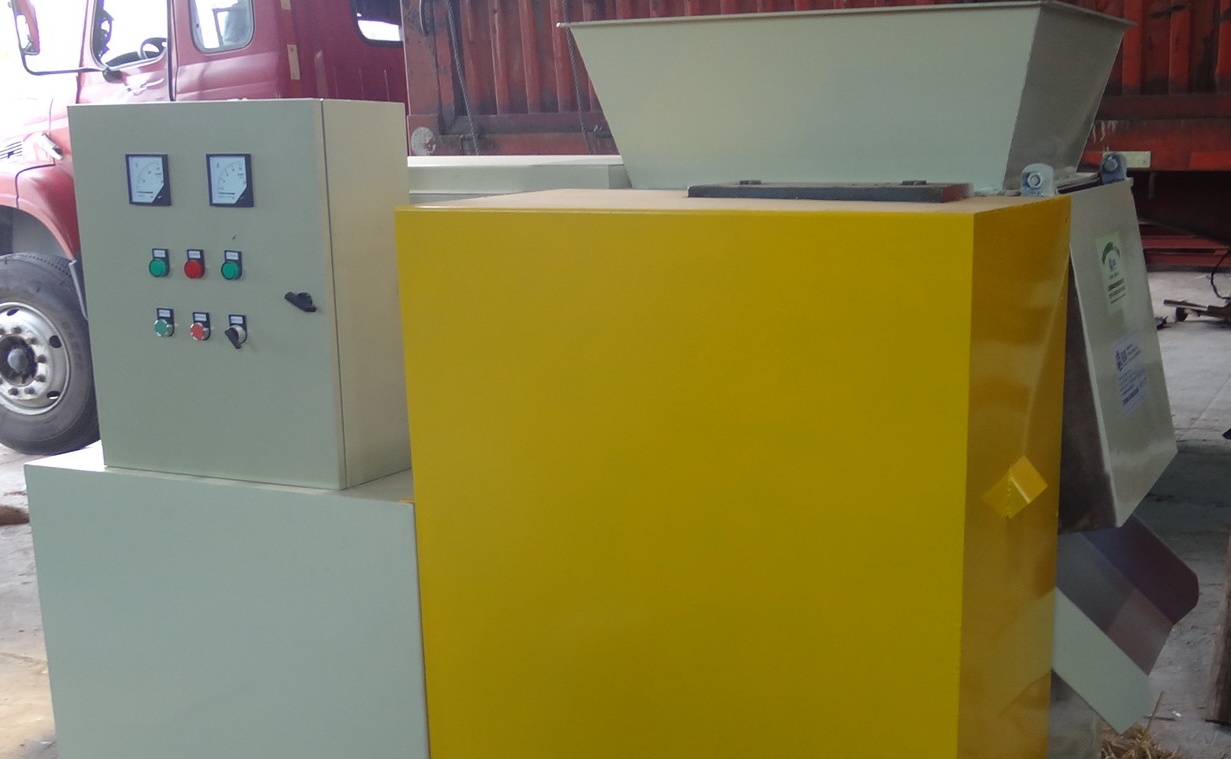
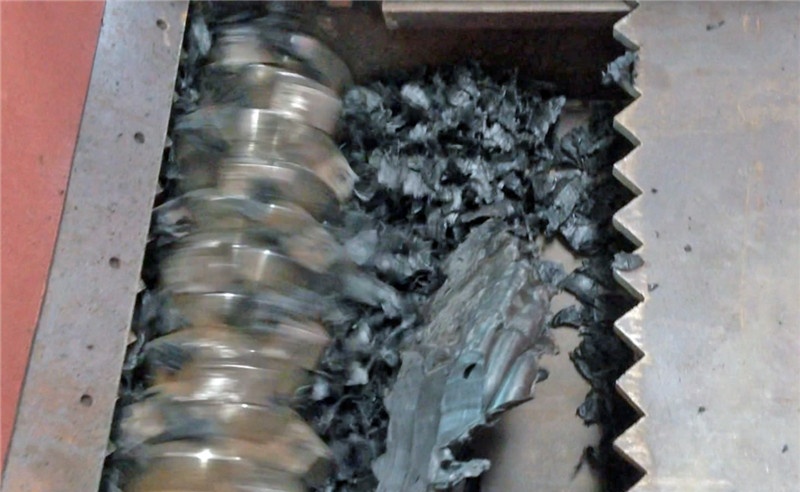
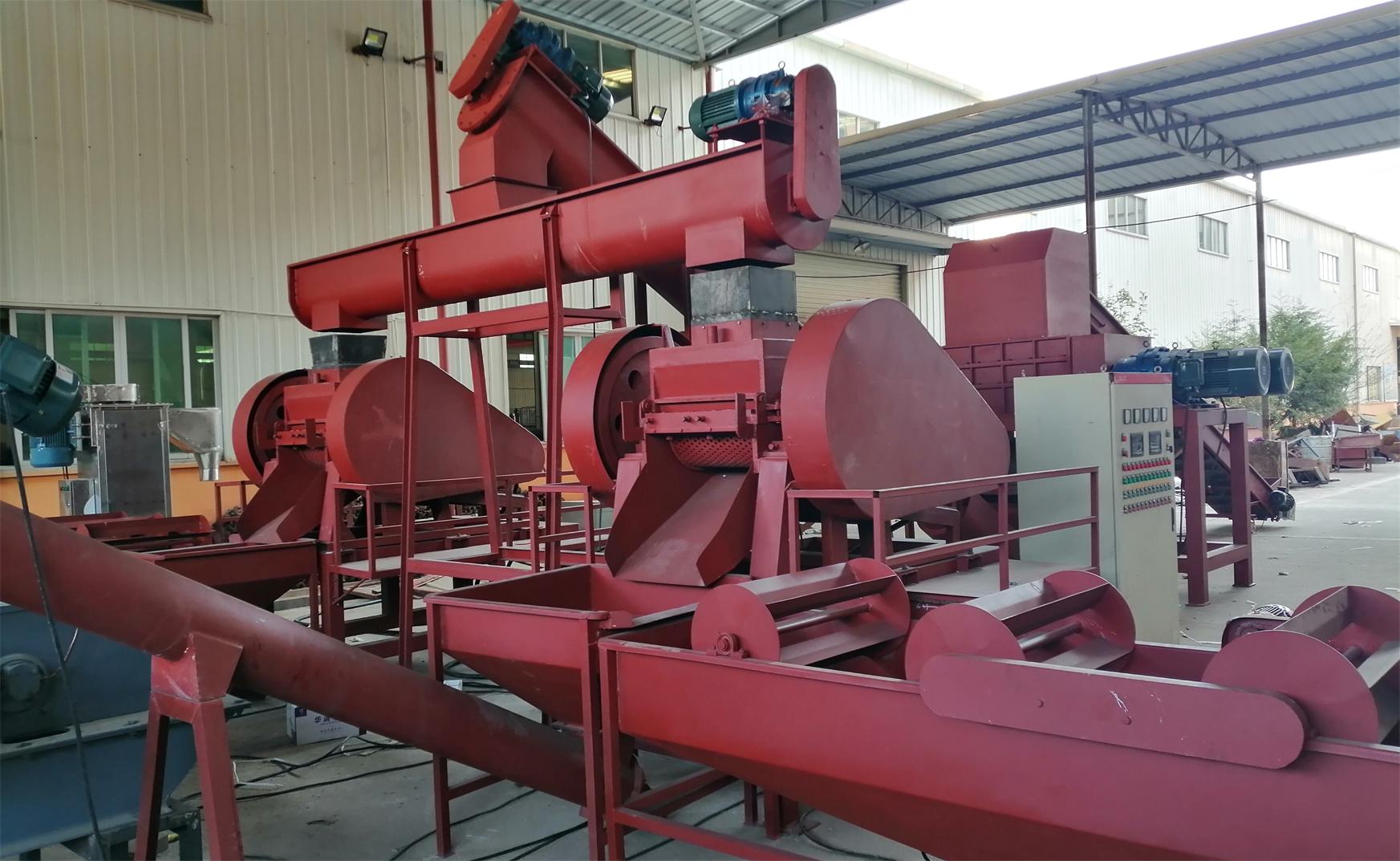
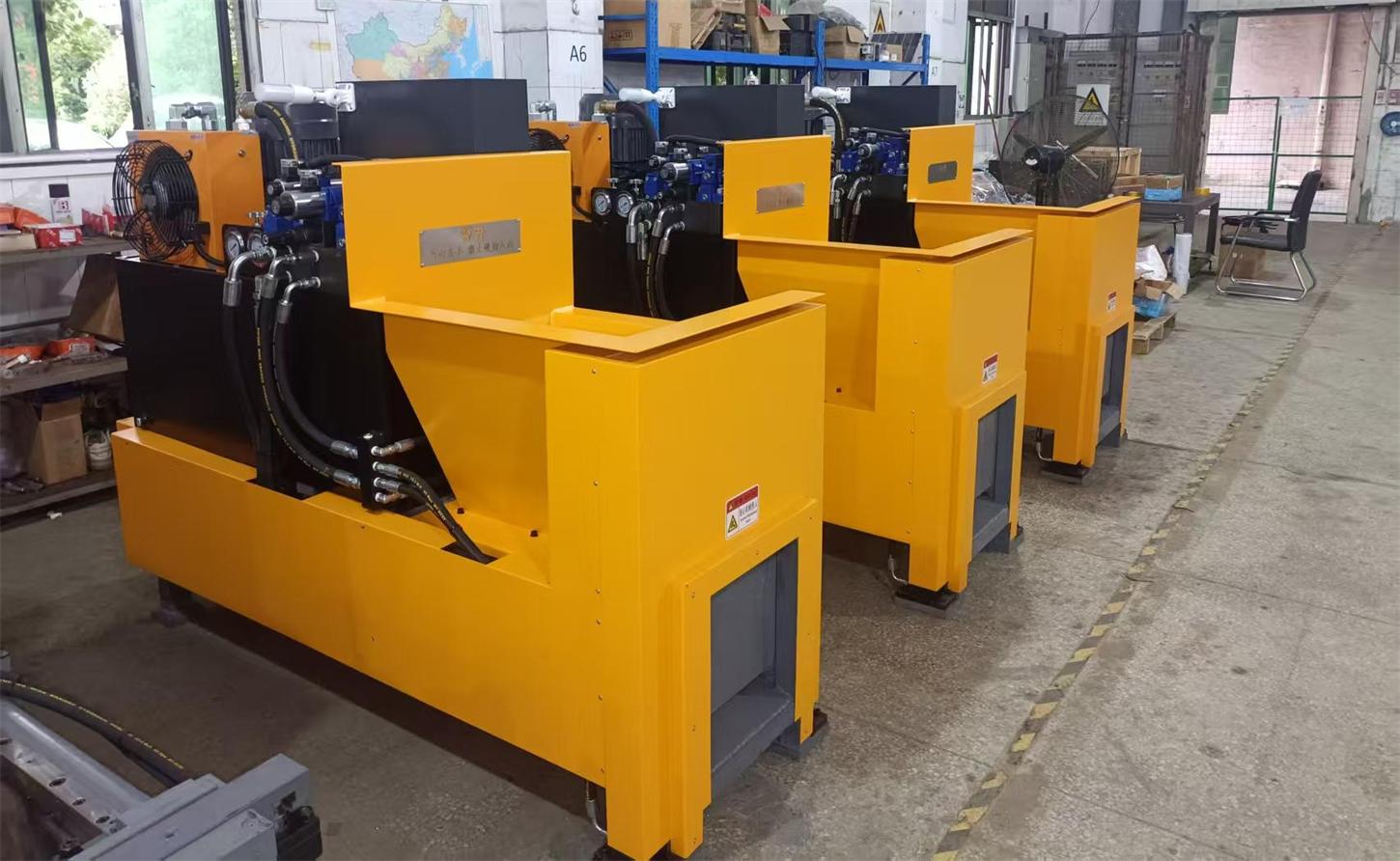
San Lan's product portfolio spans the entire e-waste recycling spectrum: lead acid battery recycling plants, lithium battery recycling plants, circuit board recycling plants, cable recycling machines, refrigerator and AC recycling equipment, CRT recycling machines, motor recycling machines, shredders and pre-choppers, hydraulic press machines, metal melting furnaces, and lamp recycling machines. The company also offers lithium ore extraction plants for mining applications.
Maximizing Returns Through Smart Equipment Selection
Successful recycling operations balance capital investment with operational efficiency and output quality. When evaluating equipment, consider not only the upfront cost but also recovery rates, energy consumption, labor requirements, maintenance intervals, and the supplier's ability to support your growth.
For example, a lead acid battery recycling plant with proper de-sulfurization and advanced furnace technology can achieve lead recovery rates exceeding 95% while significantly reducing SO2 emissions. Similarly, cable granulators with precision separation technology deliver higher copper purity, commanding better market prices for your recovered materials.
Investing in integrated systems rather than standalone machines often yields better results. Integrated plants ensure material flow optimization, reduce handling losses, and simplify environmental compliance through unified pollution control systems.
Ready to Start or Expand Your Recycling Business?
San Lan Technologies Co., Ltd invites you to explore how our comprehensive range of recycling equipment and turnkey solutions can help you build a profitable and environmentally responsible operation. With nearly two decades of experience, a global customer base, and a commitment to win-win cooperation, we are ready to support your project from concept to commissioning.
Contact us today via email at info@san-lan.com or WhatsApp at +86 139 2377 4083 to discuss your specific requirements and receive a customized proposal.
San Lan Technologies Co., Ltd invites you to explore how our comprehensive range of recycling equipment and turnkey solutions can help you build a profitable and environmentally responsible operation. With nearly two decades of experience, a global customer base, and a commitment to win-win cooperation, we are ready to support your project from concept to commissioning.
Contact us today via email at info@san-lan.com or WhatsApp at +86 139 2377 4083 to discuss your specific requirements and receive a customized proposal.