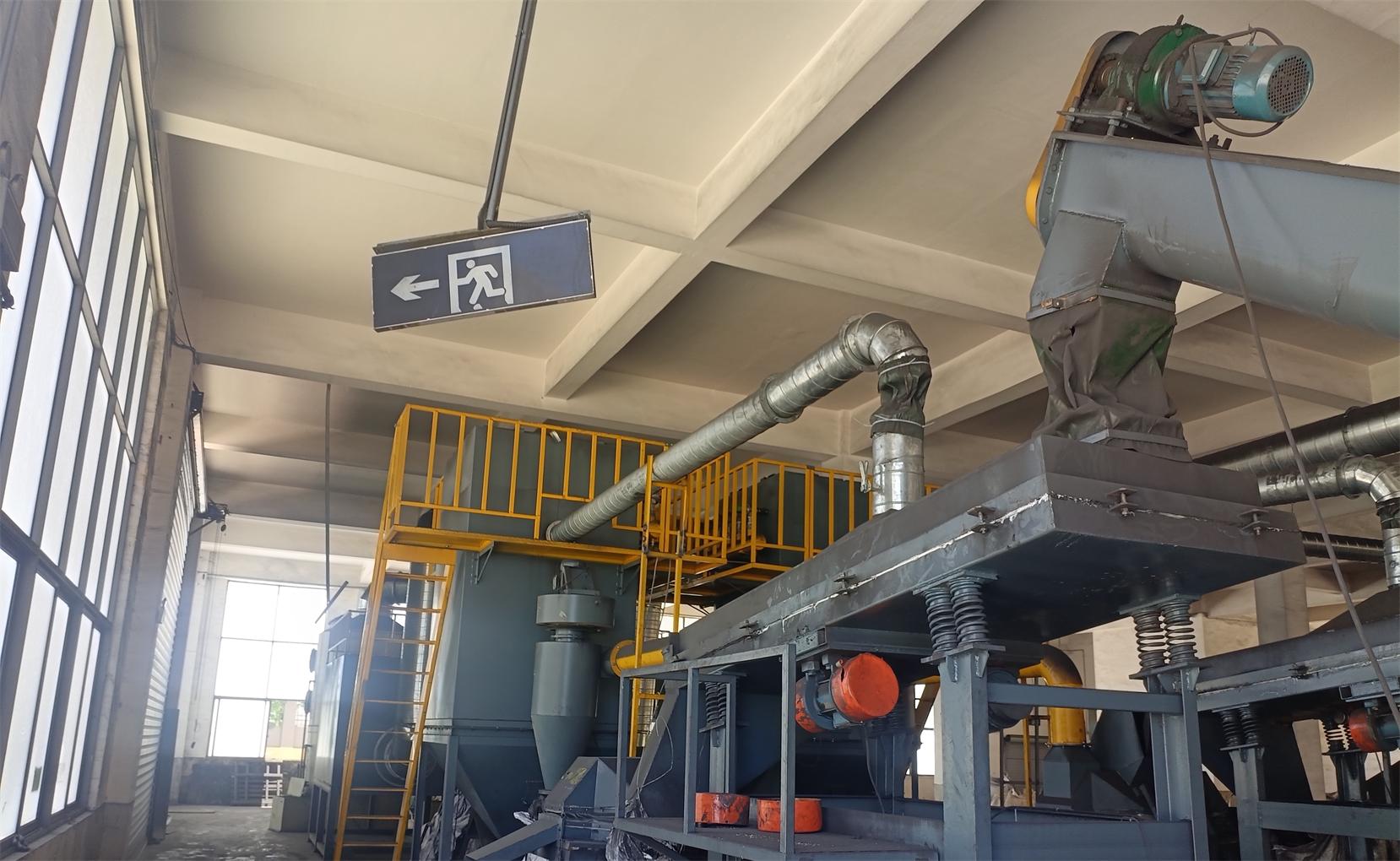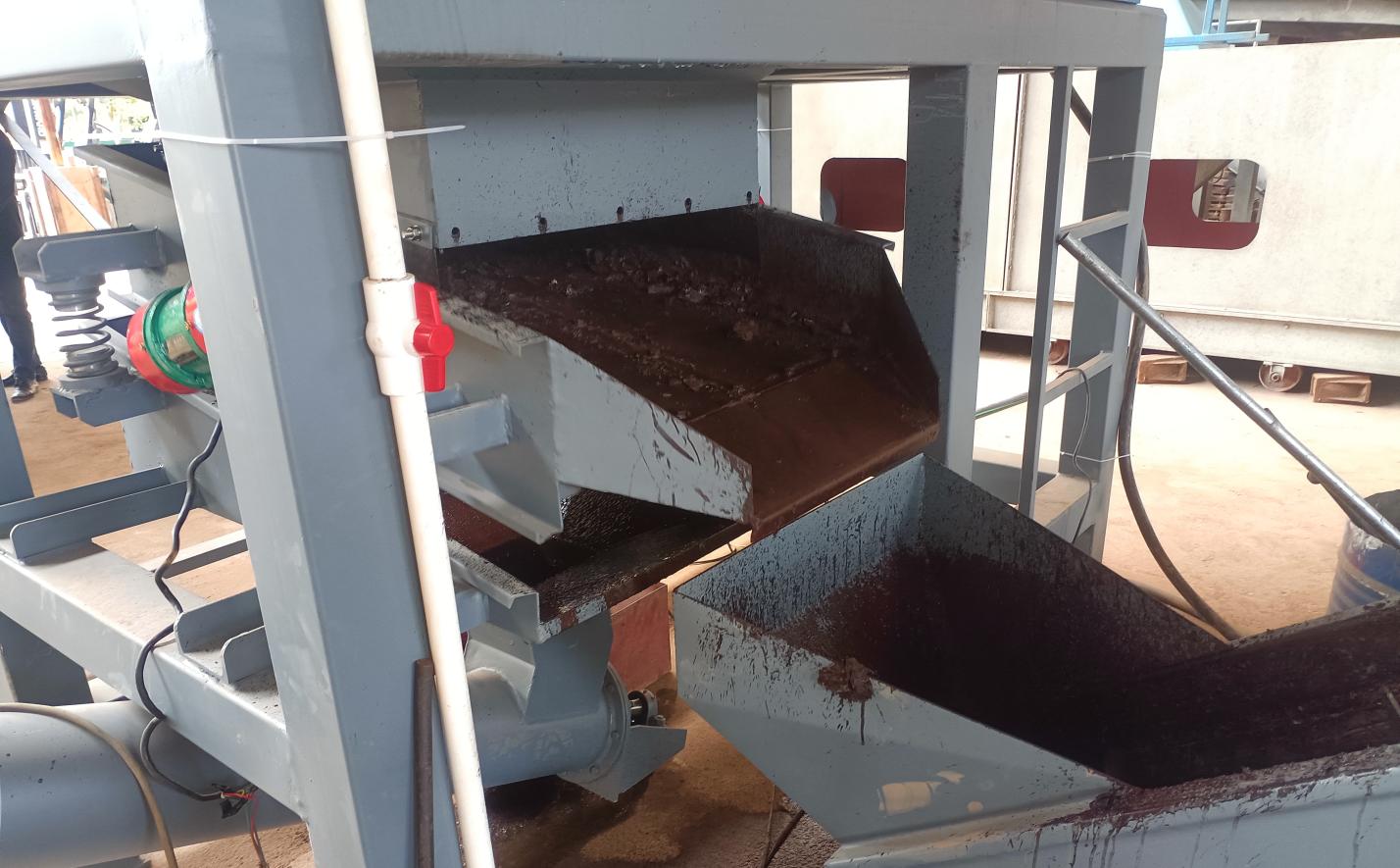
With global e-waste generation expected to reach 82 million tonnes by 2030, the recycling industry presents one of the most significant business opportunities of our time. However, success in this sector depends heavily on choosing the right equipment and a reliable partner.
The Growing E-Waste Recycling Market
Electronic waste contains valuable materials including copper, gold, aluminum, and rare earth elements. One tonne of mobile phone circuit boards contains more gold than a tonne of high-grade mined ore. This makes recycling equipment not just an environmental necessity, but a profitable business venture.
The global e-waste recycling market is projected to reach $145 billion by 2030, growing at a CAGR of 13.2%. Governments worldwide are implementing stricter regulations, including Extended Producer Responsibility (EPR) frameworks that mandate recycling targets of 60-80% for manufacturers.
Essential E-Waste Recycling Equipment Types
A comprehensive e-waste recycling operation requires specialized machinery for different material streams. Here are the core equipment categories that every serious recycler should consider:
Lead Acid Battery Recycling Plant – Breaks and separates used batteries to recover lead paste, lead grids, plastic shells, and acid
Lithium Battery Recycling Plant – Processes Li-ion batteries to recover black mass (Ni/Co/graphite), copper, aluminum, and plastic
Circuit Board Recycling Plant – Extracts copper powder and precious metals from PCB waste
Cable Recycling Plant – Separates copper/aluminum from plastic insulation in scrap cables
Refrigerator & AC Recycling Machines – Safely extracts refrigerant and separates metals/plastics
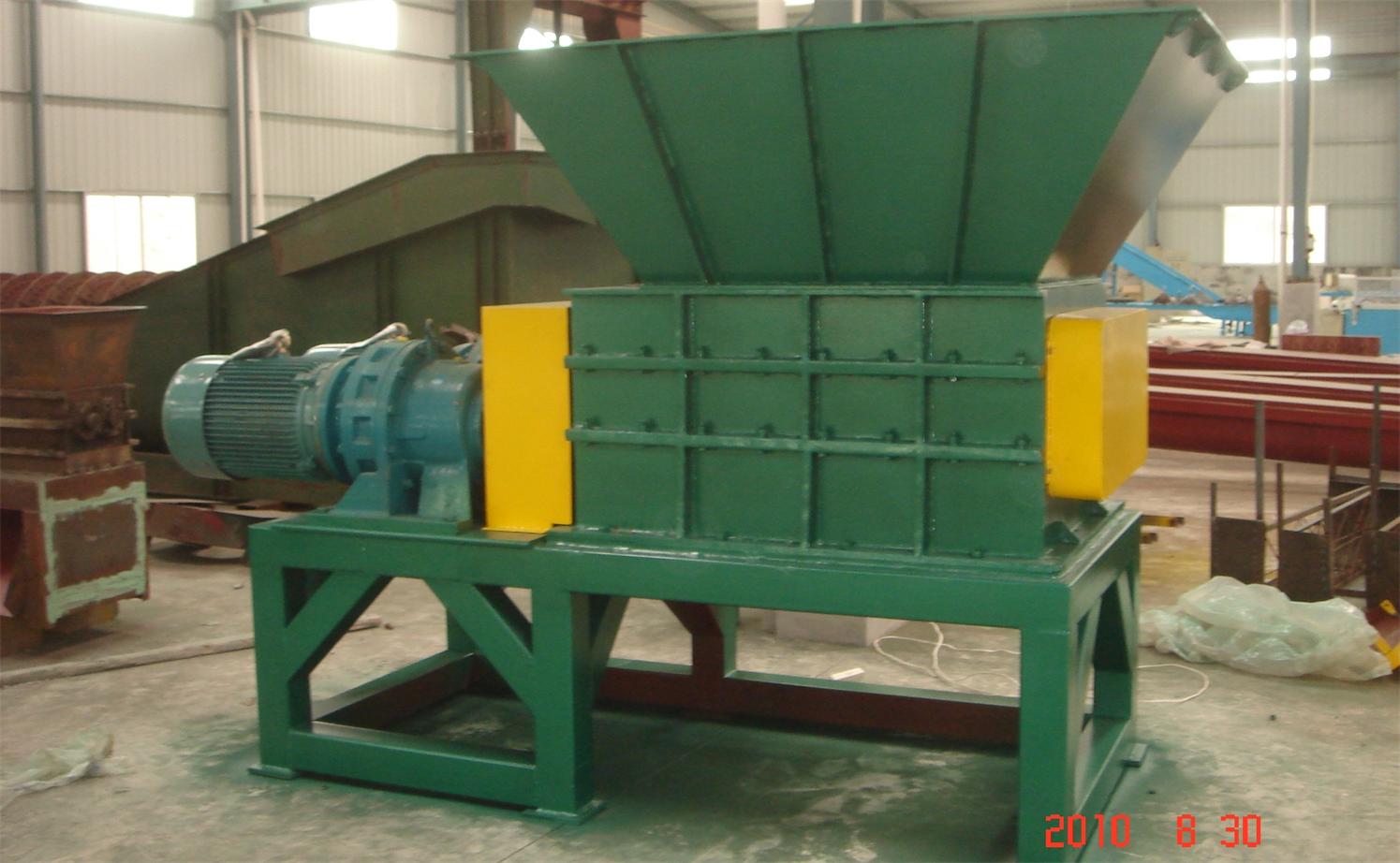
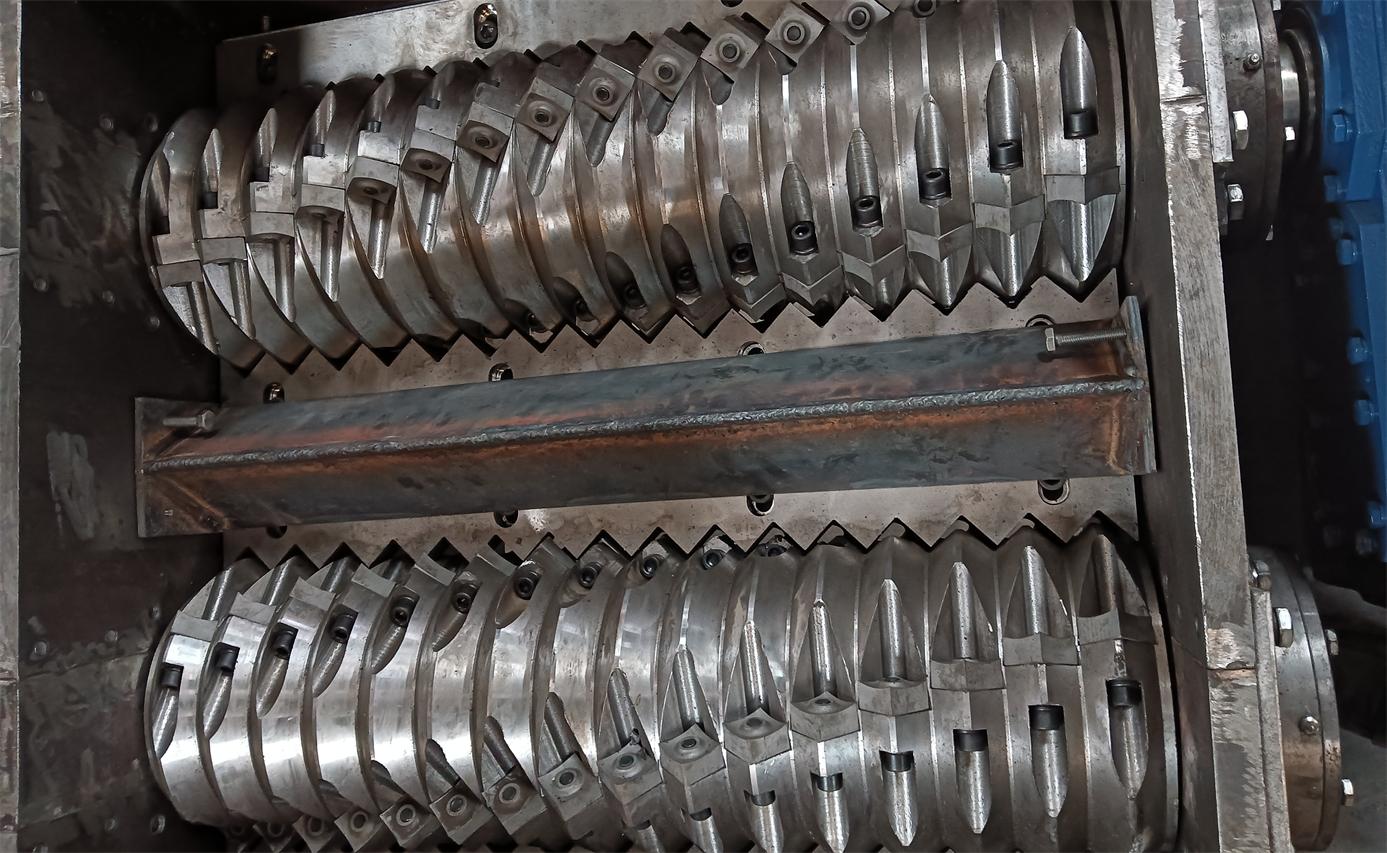
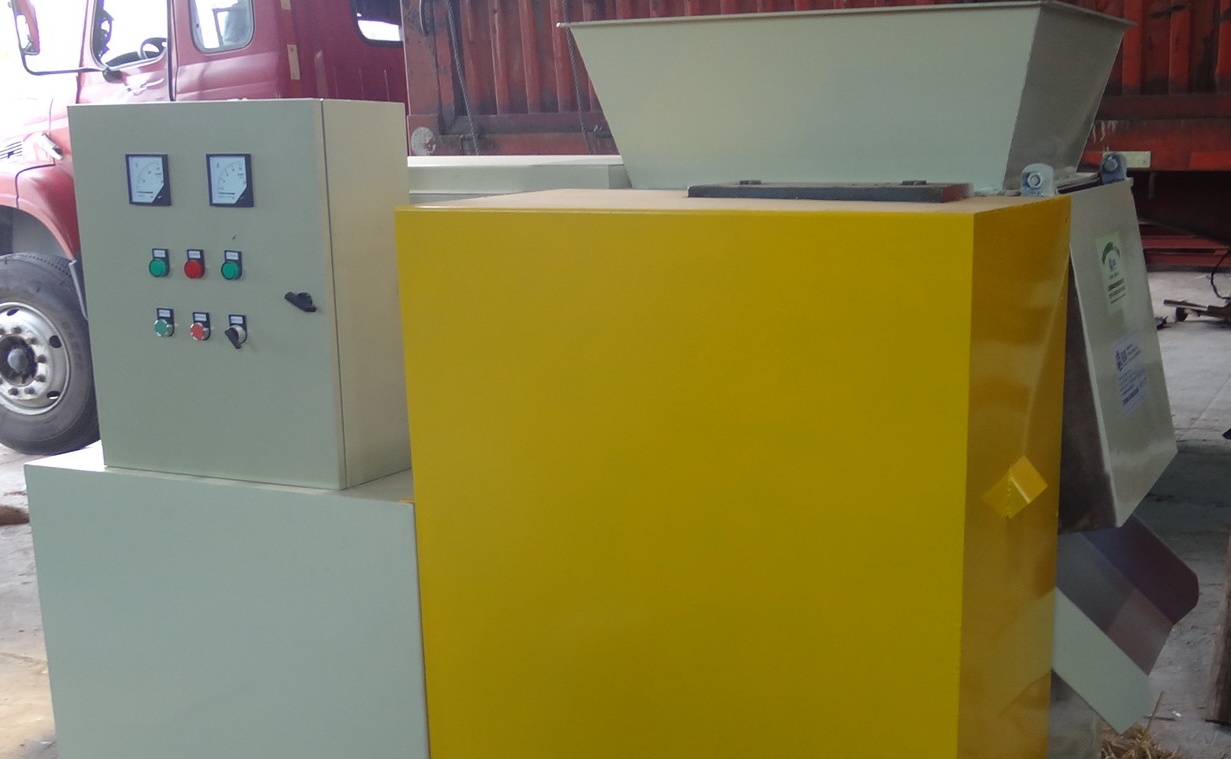
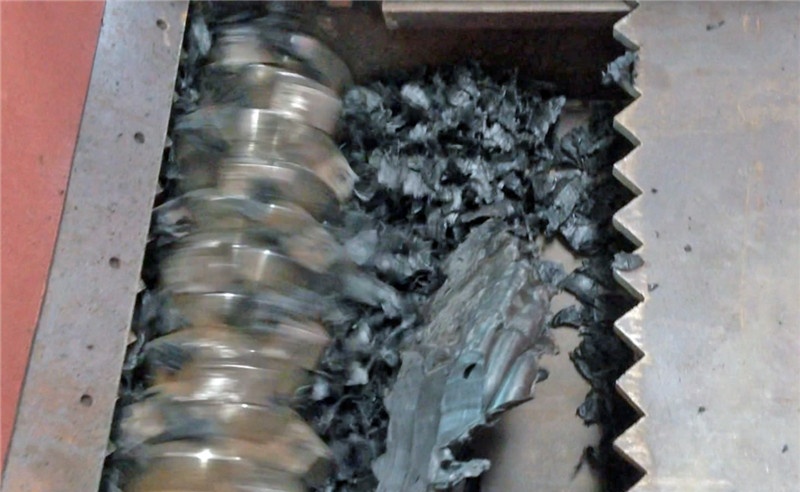
Shredders and Pre-choppers – Prepares materials for further processing
Lead Acid Battery Recycling: A High-Value Opportunity
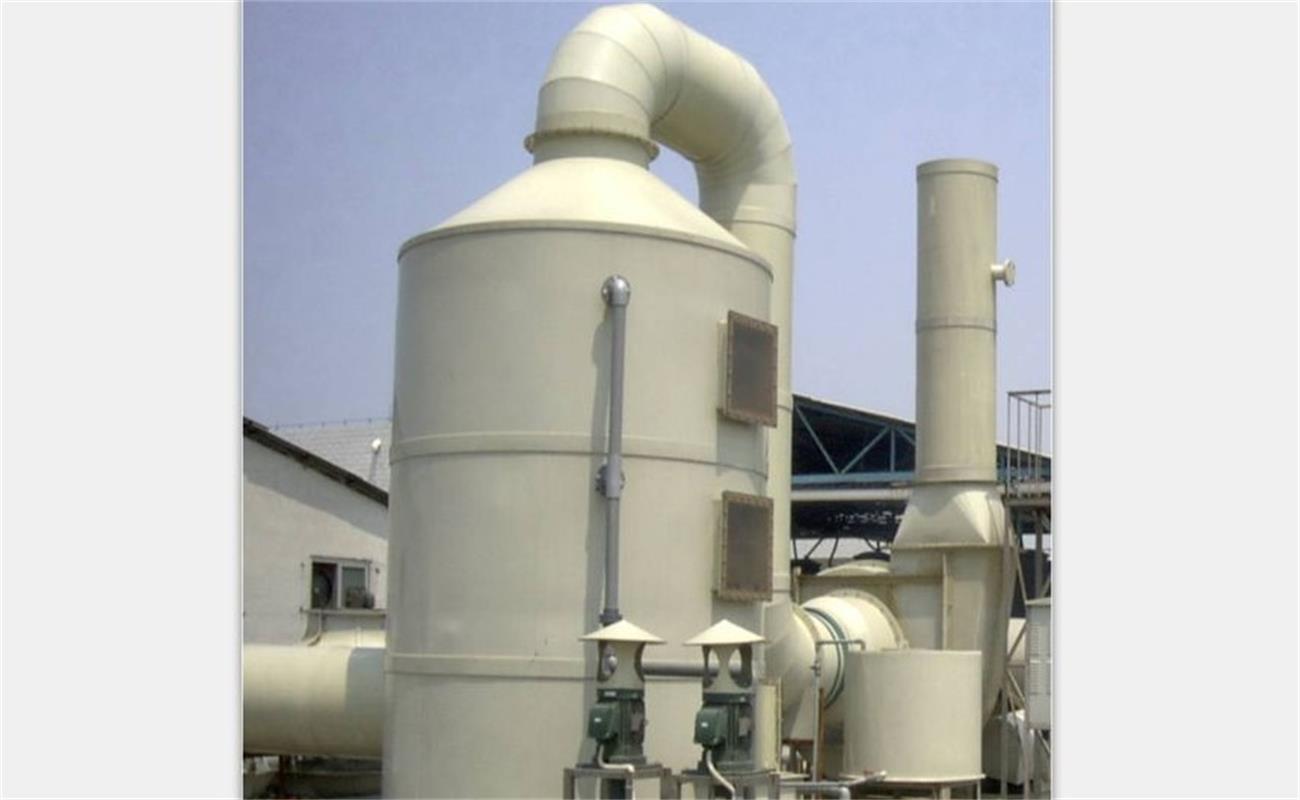
Used lead acid batteries (ULAB) represent one of the most recycled products globally, with recovery rates exceeding 95% when processed with the right equipment. A complete lead acid battery recycling plant typically includes battery breaking and separation systems, de-sulfurization units, rotary furnaces for paste reduction, blast furnaces, lead refinery kettles, and air pollution control systems.
Modern lead acid battery recycling plants can process 1-10 MT per hour, recovering lead with purity up to 99.999%. The key is choosing equipment that meets environmental standards while maximizing metal recovery rates. Advanced systems include water treatment plants and filter presses to handle acidic wastewater and lead paste safely.
Circuit Board Recycling: Recovering Precious Metals
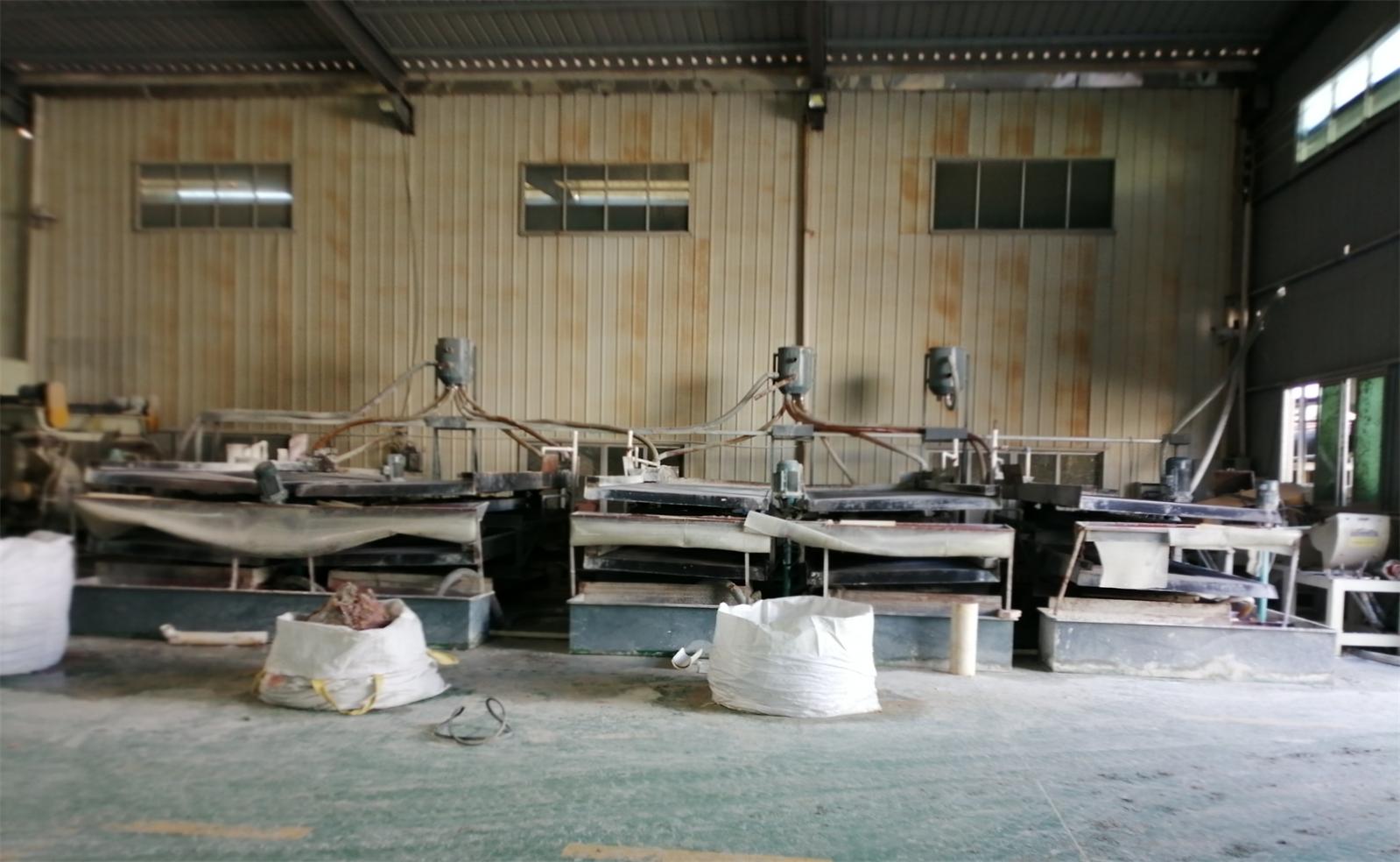
Printed circuit boards (PCBs) are among the most valuable e-waste components, containing copper, gold, silver, and palladium. A professional circuit board recycling plant uses either dry separation (air separation, electrostatic separation) or wet separation (water metal separation) technologies.
Dry separation systems offer capacities from 300-2000 kg/hour with copper powder purity reaching 96-98%. Wet separation plants can handle larger volumes up to 5000 kg/hour and are particularly effective for PCB waste still containing electronic components. Recovery rates typically exceed 95%, making these plants highly profitable operations.
Cable Recycling: Efficient Copper Recovery
Scrap cables represent a consistent and abundant feedstock for recycling operations. A complete cable recycling plant includes scrap cable strippers for large-diameter cables and cable granulators with dry separators for fine copper recovery.
Modern cable granulators can process 500-1200 kg/hour, separating copper and aluminum from plastic insulation with high efficiency. For large industrial cables, hydraulic strippers handle diameters from 1.5mm to 150mm. The recovered copper, often called "copper rice," commands premium prices in metal markets.
Lithium Battery Recycling: The Future of E-Waste
With the electric vehicle revolution accelerating, lithium battery recycling is becoming critically important. A lithium battery recycling plant processes waste Li-ion batteries through discharging, pre-crushing, secondary granulation, black powder separation, and magnetic separation stages.
These plants recover black mass containing nickel, cobalt, and graphite, plus separated copper, aluminum, and plastic fractions. Capacities range from 500-2500 kg/hour. Given the strategic importance of critical minerals, many governments now offer subsidies for lithium battery recycling infrastructure.
Key Factors in Choosing Recycling Equipment
When selecting e-waste recycling equipment, consider these critical factors:
Processing Capacity: Match equipment capacity to your expected feedstock volume. Undersized equipment creates bottlenecks; oversized equipment wastes capital.
Recovery Rate: Higher recovery rates directly impact profitability. Look for equipment with proven recovery rates above 95% for target materials.
Environmental Compliance: Ensure equipment includes proper pollution control systems, wastewater treatment, and dust collection to meet local regulations.
Energy Efficiency: Operating costs matter. Features like near-infrared heating can reduce energy consumption by 30-50%.
After-Sales Support: Equipment installation, commissioning, and ongoing technical support are essential for continuous operations.
Why San Lan Technologies Stands Out
San Lan Technologies Co., Ltd has been manufacturing recycling equipment since 2007, serving customers in over 21 countries including Singapore, Colombia, Vietnam, Mexico, Argentina, Korea, Malaysia, and India. The company offers comprehensive solutions spanning lead acid battery recycling, lithium battery recycling, circuit board recycling, cable recycling, and more.
What distinguishes San Lan is their end-to-end service capability. Beyond manufacturing equipment, they provide EPC (Engineering, Procurement, Construction) project support, customized plant design, installation and commissioning, and even assistance with sourcing waste materials and selling recovered products like copper rice and lead ingots. Their technical team holds master's degrees in mechanical engineering with over 15 years of experience in e-waste recycling machinery.
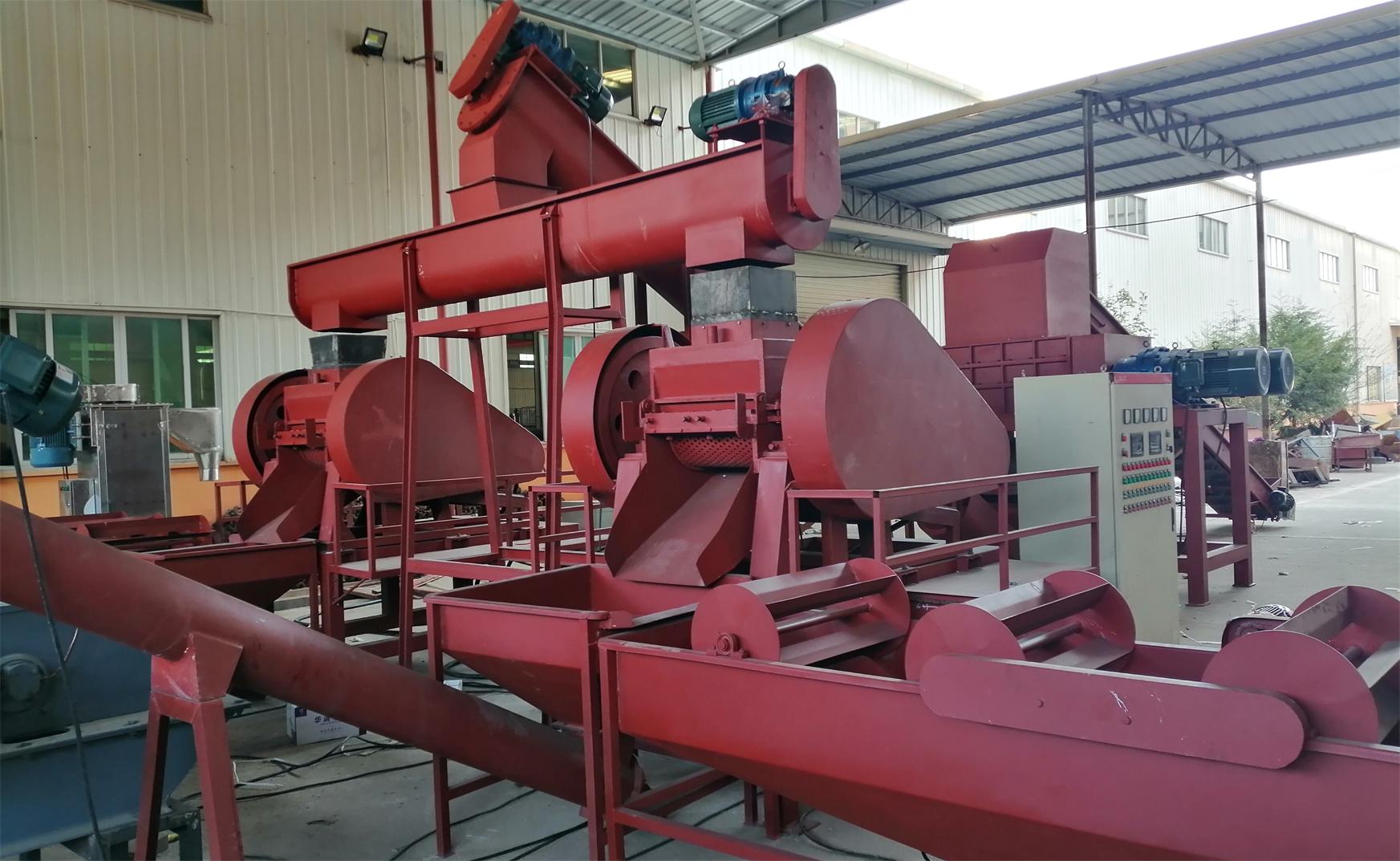
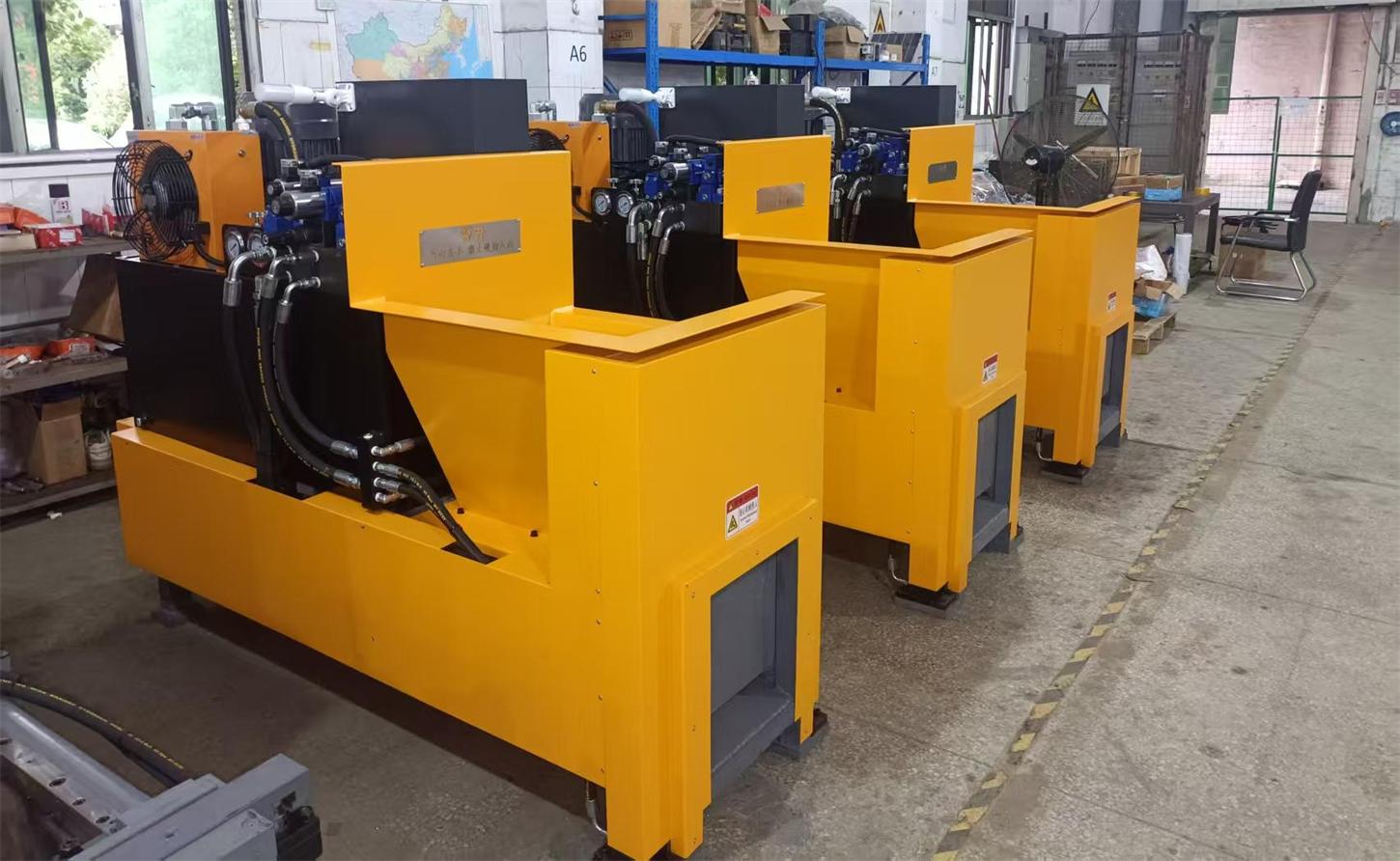
San Lan's equipment portfolio covers the complete recycling chain: shredders and pre-choppers for material preparation, specialized recycling plants for different waste streams, hydraulic presses for metal briquetting, and melting furnaces for final metal refinement. This integrated approach ensures compatibility and optimized performance across the entire process flow.
Ready to start or expand your e-waste recycling business?
Contact San Lan Technologies today for a free consultation on selecting the right recycling equipment for your specific needs. With nearly two decades of experience and installations across 21+ countries, San Lan provides the expertise and equipment you need to succeed in the growing e-waste recycling market.
Email: info@san-lan.com
WhatsApp: +86 139 2377 4083
Website: www.san-lan.com
Contact San Lan Technologies today for a free consultation on selecting the right recycling equipment for your specific needs. With nearly two decades of experience and installations across 21+ countries, San Lan provides the expertise and equipment you need to succeed in the growing e-waste recycling market.
Email: info@san-lan.com
WhatsApp: +86 139 2377 4083
Website: www.san-lan.com