With global e-waste generation reaching record levels every year, investing in the right recycling equipment is no longer optional for businesses that want to stay competitive and environmentally responsible. Whether you are processing used lead acid batteries, scrap cables, or discarded circuit boards, the quality of your machinery directly determines your recovery rates, operational costs, and compliance with environmental regulations.
Understanding the Core Recycling Processes
Modern e-waste recycling involves multiple stages: collection, dismantling, crushing, separation, and refining. Each material stream requires specialized equipment designed to maximize resource recovery while minimizing pollution. A well-designed recycling plant does not just recover raw materials; it transforms waste into valuable commodities such as copper powder, lead ingots, and plastic granules that can re-enter the manufacturing cycle.
For businesses entering this industry, the biggest challenge is often selecting equipment that matches their feedstock, capacity requirements, and budget. Purchasing incompatible or low-efficiency machines can lead to poor separation results, high energy consumption, and costly downtime.
Lead Acid Battery Recycling: A High-Value Opportunity
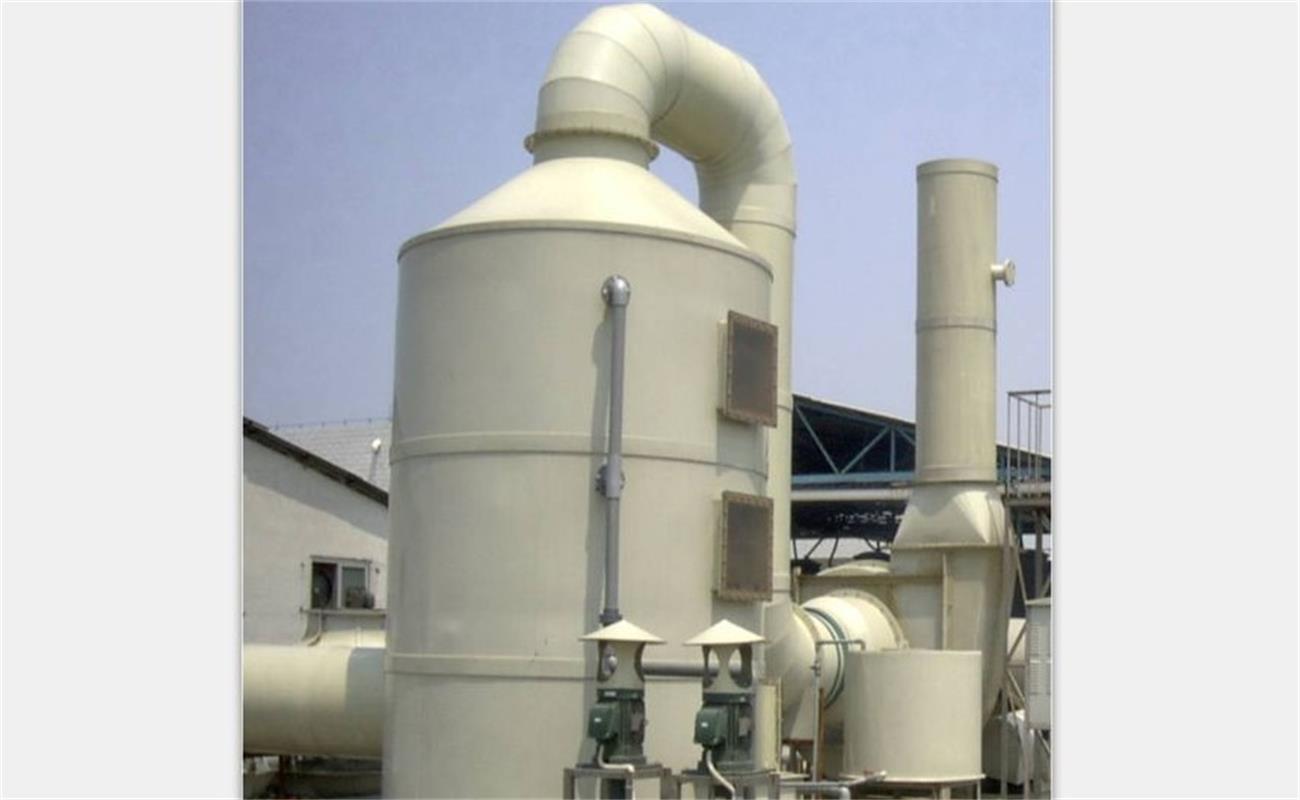
Used lead acid batteries (ULAB) remain one of the most recycled consumer products globally. A complete lead acid battery recycling equipment setup typically includes a battery breaking and separation system, de-sulfurization unit, smelting furnace, refinery kettle, and air pollution control system. The goal is to recover lead paste, lead grids, plastic shells, and sulfuric acid in an environmentally safe manner.
When evaluating lead acid battery recycling plants, pay close attention to separation efficiency and emission control. Advanced systems can process 1 to 10 metric tons per hour, achieving lead recovery rates up to 95%. Features such as near-infrared heating in refinery kettles can reduce energy consumption by 30% to 50% compared with conventional fuel-heated designs. Equally important is the de-sulfurization unit, which removes sulfur from lead paste before smelting, thereby lowering melting temperatures and cutting SO2 emissions.
- Battery breaking and separation system (1-10 MT/hour capacity)
- De-sulfurization unit for PbSO4 treatment
- Rotary furnace or blast furnace for paste reduction
- Lead refinery kettle (natural gas, diesel, or electric heated)
- Air pollution control system meeting environmental standards
- Water treatment plant for acidic wastewater
Cable Recycling: Turning Scrap Wire into Copper Profit
Scrap cables and wires represent a significant portion of metal waste in both industrial and municipal streams. The right cable recycling equipment can separate copper or aluminum from plastic insulation without using fire, water, or chemicals, ensuring zero secondary pollution.
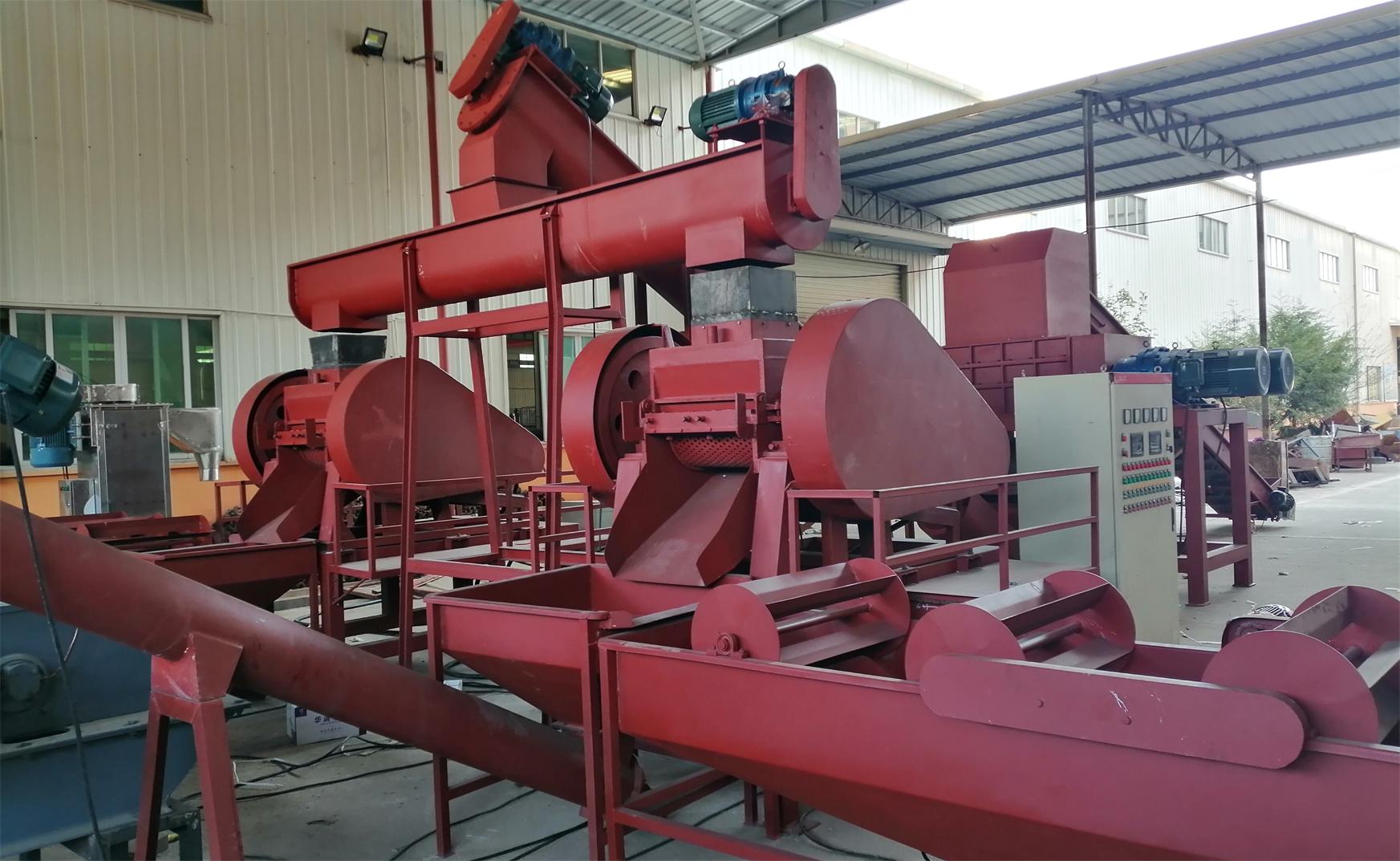
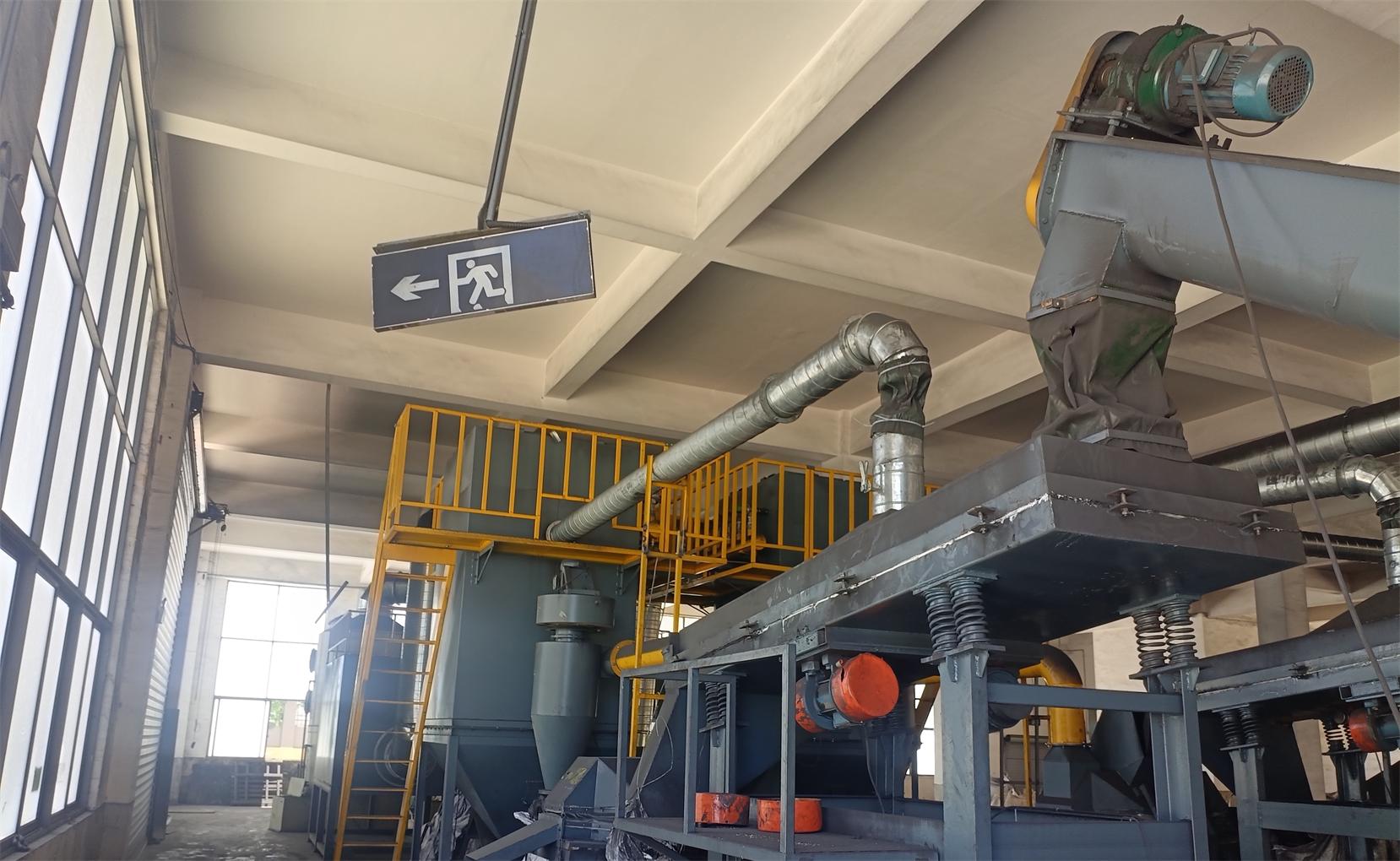
A typical cable recycling line includes scrap cable strippers for large-diameter wires, cable granulators for fine crushing, and air or electrostatic separators to isolate metal from plastic. Depending on your throughput needs, compact granulators can handle smaller volumes, while industrial-scale plants process over 1,000 kilograms per hour. The purity of recovered copper powder typically reaches 96% to 98%, making it highly attractive to metal refiners and manufacturers.
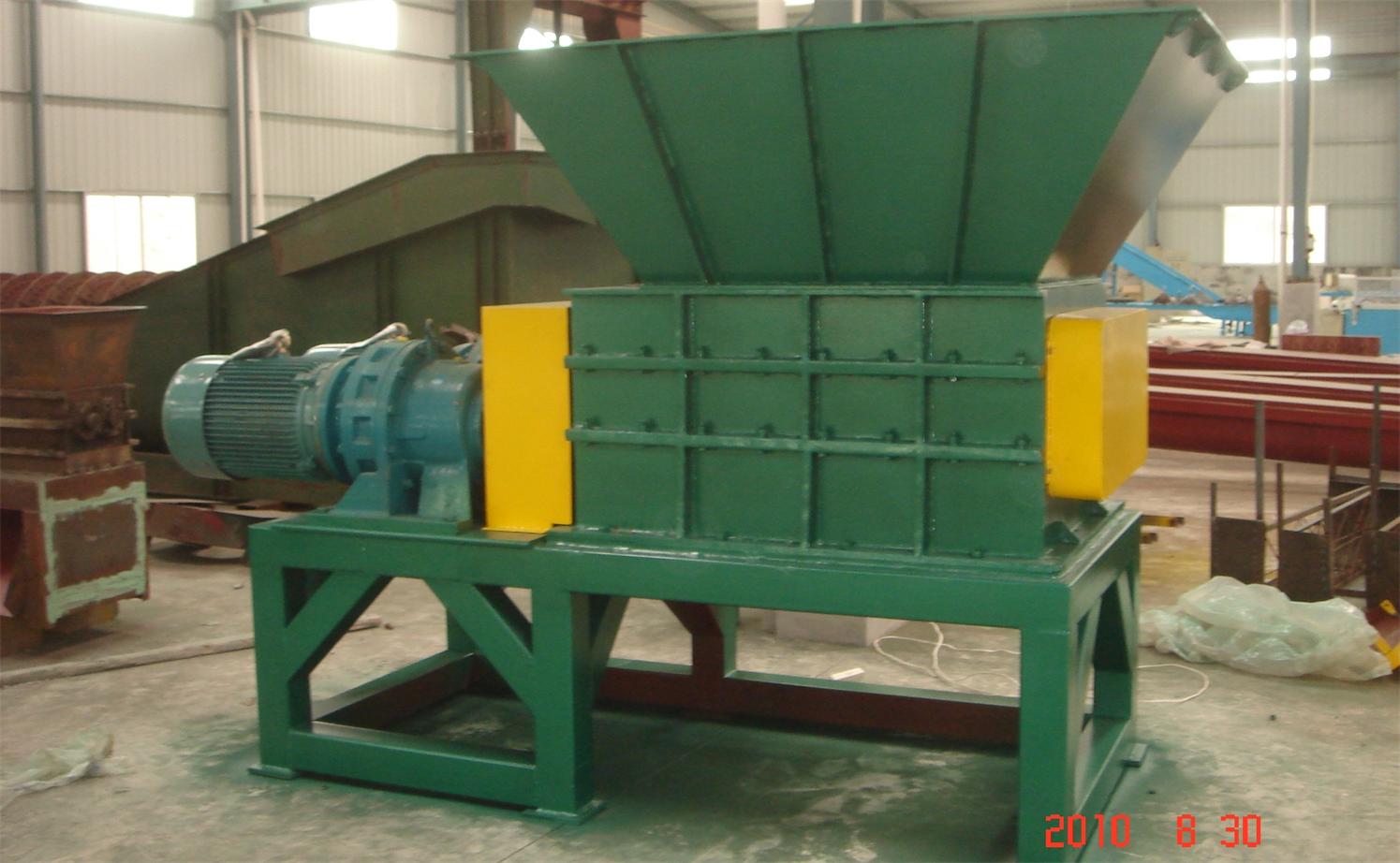
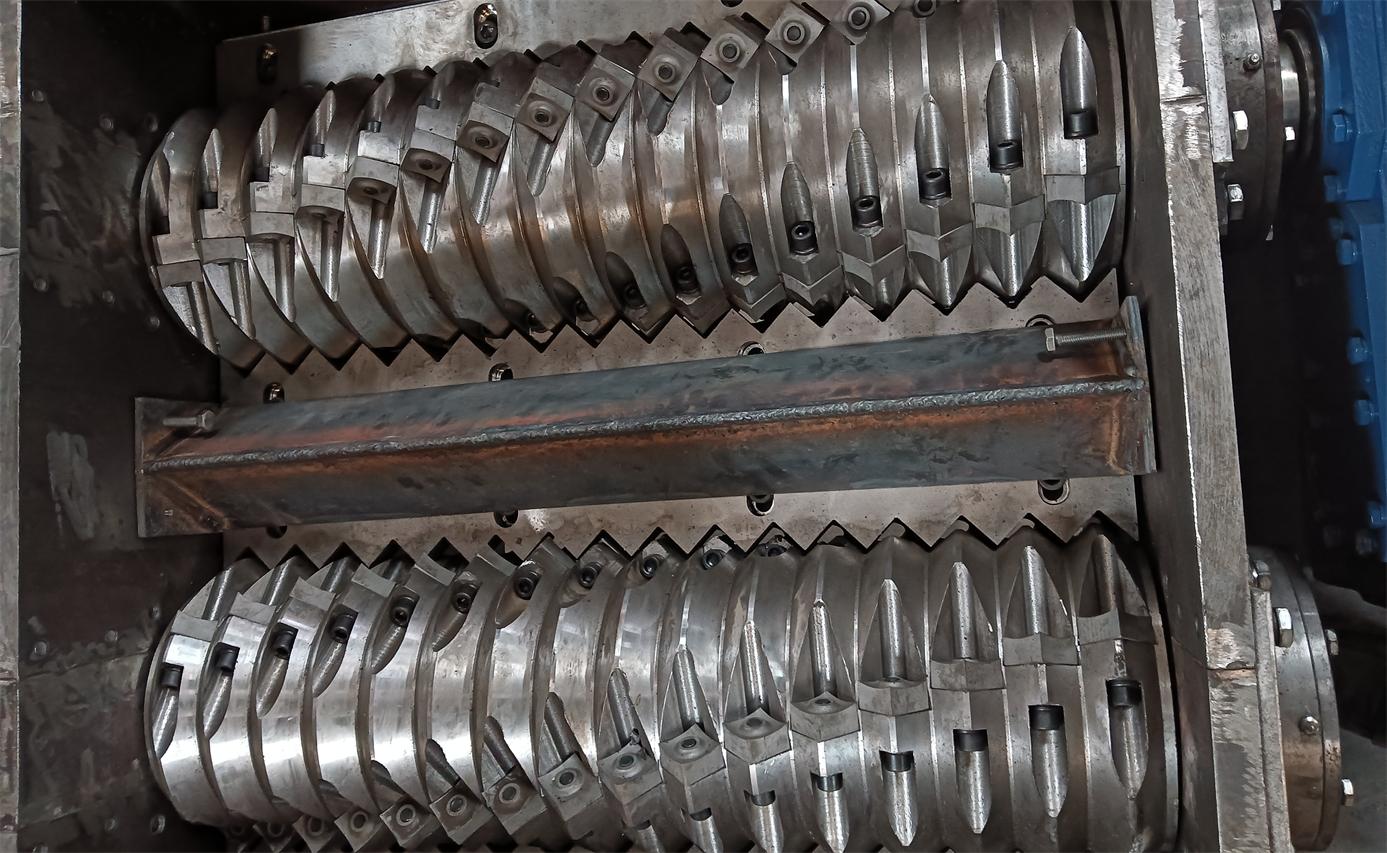
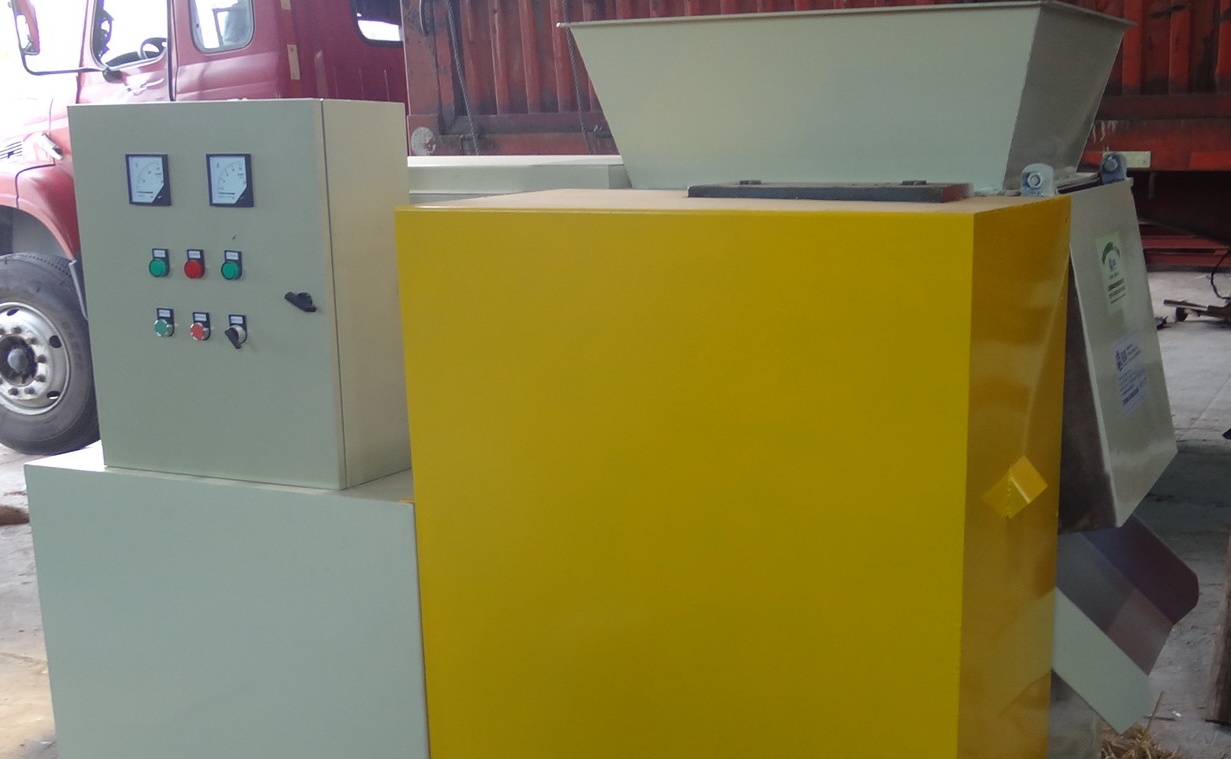
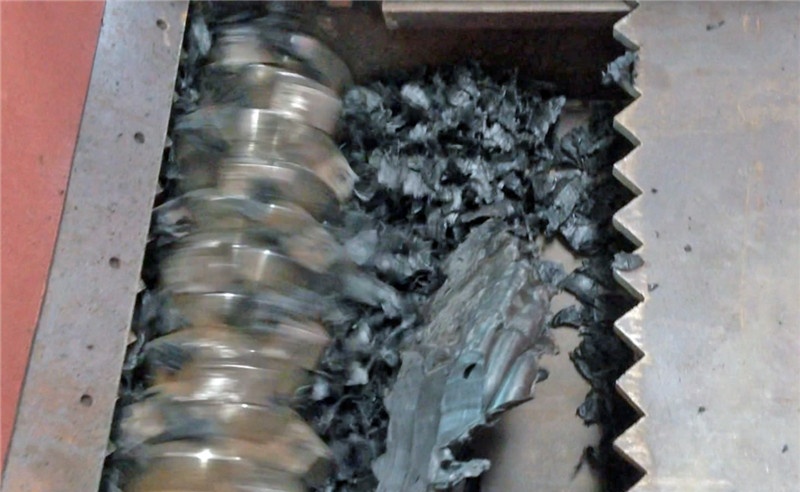
Pre-chopping with single-shaft or dual-shaft shredders is often recommended before granulation, especially for mixed cable bundles or armored wires. This step improves downstream separation efficiency and protects granulator blades from premature wear.
Circuit Board Recycling: Recovering Precious Metals and Copper
Printed circuit boards (PCBs) contain valuable metals including copper, gold, silver, and palladium, but they also harbor hazardous substances such as lead and cadmium. Investing in professional circuit board recycling equipment is essential for safe and profitable processing.
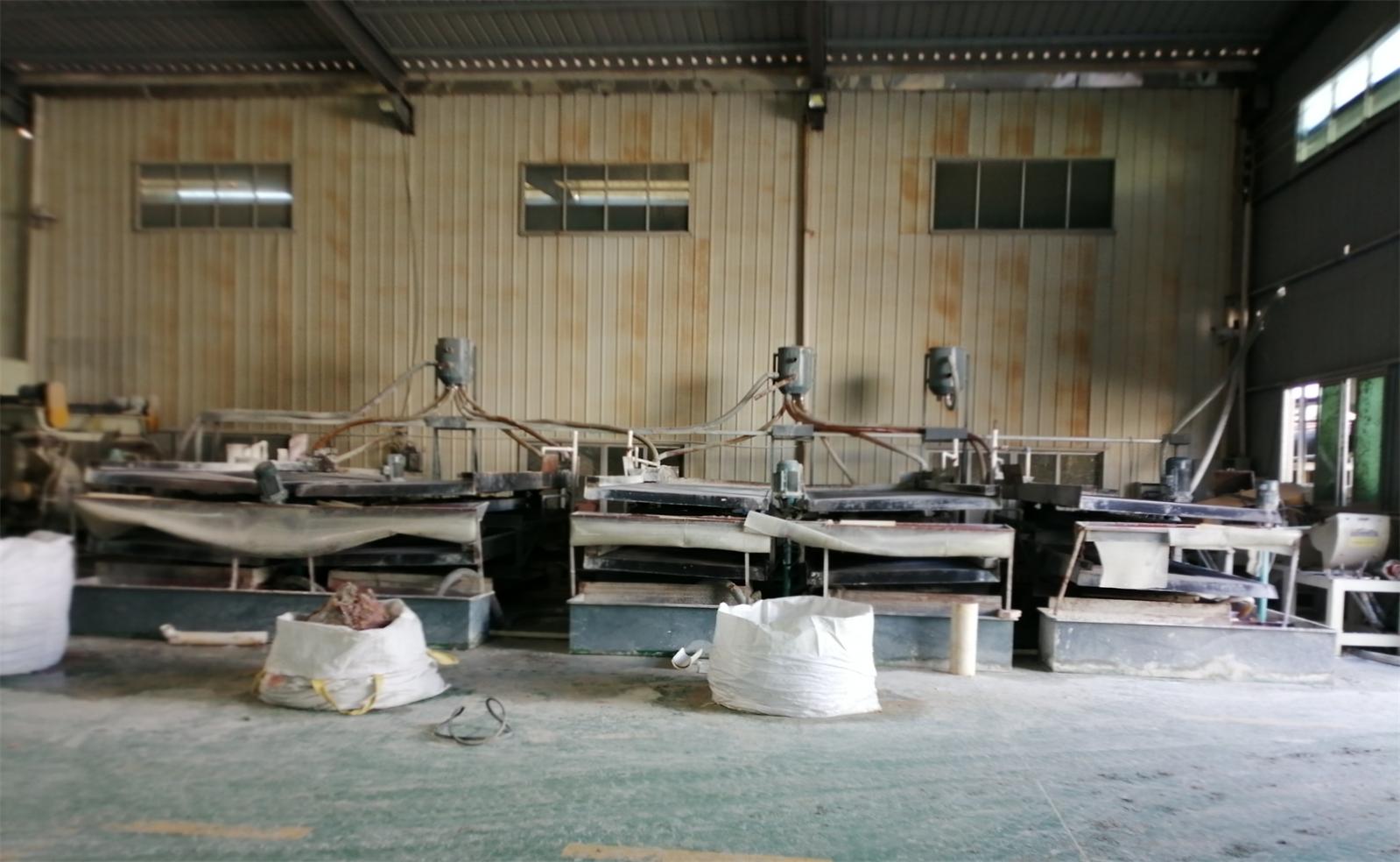
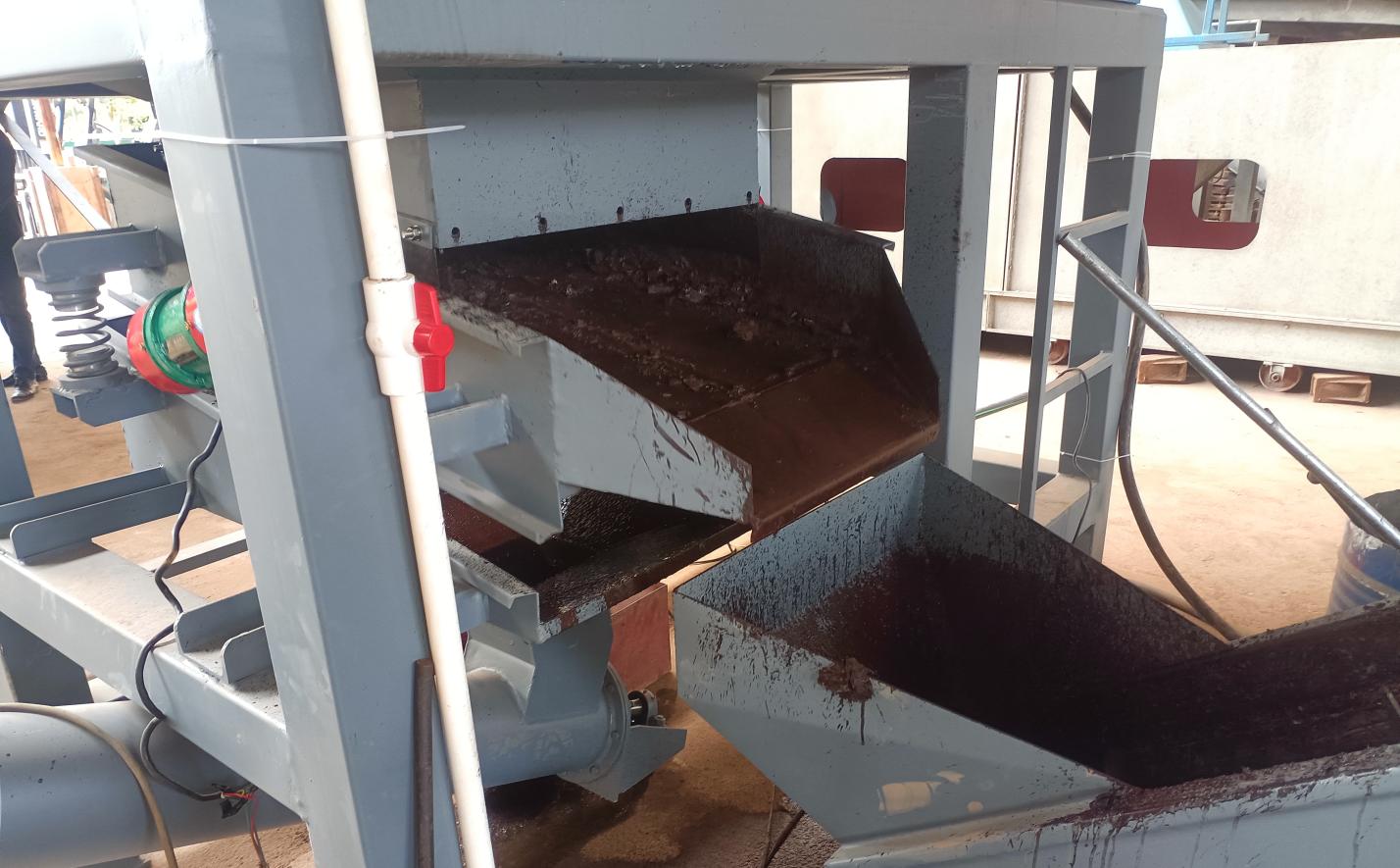
PCB recycling plants generally use either dry separation (air separator, electrostatic separator, pulse dust collector) or wet separation (water metal separator) technologies. Dry systems are preferred in regions with strict water-use regulations, while wet systems can achieve higher purity for certain feedstocks. Capacities range from 300 kg/hour for entry-level operations to 2,000 kg/hour or more for industrial facilities. Recovery rates for copper powder typically reach 95%, with purity between 96% and 98%.
When selecting a PCB recycling line, verify that the supplier provides complete dust and fume collection systems. Uncaptured particulates from circuit board crushing pose serious health and environmental risks.
What to Look for in a Recycling Equipment Supplier
Beyond the machines themselves, the reliability of your supplier determines the long-term success of your recycling operation. Here are critical factors to evaluate before placing an order:
- Experience: Look for manufacturers with over 10 years of proven track record in e-waste recycling machinery.
- Technical expertise: A professional support team with mechanical engineering backgrounds can provide better customization and troubleshooting.
- Turnkey capability: EPC (Engineering, Procurement, Construction) experience ensures seamless plant design, installation, and commissioning.
- Global references: Suppliers serving customers across multiple continents demonstrate product reliability and export competence.
- After-sales support: On-site installation guidance, operator training, and spare parts availability minimize downtime.
- Pollution control integration: Complete air and water treatment solutions should be offered as part of the package, not as optional extras.
San Lan Technologies: Your Partner in Sustainable Recycling
Founded in 2007, San Lan Technologies Co., Ltd has grown into a professional manufacturer of WEEE recycling machines and mining equipment, serving customers in more than 21 countries across Asia, Africa, the Americas, and the Middle East. The company specializes in complete recycling plant solutions for lead acid batteries, lithium-ion batteries, circuit boards, cables, refrigerators, CRT monitors, and more.
San Lan's technical team holds master's degrees in mechanical engineering and brings deep expertise in e-waste recycling process design. The company offers comprehensive EPC services including customized plant layout, equipment supply, installation supervision, commissioning, and operator training. For entrepreneurs seeking to enter the recycling industry, San Lan also assists with raw material sourcing, investor introductions, and end-product sales channels.
All plants are designed with environmental compliance as a priority. Integrated air pollution control systems, water treatment facilities, and dust collection units ensure that your operation meets local emission standards from day one. Whether you need a compact cable granulator for 300 kg/hour or a full lead acid battery recycling plant processing 10 MT/hour, San Lan provides scalable solutions tailored to your budget and feedstock.
Ready to start or expand your recycling business? Contact San Lan Technologies today for a free consultation and customized equipment proposal. Reach us via email at info@san-lan.com or WhatsApp at +86 139 2377 4083. Visit www.san-lan.com to explore our complete product catalog and request a detailed quotation.