The world generates over 60 million metric tons of electronic waste every year, yet less than 20 percent is formally recycled. For entrepreneurs and established recycling companies alike, this gap represents both an environmental challenge and a significant business opportunity. Investing in the right recycling equipment is the critical first step toward building a profitable and compliant operation.
Whether you are processing discarded circuit boards, scrap cables, or used batteries, modern machinery can transform waste into valuable raw materials. The key is selecting equipment that matches your feedstock, capacity requirements, and local environmental regulations.
Understanding Your Core Processing Needs
Before purchasing any machinery, identify the primary waste streams your facility will handle. Different materials require specialized processing lines. Attempting to process everything with a single generic machine often leads to low recovery rates and higher operating costs.
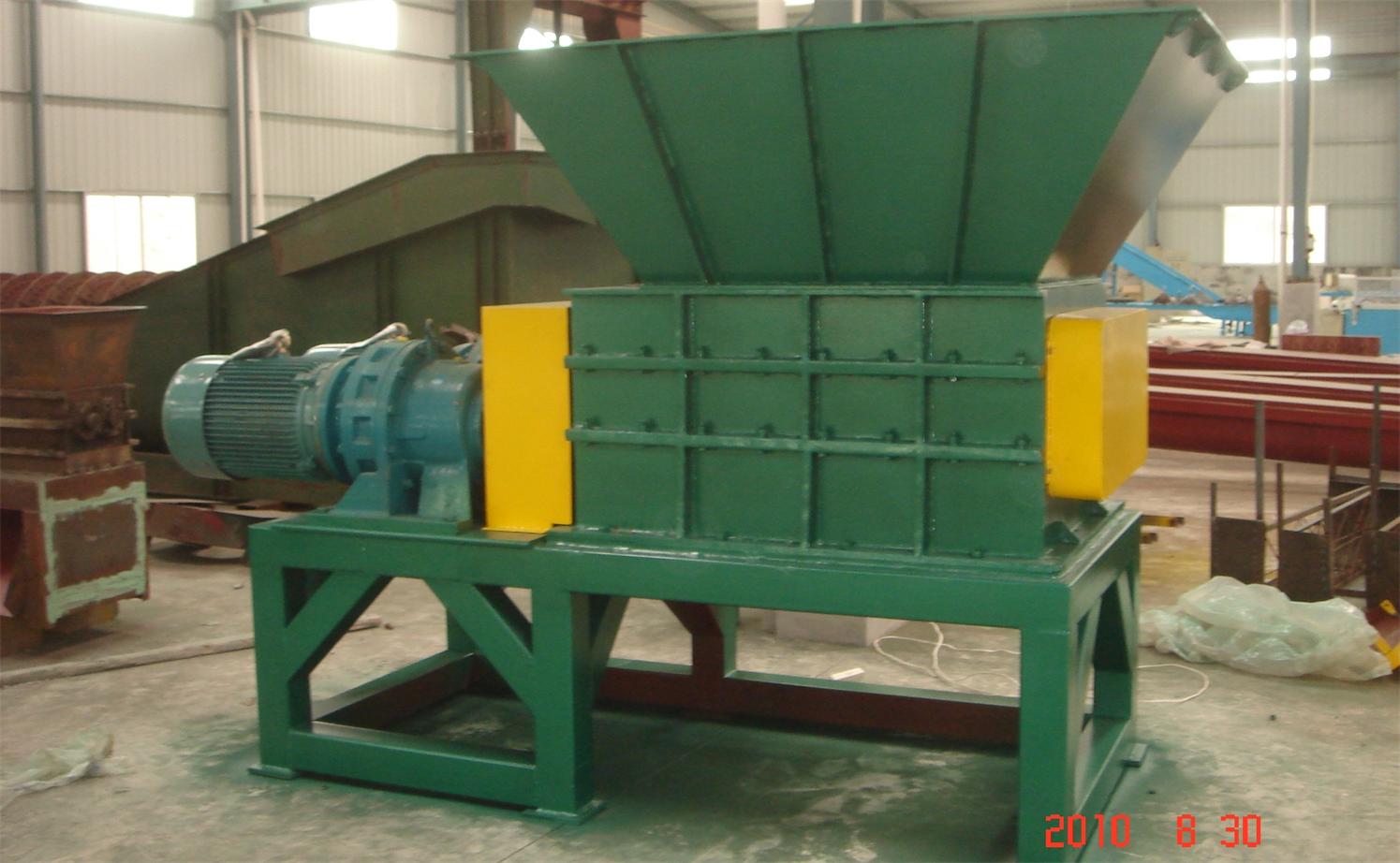
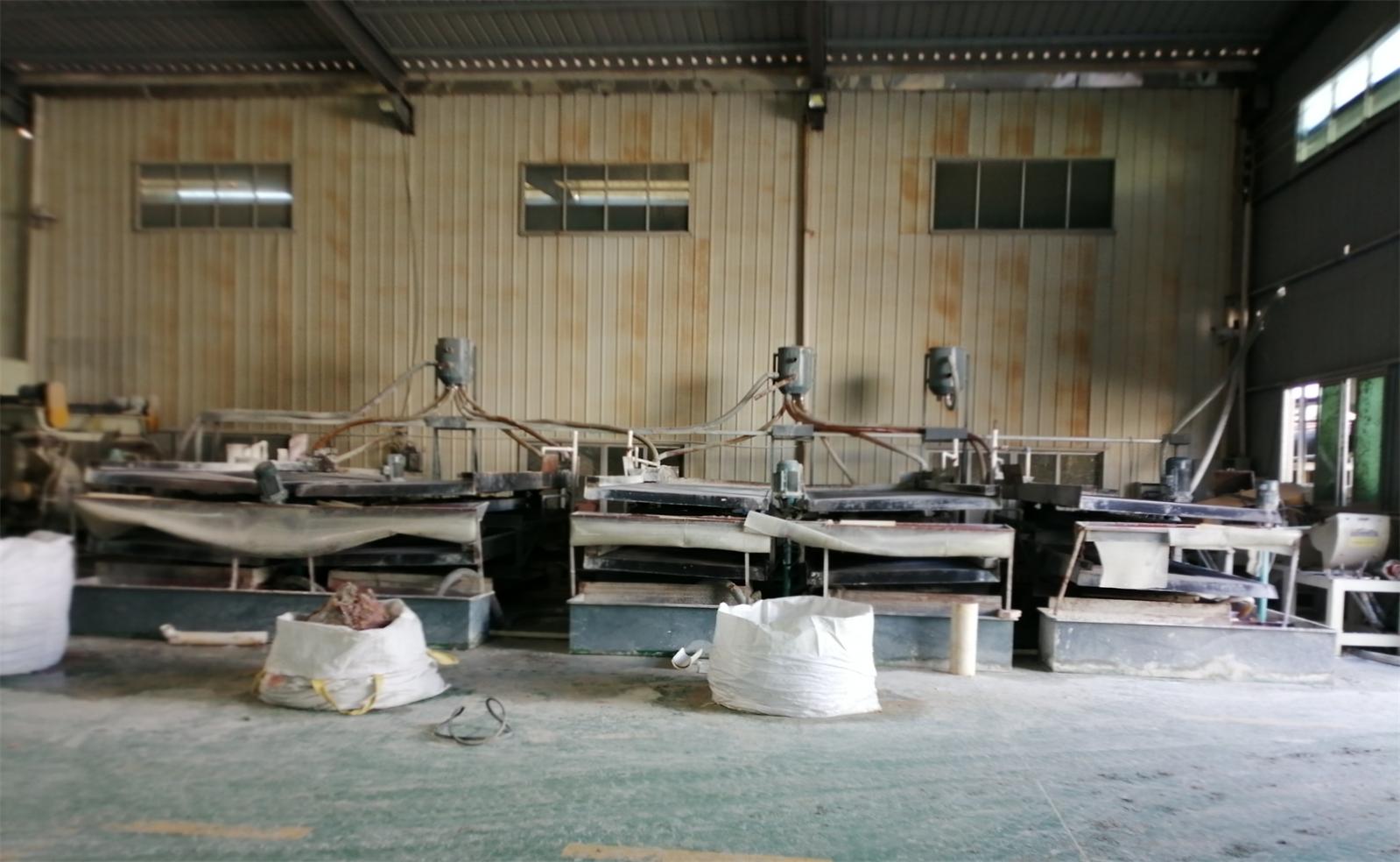
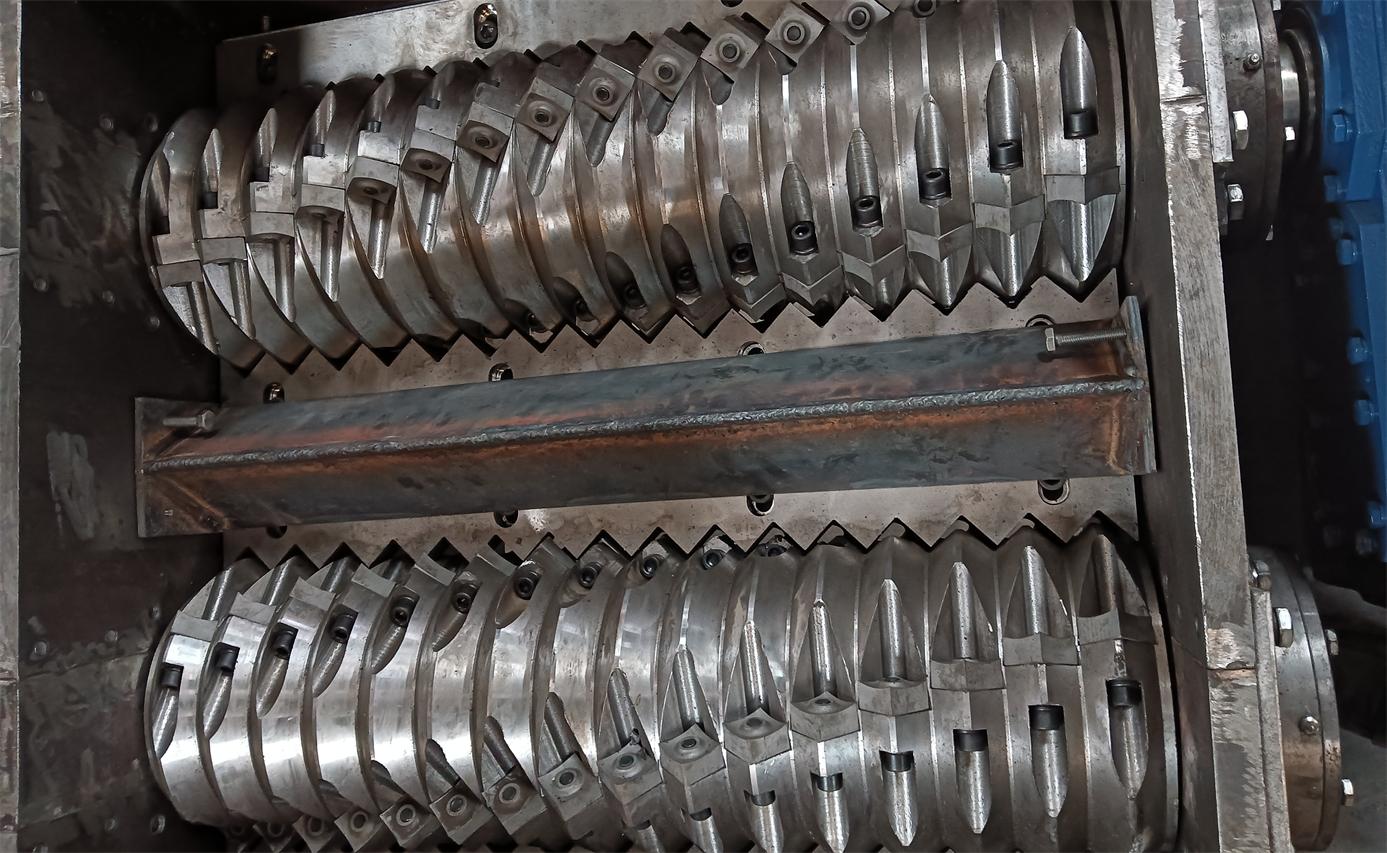
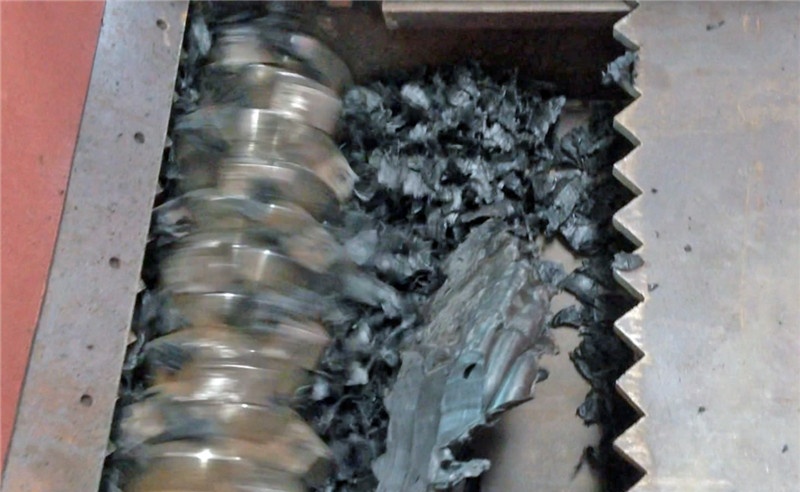
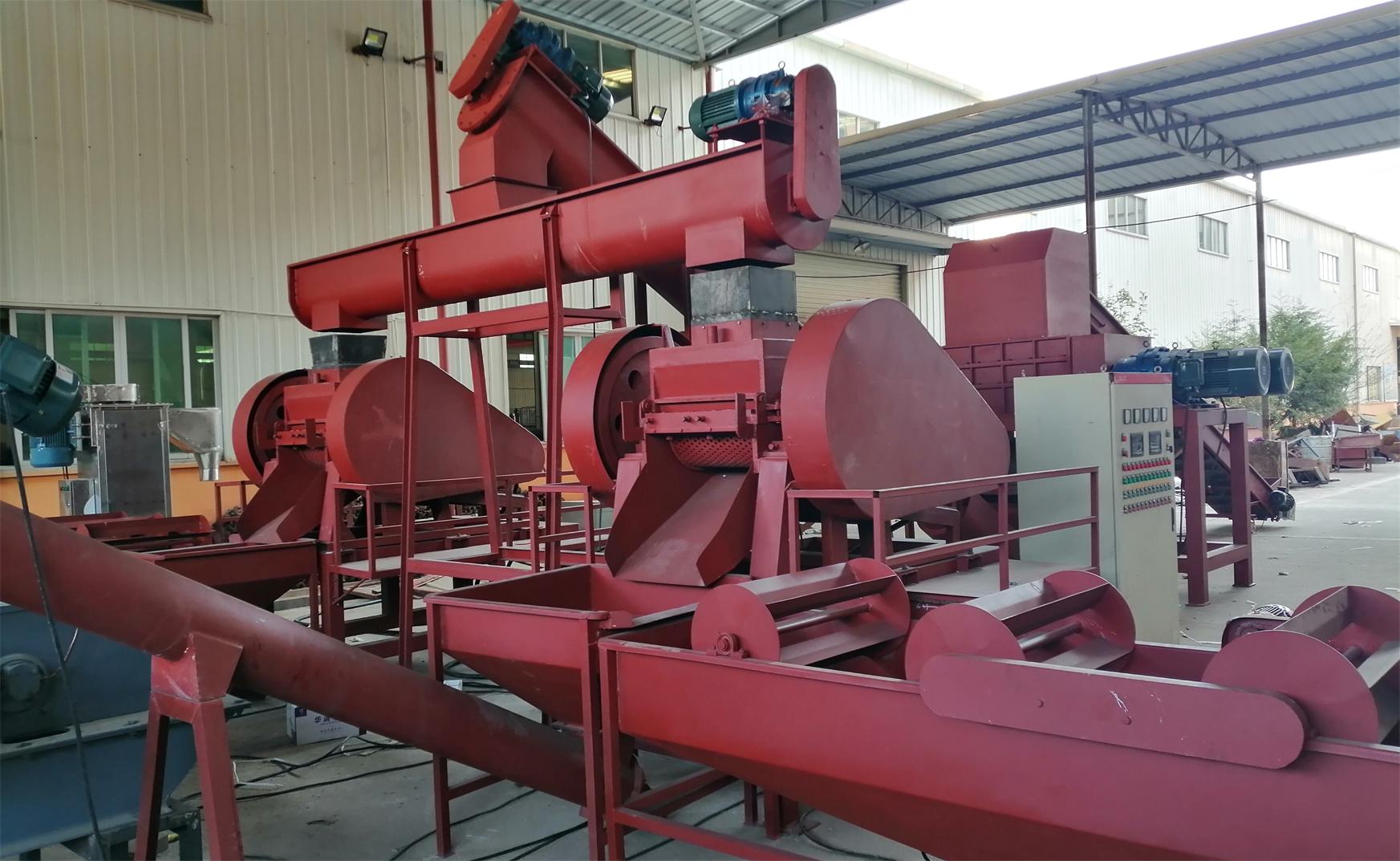
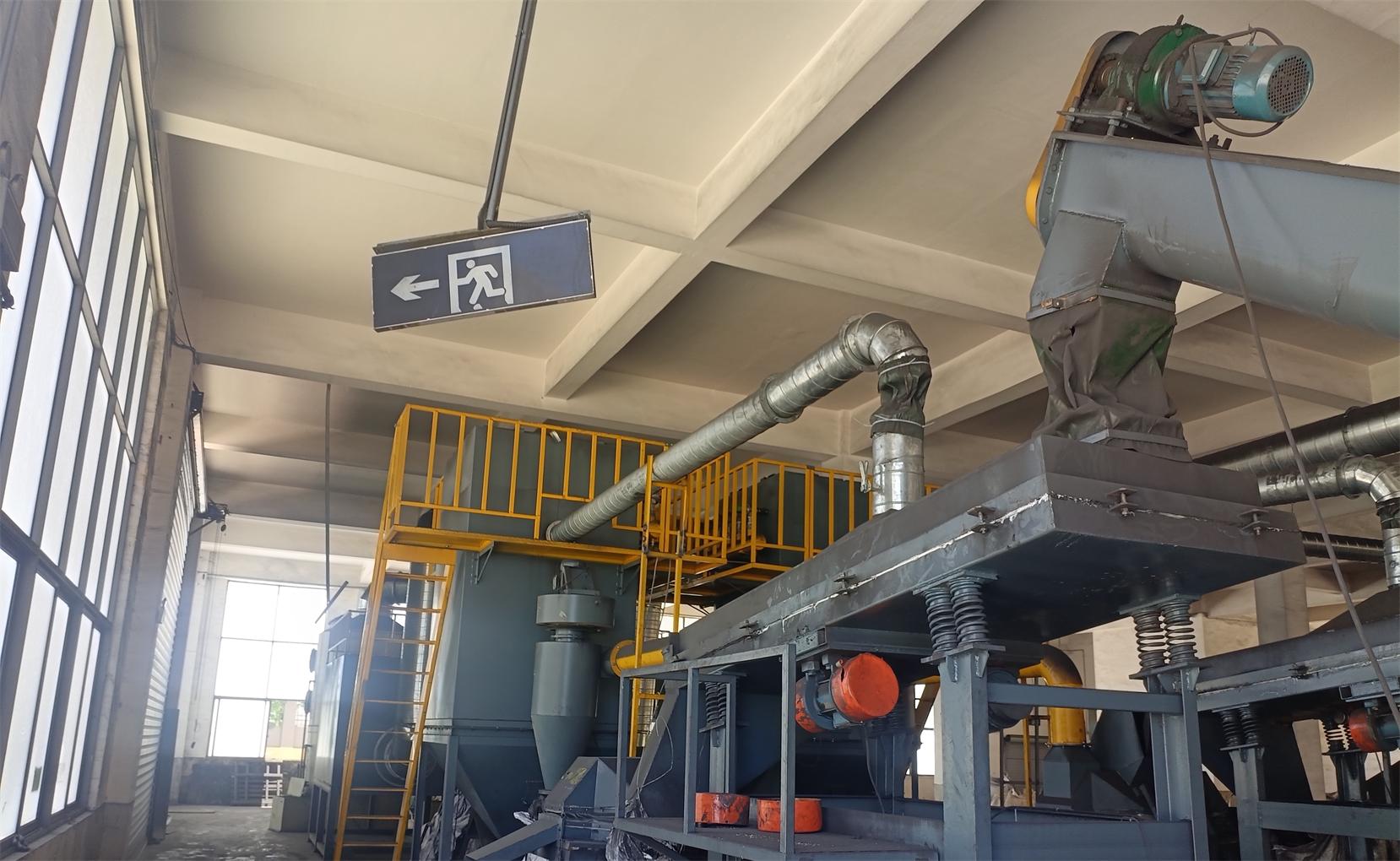
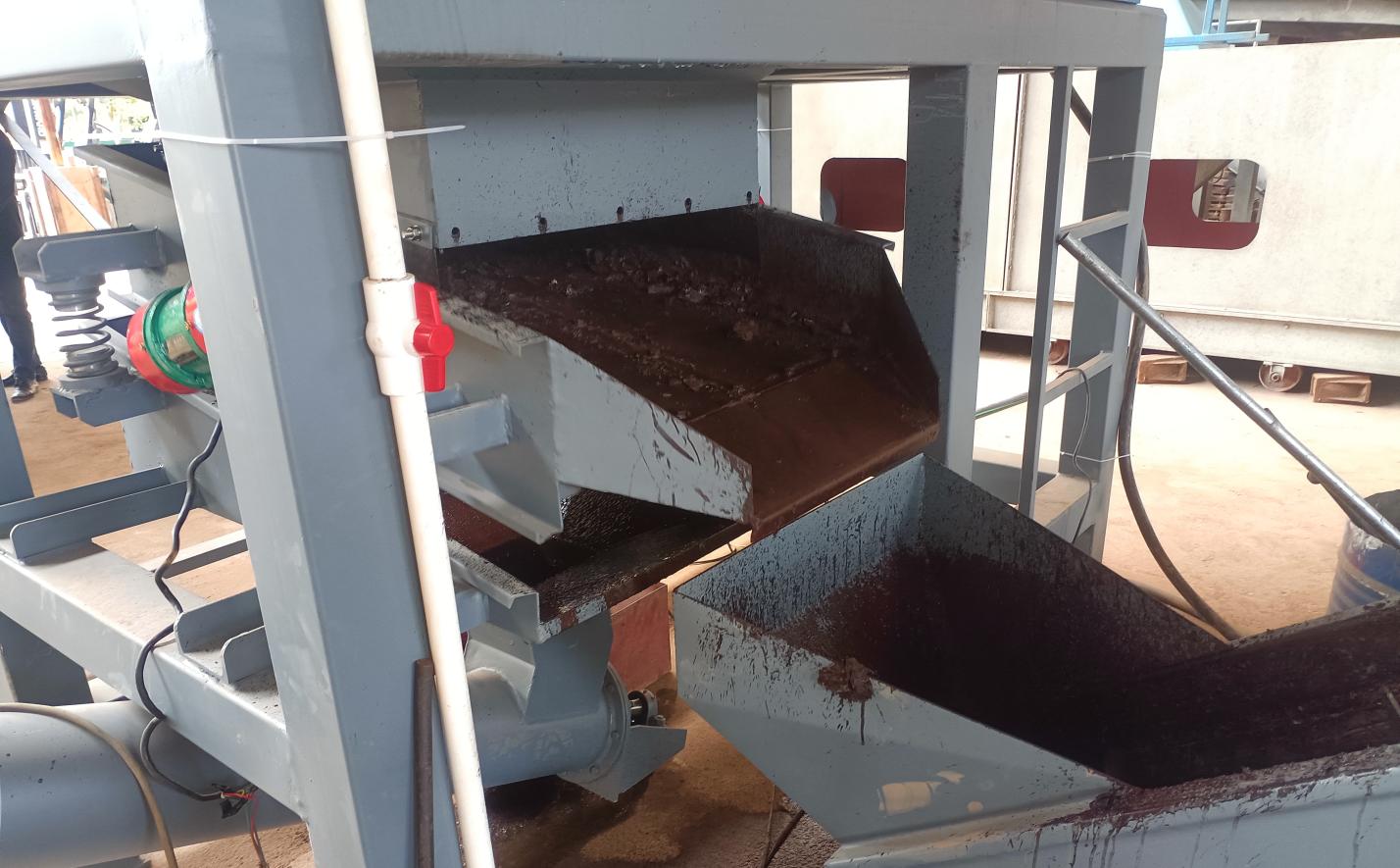
Printed circuit boards contain copper, precious metals, and non-metal resin that must be separated efficiently. A dedicated circuit board recycling equipment line typically includes shredders, grinders, air separators, and electrostatic separators to achieve copper powder purity of 96 to 98 percent.
For operations focused on wire and cable scrap, a cable recycling machine or granulator strips insulation and separates copper or aluminum from plastic. Capacity ranges from compact 100 kg per hour units to industrial-scale systems processing over 1,200 kg per hour.
Battery recyclers need distinct lines for lead acid and lithium-ion types. Lead acid battery recycling equipment breaks and separates batteries to recover lead paste, lead grids, plastic shells, and acid, while lithium battery systems safely discharge, crush, and separate black mass, copper, aluminum, and plastic.
Key Features to Evaluate
When comparing suppliers and equipment models, focus on the following practical criteria:
Recovery Rate: High recovery rates directly impact profitability. Top-tier circuit board systems achieve 95 percent recovery, while advanced lead acid battery plants reach 95 percent lead recovery through blast furnace or rotary furnace smelting.
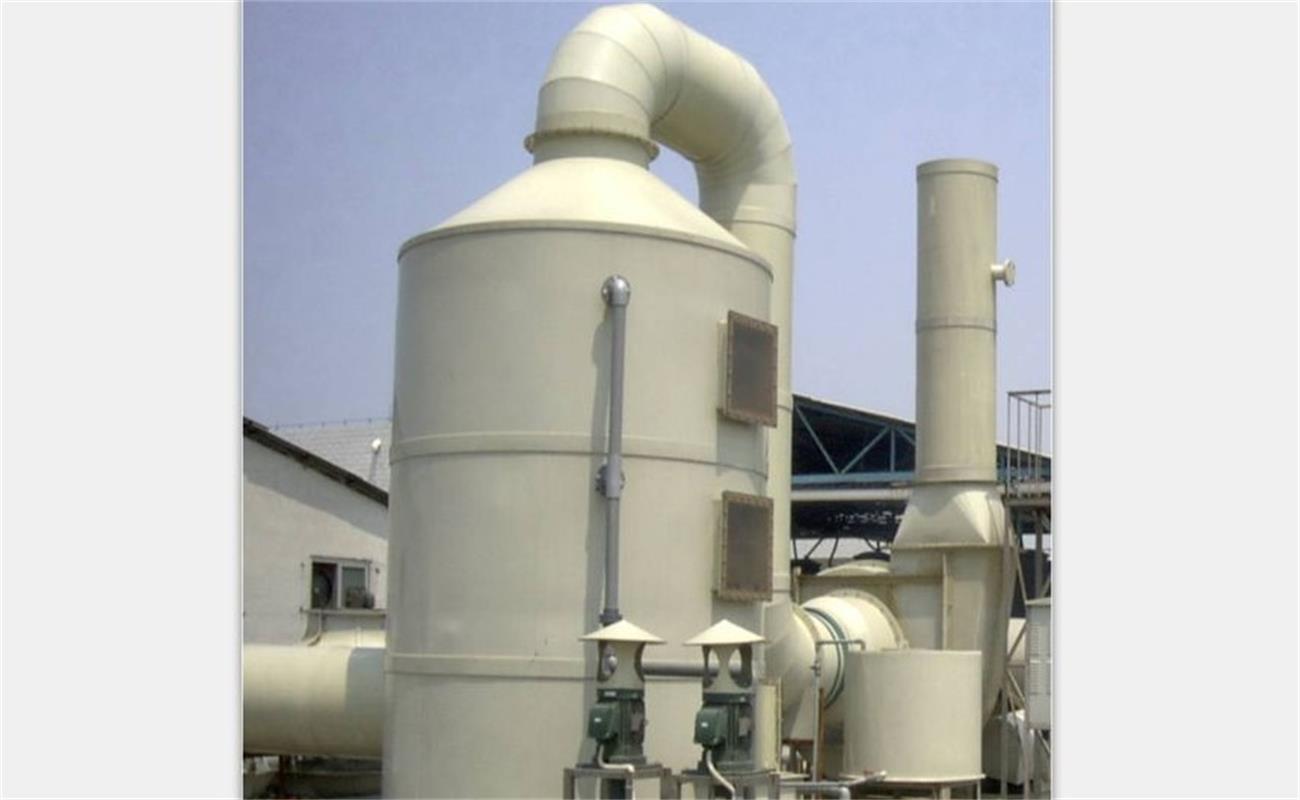
Environmental Compliance: Closed dust-proof structures, pulse bag dust collectors, and air pollution control systems are essential. Wet separation methods for circuit boards reduce dust emissions, while dry separation with cyclone separators offers an alternative for water-scarce regions.
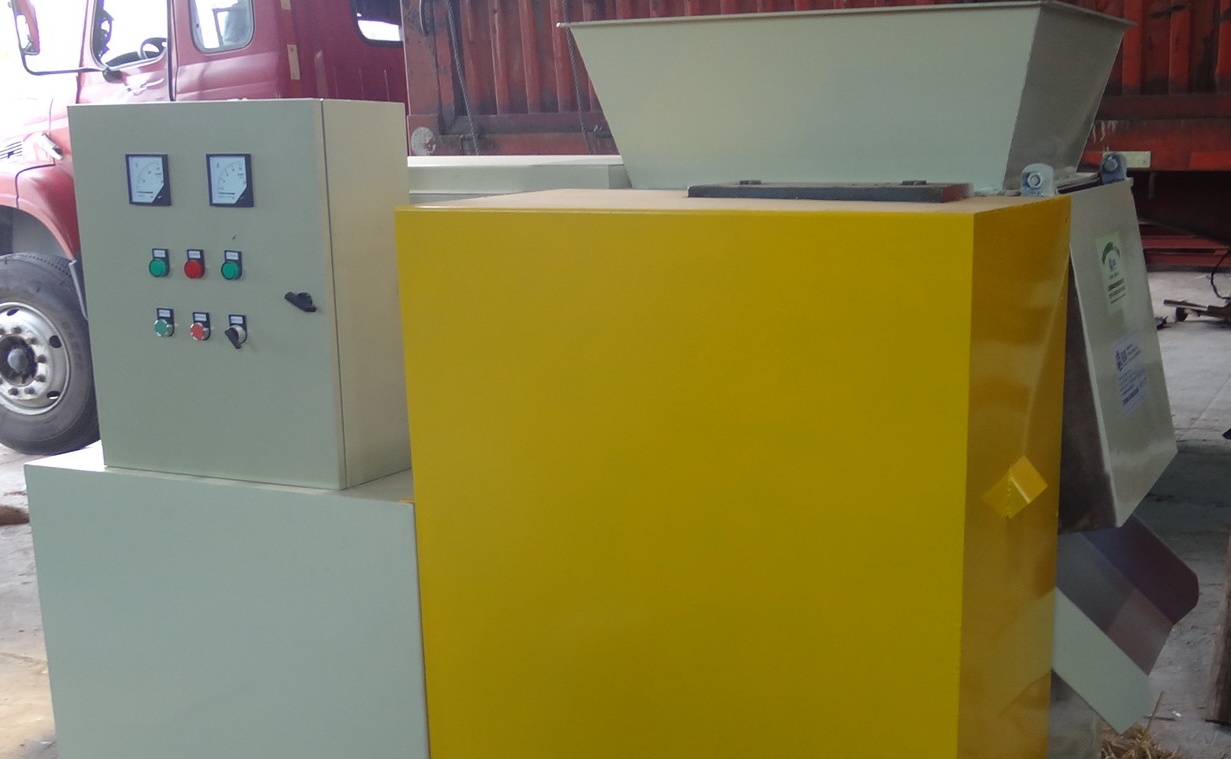
Automation and Control: Centralized control cabinets allow operators to adjust parameters for continuous batch processing. Automated feeding conveyors, magnetic separation, and pneumatic conveying systems reduce manual labor and improve safety.
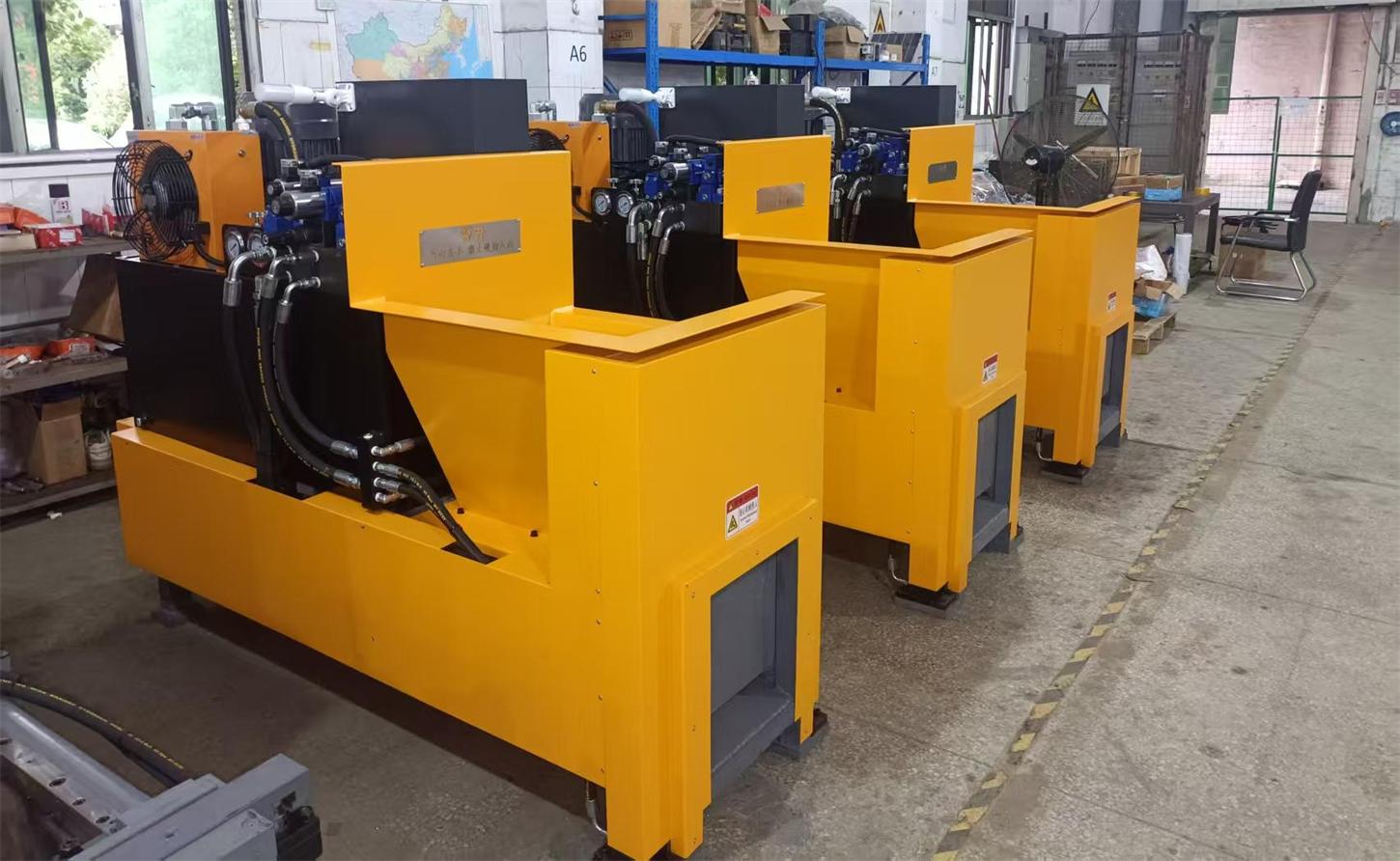
Modularity and Expansion: Starting with a core line and adding modules such as shredders, pre-choppers, or hydraulic briquetters lets your facility scale with demand.
After-Sales Support: Installation, commissioning, staff training, and spare parts availability determine long-term uptime. A supplier with over 15 years of mechanical engineering experience can provide the remote or onsite support needed to keep production running.
Why Experience Matters in Equipment Manufacturing
Recycling machinery operates in harsh conditions. Abrasive materials, corrosive acids, and heavy loads demand robust construction using high-strength alloy steel and wear-resistant components. Suppliers with deep experience in engineering, procurement, and construction (EPC) projects understand how to design integrated plants rather than standalone machines.
An experienced manufacturer also offers value-added services that go beyond the initial sale. These include helping customers source waste feedstock such as cable scrap, PCB scrap, and used lead acid batteries, as well as assisting with the sale of end products like copper rice, lead ingots, and precious metal concentrates. This ecosystem approach helps new entrants overcome supply chain and market access barriers.
Real-World Performance Across Global Markets
Equipment reliability is proven in the field, not just on paper. Installations across more than 21 countries demonstrate adaptability to varying power supplies, climates, and regulatory environments. Successful projects include jelly-filled cable recycling plants in Indonesia and Mauritius, circuit board recycling lines operating in Australia, and lithium battery breaking systems exported to the United States.
These diverse deployments highlight the importance of customization. Voltage adaptations, language-localized control interfaces, and capacity adjustments ensure equipment performs optimally from day one.
Making the Investment Decision
Entering the e-waste recycling sector requires capital discipline and a clear understanding of operating costs. Beyond the equipment purchase price, factor in installation, civil works, environmental permits, power consumption, labor, and maintenance. A supplier that provides turnkey solutions and operating management platforms can help you model these costs accurately.
Start by defining your target materials and daily throughput. Request detailed technical proposals comparing wet versus dry separation routes, batch versus continuous processing, and manual versus automated sorting. Visit reference installations if possible, and verify that the supplier holds relevant quality certifications and export experience.
Ready to start or expand your recycling operation? San Lan Technologies Co., Ltd. has been manufacturing e-waste recycling machinery since 2007, serving customers across Asia, Africa, the Americas, and the Middle East. From circuit board recycling equipment and cable recycling machine systems to lead acid battery recycling equipment and lithium battery lines, we provide customized designs, installation support, and long-term technical cooperation. Contact us today to discuss your project requirements and receive a tailored proposal.