How to Choose the Right E-Waste Recycling Equipment for Your Business
A practical guide to selecting recycling machinery that matches your material streams, capacity needs, and long-term goals.
With global e-waste generation exceeding 60 million tonnes annually and stringent environmental regulations tightening across every continent, investing in the right recycling equipment is no longer optional for businesses handling end-of-life electronics, batteries, and cables.
Whether you are launching a new recycling facility or upgrading an existing line, the machinery you choose will directly affect your recovery rates, operational costs, and compliance status. This guide walks through the key considerations for selecting recycling equipment that delivers both environmental and economic returns.
1. Start with Your Material Stream
The first and most important step is to define exactly what you will be processing. Each waste stream demands a different technological approach:
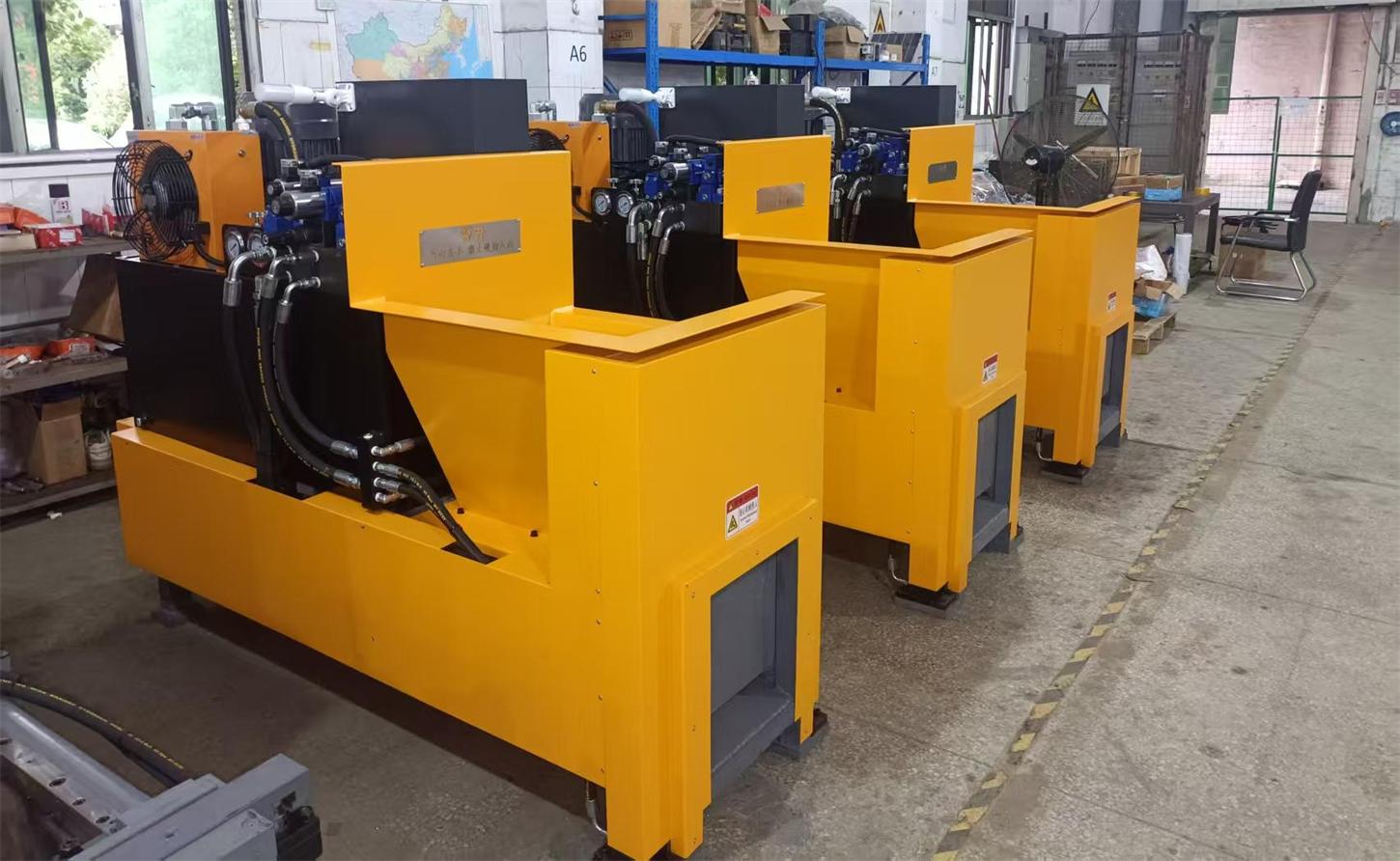
- Used lead-acid batteries require breaking and separation systems, followed by smelting or reduction furnaces to recover lead paste, lead grids, and plastic casings.
- Lithium-ion batteries need controlled discharging, pre-crushing, and multi-stage separation to recover black mass, copper, aluminum, and plastics safely.
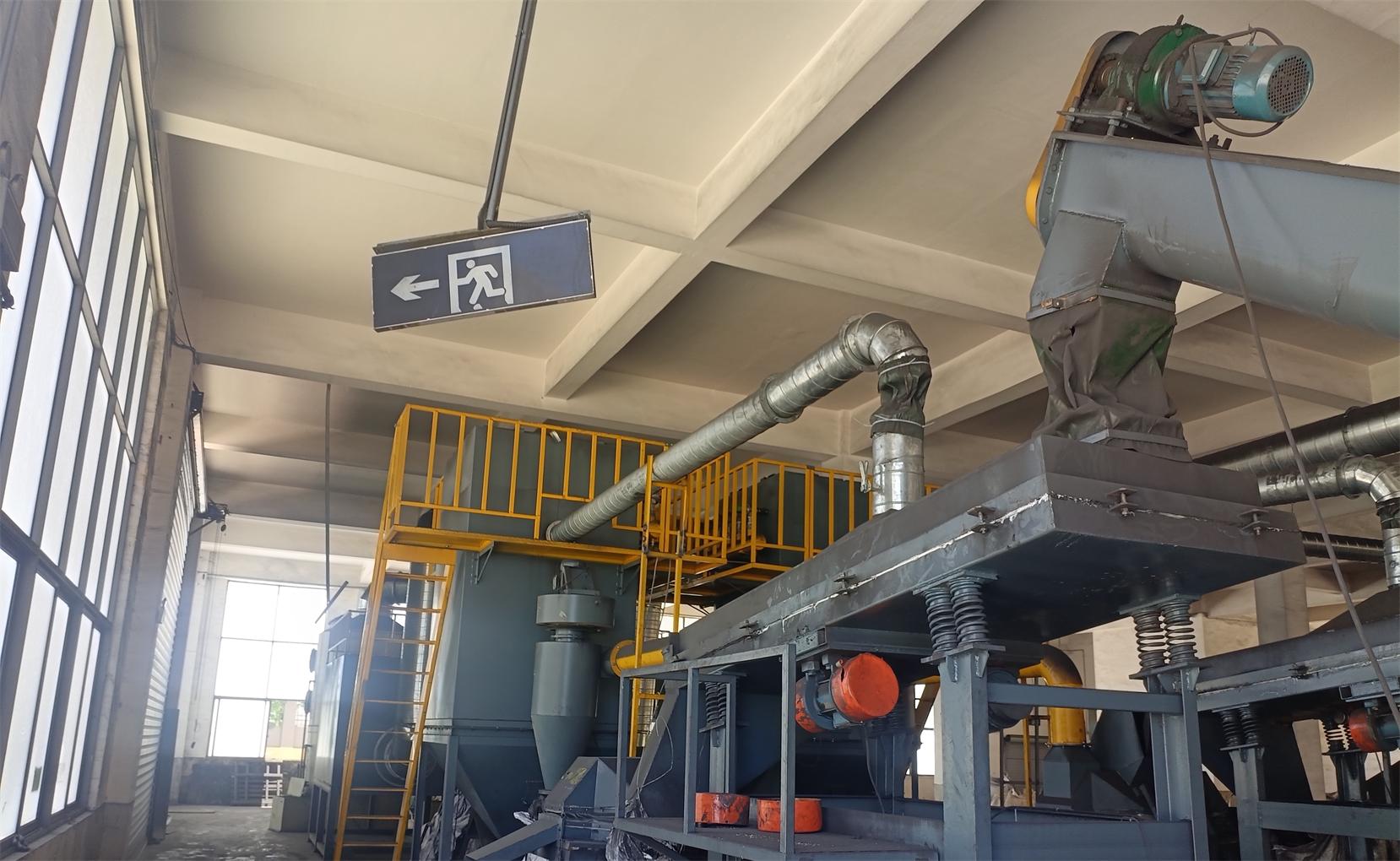
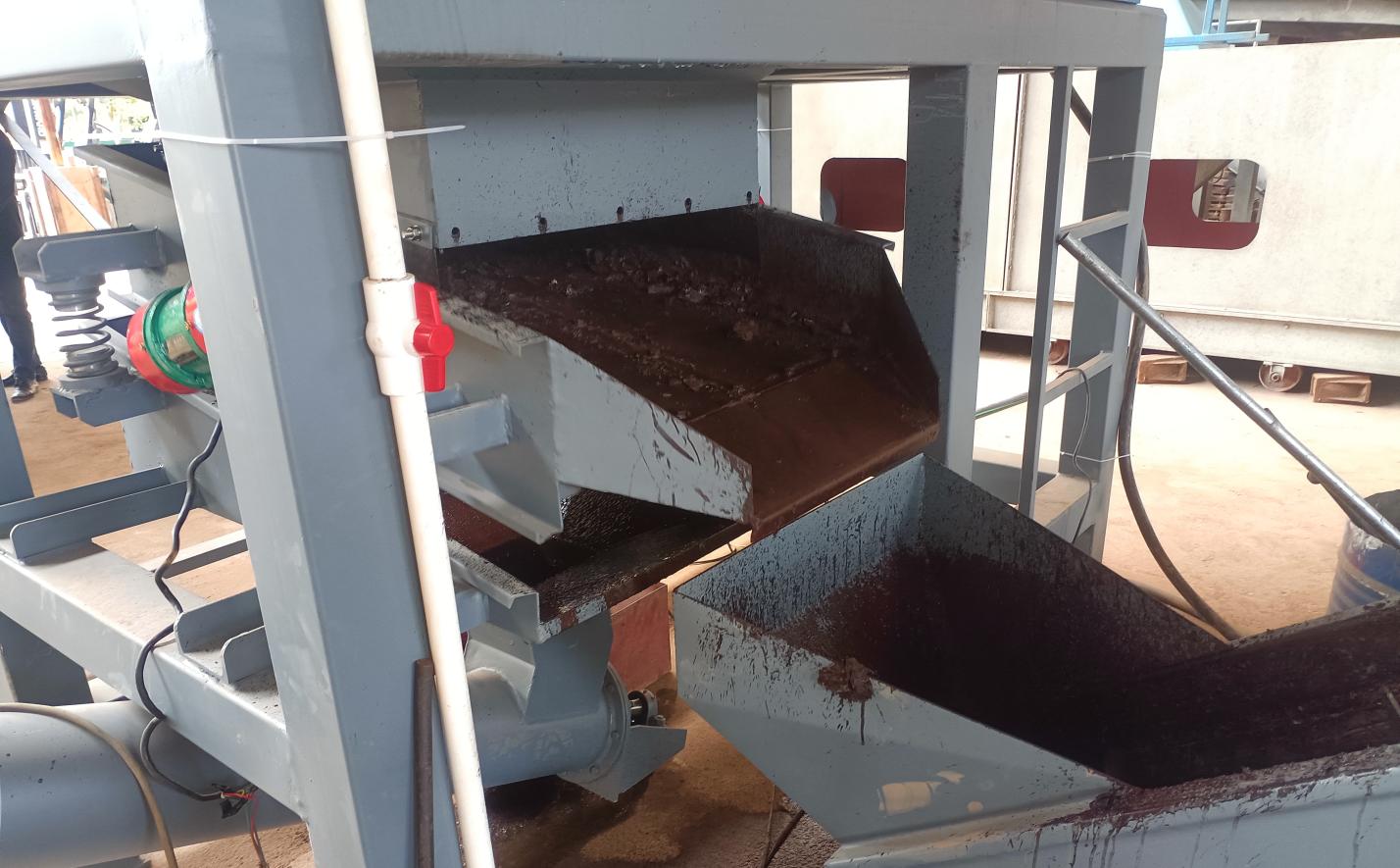
- Printed circuit boards (PCBs) are processed through crushing and separation lines that extract copper powder and precious metals using dry or wet methods.
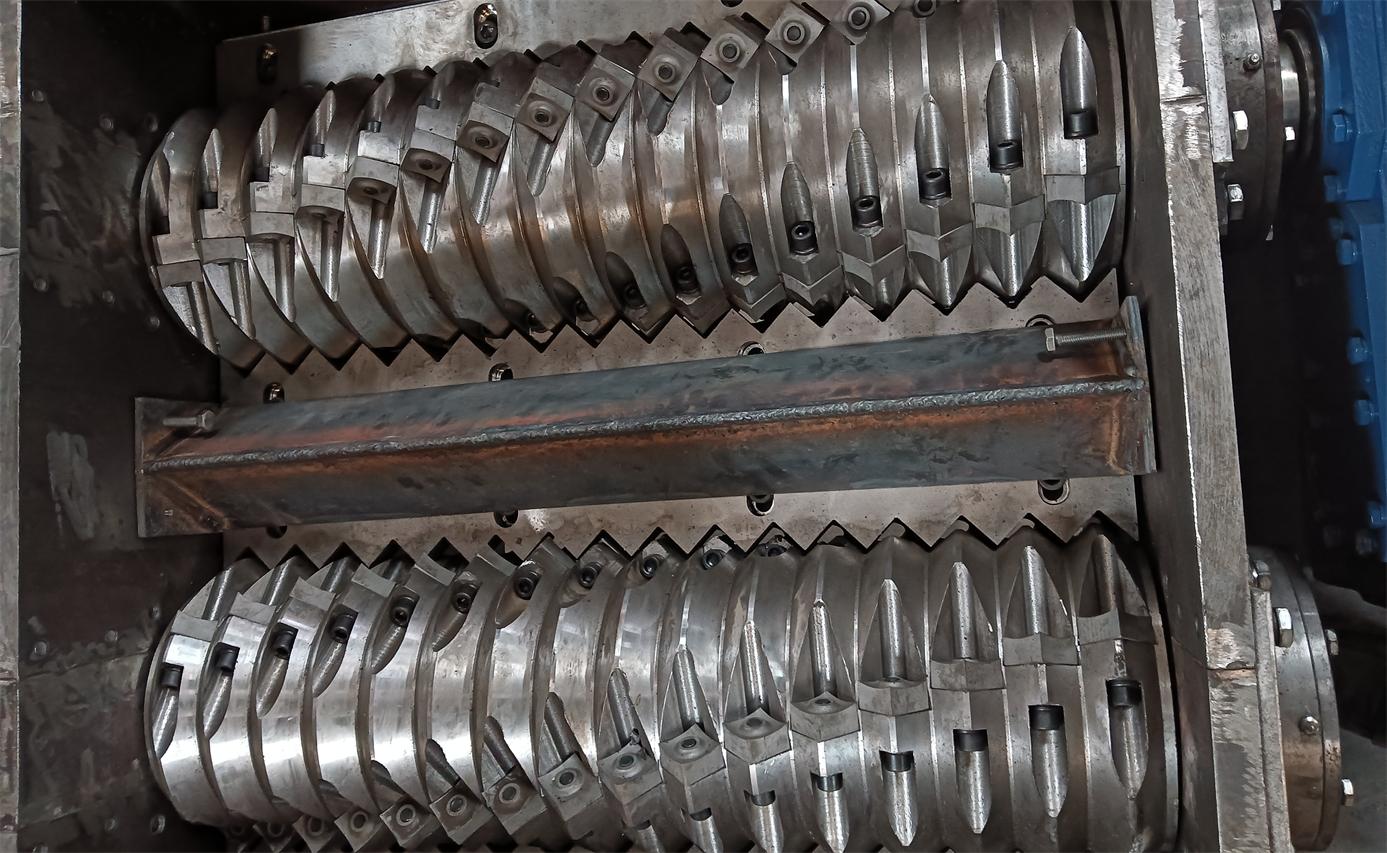
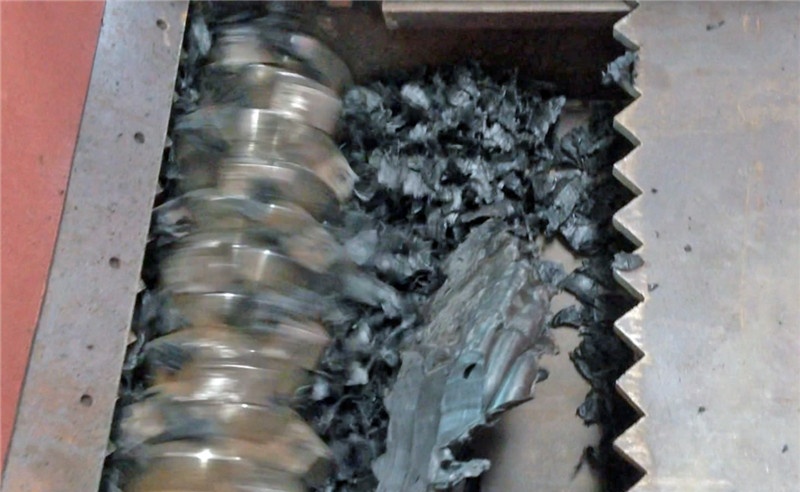
- Scrap cables and wires are fed into granulators or strippers that separate copper or aluminum from plastic insulation.
A facility that handles multiple streams will benefit from integrated systems or modular plant designs that allow expansion over time. Attempting to process incompatible materials on the same line can damage equipment and reduce recovery purity.
2. Match Capacity to Real-World Supply
Capacity planning is where many new projects stumble. It is tempting to size equipment for the maximum theoretical supply, but over-capacity leads to high fixed costs and under-utilized assets. Conversely, under-sizing creates bottlenecks and forces costly retrofits.
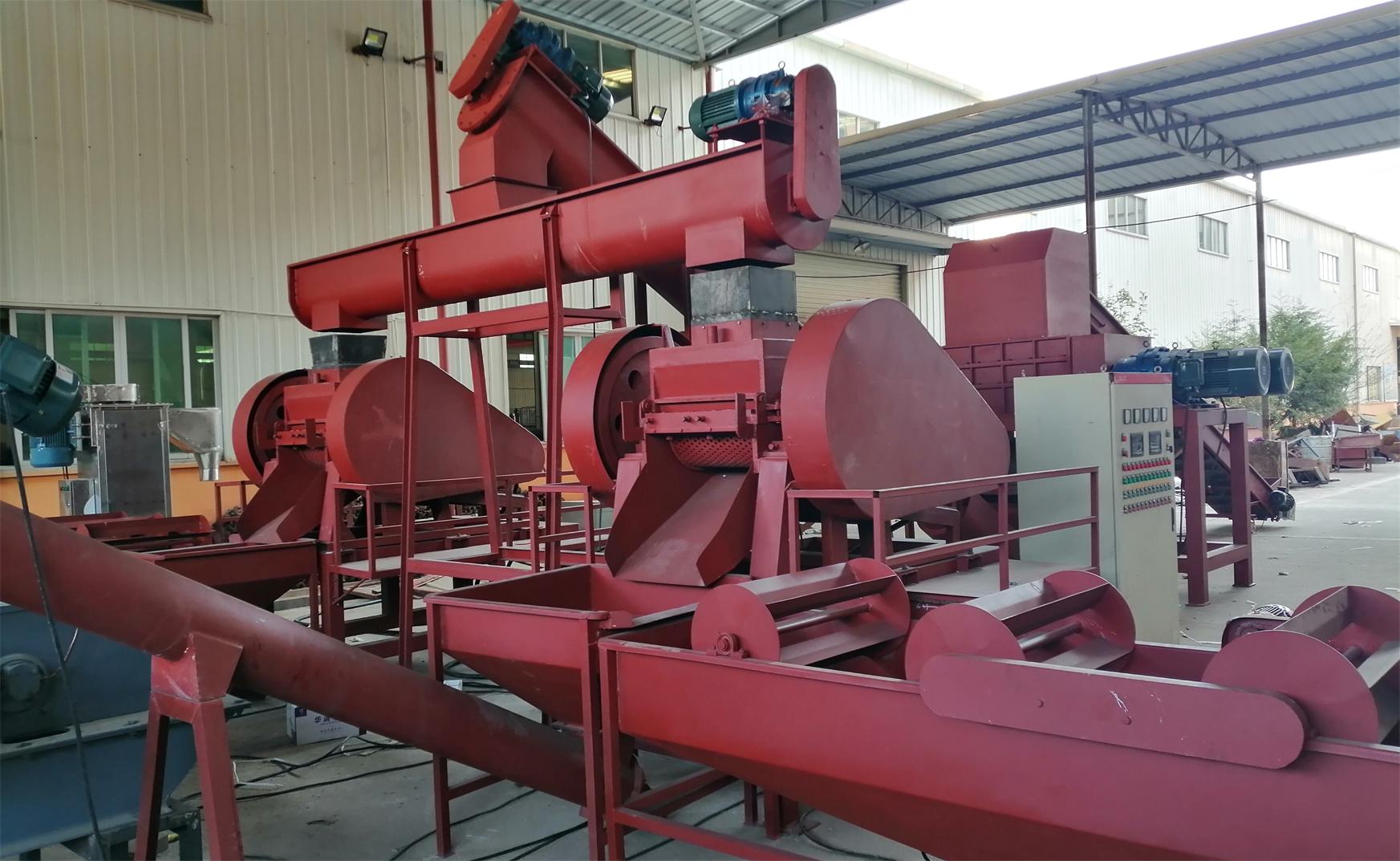
For lead acid battery recycling equipment, typical breaking and separation systems handle 1 to 10 metric tonnes per hour. Rotary furnaces for lead paste reduction range from 2 to 20 metric tonnes per batch. For cable recycling, compact granulators start around 100 kg per hour, while industrial lines reach 1,200 kg per hour or more.
The best approach is to model your expected feedstock for the first three years, build in a 20 to 30 percent buffer, and select machinery that can be scaled with add-on modules rather than complete replacement.
3. Evaluate Separation Technology
Separation efficiency determines your revenue. Higher purity means better market prices for recovered materials. The two dominant approaches are:
Dry Separation (Air / Electrostatic)
Uses airflow and electrostatic fields to separate metals from non-metals. No water consumption, no wastewater treatment, and lower operating costs. Ideal for circuit board and cable recycling in regions with water scarcity or strict discharge regulations.
Wet Separation (Water-based)
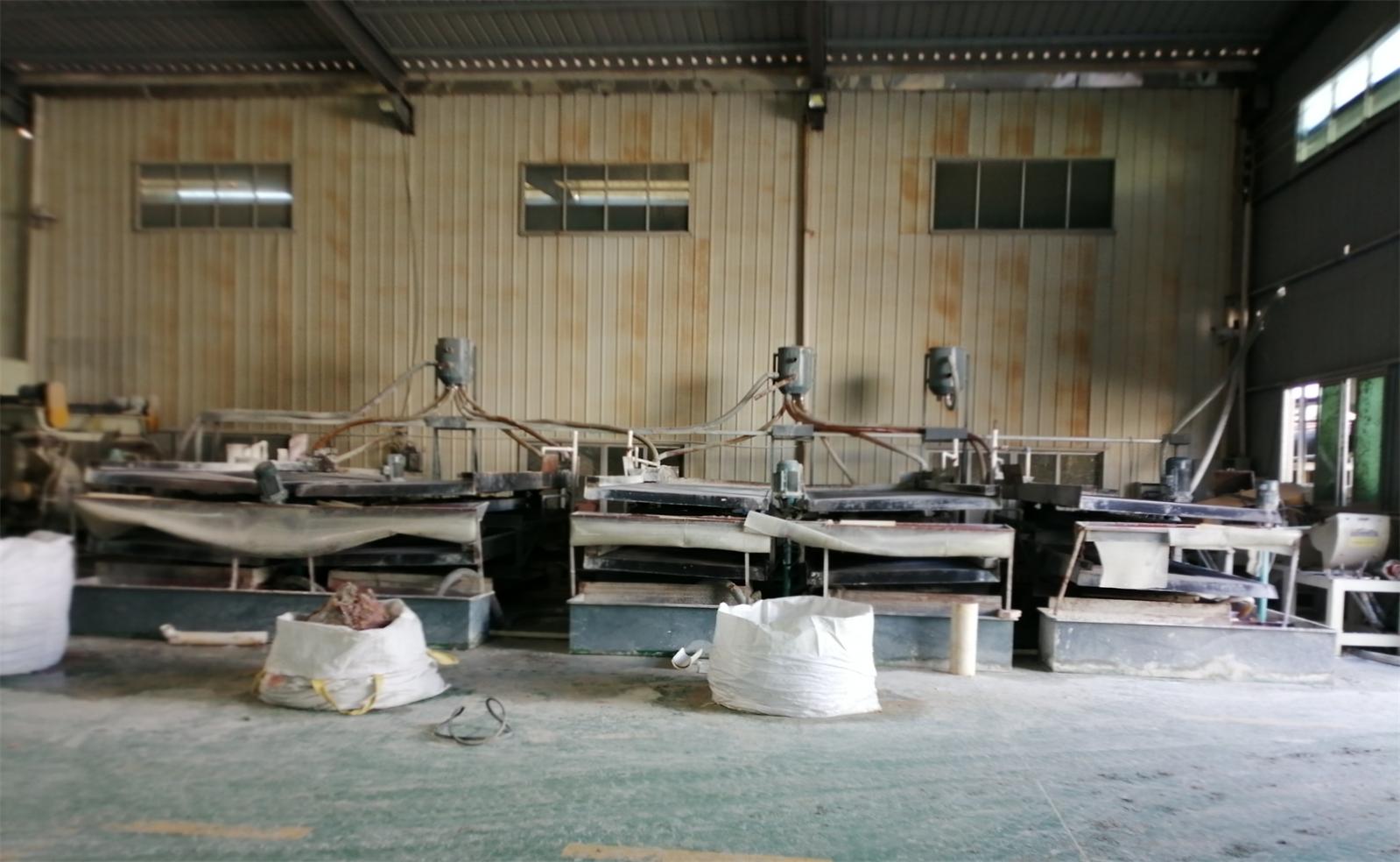
Uses water as a medium to separate materials by density. Typically achieves higher metal purity (96-98% for copper powder) and can process PCBs with components still attached. Requires water treatment infrastructure but delivers premium product grades.
For cable recycling equipment, dry granulators with integrated air separators are the industry standard. For circuit boards, the choice between dry and wet depends on your target purity, local environmental rules, and available utilities.
4. Prioritize Environmental Compliance
E-waste recycling involves hazardous substances: lead, mercury, cadmium, lithium electrolytes, and acid. A complete plant must include:
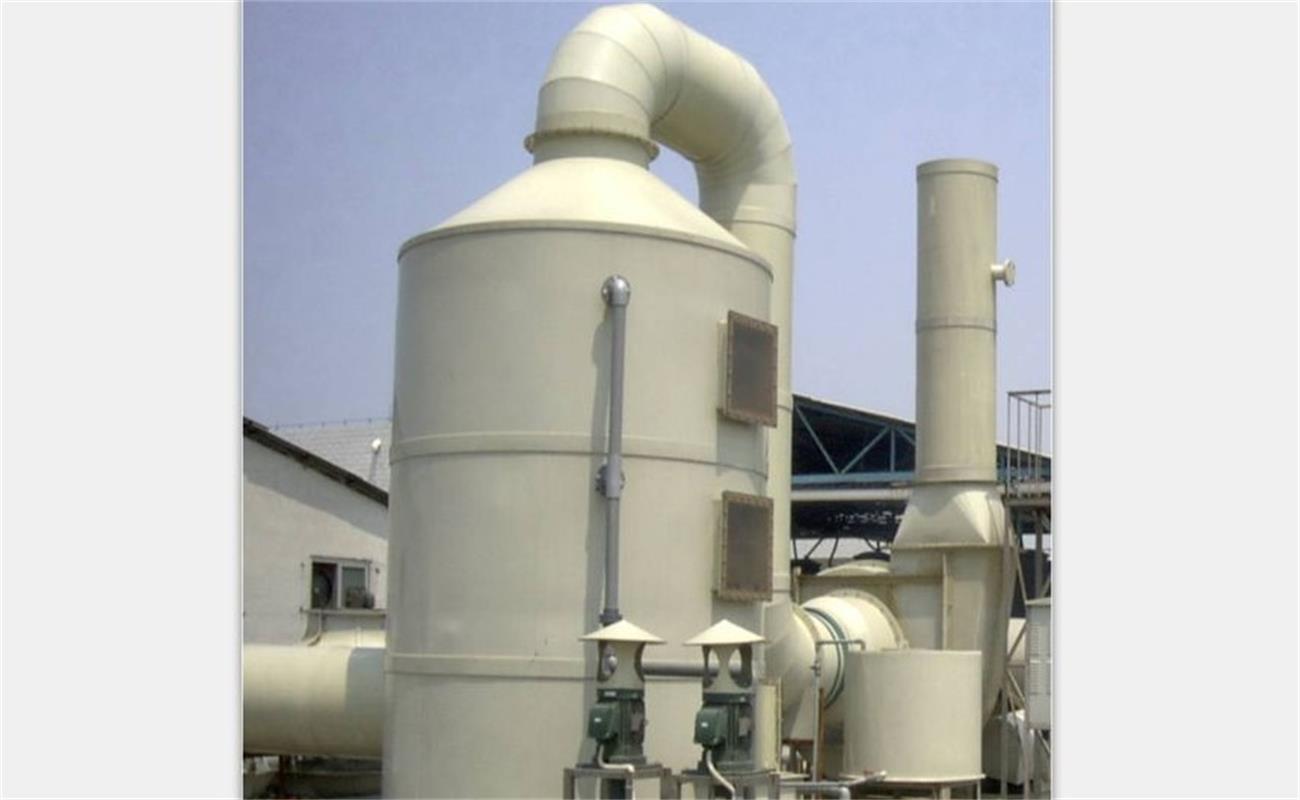
- Air pollution control systems to capture dust, acid fumes, and volatile organic compounds before atmospheric release.
- Wastewater treatment plants to neutralize acidic effluent and remove dissolved heavy metals.
- Refrigerant recovery units for end-of-life appliances to prevent ozone-depleting gases from escaping.
Compliance failures can result in plant shutdowns, fines, and reputational damage. Investing in integrated pollution control from day one is significantly cheaper than retrofitting after an inspection.
5. Look Beyond the Machine
Equipment is only part of the equation. A reliable supplier should offer engineering support, installation supervision, commissioning, operator training, and spare parts availability. Turnkey project experience matters, especially for first-time entrants into the recycling sector.
Since 2007, San Lan Technologies Co., Ltd has designed, manufactured, and commissioned complete recycling plants across 21 countries. The engineering team holds master's degrees in mechanical engineering with over 15 years of hands-on experience in e-waste recycling machinery. Services extend from waste material sourcing assistance to product-offtake support, helping customers build viable businesses from the ground up.
6. Consider Total Cost of Ownership
Purchase price is just the beginning. Calculate energy consumption, wear-part replacement schedules, labor requirements, maintenance downtime, and consumables over a 5 to 10-year horizon. A machine with a lower upfront cost but higher energy use or frequent breakdowns will cost more in the long run.
For example, electric lead refinery kettles with near-infrared heating can reduce energy consumption by 30 to 50 percent compared to conventional fuel-heated units. Similarly, de-sulfurization units lower melting temperatures and reduce additive costs, directly improving unit economics.
Conclusion
Choosing the right recycling equipment requires a clear understanding of your feedstock, realistic capacity planning, appropriate separation technology, integrated environmental controls, and a supplier with proven project execution capabilities. The global transition toward circular economies and stricter environmental enforcement makes this a timely and strategically sound investment.
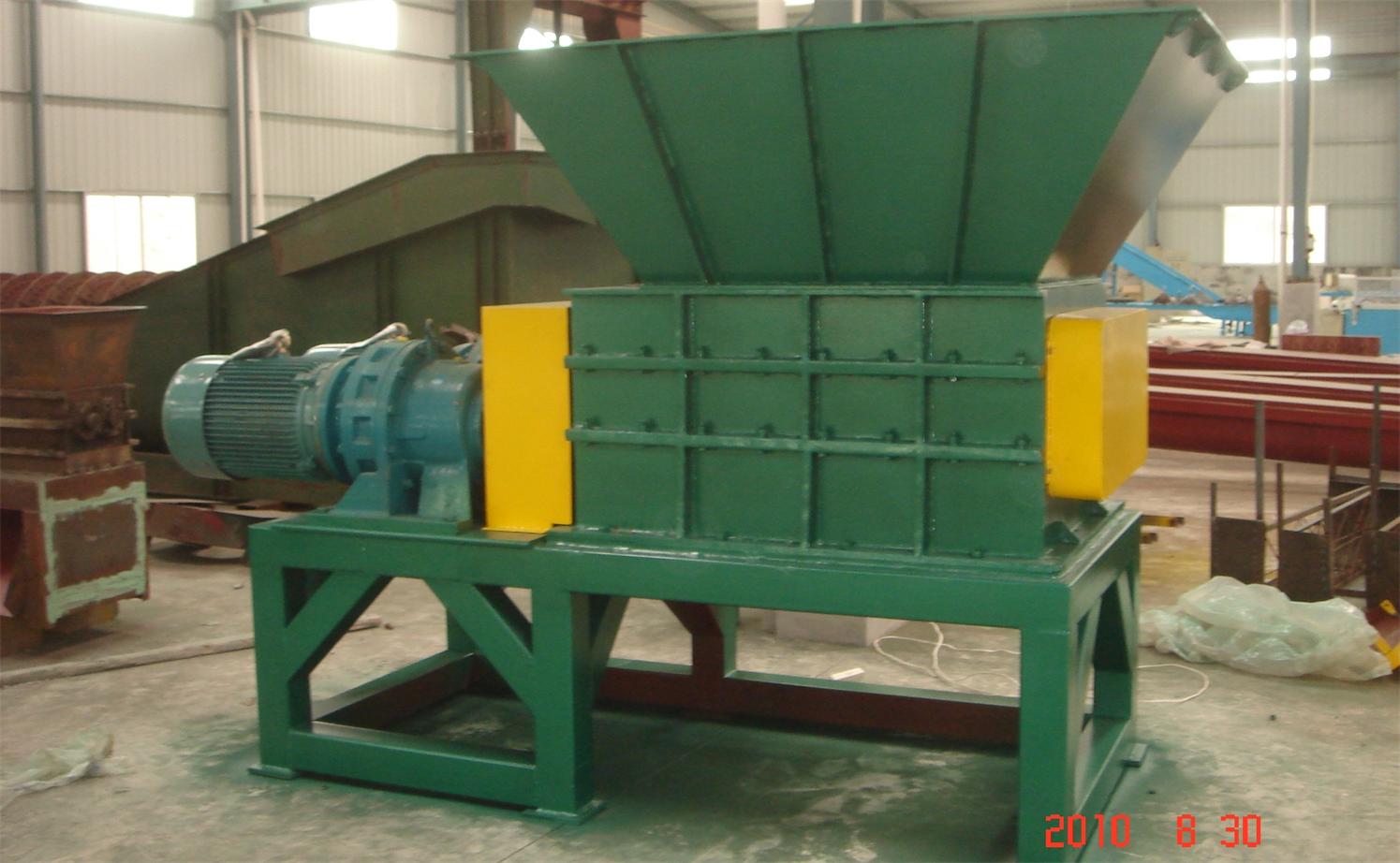
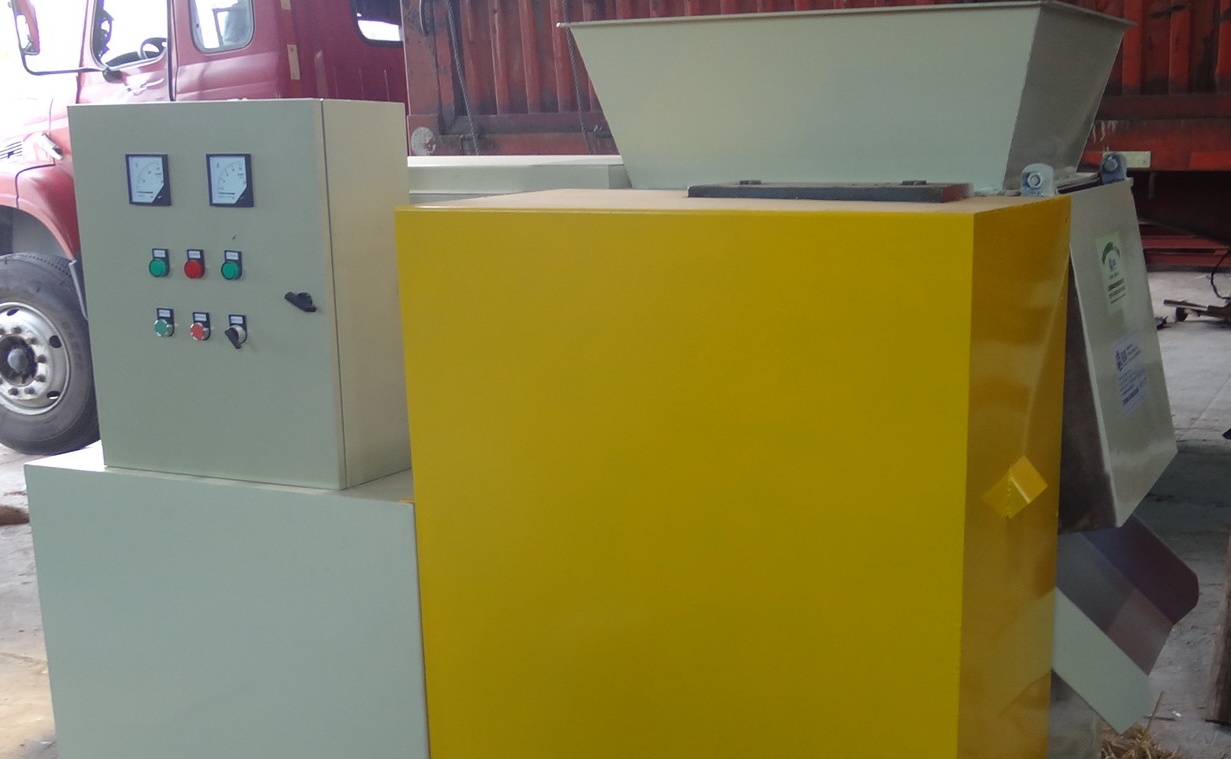
San Lan Technologies offers a comprehensive range of circuit board recycling equipment, battery recycling plants, cable granulators, shredders, and auxiliary systems. Each solution can be customized to local material characteristics, regulatory requirements, and production targets.
Ready to start your recycling project? Contact San Lan Technologies for a free consultation on plant design, equipment selection, and project feasibility. Reach us via email at info@san-lan.com or WhatsApp at +86 139 2377 4083. Visit www.san-lan.com to explore the full product catalog and request a detailed quotation.