Understanding the E-Waste Recycling Landscape
Electronic waste encompasses a broad range of discarded materials, from old smartphones and laptops to industrial circuit boards, used batteries, and scrap cables. Each category requires specialized processing equipment to extract valuable materials like copper, gold, silver, lead, and rare earth elements while ensuring environmental safety.
Before purchasing any machinery, it is essential to define your target feedstock. Are you focusing on lead acid battery recycling equipment, lithium-ion batteries, printed circuit boards, or scrap cables? Your choice of feedstock will determine the type of equipment you need, the space requirements for your facility, and the potential revenue streams from recovered materials.
Key Equipment Categories for E-Waste Recycling
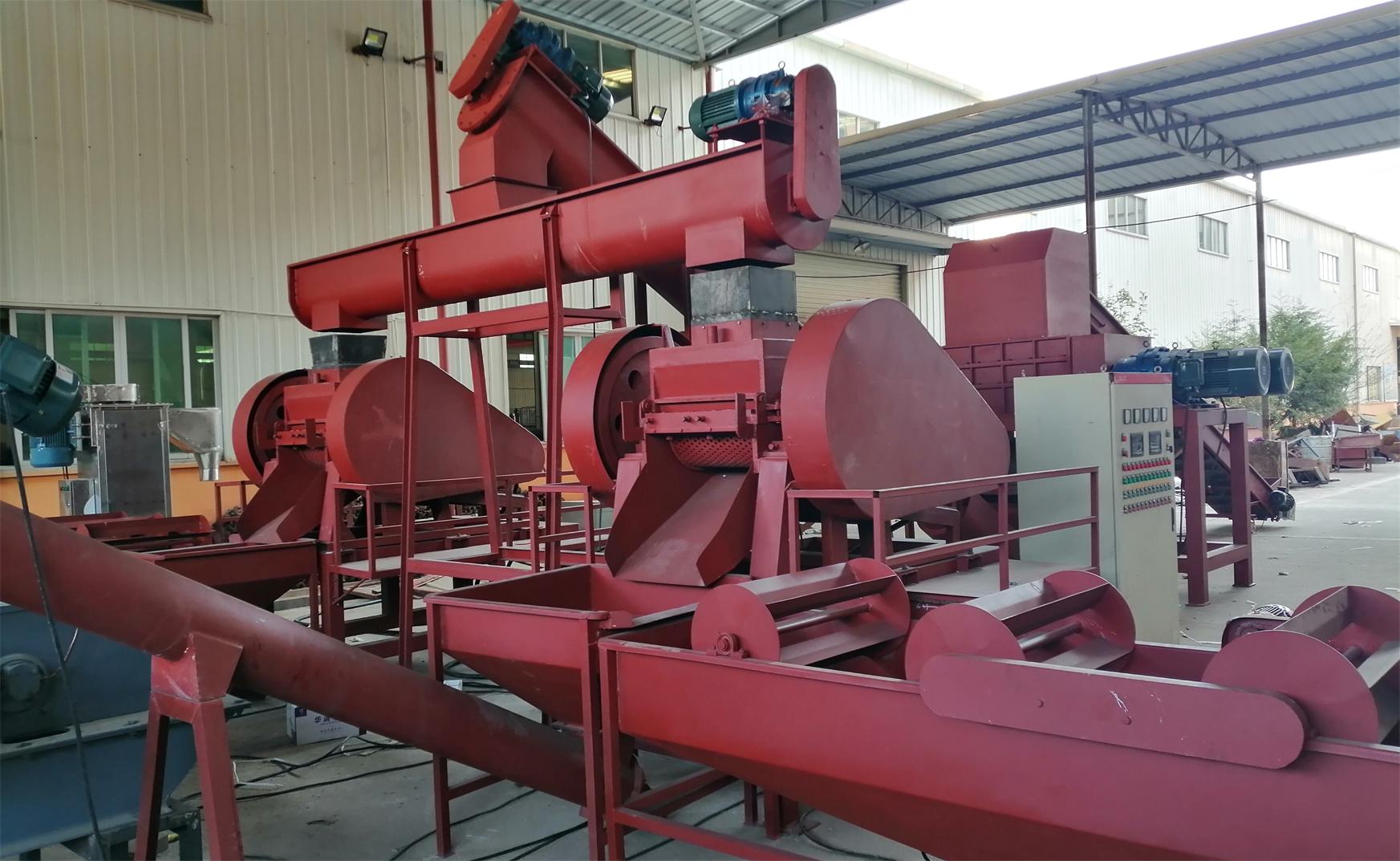
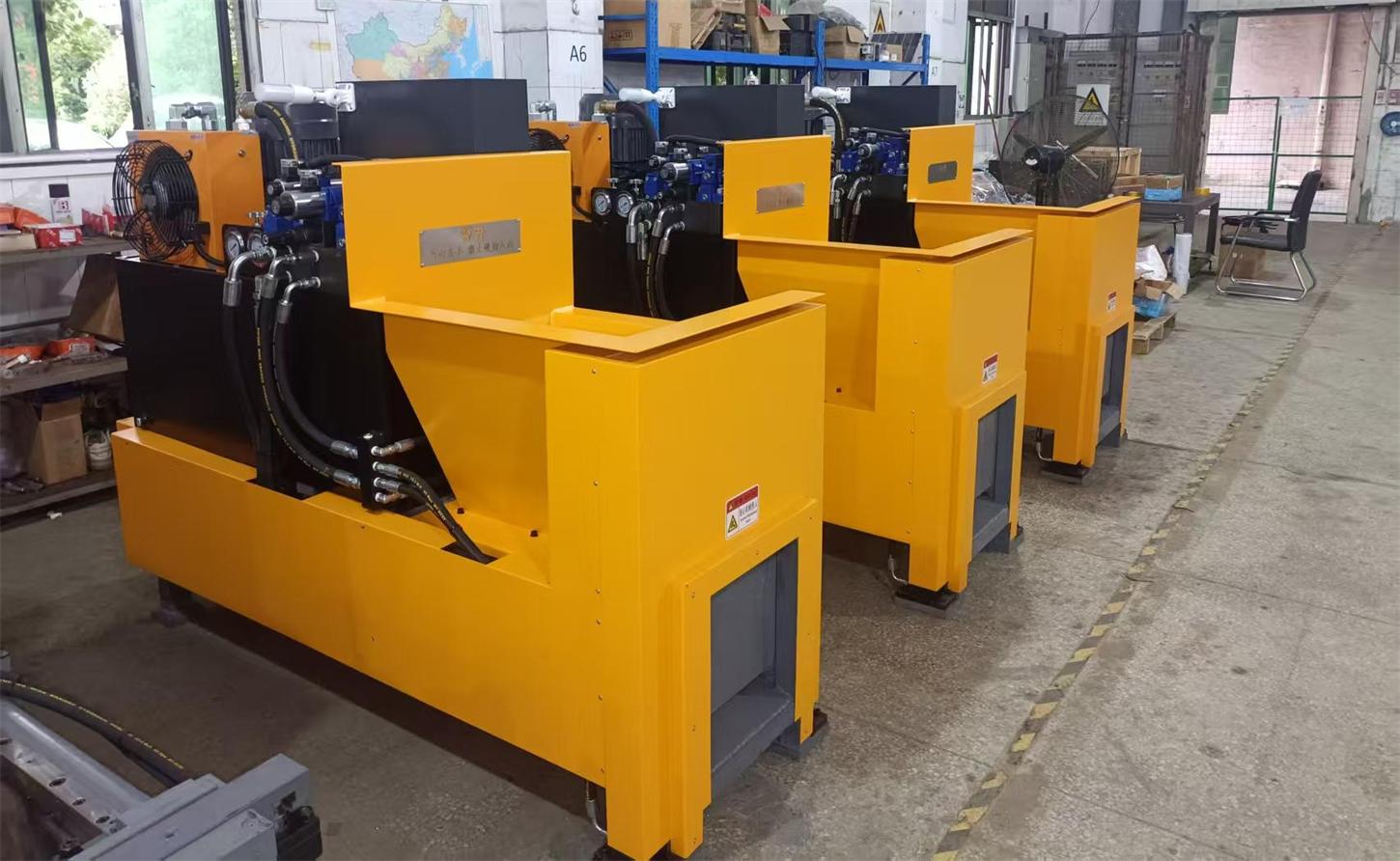
A comprehensive e-waste recycling operation typically involves several stages of processing, each requiring specific machinery. Here are the core equipment categories that every serious recycler should consider:
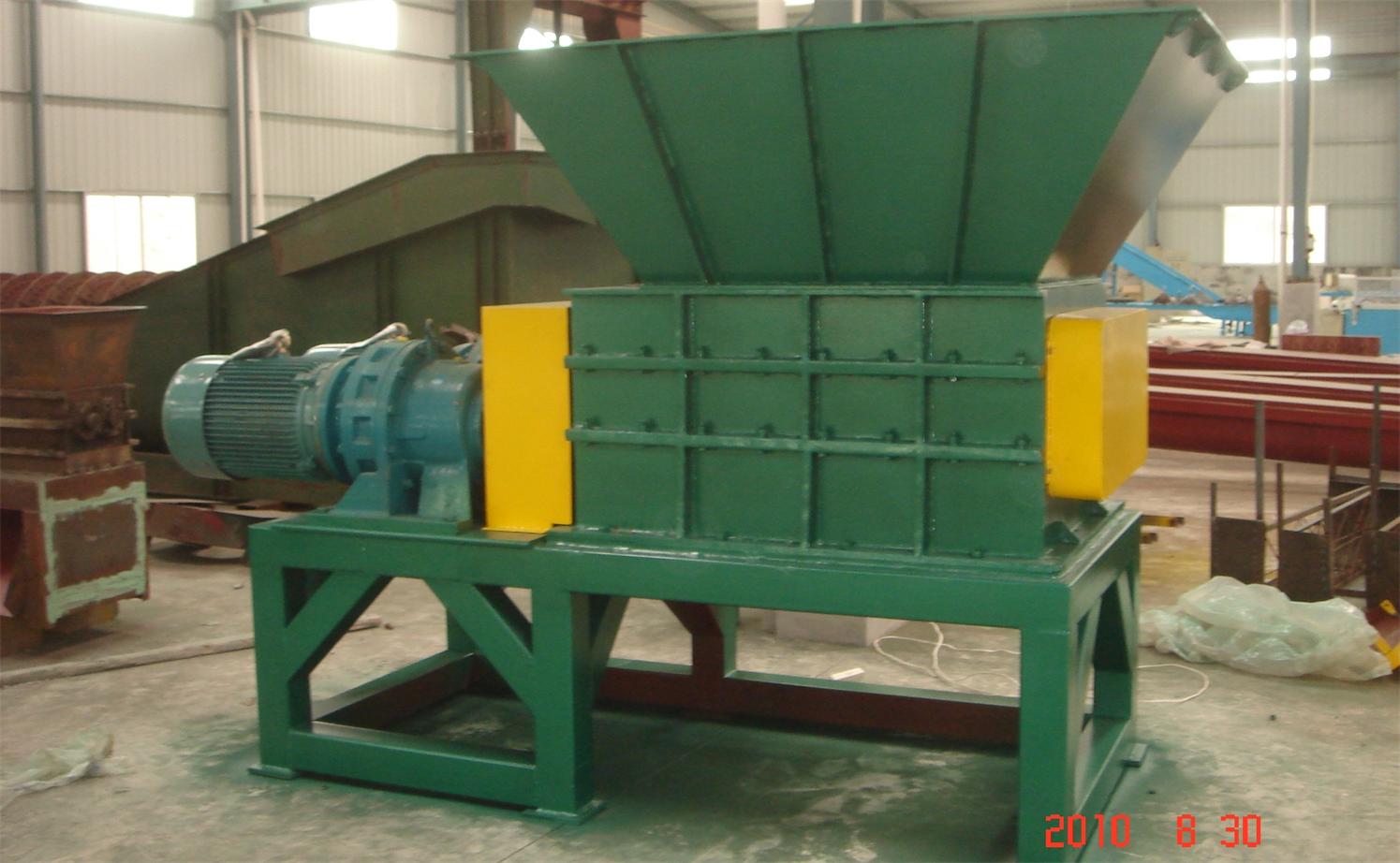
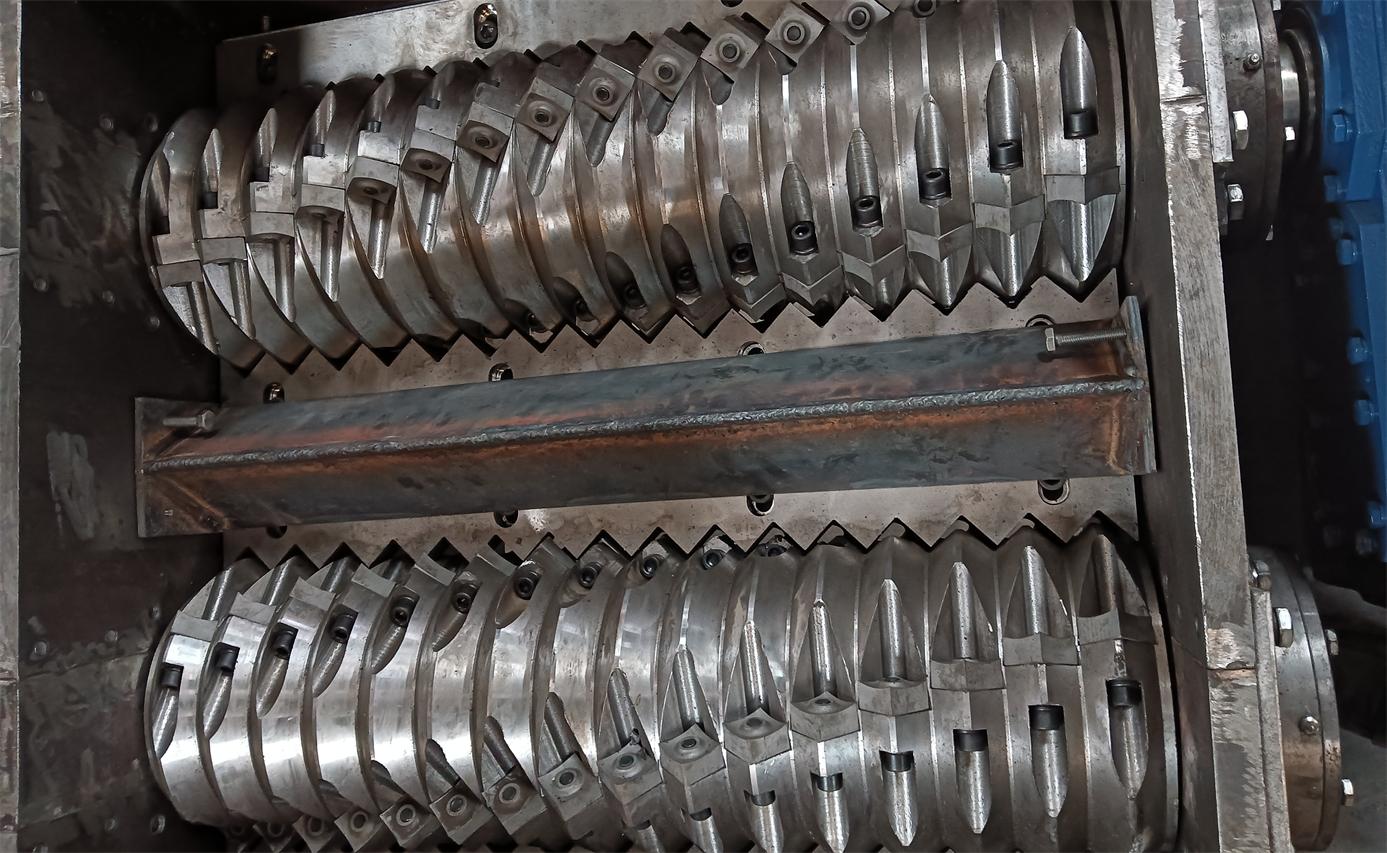
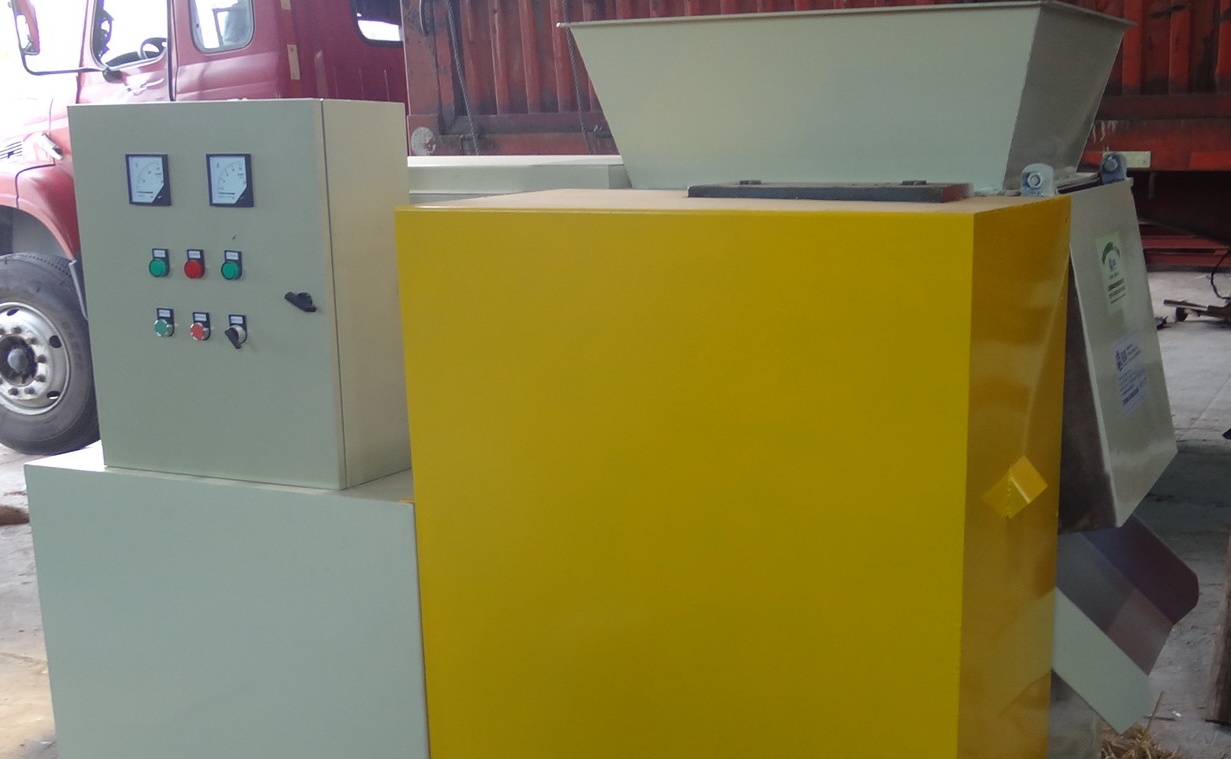
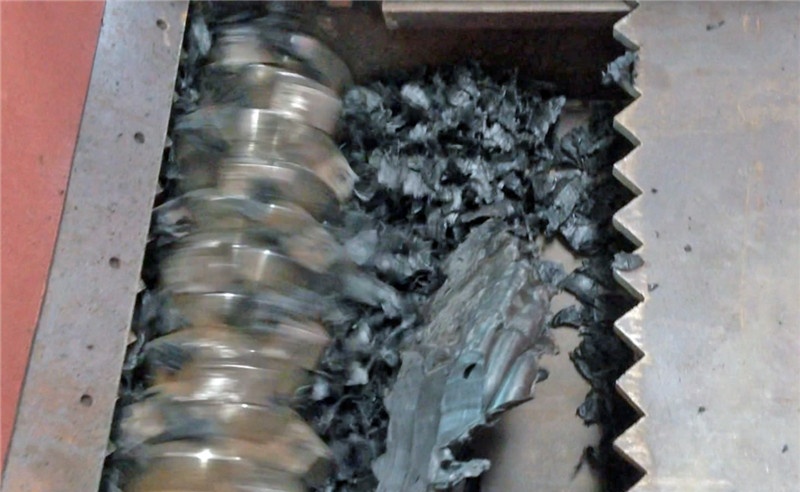
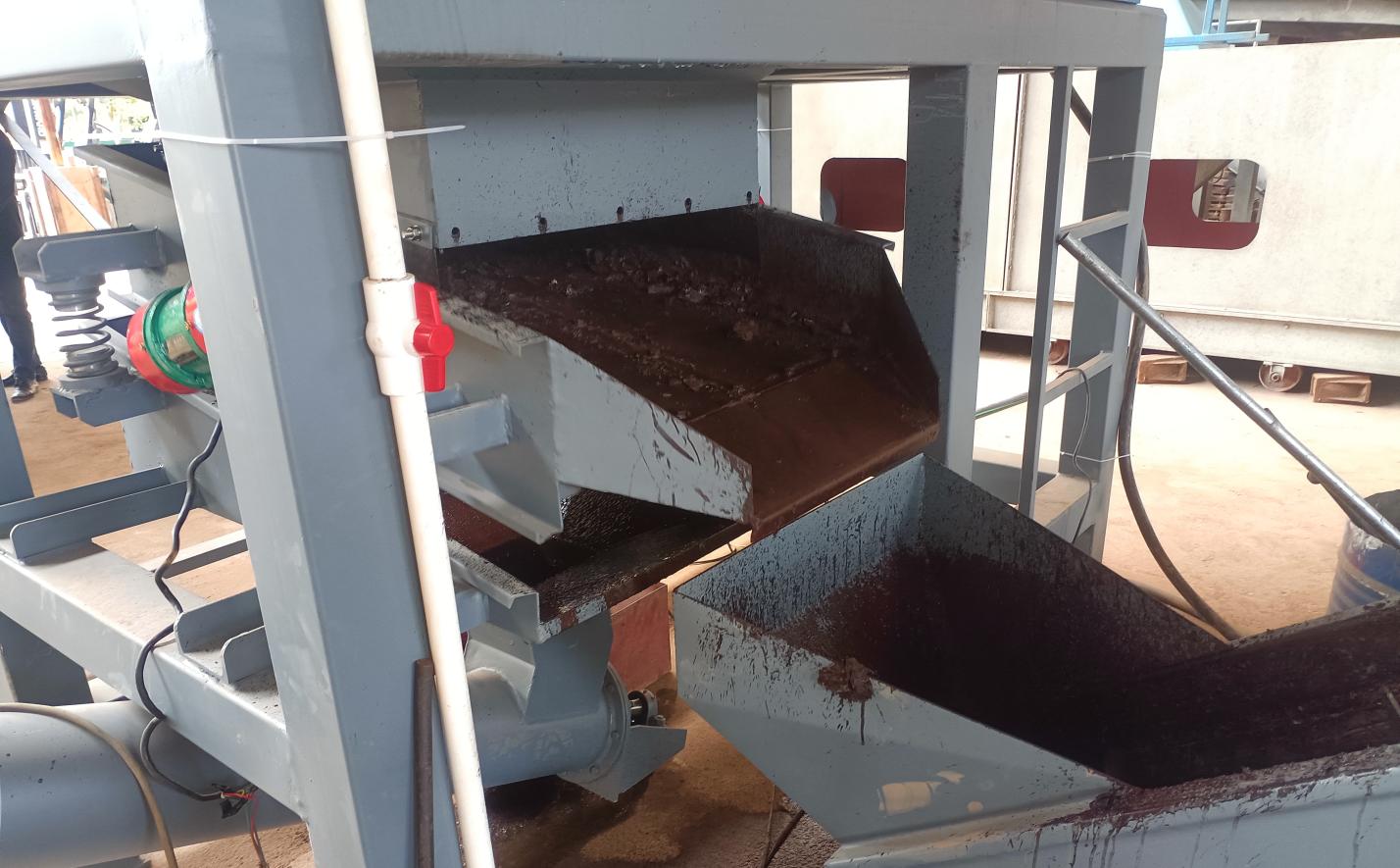
The first step in most recycling processes involves breaking down the waste material into manageable components. For lead acid batteries, this means crushing the batteries and separating the lead paste, lead grids, plastic casings, and acid. Advanced breaking and separation systems can handle capacities ranging from 1 to 10 metric tons per hour, significantly reducing manual labor and improving safety.
Once materials are separated, smelting equipment extracts pure metals from the recovered fractions. Rotary furnaces and blast furnaces are commonly used for lead recovery from battery paste, with modern designs achieving recovery rates of 95 percent or higher. Refinery kettle furnaces can then purify crude lead to 99.999 percent purity, suitable for resale to battery manufacturers and other industries.
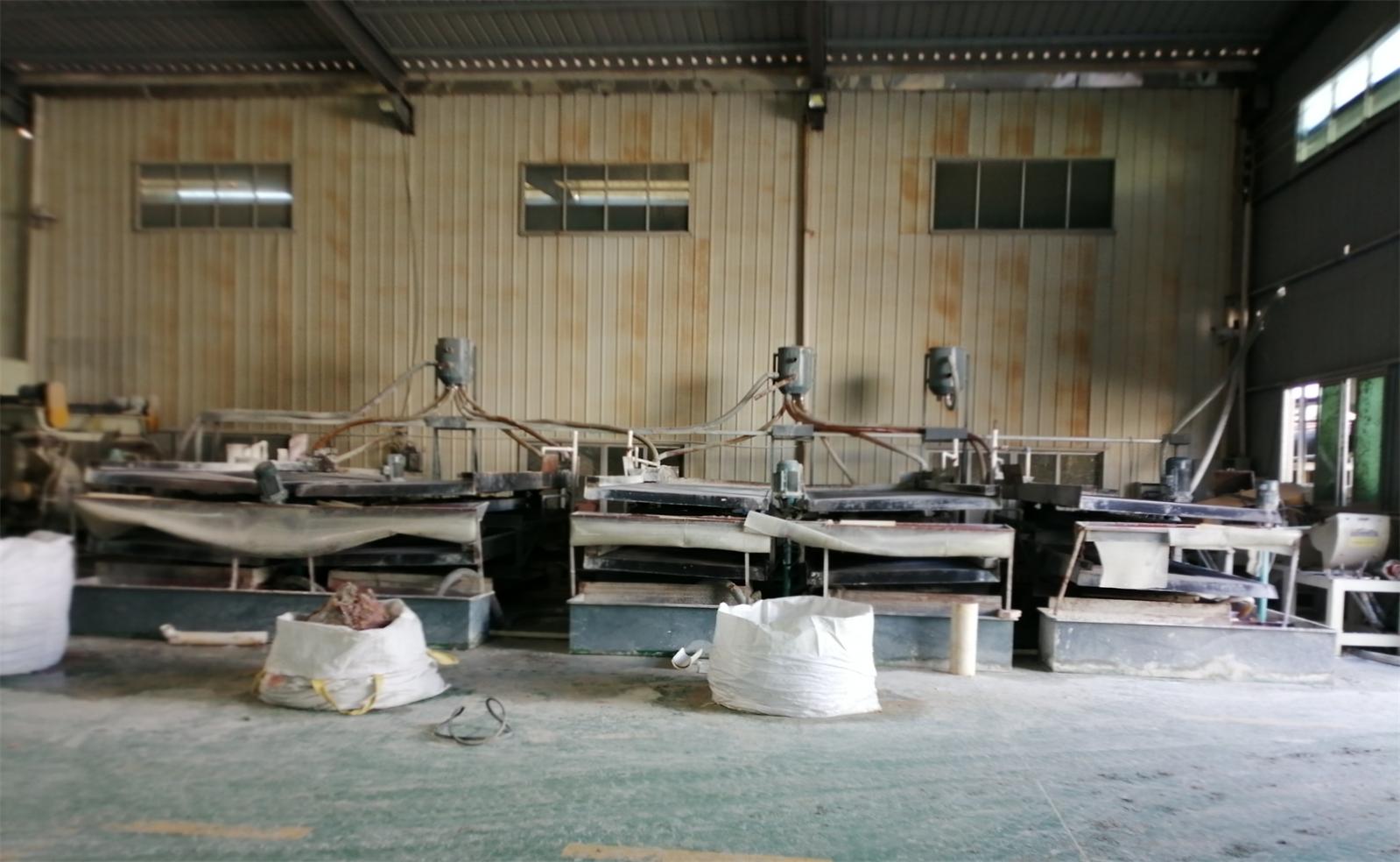
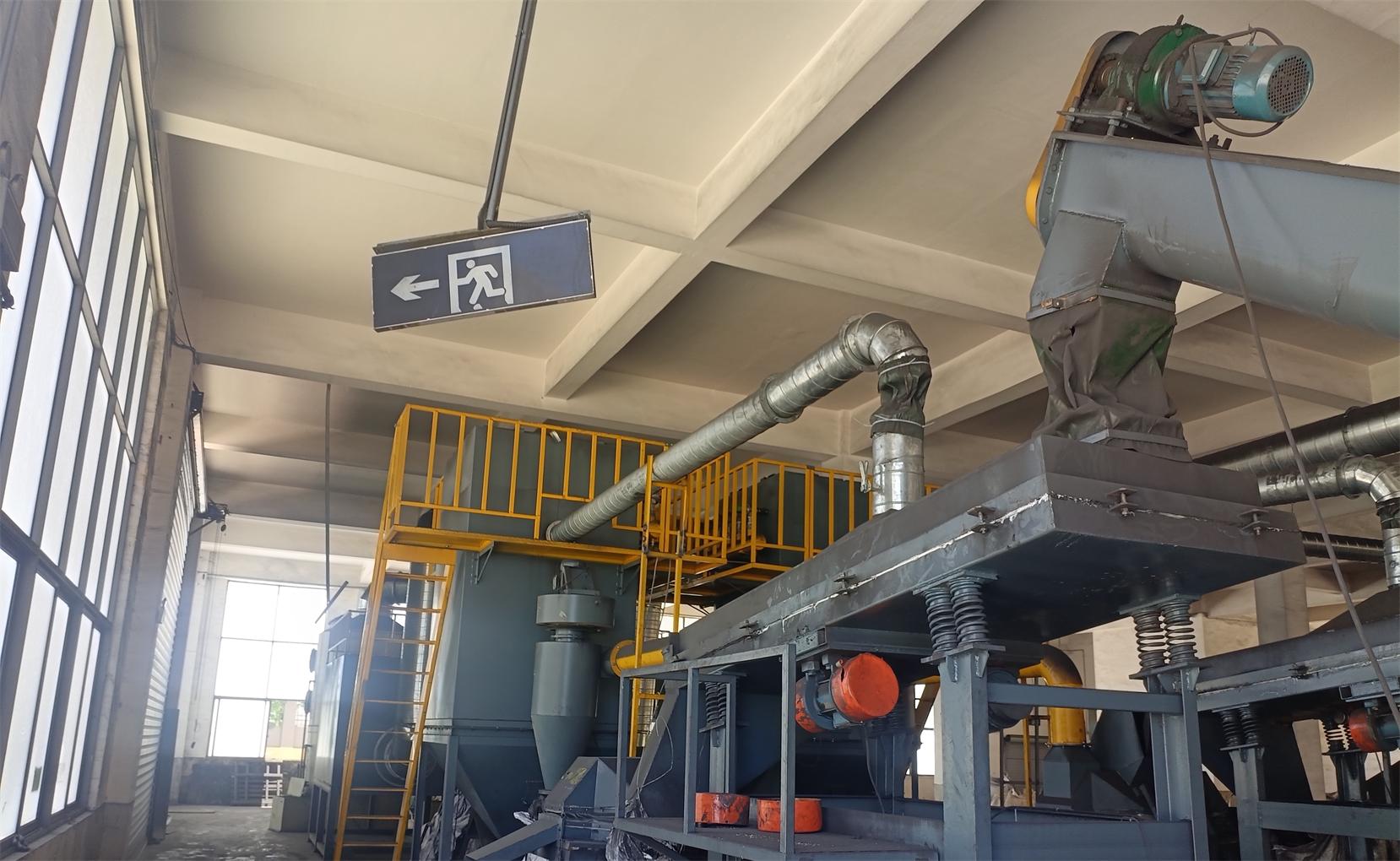
Printed circuit boards (PCBs) contain some of the highest concentrations of valuable metals in the e-waste stream. Circuit board recycling equipment uses either dry or wet separation technologies to recover copper powder and precious metals. Dry separation systems with air classifiers can achieve copper purity levels of 96 to 98 percent, while wet separation methods are suitable for processing boards with electronic components still attached. Capacities typically range from 300 kg to 2,000 kg per hour.
Scrap cables represent one of the most straightforward and profitable recycling streams. Cable recycling equipment granulates waste cables and separates the copper or aluminum from plastic insulation through air separation or electrostatic methods. Modern cable granulators can process various cable diameters, from thin communication wires to thick industrial power cables, with throughputs ranging from 100 kg to 1,200 kg per hour.
Environmental Compliance and Safety Systems
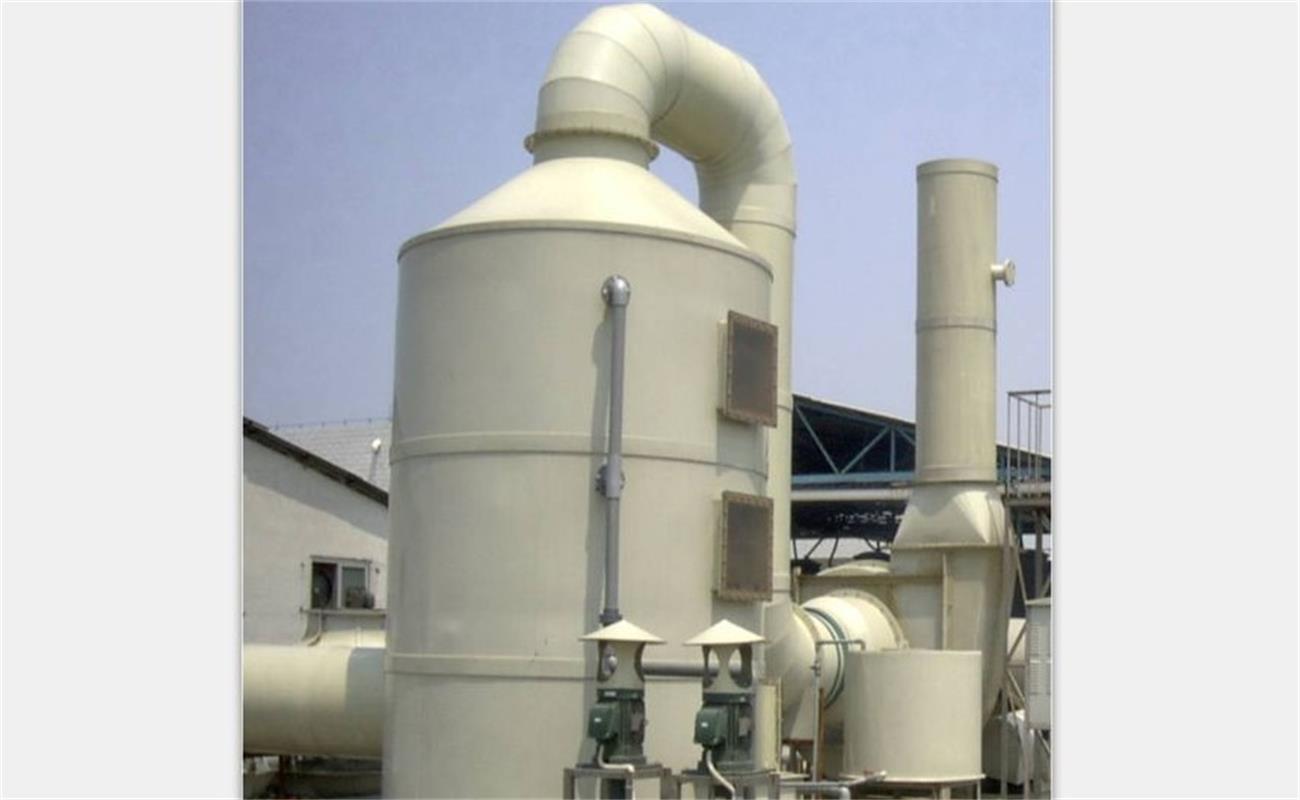
Environmental regulations for e-waste recycling are becoming increasingly strict worldwide. Any recycling plant must incorporate proper pollution control systems to handle emissions, wastewater, and hazardous byproducts. Air pollution control systems are essential for capturing dust and neutralizing acidic gases from battery recycling and PCB processing. Water treatment plants ensure that effluent from wet separation processes meets local discharge standards.
Safety systems are equally critical, particularly when handling lithium-ion batteries, which pose fire and thermal runaway risks. Facilities should invest in fire suppression equipment, dunk tanks for containing damaged batteries, and proper ventilation systems. Employee training on hazardous material handling should be mandatory and ongoing.
What to Look for in an Equipment Supplier
Choosing the right equipment supplier is just as important as choosing the right machines. A reliable supplier should offer more than just hardware. Look for manufacturers with proven experience in turnkey project delivery, including facility design, installation, commissioning, and after-sales technical support. The supplier should understand your local regulatory environment and help you design a plant that achieves full compliance.
Customization capability is another key factor. Every recycling operation has unique requirements based on feedstock composition, local market conditions, and budget constraints. A supplier that offers customized design solutions and flexible capacity configurations will provide far more value than one offering only standard models.
International experience matters too. Suppliers with customers across multiple continents have demonstrated their ability to adapt equipment designs to different voltages, climates, and operational standards. They are also more likely to have a robust spare parts supply chain and responsive technical support network.
Building a Complete Recycling Plant with San Lan Technologies
San Lan Technologies Co., Ltd has been manufacturing e-waste recycling machinery and mining equipment since 2007. Based in Jiangxi Province, China, the company specializes in complete recycling plant solutions spanning lead acid battery recycling, lithium battery recycling, circuit board processing, cable recycling, refrigerator and AC dismantling, CRT cutting, and motor recycling.
What sets San Lan apart is its end-to-end project capability. The company does not merely sell individual machines; it provides complete engineering, procurement, and construction (EPC) services for recycling plants. This includes customized plant design, equipment manufacturing, installation and commissioning, operator training, and ongoing technical support. For entrepreneurs entering the recycling business, San Lan can even assist with sourcing waste material feedstock and connecting operators with buyers for recovered metals.
San Lan's technical team includes mechanical engineering professionals with over 15 years of hands-on experience in e-waste recycling equipment design and optimization. The company serves customers in more than 21 countries, including Singapore, Colombia, Vietnam, Mexico, Argentina, Korea, Malaysia, South Africa, India, and Saudi Arabia, demonstrating its global reach and cross-cultural project management capabilities.
Conclusion: Making the Right Investment
Investing in e-waste recycling equipment is a significant decision that will shape your business for years to come. By thoroughly understanding your target feedstock, selecting the appropriate processing technologies, ensuring environmental compliance, and partnering with an experienced supplier, you can build a recycling operation that is both profitable and environmentally responsible.
The e-waste recycling industry is poised for continued growth as governments tighten regulations and consumers demand more sustainable waste management solutions. Companies that establish efficient, compliant recycling operations now will be well-positioned to capture this growing market. Take the time to evaluate your options carefully, visit potential suppliers' facilities when possible, and prioritize long-term partnership value over short-term cost savings.
Ready to start your e-waste recycling project? San Lan Technologies offers free consultation and customized plant design services for recycling entrepreneurs and established operators worldwide. Whether you need lead acid battery recycling equipment, circuit board recycling equipment, or cable recycling equipment, our engineering team will help you design a solution tailored to your specific needs and budget.
Contact us today via email at info@san-lan.com or WhatsApp at +86 139 2377 4083 to discuss your project requirements and receive a detailed equipment proposal.
Contact San Lan Technologies