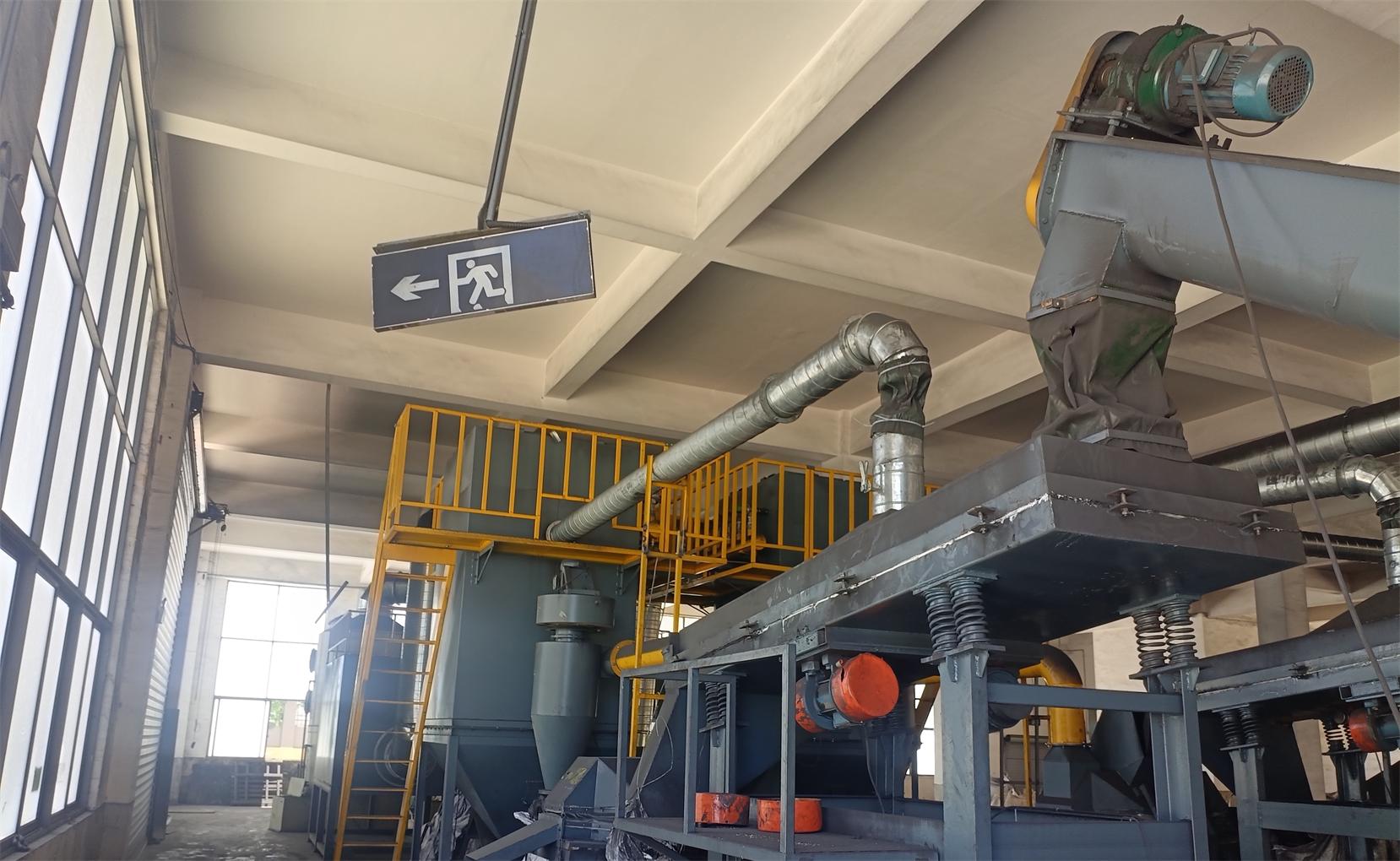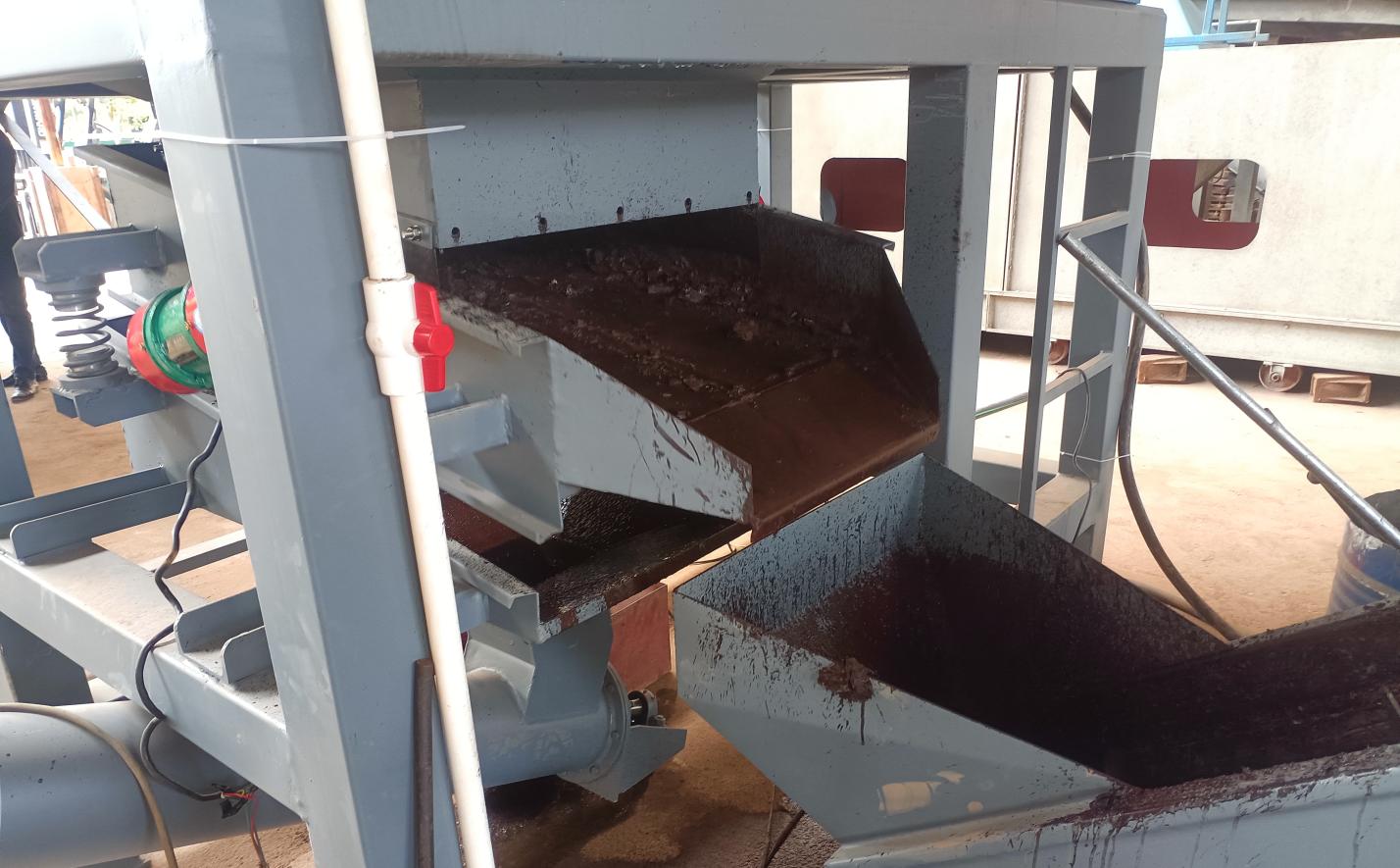
The global surge in electronic consumption has created an unprecedented challenge: what happens when devices reach end-of-life? E-waste now represents the fastest-growing waste stream worldwide, yet buried within discarded electronics lies a treasure trove of recoverable resources. For entrepreneurs and established businesses alike, investing in professional recycling equipment transforms environmental responsibility into profitable opportunity.
Whether you are planning to process discarded circuit boards, spent batteries, or scrap cables, selecting the appropriate machinery determines your operational efficiency, recovery rates, and ultimately your return on investment. This guide walks through the essential equipment categories and decision-making criteria to help you build a successful recycling operation.
Understanding the Core Recycling Equipment Categories
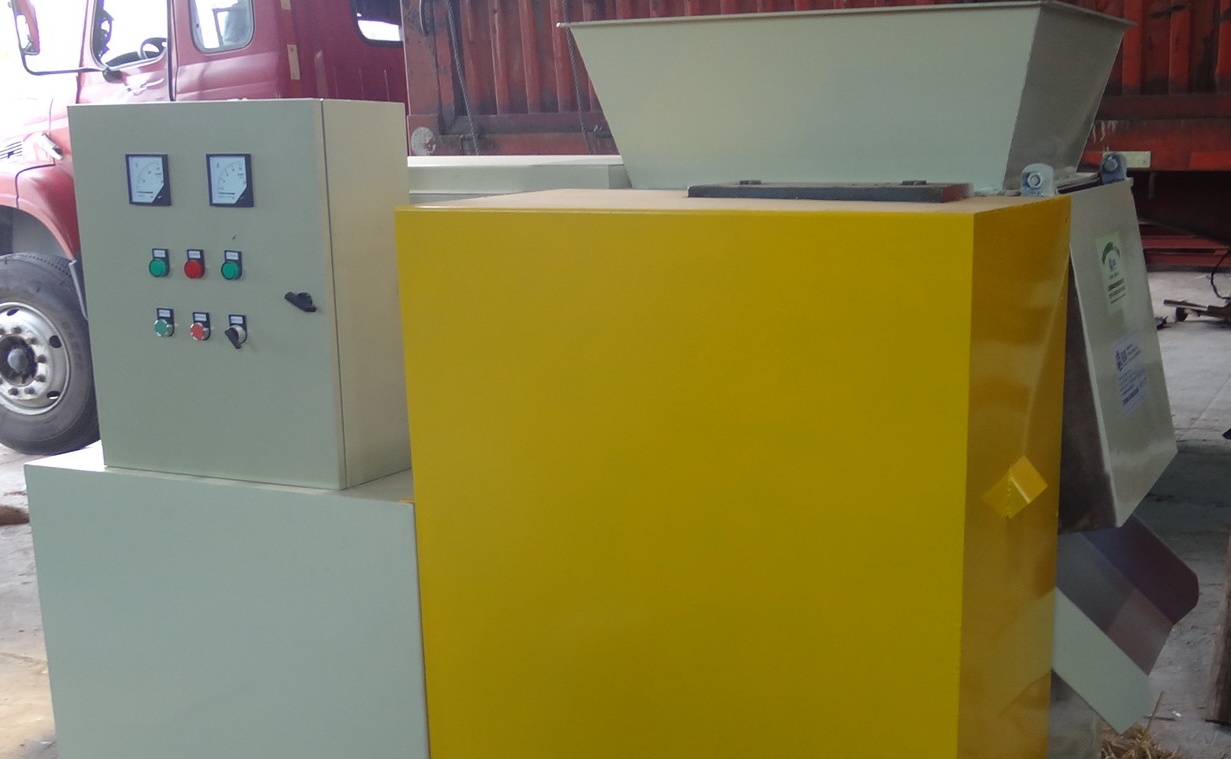
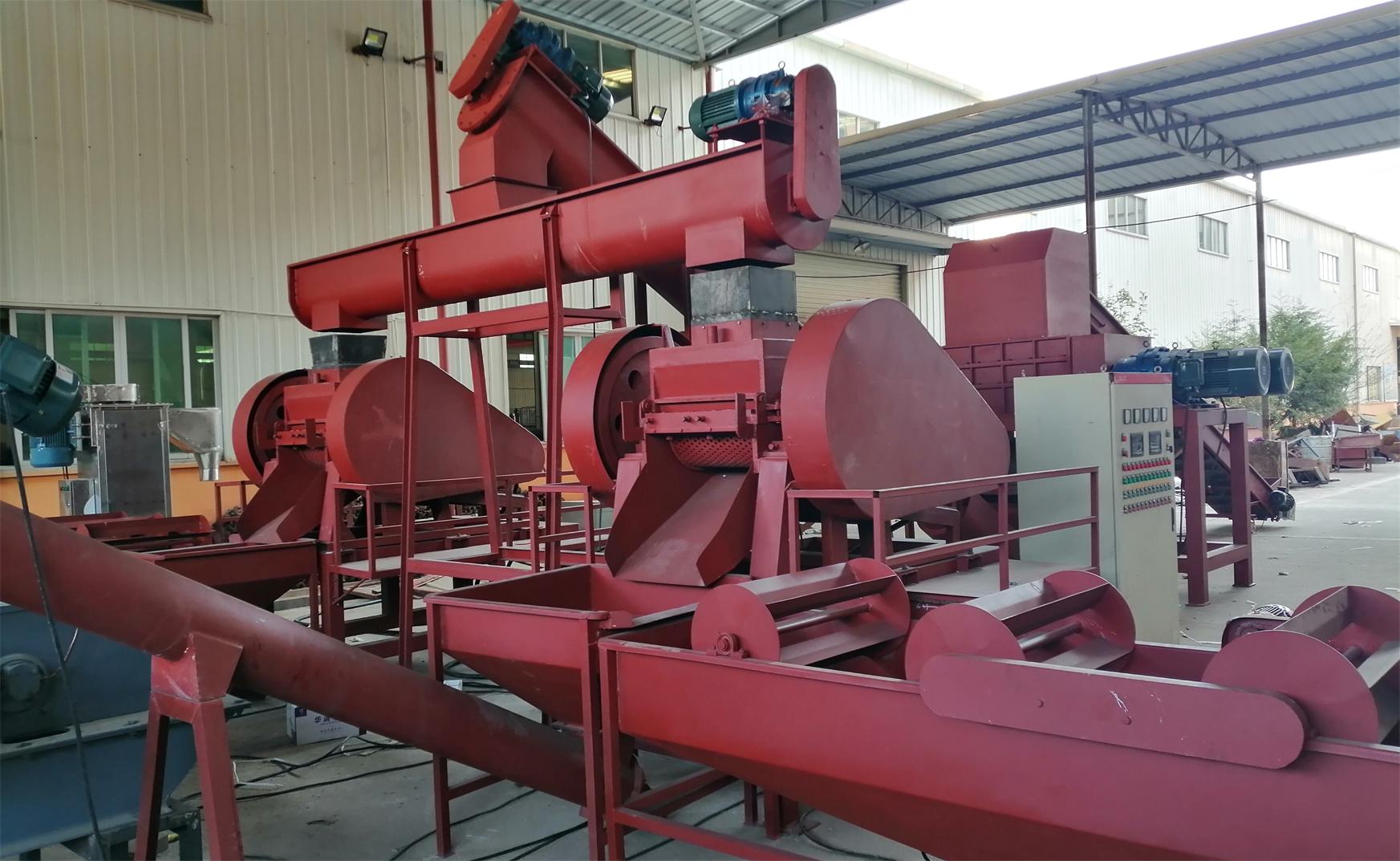
Modern e-waste recycling plants rely on specialized machinery designed for specific material streams. Each category addresses distinct waste types and employs tailored mechanical or metallurgical processes to maximize resource recovery.
Circuit Board Recycling Systems
Printed circuit boards (PCBs) contain copper, gold, silver, and palladium embedded in layered fiberglass and resin. Circuit board recycling equipment typically combines shredding, grinding, air separation, and electrostatic separation technologies to liberate metals from non-conductive materials. Advanced systems achieve copper powder purity levels of 96-98% with recovery rates around 95%, creating high-value outputs from what was previously considered waste.
Battery Recycling Plants
Two dominant battery types drive recycling demand: lead acid and lithium-ion. Lead acid battery recycling equipment breaks and separates used batteries to recover lead paste, lead grids, plastic shells, and acid. The process often includes de-sulfurization units, rotary furnaces or blast furnaces for lead smelting, and refinery kettles to produce 99.999% pure lead ingots. Meanwhile, lithium battery recycling plants dismantle power cells to recover black mass containing nickel, cobalt, and graphite, alongside separated copper, aluminum, and plastics.
Cable and Wire Recycling Machinery
Scrap cables represent one of the most accessible entry points into recycling. Cable recycling equipment strips or granulates insulated wires to separate copper or aluminum conductors from plastic insulation. Modern cable granulators with dry separators handle various cable diameters and produce clean copper particles ready for smelting or direct sale. Processing capacities range from compact units at 100 kg/hour to industrial plants exceeding 1,200 kg/hour.
Key Factors in Equipment Selection
Choosing machinery requires balancing multiple operational considerations beyond sticker price. Experienced recyclers evaluate these dimensions carefully before committing capital.
Processing Capacity vs. Feedstock Availability
Match equipment throughput to realistic waste supply. Small workshops may operate efficiently at 300-500 kg/hour, while industrial processors require 2,000+ kg/hour systems. Overbuilding capacity strains cash flow; underbuilding leaves profitable material unprocessed.
Recovery Rate and Output Purity
Higher recovery rates directly impact profitability. Top-tier PCB systems achieve 95%+ metal recovery; lead battery plants reach similar efficiency. Verify manufacturer claims with reference customers or pilot testing where possible.
Environmental Compliance Systems
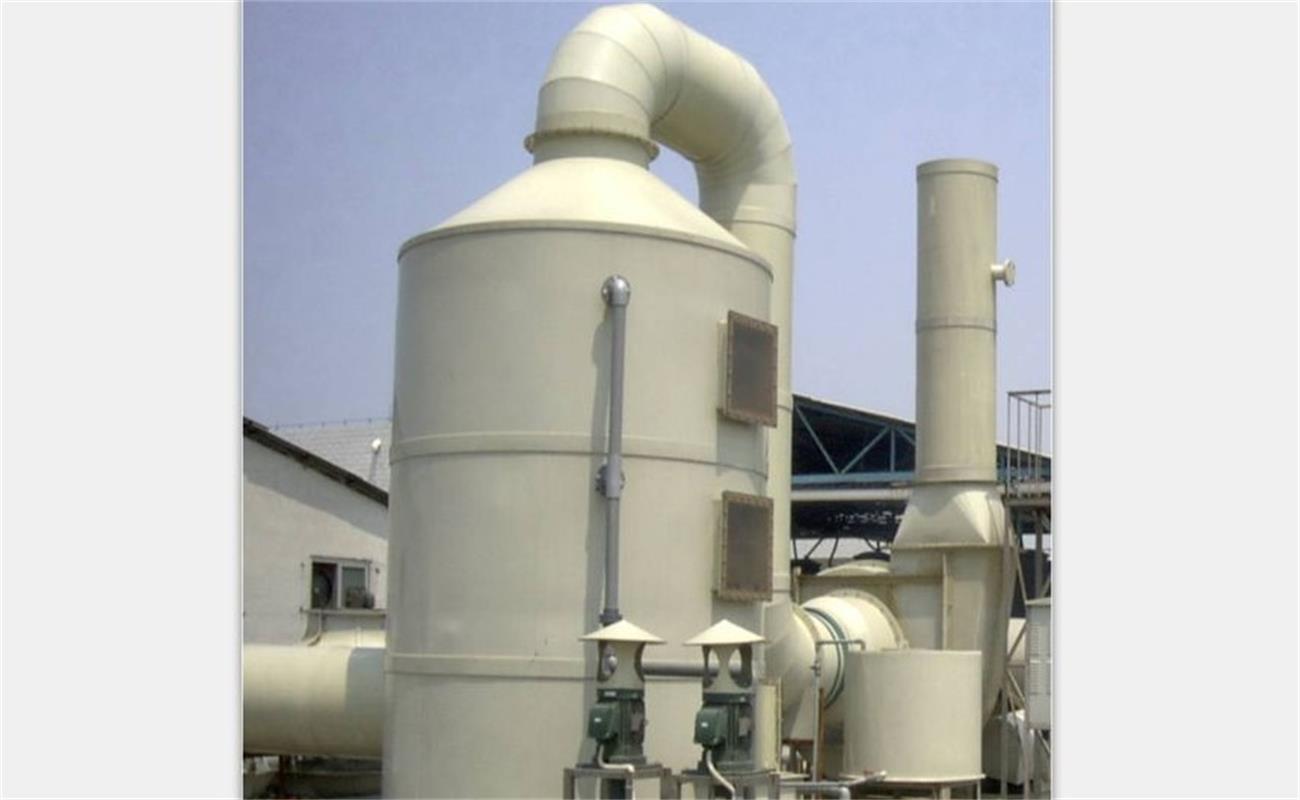
Air pollution control, dust collection, wastewater treatment, and noise reduction systems ensure regulatory compliance. Plants operating without adequate environmental safeguards face shutdowns and penalties that far exceed equipment costs.
Automation and Labor Requirements
Automated feeding, crushing, separation, and control systems reduce labor costs while improving consistency. Evaluate total operating cost including personnel, energy, maintenance, and consumables rather than focusing solely on purchase price.
The Recycling Process: From Waste to Resource
While specific steps vary by material type, most e-waste recycling follows a generalized workflow:
- Collection and Sorting: Waste streams are categorized by material composition and hazardous content. Batteries, capacitors, and mercury-containing components receive specialized handling.
- Pre-processing: Large items undergo manual or mechanical dismantling. Refrigerants are extracted from cooling appliances; acids are drained from batteries.
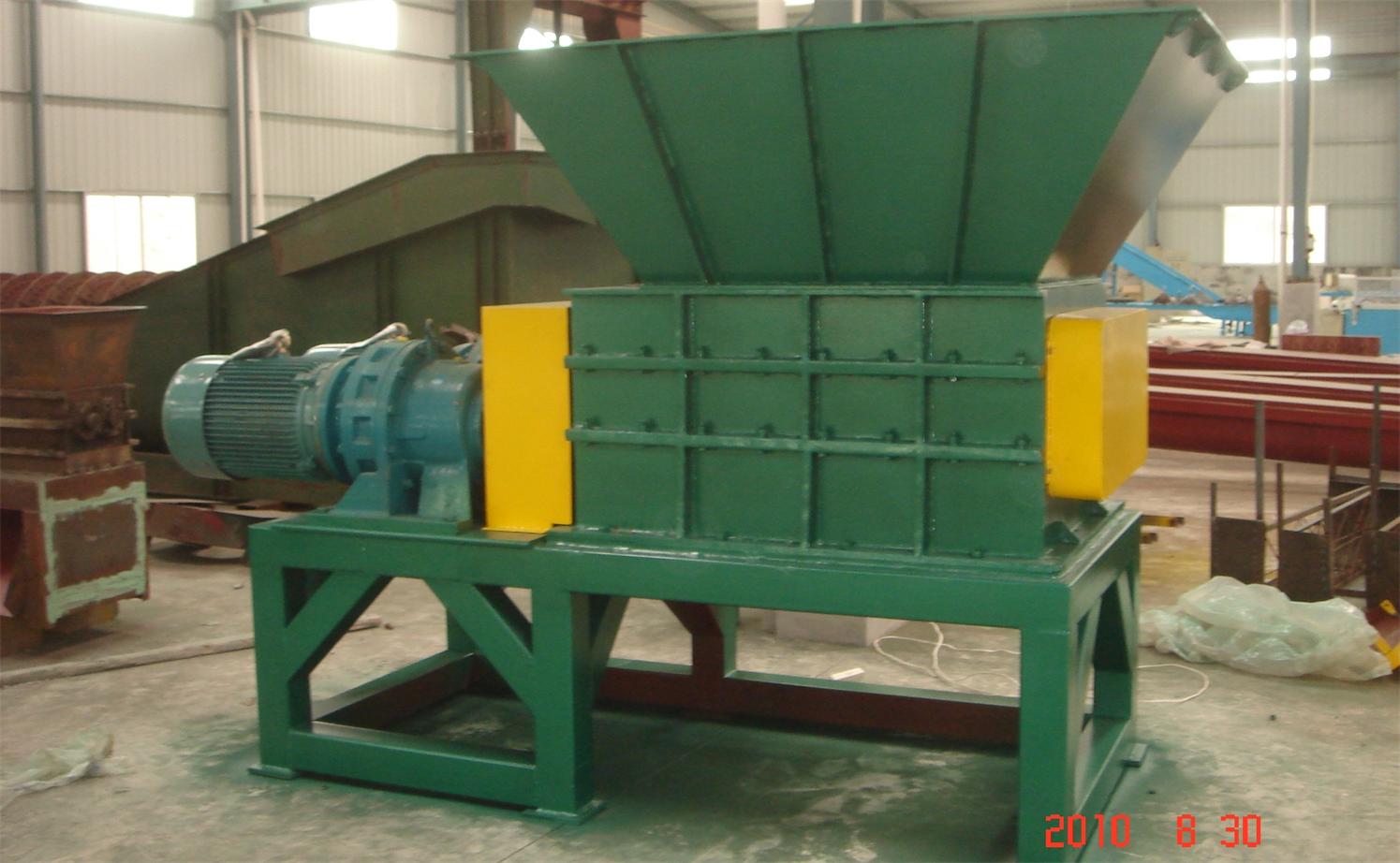
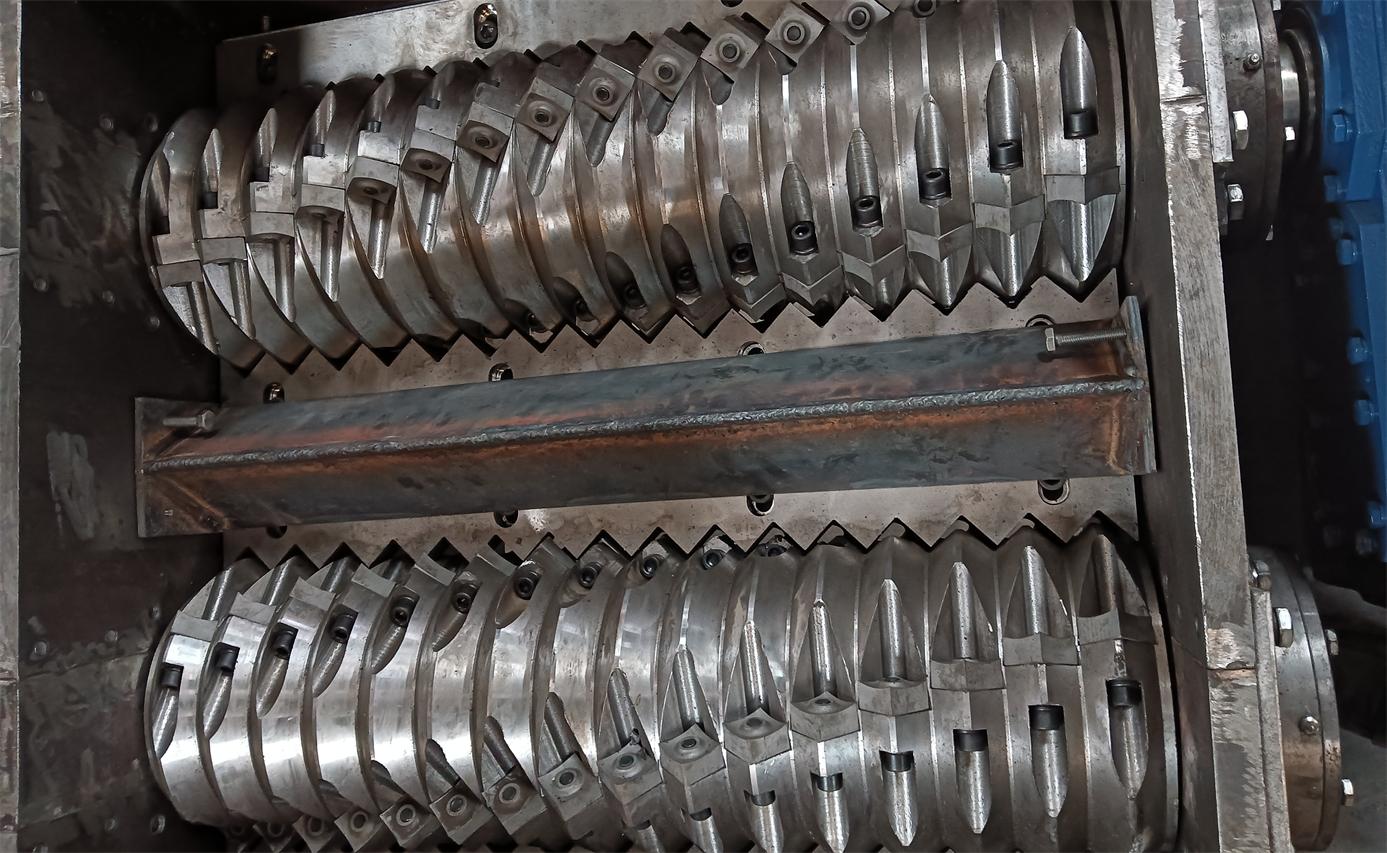
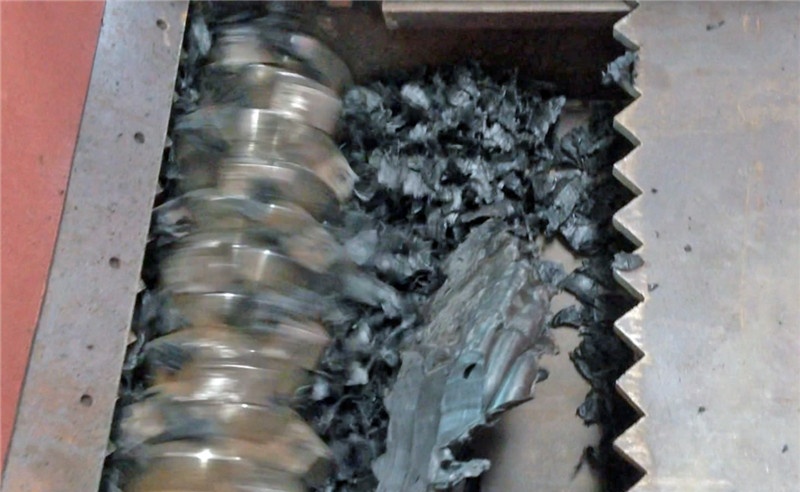
- Size Reduction: Shredders and crushers break materials into manageable particles. Multi-stage shredding progressively reduces size to liberate embedded materials.
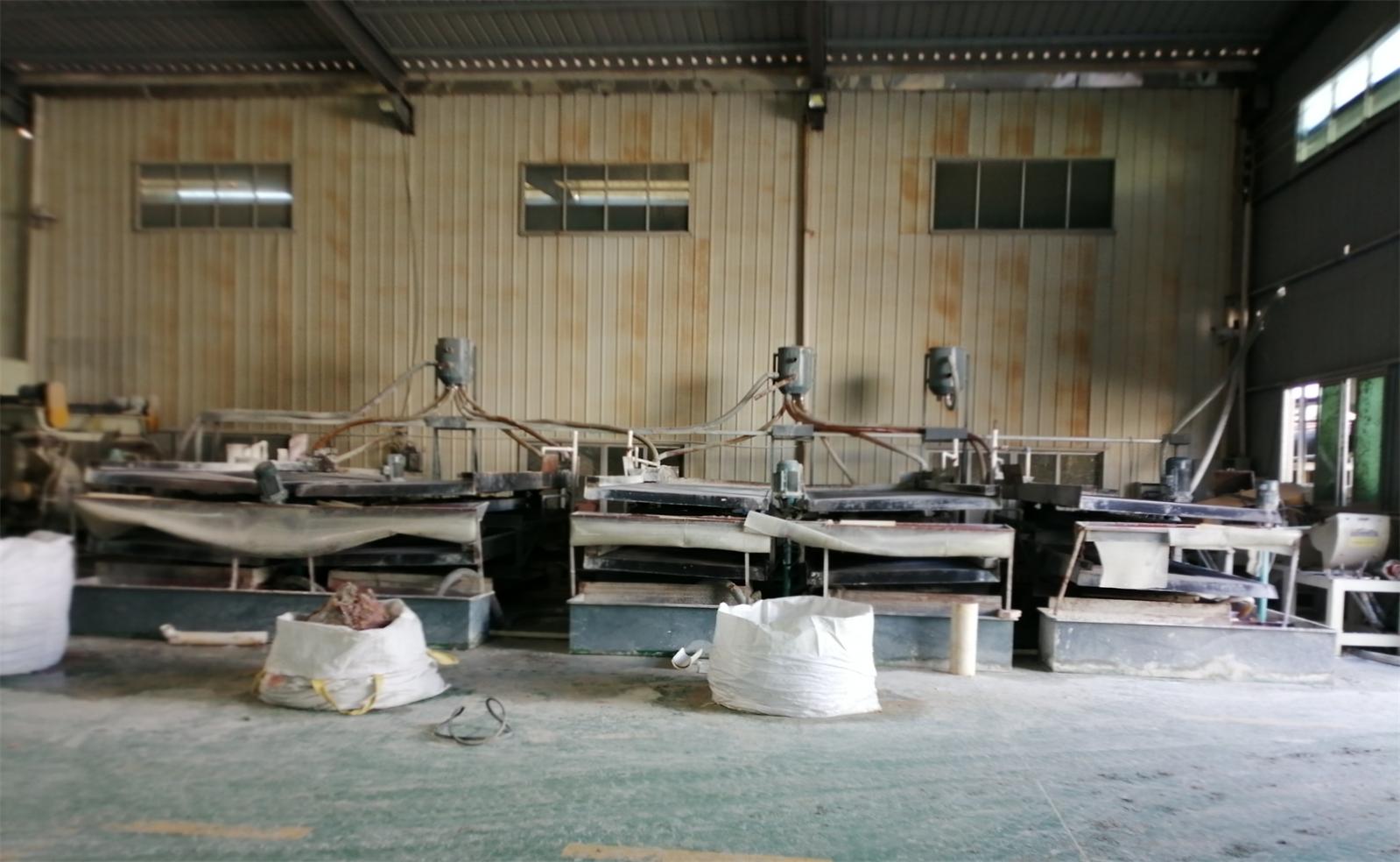
- Separation: Air classifiers, magnetic separators, eddy current separators, and electrostatic systems sort materials by density, magnetism, and conductivity.
- Refining: Metals may undergo smelting or chemical refining to achieve marketable purity. Lead paste converts to ingots; copper powder becomes feedstock for new manufacturing.
- Waste Management: Residual non-recyclable materials undergo safe disposal per environmental regulations.
Why Partner with an Experienced Equipment Manufacturer
The recycling equipment supplier you choose significantly influences long-term success. Beyond delivering machinery, established manufacturers provide engineering expertise, installation support, commissioning assistance, and ongoing technical service.
Companies with deep industry experience understand that recycling plants succeed when the entire system operates harmoniously. They design integrated solutions where shredders, separators, conveyors, and control systems communicate effectively. They anticipate maintenance requirements and stock critical spare parts. Most importantly, they possess practical knowledge gained from installations across diverse geographic and regulatory environments.
Global Reach, Local Understanding
Leading recycling equipment manufacturers serve customers across 21+ countries spanning Asia, Africa, Latin America, the Middle East, and beyond. This international exposure builds expertise in adapting equipment to varying power standards, environmental regulations, feedstock characteristics, and operational cultures.
Established manufacturers also offer valuable value-added services: assistance sourcing waste feedstock, guidance marketing recovered materials like copper rice and lead ingots, and even partnership opportunities for plant construction financing. These ecosystem services help newcomers navigate the complexities of building a recycling business from initial concept through profitable operation.
Building Your Recycling Business with Confidence
The e-waste recycling industry presents genuine opportunities for environmentally conscious entrepreneurs. Growing regulatory pressure on landfill disposal, rising virgin material costs, and increasing corporate sustainability commitments create favorable market conditions. However, success demands more than purchasing equipment; it requires strategic planning, reliable machinery, and knowledgeable partnership.
When evaluating equipment suppliers, prioritize demonstrated experience, comprehensive service capabilities, and willingness to understand your specific requirements. Request references from operating plants in similar conditions. Visit facilities when possible. Calculate total cost of ownership across equipment lifespan rather than focusing narrowly on initial purchase price.
The transformation from waste to valuable resource happens every day in recycling plants worldwide. With proper equipment selection and expert guidance, your business can capture both environmental benefits and financial returns from the growing tide of end-of-life electronics.
Ready to explore recycling equipment for your operation? San Lan Technologies Co., Ltd has manufactured professional WEEE recycling machines and mining equipment since 2007. With over 60 products across 13 categories including circuit board recycling plants, lead acid battery recycling systems, cable granulators, and lithium battery processing lines, we provide customized solutions backed by 15+ years of engineering experience. Contact our team via WhatsApp at +86 139 2377 4083 or email info@san-lan.com to discuss your project requirements.