How to Choose the Right E-Waste Recycling Equipment for Your Business
The world generates over 60 million tonnes of electronic waste each year, yet less than 20% is formally recycled. For entrepreneurs and established companies looking to enter this high-growth sector, selecting the right recycling equipment is the most critical decision you will make.
Whether you are processing discarded smartphones, industrial cables, or used vehicle batteries, the machinery you invest in determines your recovery rates, operational costs, and environmental compliance. This guide walks you through the key equipment categories and what to look for in a reliable recycling equipment supplier.
Why E-Waste Recycling Is a Smart Investment
Electronic waste contains valuable materials that can be recovered and reused. A single tonne of mobile phone circuit boards contains more gold than a tonne of gold ore. Copper, aluminum, lead, lithium, and cobalt are all recoverable from discarded electronics when you have the right machinery.
Beyond the financial opportunity, governments worldwide are tightening regulations. Extended Producer Responsibility (EPR) laws now require manufacturers and importers to ensure their products are recycled at end-of-life. This creates a steady demand for professional recycling services and the equipment that powers them.
Key Insight: Companies that invest in efficient recycling equipment today are positioning themselves ahead of regulatory curves while capturing value that would otherwise be lost to landfills.
Core E-Waste Recycling Equipment Categories
The type of equipment you need depends on your feedstock. Here are the four most common categories that serious recycling operations consider:
1. Lead Acid Battery Recycling Equipment
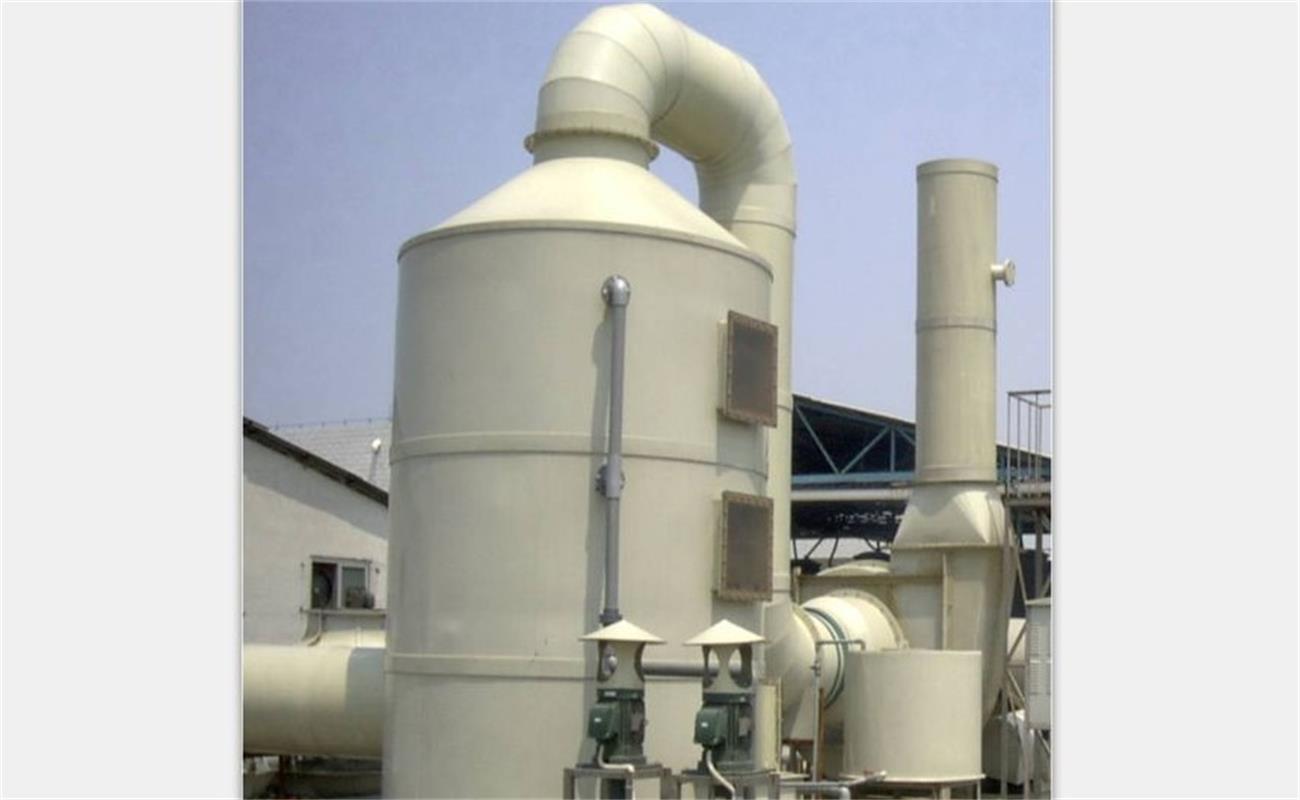
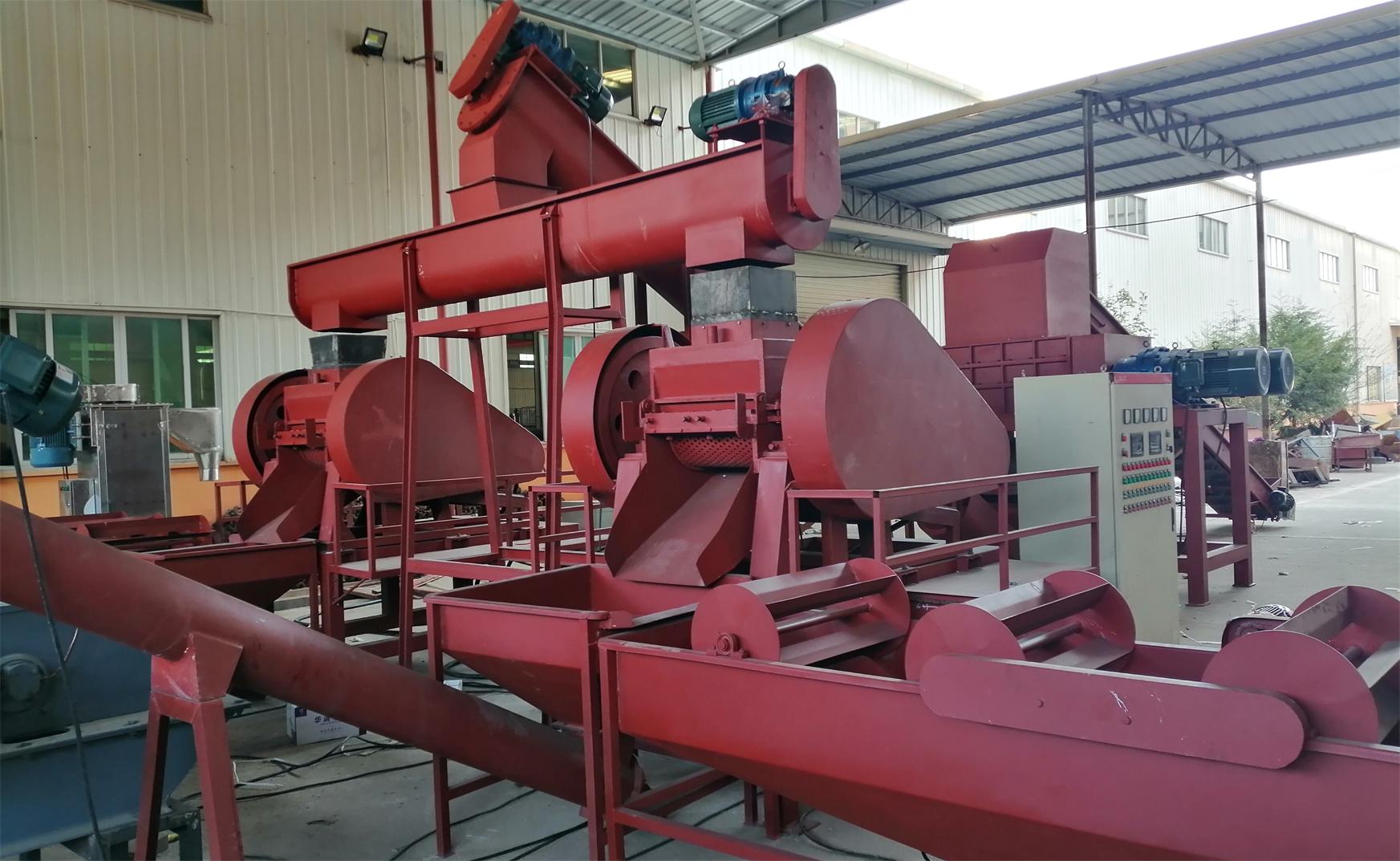
Used lead acid batteries (ULAB) remain one of the most recycled consumer products globally. A complete lead acid battery recycling equipment setup typically includes a battery breaking and separation system, a de-sulfurization unit, smelting furnaces (rotary or blast furnace), a lead refinery kettle, and air pollution control systems.
When evaluating lead battery recycling lines, look for systems that can process 1–10 metric tonnes per hour and achieve lead recovery rates above 95%. Modern plants should also include water treatment and effluent control to meet environmental standards.
2. Lithium Battery Recycling Equipment
With the electric vehicle and consumer electronics markets expanding, lithium-ion battery waste is growing rapidly. Li battery recycling equipment breaks down waste cells to recover black mass (containing nickel, cobalt, and graphite), copper, aluminum, and plastic separators.
Capacity typically ranges from 500 to 2,500 kg per hour. Because lithium batteries can be hazardous if mishandled, proper discharging, inert atmosphere processing, and gas treatment systems are essential safety features.
3. Circuit Board Recycling Equipment
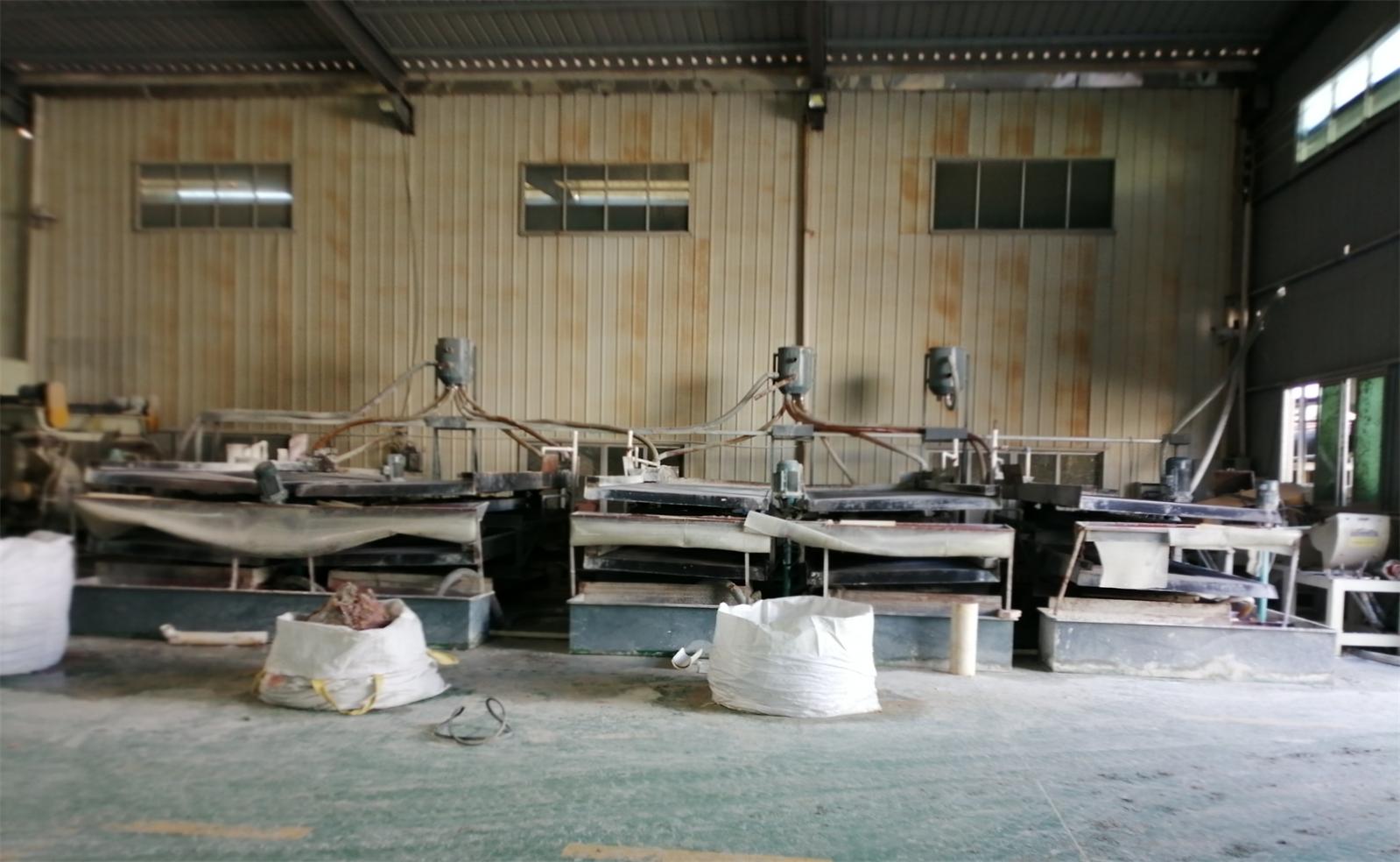
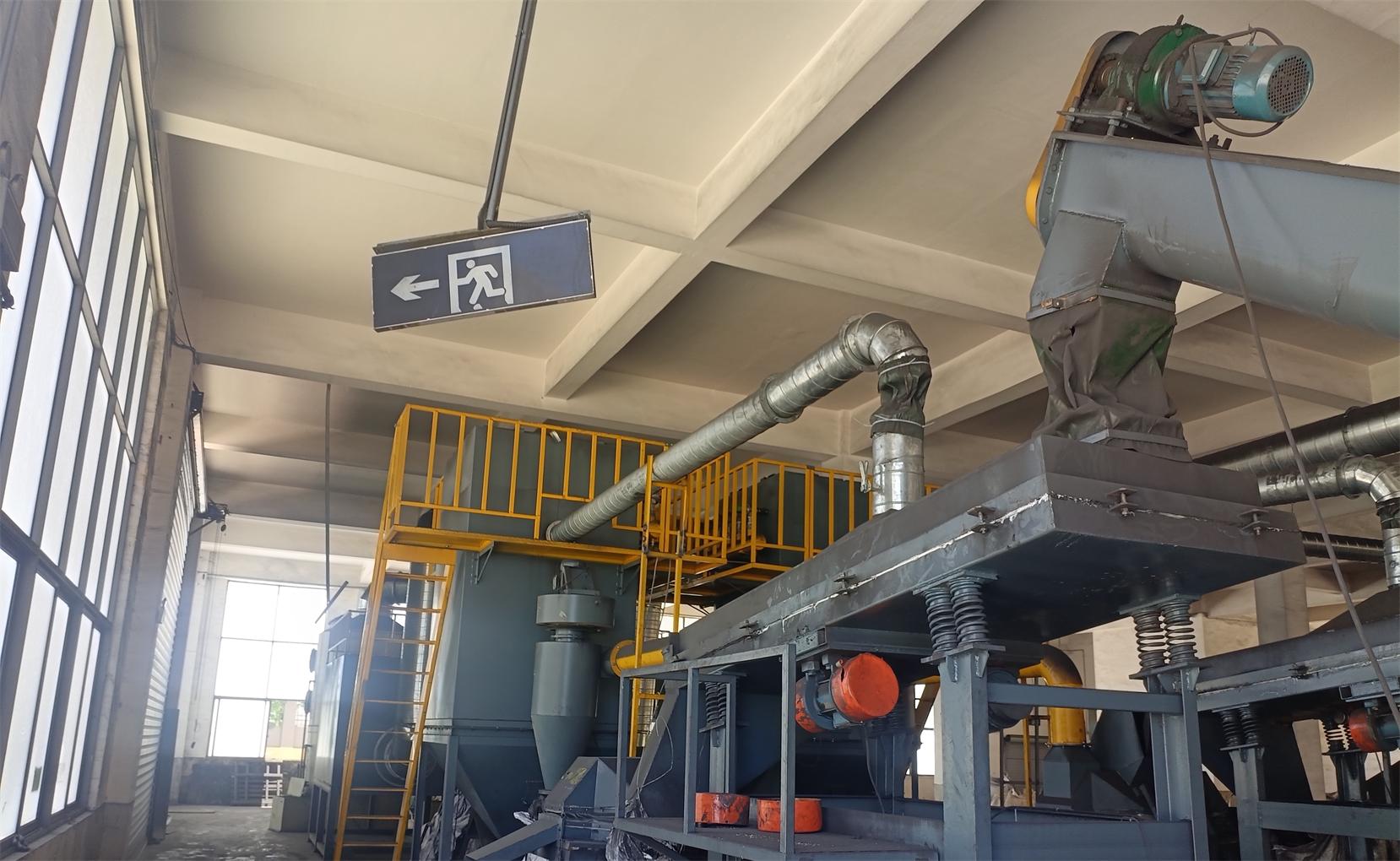
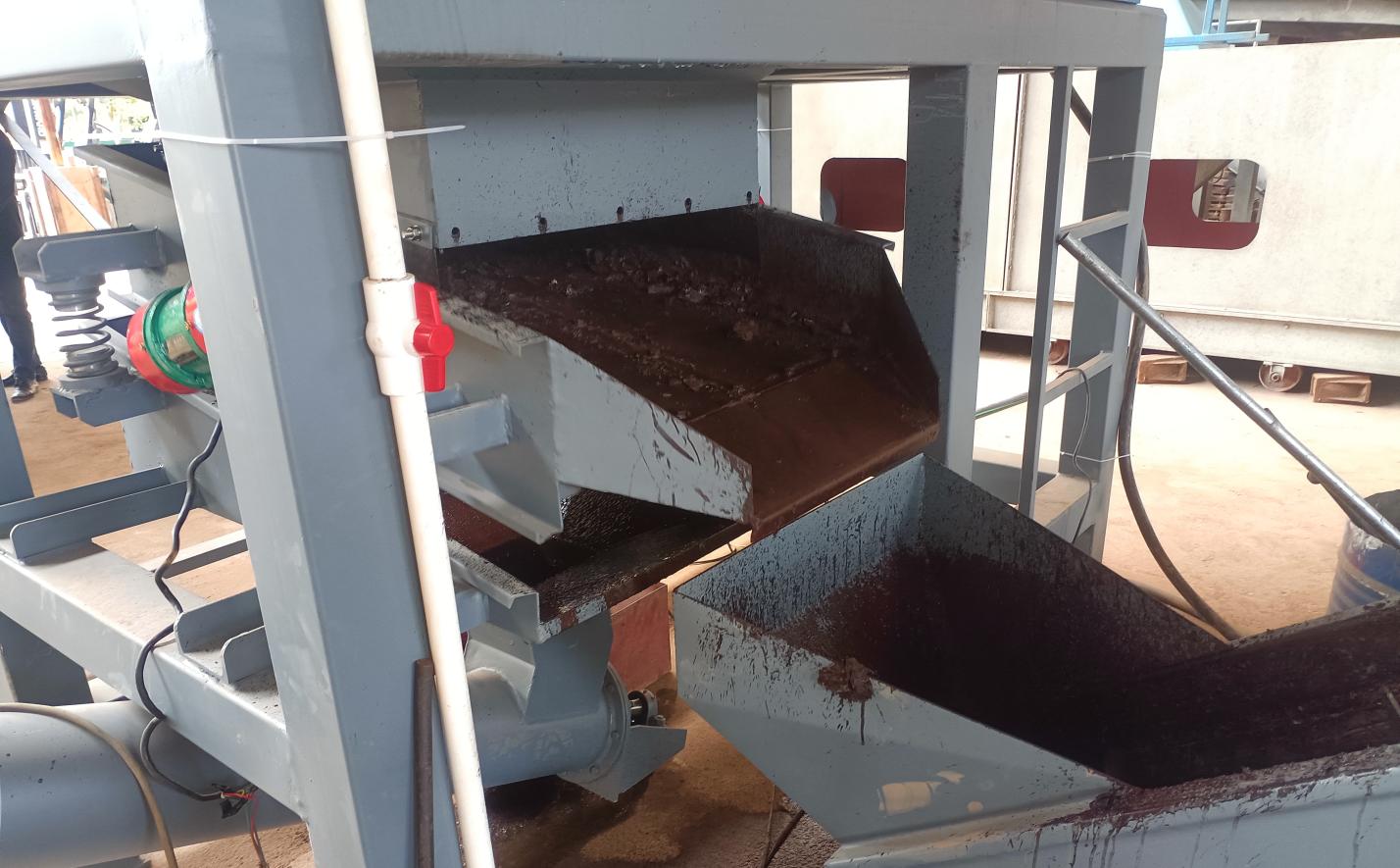
Printed circuit boards (PCBs) are found in nearly every electronic device and contain copper, precious metals, and rare earth elements. Circuit board recycling equipment uses either dry separation (air and electrostatic separation) or wet separation (water-based metal separation) to recover these materials.
Dry separation plants typically achieve copper powder purity of 96–98% with no dust pollution when paired with pulse bag dust collectors. Wet systems can handle PCBs with components still attached and are suitable for operations where water treatment is available. Capacities range from 300 kg/hour to 2,000 kg/hour depending on the model.
4. Cable Recycling Equipment
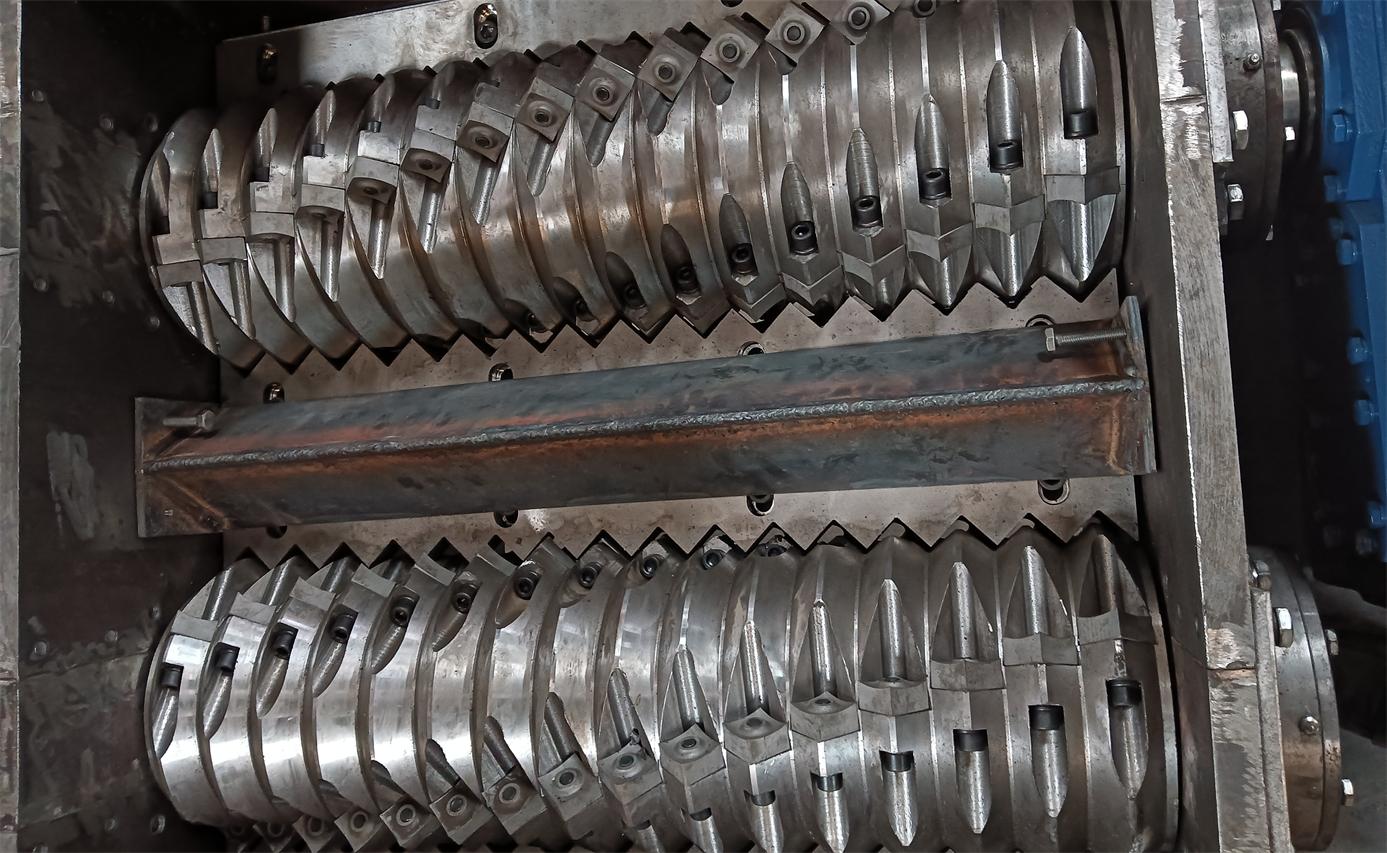
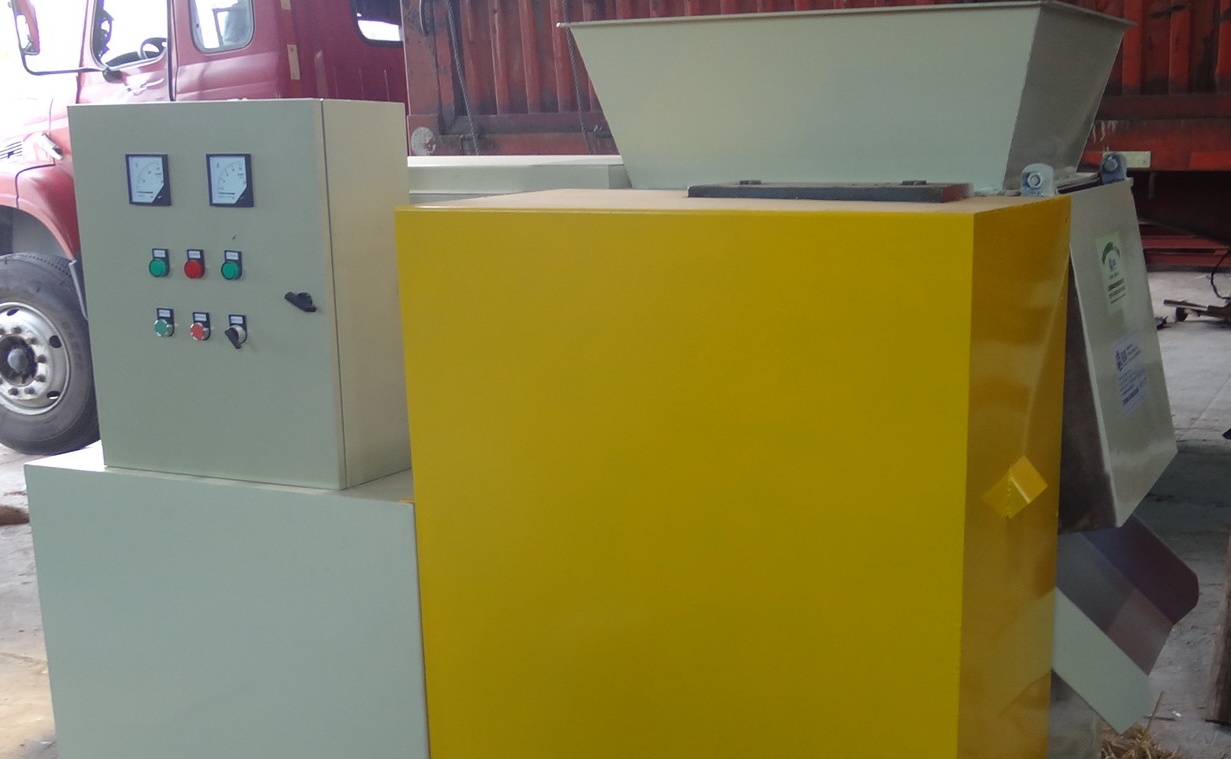
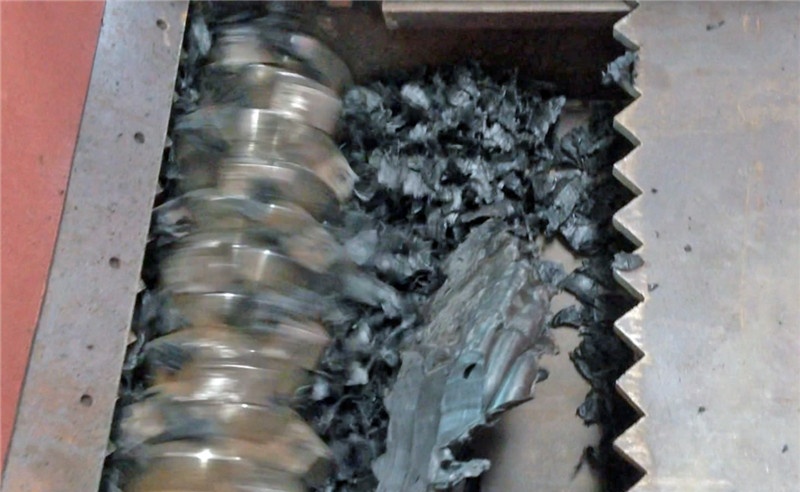
Scrap cable and wire represent one of the highest-margin feedstocks in the recycling industry. Cable recycling equipment granulates and separates copper or aluminum from plastic insulation through a combination of crushing, air separation, and sometimes electrostatic separation.
For smaller operations, compact cable granulators with dry separators are ideal. For large-volume processors, industrial cable recycling plants can handle mixed cable types including jelly-filled telecom cables. Pre-processing with scrap cable strippers can improve efficiency for thick-diameter wires.
What to Look for in a Recycling Equipment Partner
Buying recycling machinery is not like buying standard industrial equipment. The supplier you choose affects your installation, commissioning, spare parts availability, and long-term technical support. Here are the factors that separate reliable partners from mere traders:
- Technical depth: Look for a supplier with an in-house engineering team that understands mechanical design, process flow, and environmental compliance.
- Turnkey capability: The best suppliers offer EPC (Engineering, Procurement, Construction) services including customized plant design, installation, and commissioning.
- Proven export experience: International shipping, customs documentation, and on-site overseas installation require experience. Suppliers with customers in 20+ countries have demonstrated this capability.
- After-sales support: Equipment will need spare parts and technical guidance over its 10–15 year lifespan. Ensure your supplier offers ongoing support.
- Value-added services: Some suppliers go beyond equipment sales to help customers source raw materials, find investors, or sell recovered output like copper rice and lead ingots.
San Lan Technologies: A Partner for Global Recycling Operations
Established in 2007, San Lan Technologies Co., Ltd has manufactured and exported e-waste recycling machinery for nearly two decades. Based in Ganzhou, Jiangxi Province, China, the company serves customers across 21 countries including Singapore, Colombia, Mexico, South Africa, India, and Saudi Arabia.
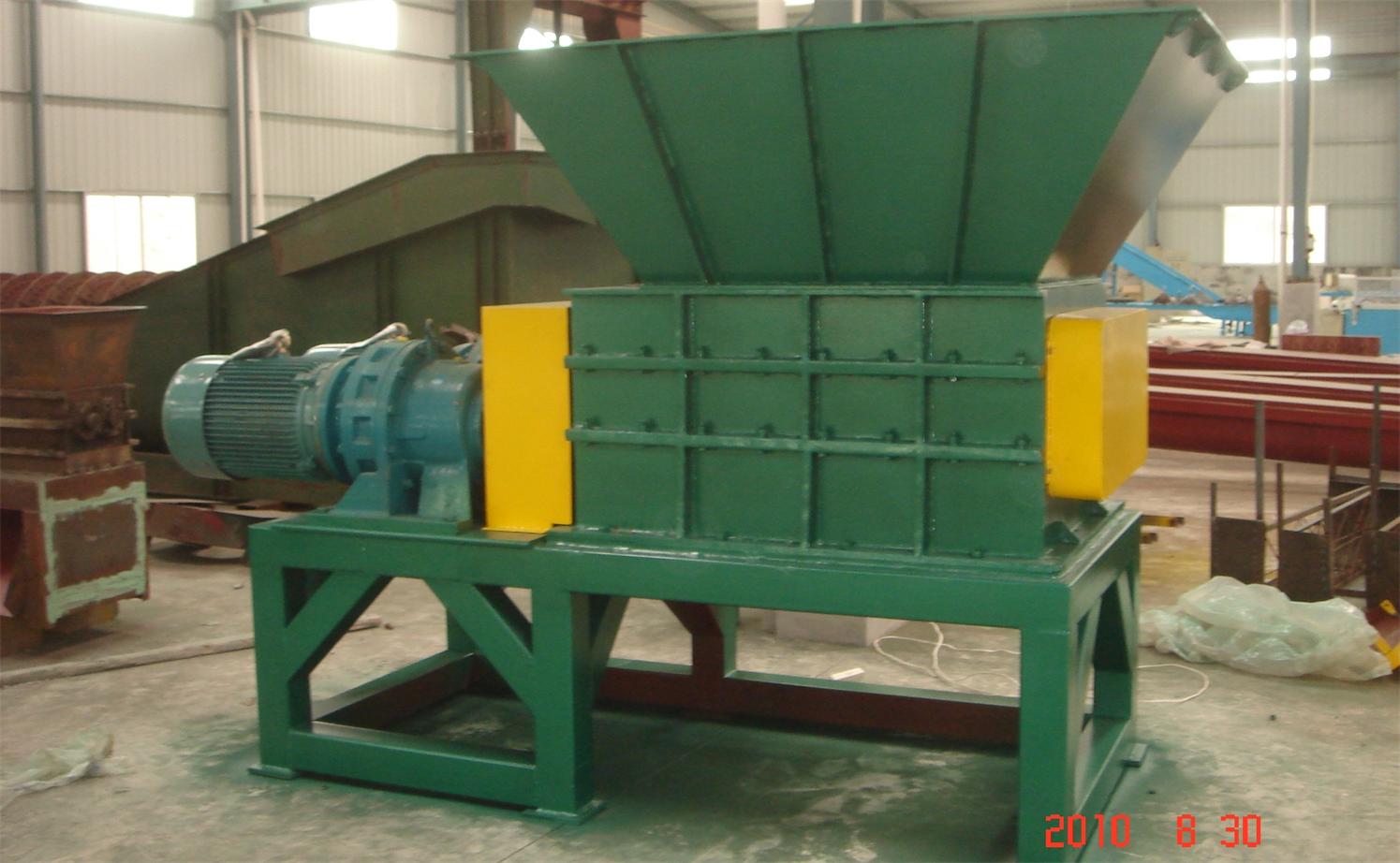
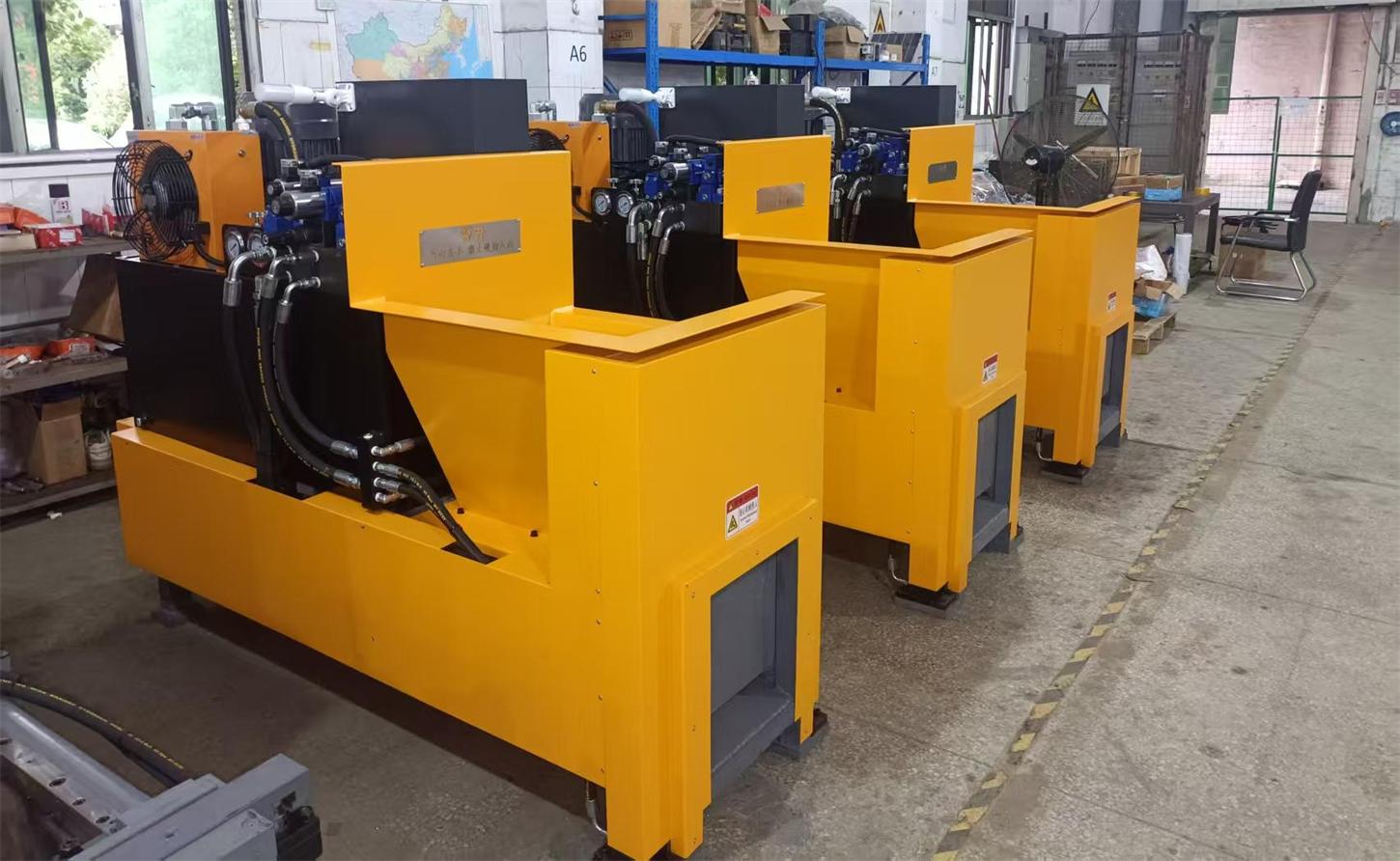
San Lan's product range covers the full spectrum of e-waste recycling needs: lead acid battery recycling plants, lithium battery recycling lines, circuit board recycling systems, cable granulators, shredders, and auxiliary equipment such as hydraulic balers and metal melting furnaces. The engineering team includes professionals with master's degrees in mechanical engineering and over 15 years of direct experience in recycling machine design.
Notable capabilities: San Lan offers complete EPC project delivery, customized plant design, and one-stop purchasing. The team also assists customers with raw material sourcing, investor introductions, and marketing of recovered materials such as copper powder and lead ingots.
For operators entering the recycling business, this level of integrated support reduces the learning curve and accelerates time to profitable operation. Whether you need a single cable granulator or a complete lead acid battery recycling plant with pollution control and water treatment, working with an experienced recycling equipment supplier makes the difference between a project that struggles and one that succeeds.
Getting Started: Your Next Steps
If you are evaluating e-waste recycling equipment for the first time, start by defining your feedstock, target capacity, and local regulatory requirements. Then request detailed technical proposals from suppliers who can demonstrate relevant experience.
Ask for reference customers in your region, request video documentation of equipment in operation, and confirm that the supplier can provide installation support and spare parts in your country. A site visit to a running plant, either locally or at the supplier's facility, is one of the best investments you can make before placing an order.
Contact San Lan Technologies
Ready to explore recycling equipment for your business? San Lan Technologies offers free consultations and customized proposals based on your specific requirements.
- Website: www.san-lan.com
- Email: info@san-lan.com
- WhatsApp: +86 139 2377 4083
- WeChat: curbing1970
Browse the full product catalog at san-lan.com/productslist.html to view specifications, capacities, and application details for each machine category.